

Poems in this topic
Birthday

Robert W. Service
Birthdays
Birthdays
Let us have birthdays every day,
(I had the thought while I was shaving)
Because a birthday should be gay,
And full of grace and good behaving.
We can't have cakes and candles bright,
And presents are beyond our giving,
But let lt us cherish with delight
The birthday way of lovely living.
For I have passed three-score and ten
And I can count upon my fingers
The years I hope to bide with men,
(Though by God's grace one often lingers.)
So in the summers left to me,
Because I'm blest beyond my merit,
I hope with gratitude and glee
To sparkle with the birthday spirit.
Let me inform myself each day
Who's proudmost on the natal roster;
If Washington or Henry Clay,
Or Eugene Field or Stephen Foster.
oh lots of famous folks I'll find
Who more than measure to my rating,
And so thanksgivingly inclined
Their birthdays I'll be celebrating.
For Oh I know the cheery glow|
Of Anniversary rejoicing;
Let me reflect its radiance so
My daily gladness I'll be voicing.
And though I'm stooped and silver-haired,
Let me with laughter make the hearth gay,
So by the gods I may be spared
Each year to hear: "Pop, Happy Birthday."
Let us have birthdays every day,
(I had the thought while I was shaving)
Because a birthday should be gay,
And full of grace and good behaving.
We can't have cakes and candles bright,
And presents are beyond our giving,
But let lt us cherish with delight
The birthday way of lovely living.
For I have passed three-score and ten
And I can count upon my fingers
The years I hope to bide with men,
(Though by God's grace one often lingers.)
So in the summers left to me,
Because I'm blest beyond my merit,
I hope with gratitude and glee
To sparkle with the birthday spirit.
Let me inform myself each day
Who's proudmost on the natal roster;
If Washington or Henry Clay,
Or Eugene Field or Stephen Foster.
oh lots of famous folks I'll find
Who more than measure to my rating,
And so thanksgivingly inclined
Their birthdays I'll be celebrating.
For Oh I know the cheery glow|
Of Anniversary rejoicing;
Let me reflect its radiance so
My daily gladness I'll be voicing.
And though I'm stooped and silver-haired,
Let me with laughter make the hearth gay,
So by the gods I may be spared
Each year to hear: "Pop, Happy Birthday."
272
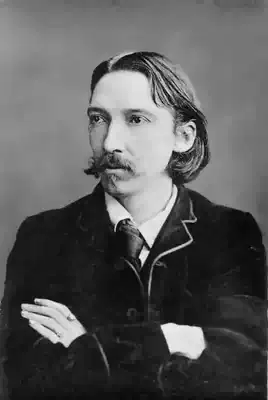
Robert Louis Stevenson
To Miss Cornish
To Miss Cornish
THEY tell me, lady, that to-day
On that unknown Australian strand -
Some time ago, so far away -
Another lady joined the band.
She joined the company of those
Lovelily dowered, nobly planned,
Who, smiling, still forgive their foes
And keep their friends in close command.
She, lady, as I learn, was one
Among the many rarely good;
And destined still to be a sun
Through every dark and rainy mood:-
She, as they told me, far had come,
By sea and land, o'er many a rood:-
Admired by all, beloved by some,
She was yourself, I understood.
But, compliment apart and free
From all constraint of verses, may
Goodness and honour, grace and glee,
Attend you ever on your way -
Up to the measure of your will,
Beyond all power of mine to say -
As she and I desire you still,
Miss Cornish, on your natal day.
THEY tell me, lady, that to-day
On that unknown Australian strand -
Some time ago, so far away -
Another lady joined the band.
She joined the company of those
Lovelily dowered, nobly planned,
Who, smiling, still forgive their foes
And keep their friends in close command.
She, lady, as I learn, was one
Among the many rarely good;
And destined still to be a sun
Through every dark and rainy mood:-
She, as they told me, far had come,
By sea and land, o'er many a rood:-
Admired by all, beloved by some,
She was yourself, I understood.
But, compliment apart and free
From all constraint of verses, may
Goodness and honour, grace and glee,
Attend you ever on your way -
Up to the measure of your will,
Beyond all power of mine to say -
As she and I desire you still,
Miss Cornish, on your natal day.
346
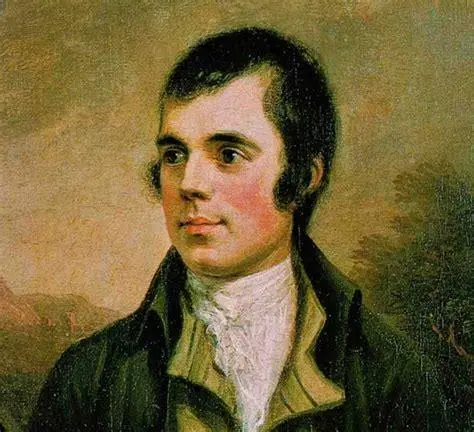
Robert Burns
A Dream
A Dream
Guid-Mornin' to our Majesty!
May Heaven augment your blisses
On ev'ry new birth-day ye see,
A humble poet wishes.
My bardship here, at your Levee
On sic a day as this is,
Is sure an uncouth sight to see,
Amang thae birth-day dresses
Sae fine this day.
I see ye're complimented thrang,
By mony a lord an' lady;
"God save the King" 's a cuckoo sang
That's unco easy said aye:
The poets, too, a venal gang,
Wi' rhymes weel-turn'd an' ready,
Wad gar you trow ye ne'er do wrang,
But aye unerring steady,
On sic a day.
For me! before a monarch's face
Ev'n there I winna flatter;
For neither pension, post, nor place,
Am I your humble debtor:
So, nae reflection on your Grace,
Your Kingship to bespatter;
There's mony waur been o' the race,
And aiblins ane been better
Than you this day.
'Tis very true, my sovereign King,
My skill may weel be doubted;
But facts are chiels that winna ding,
An' downa be disputed:
Your royal nest, beneath your wing,
Is e'en right reft and clouted,
And now the third part o' the string,
An' less, will gang aboot it
Than did ae day.^
Far be't frae me that I aspire
To blame your legislation,
Or say, ye wisdom want, or fire,
To rule this mighty nation:
But faith! I muckle doubt, my sire,
Ye've trusted ministration
To chaps wha in barn or byre
Wad better fill'd their station
Than courts yon day.
And now ye've gien auld Britain peace,
Her broken shins to plaister,
Your sair taxation does her fleece,
Till she has scarce a tester:
For me, thank God, my life's a lease,
Nae bargain wearin' faster,
Or, faith! I fear, that, wi' the geese,
I shortly boost to pasture
I' the craft some day.
I'm no mistrusting Willie Pitt,
When taxes he enlarges,
(An' Will's a true guid fallow's get,
A name not envy spairges),
That he intends to pay your debt,
An' lessen a' your charges;
But, God-sake! let nae saving fit
Abridge your bonie barges
An'boats this day.
Adieu, my Liege; may freedom geck
Beneath your high protection;
An' may ye rax Corruption's neck,
And gie her for dissection!
But since I'm here, I'll no neglect,
In loyal, true affection,
To pay your Queen, wi' due respect,
May fealty an' subjection
This great birth-day.
Hail, Majesty most Excellent!
While nobles strive to please ye,
Will ye accept a compliment,
A simple poet gies ye?
Thae bonie bairntime, Heav'n has lent,
Still higher may they heeze ye
In bliss, till fate some day is sent
For ever to release ye
Frae care that day.
For you, young Potentate o'Wales,
I tell your highness fairly,
Down Pleasure's stream, wi' swelling sails,
I'm tauld ye're driving rarely;
But some day ye may gnaw your nails,
An' curse your folly sairly,
That e'er ye brak Diana's pales,
Or rattl'd dice wi' Charlie
By night or day.
Yet aft a ragged cowt's been known,
To mak a noble aiver;
So, ye may doucely fill the throne,
For a'their clish-ma-claver:
There, him^ at Agincourt wha shone,
Few better were or braver:
And yet, wi' funny, queer Sir John,^
He was an unco shaver
For mony a day.
For you, right rev'rend Osnaburg,
Nane sets the lawn-sleeve sweeter,
Altho' a ribbon at your lug
Wad been a dress completer:
As ye disown yon paughty dog,
That bears the keys of Peter,
Then swith! an' get a wife to hug,
Or trowth, ye'll stain the mitre
Some luckless day!
Young, royal Tarry-breeks, I learn,
Ye've lately come athwart her-
A glorious galley,^ stem and stern,
Weel rigg'd for Venus' barter;
But first hang out, that she'll discern,
Your hymeneal charter;
Then heave aboard your grapple airn,
An' large upon her quarter,
Come full that day.
Ye, lastly, bonie blossoms a',
Ye royal lasses dainty,
Heav'n mak you guid as well as braw,
An' gie you lads a-plenty!
But sneer na British boys awa!
For kings are unco scant aye,
An' German gentles are but sma',
They're better just than want aye
On ony day.
Gad bless you a'! consider now,
Ye're unco muckle dautit;
But ere the course o' life be through,
It may be bitter sautit:
An' I hae seen their coggie fou,
That yet hae tarrow't at it.
But or the day was done, I trow,
The laggen they hae clautit
Fu' clean that day.
Guid-Mornin' to our Majesty!
May Heaven augment your blisses
On ev'ry new birth-day ye see,
A humble poet wishes.
My bardship here, at your Levee
On sic a day as this is,
Is sure an uncouth sight to see,
Amang thae birth-day dresses
Sae fine this day.
I see ye're complimented thrang,
By mony a lord an' lady;
"God save the King" 's a cuckoo sang
That's unco easy said aye:
The poets, too, a venal gang,
Wi' rhymes weel-turn'd an' ready,
Wad gar you trow ye ne'er do wrang,
But aye unerring steady,
On sic a day.
For me! before a monarch's face
Ev'n there I winna flatter;
For neither pension, post, nor place,
Am I your humble debtor:
So, nae reflection on your Grace,
Your Kingship to bespatter;
There's mony waur been o' the race,
And aiblins ane been better
Than you this day.
'Tis very true, my sovereign King,
My skill may weel be doubted;
But facts are chiels that winna ding,
An' downa be disputed:
Your royal nest, beneath your wing,
Is e'en right reft and clouted,
And now the third part o' the string,
An' less, will gang aboot it
Than did ae day.^
Far be't frae me that I aspire
To blame your legislation,
Or say, ye wisdom want, or fire,
To rule this mighty nation:
But faith! I muckle doubt, my sire,
Ye've trusted ministration
To chaps wha in barn or byre
Wad better fill'd their station
Than courts yon day.
And now ye've gien auld Britain peace,
Her broken shins to plaister,
Your sair taxation does her fleece,
Till she has scarce a tester:
For me, thank God, my life's a lease,
Nae bargain wearin' faster,
Or, faith! I fear, that, wi' the geese,
I shortly boost to pasture
I' the craft some day.
I'm no mistrusting Willie Pitt,
When taxes he enlarges,
(An' Will's a true guid fallow's get,
A name not envy spairges),
That he intends to pay your debt,
An' lessen a' your charges;
But, God-sake! let nae saving fit
Abridge your bonie barges
An'boats this day.
Adieu, my Liege; may freedom geck
Beneath your high protection;
An' may ye rax Corruption's neck,
And gie her for dissection!
But since I'm here, I'll no neglect,
In loyal, true affection,
To pay your Queen, wi' due respect,
May fealty an' subjection
This great birth-day.
Hail, Majesty most Excellent!
While nobles strive to please ye,
Will ye accept a compliment,
A simple poet gies ye?
Thae bonie bairntime, Heav'n has lent,
Still higher may they heeze ye
In bliss, till fate some day is sent
For ever to release ye
Frae care that day.
For you, young Potentate o'Wales,
I tell your highness fairly,
Down Pleasure's stream, wi' swelling sails,
I'm tauld ye're driving rarely;
But some day ye may gnaw your nails,
An' curse your folly sairly,
That e'er ye brak Diana's pales,
Or rattl'd dice wi' Charlie
By night or day.
Yet aft a ragged cowt's been known,
To mak a noble aiver;
So, ye may doucely fill the throne,
For a'their clish-ma-claver:
There, him^ at Agincourt wha shone,
Few better were or braver:
And yet, wi' funny, queer Sir John,^
He was an unco shaver
For mony a day.
For you, right rev'rend Osnaburg,
Nane sets the lawn-sleeve sweeter,
Altho' a ribbon at your lug
Wad been a dress completer:
As ye disown yon paughty dog,
That bears the keys of Peter,
Then swith! an' get a wife to hug,
Or trowth, ye'll stain the mitre
Some luckless day!
Young, royal Tarry-breeks, I learn,
Ye've lately come athwart her-
A glorious galley,^ stem and stern,
Weel rigg'd for Venus' barter;
But first hang out, that she'll discern,
Your hymeneal charter;
Then heave aboard your grapple airn,
An' large upon her quarter,
Come full that day.
Ye, lastly, bonie blossoms a',
Ye royal lasses dainty,
Heav'n mak you guid as well as braw,
An' gie you lads a-plenty!
But sneer na British boys awa!
For kings are unco scant aye,
An' German gentles are but sma',
They're better just than want aye
On ony day.
Gad bless you a'! consider now,
Ye're unco muckle dautit;
But ere the course o' life be through,
It may be bitter sautit:
An' I hae seen their coggie fou,
That yet hae tarrow't at it.
But or the day was done, I trow,
The laggen they hae clautit
Fu' clean that day.
317

Jonathan Swift
To Stella On Her Birth-Day, 1721-2
To Stella On Her Birth-Day, 1721-2
While, Stella, to your lasting praise
The Muse her annual tribute pays,
While I assign myself a task
Which you expect, but scorn to ask;
If I perform this task with pain,
Let me of partial fate complain;
You every year the debt enlarge,
I grow less equal to the charge:
In you each virtue brighter shines,
But my poetic vein declines;
My harp will soon in vain be strung,
And all your virtues left unsung.
For none among the upstart race
Of poets dare assume my place;
Your worth will be to them unknown,
They must have Stellas of their own;
And thus, my stock of wit decay'd,
I dying leave the debt unpaid,
Unless Delany, as my heir,
Will answer for the whole arrear.
While, Stella, to your lasting praise
The Muse her annual tribute pays,
While I assign myself a task
Which you expect, but scorn to ask;
If I perform this task with pain,
Let me of partial fate complain;
You every year the debt enlarge,
I grow less equal to the charge:
In you each virtue brighter shines,
But my poetic vein declines;
My harp will soon in vain be strung,
And all your virtues left unsung.
For none among the upstart race
Of poets dare assume my place;
Your worth will be to them unknown,
They must have Stellas of their own;
And thus, my stock of wit decay'd,
I dying leave the debt unpaid,
Unless Delany, as my heir,
Will answer for the whole arrear.
224
Jonathan Swift
Stella's Birthday March 13, 1727
Stella's Birthday March 13, 1727
This day, whate'er the Fates decree,
Shall still be kept with joy by me:
This day then let us not be told,
That you are sick, and I grown old;
Nor think on our approaching ills,
And talk of spectacles and pills.
To-morrow will be time enough
To hear such mortifying stuff.
Yet, since from reason may be brought
A better and more pleasing thought,
Which can, in spite of all decays,
Support a few remaining days:
From not the gravest of divines
Accept for once some serious lines.
Although we now can form no more
Long schemes of life, as heretofore;
Yet you, while time is running fast,
Can look with joy on what is past.
Were future happiness and pain
A mere contrivance of the brain,
As atheists argue, to entice
And fit their proselytes for vice;
(The only comfort they propose,
To have companions in their woes;)
Grant this the case; yet sure 'tis hard
That virtue, styl'd its own reward,
And by all sages understood
To be the chief of human good,
Should, acting, die, nor leave behind
Some lasting pleasure in the mind;
Which by remembrance will assuage
Grief, sickness, poverty, and age;
And strongly shoot a radiant dart
To shine through life's declining part.
Say, Stella, feel you no content,
Reflecting on a life well spent?
Your skilful hand employ'd to save
Despairing wretches from the grave;
And then supporting with your store
Those whom you dragg'd from death before?
So Providence on mortals waits,
Preserving what it first creates.
Your gen'rous boldness to defend
An innocent and absent friend;
That courage which can make you just
To merit humbled in the dust;
The detestation you express
For vice in all its glitt'ring dress;
That patience under torturing pain,
Where stubborn stoics would complain:
Must these like empty shadows pass,
Or forms reflected from a glass?
Or mere chimæras in the mind,
That fly, and leave no marks behind?
Does not the body thrive and grow
By food of twenty years ago?
And, had it not been still supplied,
It must a thousand times have died.
Then who with reason can maintain
That no effects of food remain?
And is not virtue in mankind
The nutriment that feeds the mind;
Upheld by each good action past,
And still continued by the last?
Then, who with reason can pretend
That all effects of virtue end?
Believe me, Stella, when you show
That true contempt for things below,
Nor prize your life for other ends,
Than merely to oblige your friends;
Your former actions claim their part,
And join to fortify your heart.
For Virtue, in her daily race,
Like Janus, bears a double face;
Looks back with joy where she has gone
And therefore goes with courage on:
She at your sickly couch will wait,
And guide you to a better state.
O then, whatever Heav'n intends,
Take pity on your pitying friends!
Nor let your ills affect your mind,
To fancy they can be unkind.
Me, surely me, you ought to spare,
Who gladly would your suff'rings share;
Or give my scrap of life to you,
And think it far beneath your due;
You, to whose care so oft I owe
That I'm alive to tell you so.
This day, whate'er the Fates decree,
Shall still be kept with joy by me:
This day then let us not be told,
That you are sick, and I grown old;
Nor think on our approaching ills,
And talk of spectacles and pills.
To-morrow will be time enough
To hear such mortifying stuff.
Yet, since from reason may be brought
A better and more pleasing thought,
Which can, in spite of all decays,
Support a few remaining days:
From not the gravest of divines
Accept for once some serious lines.
Although we now can form no more
Long schemes of life, as heretofore;
Yet you, while time is running fast,
Can look with joy on what is past.
Were future happiness and pain
A mere contrivance of the brain,
As atheists argue, to entice
And fit their proselytes for vice;
(The only comfort they propose,
To have companions in their woes;)
Grant this the case; yet sure 'tis hard
That virtue, styl'd its own reward,
And by all sages understood
To be the chief of human good,
Should, acting, die, nor leave behind
Some lasting pleasure in the mind;
Which by remembrance will assuage
Grief, sickness, poverty, and age;
And strongly shoot a radiant dart
To shine through life's declining part.
Say, Stella, feel you no content,
Reflecting on a life well spent?
Your skilful hand employ'd to save
Despairing wretches from the grave;
And then supporting with your store
Those whom you dragg'd from death before?
So Providence on mortals waits,
Preserving what it first creates.
Your gen'rous boldness to defend
An innocent and absent friend;
That courage which can make you just
To merit humbled in the dust;
The detestation you express
For vice in all its glitt'ring dress;
That patience under torturing pain,
Where stubborn stoics would complain:
Must these like empty shadows pass,
Or forms reflected from a glass?
Or mere chimæras in the mind,
That fly, and leave no marks behind?
Does not the body thrive and grow
By food of twenty years ago?
And, had it not been still supplied,
It must a thousand times have died.
Then who with reason can maintain
That no effects of food remain?
And is not virtue in mankind
The nutriment that feeds the mind;
Upheld by each good action past,
And still continued by the last?
Then, who with reason can pretend
That all effects of virtue end?
Believe me, Stella, when you show
That true contempt for things below,
Nor prize your life for other ends,
Than merely to oblige your friends;
Your former actions claim their part,
And join to fortify your heart.
For Virtue, in her daily race,
Like Janus, bears a double face;
Looks back with joy where she has gone
And therefore goes with courage on:
She at your sickly couch will wait,
And guide you to a better state.
O then, whatever Heav'n intends,
Take pity on your pitying friends!
Nor let your ills affect your mind,
To fancy they can be unkind.
Me, surely me, you ought to spare,
Who gladly would your suff'rings share;
Or give my scrap of life to you,
And think it far beneath your due;
You, to whose care so oft I owe
That I'm alive to tell you so.
258
Jonathan Swift
Stella's Birthday March 13, 1719
Stella's Birthday March 13, 1719
Stella this day is thirty-four,
(We shan't dispute a year or more:)
However, Stella, be not troubled,
Although thy size and years are doubled,
Since first I saw thee at sixteen,
The brightest virgin on the green;
So little is thy form declin'd;
Made up so largely in thy mind.
Oh, would it please the gods to split
Thy beauty, size, and years, and wit;
No age could furnish out a pair
Of nymphs so graceful, wise, and fair;
With half the lustre of your eyes,
With half your wit, your years, and size.
And then, before it grew too late,
How should I beg of gentle Fate,
(That either nymph might have her swain,)
To split my worship too in twain.
Stella this day is thirty-four,
(We shan't dispute a year or more:)
However, Stella, be not troubled,
Although thy size and years are doubled,
Since first I saw thee at sixteen,
The brightest virgin on the green;
So little is thy form declin'd;
Made up so largely in thy mind.
Oh, would it please the gods to split
Thy beauty, size, and years, and wit;
No age could furnish out a pair
Of nymphs so graceful, wise, and fair;
With half the lustre of your eyes,
With half your wit, your years, and size.
And then, before it grew too late,
How should I beg of gentle Fate,
(That either nymph might have her swain,)
To split my worship too in twain.
229
Jonathan Swift
On Stella's Birth-Day, 1719
On Stella's Birth-Day, 1719
Stella this Day is thirty four,
(We shan't dispute a Year or more)
However Stella, be not troubled,
Although thy Size and Years are doubled,
Since first I saw Thee at Sixteen
The brightest Virgin on the Green,
So little is thy Form declin'd
Made up so largely in thy Mind.
Oh, woud it please the Gods to split
Thy Beauty, Size, and Years, and Wit,
No Age could furnish out a Pair
Of Nymphs so graceful, Wise and fair
With half the Lustre of your Eyes,
With half your Wit, your Years and Size:
And then before it grew too late,
How should I beg of gentle Fate,
(That either Nymph might have her Swain,)
To split my Worship too in twain.
Stella this Day is thirty four,
(We shan't dispute a Year or more)
However Stella, be not troubled,
Although thy Size and Years are doubled,
Since first I saw Thee at Sixteen
The brightest Virgin on the Green,
So little is thy Form declin'd
Made up so largely in thy Mind.
Oh, woud it please the Gods to split
Thy Beauty, Size, and Years, and Wit,
No Age could furnish out a Pair
Of Nymphs so graceful, Wise and fair
With half the Lustre of your Eyes,
With half your Wit, your Years and Size:
And then before it grew too late,
How should I beg of gentle Fate,
(That either Nymph might have her Swain,)
To split my Worship too in twain.
327
Jonathan Swift
Bec’s Birth-Day Nov. 8, 1726
Bec’s Birth-Day Nov. 8, 1726
This day, dear Bec, is thy nativity;
Had Fate a luckier one, she'd give it ye.
She chose a thread of greatest length,
And doubly twisted it for strength:
Nor will be able with her shears
To cut it off these forty years.
Then who says care will kill a cat?
Rebecca shows they're out in that.
For she, though overrun with care,
Continues healthy, fat, and fair.
As, if the gout should seize the head,
Doctors pronounce the patient dead;
But, if they can, by all their arts,
Eject it to the extremest parts,
They give the sick man joy, and praise
The gout that will prolong his days.
Rebecca thus I gladly greet,
Who drives her cares to hands and feet:
For, though philosophers maintain
The limbs are guided by the brain,
Quite contrary Rebecca's led;
Her hands and feet conduct her head;
By arbitrary power convey her,
She ne'er considers why or where:
Her hands may meddle, feet may wander,
Her head is but a mere by-stander:
And all her bustling but supplies
The part of wholesome exercise.
Thus nature has resolved to pay her
The cat's nine lives, and eke the care.
Long may she live, and help her friends
Whene'er it suits her private ends;
Domestic business never mind
Till coffee has her stomach lined;
But, when her breakfast gives her courage,
Then think on Stella's chicken porridge:
I mean when Tigerhas been served,
Or else poor Stella may be starved.
May Bec have many an evening nap,
With Tiger slabbering in her lap;
But always take a special care
She does not overset the chair;
Still be she curious, never hearken
To any speech but Tiger's barking!
And when she's in another scene,
Stella long dead, but first the Dean,
May fortune and her coffee get her
Companions that will please her better!
Whole afternoons will sit beside her,
Nor for neglects or blunders chide her.
A goodly set as can be found
Of hearty gossips prating round;
Fresh from a wedding or a christening,
To teach her ears the art of listening,
And please her more to hear them tattle,
Than the Dean storm, or Stella rattle.
Late be her death, one gentle nod,
When Hermes, waiting with his rod,
Shall to Elysian fields invite her,
Where there will be no cares to fright her!
This day, dear Bec, is thy nativity;
Had Fate a luckier one, she'd give it ye.
She chose a thread of greatest length,
And doubly twisted it for strength:
Nor will be able with her shears
To cut it off these forty years.
Then who says care will kill a cat?
Rebecca shows they're out in that.
For she, though overrun with care,
Continues healthy, fat, and fair.
As, if the gout should seize the head,
Doctors pronounce the patient dead;
But, if they can, by all their arts,
Eject it to the extremest parts,
They give the sick man joy, and praise
The gout that will prolong his days.
Rebecca thus I gladly greet,
Who drives her cares to hands and feet:
For, though philosophers maintain
The limbs are guided by the brain,
Quite contrary Rebecca's led;
Her hands and feet conduct her head;
By arbitrary power convey her,
She ne'er considers why or where:
Her hands may meddle, feet may wander,
Her head is but a mere by-stander:
And all her bustling but supplies
The part of wholesome exercise.
Thus nature has resolved to pay her
The cat's nine lives, and eke the care.
Long may she live, and help her friends
Whene'er it suits her private ends;
Domestic business never mind
Till coffee has her stomach lined;
But, when her breakfast gives her courage,
Then think on Stella's chicken porridge:
I mean when Tigerhas been served,
Or else poor Stella may be starved.
May Bec have many an evening nap,
With Tiger slabbering in her lap;
But always take a special care
She does not overset the chair;
Still be she curious, never hearken
To any speech but Tiger's barking!
And when she's in another scene,
Stella long dead, but first the Dean,
May fortune and her coffee get her
Companions that will please her better!
Whole afternoons will sit beside her,
Nor for neglects or blunders chide her.
A goodly set as can be found
Of hearty gossips prating round;
Fresh from a wedding or a christening,
To teach her ears the art of listening,
And please her more to hear them tattle,
Than the Dean storm, or Stella rattle.
Late be her death, one gentle nod,
When Hermes, waiting with his rod,
Shall to Elysian fields invite her,
Where there will be no cares to fright her!
236
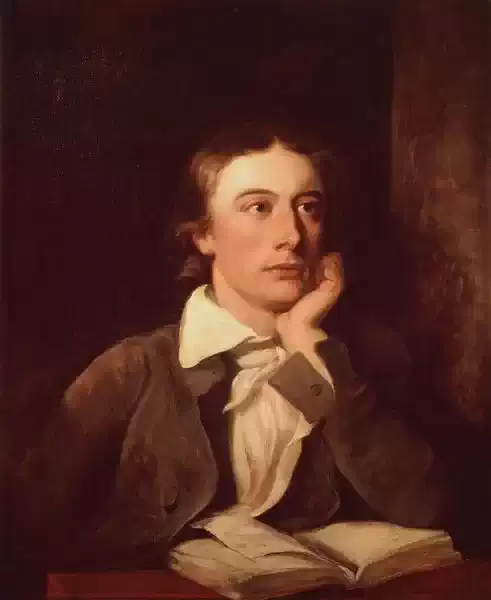
John Keats
Sonnet VIII. To My Brothers
Sonnet VIII. To My Brothers
Small, busy flames play through the fresh laid coals,
And their faint cracklings o'er our silence creep
Like whispers of the household gods that keep
A gentle empire o'er fraternal souls.
And while, for rhymes, I search around the poles,
Your eyes are fix d, as in poetic sleep,
Upon the lore so voluble and deep,
That aye at fall of night our care condoles.
This is your birth-day Tom, and I rejoice
That thus it passes smoothly, quietly.
Many such eves of gently whisp'ring noise
May we together pass, and calmly try
What are this world s true joys, ere the great voice,
From its fair face, shall bid our spirits fly.
Small, busy flames play through the fresh laid coals,
And their faint cracklings o'er our silence creep
Like whispers of the household gods that keep
A gentle empire o'er fraternal souls.
And while, for rhymes, I search around the poles,
Your eyes are fix d, as in poetic sleep,
Upon the lore so voluble and deep,
That aye at fall of night our care condoles.
This is your birth-day Tom, and I rejoice
That thus it passes smoothly, quietly.
Many such eves of gently whisp'ring noise
May we together pass, and calmly try
What are this world s true joys, ere the great voice,
From its fair face, shall bid our spirits fly.
367
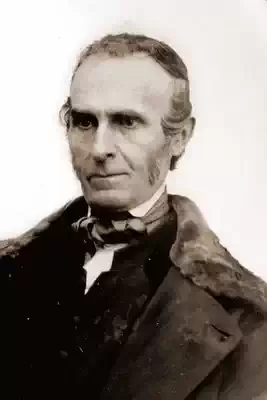
John Greenleaf Whittier
The Birthday Wreath
The Birthday Wreath
Blossom and greenness, making all
The winter birthday tropical,
And the plain Quaker parlors gay,
Have gone from bracket, stand, and wall;
We saw them fade, and droop, and fall,
And laid them tenderly away.
White virgin lilies, mignonette,
Blown rose, and pink, and violet,
A breath of fragrance passing by;
Visions of beauty and decay,
Colors and shapes that could not stay,
The fairest, sweetest, first to die.
But still this rustic wreath of mine,
Of acorned oak and needled pine,
And lighter growths of forest lands,
Woven and wound with careful pains,
And tender thoughts, and prayers, remains,
As when it dropped from love's dear hands.
And not unfitly garlanded,
Is he, who, country-born and bred,
Welcomes the sylvan ring which gives
A feeling of old summer days,
The wild delight of woodland ways,
The glory of the autumn leaves.
And, if the flowery meed of song
To other bards may well belong,
Be his, who from the farm-field spoke
A word for Freedom when her need
Was not of dulcimer and reed.
This Isthmian wreath of pine and oak.
Blossom and greenness, making all
The winter birthday tropical,
And the plain Quaker parlors gay,
Have gone from bracket, stand, and wall;
We saw them fade, and droop, and fall,
And laid them tenderly away.
White virgin lilies, mignonette,
Blown rose, and pink, and violet,
A breath of fragrance passing by;
Visions of beauty and decay,
Colors and shapes that could not stay,
The fairest, sweetest, first to die.
But still this rustic wreath of mine,
Of acorned oak and needled pine,
And lighter growths of forest lands,
Woven and wound with careful pains,
And tender thoughts, and prayers, remains,
As when it dropped from love's dear hands.
And not unfitly garlanded,
Is he, who, country-born and bred,
Welcomes the sylvan ring which gives
A feeling of old summer days,
The wild delight of woodland ways,
The glory of the autumn leaves.
And, if the flowery meed of song
To other bards may well belong,
Be his, who from the farm-field spoke
A word for Freedom when her need
Was not of dulcimer and reed.
This Isthmian wreath of pine and oak.
276
John Greenleaf Whittier
Bryant On His Birthday
Bryant On His Birthday
We praise not now the poet's art,
The rounded beauty of his song;
Who weighs him from his life apart
Must do his nobler nature wrong.
Not for the eye, familiar grown
With charms to common sight denied,
The marvellous gift he shares alone
With him who walked on Rydal-side;
Not for rapt hymn nor woodland lay,
Too grave for smiles, too sweet for tears;
We speak his praise who wears to-day
The glory of his seventy years.
When Peace brings Freedom in her train,
Let happy lips his songs rehearse;
His life is now his noblest strain,
His manhood better than his verse!
Thank God! his hand on Nature's keys
Its cunning keeps at life's full span;
But, dimmed and dwarfed, in times like these,
The poet seems beside the man!
So be it! let the garlands die,
The singer's wreath, the painter's meed,
Let our names perish, if thereby
Our country may be saved and freed!
We praise not now the poet's art,
The rounded beauty of his song;
Who weighs him from his life apart
Must do his nobler nature wrong.
Not for the eye, familiar grown
With charms to common sight denied,
The marvellous gift he shares alone
With him who walked on Rydal-side;
Not for rapt hymn nor woodland lay,
Too grave for smiles, too sweet for tears;
We speak his praise who wears to-day
The glory of his seventy years.
When Peace brings Freedom in her train,
Let happy lips his songs rehearse;
His life is now his noblest strain,
His manhood better than his verse!
Thank God! his hand on Nature's keys
Its cunning keeps at life's full span;
But, dimmed and dwarfed, in times like these,
The poet seems beside the man!
So be it! let the garlands die,
The singer's wreath, the painter's meed,
Let our names perish, if thereby
Our country may be saved and freed!
340
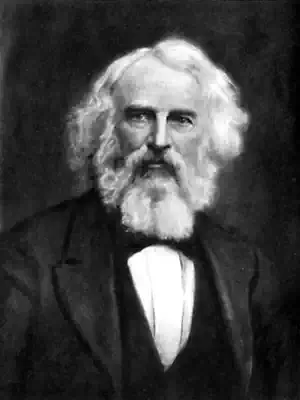
Henry Wadsworth Longfellow
The Fiftieth Birthday Of Agassiz. (Birds Of Passage. Flight The First)
The Fiftieth Birthday Of Agassiz. (Birds Of Passage. Flight The First)
It was fifty years ago
In the pleasant month of May,
In the beautiful Pays de Vaud,
A child in its cradle lay.
And Nature, the old nurse, took
The child upon her knee,
Saying: 'Here is a story-book
Thy Father has written for thee.'
'Come, wander with me,' she said,
'Into regions yet untrod;
And read what is still unread
In the manuscripts of God.'
And he wandered away and away
With Nature, the dear old nurse,
Who sang to him night and day
The rhymes of the universe.
And whenever the way seemed long,
Or his heart began to fail,
She would sing a more wonderful song,
Or tell a more marvellous tale.
So she keeps him still a child,
And will not let him go,
Though at times his heart beats wild
For the beautiful Pays de Vaud;
Though at times he hears in his dreams
The Ranz des Vaches of old,
And the rush of mountain streams
From glaciers clear and cold;
And the mother at home says, 'Hark!
For his voice I listen and yearn;
It is growing late and dark,
And my boy does not return!'
It was fifty years ago
In the pleasant month of May,
In the beautiful Pays de Vaud,
A child in its cradle lay.
And Nature, the old nurse, took
The child upon her knee,
Saying: 'Here is a story-book
Thy Father has written for thee.'
'Come, wander with me,' she said,
'Into regions yet untrod;
And read what is still unread
In the manuscripts of God.'
And he wandered away and away
With Nature, the dear old nurse,
Who sang to him night and day
The rhymes of the universe.
And whenever the way seemed long,
Or his heart began to fail,
She would sing a more wonderful song,
Or tell a more marvellous tale.
So she keeps him still a child,
And will not let him go,
Though at times his heart beats wild
For the beautiful Pays de Vaud;
Though at times he hears in his dreams
The Ranz des Vaches of old,
And the rush of mountain streams
From glaciers clear and cold;
And the mother at home says, 'Hark!
For his voice I listen and yearn;
It is growing late and dark,
And my boy does not return!'
325
Henry Van Dyke
Thomas Bailey Aldrich
Thomas Bailey Aldrich
I
BIRTHDAY VERSES
Dear Aldrich, now November's mellow days
Have brought another Festa round to you,
You can't refuse a loving-cup of praise
From friends the fleeting years have bound to you.
Here come your Marjorie Daw, your dear Bad Boy,
Prudence, and Judith the Bethulian,
And many more, to wish you birthday joy,
And sunny hours, and sky caerulean!
Your children all, they hurry to your den,
With wreaths of honour they have won for you,
To merry-make your threescore years and ten.
You, old? Why, life has just begun for you!
There's many a reader whom your silver songs
And crystal stories cheer in loneliness.
What though the newer writers come in throngs?
You're sure to keep your charm of only-ness.
You do your work with careful, loving touch, --
An artist to the very core of you, --
You know the magic spell of "not-too-much ":
We read, -- and wish that there was more of you.
And more there is: for while we love your books
Because their subtle skill is part of you;
We love you better, for our friendship looks
Behind them to the human heart of you.
November 24, 1906.
II
MEMORIAL SONNET
THIS is the house where little Aldrich read
The early pages of Life's wonder-book:
With boyish pleasure, in this ingle-nook
He watched the drift-wood fire of Fancy spread
Bright colours on the pictures, blue and red:
Boy-like he skipped the longer words, and took
His happy way, with searching, dreamful look
Among the deeper things more simply said.
Then, came his turn to write: and still the flame
Of Fancy played through all the tales he told,
And still he won the laurelled poet's fame
With simple words wrought into rhymes of gold.
Look, here's the face to which this house is frame, --
A man too wise to let his heart grow old!
I
BIRTHDAY VERSES
Dear Aldrich, now November's mellow days
Have brought another Festa round to you,
You can't refuse a loving-cup of praise
From friends the fleeting years have bound to you.
Here come your Marjorie Daw, your dear Bad Boy,
Prudence, and Judith the Bethulian,
And many more, to wish you birthday joy,
And sunny hours, and sky caerulean!
Your children all, they hurry to your den,
With wreaths of honour they have won for you,
To merry-make your threescore years and ten.
You, old? Why, life has just begun for you!
There's many a reader whom your silver songs
And crystal stories cheer in loneliness.
What though the newer writers come in throngs?
You're sure to keep your charm of only-ness.
You do your work with careful, loving touch, --
An artist to the very core of you, --
You know the magic spell of "not-too-much ":
We read, -- and wish that there was more of you.
And more there is: for while we love your books
Because their subtle skill is part of you;
We love you better, for our friendship looks
Behind them to the human heart of you.
November 24, 1906.
II
MEMORIAL SONNET
THIS is the house where little Aldrich read
The early pages of Life's wonder-book:
With boyish pleasure, in this ingle-nook
He watched the drift-wood fire of Fancy spread
Bright colours on the pictures, blue and red:
Boy-like he skipped the longer words, and took
His happy way, with searching, dreamful look
Among the deeper things more simply said.
Then, came his turn to write: and still the flame
Of Fancy played through all the tales he told,
And still he won the laurelled poet's fame
With simple words wrought into rhymes of gold.
Look, here's the face to which this house is frame, --
A man too wise to let his heart grow old!
298
Henry Van Dyke
A Health to Mark Twain
A Health to Mark Twain
At his Birthday Feast
With memories old and wishes new
We crown our cups again,
And here's to you, and here's to you
With love that ne'er shall wane!
And may you keep, at sixty-seven,
The joy of earth, the hope of heaven,
And fame well-earned, and friendship true,
And peace that comforts every pain,
And faith that fights the battle through,
And all your heart's unbounded wealth,
And all your wit, and all your health,--
Yes, here's a hearty health to you,
And here's to you, and here's to you,
Long life to you, Mark Twain.
At his Birthday Feast
With memories old and wishes new
We crown our cups again,
And here's to you, and here's to you
With love that ne'er shall wane!
And may you keep, at sixty-seven,
The joy of earth, the hope of heaven,
And fame well-earned, and friendship true,
And peace that comforts every pain,
And faith that fights the battle through,
And all your heart's unbounded wealth,
And all your wit, and all your health,--
Yes, here's a hearty health to you,
And here's to you, and here's to you,
Long life to you, Mark Twain.
235
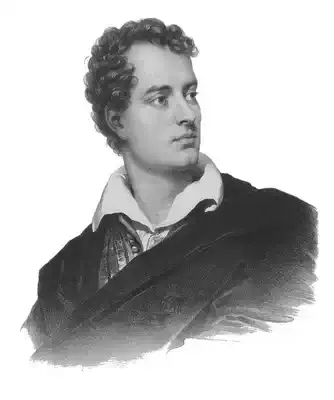
Lord Byron
On My Thirty-Third Birthday, January 22, 1821
On My Thirty-Third Birthday, January 22, 1821
Through life's dull road, so dim and dirty,
I have dragg'd to threeandthirty.
What have these years left to me?
Nothingexcept
thirtythree.
Through life's dull road, so dim and dirty,
I have dragg'd to threeandthirty.
What have these years left to me?
Nothingexcept
thirtythree.
432
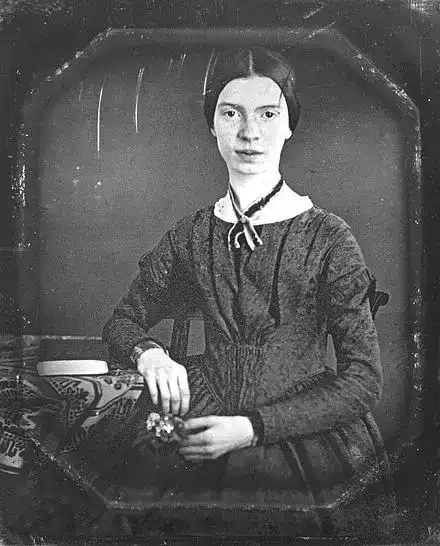
Emily Dickinson
One Year ago—jots what?
One Year ago—jots what?
296
One Year ago—jots what?
God—spell the word! I—can't—
Was't Grace? Not that—
Was't Glory? That—will do—
Spell slower—Glory—
Such Anniversary shall be—
Sometimes—not often—in Eternity—
When farther Parted, than the Common Woe—
Look—feed upon each other's faces—so—
In doubtful meal, if it be possible
Their Banquet's true—
I tasted—careless—then—
I did not know the Wine
Came once a World—Did you?
Oh, had you told me so—
This Thirst would blister—easier—now—
You said it hurt you—most—
Mine—was an Acorn's Breast—
And could not know how fondness grew
In Shaggier Vest—
Perhaps—I couldn't—
But, had you looked in—
A Giant—eye to eye with you, had been—
No Acorn—then—
So—Twelve months ago—
We breathed—
Then dropped the Air—
Which bore it best?
Was this—the patientest—
Because it was a Child, you know—
And could not value—Air?
If to be "Elder"—mean most pain—
I'm old enough, today, I'm certain—then—
As old as thee—how soon?
One—Birthday more—or Ten?
Let me—choose!
Ah, Sir, None!
296
One Year ago—jots what?
God—spell the word! I—can't—
Was't Grace? Not that—
Was't Glory? That—will do—
Spell slower—Glory—
Such Anniversary shall be—
Sometimes—not often—in Eternity—
When farther Parted, than the Common Woe—
Look—feed upon each other's faces—so—
In doubtful meal, if it be possible
Their Banquet's true—
I tasted—careless—then—
I did not know the Wine
Came once a World—Did you?
Oh, had you told me so—
This Thirst would blister—easier—now—
You said it hurt you—most—
Mine—was an Acorn's Breast—
And could not know how fondness grew
In Shaggier Vest—
Perhaps—I couldn't—
But, had you looked in—
A Giant—eye to eye with you, had been—
No Acorn—then—
So—Twelve months ago—
We breathed—
Then dropped the Air—
Which bore it best?
Was this—the patientest—
Because it was a Child, you know—
And could not value—Air?
If to be "Elder"—mean most pain—
I'm old enough, today, I'm certain—then—
As old as thee—how soon?
One—Birthday more—or Ten?
Let me—choose!
Ah, Sir, None!
287

Dylan Thomas
Poem In October
Poem In October
It was my thirtieth year to heaven
Woke to my hearing from harbour and neighbour wood
And the mussel pooled and the heron
Priested shore
The morning beckon
With water praying and call of seagull and rook
And the knock of sailing boats on the net webbed wall
Myself to set foot
That second
In the still sleeping town and set forth.
My birthday began with the water-
Birds and the birds of the winged trees flying my name
Above the farms and the white horses
And I rose
In rainy autumn
And walked abroad in a shower of all my days.
High tide and the heron dived when I took the road
Over the border
And the gates
Of the town closed as the town awoke.
A springful of larks in a rolling
Cloud and the roadside bushes brimming with whistling
Blackbirds and the sun of October
Summery
On the hill's shoulder,
Here were fond climates and sweet singers suddenly
Come in the morning where I wandered and listened
To the rain wringing
Wind blow cold
In the wood faraway under me.
Pale rain over the dwindling harbour
And over the sea wet church the size of a snail
With its horns through mist and the castle
Brown as owls
But all the gardens
Of spring and summer were blooming in the tall tales
Beyond the border and under the lark full cloud.
There could I marvel
My birthday
Away but the weather turned around.
It turned away from the blithe country
And down the other air and the blue altered sky
Streamed again a wonder of summer
With apples
Pears and red currants
And I saw in the turning so clearly a child's
Forgotten mornings when he walked with his mother
Through the parables
Of sun light
And the legends of the green chapels
And the twice told fields of infancy
That his tears burned my cheeks and his heart moved in mine.
These were the woods the river and sea
Where a boy
In the listening
Summertime of the dead whispered the truth of his joy
To the trees and the stones and the fish in the tide.
And the mystery
Sang alive
Still in the water and singingbirds.
And there could I marvel my birthday
Away but the weather turned around. And the true
Joy of the long dead child sang burning
In the sun.
It was my thirtieth
Year to heaven stood there then in the summer noon
Though the town below lay leaved with October blood.
O may my heart's truth
Still be sung
On this high hill in a year's turning.
It was my thirtieth year to heaven
Woke to my hearing from harbour and neighbour wood
And the mussel pooled and the heron
Priested shore
The morning beckon
With water praying and call of seagull and rook
And the knock of sailing boats on the net webbed wall
Myself to set foot
That second
In the still sleeping town and set forth.
My birthday began with the water-
Birds and the birds of the winged trees flying my name
Above the farms and the white horses
And I rose
In rainy autumn
And walked abroad in a shower of all my days.
High tide and the heron dived when I took the road
Over the border
And the gates
Of the town closed as the town awoke.
A springful of larks in a rolling
Cloud and the roadside bushes brimming with whistling
Blackbirds and the sun of October
Summery
On the hill's shoulder,
Here were fond climates and sweet singers suddenly
Come in the morning where I wandered and listened
To the rain wringing
Wind blow cold
In the wood faraway under me.
Pale rain over the dwindling harbour
And over the sea wet church the size of a snail
With its horns through mist and the castle
Brown as owls
But all the gardens
Of spring and summer were blooming in the tall tales
Beyond the border and under the lark full cloud.
There could I marvel
My birthday
Away but the weather turned around.
It turned away from the blithe country
And down the other air and the blue altered sky
Streamed again a wonder of summer
With apples
Pears and red currants
And I saw in the turning so clearly a child's
Forgotten mornings when he walked with his mother
Through the parables
Of sun light
And the legends of the green chapels
And the twice told fields of infancy
That his tears burned my cheeks and his heart moved in mine.
These were the woods the river and sea
Where a boy
In the listening
Summertime of the dead whispered the truth of his joy
To the trees and the stones and the fish in the tide.
And the mystery
Sang alive
Still in the water and singingbirds.
And there could I marvel my birthday
Away but the weather turned around. And the true
Joy of the long dead child sang burning
In the sun.
It was my thirtieth
Year to heaven stood there then in the summer noon
Though the town below lay leaved with October blood.
O may my heart's truth
Still be sung
On this high hill in a year's turning.
355
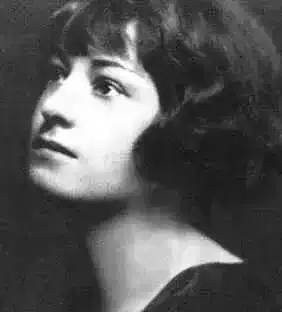
Dorothy Parker
The Gentlest Lady
The Gentlest Lady
They say He was a serious child,
And quiet in His ways;
They say the gentlest lady smiled
To hear the neighbors' praise.
The coffers of her heart would close
Upon their smaliest word.
Yet did they say, "How tall He grows!"
They thought she had not heard.
They say upon His birthday eve
She'd rock Him to His rest
As if she could not have Him leave
The shelter of her breast.
The poor must go in bitter thrift,
The poor must give in pain,
But ever did she get a gift
To greet His day again.
They say she'd kiss the Boy awake,
And hail Him gay and clear,
But oh, her heart was like to break
To count another year.
They say He was a serious child,
And quiet in His ways;
They say the gentlest lady smiled
To hear the neighbors' praise.
The coffers of her heart would close
Upon their smaliest word.
Yet did they say, "How tall He grows!"
They thought she had not heard.
They say upon His birthday eve
She'd rock Him to His rest
As if she could not have Him leave
The shelter of her breast.
The poor must go in bitter thrift,
The poor must give in pain,
But ever did she get a gift
To greet His day again.
They say she'd kiss the Boy awake,
And hail Him gay and clear,
But oh, her heart was like to break
To count another year.
396

Christina Rossetti
A Birthday
A Birthday
My heart is like a singing bird
Whose nest is in a water'd shoot;
My heart is like an apple-tree
Whose boughs are bent with thickset fruit;
My heart is like a rainbow shell
That paddles in a halcyon sea;
My heart is gladder than all these
Because my love is come to me.
Raise me a dais of silk and down;
Hang it with vair and purple dyes;
Carve it in doves and pomegranates,
And peacocks with a hundred eyes;
Work it in gold and silver grapes,
In leaves and silver fleurs-de-lys;
Because the birthday of my life
Is come, my love is come to me.
My heart is like a singing bird
Whose nest is in a water'd shoot;
My heart is like an apple-tree
Whose boughs are bent with thickset fruit;
My heart is like a rainbow shell
That paddles in a halcyon sea;
My heart is gladder than all these
Because my love is come to me.
Raise me a dais of silk and down;
Hang it with vair and purple dyes;
Carve it in doves and pomegranates,
And peacocks with a hundred eyes;
Work it in gold and silver grapes,
In leaves and silver fleurs-de-lys;
Because the birthday of my life
Is come, my love is come to me.
261

Alexander Pope
To Mrs. M. B. On Her Birthday
To Mrs. M. B. On Her Birthday
Oh be thou blest with all that Heav'n can send,
Long Health, long Youth, long Pleasure, and a Friend:
Not with those Toys the female world admire,
Riches that vex, and Vanities that tire.
With added years if Life bring nothing new,
But, like a Sieve, let ev'ry blessing thro',
Some joy still lost, as each vain year runs o'er,
And all we gain, some sad Reflection more;
Is that a Birth-Day? 'tis alas! too clear,
'Tis but the funeral of the former year.
Let Joy or Ease, let Affluence or Content,
And the gay Conscience of a life well spent,
Calm ev'ry thought, inspirit ev'ry grace.
Glow in thy heart, and smile upon thy face.
Let day improve on day, and year on year,
Without a Pain, a Trouble, or a Fear;
Till Death unfelt that tender frame destroy,
In some soft Dream, or Extasy of joy,
Peaceful sleep out the Sabbath of the Tomb,
And wake to Raptures in a Life to come.
Oh be thou blest with all that Heav'n can send,
Long Health, long Youth, long Pleasure, and a Friend:
Not with those Toys the female world admire,
Riches that vex, and Vanities that tire.
With added years if Life bring nothing new,
But, like a Sieve, let ev'ry blessing thro',
Some joy still lost, as each vain year runs o'er,
And all we gain, some sad Reflection more;
Is that a Birth-Day? 'tis alas! too clear,
'Tis but the funeral of the former year.
Let Joy or Ease, let Affluence or Content,
And the gay Conscience of a life well spent,
Calm ev'ry thought, inspirit ev'ry grace.
Glow in thy heart, and smile upon thy face.
Let day improve on day, and year on year,
Without a Pain, a Trouble, or a Fear;
Till Death unfelt that tender frame destroy,
In some soft Dream, or Extasy of joy,
Peaceful sleep out the Sabbath of the Tomb,
And wake to Raptures in a Life to come.
380