

Poems in this topic
Solitude
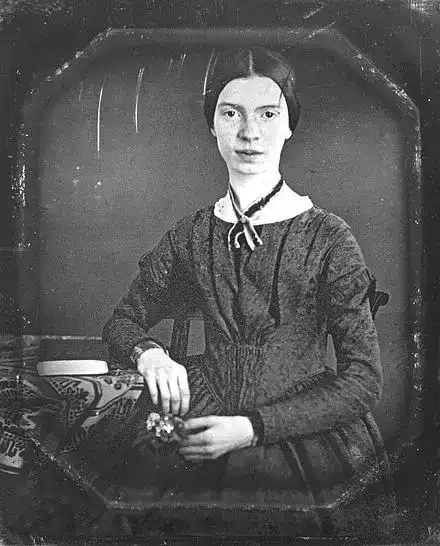
Emily Dickinson
How sick—to wait—in any place—but thine
How sick—to wait—in any place—but thine
368
How sick—to wait—in any place—but thine—
I knew last night—when someone tried to twine—
Thinking—perhaps—that I looked tired—or alone—
Or breaking—almost—with unspoken pain—
And I turned—ducal—
That right—was thine—
One port—suffices—for a Brig—like mine—
Ours be the tossing—wild though the sea—
Rather than a Mooring—unshared by thee.
Ours be the Cargo—unladed—here—
Rather than the "spicy isles—"
And thou—not there—
368
How sick—to wait—in any place—but thine—
I knew last night—when someone tried to twine—
Thinking—perhaps—that I looked tired—or alone—
Or breaking—almost—with unspoken pain—
And I turned—ducal—
That right—was thine—
One port—suffices—for a Brig—like mine—
Ours be the tossing—wild though the sea—
Rather than a Mooring—unshared by thee.
Ours be the Cargo—unladed—here—
Rather than the "spicy isles—"
And thou—not there—
264
Emily Dickinson
Exclusion (The soul selects her own society)
Exclusion (The soul selects her own society)
The soul selects her own society,
Then shuts the door;
On her divine majority
Obtrude no more.
Unmoved, she notes the chariot's pausing
At her low gate;
Unmoved, an emperor is kneeling
Upon her mat.
I've known her from an ample nation
Choose one
Then close the valves of her attention
Like stone.
The soul selects her own society,
Then shuts the door;
On her divine majority
Obtrude no more.
Unmoved, she notes the chariot's pausing
At her low gate;
Unmoved, an emperor is kneeling
Upon her mat.
I've known her from an ample nation
Choose one
Then close the valves of her attention
Like stone.
290
Emily Dickinson
Deprived of other Banquet
Deprived of other Banquet
773
Deprived of other Banquet,
I entertained Myself-
At first-a scant nutrition-
An insufficient Loaf-
But grown by slender addings
To so esteemed a size
'Tis sumptuous enough for me-
And almost to suffice
A Robin's famine able-
Red Pilgrim, He and I-
A Berry from our table
Reserve-for charity-
773
Deprived of other Banquet,
I entertained Myself-
At first-a scant nutrition-
An insufficient Loaf-
But grown by slender addings
To so esteemed a size
'Tis sumptuous enough for me-
And almost to suffice
A Robin's famine able-
Red Pilgrim, He and I-
A Berry from our table
Reserve-for charity-
357
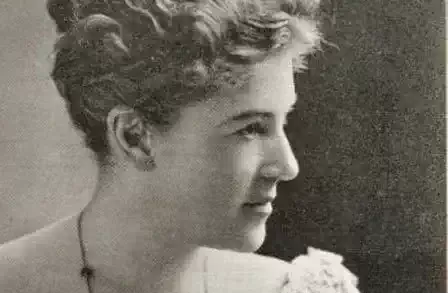
Ella Wheeler Wilcox
Solitude
Solitude
Laugh, and the world laughs with you;
Weep, and you weep alone.
For the sad old earth must borrow it's mirth,
But has trouble enough of its own.
Sing, and the hills will answer;
Sigh, it is lost on the air.
The echoes bound to a joyful sound,
But shrink from voicing care.
Rejoice, and men will seek you;
Grieve, and they turn and go.
They want full measure of all your pleasure,
But they do not need your woe.
Be glad, and your friends are many;
Be sad, and you lose them all.
There are none to decline your nectared wine,
But alone you must drink life's gall.
Feast, and your halls are crowded;
Fast, and the world goes by.
Succeed and give, and it helps you live,
But no man can help you die.
There is room in the halls of pleasure
For a long and lordly train,
But one by one we must all file on
Through the narrow aisles of pain.
Laugh, and the world laughs with you;
Weep, and you weep alone.
For the sad old earth must borrow it's mirth,
But has trouble enough of its own.
Sing, and the hills will answer;
Sigh, it is lost on the air.
The echoes bound to a joyful sound,
But shrink from voicing care.
Rejoice, and men will seek you;
Grieve, and they turn and go.
They want full measure of all your pleasure,
But they do not need your woe.
Be glad, and your friends are many;
Be sad, and you lose them all.
There are none to decline your nectared wine,
But alone you must drink life's gall.
Feast, and your halls are crowded;
Fast, and the world goes by.
Succeed and give, and it helps you live,
But no man can help you die.
There is room in the halls of pleasure
For a long and lordly train,
But one by one we must all file on
Through the narrow aisles of pain.
753
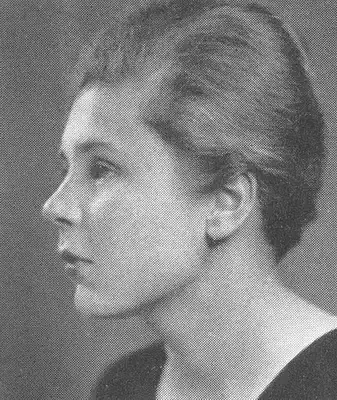
Elizabeth Bishop
Chemin De Fer
Chemin De Fer
Alone on the railroad track
I walked with pounding heart.
The ties were too close together
or maybe too far apart.
The scenery was impoverished:
scrub-pine and oak; beyond
its mingled gray-green foliage
I saw the little pond
where the dirty old hermit lives,
lie like an old tear
holding onto its injuries
lucidly year after year.
The hermit shot off his shot-gun
and the tree by his cabin shook.
Over the pond went a ripple
The pet hen went chook-chook.
"Love should be put into action!"
screamed the old hermit.
Across the pond an echo
tried and tried to confirm it.
Alone on the railroad track
I walked with pounding heart.
The ties were too close together
or maybe too far apart.
The scenery was impoverished:
scrub-pine and oak; beyond
its mingled gray-green foliage
I saw the little pond
where the dirty old hermit lives,
lie like an old tear
holding onto its injuries
lucidly year after year.
The hermit shot off his shot-gun
and the tree by his cabin shook.
Over the pond went a ripple
The pet hen went chook-chook.
"Love should be put into action!"
screamed the old hermit.
Across the pond an echo
tried and tried to confirm it.
583
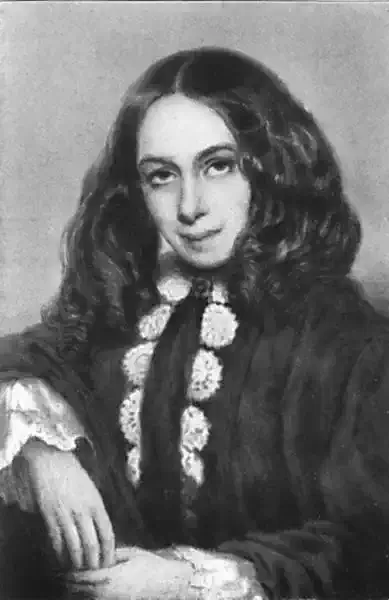
Elizabeth Barrett Browning
Sonnet IV
Sonnet IV
Thou hast thy calling to some palace-floor,
Most gracious singer of high poems ! where
The dancers will break footing, from the care
Of watching up thy pregnant lips for more.
And dost thou lift this house's latch too poor
For hand of thine ? and canst thou think and bear
To let thy music drop here unaware
In folds of golden fulness at my door ?
Look up and see the casement broken in,
The bats and owlets builders in the roof !
My cricket chirps against thy mandolin.
Hush, call no echo up in further proof
Of desolation ! there 's a voice within
That weeps . . . as thou must sing . . . alone, aloof
Thou hast thy calling to some palace-floor,
Most gracious singer of high poems ! where
The dancers will break footing, from the care
Of watching up thy pregnant lips for more.
And dost thou lift this house's latch too poor
For hand of thine ? and canst thou think and bear
To let thy music drop here unaware
In folds of golden fulness at my door ?
Look up and see the casement broken in,
The bats and owlets builders in the roof !
My cricket chirps against thy mandolin.
Hush, call no echo up in further proof
Of desolation ! there 's a voice within
That weeps . . . as thou must sing . . . alone, aloof
442
Elizabeth Barrett Browning
Sonnet 04 - Thou hast thy calling to some palace-floor
Sonnet 04 - Thou hast thy calling to some palace-floor
IV
Thou hast thy calling to some palace-floor,
Most gracious singer of high poems! where
The dancers will break footing, from the care
Of watching up thy pregnant lips for more.
And dost thou lift this house's latch too poor
For hand of thine? and canst thou think and bear
To let thy music drop here unaware
In folds of golden fulness at my door?
Look up and see the casement broken in,
The bats and owlets builders in the roof!
My cricket chirps against thy mandolin.
Hush, call no echo up in further proof
Of desolation! there 's a voice within
That weeps . . . as thou must sing . . . alone, aloof
IV
Thou hast thy calling to some palace-floor,
Most gracious singer of high poems! where
The dancers will break footing, from the care
Of watching up thy pregnant lips for more.
And dost thou lift this house's latch too poor
For hand of thine? and canst thou think and bear
To let thy music drop here unaware
In folds of golden fulness at my door?
Look up and see the casement broken in,
The bats and owlets builders in the roof!
My cricket chirps against thy mandolin.
Hush, call no echo up in further proof
Of desolation! there 's a voice within
That weeps . . . as thou must sing . . . alone, aloof
447
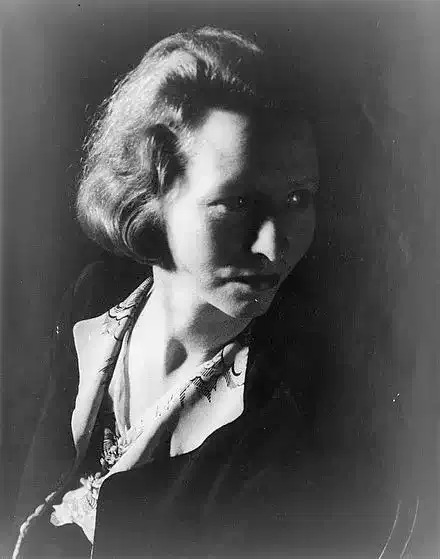
Edna St. Vincent Millay
Wraith
Wraith
"Thin Rain, whom are you haunting,
That you haunt my door?"
—Surely it is not I she's wanting;
Someone living here before—
"Nobody's in the house but me:
You may come in if you like and see."
Thin as thread, with exquisite fingers,—
Have you seen her, any of you?—
Grey shawl, and leaning on the wind,
And the garden showing through?
Glimmering eyes,—and silent, mostly,
Sort of a whisper, sort of a purr,
Asking something, asking it over,
If you get a sound from her.—
Ever see her, any of you?—
Strangest thing I've ever known,—
Every night since I moved in,
And I came to be alone.
"Thin Rain, hush with your knocking!
You may not come in!
This is I that you hear rocking;
Nobody's with me, nor has been!"
Curious, how she tried the window,—
Odd, the way she tries the door,—
Wonder just what sort of people
Could have had this house before . . .
"Thin Rain, whom are you haunting,
That you haunt my door?"
—Surely it is not I she's wanting;
Someone living here before—
"Nobody's in the house but me:
You may come in if you like and see."
Thin as thread, with exquisite fingers,—
Have you seen her, any of you?—
Grey shawl, and leaning on the wind,
And the garden showing through?
Glimmering eyes,—and silent, mostly,
Sort of a whisper, sort of a purr,
Asking something, asking it over,
If you get a sound from her.—
Ever see her, any of you?—
Strangest thing I've ever known,—
Every night since I moved in,
And I came to be alone.
"Thin Rain, hush with your knocking!
You may not come in!
This is I that you hear rocking;
Nobody's with me, nor has been!"
Curious, how she tried the window,—
Odd, the way she tries the door,—
Wonder just what sort of people
Could have had this house before . . .
393
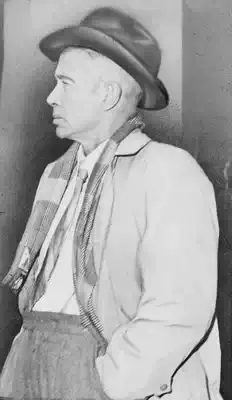
E. E. Cummings
(a... (a leaf falls on loneliness)
(a... (a leaf falls on loneliness)
1(a
le
af
fa
ll
s)
one
l
iness
1(a
le
af
fa
ll
s)
one
l
iness
932
Edna St. Vincent Millay
Ode To Silence
Ode To Silence
Aye, but she?
Your other sister and my other soul
Grave Silence, lovelier
Than the three loveliest maidens, what of her?
Clio, not you,
Not you, Calliope,
Nor all your wanton line,
Not Beauty's perfect self shall comfort me
For Silence once departed,
For her the cool-tongued, her the tranquil-hearted,
Whom evermore I follow wistfully,
Wandering Heaven and Earth and Hell and the four seasons through;
Thalia, not you,
Not you, Melpomene,
Not your incomparable feet, O thin Terpsichore, I seek in this great hall,
But one more pale, more pensive, most beloved of you all.
I seek her from afar,
I come from temples where her altars are,
From groves that bear her name,
Noisy with stricken victims now and sacrificial flame,
And cymbals struck on high and strident faces
Obstreperous in her praise
They neither love nor know,
A goddess of gone days,
Departed long ago,
Abandoning the invaded shrines and fanes
Of her old sanctuary,
A deity obscure and legendary,
Of whom there now remains,
For sages to decipher and priests to garble,
Only and for a little while her letters wedged in marble,
Which even now, behold, the friendly mumbling rain erases,
And the inarticulate snow,
Leaving at last of her least signs and traces
None whatsoever, nor whither she is vanished from these places.
"She will love well," I said,
"If love be of that heart inhabiter,
The flowers of the dead;
The red anemone that with no sound
Moves in the wind, and from another wound
That sprang, the heavily-sweet blue hyacinth,
That blossoms underground,
And sallow poppies, will be dear to her.
And will not Silence know
In the black shade of what obsidian steep
Stiffens the white narcissus numb with sleep?
(Seed which Demeter's daughter bore from home,
Uptorn by desperate fingers long ago,
Reluctant even as she,
Undone Persephone,
And even as she set out again to grow
In twilight, in perdition's lean and inauspicious loam).
She will love well," I said,
"The flowers of the dead;
Where dark Persephone the winter round,
Uncomforted for home, uncomforted,
Lacking a sunny southern slope in northern Sicily,
With sullen pupils focussed on a dream,
Stares on the stagnant stream
That moats the unequivocable battlements of Hell,
There, there will she be found,
She that is Beauty veiled from men and Music in a swound."
"I long for Silence as they long for breath
Whose helpless nostrils drink the bitter sea;
What thing can be
So stout, what so redoubtable, in Death
What fury, what considerable rage, if only she,
Upon whose icy breast,
Unquestioned, uncaressed,
One time I lay,
And whom always I lack,
Even to this day,
Being by no means from that frigid bosom weaned away,
If only she therewith be given me back?"
I sought her down that dolorous labyrinth,
Wherein no shaft of sunlight ever fell,
And in among the bloodless everywhere
I sought her, but the air,
Breathed many times and spent,
Was fretful with a whispering discontent,
And questioning me, importuning me to tell
Some slightest tidings of the light of day they know no more,
Plucking my sleeve, the eager shades were with me where I went.
I paused at every grievous door,
And harked a moment, holding up my hand,—and for a space
A hush was on them, while they watched my face;
And then they fell a-whispering as before;
So that I smiled at them and left them, seeing she was not there.
I sought her, too,
Among the upper gods, although I knew
She was not like to be where feasting is,
Nor near to Heaven's lord,
Being a thing abhorred
And shunned of him, although a child of his,
(Not yours, not yours; to you she owes not breath,
Mother of Song, being sown of Zeus upon a dream of Death).
Fearing to pass unvisited some place
And later learn, too late, how all the while,
With her still face,
She had been standing there and seen me pass, without a smile,
I sought her even to the sagging board whereat
The stout immortals sat;
But such a laughter shook the mighty hall
No one could hear me say:
Had she been seen upon the Hill that day?
And no one knew at all
How long I stood, or when at last I sighed and went away.
There is a garden lying in a lull
Between the mountains and the mountainous sea,
I know not where, but which a dream diurnal
Paints on my lids a moment till the hull
Be lifted from the kernel
And Slumber fed to me.
Your foot-print is not there, Mnemosene,
Though it would seem a ruined place and after
Your lichenous heart, being full
Of broken columns, caryatides
Thrown to the earth and fallen forward on their jointless knees,
And urns funereal altered into dust
Minuter than the ashes of the dead,
And Psyche's lamp out of the earth up-thrust,
Dripping itself in marble wax on what was once the bed
Of Love, and his young body asleep, but now is dust instead.
There twists the bitter-sweet, the white wisteria Fastens its fingers in the strangling
wall,
And the wide crannies quicken with bright weeds;
There dumbly like a worm all day the still white orchid feeds;
But never an echo of your daughters' laughter
Is there, nor any sign of you at all
Swells fungous from the rotten bough, grey mother of Pieria!
Only her shadow once upon a stone
I saw,—and, lo, the shadow and the garden, too, were gone.
I tell you you have done her body an ill,
You chatterers, you noisy crew!
She is not anywhere!
I sought her in deep Hell;
And through the world as well;
I thought of Heaven and I sought her there;
Above nor under ground
Is Silence to be found,
That was the very warp and woof of you,
Lovely before your songs began and after they were through!
Oh, say if on this hill
Somewhere your sister's body lies in death,
So I may follow there, and make a wreath
Of my locked hands, that on her quiet breast
Shall lie till age has withered them!
(Ah, sweetly from the rest
I see
Turn and consider me
Compassionate Euterpe!)
"There is a gate beyond the gate of Death,
Beyond the gate of everlasting Life,
Beyond the gates of Heaven and Hell," she saith,
"Whereon but to believe is horror!
Whereon to meditate engendereth
Even in deathless spirits such as I
A tumult in the breath,
A chilling of the inexhaustible blood
Even in my veins that never will be dry,
And in the austere, divine monotony
That is my being, the madness of an unaccustomed mood.
This is her province whom you lack and seek;
And seek her not elsewhere.
Hell is a thoroughfare
For pilgrims,—Herakles,
And he that loved Euridice too well,
Have walked therein; and many more than these;
And witnessed the desire and the despair
Of souls that passed reluctantly and sicken for the air;
You, too, have entered Hell,
And issued thence; but thence whereof I speak
None has returned;—for thither fury brings
Only the driven ghosts of them that flee before all things.
Oblivion is the name of this abode: and she is there."
Oh, radiant Song! Oh, gracious Memory!
Be long upon this height
I shall not climb again!
I know the way you mean,—the little night,
And the long empty day,—never to see
Again the angry light,
Or hear the hungry noises cry my brain!
Ah, but she,
Your other sister and my other soul,
She shall again be mine;
And I shall drink her from a silver bowl,
A chilly thin green wine,
Not bitter to the taste,
Not sweet,
Not of your press, oh, restless, clamorous nine,—
To foam beneath the frantic hoofs of mirth—
But savoring faintly of the acid earth,
And trod by pensive feet
From perfect clusters ripened without haste
Out of the urgent heat
In some clear glimmering vaulted twilight under the odorous vine
. Lift up your lyres! Sing on!
But as for me, I seek your sister whither she is gone.
Aye, but she?
Your other sister and my other soul
Grave Silence, lovelier
Than the three loveliest maidens, what of her?
Clio, not you,
Not you, Calliope,
Nor all your wanton line,
Not Beauty's perfect self shall comfort me
For Silence once departed,
For her the cool-tongued, her the tranquil-hearted,
Whom evermore I follow wistfully,
Wandering Heaven and Earth and Hell and the four seasons through;
Thalia, not you,
Not you, Melpomene,
Not your incomparable feet, O thin Terpsichore, I seek in this great hall,
But one more pale, more pensive, most beloved of you all.
I seek her from afar,
I come from temples where her altars are,
From groves that bear her name,
Noisy with stricken victims now and sacrificial flame,
And cymbals struck on high and strident faces
Obstreperous in her praise
They neither love nor know,
A goddess of gone days,
Departed long ago,
Abandoning the invaded shrines and fanes
Of her old sanctuary,
A deity obscure and legendary,
Of whom there now remains,
For sages to decipher and priests to garble,
Only and for a little while her letters wedged in marble,
Which even now, behold, the friendly mumbling rain erases,
And the inarticulate snow,
Leaving at last of her least signs and traces
None whatsoever, nor whither she is vanished from these places.
"She will love well," I said,
"If love be of that heart inhabiter,
The flowers of the dead;
The red anemone that with no sound
Moves in the wind, and from another wound
That sprang, the heavily-sweet blue hyacinth,
That blossoms underground,
And sallow poppies, will be dear to her.
And will not Silence know
In the black shade of what obsidian steep
Stiffens the white narcissus numb with sleep?
(Seed which Demeter's daughter bore from home,
Uptorn by desperate fingers long ago,
Reluctant even as she,
Undone Persephone,
And even as she set out again to grow
In twilight, in perdition's lean and inauspicious loam).
She will love well," I said,
"The flowers of the dead;
Where dark Persephone the winter round,
Uncomforted for home, uncomforted,
Lacking a sunny southern slope in northern Sicily,
With sullen pupils focussed on a dream,
Stares on the stagnant stream
That moats the unequivocable battlements of Hell,
There, there will she be found,
She that is Beauty veiled from men and Music in a swound."
"I long for Silence as they long for breath
Whose helpless nostrils drink the bitter sea;
What thing can be
So stout, what so redoubtable, in Death
What fury, what considerable rage, if only she,
Upon whose icy breast,
Unquestioned, uncaressed,
One time I lay,
And whom always I lack,
Even to this day,
Being by no means from that frigid bosom weaned away,
If only she therewith be given me back?"
I sought her down that dolorous labyrinth,
Wherein no shaft of sunlight ever fell,
And in among the bloodless everywhere
I sought her, but the air,
Breathed many times and spent,
Was fretful with a whispering discontent,
And questioning me, importuning me to tell
Some slightest tidings of the light of day they know no more,
Plucking my sleeve, the eager shades were with me where I went.
I paused at every grievous door,
And harked a moment, holding up my hand,—and for a space
A hush was on them, while they watched my face;
And then they fell a-whispering as before;
So that I smiled at them and left them, seeing she was not there.
I sought her, too,
Among the upper gods, although I knew
She was not like to be where feasting is,
Nor near to Heaven's lord,
Being a thing abhorred
And shunned of him, although a child of his,
(Not yours, not yours; to you she owes not breath,
Mother of Song, being sown of Zeus upon a dream of Death).
Fearing to pass unvisited some place
And later learn, too late, how all the while,
With her still face,
She had been standing there and seen me pass, without a smile,
I sought her even to the sagging board whereat
The stout immortals sat;
But such a laughter shook the mighty hall
No one could hear me say:
Had she been seen upon the Hill that day?
And no one knew at all
How long I stood, or when at last I sighed and went away.
There is a garden lying in a lull
Between the mountains and the mountainous sea,
I know not where, but which a dream diurnal
Paints on my lids a moment till the hull
Be lifted from the kernel
And Slumber fed to me.
Your foot-print is not there, Mnemosene,
Though it would seem a ruined place and after
Your lichenous heart, being full
Of broken columns, caryatides
Thrown to the earth and fallen forward on their jointless knees,
And urns funereal altered into dust
Minuter than the ashes of the dead,
And Psyche's lamp out of the earth up-thrust,
Dripping itself in marble wax on what was once the bed
Of Love, and his young body asleep, but now is dust instead.
There twists the bitter-sweet, the white wisteria Fastens its fingers in the strangling
wall,
And the wide crannies quicken with bright weeds;
There dumbly like a worm all day the still white orchid feeds;
But never an echo of your daughters' laughter
Is there, nor any sign of you at all
Swells fungous from the rotten bough, grey mother of Pieria!
Only her shadow once upon a stone
I saw,—and, lo, the shadow and the garden, too, were gone.
I tell you you have done her body an ill,
You chatterers, you noisy crew!
She is not anywhere!
I sought her in deep Hell;
And through the world as well;
I thought of Heaven and I sought her there;
Above nor under ground
Is Silence to be found,
That was the very warp and woof of you,
Lovely before your songs began and after they were through!
Oh, say if on this hill
Somewhere your sister's body lies in death,
So I may follow there, and make a wreath
Of my locked hands, that on her quiet breast
Shall lie till age has withered them!
(Ah, sweetly from the rest
I see
Turn and consider me
Compassionate Euterpe!)
"There is a gate beyond the gate of Death,
Beyond the gate of everlasting Life,
Beyond the gates of Heaven and Hell," she saith,
"Whereon but to believe is horror!
Whereon to meditate engendereth
Even in deathless spirits such as I
A tumult in the breath,
A chilling of the inexhaustible blood
Even in my veins that never will be dry,
And in the austere, divine monotony
That is my being, the madness of an unaccustomed mood.
This is her province whom you lack and seek;
And seek her not elsewhere.
Hell is a thoroughfare
For pilgrims,—Herakles,
And he that loved Euridice too well,
Have walked therein; and many more than these;
And witnessed the desire and the despair
Of souls that passed reluctantly and sicken for the air;
You, too, have entered Hell,
And issued thence; but thence whereof I speak
None has returned;—for thither fury brings
Only the driven ghosts of them that flee before all things.
Oblivion is the name of this abode: and she is there."
Oh, radiant Song! Oh, gracious Memory!
Be long upon this height
I shall not climb again!
I know the way you mean,—the little night,
And the long empty day,—never to see
Again the angry light,
Or hear the hungry noises cry my brain!
Ah, but she,
Your other sister and my other soul,
She shall again be mine;
And I shall drink her from a silver bowl,
A chilly thin green wine,
Not bitter to the taste,
Not sweet,
Not of your press, oh, restless, clamorous nine,—
To foam beneath the frantic hoofs of mirth—
But savoring faintly of the acid earth,
And trod by pensive feet
From perfect clusters ripened without haste
Out of the urgent heat
In some clear glimmering vaulted twilight under the odorous vine
. Lift up your lyres! Sing on!
But as for me, I seek your sister whither she is gone.
346
Edna St. Vincent Millay
Alms
Alms
My heart is what it was before,
A house where people come and go;
But it is winter with your love,
The sashes are beset with snow.
I light the lamp and lay the cloth,
I blow the coals to blaze again;
But it is winter with your love,
The frost is thick upon the pane..
I know a winter when it comes:
The leaves are listless on the boughs;
I watched your love a little while,
And brought my plants into the house.
I water them and turn them south,
I snap the dead brown from the stem;
But it is winter with your love,
I only tend and water them.
There was a time I stood and watched
The small, ill-natured sparrows' fray;
I loved the beggar that I fed,
I cared for what he had to say,
I stood and watched him out of sight:
Today I reach around the door
And set a bowl upon the step;
My heart is what it was before,
But it is winter with your love;
I scatter crumbs upon the sill,
And close the window, —and the birds
May take or leave them, as they will.
My heart is what it was before,
A house where people come and go;
But it is winter with your love,
The sashes are beset with snow.
I light the lamp and lay the cloth,
I blow the coals to blaze again;
But it is winter with your love,
The frost is thick upon the pane..
I know a winter when it comes:
The leaves are listless on the boughs;
I watched your love a little while,
And brought my plants into the house.
I water them and turn them south,
I snap the dead brown from the stem;
But it is winter with your love,
I only tend and water them.
There was a time I stood and watched
The small, ill-natured sparrows' fray;
I loved the beggar that I fed,
I cared for what he had to say,
I stood and watched him out of sight:
Today I reach around the door
And set a bowl upon the step;
My heart is what it was before,
But it is winter with your love;
I scatter crumbs upon the sill,
And close the window, —and the birds
May take or leave them, as they will.
403
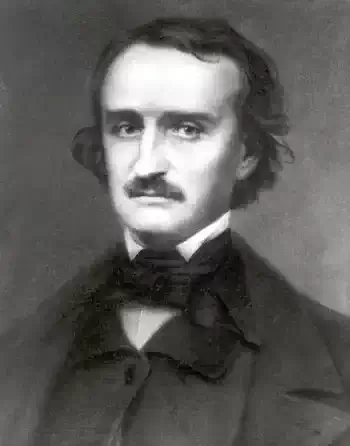
Edgar Allan Poe
Spirits Of The Dead
Spirits Of The Dead
Thy soul shall find itself alone
'Mid dark thoughts of the grey tomb-stone;
Not one, of all the crowd, to pry
Into thine hour of secrecy.
Be silent in that solitude,
Which is not loneliness- for then
The spirits of the dead, who stood
In life before thee, are again
In death around thee, and their will
Shall overshadow thee; be still.
The night, though clear, shall frown,
And the stars shall not look down
From their high thrones in the Heaven
With light like hope to mortals given,
But their red orbs, without beam,
To thy weariness shall seem
As a burning and a fever
Which would cling to thee for ever.
Now are thoughts thou shalt not banish,
Now are visions ne'er to vanish;
From thy spirit shall they pass
No more, like dew-drop from the grass.
The breeze, the breath of God, is still,
And the mist upon the hill
Shadowy, shadowy, yet unbroken,
Is a symbol and a token.
How it hangs upon the trees,
A mystery of mysteries!
Thy soul shall find itself alone
'Mid dark thoughts of the grey tomb-stone;
Not one, of all the crowd, to pry
Into thine hour of secrecy.
Be silent in that solitude,
Which is not loneliness- for then
The spirits of the dead, who stood
In life before thee, are again
In death around thee, and their will
Shall overshadow thee; be still.
The night, though clear, shall frown,
And the stars shall not look down
From their high thrones in the Heaven
With light like hope to mortals given,
But their red orbs, without beam,
To thy weariness shall seem
As a burning and a fever
Which would cling to thee for ever.
Now are thoughts thou shalt not banish,
Now are visions ne'er to vanish;
From thy spirit shall they pass
No more, like dew-drop from the grass.
The breeze, the breath of God, is still,
And the mist upon the hill
Shadowy, shadowy, yet unbroken,
Is a symbol and a token.
How it hangs upon the trees,
A mystery of mysteries!
394
Edgar Allan Poe
Alone
Alone
From childhood's hour I have not been
As others were; I have not seen
As others saw; I could not bring
My passions from a common spring.
From the same source I have not taken
My sorrow; I could not awaken
My heart to joy at the same tone;
And all I loved, I loved alone.
Then- in my childhood, in the dawn
Of a most stormy life- was drawn
From every depth of good and ill
The mystery which binds me still:
From the torrent, or the fountain,
From the red cliff of the mountain,
From the sun that round me rolled
In its autumn tint of gold,
From the lightning in the sky
As it passed me flying by,
From the thunder and the storm,
And the cloud that took the form
(When the rest of Heaven was blue)
Of a demon in my view.
From childhood's hour I have not been
As others were; I have not seen
As others saw; I could not bring
My passions from a common spring.
From the same source I have not taken
My sorrow; I could not awaken
My heart to joy at the same tone;
And all I loved, I loved alone.
Then- in my childhood, in the dawn
Of a most stormy life- was drawn
From every depth of good and ill
The mystery which binds me still:
From the torrent, or the fountain,
From the red cliff of the mountain,
From the sun that round me rolled
In its autumn tint of gold,
From the lightning in the sky
As it passed me flying by,
From the thunder and the storm,
And the cloud that took the form
(When the rest of Heaven was blue)
Of a demon in my view.
513
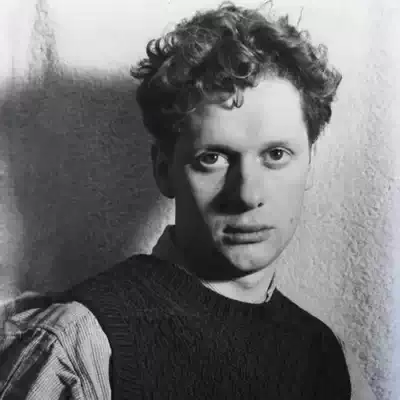
Dylan Thomas
Ears in the Turrets Hear
Ears in the Turrets Hear
Ears in the turrets hear
Hands grumble on the door,
Eyes in the gables see
The fingers at the locks.
Shall I unbolt or stay
Alone till the day I die
Unseen by stranger-eyes
In this white house?
Hands, hold you poison or grapes?
Beyond this island bound
By a thin sea of flesh
And a bone coast,
The land lies out of sound
And the hills out of mind.
No birds or flying fish
Disturbs this island’s rest.
Ears in this island hear
The wind pass like a fire,
Eyes in this island see
Ships anchor off the bay.
Shall I run to the ships
With the wind in my hair,
Or stay till the day I die
And welcome no sailor?
Ships, hold you poison or grapes?
Hands grumble on the door,
Ships anchor off the bay,
Rain beats the sand and slates.
Shall I let in the stranger,
Shall I welcome the sailor,
Or stay till the day I die?
Hands of the stranger and holds of the ships,
Hold you poison or grapes?
Ears in the turrets hear
Hands grumble on the door,
Eyes in the gables see
The fingers at the locks.
Shall I unbolt or stay
Alone till the day I die
Unseen by stranger-eyes
In this white house?
Hands, hold you poison or grapes?
Beyond this island bound
By a thin sea of flesh
And a bone coast,
The land lies out of sound
And the hills out of mind.
No birds or flying fish
Disturbs this island’s rest.
Ears in this island hear
The wind pass like a fire,
Eyes in this island see
Ships anchor off the bay.
Shall I run to the ships
With the wind in my hair,
Or stay till the day I die
And welcome no sailor?
Ships, hold you poison or grapes?
Hands grumble on the door,
Ships anchor off the bay,
Rain beats the sand and slates.
Shall I let in the stranger,
Shall I welcome the sailor,
Or stay till the day I die?
Hands of the stranger and holds of the ships,
Hold you poison or grapes?
305
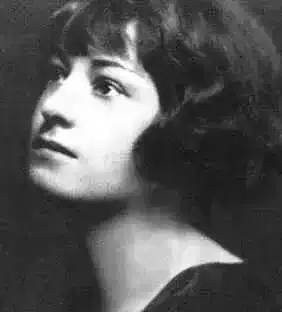
Dorothy Parker
Wisdom
Wisdom
This I say, and this I know:
Love has seen the last of me.
Love's a trodden lane to woe,
Love's a path to misery.
This I know, and knew before,
This I tell you, of my years:
Hide your heart, and lock your door.
Hell's afloat in lovers' tears.
Give your heart, and toss and moan;
What a pretty fool you look!
I am sage, who sit alone;
Here's my wool, and here's my book.
Look! A lad's a-waiting there,
Tall he is and bold, and gay.
What the devil do I care
What I know, and what I say?
This I say, and this I know:
Love has seen the last of me.
Love's a trodden lane to woe,
Love's a path to misery.
This I know, and knew before,
This I tell you, of my years:
Hide your heart, and lock your door.
Hell's afloat in lovers' tears.
Give your heart, and toss and moan;
What a pretty fool you look!
I am sage, who sit alone;
Here's my wool, and here's my book.
Look! A lad's a-waiting there,
Tall he is and bold, and gay.
What the devil do I care
What I know, and what I say?
347
Dorothy Parker
Portrait of the Artist
Portrait of the Artist
Oh, lead me to a quiet cell
Where never footfall rankles,
And bar the window passing well,
And gyve my wrists and ankles.
Oh, wrap my eyes with linen fair,
With hempen cord go bind me,
And, of your mercy, leave me there,
Nor tell them where to find me.
Oh, lock the portal as you go,
And see its bolts be double....
Come back in half an hour or so,
And I will be in trouble.
Oh, lead me to a quiet cell
Where never footfall rankles,
And bar the window passing well,
And gyve my wrists and ankles.
Oh, wrap my eyes with linen fair,
With hempen cord go bind me,
And, of your mercy, leave me there,
Nor tell them where to find me.
Oh, lock the portal as you go,
And see its bolts be double....
Come back in half an hour or so,
And I will be in trouble.
330

D.H. Lawrence
Tortoise Family Connections
Tortoise Family Connections
On he goes, the little one,
Bud of the universe,
Pediment of life.
Setting off somewhere, apparently.
Whither away, brisk egg?
His mother deposited him on the soil as if he were no more than droppings,
And now he scuffles tinily past her as if she were an old rusty tin.
A mere obstacle,
He veers round the slow great mound of her --
Tortoises always foresee obstacles.
It is no use my saying to him in an emotional voice:
'This is your Mother, she laid you when you were an egg.'
He does not even trouble to answer: 'Woman, what have I to do with thee?'
He wearily looks the other way,
And she even more wearily looks another way still,
Each with the utmost apathy,
Incognisant,
Unaware,
Nothing.
As for papa,
He snaps when I offer him his offspring,
Just as he snaps when I poke a bit of stick at him,
Because he is irascible this morning, an irascible tortoise
Being touched with love, and devoid of fatherliness.
Father and mother,
And three little brothers,
And all rambling aimless, like little perambulating pebbles scattered in the garden,
Not knowing each other from bits of earth or old tins.
Except that papa and mama are old acquaintances, of course,
Though family feeling there is none, not even the beginnings.
Fatherless, motherless, brotherless, sisterless
Little tortoise.
Row on then, small pebble,
Over the clods of the autumn, wind-chilled sunshine,
Young gaiety.
Does he look for a companion?
No, no, don't think it.
He doesn't know he is alone;
Isolation is his birthright,
This atom.
To row forward, and reach himself tall on spiny toes,
To travel, to burrow into a little loose earth, afraid of the night,
To crop a little substance,
To move, and to be quite sure that he is moving:
Basta!
To be a tortoise!
Think of it, in a garden of inert clods
A brisk, brindled little tortoise, all to himself --
Adam!
In a garden of pebbles and insects
To roam, and feel the slow heart beat
Tortoise-wise, the first bell sounding
From the warm blood, in the dark-creation morning.
Moving, and being himself,
Slow, and unquestioned,
And inordinately there, O stoic!
Wandering in the slow triumph of his own existence,
Ringing the soundless bell of his presence in chaos,
And biting the frail grass arrogantly,
Decidedly arrogantly.
On he goes, the little one,
Bud of the universe,
Pediment of life.
Setting off somewhere, apparently.
Whither away, brisk egg?
His mother deposited him on the soil as if he were no more than droppings,
And now he scuffles tinily past her as if she were an old rusty tin.
A mere obstacle,
He veers round the slow great mound of her --
Tortoises always foresee obstacles.
It is no use my saying to him in an emotional voice:
'This is your Mother, she laid you when you were an egg.'
He does not even trouble to answer: 'Woman, what have I to do with thee?'
He wearily looks the other way,
And she even more wearily looks another way still,
Each with the utmost apathy,
Incognisant,
Unaware,
Nothing.
As for papa,
He snaps when I offer him his offspring,
Just as he snaps when I poke a bit of stick at him,
Because he is irascible this morning, an irascible tortoise
Being touched with love, and devoid of fatherliness.
Father and mother,
And three little brothers,
And all rambling aimless, like little perambulating pebbles scattered in the garden,
Not knowing each other from bits of earth or old tins.
Except that papa and mama are old acquaintances, of course,
Though family feeling there is none, not even the beginnings.
Fatherless, motherless, brotherless, sisterless
Little tortoise.
Row on then, small pebble,
Over the clods of the autumn, wind-chilled sunshine,
Young gaiety.
Does he look for a companion?
No, no, don't think it.
He doesn't know he is alone;
Isolation is his birthright,
This atom.
To row forward, and reach himself tall on spiny toes,
To travel, to burrow into a little loose earth, afraid of the night,
To crop a little substance,
To move, and to be quite sure that he is moving:
Basta!
To be a tortoise!
Think of it, in a garden of inert clods
A brisk, brindled little tortoise, all to himself --
Adam!
In a garden of pebbles and insects
To roam, and feel the slow heart beat
Tortoise-wise, the first bell sounding
From the warm blood, in the dark-creation morning.
Moving, and being himself,
Slow, and unquestioned,
And inordinately there, O stoic!
Wandering in the slow triumph of his own existence,
Ringing the soundless bell of his presence in chaos,
And biting the frail grass arrogantly,
Decidedly arrogantly.
210

Christina Rossetti
The Thread of Life
The Thread of Life
I
The irresponsive silence of the land,
The irresponsive sounding of the sea,
Speak both one message of one sense to me:--
Aloof, aloof, we stand aloof, so stand
Thou too aloof bound with the flawless band
Of inner solitude; we bind not thee;
But who from thy self-chain shall set thee free?
What heart shall touch thy heart? what hand thy hand?--
And I am sometimes proud and sometimes meek,
And sometimes I remember days of old
When fellowship seemed not so far to seek
And all the world and I seemed much less cold,
And at the rainbow's foot lay surely gold,
And hope felt strong and life itself not weak.
II
Thus am I mine own prison. Everything
Around me free and sunny and at ease:
Or if in shadow, in a shade of trees
Which the sun kisses, where the gay birds sing
And where all winds make various murmuring;
Where bees are found, with honey for the bees;
Where sounds are music, and where silences
Are music of an unlike fashioning.
Then gaze I at the merrymaking crew,
And smile a moment and a moment sigh
Thinking: Why can I not rejoice with you?
But soon I put the foolish fancy by:
I am not what I have nor what I do;
But what I was I am, I am even I.
III
Therefore myself is that one only thing
I hold to use or waste, to keep or give;
My sole possession every day I live,
And still mine own despite Time's winnowing.
Ever mine own, while moons and seasons bring
From crudeness ripeness mellow and sanitive;
Ever mine own, till Death shall ply his sieve;
And still mine own, when saints break grave and sing.
And this myself as king unto my King
I give, to Him Who gave Himself for me;
Who gives Himself to me, and bids me sing
A sweet new song of His redeemed set free;
he bids me sing: O death, where is thy sting?
And sing: O grave, where is thy victory?
I
The irresponsive silence of the land,
The irresponsive sounding of the sea,
Speak both one message of one sense to me:--
Aloof, aloof, we stand aloof, so stand
Thou too aloof bound with the flawless band
Of inner solitude; we bind not thee;
But who from thy self-chain shall set thee free?
What heart shall touch thy heart? what hand thy hand?--
And I am sometimes proud and sometimes meek,
And sometimes I remember days of old
When fellowship seemed not so far to seek
And all the world and I seemed much less cold,
And at the rainbow's foot lay surely gold,
And hope felt strong and life itself not weak.
II
Thus am I mine own prison. Everything
Around me free and sunny and at ease:
Or if in shadow, in a shade of trees
Which the sun kisses, where the gay birds sing
And where all winds make various murmuring;
Where bees are found, with honey for the bees;
Where sounds are music, and where silences
Are music of an unlike fashioning.
Then gaze I at the merrymaking crew,
And smile a moment and a moment sigh
Thinking: Why can I not rejoice with you?
But soon I put the foolish fancy by:
I am not what I have nor what I do;
But what I was I am, I am even I.
III
Therefore myself is that one only thing
I hold to use or waste, to keep or give;
My sole possession every day I live,
And still mine own despite Time's winnowing.
Ever mine own, while moons and seasons bring
From crudeness ripeness mellow and sanitive;
Ever mine own, till Death shall ply his sieve;
And still mine own, when saints break grave and sing.
And this myself as king unto my King
I give, to Him Who gave Himself for me;
Who gives Himself to me, and bids me sing
A sweet new song of His redeemed set free;
he bids me sing: O death, where is thy sting?
And sing: O grave, where is thy victory?
263
Christina Rossetti
From Sunset to Star Rise
From Sunset to Star Rise
Go from me, summer friends, and tarry not:
I am no summer friend, but wintry cold,
A silly sheep benighted from the fold,
A sluggard with a thorn-choked garden plot.
Take counsel, sever from my lot your lot,
Dwell in your pleasant places, hoard your gold;
Lest you with me should shiver on the wold,
Athirst and hungering on a barren spot.
For I have hedged me with a thorny hedge,
I live alone, I look to die alone:
Yet sometimes, when a wind sighs through the sedge,
Ghosts of my buried years, and friends come back,
My heart goes sighing after swallows flown
On sometime summer's unreturning track.
Go from me, summer friends, and tarry not:
I am no summer friend, but wintry cold,
A silly sheep benighted from the fold,
A sluggard with a thorn-choked garden plot.
Take counsel, sever from my lot your lot,
Dwell in your pleasant places, hoard your gold;
Lest you with me should shiver on the wold,
Athirst and hungering on a barren spot.
For I have hedged me with a thorny hedge,
I live alone, I look to die alone:
Yet sometimes, when a wind sighs through the sedge,
Ghosts of my buried years, and friends come back,
My heart goes sighing after swallows flown
On sometime summer's unreturning track.
227
Christina Rossetti
Aloof
Aloof
THE irresponsive silence of the land,
The irresponsive sounding of the sea,
Speak both one message of one sense to me:--
Aloof, aloof, we stand aloof, so stand
Thou too aloof, bound with the flawless band
Of inner solitude; we bind not thee;
But who from thy self-chain shall set thee free?
What heart shall touch thy heart? What hand thy hand?
And I am sometimes proud and sometimes meek,
And sometimes I remember days of old
When fellowship seem'd not so far to seek,
And all the world and I seem'd much less cold,
And at the rainbow's foot lay surely gold,
And hope felt strong, and life itself not weak.
THE irresponsive silence of the land,
The irresponsive sounding of the sea,
Speak both one message of one sense to me:--
Aloof, aloof, we stand aloof, so stand
Thou too aloof, bound with the flawless band
Of inner solitude; we bind not thee;
But who from thy self-chain shall set thee free?
What heart shall touch thy heart? What hand thy hand?
And I am sometimes proud and sometimes meek,
And sometimes I remember days of old
When fellowship seem'd not so far to seek,
And all the world and I seem'd much less cold,
And at the rainbow's foot lay surely gold,
And hope felt strong, and life itself not weak.
183
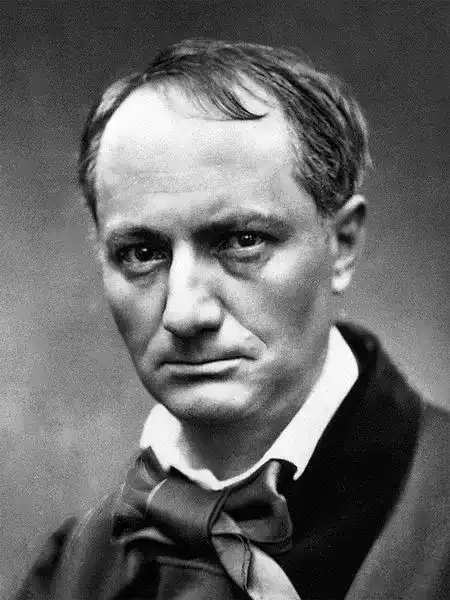
Charles Baudelaire
Ill-Starred
Ill-Starred
To bear a weight that cannot be borne,
Sisyphus, even you aren't that strong,
Although your heart cannot be torn
Time is short and Art is long.
Far from celebrated sepulchers
Toward a solitary graveyard
My heart, like a drum muffled hard
Beats a funeral march for the ill-starred.
—Many jewels are buried or shrouded
In darkness and oblivion's clouds,
Far from any pick or drill bit,
Many a flower unburdens with regret
Its perfume sweet like a secret;
In profoundly empty solitude to sit.
Translated by William A. Sigler
Submitted by Ryan McGuire
To bear a weight that cannot be borne,
Sisyphus, even you aren't that strong,
Although your heart cannot be torn
Time is short and Art is long.
Far from celebrated sepulchers
Toward a solitary graveyard
My heart, like a drum muffled hard
Beats a funeral march for the ill-starred.
—Many jewels are buried or shrouded
In darkness and oblivion's clouds,
Far from any pick or drill bit,
Many a flower unburdens with regret
Its perfume sweet like a secret;
In profoundly empty solitude to sit.
Translated by William A. Sigler
Submitted by Ryan McGuire
465
Charles Baudelaire
Cats
Cats
They are alike, prim scholar and perfervid lover:
When comes the season of decay, they both decide
Upon sweet, husky cats to be the household pride;
Cats choose, like them, to sit, and like them, shudder.
Like partisans of carnal dalliance and science,
They search for silence and the shadowings of dread;
Hell well might harness them as horses for the dead,
If it could bend their native proudness in compliance.
In reverie they emulate the noble mood
Of giant sphinxes stretched in depths of solitude
Who seem to slumber in a never-ending dream;
Within their fertile loins a sparkling magic lies;
Finer than any sand are dusts of gold that gleam,
Vague starpoints, in the mystic iris of their eyes.
They are alike, prim scholar and perfervid lover:
When comes the season of decay, they both decide
Upon sweet, husky cats to be the household pride;
Cats choose, like them, to sit, and like them, shudder.
Like partisans of carnal dalliance and science,
They search for silence and the shadowings of dread;
Hell well might harness them as horses for the dead,
If it could bend their native proudness in compliance.
In reverie they emulate the noble mood
Of giant sphinxes stretched in depths of solitude
Who seem to slumber in a never-ending dream;
Within their fertile loins a sparkling magic lies;
Finer than any sand are dusts of gold that gleam,
Vague starpoints, in the mystic iris of their eyes.
573
Charles Baudelaire
Anywhere Out of the World
Anywhere Out of the World
This life is a hospital where every patient is possessed with the desire to change beds;
one man would like to
suffer in front of the stove, and another believes that he would recover his health
beside the window.
It always seems to me that I should feel well in the place where I am not, and this
question of removal is one
which I discuss incessantly with my soul.
'Tell me, my soul, poor chilled soul, what do you think of going to live in Lisbon? It
must be warm there, and there
you would invigorate yourself like a lizard. This city is on the sea-shore; they say that
it is built of marble
and that the people there have such a hatred of vegetation that they uproot all the
trees. There you have a landscape
that corresponds to your taste! a landscape made of light and mineral, and liquid to
reflect them!'
My soul does not reply.
'Since you are so fond of stillness, coupled with the show of movement, would you like
to settle in Holland,
that beatifying country? Perhaps you would find some diversion in that land whose
image you have so often admired
in the art galleries. What do you think of Rotterdam, you who love forests of masts,
and ships moored at the foot of
houses?'
My soul remains silent.
'Perhaps Batavia attracts you more? There we should find, amongst other things, the
spirit of Europe
married to tropical beauty.'
Not a word. Could my soul be dead?
'Is it then that you have reached such a degree of lethargy that you acquiesce in your
sickness? If so, let us
flee to lands that are analogues of death. I see how it is, poor soul! We shall pack our
trunks for Tornio. Let us go
farther still to the extreme end of the Baltic; or farther still from life, if that is possible;
let us settle at the Pole. There
the sun only grazes the earth obliquely, and the slow alternation of light and darkness
suppresses variety and
increases monotony, that half-nothingness. There we shall be able to take long baths
of darkness, while for our
amusement the aurora borealis shall send us its rose-coloured rays that are like the
reflection of Hell's own
fireworks!'
At last my soul explodes, and wisely cries out to me: 'No matter where! No matter
where! As long as it's out
of the world!'
This life is a hospital where every patient is possessed with the desire to change beds;
one man would like to
suffer in front of the stove, and another believes that he would recover his health
beside the window.
It always seems to me that I should feel well in the place where I am not, and this
question of removal is one
which I discuss incessantly with my soul.
'Tell me, my soul, poor chilled soul, what do you think of going to live in Lisbon? It
must be warm there, and there
you would invigorate yourself like a lizard. This city is on the sea-shore; they say that
it is built of marble
and that the people there have such a hatred of vegetation that they uproot all the
trees. There you have a landscape
that corresponds to your taste! a landscape made of light and mineral, and liquid to
reflect them!'
My soul does not reply.
'Since you are so fond of stillness, coupled with the show of movement, would you like
to settle in Holland,
that beatifying country? Perhaps you would find some diversion in that land whose
image you have so often admired
in the art galleries. What do you think of Rotterdam, you who love forests of masts,
and ships moored at the foot of
houses?'
My soul remains silent.
'Perhaps Batavia attracts you more? There we should find, amongst other things, the
spirit of Europe
married to tropical beauty.'
Not a word. Could my soul be dead?
'Is it then that you have reached such a degree of lethargy that you acquiesce in your
sickness? If so, let us
flee to lands that are analogues of death. I see how it is, poor soul! We shall pack our
trunks for Tornio. Let us go
farther still to the extreme end of the Baltic; or farther still from life, if that is possible;
let us settle at the Pole. There
the sun only grazes the earth obliquely, and the slow alternation of light and darkness
suppresses variety and
increases monotony, that half-nothingness. There we shall be able to take long baths
of darkness, while for our
amusement the aurora borealis shall send us its rose-coloured rays that are like the
reflection of Hell's own
fireworks!'
At last my soul explodes, and wisely cries out to me: 'No matter where! No matter
where! As long as it's out
of the world!'
1,101
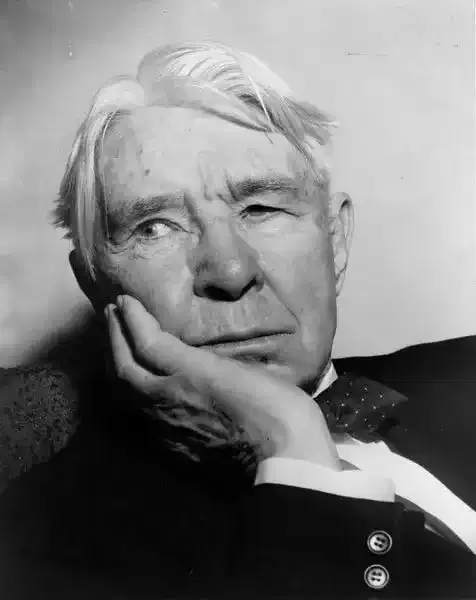
Carl Sandburg
Dunes
Dunes
What do we see here in the sand dunes of the white moon alone with our thoughts,
Bill,
Alone with our dreams, Bill, soft as the women tying scarves around their heads
dancing,
Alone with a picture and a picture coming one after the other of all the dead,
The dead more than all these grains of sand one by one piled here in the moon,
Piled against the sky-line taking shapes like the hand of the wind wanted,
What do we see here, Bill, outside of what the wise men beat their heads on,
Outside of what the poets cry for and the soldiers drive on headlong and leave their
skulls in the sun for—what, Bill?
What do we see here in the sand dunes of the white moon alone with our thoughts,
Bill,
Alone with our dreams, Bill, soft as the women tying scarves around their heads
dancing,
Alone with a picture and a picture coming one after the other of all the dead,
The dead more than all these grains of sand one by one piled here in the moon,
Piled against the sky-line taking shapes like the hand of the wind wanted,
What do we see here, Bill, outside of what the wise men beat their heads on,
Outside of what the poets cry for and the soldiers drive on headlong and leave their
skulls in the sun for—what, Bill?
343