

Poems in this topic
Time and Its Passage
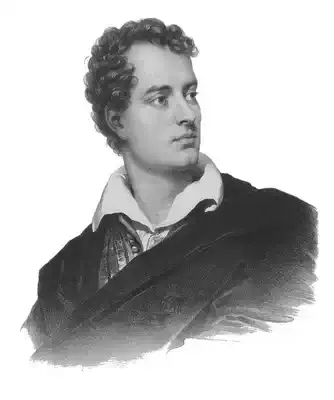
Lord Byron
To Caroline: When I Hear That You Express An Affection So Warm
To Caroline: When I Hear That You Express An Affection So Warm
When I hear that you express an affection so warm,
Ne'er think, my beloved, that I do not believe;
For your lip would the soul of suspicion disarm,
And your eye beams a ray which can never deceive.
Yet, still, this fond bosom regrets, while adoring,
That love, like the leaf, must fall into the sear;
That age will come on, when remembrance, deploring,
Contemplates the scenes of her youth with a tear;
That the time must arrive, when, no longer retaining
Their auburn, those locks must wave thin to the breeze,
When a few silver hairs of those tresses remaining
Prove nature a prey to decay and disease.
'Tis this, my beloved, which spreads gloom o'er my features,
Though I ne'er shall presume to arraign the decree,
Which God has proclaim'd as the fate of his creatures,
In the death which will one day deprive you of me.
Mistake not, sweet sceptic, the cause of emotion,
No doubt can the mind of your lover invade;
He worships each look with such faithful devotion,
A smile can enchant, or a tear can dissuade.
But as death, my beloved, soon or late shall o'ertake us,
And our breasts, which alive with such sympathy glow,
Will sleep in the grave till the blast shall awake us,
When calling the dead, in earth's bosom laid low,
Oh! then let us drain, while we may, draughts of pleasure,
Which from passion like ours may unceasingly flow;
Let us pass round the cup of love's bliss in full measure,
And quaff the contents as our nectar below.
1805
When I hear that you express an affection so warm,
Ne'er think, my beloved, that I do not believe;
For your lip would the soul of suspicion disarm,
And your eye beams a ray which can never deceive.
Yet, still, this fond bosom regrets, while adoring,
That love, like the leaf, must fall into the sear;
That age will come on, when remembrance, deploring,
Contemplates the scenes of her youth with a tear;
That the time must arrive, when, no longer retaining
Their auburn, those locks must wave thin to the breeze,
When a few silver hairs of those tresses remaining
Prove nature a prey to decay and disease.
'Tis this, my beloved, which spreads gloom o'er my features,
Though I ne'er shall presume to arraign the decree,
Which God has proclaim'd as the fate of his creatures,
In the death which will one day deprive you of me.
Mistake not, sweet sceptic, the cause of emotion,
No doubt can the mind of your lover invade;
He worships each look with such faithful devotion,
A smile can enchant, or a tear can dissuade.
But as death, my beloved, soon or late shall o'ertake us,
And our breasts, which alive with such sympathy glow,
Will sleep in the grave till the blast shall awake us,
When calling the dead, in earth's bosom laid low,
Oh! then let us drain, while we may, draughts of pleasure,
Which from passion like ours may unceasingly flow;
Let us pass round the cup of love's bliss in full measure,
And quaff the contents as our nectar below.
1805
451
Lord Byron
To An Oak At Newstead
To An Oak At Newstead
Young Oak! when I planted thee deep in the ground,
I hoped that thy days would be longer than mine;
That thy dark‑waving branches would flourish around,
And ivy thy trunk with its mantle entwine.
Such, such was my hope, when in infancy's
On the land of my fathers I rear'd thee with pride;
They are past, and I water thy stem with my tears,
Thy decay not the weeds that surround thee can hide.
I left thee, my Oak, and, since that fatal hour,
A stranger has dwelt in the hall of my sire;
Till manhood shall crown me, not mine is the power,
But his, whose neglect may have bade thee expire.
Oh! hardy thou wenteven
now little care
Might revive thy young head, and thy wounds gently heal:
But thou went not fated affection to shareFor
who could suppose that a stranger would feel!
Ah, droop not, my Oak! lift thy head for a while;
Ere twice round yon Glory this planet shall run,
The hand of thy Master will teach thee to smile,
When Infancy's years of probation are done.
Oh, live then, my Oak! tow'r aloft from the weeds,
That clog thy young growth, and assist thy decay,
For still in thy bosom are life's early seeds,
And still may thy branches their beauty display.
Oh! yet, if maturity's years may be thine,
Though I shall lie low in the cavern of death,
On thy leaves yet the day‑beam of ages may shine,
Uninjured by time, or the rude winter's breath.
For centuries still may thy boughs lightly wave
O'er the Gorse of thy lord in thy canopy laid;
While the branches thus gratefully shelter his grave,
The chief who survives may recline in thy shade.
And as he, with his boys, shall revisit this spot,
He will tell them is whispers more softly to tread.
Oh! surely, by these I shall ne'er be forgot;
Remembrance still hallows the dust of the dead.
And here, will they say, when in life's glowing prime,
Perhaps he has pour'd forth his young simple lay,
And here must he sleep, till the moments of time
Are lost in the hours of Eternity's day.
Young Oak! when I planted thee deep in the ground,
I hoped that thy days would be longer than mine;
That thy dark‑waving branches would flourish around,
And ivy thy trunk with its mantle entwine.
Such, such was my hope, when in infancy's
On the land of my fathers I rear'd thee with pride;
They are past, and I water thy stem with my tears,
Thy decay not the weeds that surround thee can hide.
I left thee, my Oak, and, since that fatal hour,
A stranger has dwelt in the hall of my sire;
Till manhood shall crown me, not mine is the power,
But his, whose neglect may have bade thee expire.
Oh! hardy thou wenteven
now little care
Might revive thy young head, and thy wounds gently heal:
But thou went not fated affection to shareFor
who could suppose that a stranger would feel!
Ah, droop not, my Oak! lift thy head for a while;
Ere twice round yon Glory this planet shall run,
The hand of thy Master will teach thee to smile,
When Infancy's years of probation are done.
Oh, live then, my Oak! tow'r aloft from the weeds,
That clog thy young growth, and assist thy decay,
For still in thy bosom are life's early seeds,
And still may thy branches their beauty display.
Oh! yet, if maturity's years may be thine,
Though I shall lie low in the cavern of death,
On thy leaves yet the day‑beam of ages may shine,
Uninjured by time, or the rude winter's breath.
For centuries still may thy boughs lightly wave
O'er the Gorse of thy lord in thy canopy laid;
While the branches thus gratefully shelter his grave,
The chief who survives may recline in thy shade.
And as he, with his boys, shall revisit this spot,
He will tell them is whispers more softly to tread.
Oh! surely, by these I shall ne'er be forgot;
Remembrance still hallows the dust of the dead.
And here, will they say, when in life's glowing prime,
Perhaps he has pour'd forth his young simple lay,
And here must he sleep, till the moments of time
Are lost in the hours of Eternity's day.
552
Lord Byron
So We'll Go No More a-Roving
So We'll Go No More a-Roving
So we'll go no more aroving
So late into the night,
Though the heart still be as loving,
And the moon still be as bright.
For the sword outwears its sheath,
And the soul outwears the breast,
And the heart must pause to breathe,
And love itself have rest.
Though the night was made for loving,
And the day returns too soon,
Yet we'll go no more aroving
By the light of the moon.
So we'll go no more aroving
So late into the night,
Though the heart still be as loving,
And the moon still be as bright.
For the sword outwears its sheath,
And the soul outwears the breast,
And the heart must pause to breathe,
And love itself have rest.
Though the night was made for loving,
And the day returns too soon,
Yet we'll go no more aroving
By the light of the moon.
599
Lord Byron
On My Thirty-Third Birthday, January 22, 1821
On My Thirty-Third Birthday, January 22, 1821
Through life's dull road, so dim and dirty,
I have dragg'd to threeandthirty.
What have these years left to me?
Nothingexcept
thirtythree.
Through life's dull road, so dim and dirty,
I have dragg'd to threeandthirty.
What have these years left to me?
Nothingexcept
thirtythree.
432
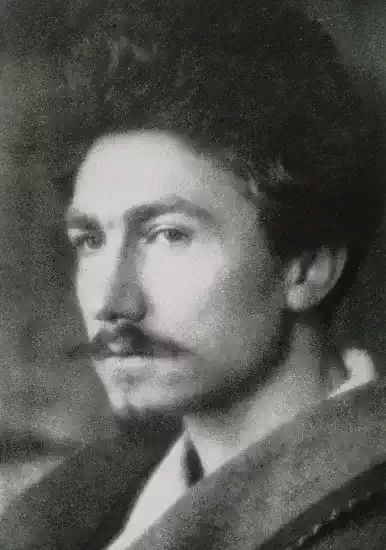
Ezra Pound
The Tea Shop
The Tea Shop
The girl in the tea shop
Is not so beautiful as she was,
The August has worn against her.
She does not get up the stairs so eagerly;
Yes, she also will turn middle-aged,
And the glow of youth that she spread about us
As she brought us our muffins
Will be spread about us no longer.
She also will turn middle-aged.
The girl in the tea shop
Is not so beautiful as she was,
The August has worn against her.
She does not get up the stairs so eagerly;
Yes, she also will turn middle-aged,
And the glow of youth that she spread about us
As she brought us our muffins
Will be spread about us no longer.
She also will turn middle-aged.
400
Ezra Pound
The Seafarer
The Seafarer
(From the early Anglo-Saxon text)
May I for my own self song's truth reckon,
Journey's jargon, how I in harsh days
Hardship endured oft.
Bitter breast-cares have I abided,
Known on my keel many a care's hold,
And dire sea-surge, and there I oft spent
Narrow nightwatch nigh the ship's head
While she tossed close to cliffs. Coldly afflicted,
My feet were by frost benumbed.
Chill its chains are; chafing sighs
Hew my heart round and hunger begot
Mere-weary mood. Lest man know not
That he on dry land loveliest liveth,
List how I, care-wretched, on ice-cold sea,
Weathered the winter, wretched outcast
Deprived of my kinsmen;
Hung with hard ice-flakes, where hail-scur flew,
There I heard naught save the harsh sea
And ice-cold wave, at whiles the swan cries,
Did for my games the gannet's clamour,
Sea-fowls, loudness was for me laughter,
The mews' singing all my mead-drink.
Storms, on the stone-cliffs beaten, fell on the stern
In icy feathers; full oft the eagle screamed
With spray on his pinion.
Not any protector
May make merry man faring needy.
This he little believes, who aye in winsome life
Abides 'mid burghers some heavy business,
Wealthy and wine-flushed, how I weary oft
Must bide above brine.
Neareth nightshade, snoweth from north,
Frost froze the land, hail fell on earth then
Corn of the coldest. Nathless there knocketh now
The heart's thought that I on high streams
The salt-wavy tumult traverse alone.
Moaneth alway my mind's lust
That I fare forth, that I afar hence
Seek out a foreign fastness.
For this there's no mood-lofty man over earth's midst,
Not though he be given his good, but will have in his youth greed;
Nor his deed to the daring, nor his king to the faithful
But shall have his sorrow for sea-fare
Whatever his lord will.
He hath not heart for harping, nor in ring-having
Nor winsomeness to wife, nor world's delight
Nor any whit else save the wave's slash,
Yet longing comes upon him to fare forth on the water.
Bosque taketh blossom, cometh beauty of berries,
Fields to fairness, land fares brisker,
All this admonisheth man eager of mood,
The heart turns to travel so that he then thinks
On flood-ways to be far departing.
Cuckoo calleth with gloomy crying,
He singeth summerward, bodeth sorrow,
The bitter heart's blood. Burgher knows not --
He the prosperous man -- what some perform
Where wandering them widest draweth.
So that but now my heart burst from my breast-lock,
My mood 'mid the mere-flood,
Over the whale's acre, would wander wide.
On earth's shelter cometh oft to me,
Eager and ready, the crying lone-flyer,
Whets for the whale-path the heart irresistibly,
O'er tracks of ocean; seeing that anyhow
My lord deems to me this dead life
On loan and on land, I believe not
That any earth-weal eternal standeth
Save there be somewhat calamitous
That, ere a man's tide go, turn it to twain.
Disease or oldness or sword-hate
Beats out the breath from doom-gripped body.
And for this, every earl whatever, for those speaking after --
Laud of the living, boasteth some last word,
That he will work ere he pass onward,
Frame on the fair earth 'gainst foes his malice,
Daring ado, ...
So that all men shall honour him after
And his laud beyond them remain 'mid the English,
Aye, for ever, a lasting life's-blast,
Delight mid the doughty.
Days little durable,
And all arrogance of earthen riches,
There come now no kings nor Cæsars
Nor gold-giving lords like those gone.
Howe'er in mirth most magnified,
Whoe'er lived in life most lordliest,
Drear all this excellence, delights undurable!
Waneth the watch, but the world holdeth.
Tomb hideth trouble. The blade is layed low.
Earthly glory ageth and seareth.
No man at all going the earth's gait,
But age fares against him, his face paleth,
Grey-haired he groaneth, knows gone companions,
Lordly men are to earth o'ergiven,
Nor may he then the flesh-cover, whose life ceaseth,
Nor eat the sweet nor feel the sorry,
Nor stir hand nor think in mid heart,
And though he strew the grave with gold,
His born brothers, their buried bodies
Be an unlikely treasure hoard.
(From the early Anglo-Saxon text)
May I for my own self song's truth reckon,
Journey's jargon, how I in harsh days
Hardship endured oft.
Bitter breast-cares have I abided,
Known on my keel many a care's hold,
And dire sea-surge, and there I oft spent
Narrow nightwatch nigh the ship's head
While she tossed close to cliffs. Coldly afflicted,
My feet were by frost benumbed.
Chill its chains are; chafing sighs
Hew my heart round and hunger begot
Mere-weary mood. Lest man know not
That he on dry land loveliest liveth,
List how I, care-wretched, on ice-cold sea,
Weathered the winter, wretched outcast
Deprived of my kinsmen;
Hung with hard ice-flakes, where hail-scur flew,
There I heard naught save the harsh sea
And ice-cold wave, at whiles the swan cries,
Did for my games the gannet's clamour,
Sea-fowls, loudness was for me laughter,
The mews' singing all my mead-drink.
Storms, on the stone-cliffs beaten, fell on the stern
In icy feathers; full oft the eagle screamed
With spray on his pinion.
Not any protector
May make merry man faring needy.
This he little believes, who aye in winsome life
Abides 'mid burghers some heavy business,
Wealthy and wine-flushed, how I weary oft
Must bide above brine.
Neareth nightshade, snoweth from north,
Frost froze the land, hail fell on earth then
Corn of the coldest. Nathless there knocketh now
The heart's thought that I on high streams
The salt-wavy tumult traverse alone.
Moaneth alway my mind's lust
That I fare forth, that I afar hence
Seek out a foreign fastness.
For this there's no mood-lofty man over earth's midst,
Not though he be given his good, but will have in his youth greed;
Nor his deed to the daring, nor his king to the faithful
But shall have his sorrow for sea-fare
Whatever his lord will.
He hath not heart for harping, nor in ring-having
Nor winsomeness to wife, nor world's delight
Nor any whit else save the wave's slash,
Yet longing comes upon him to fare forth on the water.
Bosque taketh blossom, cometh beauty of berries,
Fields to fairness, land fares brisker,
All this admonisheth man eager of mood,
The heart turns to travel so that he then thinks
On flood-ways to be far departing.
Cuckoo calleth with gloomy crying,
He singeth summerward, bodeth sorrow,
The bitter heart's blood. Burgher knows not --
He the prosperous man -- what some perform
Where wandering them widest draweth.
So that but now my heart burst from my breast-lock,
My mood 'mid the mere-flood,
Over the whale's acre, would wander wide.
On earth's shelter cometh oft to me,
Eager and ready, the crying lone-flyer,
Whets for the whale-path the heart irresistibly,
O'er tracks of ocean; seeing that anyhow
My lord deems to me this dead life
On loan and on land, I believe not
That any earth-weal eternal standeth
Save there be somewhat calamitous
That, ere a man's tide go, turn it to twain.
Disease or oldness or sword-hate
Beats out the breath from doom-gripped body.
And for this, every earl whatever, for those speaking after --
Laud of the living, boasteth some last word,
That he will work ere he pass onward,
Frame on the fair earth 'gainst foes his malice,
Daring ado, ...
So that all men shall honour him after
And his laud beyond them remain 'mid the English,
Aye, for ever, a lasting life's-blast,
Delight mid the doughty.
Days little durable,
And all arrogance of earthen riches,
There come now no kings nor Cæsars
Nor gold-giving lords like those gone.
Howe'er in mirth most magnified,
Whoe'er lived in life most lordliest,
Drear all this excellence, delights undurable!
Waneth the watch, but the world holdeth.
Tomb hideth trouble. The blade is layed low.
Earthly glory ageth and seareth.
No man at all going the earth's gait,
But age fares against him, his face paleth,
Grey-haired he groaneth, knows gone companions,
Lordly men are to earth o'ergiven,
Nor may he then the flesh-cover, whose life ceaseth,
Nor eat the sweet nor feel the sorry,
Nor stir hand nor think in mid heart,
And though he strew the grave with gold,
His born brothers, their buried bodies
Be an unlikely treasure hoard.
668
Ezra Pound
Silet
Silet
When I behold how black, immortal ink
Drips from my deathless pen - ah, well-away!
Why should we stop at all for what I think?
There is enough in what I chance to say.
It is enough that we once came together;
What is the use of setting it to rime?
When it is autumn do we get spring weather,
Or gather may of harsh northwindish time?
It is enough that we once came together;
What if the wind have turned against the rain?
It is enough that we once came together;
Time has seen this, and will not turn again;
And who are we, who know that last intent,
To plague to-morrow with a testament!
When I behold how black, immortal ink
Drips from my deathless pen - ah, well-away!
Why should we stop at all for what I think?
There is enough in what I chance to say.
It is enough that we once came together;
What is the use of setting it to rime?
When it is autumn do we get spring weather,
Or gather may of harsh northwindish time?
It is enough that we once came together;
What if the wind have turned against the rain?
It is enough that we once came together;
Time has seen this, and will not turn again;
And who are we, who know that last intent,
To plague to-morrow with a testament!
486
Ezra Pound
Monumentum Aere, Etc.
Monumentum Aere, Etc.
You say that I take a good deal upon myself;
That I strut in the robes of assumption.
In a few years no one will remember the buffo,
No one will remember the trivial parts of me,
The comic detail will be absent.
As for you, you will rot in the earth,
And it is doubtful if even your manure will be rich
enough
To keep grass
Over your grave.
You say that I take a good deal upon myself;
That I strut in the robes of assumption.
In a few years no one will remember the buffo,
No one will remember the trivial parts of me,
The comic detail will be absent.
As for you, you will rot in the earth,
And it is doubtful if even your manure will be rich
enough
To keep grass
Over your grave.
469
Ezra Pound
Homage To Sextus Propertius - VII
Homage To Sextus Propertius - VII
Me happy, night, night full of brightness;
Oh couch made happy by iny long delectations;
How many words talked out with abundant candles;
Struggles when the lights were taken away;
Now with bared breasts she wrestled against me,
Tunic spread in delay;
And she then opening my eyelids fallen in sleep,
Her lips upon them; and it was her mouth saying:
Sluggard!
In how many varied embraces, our changing arms,
Her kisses, how many, lingering on my lips.
'Turn not Venus into a blinded motion,
Eyes are the guides of love,
Paris took Helen naked coming from the bed of Menelaus,
Endymion's naked body, bright bait for Diana,'
such at least is the story.
While our fates twine together, sate we our eyes with love;
For long night comes upon you
and a day when no day returns.
Let the gods lay chains upon us
so that no day shall unbind them.
Fool who would set a term to love's madness,
For the sun shall drive with black horses,
earth shall bring wheat from barley,
The flood shall move toward the fountain
Ere love know moderations,
The fish shall swim in dry streams.
No, now while it may be, let not the fruit of life cease.
Dry wreaths drop their petals,
their stalks are woven in baskets,
To-day we take the great breath of lovers,
to-morrow fate shuts us in.
Though you give all your kisses
you give but few.
Nor can I shift my pains to other,
Hers will I be dead,
If she confer such nights upon me,
long is my life, long in years,
If she give me many,
God am I for the time.
Me happy, night, night full of brightness;
Oh couch made happy by iny long delectations;
How many words talked out with abundant candles;
Struggles when the lights were taken away;
Now with bared breasts she wrestled against me,
Tunic spread in delay;
And she then opening my eyelids fallen in sleep,
Her lips upon them; and it was her mouth saying:
Sluggard!
In how many varied embraces, our changing arms,
Her kisses, how many, lingering on my lips.
'Turn not Venus into a blinded motion,
Eyes are the guides of love,
Paris took Helen naked coming from the bed of Menelaus,
Endymion's naked body, bright bait for Diana,'
such at least is the story.
While our fates twine together, sate we our eyes with love;
For long night comes upon you
and a day when no day returns.
Let the gods lay chains upon us
so that no day shall unbind them.
Fool who would set a term to love's madness,
For the sun shall drive with black horses,
earth shall bring wheat from barley,
The flood shall move toward the fountain
Ere love know moderations,
The fish shall swim in dry streams.
No, now while it may be, let not the fruit of life cease.
Dry wreaths drop their petals,
their stalks are woven in baskets,
To-day we take the great breath of lovers,
to-morrow fate shuts us in.
Though you give all your kisses
you give but few.
Nor can I shift my pains to other,
Hers will I be dead,
If she confer such nights upon me,
long is my life, long in years,
If she give me many,
God am I for the time.
474

Emily Jane Brontë
Me thinks this heart...
"Me thinks this heart..."
Me thinks this heart should rest awhile
So stilly round the evening falls
The veiled sun sheds no parting smile
Nor mirth nor music wakes my Halls
I have sat lonely all the day
Watching the drizzly mist descend
And first conceal the hills in grey
And then along the valleys wend
And I have sat and watched the trees
And the sad flowers how drear they blow
Those flowers were formed to feel the breeze
Wave their light leaves in summer's glow
Yet their lives passed in gloomy woe
And hopeless comes its dark decline
And I lament because I know
That cold departure pictures mine
Me thinks this heart should rest awhile
So stilly round the evening falls
The veiled sun sheds no parting smile
Nor mirth nor music wakes my Halls
I have sat lonely all the day
Watching the drizzly mist descend
And first conceal the hills in grey
And then along the valleys wend
And I have sat and watched the trees
And the sad flowers how drear they blow
Those flowers were formed to feel the breeze
Wave their light leaves in summer's glow
Yet their lives passed in gloomy woe
And hopeless comes its dark decline
And I lament because I know
That cold departure pictures mine
231
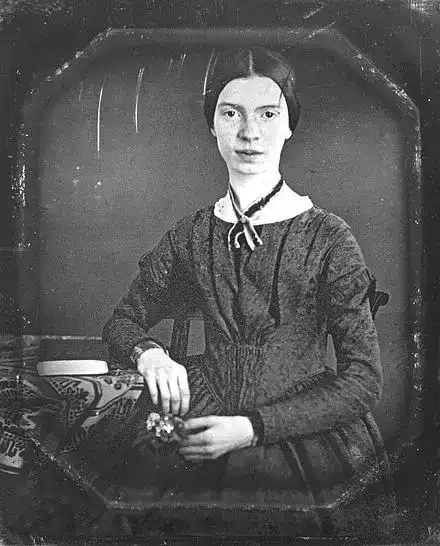
Emily Dickinson
Uncertain lease—develops lustre
Uncertain lease—develops lustre
857
Uncertain lease—develops lustre
On Time
Uncertain Grasp, appreciation
Of Sum—
The shorter Fate—is oftener the chiefest
Because
Inheritors upon a tenure
Prize—
857
Uncertain lease—develops lustre
On Time
Uncertain Grasp, appreciation
Of Sum—
The shorter Fate—is oftener the chiefest
Because
Inheritors upon a tenure
Prize—
261
Emily Dickinson
To venerate the simple days
To venerate the simple days
57
To venerate the simple days
Which lead the seasons by,
Needs but to remember
That from you or I,
They may take the trifle
Termed mortality!
57
To venerate the simple days
Which lead the seasons by,
Needs but to remember
That from you or I,
They may take the trifle
Termed mortality!
340
Emily Dickinson
To love thee Year by Year
To love thee Year by Year
434
To love thee Year by Year-
May less appear
Than sacrifice, and cease-
However, dear,
Forever might be short, I thought to show-
And so I pieced it, with a flower, now.
434
To love thee Year by Year-
May less appear
Than sacrifice, and cease-
However, dear,
Forever might be short, I thought to show-
And so I pieced it, with a flower, now.
417
Emily Dickinson
There are two Ripenings—one—of sight
There are two Ripenings—one—of sight
332
There are two Ripenings—one—of sight—
Whose forces Spheric wind
Until the Velvet product
Drop spicy to the ground—
A homelier maturing—
A process in the Bur—
That teeth of Frosts alone disclose
In far October Air.
332
There are two Ripenings—one—of sight—
Whose forces Spheric wind
Until the Velvet product
Drop spicy to the ground—
A homelier maturing—
A process in the Bur—
That teeth of Frosts alone disclose
In far October Air.
258
Emily Dickinson
Pain-expands the Time
Pain-expands the Time
967
Pain-expands the Time-
Ages coil within
The minute Circumference
Of a single Brain-
Pain contracts-the Time-
Occupied with Shot
Gamuts of Eternities
Are as they were not-
967
Pain-expands the Time-
Ages coil within
The minute Circumference
Of a single Brain-
Pain contracts-the Time-
Occupied with Shot
Gamuts of Eternities
Are as they were not-
309
Emily Dickinson
Just lost, when I was saved!
Just lost, when I was saved!
160
Just lost, when I was saved!
Just felt the world go by!
Just girt me for the onset with Eternity,
When breath blew back,
And on the other side
I heard recede the disappointed tide!
Therefore, as One returned, I feel
Odd secrets of the line to tell!
Some Sailor, skirting foreign shores-
Some pale Reporter, from the awful doors
Before the Seal!
Next time, to stay!
Next time, the things to see
By Ear unheard,
Unscrutinized by Eye-
Next time, to tarry,
While the Ages steal-
Slow tramp the Centuries,
And the Cycles wheel!
160
Just lost, when I was saved!
Just felt the world go by!
Just girt me for the onset with Eternity,
When breath blew back,
And on the other side
I heard recede the disappointed tide!
Therefore, as One returned, I feel
Odd secrets of the line to tell!
Some Sailor, skirting foreign shores-
Some pale Reporter, from the awful doors
Before the Seal!
Next time, to stay!
Next time, the things to see
By Ear unheard,
Unscrutinized by Eye-
Next time, to tarry,
While the Ages steal-
Slow tramp the Centuries,
And the Cycles wheel!
340
Emily Dickinson
It don't sound so terrible—quite—as it did
It don't sound so terrible—quite—as it did
426
It don't sound so terrible—quite—as it did—
I run it over—"Dead", Brain, "Dead."
Put it in Latin—left of my school—
Seems it don't shriek so—under rule.
Turn it, a little—full in the face
A Trouble looks bitterest—
Shift it—just—
Say "When Tomorrow comes this way—
I shall have waded down one Day."
I suppose it will interrupt me some
Till I get accustomed—but then the Tomb
Like other new Things—shows largest—then—
And smaller, by Habit—
It's shrewder then
Put the Thought in advance—a Year—
How like "a fit"—then—
Murder—wear!
426
It don't sound so terrible—quite—as it did—
I run it over—"Dead", Brain, "Dead."
Put it in Latin—left of my school—
Seems it don't shriek so—under rule.
Turn it, a little—full in the face
A Trouble looks bitterest—
Shift it—just—
Say "When Tomorrow comes this way—
I shall have waded down one Day."
I suppose it will interrupt me some
Till I get accustomed—but then the Tomb
Like other new Things—shows largest—then—
And smaller, by Habit—
It's shrewder then
Put the Thought in advance—a Year—
How like "a fit"—then—
Murder—wear!
302
Emily Dickinson
I tie my Hat—I crease my Shawl
I tie my Hat—I crease my Shawl
443
I tie my Hat—I crease my Shawl—
Life's little duties do—precisely—
As the very least
Were infinite—to me—
I put new Blossoms in the Glass—
And throw the old—away—
I push a petal from my gown
That anchored there—I weigh
The time 'twill be till six o'clock
I have so much to do—
And yet—Existence—some way back—
Stopped—struck—my tickling—through—
We cannot put Ourself away
As a completed Man
Or Woman—When the Errand's done
We came to Flesh—upon—
There may be—Miles on Miles of Nought—
Of Action—sicker far—
To simulate—is stinging work—
To cover what we are
From Science—and from Surgery—
Too Telescopic Eyes
To bear on us unshaded—
For their—sake—not for Ours—
'Twould start them—
We—could tremble—
But since we got a Bomb—
And held it in our Bosom—
Nay—Hold it—it is calm—
Therefore—we do life's labor—
Though life's Reward—be done—
With scrupulous exactness—
To hold our Senses—on—
443
I tie my Hat—I crease my Shawl—
Life's little duties do—precisely—
As the very least
Were infinite—to me—
I put new Blossoms in the Glass—
And throw the old—away—
I push a petal from my gown
That anchored there—I weigh
The time 'twill be till six o'clock
I have so much to do—
And yet—Existence—some way back—
Stopped—struck—my tickling—through—
We cannot put Ourself away
As a completed Man
Or Woman—When the Errand's done
We came to Flesh—upon—
There may be—Miles on Miles of Nought—
Of Action—sicker far—
To simulate—is stinging work—
To cover what we are
From Science—and from Surgery—
Too Telescopic Eyes
To bear on us unshaded—
For their—sake—not for Ours—
'Twould start them—
We—could tremble—
But since we got a Bomb—
And held it in our Bosom—
Nay—Hold it—it is calm—
Therefore—we do life's labor—
Though life's Reward—be done—
With scrupulous exactness—
To hold our Senses—on—
220
Emily Dickinson
I think the longest Hour of all
I think the longest Hour of all
635
I think the longest Hour of all
Is when the Cars have come-
And we are waiting for the Coach-
It seems as though the Time
Indignant-that the Joy was come-
Did block the Gilded Hands-
And would not let the Seconds by-
But slowest instant-ends-
The Pendulum begins to count-
Like little Scholars-loud-
The steps grow thicker-in the Hall-
The Heart begins to crowd-
Then I-my timid service done-
Tho' service 'twas, of Love-
Take up my little Violin-
And further North-remove.
635
I think the longest Hour of all
Is when the Cars have come-
And we are waiting for the Coach-
It seems as though the Time
Indignant-that the Joy was come-
Did block the Gilded Hands-
And would not let the Seconds by-
But slowest instant-ends-
The Pendulum begins to count-
Like little Scholars-loud-
The steps grow thicker-in the Hall-
The Heart begins to crowd-
Then I-my timid service done-
Tho' service 'twas, of Love-
Take up my little Violin-
And further North-remove.
277
Emily Dickinson
I could not prove the Years had feet
I could not prove the Years had feet
563
I could not prove the Years had feet-
Yet confident they run
Am I, from symptoms that are past
And Series that are done-
I find my feet have further Goals-
I smile upon the Aims
That felt so ample-YesterdayToday's-
have vaster claims-
I do not doubt the self I was
Was competent to me-
But something awkward in the fit-
Proves that-outgrown-I see-
563
I could not prove the Years had feet-
Yet confident they run
Am I, from symptoms that are past
And Series that are done-
I find my feet have further Goals-
I smile upon the Aims
That felt so ample-YesterdayToday's-
have vaster claims-
I do not doubt the self I was
Was competent to me-
But something awkward in the fit-
Proves that-outgrown-I see-
261
Emily Dickinson
Funny—to be a Century
Funny—to be a Century
345
Funny—to be a Century—
And see the People—going by—
I—should die of the Oddity—
But then—I'm not so staid—as He—
He keeps His Secrets safely—very—
Were He to tell—extremely sorry
This Bashful Globe of Ours would be—
So dainty of Publicity—
345
Funny—to be a Century—
And see the People—going by—
I—should die of the Oddity—
But then—I'm not so staid—as He—
He keeps His Secrets safely—very—
Were He to tell—extremely sorry
This Bashful Globe of Ours would be—
So dainty of Publicity—
200
Emily Dickinson
Fame is the tine that Scholars leave
Fame is the tine that Scholars leave
866
Fame is the tine that Scholars leave
Upon their Setting Names-
The Iris not of Occident
That disappears as comes-
866
Fame is the tine that Scholars leave
Upon their Setting Names-
The Iris not of Occident
That disappears as comes-
278
Emily Dickinson
Crumbling is not an instant's Act
Crumbling is not an instant's Act
997
Crumbling is not an instant's Act
A fundamental pause
Dilapidation's processes
Are organized Decays.
'Tis first a Cobweb on the Soul
A Cuticle of Dust
A Borer in the Axis
An Elemental Rust-
Ruin is formal-Devil's work
Consecutive and slow-
Fail in an instant, no man did
Slipping-is Crash's law.
997
Crumbling is not an instant's Act
A fundamental pause
Dilapidation's processes
Are organized Decays.
'Tis first a Cobweb on the Soul
A Cuticle of Dust
A Borer in the Axis
An Elemental Rust-
Ruin is formal-Devil's work
Consecutive and slow-
Fail in an instant, no man did
Slipping-is Crash's law.
261