

Poems in this topic
Life
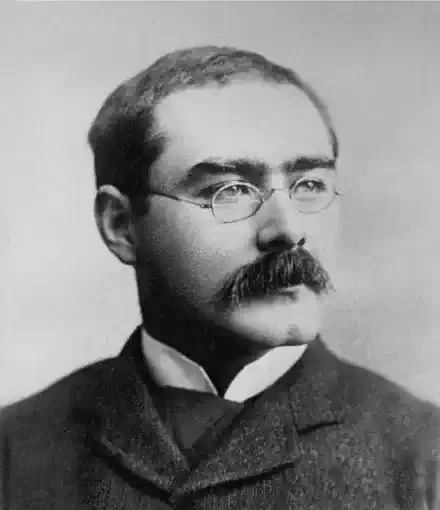
Rudyard Kipling
The Fall of Jock Gillespie
The Fall of Jock Gillespie
This fell when dinner-time was done --
'Twixt the first an' the second rub --
That oor mon Jock cam' hame again
To his rooms ahist the Club.
An' syne he laughed, an' syne he sang,
An' syne we thocht him fou,
An' syne he trumped his partner's trick,
An' garred his partner rue.
Then up and spake an elder mon,
That held the Spade its Ace --
God save the lad! Whence comes the licht
"That wimples on his face?"
An' Jock he sniggered, an' Jock he smiled,
An' ower the card-brim wunk: --
"I'm a' too fresh fra' the stirrup-peg,
"May be that I am drunk."
"There's whusky brewed in Galashils
"An' L. L. L. forbye;
"But never liquor lit the lowe
"That keeks fra' oot your eye.
"There's a third o' hair on your dress-coat breast,
"Aboon the heart a wee?"
"Oh! that is fra' the lang-haired Skye
"That slobbers ower me."
"Oh! lang-haired Skyes are lovin' beasts,
"An' terrier dogs are fair,
"But never yet was terrier born,
"Wi' ell-lang gowden hair!
"There's a smirch o' pouther on your breast,
"Below the left lappel?"
"Oh! that is fra' my auld cigar,
"Whenas the stump-end fell."
"Mon Jock, ye smoke the Trichi coarse,
"For ye are short o' cash,
"An' best Havanas Couldna leave
"Sae white an' pure an ash.
"This nicht ye stopped a story braid,
"An' stopped it wi' a curse.
"Last nicht ye told that tale yoursel' --
"An' capped it wi' a worse!
"Oh! we're no fou! Oh! we're no fou!
"But plainly we can ken
"Ye're fallin', fallin' fra the band
"O' cantie single men!"
An' it fell when sirris-shaws were sere,
An' the nichts were lang and mirk,
In braw new breeks, wi' a gowden ring,
Oor Jocke gaed to the Kirk!
This fell when dinner-time was done --
'Twixt the first an' the second rub --
That oor mon Jock cam' hame again
To his rooms ahist the Club.
An' syne he laughed, an' syne he sang,
An' syne we thocht him fou,
An' syne he trumped his partner's trick,
An' garred his partner rue.
Then up and spake an elder mon,
That held the Spade its Ace --
God save the lad! Whence comes the licht
"That wimples on his face?"
An' Jock he sniggered, an' Jock he smiled,
An' ower the card-brim wunk: --
"I'm a' too fresh fra' the stirrup-peg,
"May be that I am drunk."
"There's whusky brewed in Galashils
"An' L. L. L. forbye;
"But never liquor lit the lowe
"That keeks fra' oot your eye.
"There's a third o' hair on your dress-coat breast,
"Aboon the heart a wee?"
"Oh! that is fra' the lang-haired Skye
"That slobbers ower me."
"Oh! lang-haired Skyes are lovin' beasts,
"An' terrier dogs are fair,
"But never yet was terrier born,
"Wi' ell-lang gowden hair!
"There's a smirch o' pouther on your breast,
"Below the left lappel?"
"Oh! that is fra' my auld cigar,
"Whenas the stump-end fell."
"Mon Jock, ye smoke the Trichi coarse,
"For ye are short o' cash,
"An' best Havanas Couldna leave
"Sae white an' pure an ash.
"This nicht ye stopped a story braid,
"An' stopped it wi' a curse.
"Last nicht ye told that tale yoursel' --
"An' capped it wi' a worse!
"Oh! we're no fou! Oh! we're no fou!
"But plainly we can ken
"Ye're fallin', fallin' fra the band
"O' cantie single men!"
An' it fell when sirris-shaws were sere,
An' the nichts were lang and mirk,
In braw new breeks, wi' a gowden ring,
Oor Jocke gaed to the Kirk!
481
Rudyard Kipling
The Explanation
The Explanation
Love and Death once ceased their strife
At the Tavern of Man's Life.
Called for wine, and threw -- alas! --
Each his quiver on the grass.
When the bout was o'er they found
Mingled arrows strewed the ground.
Hastily they gathered then
Each the loves and lives of men.
Ah, the fateful dawn deceived!
Mingled arrows each one sheaved;
Death's dread armoury was stored
With the shafts he most abhorred;
Love's light quiver groaned beneath
Venom-headed darts of Death.
Thus it was they wrought our woe
At the Tavern long ago.
Tell me, do our masters know,
Loosing blindly as they fly,
Old men love while young men die?
Love and Death once ceased their strife
At the Tavern of Man's Life.
Called for wine, and threw -- alas! --
Each his quiver on the grass.
When the bout was o'er they found
Mingled arrows strewed the ground.
Hastily they gathered then
Each the loves and lives of men.
Ah, the fateful dawn deceived!
Mingled arrows each one sheaved;
Death's dread armoury was stored
With the shafts he most abhorred;
Love's light quiver groaned beneath
Venom-headed darts of Death.
Thus it was they wrought our woe
At the Tavern long ago.
Tell me, do our masters know,
Loosing blindly as they fly,
Old men love while young men die?
396
Rudyard Kipling
Sestina Of The Tramp-Royal
Sestina Of The Tramp-Royal
Speakin' in general, I 'ave tried 'em all,
The 'appy roads that take you o'er the world.
Speakin' in general, I 'ave found them good
For such as cannot use one bed too long,
But must get 'ence, the same as I 'ave done,
An' go observin' matters till they die.
What do it matter where or 'ow we die,
So long as we've our 'ealth to watch it all --
The different ways that different things are done,
An' men an' women lovin' in this world --
Takin' our chances as they come along,
An' when they ain't, pretendin' they are good?
In cash or credit -- no, it aren't no good;
You 'ave to 'ave the 'abit or you'd die,
Unless you lived your life but one day long,
Nor didn't prophesy nor fret at all,
But drew your tucker some'ow from the world,
An' never bothered what you might ha' done.
But, Gawd, what things are they I 'aven't done?
I've turned my 'and to most, an' turned it good,
In various situations round the world --
For 'im that doth not work must surely die;
But that's no reason man should labour all
'Is life on one same shift; life's none so long.
Therefore, from job to job I've moved along.
Pay couldn't 'old me when my time was done,
For something in my 'ead upset me all,
Till I 'ad dropped whatever 'twas for good,
An', out at sea, be'eld the dock-lights die,
An' met my mate -- the wind that tramps the world!
It's like a book, I think, this bloomin' world,
Which you can read and care for just so long,
But presently you feel that you will die
Unless you get the page you're readin' done,
An' turn another -- likely not so good;
But what you're after is to turn 'em all.
Gawd bless this world! Whatever she 'ath done --
Excep' when awful long -- I've found it good.
So write, before I die, "'E liked it all!"
Speakin' in general, I 'ave tried 'em all,
The 'appy roads that take you o'er the world.
Speakin' in general, I 'ave found them good
For such as cannot use one bed too long,
But must get 'ence, the same as I 'ave done,
An' go observin' matters till they die.
What do it matter where or 'ow we die,
So long as we've our 'ealth to watch it all --
The different ways that different things are done,
An' men an' women lovin' in this world --
Takin' our chances as they come along,
An' when they ain't, pretendin' they are good?
In cash or credit -- no, it aren't no good;
You 'ave to 'ave the 'abit or you'd die,
Unless you lived your life but one day long,
Nor didn't prophesy nor fret at all,
But drew your tucker some'ow from the world,
An' never bothered what you might ha' done.
But, Gawd, what things are they I 'aven't done?
I've turned my 'and to most, an' turned it good,
In various situations round the world --
For 'im that doth not work must surely die;
But that's no reason man should labour all
'Is life on one same shift; life's none so long.
Therefore, from job to job I've moved along.
Pay couldn't 'old me when my time was done,
For something in my 'ead upset me all,
Till I 'ad dropped whatever 'twas for good,
An', out at sea, be'eld the dock-lights die,
An' met my mate -- the wind that tramps the world!
It's like a book, I think, this bloomin' world,
Which you can read and care for just so long,
But presently you feel that you will die
Unless you get the page you're readin' done,
An' turn another -- likely not so good;
But what you're after is to turn 'em all.
Gawd bless this world! Whatever she 'ath done --
Excep' when awful long -- I've found it good.
So write, before I die, "'E liked it all!"
566
Rudyard Kipling
Outsong in the Jungle
Outsong in the Jungle
Baloo
For the sake of him who showed
One wise Frog the Jungle-Road,
Keep the Law the Man-Pack make
For thy blind old Baloo's sake!
Clean or tainted, hot or stale,
Hold it as it were the Trail,
Through the day and through the night,
Questing neither left nor right.
For the sake of him who loves
Thee beyond all else that moves,
When thy Pack would make thee pain,
Say: " Tabaqui sings again."
When thy Pack would work thee ill,
Say: "Shere Khan is yet to kill."
When the knife is drawn to slay,
Keep the Law and go thy way.
(Root and honey, palm and spathe,
Guard a cub from harm and scathe!)
Wood and Water, Wind and Tree,
Jungle-Favour go with thee!
Kaa
Anger is the egg of Fear--
Only lidless eyes see clear.
Cobra-poison none may leech--
Even so with Cobra-speech.
Open talk shall call to thee
Strength, whose mate is Courtesy.
Send no lunge beyond thy length.
Lend no rotten bough thy strength.
Gauge thy gape with buck or goat,
Lest thine eye should choke thy throat.
After gorging, wouldst thou sleep ?
Look thy den be hid and deep,
Lest a wrong, by thee forgot,
Draw thy killer to the spot.
East and West and North and South,
Wash thy hide and close thy mouth.
(Pit and rift and blue pool-brim,
Middle-Jungle follow him!)
Wood and Water, Wind and Tree,
Jungle-Favour go with thee!
Bagheera
In the cage my life began;
Well I know the worth of Man.
By the Broken Lock that freed--
Man-cub, ware the Man-cub's breed!
Scenting-dew or starlight pale,
Choose no tangled tree-cat trail.
Pack or council, hunt or den,
Cry no truce with Jackal-Men.
Feed them silence when they say:
"Come with us an easy way."
Feed them silence when they seek
Help of thine to hurt the weak.
Make no bandar's boast of skill;
Hold thy peace above the kill.
Let nor call nor song nor sign
Turn thee from thy hunting-line.
(Morning mist or twilight clear,
Serve him, Wardens of the Deer!)
Wood and Water, Wind and Tree,
Jungle-Favour go with thee!
The Three
On the trail that thou must tread
To the threshold of our dread,
Where the Flower blossoms red;
Through the nights when thou shalt lie
Prisoned from our Mother-sky,
Hearing us, thy loves, go by;
In the dawns when thou. shalt wake
To the toil thou canst not break,
Heartsick for the Jungle's sake;
Wood and Water, Wind air Tree,
Wisdom, Strength, and Courtesy,
Jungle-Favour go with thee!
Baloo
For the sake of him who showed
One wise Frog the Jungle-Road,
Keep the Law the Man-Pack make
For thy blind old Baloo's sake!
Clean or tainted, hot or stale,
Hold it as it were the Trail,
Through the day and through the night,
Questing neither left nor right.
For the sake of him who loves
Thee beyond all else that moves,
When thy Pack would make thee pain,
Say: " Tabaqui sings again."
When thy Pack would work thee ill,
Say: "Shere Khan is yet to kill."
When the knife is drawn to slay,
Keep the Law and go thy way.
(Root and honey, palm and spathe,
Guard a cub from harm and scathe!)
Wood and Water, Wind and Tree,
Jungle-Favour go with thee!
Kaa
Anger is the egg of Fear--
Only lidless eyes see clear.
Cobra-poison none may leech--
Even so with Cobra-speech.
Open talk shall call to thee
Strength, whose mate is Courtesy.
Send no lunge beyond thy length.
Lend no rotten bough thy strength.
Gauge thy gape with buck or goat,
Lest thine eye should choke thy throat.
After gorging, wouldst thou sleep ?
Look thy den be hid and deep,
Lest a wrong, by thee forgot,
Draw thy killer to the spot.
East and West and North and South,
Wash thy hide and close thy mouth.
(Pit and rift and blue pool-brim,
Middle-Jungle follow him!)
Wood and Water, Wind and Tree,
Jungle-Favour go with thee!
Bagheera
In the cage my life began;
Well I know the worth of Man.
By the Broken Lock that freed--
Man-cub, ware the Man-cub's breed!
Scenting-dew or starlight pale,
Choose no tangled tree-cat trail.
Pack or council, hunt or den,
Cry no truce with Jackal-Men.
Feed them silence when they say:
"Come with us an easy way."
Feed them silence when they seek
Help of thine to hurt the weak.
Make no bandar's boast of skill;
Hold thy peace above the kill.
Let nor call nor song nor sign
Turn thee from thy hunting-line.
(Morning mist or twilight clear,
Serve him, Wardens of the Deer!)
Wood and Water, Wind and Tree,
Jungle-Favour go with thee!
The Three
On the trail that thou must tread
To the threshold of our dread,
Where the Flower blossoms red;
Through the nights when thou shalt lie
Prisoned from our Mother-sky,
Hearing us, thy loves, go by;
In the dawns when thou. shalt wake
To the toil thou canst not break,
Heartsick for the Jungle's sake;
Wood and Water, Wind air Tree,
Wisdom, Strength, and Courtesy,
Jungle-Favour go with thee!
432

Robert W. Service
Two Husbands
Two Husbands
Unpenitent, I grieve to state,
Two good men stood by heaven's gate,
Saint Peter coming to await.
The stopped the Keeper of the Keys,
Saying: "What suppliants are these,
Who wait me not on bended knees?
"To get my heavenly Okay
A man should have been used to pray,
Or suffered in some grievous way."
"Oh I have suffered," cried the first.
"Of wives I had the wicked worst,
Who made my life a plague accurst.
"Such martyrdom no tongue can tell;
In mercy's name it is not well
To doom me to another hell."
Saint Peter said: "I comprehend;
But tribulations have their end.
The gate is open, - go my friend."
Then said the second: "What of me?
More I deserve to pass than he,
For I've been wedded twice, you see."
Saint Peter looked at him a while,
And then he answered with a smile:
"Your application I will file.
"Yet twice in double yoke you've driven . . .
Though sinners with our Saints we leaven,
We don't take IMBECILES in heaven."
Unpenitent, I grieve to state,
Two good men stood by heaven's gate,
Saint Peter coming to await.
The stopped the Keeper of the Keys,
Saying: "What suppliants are these,
Who wait me not on bended knees?
"To get my heavenly Okay
A man should have been used to pray,
Or suffered in some grievous way."
"Oh I have suffered," cried the first.
"Of wives I had the wicked worst,
Who made my life a plague accurst.
"Such martyrdom no tongue can tell;
In mercy's name it is not well
To doom me to another hell."
Saint Peter said: "I comprehend;
But tribulations have their end.
The gate is open, - go my friend."
Then said the second: "What of me?
More I deserve to pass than he,
For I've been wedded twice, you see."
Saint Peter looked at him a while,
And then he answered with a smile:
"Your application I will file.
"Yet twice in double yoke you've driven . . .
Though sinners with our Saints we leaven,
We don't take IMBECILES in heaven."
283
Robert W. Service
The Spirit Of The Unborn Babe
The Spirit Of The Unborn Babe
The Spirit of the Unborn Babe peered through the window-pane,
Peered through the window-pane that glowed like beacon in the night;
For, oh, the sky was desolate and wild with wind and rain;
And how the little room was crammed with coziness and light!
Except the flirting of the fire there was no sound at all;
The Woman sat beside the hearth, her knitting on her knee;
The shadow of her husband's head was dancing on the wall;
She looked with staring eyes at it, she looked yet did not see.
She only saw a childish face that topped the table rim,
A little wistful ghost that smiled and vanished quick away;
And then because her tender eyes were flooding to the brim,
She lowered her head. . . . "Don't sorrow, dear," she heard him softly say;
"It's over now. We'll try to be as happy as before
(Ah! they who little children have, grant hostages to pain).
We gave Life chance to wound us once, but never, never more. . . ."
The Spirit of the Unborn Babe fled through the night again.
The Spirit of the Unborn Babe went wildered in the dark;
Like termagants the winds tore down and whirled it with the snow.
And then amid the writhing storm it saw a tiny spark,
A window broad, a spacious room all goldenly aglow,
A woman slim and Paris-gowned and exquisitely fair,
Who smiled with rapture as she watched her jewels catch the blaze;
A man in faultless evening dress, young, handsome, debonnaire,
Who smoked his cigarette and looked with frank admiring gaze.
"Oh, we are happy, sweet," said he; "youth, health, and wealth are ours.
What if a thousand toil and sweat that we may live at ease!
What if the hands are worn and torn that strew our path with flowers!
Ah, well! we did not make the world; let us not think of these.
Let's seek the beauty-spots of earth, Dear Heart, just you and I;
Let other women bring forth life with sorrow and with pain.
Above our door we'll hang the sign: `No children need apply. . . .'"
The Spirit of the Unborn Babe sped through the night again.
The Spirit of the Unborn Babe went whirling on and on;
It soared above a city vast, it swept down to a slum;
It saw within a grimy house a light that dimly shone;
It peered in through a window-pane and lo! a voice said: "Come!"
And so a little girl was born amid the dirt and din,
And lived in spite of everything, for life is ordered so;
A child whose eyes first opened wide to swinishness and sin,
A child whose love and innocence met only curse and blow.
And so in due and proper course she took the path of shame,
And gladly died in hospital, quite old at twenty years;
And when God comes to weigh it all, ah! whose shall be the blame
For all her maimed and poisoned life, her torture and her tears?
For oh, it is not what we do, but what we have not done!
And on that day of reckoning, when all is plain and clear,
What if we stand before the Throne, blood-guilty every one? . . .
Maybe the blackest sins of all are Selfishness and Fear.
The Spirit of the Unborn Babe peered through the window-pane,
Peered through the window-pane that glowed like beacon in the night;
For, oh, the sky was desolate and wild with wind and rain;
And how the little room was crammed with coziness and light!
Except the flirting of the fire there was no sound at all;
The Woman sat beside the hearth, her knitting on her knee;
The shadow of her husband's head was dancing on the wall;
She looked with staring eyes at it, she looked yet did not see.
She only saw a childish face that topped the table rim,
A little wistful ghost that smiled and vanished quick away;
And then because her tender eyes were flooding to the brim,
She lowered her head. . . . "Don't sorrow, dear," she heard him softly say;
"It's over now. We'll try to be as happy as before
(Ah! they who little children have, grant hostages to pain).
We gave Life chance to wound us once, but never, never more. . . ."
The Spirit of the Unborn Babe fled through the night again.
The Spirit of the Unborn Babe went wildered in the dark;
Like termagants the winds tore down and whirled it with the snow.
And then amid the writhing storm it saw a tiny spark,
A window broad, a spacious room all goldenly aglow,
A woman slim and Paris-gowned and exquisitely fair,
Who smiled with rapture as she watched her jewels catch the blaze;
A man in faultless evening dress, young, handsome, debonnaire,
Who smoked his cigarette and looked with frank admiring gaze.
"Oh, we are happy, sweet," said he; "youth, health, and wealth are ours.
What if a thousand toil and sweat that we may live at ease!
What if the hands are worn and torn that strew our path with flowers!
Ah, well! we did not make the world; let us not think of these.
Let's seek the beauty-spots of earth, Dear Heart, just you and I;
Let other women bring forth life with sorrow and with pain.
Above our door we'll hang the sign: `No children need apply. . . .'"
The Spirit of the Unborn Babe sped through the night again.
The Spirit of the Unborn Babe went whirling on and on;
It soared above a city vast, it swept down to a slum;
It saw within a grimy house a light that dimly shone;
It peered in through a window-pane and lo! a voice said: "Come!"
And so a little girl was born amid the dirt and din,
And lived in spite of everything, for life is ordered so;
A child whose eyes first opened wide to swinishness and sin,
A child whose love and innocence met only curse and blow.
And so in due and proper course she took the path of shame,
And gladly died in hospital, quite old at twenty years;
And when God comes to weigh it all, ah! whose shall be the blame
For all her maimed and poisoned life, her torture and her tears?
For oh, it is not what we do, but what we have not done!
And on that day of reckoning, when all is plain and clear,
What if we stand before the Throne, blood-guilty every one? . . .
Maybe the blackest sins of all are Selfishness and Fear.
220
Robert W. Service
The Release
The Release
To-day within a grog-shop near
I saw a newly captured linnet,
Who beat against his cage in fear,
And fell exhausted every minute;
And when I asked the fellow there
If he to sell the bird were willing,
He told me with a careless air
That I could have it for a shilling.
And so I bought it, cage and all
(Although I went without my dinner),
And where some trees were fairly tall
And houses shrank and smoke was thinner,
The tiny door I open threw,
As down upon the grass I sank me:
Poor little chap! How quick he flew . . .
He didn't even wait to thank me.
Life's like a cage; we beat the bars,
We bruise our breasts, we struggle vainly;
Up to the glory of the stars
We strain with flutterings ungainly.
And then -- God opens wide the door;
Our wondrous wings are arched for flying;
We poise, we part, we sing, we soar . . .
Light, freedom, love. . . . Fools call it -- Dying.
To-day within a grog-shop near
I saw a newly captured linnet,
Who beat against his cage in fear,
And fell exhausted every minute;
And when I asked the fellow there
If he to sell the bird were willing,
He told me with a careless air
That I could have it for a shilling.
And so I bought it, cage and all
(Although I went without my dinner),
And where some trees were fairly tall
And houses shrank and smoke was thinner,
The tiny door I open threw,
As down upon the grass I sank me:
Poor little chap! How quick he flew . . .
He didn't even wait to thank me.
Life's like a cage; we beat the bars,
We bruise our breasts, we struggle vainly;
Up to the glory of the stars
We strain with flutterings ungainly.
And then -- God opens wide the door;
Our wondrous wings are arched for flying;
We poise, we part, we sing, we soar . . .
Light, freedom, love. . . . Fools call it -- Dying.
271
Robert W. Service
The Living Dead
The Living Dead
Since I have come to years sedate
I see with more and more acumen
The bitter irony of Fate,
The vanity of all things human.
Why, just to-day some fellow said,
As I surveyed Fame's outer portal:
"By gad! I thought that you were dead."
Poor me, who dreamed to be immortal!
But that's the way with many men
Whose name one fancied time-defying;
We thought that they were dust and then
We found them living by their dying.
Like dogs we penmen have our day,
To brief best-sellerdom elected;
And then, "thumbs down," we slink away
And die forgotten and neglected.
Ah well, my lyric fling I've had;
A thousand bits of verse I've minted;
And some, alas! were very bad,
And some, alack! were best unprinted.
But if I've made my muse a bawd
(Since I am earthy as a ditch is),
I'll answer humbly to my God:
Most men at times have toyed with bitches.
Yes, I have played with Lady Rhyme,
And had a long and lovely innings;
And when the Umpire calls my time
I'll blandly quit and take my winnings.
I'll hie me to some Sleepydale,
And feed the ducks and pat the poodles,
And prime my paunch with cakes and ale,
And blether with the village noodles.
And then some day you'll idly scan
The Times obituary column,
And say: "Dear me, the poor old man!"
And for a moment you'll look solemn.
"So all this time he's been alive -
In realms of rhyme a second-rater . . .
But gad! to live to ninety-five:
Let's toast his ghost - a sherry, waiter!"
Since I have come to years sedate
I see with more and more acumen
The bitter irony of Fate,
The vanity of all things human.
Why, just to-day some fellow said,
As I surveyed Fame's outer portal:
"By gad! I thought that you were dead."
Poor me, who dreamed to be immortal!
But that's the way with many men
Whose name one fancied time-defying;
We thought that they were dust and then
We found them living by their dying.
Like dogs we penmen have our day,
To brief best-sellerdom elected;
And then, "thumbs down," we slink away
And die forgotten and neglected.
Ah well, my lyric fling I've had;
A thousand bits of verse I've minted;
And some, alas! were very bad,
And some, alack! were best unprinted.
But if I've made my muse a bawd
(Since I am earthy as a ditch is),
I'll answer humbly to my God:
Most men at times have toyed with bitches.
Yes, I have played with Lady Rhyme,
And had a long and lovely innings;
And when the Umpire calls my time
I'll blandly quit and take my winnings.
I'll hie me to some Sleepydale,
And feed the ducks and pat the poodles,
And prime my paunch with cakes and ale,
And blether with the village noodles.
And then some day you'll idly scan
The Times obituary column,
And say: "Dear me, the poor old man!"
And for a moment you'll look solemn.
"So all this time he's been alive -
In realms of rhyme a second-rater . . .
But gad! to live to ninety-five:
Let's toast his ghost - a sherry, waiter!"
257
Robert W. Service
The Great Recall
The Great Recall
I've wearied of so many things
Adored in youthful days;
Music no more my spirit wings,
E'en when Master play.
For stage and screen I have no heart,
Great paintings leave me cold;
Alas! I've lost the love of Art
That raptured me of old.
Only my love of books is left,
Yet that begins to pall;
And if of it I am bereft,
I'll read no more at all.
Then when I am too frail to walk
I'll sit out in the sun,
And there with Nature I will talk . . .
Last friend and dearest one.
For Nature's all in all to me;
My other loves are vain;
Her bosom brought me forth and she
Will take me back again.
So I will let her have her way,
For I've a feeling odd,
Whatever wiser men may say,
That she herself is GOD.
I've wearied of so many things
Adored in youthful days;
Music no more my spirit wings,
E'en when Master play.
For stage and screen I have no heart,
Great paintings leave me cold;
Alas! I've lost the love of Art
That raptured me of old.
Only my love of books is left,
Yet that begins to pall;
And if of it I am bereft,
I'll read no more at all.
Then when I am too frail to walk
I'll sit out in the sun,
And there with Nature I will talk . . .
Last friend and dearest one.
For Nature's all in all to me;
My other loves are vain;
Her bosom brought me forth and she
Will take me back again.
So I will let her have her way,
For I've a feeling odd,
Whatever wiser men may say,
That she herself is GOD.
184
Robert W. Service
Room 5: The Concert Singer
Room 5: The Concert Singer
I'm one of these haphazard chaps
Who sit in cafes drinking;
A most improper taste, perhaps,
Yet pleasant, to my thinking.
For, oh, I hate discord and strife;
I'm sadly, weakly human;
And I do think the best of life
Is wine and song and woman.
Now, there's that youngster on my right
Who thinks himself a poet,
And so he toils from morn to night
And vainly hopes to show it;
And there's that dauber on my left,
Within his chamber shrinking --
He looks like one of hope bereft;
He lives on air, I'm thinking.
But me, I love the things that are,
My heart is always merry;
I laugh and tune my old guitar:
Sing ho! and hey-down-derry.
Oh, let them toil their lives away
To gild a tawdry era,
But I'll be gay while yet I may:
Sing tira-lira-lira.
I'm sure you know that picture well,
A monk, all else unheeding,
Within a bare and gloomy cell
A musty volume reading;
While through the window you can see
In sunny glade entrancing,
With cap and bells beneath a tree
A jester dancing, dancing.
Which is the fool and which the sage?
I cannot quite discover;
But you may look in learning's page
And I'll be laughter's lover.
For this our life is none too long,
And hearts were made for gladness;
Let virtue lie in joy and song,
The only sin be sadness.
So let me troll a jolly air,
Come what come will to-morrow;
I'll be no cabotin of care,
No souteneur of sorrow.
Let those who will indulge in strife,
To my most merry thinking,
The true philosophy of life
Is laughing, loving, drinking.
And there's that weird and ghastly hag
Who walks head bent, with lips a-mutter;
With twitching hands and feet that drag,
And tattered skirts that sweep the gutter.
An outworn harlot, lost to hope,
With staring eyes and hair that's hoary
I hear her gibber, dazed with dope:
I often wonder what's her story.
I'm one of these haphazard chaps
Who sit in cafes drinking;
A most improper taste, perhaps,
Yet pleasant, to my thinking.
For, oh, I hate discord and strife;
I'm sadly, weakly human;
And I do think the best of life
Is wine and song and woman.
Now, there's that youngster on my right
Who thinks himself a poet,
And so he toils from morn to night
And vainly hopes to show it;
And there's that dauber on my left,
Within his chamber shrinking --
He looks like one of hope bereft;
He lives on air, I'm thinking.
But me, I love the things that are,
My heart is always merry;
I laugh and tune my old guitar:
Sing ho! and hey-down-derry.
Oh, let them toil their lives away
To gild a tawdry era,
But I'll be gay while yet I may:
Sing tira-lira-lira.
I'm sure you know that picture well,
A monk, all else unheeding,
Within a bare and gloomy cell
A musty volume reading;
While through the window you can see
In sunny glade entrancing,
With cap and bells beneath a tree
A jester dancing, dancing.
Which is the fool and which the sage?
I cannot quite discover;
But you may look in learning's page
And I'll be laughter's lover.
For this our life is none too long,
And hearts were made for gladness;
Let virtue lie in joy and song,
The only sin be sadness.
So let me troll a jolly air,
Come what come will to-morrow;
I'll be no cabotin of care,
No souteneur of sorrow.
Let those who will indulge in strife,
To my most merry thinking,
The true philosophy of life
Is laughing, loving, drinking.
And there's that weird and ghastly hag
Who walks head bent, with lips a-mutter;
With twitching hands and feet that drag,
And tattered skirts that sweep the gutter.
An outworn harlot, lost to hope,
With staring eyes and hair that's hoary
I hear her gibber, dazed with dope:
I often wonder what's her story.
174
Robert W. Service
Property
Property
The red-roofed house of dream design
Looks three ways on the sea;
For fifty years I've made it mine,
And held it part of me.
The pines I planted in my youth
Triumpantly are tall . . .
Yet now I know with sorry sooth
I have to leave it all.
Hard-hewn from out the living rock
And salty from the tide,
My house has braved the tempest shock
With hardihood and pride.
Each nook is memoried to me;
I've loved its every stone,
And cried to it exultantly:
"My own, my very own!"
Poor fool! To think that I possess.
I have but cannot hold;
And all that's mine is less and less
My own as I grow old.
My home shall ring with childish cheers
When I shall leave it lone;
My house will bide a hundred years
When I am in the bone.
Alas! No thing can be my own:
At most a life-long lease
Is all I hold, a little loan
From Time, that soon will cease.
For now by faint and failing breath
I feel that I must go . . .
Old House! You've never known a death,-Well,
now's your hour to know.
The red-roofed house of dream design
Looks three ways on the sea;
For fifty years I've made it mine,
And held it part of me.
The pines I planted in my youth
Triumpantly are tall . . .
Yet now I know with sorry sooth
I have to leave it all.
Hard-hewn from out the living rock
And salty from the tide,
My house has braved the tempest shock
With hardihood and pride.
Each nook is memoried to me;
I've loved its every stone,
And cried to it exultantly:
"My own, my very own!"
Poor fool! To think that I possess.
I have but cannot hold;
And all that's mine is less and less
My own as I grow old.
My home shall ring with childish cheers
When I shall leave it lone;
My house will bide a hundred years
When I am in the bone.
Alas! No thing can be my own:
At most a life-long lease
Is all I hold, a little loan
From Time, that soon will cease.
For now by faint and failing breath
I feel that I must go . . .
Old House! You've never known a death,-Well,
now's your hour to know.
273
Robert W. Service
Our Daily Bread
Our Daily Bread
"Give me my daily bread.
It seems so odd,
When all is done and said,
This plea to God.
To pray for cake might be
The thing to do;
But bread, it seems to me,
Is just our due.
"Give me my daily toil,"
I ought to say (
If from life's cursed coil
I'd time to pray.)
Give me my daily sweat,
My body sore,
So that bread I may get
To toil for more.
"Give me my daily breath,"
Through half a sob,
Until untimely death
Shall end my job.
A crust for my award,
I cry in dread:
"Grant unto me. Oh Lord,
My daily bread!"
"Give me my daily bread.
It seems so odd,
When all is done and said,
This plea to God.
To pray for cake might be
The thing to do;
But bread, it seems to me,
Is just our due.
"Give me my daily toil,"
I ought to say (
If from life's cursed coil
I'd time to pray.)
Give me my daily sweat,
My body sore,
So that bread I may get
To toil for more.
"Give me my daily breath,"
Through half a sob,
Until untimely death
Shall end my job.
A crust for my award,
I cry in dread:
"Grant unto me. Oh Lord,
My daily bread!"
220
Robert W. Service
Old David Smail
Old David Smail
He dreamed away his hours in school;
He sat with such an absent air,
The master reckoned him a fool,
And gave him up in dull despair.
When other lads were making hay
You'd find him loafing by the stream;
He'd take a book and slip away,
And just pretend to fish . . . and dream.
His brothers passed him in the race;
They climbed the hill and clutched the prize.
He did not seem to heed, his face
Was tranquil as the evening skies.
He lived apart, he spoke with few;
Abstractedly through life he went;
Oh, what he dreamed of no one knew,
And yet he seemed to be content.
I see him now, so old and gray,
His eyes with inward vision dim;
And though he faltered on the way,
Somehow I almost envied him.
At last beside his bed I stood:
"And is Life done so soon?" he sighed;
"It's been so rich, so full, so good,
I've loved it all . . ." -- and so he died.
He dreamed away his hours in school;
He sat with such an absent air,
The master reckoned him a fool,
And gave him up in dull despair.
When other lads were making hay
You'd find him loafing by the stream;
He'd take a book and slip away,
And just pretend to fish . . . and dream.
His brothers passed him in the race;
They climbed the hill and clutched the prize.
He did not seem to heed, his face
Was tranquil as the evening skies.
He lived apart, he spoke with few;
Abstractedly through life he went;
Oh, what he dreamed of no one knew,
And yet he seemed to be content.
I see him now, so old and gray,
His eyes with inward vision dim;
And though he faltered on the way,
Somehow I almost envied him.
At last beside his bed I stood:
"And is Life done so soon?" he sighed;
"It's been so rich, so full, so good,
I've loved it all . . ." -- and so he died.
202
Robert W. Service
My Vineyard
My Vineyard
To me at night the stars are vocal.
They say: 'Your planet's oh so local!
A speck of dust in heaven's ceiling;
Your faith divine a foolish feeling.
What odds if you are chaos hurled,
Yours is a silly little world.'
For their derision, haply true,
I hate the stars, as wouldn't you?
But whether earth be great or little,
I do not care a fishwife's spittle;
I do not fret its where or why,-Today's
a day and I am I.
Serene, afar from woe and worry
I tend my vines and do not hurry.
I buss the lass and tip the bottle,
Fill up the glass and rinse my throttle.
Tomorrow though the earth should perish,
The lust of life today I cherish.
Ah no, the stars I will not curse:
Though things are bad they might be worse.
So when vast constellations shine
I drink to them in ruby wine;
For they themselves,--although it odd is,
Somehow give me a sense that God is.
Because we trust and realise
His love he steers us in the skies.
For faith however foolish can
Be mighty helpful to a man:
And as I tend my vines so He
With tenderness looks after me.
To me at night the stars are vocal.
They say: 'Your planet's oh so local!
A speck of dust in heaven's ceiling;
Your faith divine a foolish feeling.
What odds if you are chaos hurled,
Yours is a silly little world.'
For their derision, haply true,
I hate the stars, as wouldn't you?
But whether earth be great or little,
I do not care a fishwife's spittle;
I do not fret its where or why,-Today's
a day and I am I.
Serene, afar from woe and worry
I tend my vines and do not hurry.
I buss the lass and tip the bottle,
Fill up the glass and rinse my throttle.
Tomorrow though the earth should perish,
The lust of life today I cherish.
Ah no, the stars I will not curse:
Though things are bad they might be worse.
So when vast constellations shine
I drink to them in ruby wine;
For they themselves,--although it odd is,
Somehow give me a sense that God is.
Because we trust and realise
His love he steers us in the skies.
For faith however foolish can
Be mighty helpful to a man:
And as I tend my vines so He
With tenderness looks after me.
226
Robert W. Service
Grey Gull
Grey Gull
'Twas on an iron, icy day
I saw a pirate gull down-plane,
And hover in a wistful way
Nigh where my chickens picked their grain.
An outcast gull, so grey and old,
Withered of leg I watched it hop,
By hunger goaded and by cold,
To where each fowl full-filled its crop.
They hospitably welcomed it,
And at the food rack gave it place;
It ate and ate, it preened a bit,
By way way of gratitude and grace.
It parleyed with my barnyard cock,
Then resolutely winged away;
But I am fey in feather talk,
And this is what I heard it say:
"I know that you and all your tribe
Are shielded warm and fenced from fear;
With food and comfort you would bribe
My weary wings to linger here.
An outlaw scarred and leather-lean,
I battle with the winds of woe:
You think me scaly and unclean...
And yet my soul you do not know,
"I storm the golden gates of day,
I wing the silver lanes of night;
I plumb the deep for finny prey,
On wave I sleep in tempest height.
Conceived was I by sea and sky,
Their elements are fused in me;
Of brigand birds that float and fly
I am the freest of the free.
"From peak to plain, from palm to pine
I coast creation at my will;
The chartless solitudes are mine,
And no one seeks to do me ill.
Until some cauldron of the sea
Shall gulp for me and I shall cease...
Oh I have lived enormously
And I shall have prodigious peace."
With yellow bill and beady eye
This spoke, I think, that old grey gull;
And as I watched it Southward fly
Life seemed to be a-sudden dull.
For I have often held this thought -
If I could change this mouldy me,
By heaven! I would choose the lot,
Of all the gypsy birds, to be
A gull that spans the spacious sea.
'Twas on an iron, icy day
I saw a pirate gull down-plane,
And hover in a wistful way
Nigh where my chickens picked their grain.
An outcast gull, so grey and old,
Withered of leg I watched it hop,
By hunger goaded and by cold,
To where each fowl full-filled its crop.
They hospitably welcomed it,
And at the food rack gave it place;
It ate and ate, it preened a bit,
By way way of gratitude and grace.
It parleyed with my barnyard cock,
Then resolutely winged away;
But I am fey in feather talk,
And this is what I heard it say:
"I know that you and all your tribe
Are shielded warm and fenced from fear;
With food and comfort you would bribe
My weary wings to linger here.
An outlaw scarred and leather-lean,
I battle with the winds of woe:
You think me scaly and unclean...
And yet my soul you do not know,
"I storm the golden gates of day,
I wing the silver lanes of night;
I plumb the deep for finny prey,
On wave I sleep in tempest height.
Conceived was I by sea and sky,
Their elements are fused in me;
Of brigand birds that float and fly
I am the freest of the free.
"From peak to plain, from palm to pine
I coast creation at my will;
The chartless solitudes are mine,
And no one seeks to do me ill.
Until some cauldron of the sea
Shall gulp for me and I shall cease...
Oh I have lived enormously
And I shall have prodigious peace."
With yellow bill and beady eye
This spoke, I think, that old grey gull;
And as I watched it Southward fly
Life seemed to be a-sudden dull.
For I have often held this thought -
If I could change this mouldy me,
By heaven! I would choose the lot,
Of all the gypsy birds, to be
A gull that spans the spacious sea.
201
Robert W. Service
Death In The Arctic
Death In The Arctic
I
I took the clock down from the shelf;
"At eight," said I, "I shoot myself."
It lacked a minute of the hour,
And as I waited all a-cower,
A skinful of black, boding pain,
Bits of my life came back again. . . .
"Mother, there's nothing more to eat --
Why don't you go out on the street?
Always you sit and cry and cry;
Here at my play I wonder why.
Mother, when you dress up at night,
Red are your cheeks, your eyes are bright;
Twining a ribband in your hair,
Kissing good-bye you go down-stair.
Then I'm as lonely as can be.
Oh, how I wish you were with me!
Yet when you go out on the street,
Mother, there's always lots to eat. . . ."
II
For days the igloo has been dark;
But now the rag wick sends a spark
That glitters in the icy air,
And wakes frost sapphires everywhere;
Bright, bitter flames, that adder-like
Dart here and there, yet fear to strike
The gruesome gloom wherein they lie,
My comrades, oh, so keen to die!
And I, the last -- well, here I wait
The clock to strike the hour of eight. . . .
"Boy, it is bitter to be hurled
Nameless and naked on the world;
Frozen by night and starved by day,
Curses and kicks and clouts your pay.
But you must fight! Boy, look on me!
Anarch of all earth-misery;
Beggar and tramp and shameless sot;
Emblem of ill, in rags that rot.
Would you be foul and base as I?
Oh, it is better far to die!
Swear to me now you'll fight and fight,
Boy, or I'll kill you here to-night. . . ."
III
Curse this silence soft and black!
Sting, little light, the shadows back!
Dance, little flame, with freakish glee!
Twinkle with brilliant mockery!
Glitter on ice-robed roof and floor!
Jewel the bear-skin of the door!
Gleam in my beard, illume my breath,
Blanch the clock face that times my death!
But do not pierce that murk so deep,
Where in their sleeping-bags they sleep!
But do not linger where they lie,
They who had all the luck to die! . . .
"There is nothing more to say;
Let us part and go our way.
Since it seems we can't agree,
I will go across the sea.
Proud of heart and strong am I;
Not for woman will I sigh;
Hold my head up gay and glad:
You can find another lad. . . ."
IV
Above the igloo piteous flies
Our frayed flag to the frozen skies.
Oh, would you know how earth can be
A hell -- go north of Eighty-three!
Go, scan the snows day after day,
And hope for help, and pray and pray;
Have seal-hide and sea-lice to eat;
Melt water with your body's heat;
Sleep all the fell, black winter through
Beside the dear, dead men you knew.
(The walrus blubber flares and gleams --
O God! how long a minute seems!) . . .
"Mary, many a day has passed,
Since that morn of hot-head youth.
Come I back at last, at last,
Crushed with knowing of the truth;
How through bitter, barren years
You loved me, and me alone;
Waited, wearied, wept your tears --
Oh, could I atone, atone,
I would pay a million-fold!
Pay you for the love you gave.
Mary, look down as of old --
I am kneeling by your grave." . . .
V
Olaf, the Blonde, was first to go;
Bitten his eyes were by the snow;
Sightless and sealed his eyes of blue,
So that he died before I knew.
Here in those poor weak arms he died:
"Wolves will not get you, lad," I lied;
"For I will watch till Spring come round;
Slumber you shall beneath the ground."
Oh, how I lied! I scarce can wait:
Strike, little clock, the hour of eight! . . .
"Comrade, can you blame me quite?
The horror of the long, long night
Is on me, and I've borne with pain
So long, and hoped for help in vain.
So frail am I, and blind and dazed;
With scurvy sick, with silence crazed.
Beneath the Arctic's heel of hate,
Avid for Death I wait, I wait.
Oh if I falter, fail to fight,
Can you, dear comrade, blame me quite?" . . .
VI
Big Eric gave up months ago.
But seldom do men suffer so.
His feet sloughed off, his fingers died,
His hands shrunk up and mummified.
I had to feed him like a child;
Yet he was valiant, joked and smiled,
Talked of his wife and little one
(Thanks be to God that I have none),
Passed in the night without a moan,
Passed, and I'm here, alone, alone. . . .
"I've got to kill you, Dick.
Your life for mine, you know.
Better to do it quick,
A swift and sudden blow.
See! here's my hand to lick;
A hug before you go --
God! but it makes me sick:
Old dog, I love you so.
Forgive, forgive me, Dick --
A swift and sudden blow. . . ."
VII
Often I start up in the dark,
Thinking the sound of bells to hear.
Often I wake from sleep: "Oh, hark!
Help . . . it is coming . . . near and near."
Blindly I reel toward the door;
There the snow billows bleak and bare;
Blindly I seek my den once more,
Silence and darkness and despair.
Oh, it is all a dreadful dream!
Scurvy and cold and death and dearth;
I will awake to warmth and gleam,
Silvery seas and greening earth.
Life is a dream, its wakening,
Death, gentle shadow of God's wing. . . .
"Tick, little clock, my life away!
Even a second seems a day.
Even a minute seems a year,
Peopled with ghosts, that press and peer
Into my face so charnel white,
Lit by the devilish, dancing light.
Tick, little clock! mete out my fate:
Tortured and tense I wait, I wait. . . ."
VIII
Oh, I have sworn! the hour is nigh:
When it strikes eight, I die, I die.
Raise up the gun -- it stings my brow --
When it strikes eight . . . all ready . . . now -
* * * * *
Down from my hand the weapon dropped;
Wildly I stared. . . .
THE CLOCK HAD STOPPED.
IX
Phantoms and fears and ghosts have gone.
Peace seems to nestle in my brain.
Lo! the clock stopped, I'm living on;
Heart-sick I was, and less than sane.
Yet do I scorn the thing I planned,
Hearing a voice: "O coward, fight!"
Then the clock stopped . . . whose was the hand?
Maybe 'twas God's -- ah well, all's right.
Heap on me darkness, fold on fold!
Pain! wrench and rack me! What care I?
Leap on me, hunger, thirst and cold!
I will await my time to die;
Looking to Heaven that shines above;
Looking to God, and love . . . and love.
X
Hark! what is that? Bells, dogs again!
Is it a dream? I sob and cry.
See! the door opens, fur-clad men
Rush to my rescue; frail am I;
Feeble and dying, dazed and glad.
There is the pistol where it dropped.
"Boys, it was hard -- but I'm not mad. . . .
Look at the clock -- it stopped, it stopped.
Carry me out. The heavens smile.
See! there's an arch of gold above.
Now, let me rest a little while --
Looking to God and Love . . .and Love . . ."
I
I took the clock down from the shelf;
"At eight," said I, "I shoot myself."
It lacked a minute of the hour,
And as I waited all a-cower,
A skinful of black, boding pain,
Bits of my life came back again. . . .
"Mother, there's nothing more to eat --
Why don't you go out on the street?
Always you sit and cry and cry;
Here at my play I wonder why.
Mother, when you dress up at night,
Red are your cheeks, your eyes are bright;
Twining a ribband in your hair,
Kissing good-bye you go down-stair.
Then I'm as lonely as can be.
Oh, how I wish you were with me!
Yet when you go out on the street,
Mother, there's always lots to eat. . . ."
II
For days the igloo has been dark;
But now the rag wick sends a spark
That glitters in the icy air,
And wakes frost sapphires everywhere;
Bright, bitter flames, that adder-like
Dart here and there, yet fear to strike
The gruesome gloom wherein they lie,
My comrades, oh, so keen to die!
And I, the last -- well, here I wait
The clock to strike the hour of eight. . . .
"Boy, it is bitter to be hurled
Nameless and naked on the world;
Frozen by night and starved by day,
Curses and kicks and clouts your pay.
But you must fight! Boy, look on me!
Anarch of all earth-misery;
Beggar and tramp and shameless sot;
Emblem of ill, in rags that rot.
Would you be foul and base as I?
Oh, it is better far to die!
Swear to me now you'll fight and fight,
Boy, or I'll kill you here to-night. . . ."
III
Curse this silence soft and black!
Sting, little light, the shadows back!
Dance, little flame, with freakish glee!
Twinkle with brilliant mockery!
Glitter on ice-robed roof and floor!
Jewel the bear-skin of the door!
Gleam in my beard, illume my breath,
Blanch the clock face that times my death!
But do not pierce that murk so deep,
Where in their sleeping-bags they sleep!
But do not linger where they lie,
They who had all the luck to die! . . .
"There is nothing more to say;
Let us part and go our way.
Since it seems we can't agree,
I will go across the sea.
Proud of heart and strong am I;
Not for woman will I sigh;
Hold my head up gay and glad:
You can find another lad. . . ."
IV
Above the igloo piteous flies
Our frayed flag to the frozen skies.
Oh, would you know how earth can be
A hell -- go north of Eighty-three!
Go, scan the snows day after day,
And hope for help, and pray and pray;
Have seal-hide and sea-lice to eat;
Melt water with your body's heat;
Sleep all the fell, black winter through
Beside the dear, dead men you knew.
(The walrus blubber flares and gleams --
O God! how long a minute seems!) . . .
"Mary, many a day has passed,
Since that morn of hot-head youth.
Come I back at last, at last,
Crushed with knowing of the truth;
How through bitter, barren years
You loved me, and me alone;
Waited, wearied, wept your tears --
Oh, could I atone, atone,
I would pay a million-fold!
Pay you for the love you gave.
Mary, look down as of old --
I am kneeling by your grave." . . .
V
Olaf, the Blonde, was first to go;
Bitten his eyes were by the snow;
Sightless and sealed his eyes of blue,
So that he died before I knew.
Here in those poor weak arms he died:
"Wolves will not get you, lad," I lied;
"For I will watch till Spring come round;
Slumber you shall beneath the ground."
Oh, how I lied! I scarce can wait:
Strike, little clock, the hour of eight! . . .
"Comrade, can you blame me quite?
The horror of the long, long night
Is on me, and I've borne with pain
So long, and hoped for help in vain.
So frail am I, and blind and dazed;
With scurvy sick, with silence crazed.
Beneath the Arctic's heel of hate,
Avid for Death I wait, I wait.
Oh if I falter, fail to fight,
Can you, dear comrade, blame me quite?" . . .
VI
Big Eric gave up months ago.
But seldom do men suffer so.
His feet sloughed off, his fingers died,
His hands shrunk up and mummified.
I had to feed him like a child;
Yet he was valiant, joked and smiled,
Talked of his wife and little one
(Thanks be to God that I have none),
Passed in the night without a moan,
Passed, and I'm here, alone, alone. . . .
"I've got to kill you, Dick.
Your life for mine, you know.
Better to do it quick,
A swift and sudden blow.
See! here's my hand to lick;
A hug before you go --
God! but it makes me sick:
Old dog, I love you so.
Forgive, forgive me, Dick --
A swift and sudden blow. . . ."
VII
Often I start up in the dark,
Thinking the sound of bells to hear.
Often I wake from sleep: "Oh, hark!
Help . . . it is coming . . . near and near."
Blindly I reel toward the door;
There the snow billows bleak and bare;
Blindly I seek my den once more,
Silence and darkness and despair.
Oh, it is all a dreadful dream!
Scurvy and cold and death and dearth;
I will awake to warmth and gleam,
Silvery seas and greening earth.
Life is a dream, its wakening,
Death, gentle shadow of God's wing. . . .
"Tick, little clock, my life away!
Even a second seems a day.
Even a minute seems a year,
Peopled with ghosts, that press and peer
Into my face so charnel white,
Lit by the devilish, dancing light.
Tick, little clock! mete out my fate:
Tortured and tense I wait, I wait. . . ."
VIII
Oh, I have sworn! the hour is nigh:
When it strikes eight, I die, I die.
Raise up the gun -- it stings my brow --
When it strikes eight . . . all ready . . . now -
* * * * *
Down from my hand the weapon dropped;
Wildly I stared. . . .
THE CLOCK HAD STOPPED.
IX
Phantoms and fears and ghosts have gone.
Peace seems to nestle in my brain.
Lo! the clock stopped, I'm living on;
Heart-sick I was, and less than sane.
Yet do I scorn the thing I planned,
Hearing a voice: "O coward, fight!"
Then the clock stopped . . . whose was the hand?
Maybe 'twas God's -- ah well, all's right.
Heap on me darkness, fold on fold!
Pain! wrench and rack me! What care I?
Leap on me, hunger, thirst and cold!
I will await my time to die;
Looking to Heaven that shines above;
Looking to God, and love . . . and love.
X
Hark! what is that? Bells, dogs again!
Is it a dream? I sob and cry.
See! the door opens, fur-clad men
Rush to my rescue; frail am I;
Feeble and dying, dazed and glad.
There is the pistol where it dropped.
"Boys, it was hard -- but I'm not mad. . . .
Look at the clock -- it stopped, it stopped.
Carry me out. The heavens smile.
See! there's an arch of gold above.
Now, let me rest a little while --
Looking to God and Love . . .and Love . . ."
242
Robert W. Service
Causation
Causation
Said darling daughter unto me:
"oh Dad, how funny it would be
If you had gone to Mexico
A score or so of years ago.
Had not some whimsey changed your plan
I might have been a Mexican.
With lissome form and raven hair,
Instead of being fat and fair.
"Or if you'd sailed the Southern Seas
And mated with a Japanese
I might have been a squatty girl
With never golden locks to curl,
Who flirted with a painted fan,
And tinkled on a samisan,
And maybe slept upon a mat I'm
very glad I don't do that.
"When I consider the romance
Of all your youth of change and chance
I might, I fancy, just as well
Have bloomed a bold Tahitian belle,
Or have been born . . . but there - ah no!
I draw the line - and Esquimeaux.
It scares me stiff to think of what
I might have been - thank God! I'm not."
Said I: "my dear, don't be absurd,
Since everything that has occurred,
Through seeming fickle in your eyes,
Could not a jot be otherwise.
For in this casual cosmic biz
The world can be but what it is;
And nobody can dare deny
Part of this world is you and I.
Or call it fate or destiny
No other issue could there be.
Though half the world I've wandered through
Cause and effect have linked us two.
Aye, all the aeons of the past
Conspired to bring us here at last,
And all I ever chanced to do
Inevitably led to you.
To you, to make you what you are,
A maiden in a Morris car,
IN Harris tweeds, an airedale too,
But Anglo-Saxon through and through.
And all the good and ill I've done
In every land beneath the sun
Magnificently led to this
A country cottage and - your kiss."
Said darling daughter unto me:
"oh Dad, how funny it would be
If you had gone to Mexico
A score or so of years ago.
Had not some whimsey changed your plan
I might have been a Mexican.
With lissome form and raven hair,
Instead of being fat and fair.
"Or if you'd sailed the Southern Seas
And mated with a Japanese
I might have been a squatty girl
With never golden locks to curl,
Who flirted with a painted fan,
And tinkled on a samisan,
And maybe slept upon a mat I'm
very glad I don't do that.
"When I consider the romance
Of all your youth of change and chance
I might, I fancy, just as well
Have bloomed a bold Tahitian belle,
Or have been born . . . but there - ah no!
I draw the line - and Esquimeaux.
It scares me stiff to think of what
I might have been - thank God! I'm not."
Said I: "my dear, don't be absurd,
Since everything that has occurred,
Through seeming fickle in your eyes,
Could not a jot be otherwise.
For in this casual cosmic biz
The world can be but what it is;
And nobody can dare deny
Part of this world is you and I.
Or call it fate or destiny
No other issue could there be.
Though half the world I've wandered through
Cause and effect have linked us two.
Aye, all the aeons of the past
Conspired to bring us here at last,
And all I ever chanced to do
Inevitably led to you.
To you, to make you what you are,
A maiden in a Morris car,
IN Harris tweeds, an airedale too,
But Anglo-Saxon through and through.
And all the good and ill I've done
In every land beneath the sun
Magnificently led to this
A country cottage and - your kiss."
261
Robert W. Service
Awake To Smile
Awake To Smile
When I blink sunshine in my eyes
And hail the amber morn,
Before the rosy dew-drop dries
With sparkle on the thorn;
When boughs with robin rapture ring,
And bees hum in the may,--
Then call me young, with heart of Spring,
Though I be grey.
But when no more I know the joy
And urgence of that hour,
As like a happy-hearted boy
I leap to land aflower;
When gusto I no longer feel,
To rouse with glad hooray,--
Then call me old and let me steal
From men away.
Let me awaken with a smile
And go to garden glee,
For there is such a little while
Of living left to me;
But when star-wist I frail away,
Lord, let the hope beguile
That to Ecstatic Light I may
Awake to smile.
When I blink sunshine in my eyes
And hail the amber morn,
Before the rosy dew-drop dries
With sparkle on the thorn;
When boughs with robin rapture ring,
And bees hum in the may,--
Then call me young, with heart of Spring,
Though I be grey.
But when no more I know the joy
And urgence of that hour,
As like a happy-hearted boy
I leap to land aflower;
When gusto I no longer feel,
To rouse with glad hooray,--
Then call me old and let me steal
From men away.
Let me awaken with a smile
And go to garden glee,
For there is such a little while
Of living left to me;
But when star-wist I frail away,
Lord, let the hope beguile
That to Ecstatic Light I may
Awake to smile.
240
Robert W. Service
At Thirty-Five
At Thirty-Five
Three score and ten, the psalmist saith,
And half my course is well-nigh run;
I've had my flout at dusty death,
I've had my whack of feast and fun.
I've mocked at those who prate and preach;
I've laughed with any man alive;
But now with sobered heart I reach
The Great Divide of Thirty-five.
And looking back I must confess
I've little cause to feel elate.
I've played the mummer more or less;
I fumbled fortune, flouted fate.
I've vastly dreamed and little done;
I've idly watched my brothers strive:
Oh, I have loitered in the sun
By primrose paths to Thirty-five!
And those who matched me in the race,
Well, some are out and trampled down;
The others jog with sober pace;
Yet one wins delicate renown.
O midnight feast and famished dawn!
O gay, hard life, with hope alive!
O golden youth, forever gone,
How sweet you seem at Thirty-five!
Each of our lives is just a book
As absolute as Holy Writ;
We humbly read, and may not look
Ahead, nor change one word of it.
And here are joys and here are pains;
And here we fail and here we thrive;
O wondrous volume! what remains
When we reach chapter Thirty-five?
The very best, I dare to hope,
Ere Fate writes Finis to the tome;
A wiser head, a wider scope,
And for the gipsy heart, a home;
A songful home, with loved ones near,
With joy, with sunshine all alive:
Watch me grow younger every year --
Old Age! thy name is Thirty-five!
Three score and ten, the psalmist saith,
And half my course is well-nigh run;
I've had my flout at dusty death,
I've had my whack of feast and fun.
I've mocked at those who prate and preach;
I've laughed with any man alive;
But now with sobered heart I reach
The Great Divide of Thirty-five.
And looking back I must confess
I've little cause to feel elate.
I've played the mummer more or less;
I fumbled fortune, flouted fate.
I've vastly dreamed and little done;
I've idly watched my brothers strive:
Oh, I have loitered in the sun
By primrose paths to Thirty-five!
And those who matched me in the race,
Well, some are out and trampled down;
The others jog with sober pace;
Yet one wins delicate renown.
O midnight feast and famished dawn!
O gay, hard life, with hope alive!
O golden youth, forever gone,
How sweet you seem at Thirty-five!
Each of our lives is just a book
As absolute as Holy Writ;
We humbly read, and may not look
Ahead, nor change one word of it.
And here are joys and here are pains;
And here we fail and here we thrive;
O wondrous volume! what remains
When we reach chapter Thirty-five?
The very best, I dare to hope,
Ere Fate writes Finis to the tome;
A wiser head, a wider scope,
And for the gipsy heart, a home;
A songful home, with loved ones near,
With joy, with sunshine all alive:
Watch me grow younger every year --
Old Age! thy name is Thirty-five!
183
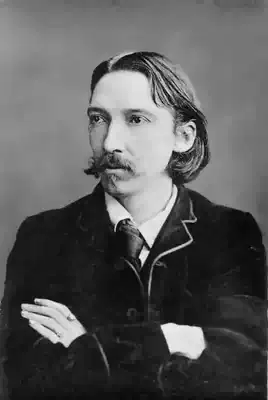
Robert Louis Stevenson
The Vagabond
The Vagabond
Give to me the life I love,
Let the lave go by me,
Give the jolly heaven above
And the byway nigh me.
Bed in the bush with stars to see,
Bread I dip in the river -
There's the life for a man like me,
There's the life for ever.
Let the blow fall soon or late,
Let what will be o'er me;
Give the face of earth around
And the road before me.
Wealth I seek not, hope nor love,
Nor a friend to know me;
All I seek, the heaven above
And the road below me.
Or let autumn fall on me
Where afield I linger,
Silencing the bird on tree,
Biting the blue finger.
White as meal the frosty field -
Warm the fireside haven -
Not to autumn will I yield,
Not to winter even!
Let the blow fall soon or late,
Let what will be o'er me;
Give the face of earth around,
And the road before me.
Wealth I ask not, hope nor love,
Nor a friend to know me;
All I ask, the heaven above
And the road below me.
Give to me the life I love,
Let the lave go by me,
Give the jolly heaven above
And the byway nigh me.
Bed in the bush with stars to see,
Bread I dip in the river -
There's the life for a man like me,
There's the life for ever.
Let the blow fall soon or late,
Let what will be o'er me;
Give the face of earth around
And the road before me.
Wealth I seek not, hope nor love,
Nor a friend to know me;
All I seek, the heaven above
And the road below me.
Or let autumn fall on me
Where afield I linger,
Silencing the bird on tree,
Biting the blue finger.
White as meal the frosty field -
Warm the fireside haven -
Not to autumn will I yield,
Not to winter even!
Let the blow fall soon or late,
Let what will be o'er me;
Give the face of earth around,
And the road before me.
Wealth I ask not, hope nor love,
Nor a friend to know me;
All I ask, the heaven above
And the road below me.
392
Robert Louis Stevenson
In the Highlands
In the Highlands
IN the highlands, in the country places,
Where the old plain men have rosy faces,
And the young fair maidens
Quiet eyes;
Where essential silence cheers and blesses,
And for ever in the hill-recesses
Her more lovely music
Broods and dies--
O to mount again where erst I haunted;
Where the old red hills are bird-enchanted,
And the low green meadows
Bright with sward;
And when even dies, the million-tinted,
And the night has come, and planets glinted,
Lo, the valley hollow
Lamp-bestarr'd!
O to dream, O to awake and wander
There, and with delight to take and render,
Through the trance of silence,
Quiet breath!
Lo! for there, among the flowers and grasses,
Only the mightier movement sounds and passes;
Only winds and rivers,
Life and death.
IN the highlands, in the country places,
Where the old plain men have rosy faces,
And the young fair maidens
Quiet eyes;
Where essential silence cheers and blesses,
And for ever in the hill-recesses
Her more lovely music
Broods and dies--
O to mount again where erst I haunted;
Where the old red hills are bird-enchanted,
And the low green meadows
Bright with sward;
And when even dies, the million-tinted,
And the night has come, and planets glinted,
Lo, the valley hollow
Lamp-bestarr'd!
O to dream, O to awake and wander
There, and with delight to take and render,
Through the trance of silence,
Quiet breath!
Lo! for there, among the flowers and grasses,
Only the mightier movement sounds and passes;
Only winds and rivers,
Life and death.
340
Robert Louis Stevenson
Away With Funeral Music
Away With Funeral Music
AWAY with funeral music - set
The pipe to powerful lips -
The cup of life's for him that drinks
And not for him that sips.
AWAY with funeral music - set
The pipe to powerful lips -
The cup of life's for him that drinks
And not for him that sips.
365
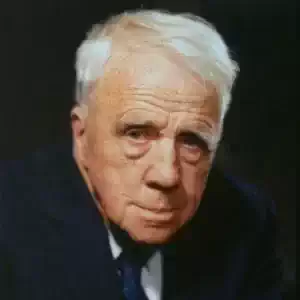
Robert Frost
The Road Not Taken
The Road Not Taken
Two roads diverged in a yellow wood,
And sorry I could not travel both
And be one traveler, long I stood
And looked down one as far as I could
To where it bent in the undergrowth;
Then took the other, just as fair,
And having perhaps the better claim
Because it was grassy and wanted wear,
Though as for that the passing there
Had worn them really about the same,
And both that morning equally lay
In leaves no step had trodden black.
Oh, I marked the first for another day!
Yet knowing how way leads on to way
I doubted if I should ever come back.
I shall be telling this with a sigh
Somewhere ages and ages hence:
Two roads diverged in a wood, and I,
I took the one less traveled by,
And that has made all the difference.
Two roads diverged in a yellow wood,
And sorry I could not travel both
And be one traveler, long I stood
And looked down one as far as I could
To where it bent in the undergrowth;
Then took the other, just as fair,
And having perhaps the better claim
Because it was grassy and wanted wear,
Though as for that the passing there
Had worn them really about the same,
And both that morning equally lay
In leaves no step had trodden black.
Oh, I marked the first for another day!
Yet knowing how way leads on to way
I doubted if I should ever come back.
I shall be telling this with a sigh
Somewhere ages and ages hence:
Two roads diverged in a wood, and I,
I took the one less traveled by,
And that has made all the difference.
498
Robert Frost
On Looking Up by Chance at the Constellations
On Looking Up by Chance at the Constellations
You'll wait a long, long time for anything much
To happen in heaven beyond the floats of cloud
And the Northern Lights that run like tingling nerves.
The sun and moon get crossed, but they never touch,
Nor strike out fire from each other nor crash out loud.
The planets seem to interfere in their curves -
But nothing ever happens, no harm is done.
We may as well go patiently on with our life,
And look elsewhere than to stars and moon and sun
For the shocks and changes we need to keep us sane.
It is true the longest drout will end in rain,
The longest peace in China will end in strife.
Still it wouldn't reward the watcher to stay awake
In hopes of seeing the calm of heaven break
On his particular time and personal sight.
That calm seems certainly safe to last to-night.
You'll wait a long, long time for anything much
To happen in heaven beyond the floats of cloud
And the Northern Lights that run like tingling nerves.
The sun and moon get crossed, but they never touch,
Nor strike out fire from each other nor crash out loud.
The planets seem to interfere in their curves -
But nothing ever happens, no harm is done.
We may as well go patiently on with our life,
And look elsewhere than to stars and moon and sun
For the shocks and changes we need to keep us sane.
It is true the longest drout will end in rain,
The longest peace in China will end in strife.
Still it wouldn't reward the watcher to stay awake
In hopes of seeing the calm of heaven break
On his particular time and personal sight.
That calm seems certainly safe to last to-night.
465