

Poems in this topic
Soul
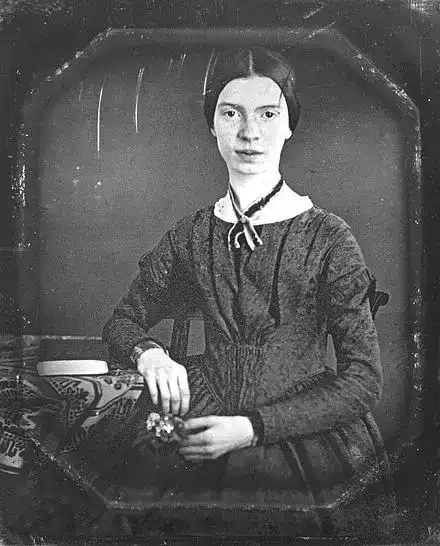
Emily Dickinson
A loss of something ever felt I
A loss of something ever felt I
959
A loss of something ever felt I-
The first that I could recollect
Bereft I was-of what I knew not
Too young that any should suspect
A Mourner walked among the children
I notwithstanding went about
As one bemoaning a Dominion
Itself the only Prince cast out-
Elder, Today, a session wiser
And fainter, too, as Wiseness is-
I find myself still softly searching
For my Delinguent Palaces-
And a Suspicion, like a Finger
Touches my Forehead now and then
That I am looking oppositely
For the site of the Kingdom of Heaven-
959
A loss of something ever felt I-
The first that I could recollect
Bereft I was-of what I knew not
Too young that any should suspect
A Mourner walked among the children
I notwithstanding went about
As one bemoaning a Dominion
Itself the only Prince cast out-
Elder, Today, a session wiser
And fainter, too, as Wiseness is-
I find myself still softly searching
For my Delinguent Palaces-
And a Suspicion, like a Finger
Touches my Forehead now and then
That I am looking oppositely
For the site of the Kingdom of Heaven-
361
Emily Dickinson
A little bread-a crust-a crumb
A little bread-a crust-a crumb
159
A little bread-a crust-a crumb-
A little trust-a demijohn-
Can keep the soul alive-
Not portly, mind! but breathing-warmConscious-
as old Napoleon,
The night before the Crown!
A modest lot-A fame petite-
A brief Campaign of sting and sweet
Is plenty! Is enough!
A Sailor's business is the shore!
A Soldier's-balls! Who asketh more,
Must seek the neighboring life!
159
A little bread-a crust-a crumb-
A little trust-a demijohn-
Can keep the soul alive-
Not portly, mind! but breathing-warmConscious-
as old Napoleon,
The night before the Crown!
A modest lot-A fame petite-
A brief Campaign of sting and sweet
Is plenty! Is enough!
A Sailor's business is the shore!
A Soldier's-balls! Who asketh more,
Must seek the neighboring life!
298
Emily Dickinson
A doubt if it be Us
A doubt if it be Us
859
A doubt if it be Us
Assists the staggering Mind
In an extremer Anguish
Until it footing find.
An Unreality is lent,
A merciful Mirage
That makes the living possible
While it suspends the lives.
859
A doubt if it be Us
Assists the staggering Mind
In an extremer Anguish
Until it footing find.
An Unreality is lent,
A merciful Mirage
That makes the living possible
While it suspends the lives.
304
Emily Dickinson
A Death blow is a Life blow to Some
A Death blow is a Life blow to Some
816
A Death blow is a Life blow to Some
Who till they died, did not alive become-
Who had they lived, had died but when
They died, Vitality begun.
816
A Death blow is a Life blow to Some
Who till they died, did not alive become-
Who had they lived, had died but when
They died, Vitality begun.
391
Emily Dickinson
A Cloud withdrew from the Sky
A Cloud withdrew from the Sky
895
A Cloud withdrew from the Sky
Superior Glory be
But that Cloud and its Auxiliaries
Are forever lost to me
Had I but further scanned
Had I secured the Glow
In an Hermetic Memory
It had availed me now.
Never to pass the Angel
With a glance and a Bow
Till I am firm in Heaven
Is my intention now.
895
A Cloud withdrew from the Sky
Superior Glory be
But that Cloud and its Auxiliaries
Are forever lost to me
Had I but further scanned
Had I secured the Glow
In an Hermetic Memory
It had availed me now.
Never to pass the Angel
With a glance and a Bow
Till I am firm in Heaven
Is my intention now.
411
Emily Dickinson
A Book
A Book
There is no frigate like a book
To take us lands away,
Nor any coursers like a page
Of prancing poetry.
This traverse may the poorest take
Without oppress of toll;
How frugal is the chariot
That bears a human soul!
There is no frigate like a book
To take us lands away,
Nor any coursers like a page
Of prancing poetry.
This traverse may the poorest take
Without oppress of toll;
How frugal is the chariot
That bears a human soul!
316
Emily Dickinson
Why do I love You, Sir?
"Why do I love" You, Sir?
480
"Why do I love" You, Sir?
Because-
The Wind does not require the Grass
To answer-Wherefore when He pass
She cannot keep Her place.
Because He knows-and
Do not You-
And We know not-
Enough for Us
The Wisdom it be so-
The Lightning-never asked an Eye
Wherefore it shut-when He was by-
Because He knows it cannot speak-
And reasons not contained-
Of Talk-
There be-preferred by Daintier Folk-
The Sunrise-Sire-compelleth Me-
Because He's Sunrise-and I seeTherefore-
Then-
I love Thee-
480
"Why do I love" You, Sir?
Because-
The Wind does not require the Grass
To answer-Wherefore when He pass
She cannot keep Her place.
Because He knows-and
Do not You-
And We know not-
Enough for Us
The Wisdom it be so-
The Lightning-never asked an Eye
Wherefore it shut-when He was by-
Because He knows it cannot speak-
And reasons not contained-
Of Talk-
There be-preferred by Daintier Folk-
The Sunrise-Sire-compelleth Me-
Because He's Sunrise-and I seeTherefore-
Then-
I love Thee-
347
Emily Dickinson
Heaven-is what I cannot reach!
"Heaven"-is what I cannot reach!
239
"Heaven"-is what I cannot reach!
The Apple on the Tree-
Provided it do hopeless-hangThat-"
Heaven" is-to Me!
The Color, on the Cruising Cloud-
The interdicted Land-
Behind the Hill-the House behindThere-
Paradise-is found!
Her teasing Purples-Afternoons-
The credulous-decoyEnamored-
of the Conjuror-
That spurned us-Yesterday!
239
"Heaven"-is what I cannot reach!
The Apple on the Tree-
Provided it do hopeless-hangThat-"
Heaven" is-to Me!
The Color, on the Cruising Cloud-
The interdicted Land-
Behind the Hill-the House behindThere-
Paradise-is found!
Her teasing Purples-Afternoons-
The credulous-decoyEnamored-
of the Conjuror-
That spurned us-Yesterday!
325
Emily Dickinson
Arcturus is his other name
"Arcturus" is his other name
70
"Arcturus" is his other nameI'd
rather call him "Star."
It's very mean of Science
To go and interfere!
I slew a worm the other day-
A "Savant" passing by
Murmured "Resurgam"-"Centipede"!
"Oh Lord-how frail are we"!
I pull a flower from the woods-
A monster with a glass
Computes the stamens in a breath-
And has her in a "class"!
Whereas I took the Butterfly
Aforetime in my hat-
He sits erect in "Cabinets"-
The Clover bells forgot.
What once was "Heaven"
Is "Zenith" now-
Where I proposed to go
When Time's brief masquerade was done
Is mapped and charted too.
What if the poles should frisk about
And stand upon their heads!
I hope I'm ready for "the worst"-
Whatever prank betides!
Perhaps the "Kingdom of Heaven's" changed-
I hope the "Children" there Won't be "new fashioned" when I come-
And laugh at me-and stare-
I hope the Father in the skies
Will lift his little girl-
Old fashioned-naught-everything-
Over the stile of "Pearl."
70
"Arcturus" is his other nameI'd
rather call him "Star."
It's very mean of Science
To go and interfere!
I slew a worm the other day-
A "Savant" passing by
Murmured "Resurgam"-"Centipede"!
"Oh Lord-how frail are we"!
I pull a flower from the woods-
A monster with a glass
Computes the stamens in a breath-
And has her in a "class"!
Whereas I took the Butterfly
Aforetime in my hat-
He sits erect in "Cabinets"-
The Clover bells forgot.
What once was "Heaven"
Is "Zenith" now-
Where I proposed to go
When Time's brief masquerade was done
Is mapped and charted too.
What if the poles should frisk about
And stand upon their heads!
I hope I'm ready for "the worst"-
Whatever prank betides!
Perhaps the "Kingdom of Heaven's" changed-
I hope the "Children" there Won't be "new fashioned" when I come-
And laugh at me-and stare-
I hope the Father in the skies
Will lift his little girl-
Old fashioned-naught-everything-
Over the stile of "Pearl."
439
Emily Dickinson
Faith is a fine invention
"Faith" is a fine invention
185
"Faith" is a fine invention
When Gentlemen can see-
But Microscopes are prudent
In an Emergency.
185
"Faith" is a fine invention
When Gentlemen can see-
But Microscopes are prudent
In an Emergency.
369
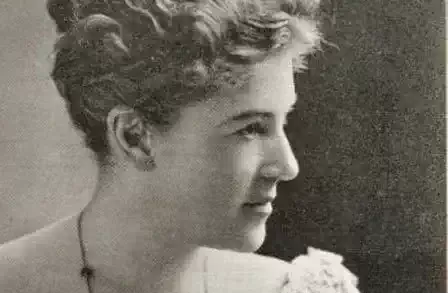
Ella Wheeler Wilcox
Worthy The Name of Sir Knight
Worthy The Name of Sir Knight
I
Sir Knight of the world's oldest order,
Sir Knight of the Army of God,
You have crossed the strange mystical border,
The ground floor of truth you have trod;
You have entered the sanctum sanctorum,
Which leads to the temple above,
Where you come as a stone, and a Christ-chosen one,
In the kingdom of Friendship and Love.
II
As you stand in this new realm of beauty,
Where each man you meet is your friend,
Think not that your promise of duty
In hall, or asylum, shall end;
Outside, in the great world of pleasure,
Beyond, in the clamor of trade,
In the battle of life and its coarse daily strife
Remember the vows you have made.
III
Your service, majestic and solemn,
Your symbols, suggestive and sweet,
Your uniformed phalanx in column
On gala days marching the street;
Your sword and your plume and your helmet,
Your 'secrets' hid from the world's sight;
These things are the small, lesser parts of the all
Which are needed to form the true Knight.
IV
The martyrs who perished rejoicing
In Templary's glorious laws,
Who died 'midst the fagots while voicing
The glory and worth of their cause-
They honored the title of 'Templar'
No more than the Knight of to-day
Who mars not the name with one blemish of shame,
But carries it clean through life's fray.
V
To live for a cause, to endeavor
To make your deeds grace it, to try
And uphold its precepts forever,
Is harder by far than to die.
For the battle of life is unending,
The enemy, Self, never tires,
And the true Knight must slay that sly foe every day
Ere he reaches the heights he desires.
VI
Sir Knight, have you pondered the meaning
Of all you have heard and been told?
Have you strengthened your heart for its weaning
From vices and faults loved of old?
Will you honor, in hours of temptation,
Your promises noble and grand?
Will your spirit be strong to do battle with wrong,
'And having done all, to stand?'
VII
Will you ever be true to a brother
In actions as well as in creed?
Will you stand by his side as no other
Could stand in the hour of his need?
Will you boldly defend him from peril,
And lift him from poverty's curse-
Will the promise of aid which you willingly made,
Reach down from your lips to your purse?
VIII
The world's battle field is before you!
Let Wisdom walk close by your side,
Let Faith spread her snowy wings o'er you,
Let Truth be your comrade and guide;
Let Fortitude, Justice and Mercy
Direct all your conduct aright,
And let each word and act tell to men the proud fact,
You are worthy the name of 'Sir Knight'.
I
Sir Knight of the world's oldest order,
Sir Knight of the Army of God,
You have crossed the strange mystical border,
The ground floor of truth you have trod;
You have entered the sanctum sanctorum,
Which leads to the temple above,
Where you come as a stone, and a Christ-chosen one,
In the kingdom of Friendship and Love.
II
As you stand in this new realm of beauty,
Where each man you meet is your friend,
Think not that your promise of duty
In hall, or asylum, shall end;
Outside, in the great world of pleasure,
Beyond, in the clamor of trade,
In the battle of life and its coarse daily strife
Remember the vows you have made.
III
Your service, majestic and solemn,
Your symbols, suggestive and sweet,
Your uniformed phalanx in column
On gala days marching the street;
Your sword and your plume and your helmet,
Your 'secrets' hid from the world's sight;
These things are the small, lesser parts of the all
Which are needed to form the true Knight.
IV
The martyrs who perished rejoicing
In Templary's glorious laws,
Who died 'midst the fagots while voicing
The glory and worth of their cause-
They honored the title of 'Templar'
No more than the Knight of to-day
Who mars not the name with one blemish of shame,
But carries it clean through life's fray.
V
To live for a cause, to endeavor
To make your deeds grace it, to try
And uphold its precepts forever,
Is harder by far than to die.
For the battle of life is unending,
The enemy, Self, never tires,
And the true Knight must slay that sly foe every day
Ere he reaches the heights he desires.
VI
Sir Knight, have you pondered the meaning
Of all you have heard and been told?
Have you strengthened your heart for its weaning
From vices and faults loved of old?
Will you honor, in hours of temptation,
Your promises noble and grand?
Will your spirit be strong to do battle with wrong,
'And having done all, to stand?'
VII
Will you ever be true to a brother
In actions as well as in creed?
Will you stand by his side as no other
Could stand in the hour of his need?
Will you boldly defend him from peril,
And lift him from poverty's curse-
Will the promise of aid which you willingly made,
Reach down from your lips to your purse?
VIII
The world's battle field is before you!
Let Wisdom walk close by your side,
Let Faith spread her snowy wings o'er you,
Let Truth be your comrade and guide;
Let Fortitude, Justice and Mercy
Direct all your conduct aright,
And let each word and act tell to men the proud fact,
You are worthy the name of 'Sir Knight'.
449
Ella Wheeler Wilcox
Worldly Wisdom
Worldly Wisdom
If it were in my dead Past’s power
To let my Present bask
In some lost pleasure for an hour,
This is the boon I’d ask:
Re-pedestal from out the dust
Where long ago ‘twas hurled,
My beautiful incautious trust
In this unworthy world.
The symbol of my souls own truth –
I saw it go with tears –
The sweet unwisdom of my youth –
That vanished with the years.
Since knowledge brings us only grief,
I would return again
To happy ignorance and belief
In motives and in men.
For worldly wisdom learned in pain
Is in itself a cross,
Significant mayhap of gain,
Yet sign of saddest loss.
If it were in my dead Past’s power
To let my Present bask
In some lost pleasure for an hour,
This is the boon I’d ask:
Re-pedestal from out the dust
Where long ago ‘twas hurled,
My beautiful incautious trust
In this unworthy world.
The symbol of my souls own truth –
I saw it go with tears –
The sweet unwisdom of my youth –
That vanished with the years.
Since knowledge brings us only grief,
I would return again
To happy ignorance and belief
In motives and in men.
For worldly wisdom learned in pain
Is in itself a cross,
Significant mayhap of gain,
Yet sign of saddest loss.
421
Ella Wheeler Wilcox
Woman To Man
Woman To Man
You do but jest, sir, and you jest not well,
How could the hand be enemy of the arm,
Or seed and sod be rivals! How could light
Feel jealousy of heat, plant of the leaf
Or competition dwell 'twixt lip and smile?
Are we not part and parcel of yourselves?
Like strands in one great braid we intertwine
And make the perfect whole. You could not be,
Unless we gave you birth; we are the soil
From which you sprang, yet sterile were that soil
Save as you planted. (Though in the Book we read
One woman bore a child with no man's aid
We find no record of a man-child born
Without the aid of woman! Fatherhood
Is but a small achievement at the best
While motherhood comprises heaven and hell.)
This ever-growing argument of sex
Is most unseemly, and devoid of sense.
Why waste more time in controversy, when
There is not time enough for all of love,
Our rightful occupation in this life.
Why prate of our defects, of where we fail
When just the story of our worth would need
Eternity for telling, and our best
Development comes ever thro' your praise,
As through our praise you reach your highest self.
Oh! had you not been miser of your praise
And let our virtues be their own reward
The old established, order of the world
Would never have been changed. Small blame is ours
For this unsexing of ourselves, and worse
Effeminizing of the male. We were
Content, sir, till you starved us, heart and brain.
All we have done, or wise, or otherwise
Traced to the root, was done for love of you.
Let us taboo all vain comparisons,
And go forth as God meant us, hand in hand,
Companions, mates and comrades evermore;
Two parts of one divinely ordained whole.
You do but jest, sir, and you jest not well,
How could the hand be enemy of the arm,
Or seed and sod be rivals! How could light
Feel jealousy of heat, plant of the leaf
Or competition dwell 'twixt lip and smile?
Are we not part and parcel of yourselves?
Like strands in one great braid we intertwine
And make the perfect whole. You could not be,
Unless we gave you birth; we are the soil
From which you sprang, yet sterile were that soil
Save as you planted. (Though in the Book we read
One woman bore a child with no man's aid
We find no record of a man-child born
Without the aid of woman! Fatherhood
Is but a small achievement at the best
While motherhood comprises heaven and hell.)
This ever-growing argument of sex
Is most unseemly, and devoid of sense.
Why waste more time in controversy, when
There is not time enough for all of love,
Our rightful occupation in this life.
Why prate of our defects, of where we fail
When just the story of our worth would need
Eternity for telling, and our best
Development comes ever thro' your praise,
As through our praise you reach your highest self.
Oh! had you not been miser of your praise
And let our virtues be their own reward
The old established, order of the world
Would never have been changed. Small blame is ours
For this unsexing of ourselves, and worse
Effeminizing of the male. We were
Content, sir, till you starved us, heart and brain.
All we have done, or wise, or otherwise
Traced to the root, was done for love of you.
Let us taboo all vain comparisons,
And go forth as God meant us, hand in hand,
Companions, mates and comrades evermore;
Two parts of one divinely ordained whole.
364
Ella Wheeler Wilcox
Woman
Woman
Give us that grand word ‘woman’ once again,
And let’s have done with ‘lady’: one’s a term
Full of fine force, strong, beautiful, and firm,
Fit for the noblest use of tongue or pen;
And one’s a word for lackeys. One suggests
The Mother, Wife, and Sister! One the dame
Whose costly robe, mayhap, gives her the name,
One word upon its own strength leans and rests;
The other minces tiptoe. Who would be
The perfect woman must grow brave of heart
And broad of soul to play her troubled part
Well in life’s drama. While each day we see
The ‘perfect lady’ skilled in what to do
And what to say, grace in each tone and act
(‘Tis taught in schools, but needs some native tact) ,
Yet narrow in her mind as in her shoe.
Give the first place then to the nobler phrase,
And leave the lesser word for lesser praise.
Give us that grand word ‘woman’ once again,
And let’s have done with ‘lady’: one’s a term
Full of fine force, strong, beautiful, and firm,
Fit for the noblest use of tongue or pen;
And one’s a word for lackeys. One suggests
The Mother, Wife, and Sister! One the dame
Whose costly robe, mayhap, gives her the name,
One word upon its own strength leans and rests;
The other minces tiptoe. Who would be
The perfect woman must grow brave of heart
And broad of soul to play her troubled part
Well in life’s drama. While each day we see
The ‘perfect lady’ skilled in what to do
And what to say, grace in each tone and act
(‘Tis taught in schools, but needs some native tact) ,
Yet narrow in her mind as in her shoe.
Give the first place then to the nobler phrase,
And leave the lesser word for lesser praise.
460
Ella Wheeler Wilcox
Will
Will
There is no chance, no destiny, no fate,
Can circumvent or hinder or control
The firm resolve of a determined soul.
Gifts count for nothing; will alone is great;
All things give way before it, soon or late.
What obstacle can stay the mighty force
Of the sea-seeking river in its course,
Or cause the ascending orb of day to wait?
Each well-born soul must win what it deserves.
Let the fool prate of luck. The fortunate
Is he whose earnest purpose never swerves,
Whose slightest action or inaction serves
The one great aim. Why, even Death stands still,
And waits an hour sometimes for such a will.
There is no chance, no destiny, no fate,
Can circumvent or hinder or control
The firm resolve of a determined soul.
Gifts count for nothing; will alone is great;
All things give way before it, soon or late.
What obstacle can stay the mighty force
Of the sea-seeking river in its course,
Or cause the ascending orb of day to wait?
Each well-born soul must win what it deserves.
Let the fool prate of luck. The fortunate
Is he whose earnest purpose never swerves,
Whose slightest action or inaction serves
The one great aim. Why, even Death stands still,
And waits an hour sometimes for such a will.
510
Ella Wheeler Wilcox
Widows
Widows
The world was widowed by the death of Christ:
Vainly its suffering soul for peace has sought
And found it not.
For nothing, nothing, nothing has sufficed
To bring back comfort to the stricken house
From whence has gone the Master and the Spouse.
In its long widowhood the world has striven
To find diversion. It has turned away
From the vast awefull silences of Heaven
(Which answer but with silence when we pray)
And sought for something to assuage its grief.
Some surcease and relief
From sorrow, in pursuit of mortal joys.
It drowned God's stillness in a sea of noise;
It lost God's presence in a blur of forms;
Till, bruised and bleeding with life's brutal storms,
Unto immutable and speechless space
The World lifts up its face,
Its haggard, tear-drenched face,
And cries aloud for faith's supreme reward,
The promised Second Coming of its Lord.
So many widows, widows everywhere,
The whole earth teems with widows.
Guns that blare-
Winged monsters of the air-
And deep-sea monsters leaping through the water,
Hell bent on slaughter,
All these plough paths for widows. Maids at dawn,
And brides at noon, ere eventide pass on
Into the ranks of widows: but to weep
Just for a little space; then will grief sleep
In their young bosoms, where sweet hope belongs,
New love will sing once more its age-old songs,
And life bloom as a rose-tree blooms again
After a night of rain.
There are complacent widows clothed in crêpe
Who simulate a grief that is not real.
Through paths of seeming sorrow they escape
From disappointed hopes to some ideal,
Or, from the penury of unloved wives
Walk forth to opulent lives.
And there are widows who shed all their tears
Just at the first
In one wild burst,
And then go lilting lightly down the years:
Black butterflies, they flit from flower to flower
And live in the thin pleasures of the hour;
Merging their tender memories of the dead
In tenderer dreams of being once more wed.
But there are others: women who have proved
That loving greatly means so being loved.
Women who through full beauteous years have grown
Into the very body, souls, and heart
Of their dear comrades. When death tears apart
Such close-knit bonds as these, and one alone
Out to the larger freer life is called,
And one is left-
Then God in heaven must sometimes be appalled
At the wild anguish of the soul bereft,
And unto His Son must say, 'I did not know
Mortals could suffer so.'
But Christ, remembering Gethsemane,
Will answer softly, 'It was known to Me.'
God's alchemist, old Time, will merge to calm
That bitter anguish; but there is no balm
Save the sweet certitude that each long day
Is one step in a stair
That circles up to where freed spirits stay.
Widows, so many widows everywhere.
The world was widowed by the death of Christ,
And nothing, nothing, nothing has sufficed
To bring back comfort to the stricken house
From whence has gone the Master and the Spouse.
Hasten, dear Lord, with Thy Millennium,
Hasten and come.
The world was widowed by the death of Christ:
Vainly its suffering soul for peace has sought
And found it not.
For nothing, nothing, nothing has sufficed
To bring back comfort to the stricken house
From whence has gone the Master and the Spouse.
In its long widowhood the world has striven
To find diversion. It has turned away
From the vast awefull silences of Heaven
(Which answer but with silence when we pray)
And sought for something to assuage its grief.
Some surcease and relief
From sorrow, in pursuit of mortal joys.
It drowned God's stillness in a sea of noise;
It lost God's presence in a blur of forms;
Till, bruised and bleeding with life's brutal storms,
Unto immutable and speechless space
The World lifts up its face,
Its haggard, tear-drenched face,
And cries aloud for faith's supreme reward,
The promised Second Coming of its Lord.
So many widows, widows everywhere,
The whole earth teems with widows.
Guns that blare-
Winged monsters of the air-
And deep-sea monsters leaping through the water,
Hell bent on slaughter,
All these plough paths for widows. Maids at dawn,
And brides at noon, ere eventide pass on
Into the ranks of widows: but to weep
Just for a little space; then will grief sleep
In their young bosoms, where sweet hope belongs,
New love will sing once more its age-old songs,
And life bloom as a rose-tree blooms again
After a night of rain.
There are complacent widows clothed in crêpe
Who simulate a grief that is not real.
Through paths of seeming sorrow they escape
From disappointed hopes to some ideal,
Or, from the penury of unloved wives
Walk forth to opulent lives.
And there are widows who shed all their tears
Just at the first
In one wild burst,
And then go lilting lightly down the years:
Black butterflies, they flit from flower to flower
And live in the thin pleasures of the hour;
Merging their tender memories of the dead
In tenderer dreams of being once more wed.
But there are others: women who have proved
That loving greatly means so being loved.
Women who through full beauteous years have grown
Into the very body, souls, and heart
Of their dear comrades. When death tears apart
Such close-knit bonds as these, and one alone
Out to the larger freer life is called,
And one is left-
Then God in heaven must sometimes be appalled
At the wild anguish of the soul bereft,
And unto His Son must say, 'I did not know
Mortals could suffer so.'
But Christ, remembering Gethsemane,
Will answer softly, 'It was known to Me.'
God's alchemist, old Time, will merge to calm
That bitter anguish; but there is no balm
Save the sweet certitude that each long day
Is one step in a stair
That circles up to where freed spirits stay.
Widows, so many widows everywhere.
The world was widowed by the death of Christ,
And nothing, nothing, nothing has sufficed
To bring back comfort to the stricken house
From whence has gone the Master and the Spouse.
Hasten, dear Lord, with Thy Millennium,
Hasten and come.
353
Ella Wheeler Wilcox
When
When
I dwell in the western inland,
Afar from the sounding sea,
But I seem to hear it sobbing
And calling aloud to me,
And my heart cries out for the ocean
As a child for its mother's breast,
And I long to lie on its waters
And be lulled in its arms to rest.
I can close my eyes and fancy
That I hear its mighty roar,
And I see its blue waves splashing
And plunging against the shore;
And the white foam caps the billow,
And the sea-gulls wheel and cry,
And the cool wild wind is blowing,
And the ships go sailing by.
Oh, wonderful, mighty ocean!
When shall I ever stand,
Where my heart has gone already,
There on thy gleaming strand!
When shall I ever wander
Away from the inland west,
And strand by thy side, dear ocean,
And rock on thy heaving breast?
I dwell in the western inland,
Afar from the sounding sea,
But I seem to hear it sobbing
And calling aloud to me,
And my heart cries out for the ocean
As a child for its mother's breast,
And I long to lie on its waters
And be lulled in its arms to rest.
I can close my eyes and fancy
That I hear its mighty roar,
And I see its blue waves splashing
And plunging against the shore;
And the white foam caps the billow,
And the sea-gulls wheel and cry,
And the cool wild wind is blowing,
And the ships go sailing by.
Oh, wonderful, mighty ocean!
When shall I ever stand,
Where my heart has gone already,
There on thy gleaming strand!
When shall I ever wander
Away from the inland west,
And strand by thy side, dear ocean,
And rock on thy heaving breast?
327
Ella Wheeler Wilcox
When Love Is Lost
When Love Is Lost
When love is lost, the day sets towards the night,
Albeit the morning sun may still be bright,
And not one cloud-ship sails across the sky.
Yet from the places where it used to lie
Gone is the lustrous glory of the light.
No splendour rests in any mountain height,
No scene spreads fair and beauteous to the sight;
All, all seems dull and dreary to the eye
When love is lost.
Love lends to life its grandeur and its might;
Love goes, and leaves behind it gloom and blight;
Like ghosts of time the pallid hours drag by,
And grief's one happy thought is that we die.
Ah, what can recompense us for its flight
When love is lost?
When love is lost, the day sets towards the night,
Albeit the morning sun may still be bright,
And not one cloud-ship sails across the sky.
Yet from the places where it used to lie
Gone is the lustrous glory of the light.
No splendour rests in any mountain height,
No scene spreads fair and beauteous to the sight;
All, all seems dull and dreary to the eye
When love is lost.
Love lends to life its grandeur and its might;
Love goes, and leaves behind it gloom and blight;
Like ghosts of time the pallid hours drag by,
And grief's one happy thought is that we die.
Ah, what can recompense us for its flight
When love is lost?
422
Ella Wheeler Wilcox
What Would It Be?
What Would It Be?
Now what were the words of Jesus,
And what would He pause and say,
If we were to meet in home or street,
The Lord of the world to-day?
Oh, I think He would pause and say:
'Go on with your chosen labour;
Speak only good of your neighbour;
Widen your farms, and lay down your arms,
Or dig up the soil with each sabre.'
Now what were the answer of Jesus
If we should ask for a creed,
To carry us straight to the wonderful gate
When soul from body is freed?
Oh, I think He would give us this creed:
'Praise God whatever betide you;
Cast joy on the lives beside you;
Better the earth, by growing in worth,
With love as the law to guide you.'
Now what were the answer of Jesus
If we should ask Him to tell
Of the last great goal of the homing soul
Where each of us hopes to dwell?
Oh, I think it is this He would tell:
'The soul is the builder-then wake it;
The mind is the kingdom-then take it;
And thought upon thought let Eden be wrought,
For heaven will be what you make it.'
Now what were the words of Jesus,
And what would He pause and say,
If we were to meet in home or street,
The Lord of the world to-day?
Oh, I think He would pause and say:
'Go on with your chosen labour;
Speak only good of your neighbour;
Widen your farms, and lay down your arms,
Or dig up the soil with each sabre.'
Now what were the answer of Jesus
If we should ask for a creed,
To carry us straight to the wonderful gate
When soul from body is freed?
Oh, I think He would give us this creed:
'Praise God whatever betide you;
Cast joy on the lives beside you;
Better the earth, by growing in worth,
With love as the law to guide you.'
Now what were the answer of Jesus
If we should ask Him to tell
Of the last great goal of the homing soul
Where each of us hopes to dwell?
Oh, I think it is this He would tell:
'The soul is the builder-then wake it;
The mind is the kingdom-then take it;
And thought upon thought let Eden be wrought,
For heaven will be what you make it.'
349
Ella Wheeler Wilcox
What I Have Seen #4
What I Have Seen #4
I saw a youth, one of God's favored few,
Crowned with beauty, and talents, and health;
He had climbed the steep pathway, and cut his way through
To the summit of glory and wealth.
The day is breaking, hearts are waking,
Refreshed for the field of labor:
Arise, arise, like the king of the skies,
With a greeting for friend and neighbor.
He had toiled hard for the honors he'd won,
He had climbed over high rocks, forded streams;
Braved the bleak winter snow, the hot summer sun,
He was reaching the goal of his dreams.
The day hangs around us, the sun hath bound us
With fetters silken and yellow:
Flow, flow away, fleeting day,
Golden-hearted and mellow.
I saw the youth lift a mug to his mouth,
Drink the last drop of the fearful first glass!
Ah! his veins thrill in a fierce, scorching drouth,
He fills it again, again drinks it! alas!
The day is dying, hearts are sighing,
Crushed with a weight of sorrow:
Sleep, oh! sleep, in a slumber deep,
And wait for a bright to-morrow.
I saw him low in the dust at my feet,
Gone beauty, health, wealth, strength, talents, all;
From the summit of Fame to the slime of the street,
He had bartered his soul for the fiend Alcohol.
The night hangs o'er us, the wind's wild chorus
Shrieks like a demons' revel:
Weep, sob, weep, for the fog is deep,
And the world is sold to the devil.
I saw a youth, one of God's favored few,
Crowned with beauty, and talents, and health;
He had climbed the steep pathway, and cut his way through
To the summit of glory and wealth.
The day is breaking, hearts are waking,
Refreshed for the field of labor:
Arise, arise, like the king of the skies,
With a greeting for friend and neighbor.
He had toiled hard for the honors he'd won,
He had climbed over high rocks, forded streams;
Braved the bleak winter snow, the hot summer sun,
He was reaching the goal of his dreams.
The day hangs around us, the sun hath bound us
With fetters silken and yellow:
Flow, flow away, fleeting day,
Golden-hearted and mellow.
I saw the youth lift a mug to his mouth,
Drink the last drop of the fearful first glass!
Ah! his veins thrill in a fierce, scorching drouth,
He fills it again, again drinks it! alas!
The day is dying, hearts are sighing,
Crushed with a weight of sorrow:
Sleep, oh! sleep, in a slumber deep,
And wait for a bright to-morrow.
I saw him low in the dust at my feet,
Gone beauty, health, wealth, strength, talents, all;
From the summit of Fame to the slime of the street,
He had bartered his soul for the fiend Alcohol.
The night hangs o'er us, the wind's wild chorus
Shrieks like a demons' revel:
Weep, sob, weep, for the fog is deep,
And the world is sold to the devil.
14
Ella Wheeler Wilcox
Warning
Warning
High in the heavens I saw the moon this morning,
Albeit the sun shone bright;
Unto my soul it spoke, in voice of warning,
‘Remember Night! ’
High in the heavens I saw the moon this morning,
Albeit the sun shone bright;
Unto my soul it spoke, in voice of warning,
‘Remember Night! ’
320
Ella Wheeler Wilcox
Vanity Fair
Vanity Fair
In Vanity Fair, as we bow and smile,
As we talk of the opera after the weather,
As we chat of fashion and fad and style,
We know we are playing a part together.
You know that the mirth she wears, she borrows;
She knows you laugh but to hide your sorrows;
We know that under the silks and laces,
And back of beautiful, beaming faces,
Lie secret trouble and grim despair,
In Vanity Fair.
In Vanity Fair, on dress parade,
Our colors look bright and our swords are gleaming;
But many a uniform's worn and frayed,
And most of the weapons, despite their seeming.
Are dull and blunted and badly battered,
And close inspection will show how tattered
And stained are the banners that float above us.
Our comrades hate, while they swear to love us;
And robed like Pleasure walks gaunt-eyed Care,
In Vanity Fair.
In Vanity Fair, as we strive for place,
As we rush and jostle and crowd and hurry,
We know the goal is not worth the race-
We know the prize is not worth the worry;
That all our gain means loss for another;
That in fighting for self we wound each other;
That the crown of success weighs hard and presse
The brow of the victor with thorns-not caresses;
That honors are empty and worthless to wear,
In Vanity Fair.
But in Vanity Fair, as we pass along,
We meet strong hearts that are worth the knowing;
'Mong poor paste jewels that deck the throng,
We see a solitaire sometimes glowing.
We find grand souls under robes of fashion,
'Neath light demeanors hide strength and passion;
And fair fine honor and Godlike resistance.
In halls of pleasure may have existence;
And we find pure altars and shrines of prayer,
In Vanity Fair.
In Vanity Fair, as we bow and smile,
As we talk of the opera after the weather,
As we chat of fashion and fad and style,
We know we are playing a part together.
You know that the mirth she wears, she borrows;
She knows you laugh but to hide your sorrows;
We know that under the silks and laces,
And back of beautiful, beaming faces,
Lie secret trouble and grim despair,
In Vanity Fair.
In Vanity Fair, on dress parade,
Our colors look bright and our swords are gleaming;
But many a uniform's worn and frayed,
And most of the weapons, despite their seeming.
Are dull and blunted and badly battered,
And close inspection will show how tattered
And stained are the banners that float above us.
Our comrades hate, while they swear to love us;
And robed like Pleasure walks gaunt-eyed Care,
In Vanity Fair.
In Vanity Fair, as we strive for place,
As we rush and jostle and crowd and hurry,
We know the goal is not worth the race-
We know the prize is not worth the worry;
That all our gain means loss for another;
That in fighting for self we wound each other;
That the crown of success weighs hard and presse
The brow of the victor with thorns-not caresses;
That honors are empty and worthless to wear,
In Vanity Fair.
But in Vanity Fair, as we pass along,
We meet strong hearts that are worth the knowing;
'Mong poor paste jewels that deck the throng,
We see a solitaire sometimes glowing.
We find grand souls under robes of fashion,
'Neath light demeanors hide strength and passion;
And fair fine honor and Godlike resistance.
In halls of pleasure may have existence;
And we find pure altars and shrines of prayer,
In Vanity Fair.
494
Ella Wheeler Wilcox
Until The Night
Until The Night
Over the ocean of life’s commotion
We sail till the night comes on.
Sail and sail in a tiny boat,
Drifting wherever the billows go.
Out on the treacherous sea afloat,
Beat by the cruel winds that blow,
Hither and thither our boat is drawn,
Till the day dies out and the night comes on.
Over a meadow of light and shadow
We wander with weary feet,
Seeking a bauble men call “Fame, ”
Grasping the dead-sea fruit named “wealth, ”
Finding each but an empty name,
And the night – the night steals on by stealth,
And we count the season of slumber sweet,
When hope lies dead in the arms of defeat.
Over the river a great Forever
Stretches beyond our sight.
But I know by the glistening pearly gates
Afar from the region of strife and sin,
A beautiful angel always waits
To welcome the sheep of the shepherd in.
And out of the shadows of gloom and night,
They enter the mansion of peace and light.
Over the ocean of life’s commotion
We sail till the night comes on.
Sail and sail in a tiny boat,
Drifting wherever the billows go.
Out on the treacherous sea afloat,
Beat by the cruel winds that blow,
Hither and thither our boat is drawn,
Till the day dies out and the night comes on.
Over a meadow of light and shadow
We wander with weary feet,
Seeking a bauble men call “Fame, ”
Grasping the dead-sea fruit named “wealth, ”
Finding each but an empty name,
And the night – the night steals on by stealth,
And we count the season of slumber sweet,
When hope lies dead in the arms of defeat.
Over the river a great Forever
Stretches beyond our sight.
But I know by the glistening pearly gates
Afar from the region of strife and sin,
A beautiful angel always waits
To welcome the sheep of the shepherd in.
And out of the shadows of gloom and night,
They enter the mansion of peace and light.
401
Ella Wheeler Wilcox
Unanswered Prayers
Unanswered Prayers
Like some school master, kind in being stern,
Who hears the children crying o’er their slates
And calling, “Help me master! ” yet helps not,
Since in his silence and refusal lies
Their self-development, so God abides
Unheeding many prayers. He is not deaf
To any cry sent up from earnest hearts,
He hears and strengthens when He must deny.
He sees us weeping over life’s hard sums
But should He give us the key and dry our tears
What would it profit us when school were done
And not one lesson mastered?
What a world
Where this if all our prayers were answered. Not
In famed Pandora’s box were such vast ills
As lie in human hearts. Should our desires
Voiced one by one in prayer ascend to God
And come back as events shaped to our wish
What chaos would result!
In my fierce youth
I sighed out a breath enough to move a fleet
Voicing wild prayers to heaven for fancied boons
Which were denied; and that denial bends
My knee to prayers of gratitude each day
Of my maturer years. Yet from those prayers
I rose always regirded for the strife
And conscious of new strength. Pray on, sad heart,
That which thou pleadest for may not be given
But in the lofty altitude where souls
Who supplicate God’s grace are lifted there
Thou shalt find help to bear thy daily lot
Which is not elsewhere found.
Like some school master, kind in being stern,
Who hears the children crying o’er their slates
And calling, “Help me master! ” yet helps not,
Since in his silence and refusal lies
Their self-development, so God abides
Unheeding many prayers. He is not deaf
To any cry sent up from earnest hearts,
He hears and strengthens when He must deny.
He sees us weeping over life’s hard sums
But should He give us the key and dry our tears
What would it profit us when school were done
And not one lesson mastered?
What a world
Where this if all our prayers were answered. Not
In famed Pandora’s box were such vast ills
As lie in human hearts. Should our desires
Voiced one by one in prayer ascend to God
And come back as events shaped to our wish
What chaos would result!
In my fierce youth
I sighed out a breath enough to move a fleet
Voicing wild prayers to heaven for fancied boons
Which were denied; and that denial bends
My knee to prayers of gratitude each day
Of my maturer years. Yet from those prayers
I rose always regirded for the strife
And conscious of new strength. Pray on, sad heart,
That which thou pleadest for may not be given
But in the lofty altitude where souls
Who supplicate God’s grace are lifted there
Thou shalt find help to bear thy daily lot
Which is not elsewhere found.
325