

Poems in this topic
Soul
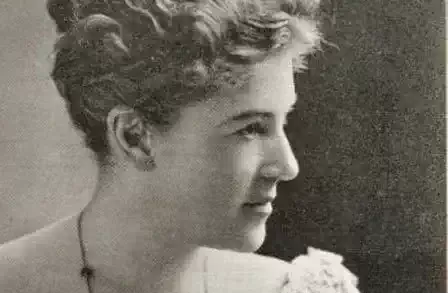
Ella Wheeler Wilcox
Two Sunsets
Two Sunsets
In the fair morning of his life,
When his pure heart lay in his breast,
Panting, with all that wild unrest
To plunge into the great world's strife
That fills young hearts with mad desire,
He saw a sunset. Red and gold
The burning billows surged and rolled,
And upward tossed their caps of fire.
He looked. And as he looked the sight
Sent from his soul through breast and brain
Such intense joy, it hurt like pain.
His heart seemed bursting with delight.
So near the Unknown seemed, so close
He might have grasped it with his hand.
He felt his inmost soul expand,
As sunlight will expand a rose.
One day he heard a singing strain--
A human voice, in bird-like trills.
He paused, and little rapture-rills
Went trickling downward through each vein.
And in his heart the whole day long,
As in a temple veiled and dim,
He kept and bore about with him
The beauty of that singer's song.
And then? But why relate what then?
His smoldering heart flamed into fire--
He had his one supreme desire,
And plunged into the world of men.
For years queen Folly held her sway.
With pleasures of the grosser kind
She fed his flesh and drugged his mind,
Till, shamed, he sated turned away.
He sought his boyhood's home. That hour
Triumphant should have been, in sooth,
Since he went forth an unknown youth,
And came back crowned with wealth and power.
The clouds made day a gorgeous bed;
He saw the splendor of the sky
With unmoved heart and stolid eye;
He knew only West was red.
Then suddenly a fresh young voice
Rose, bird-like, from some hidden place,
He did not even turn his face;
It struck him simply as a noise.
He trod the old paths up and down.
Their ruch-hued leaves by Fall winds whirled--
How dull they were--how dull the world--
Dull even in the pulsing town.
O! worst of punishments, that brings
A blunting of all finer sense,
A loss of feelings keen, intense,
And dulls us to the higher things.
O! penalty most dire, most sure,
Swift following after gross delights,
That we no more see beauteous sights,
Or hear as hear the good and pure.
O! shape more hideous and more dread
Than Vengeance takes in creed-taught minds,
This certain doom that blunts and blinds,
And strikes the holiest feelings dead.
In the fair morning of his life,
When his pure heart lay in his breast,
Panting, with all that wild unrest
To plunge into the great world's strife
That fills young hearts with mad desire,
He saw a sunset. Red and gold
The burning billows surged and rolled,
And upward tossed their caps of fire.
He looked. And as he looked the sight
Sent from his soul through breast and brain
Such intense joy, it hurt like pain.
His heart seemed bursting with delight.
So near the Unknown seemed, so close
He might have grasped it with his hand.
He felt his inmost soul expand,
As sunlight will expand a rose.
One day he heard a singing strain--
A human voice, in bird-like trills.
He paused, and little rapture-rills
Went trickling downward through each vein.
And in his heart the whole day long,
As in a temple veiled and dim,
He kept and bore about with him
The beauty of that singer's song.
And then? But why relate what then?
His smoldering heart flamed into fire--
He had his one supreme desire,
And plunged into the world of men.
For years queen Folly held her sway.
With pleasures of the grosser kind
She fed his flesh and drugged his mind,
Till, shamed, he sated turned away.
He sought his boyhood's home. That hour
Triumphant should have been, in sooth,
Since he went forth an unknown youth,
And came back crowned with wealth and power.
The clouds made day a gorgeous bed;
He saw the splendor of the sky
With unmoved heart and stolid eye;
He knew only West was red.
Then suddenly a fresh young voice
Rose, bird-like, from some hidden place,
He did not even turn his face;
It struck him simply as a noise.
He trod the old paths up and down.
Their ruch-hued leaves by Fall winds whirled--
How dull they were--how dull the world--
Dull even in the pulsing town.
O! worst of punishments, that brings
A blunting of all finer sense,
A loss of feelings keen, intense,
And dulls us to the higher things.
O! penalty most dire, most sure,
Swift following after gross delights,
That we no more see beauteous sights,
Or hear as hear the good and pure.
O! shape more hideous and more dread
Than Vengeance takes in creed-taught minds,
This certain doom that blunts and blinds,
And strikes the holiest feelings dead.
349
Ella Wheeler Wilcox
To Men
To Men
Sirs, when you pity us, I say
You waste your pity. Let it stay,
Well corked and stored upon your shelves,
Until you need it for yourselves.
We do appreciate God's thought
In forming you, before He brought
Us into life. His art was crude,
But oh, so virile in its rude
Large elemental strength: and then
He learned His trade in making men;
Learned how to mix and mould the clay
And fashion in a finer way.
How fine that skilful way can be
You need but lift your eyes to see;
And we are glad God placed you there
To lift your eyes and find us fair.
Apprentice labour though you were,
He made you great enough to stir
The best and deepest depths of us,
And we are glad he made you thus.
Ay! we are glad of many things.
God strung our hearts with such fine strings
The least breath movces them, and we hear
Music where silence greets your ear.
We suffer so? but women's souls
Like violet powder dropped on coals,
Give forth their best in anguish. Oh,
The subtle secrets that we know,
Of joy in sorrow, strange delights
Of ecstasy in pain-filled nights,
And mysteries of gain in loss
Known but to Christ upon the Cross!
Our tears are pitiful to you?
Look how the heaven-reflecting dew
Dissolves its life in tears. The sand
Meanwhile lies hard upon the strand.
How could your pity find a place
For us, the mothers of the race?
Men may be fathers unaware,
So poor the title is you wear,
But mothers -? Who that crown adorns
Knows all its mingled blooms and thorns;
And she whose feet that path hath trod
Has walked upon the heights with God.
No, offer us not pity's cup.
There is no looking down or up
Between us: eye looks straight in eye:
Born equals, so we live and die.
Sirs, when you pity us, I say
You waste your pity. Let it stay,
Well corked and stored upon your shelves,
Until you need it for yourselves.
We do appreciate God's thought
In forming you, before He brought
Us into life. His art was crude,
But oh, so virile in its rude
Large elemental strength: and then
He learned His trade in making men;
Learned how to mix and mould the clay
And fashion in a finer way.
How fine that skilful way can be
You need but lift your eyes to see;
And we are glad God placed you there
To lift your eyes and find us fair.
Apprentice labour though you were,
He made you great enough to stir
The best and deepest depths of us,
And we are glad he made you thus.
Ay! we are glad of many things.
God strung our hearts with such fine strings
The least breath movces them, and we hear
Music where silence greets your ear.
We suffer so? but women's souls
Like violet powder dropped on coals,
Give forth their best in anguish. Oh,
The subtle secrets that we know,
Of joy in sorrow, strange delights
Of ecstasy in pain-filled nights,
And mysteries of gain in loss
Known but to Christ upon the Cross!
Our tears are pitiful to you?
Look how the heaven-reflecting dew
Dissolves its life in tears. The sand
Meanwhile lies hard upon the strand.
How could your pity find a place
For us, the mothers of the race?
Men may be fathers unaware,
So poor the title is you wear,
But mothers -? Who that crown adorns
Knows all its mingled blooms and thorns;
And she whose feet that path hath trod
Has walked upon the heights with God.
No, offer us not pity's cup.
There is no looking down or up
Between us: eye looks straight in eye:
Born equals, so we live and die.
409
Ella Wheeler Wilcox
Tired
Tired
I am tired to-night, and something,
The wind maybe, or the rain,
Or the cry of a bird in the copse outside,
Has brought back the past and its pain.
And I feel as I sit here thinking,
That the hand of a dead old June
Has reached out hold of my heart’s loose strings,
And is drawing them up in tune.
I am tired to-night, and I miss you,
And long for you, love, through tears;
And it seems but to-day that I saw you go –
You, who have been gone for years.
And I seem to be newly lonely –
I, who am so much alone;
And the strings of my heart are well in tune,
But they have not the same old tone.
I am tired; and that old sorrow
Sweeps down the bed of my soul,
As a turbulent river might suddenly break
Away from a dam’s control.
It beareth a wreck on its bosom,
A wreck with a snow-white sail,
And the hand on my heart-strings thrums away,
But they only respond with a wail.
I am tired to-night, and something,
The wind maybe, or the rain,
Or the cry of a bird in the copse outside,
Has brought back the past and its pain.
And I feel as I sit here thinking,
That the hand of a dead old June
Has reached out hold of my heart’s loose strings,
And is drawing them up in tune.
I am tired to-night, and I miss you,
And long for you, love, through tears;
And it seems but to-day that I saw you go –
You, who have been gone for years.
And I seem to be newly lonely –
I, who am so much alone;
And the strings of my heart are well in tune,
But they have not the same old tone.
I am tired; and that old sorrow
Sweeps down the bed of my soul,
As a turbulent river might suddenly break
Away from a dam’s control.
It beareth a wreck on its bosom,
A wreck with a snow-white sail,
And the hand on my heart-strings thrums away,
But they only respond with a wail.
366
Ella Wheeler Wilcox
To An Astrologer
To An Astrologer
Nay, seer, I do not doubt thy mystic lore,
Nor question that the tenor of my life,
Past, present and the future, is revealed
There in my horoscope. I do believe
That yon dead moon compels the haughty seas
To ebb and flow, and that my natal star
Stands like a stern-browed sentinel in space
And challenges events; nor lets one grief,
Or joy, or failure, or success, pass on
To mar or bless my earthly lot, until
It proves its Karmic right to come to me.
All this I grant, but more than this I know!
Before the solar systems were conceived,
When nothing was but the unnamable,
My spirit lived, an atom of the Cause.
Through countless ages and in many forms
It has existed, ere it entered in
This human frame to serve its little day
Upon the earth. The deathless Me of me,
The spark from that great all-creative fire
Is part of that eternal source called God,
And mightier than the universe.
Why, he
Who knows, and knowing, never once forgets
The pedigree divine of his own soul,
Can conquer, shape and govern destiny
And use vast space as ‘twere a board for chess
With stars for pawns; can change his horoscope
To suit his will; turn failure to success,
And from preordained sorrows, harvest joy.
There is no puny planet, sun or moon,
Or zodiacal sign which can control
The God in us! If we bring that to bear
Upon events, we mold them to our wish,
Tis when the infinite ‘neath the finite gropes
That men are governed by their horoscopes.
Nay, seer, I do not doubt thy mystic lore,
Nor question that the tenor of my life,
Past, present and the future, is revealed
There in my horoscope. I do believe
That yon dead moon compels the haughty seas
To ebb and flow, and that my natal star
Stands like a stern-browed sentinel in space
And challenges events; nor lets one grief,
Or joy, or failure, or success, pass on
To mar or bless my earthly lot, until
It proves its Karmic right to come to me.
All this I grant, but more than this I know!
Before the solar systems were conceived,
When nothing was but the unnamable,
My spirit lived, an atom of the Cause.
Through countless ages and in many forms
It has existed, ere it entered in
This human frame to serve its little day
Upon the earth. The deathless Me of me,
The spark from that great all-creative fire
Is part of that eternal source called God,
And mightier than the universe.
Why, he
Who knows, and knowing, never once forgets
The pedigree divine of his own soul,
Can conquer, shape and govern destiny
And use vast space as ‘twere a board for chess
With stars for pawns; can change his horoscope
To suit his will; turn failure to success,
And from preordained sorrows, harvest joy.
There is no puny planet, sun or moon,
Or zodiacal sign which can control
The God in us! If we bring that to bear
Upon events, we mold them to our wish,
Tis when the infinite ‘neath the finite gropes
That men are governed by their horoscopes.
386
Ella Wheeler Wilcox
Through The Valley
Through The Valley
(After James Thomson)
As I came through the Valley of Despair,
As I came through the valley, onmy sight,
More awful that the darkness of the night,
Shone glimpses of a Past that had been fair,
And memories of eyes that used to smile,
And wafts of perfume from a vanished isle,
As I came through the valley.
As I came through the valley I could see,
As I came through the valley, fair and far,
As drowning men look up and see a star,
The fading shore of my lost Used-to-be;
And like an arrow in my heart I heard
The last sad notes of Hope’s expiring bird,
As I came through the valley.
As I came through the valley desolate,
As I came through the valley, like a beam
Of lurid lightning I beheld a gleam
Of Love’s great eyes that now were full of hate.
Dear God! dear God! I could bear all but that;
But I fell down soul-stricken, dead, thereat,
As I came through the valley.
(After James Thomson)
As I came through the Valley of Despair,
As I came through the valley, onmy sight,
More awful that the darkness of the night,
Shone glimpses of a Past that had been fair,
And memories of eyes that used to smile,
And wafts of perfume from a vanished isle,
As I came through the valley.
As I came through the valley I could see,
As I came through the valley, fair and far,
As drowning men look up and see a star,
The fading shore of my lost Used-to-be;
And like an arrow in my heart I heard
The last sad notes of Hope’s expiring bird,
As I came through the valley.
As I came through the valley desolate,
As I came through the valley, like a beam
Of lurid lightning I beheld a gleam
Of Love’s great eyes that now were full of hate.
Dear God! dear God! I could bear all but that;
But I fell down soul-stricken, dead, thereat,
As I came through the valley.
471
Ella Wheeler Wilcox
Three Friends
Three Friends
Of all the blessings which my life has known,
I value most, and most praise God for three:
Want, Loneliness and Pain, those comrades true,
Who, masquerade in the garb of foes
For many a year, and filled my heart with dread.
Yet fickle joys, like false, pretentious friends,
Have proved less worthy than this trio. First,
Want taught me labor, led me up the steep
And toilsome paths to hills of pure delight,
Trod only by the feet that know fatigue,
And yet press on until the heights appear.
Then loneliness and hunger of the heart
Sent me upreaching to the realms of space,
Till all the silences grew eloquent,
And all their loving forces hailed me friend.
Last, pain taught me prayer! placed in my hand the staff
Of close communion with the over-soul,
That I might lean upon it to the end,
And find myself made strong for any strife.
And then these three who had pursued my steps
Like stern, relentless foes, year after year,
Unmasked, and turned their faces full on me,
And lo! they were divinely beautiful,
For through them shone the lustrous eyes of Love.
Of all the blessings which my life has known,
I value most, and most praise God for three:
Want, Loneliness and Pain, those comrades true,
Who, masquerade in the garb of foes
For many a year, and filled my heart with dread.
Yet fickle joys, like false, pretentious friends,
Have proved less worthy than this trio. First,
Want taught me labor, led me up the steep
And toilsome paths to hills of pure delight,
Trod only by the feet that know fatigue,
And yet press on until the heights appear.
Then loneliness and hunger of the heart
Sent me upreaching to the realms of space,
Till all the silences grew eloquent,
And all their loving forces hailed me friend.
Last, pain taught me prayer! placed in my hand the staff
Of close communion with the over-soul,
That I might lean upon it to the end,
And find myself made strong for any strife.
And then these three who had pursued my steps
Like stern, relentless foes, year after year,
Unmasked, and turned their faces full on me,
And lo! they were divinely beautiful,
For through them shone the lustrous eyes of Love.
550
Ella Wheeler Wilcox
Thought-Magnets
Thought-Magnets
With each strong thought, with every earnest longing
For aught thou deemest needful to thy soul,
Invisible vast forces are set thronging
Between thee and that goal.
‘Tis only when some hidden weakness alters
And changes thy desire, or makes it less,
That this mysterious army ever falters
Or stops short of success.
Thought is a magnet; and the longed-for pleasure
Or boon, or aim, or object, is the steel;
And is attainment hangs but on the measure
Of what thy soul can feel.
With each strong thought, with every earnest longing
For aught thou deemest needful to thy soul,
Invisible vast forces are set thronging
Between thee and that goal.
‘Tis only when some hidden weakness alters
And changes thy desire, or makes it less,
That this mysterious army ever falters
Or stops short of success.
Thought is a magnet; and the longed-for pleasure
Or boon, or aim, or object, is the steel;
And is attainment hangs but on the measure
Of what thy soul can feel.
434
Ella Wheeler Wilcox
The Winds of Fate
The Winds of Fate
One ship drives east and another drives west
With the selfsame winds that blow.
Tis the set of the sails
And not the gales
Which tells us the way to go.
Like the winds of the seas are the ways of fate,
As we voyage along through the life:
Tis the set of a soul
That decides its goal,
And not the calm or the strife.
One ship drives east and another drives west
With the selfsame winds that blow.
Tis the set of the sails
And not the gales
Which tells us the way to go.
Like the winds of the seas are the ways of fate,
As we voyage along through the life:
Tis the set of a soul
That decides its goal,
And not the calm or the strife.
344
Ella Wheeler Wilcox
The Wheel of the Breast
The Wheel of the Breast
Through rivers of veins on the nameless quest
The tide of my life goes hurriedly sweeping,
Till it reaches that curious wheel o' the breast,
The human heart, which is never at rest.
Faster, faster, it cries, and leaping,
Plunging, dashing, speeding away,
The wheel and the river work night and day.
I know not wherefore, I know not whither,
This strange tide rushes with such mad force:
It glides on hither, it slides on thither,
Over and over the selfsame course,
With never an outlet and never a source;
And it lashes itself to the heat of passion
And whirls the heart in a mill-wheel fashion.
I can hear in the hush of the still, still night,
The ceaseless sound of that mighty river;
I can hear it gushing, gurgling, rushing,
With a wild, delirious, strange delight,
And a conscious pride in its sense of might,
As it hurries and worries my heart forever.
And I wonder oft as I lie awake,
And list to the river that seethes and surges
Over the wheel that it chides and urges—
I wonder oft if that wheel will break
With the mighty pressure it bears, some day,
Or slowly and wearily wear away.
For little by little the heart is wearing,
Like the wheel of the mill, as the tide goes tearing
And plunging hurriedly through my breast,
In a network of veins on a nameless quet,
From and forth, unto unknown oceans,
Bringing its cargoes of fierce emotions,
With never a pause or an hour for rest.
Through rivers of veins on the nameless quest
The tide of my life goes hurriedly sweeping,
Till it reaches that curious wheel o' the breast,
The human heart, which is never at rest.
Faster, faster, it cries, and leaping,
Plunging, dashing, speeding away,
The wheel and the river work night and day.
I know not wherefore, I know not whither,
This strange tide rushes with such mad force:
It glides on hither, it slides on thither,
Over and over the selfsame course,
With never an outlet and never a source;
And it lashes itself to the heat of passion
And whirls the heart in a mill-wheel fashion.
I can hear in the hush of the still, still night,
The ceaseless sound of that mighty river;
I can hear it gushing, gurgling, rushing,
With a wild, delirious, strange delight,
And a conscious pride in its sense of might,
As it hurries and worries my heart forever.
And I wonder oft as I lie awake,
And list to the river that seethes and surges
Over the wheel that it chides and urges—
I wonder oft if that wheel will break
With the mighty pressure it bears, some day,
Or slowly and wearily wear away.
For little by little the heart is wearing,
Like the wheel of the mill, as the tide goes tearing
And plunging hurriedly through my breast,
In a network of veins on a nameless quet,
From and forth, unto unknown oceans,
Bringing its cargoes of fierce emotions,
With never a pause or an hour for rest.
330
Ella Wheeler Wilcox
The Way Of It
The Way Of It
This is the way of it, wide world over,
One is beloved, and one is the lover,
One gives and the other receives.
One lavishes all in a wild emotion,
One offers a smile for a life’s devotion,
One hopes and the other believes,
One lies awake in the night to weep,
And the other drifts off in a sweet sound sleep.
One soul is aflame with a godlike passion,
One plays with love in an idler’s fashion,
One speaks and the other hears.
One sobs, ‘I love you, ’ and wet eyes to show it,
And one laughs lightly, and says, ‘I know it, ’
With smiles for the other’s tears.
One lives for the other and nothing beside,
And the other remembers the world is wide.
This is the way of it, sad earth over,
The heart that breaks is the heart of the lover,
And the other learns to forget.
‘For what is the use in endless sorrow?
Though the sun goes down, it will rise tomorrow;
And life is not over yet.’
Oh! I know this truth, if I know no other,
That passionate Love is Pain’s own mother.
This is the way of it, wide world over,
One is beloved, and one is the lover,
One gives and the other receives.
One lavishes all in a wild emotion,
One offers a smile for a life’s devotion,
One hopes and the other believes,
One lies awake in the night to weep,
And the other drifts off in a sweet sound sleep.
One soul is aflame with a godlike passion,
One plays with love in an idler’s fashion,
One speaks and the other hears.
One sobs, ‘I love you, ’ and wet eyes to show it,
And one laughs lightly, and says, ‘I know it, ’
With smiles for the other’s tears.
One lives for the other and nothing beside,
And the other remembers the world is wide.
This is the way of it, sad earth over,
The heart that breaks is the heart of the lover,
And the other learns to forget.
‘For what is the use in endless sorrow?
Though the sun goes down, it will rise tomorrow;
And life is not over yet.’
Oh! I know this truth, if I know no other,
That passionate Love is Pain’s own mother.
382
Ella Wheeler Wilcox
The Universal Route
The Universal Route
As we journey along, with a laugh and a song,
We see, on youth’s flower-decked slope,
Like a beacon of light, shining fair on the sight,
The beautiful Station of Hope.
But the wheels of old Time roll along as we climb,
And our youth speeds away on the years;
And with hearts that are numb with life’s sorrows we come
To the mist-covered Station of Tears.
Still onward we pass, where the milestones, alas!
Are tombs of our dead, to the West,
Where glitters and gleams, in the dying sunbeams,
The sweet, silent Station of Rest.
All rest is but change, and no grave can estrange
The soul from its Parent above;
And, scorning the rod, it soars back to God,
To the limitless City of Love.
As we journey along, with a laugh and a song,
We see, on youth’s flower-decked slope,
Like a beacon of light, shining fair on the sight,
The beautiful Station of Hope.
But the wheels of old Time roll along as we climb,
And our youth speeds away on the years;
And with hearts that are numb with life’s sorrows we come
To the mist-covered Station of Tears.
Still onward we pass, where the milestones, alas!
Are tombs of our dead, to the West,
Where glitters and gleams, in the dying sunbeams,
The sweet, silent Station of Rest.
All rest is but change, and no grave can estrange
The soul from its Parent above;
And, scorning the rod, it soars back to God,
To the limitless City of Love.
409
Ella Wheeler Wilcox
The Unattained
The Unattained
A vision beauteous as the morn,
With heavenly eyes and tresses streaming,
Slow glided o'er a field late shorn
Where walked a poet idly dreaming.
He saw her, and joy lit his face.
"Oh, vanish not at human speaking,"
He cried, "thou form of magic grace,
Thou art the poem I am seeking.
"I've sought thee long! I claim thee now---
My thought embodied, living, real."
She shook the tresses from her brow.
"Nay, nay!" she said, "I am ideal.
I am the phantom of desire---
The spirit of all great endeavour,
I am the voice that says, 'Come higher.'
That calls men up and up for ever.
"'Tis not alone the thought supreme
That here upon thy path has risen;
I am the artist's highest dream,
The ray of light he cannot prison.
I am the sweet ecstatic note
Than all glad music gladder, clearer,
That trembles in the singer's throat,
And dies without a human hearer.
"I am the greater, better yield,
That leads and cheers thy farmer neighbour,
For me he bravely tills the field
And whistles gaily at his labour.
Not thou alone, O poet soul,
Dost seek me through an endless morrow,
But to the toiling, hoping whole
I am at once the hope and sorrow.
The spirit of the unattained,
I am to those who seek to name me,
A good desired but never gained.
All shall pursue, but none shall claim me."
A vision beauteous as the morn,
With heavenly eyes and tresses streaming,
Slow glided o'er a field late shorn
Where walked a poet idly dreaming.
He saw her, and joy lit his face.
"Oh, vanish not at human speaking,"
He cried, "thou form of magic grace,
Thou art the poem I am seeking.
"I've sought thee long! I claim thee now---
My thought embodied, living, real."
She shook the tresses from her brow.
"Nay, nay!" she said, "I am ideal.
I am the phantom of desire---
The spirit of all great endeavour,
I am the voice that says, 'Come higher.'
That calls men up and up for ever.
"'Tis not alone the thought supreme
That here upon thy path has risen;
I am the artist's highest dream,
The ray of light he cannot prison.
I am the sweet ecstatic note
Than all glad music gladder, clearer,
That trembles in the singer's throat,
And dies without a human hearer.
"I am the greater, better yield,
That leads and cheers thy farmer neighbour,
For me he bravely tills the field
And whistles gaily at his labour.
Not thou alone, O poet soul,
Dost seek me through an endless morrow,
But to the toiling, hoping whole
I am at once the hope and sorrow.
The spirit of the unattained,
I am to those who seek to name me,
A good desired but never gained.
All shall pursue, but none shall claim me."
380
Ella Wheeler Wilcox
The Tulip Bed At Greeley Square
The Tulip Bed At Greeley Square
You know that oasis, fresh and fair
In the city desert, as Greeley square?
That bright triangle of scented bloom
That lies surrounded by grime and gloom?
Right in the breast of the seething town
Like a gleaming gem or a wanton’s gown?
Ah, wonderful things that tulip bed
Unto my listening soul has said.
Over the rattle and roar of the street
I hear a chorus of voices sweet,
Day and night, when I pass that way,
And these are the things the voices say:
“Here, in the heart of the foolish strife,
We live a simple and natural life.
“Here, in the midst of the clash and din,
We know what it is to be calm within.
“Here, environed by sin and shame,
We do what we can with our pure white flame.
“We do what we can with our bloom and grace,
To make the city a fairer place.
“It is well to be good though the world is vile,
And so through the dust and the smoke we smile,
“We are but atoms in chaos tossed,
Yet never a purpose for truth was lost.”
Ah, many a sermon is uttered there
By the bed of blossoms in Greeley square.
And he who listens and hears aright,
Is better equipped for the world’s hard fight.
You know that oasis, fresh and fair
In the city desert, as Greeley square?
That bright triangle of scented bloom
That lies surrounded by grime and gloom?
Right in the breast of the seething town
Like a gleaming gem or a wanton’s gown?
Ah, wonderful things that tulip bed
Unto my listening soul has said.
Over the rattle and roar of the street
I hear a chorus of voices sweet,
Day and night, when I pass that way,
And these are the things the voices say:
“Here, in the heart of the foolish strife,
We live a simple and natural life.
“Here, in the midst of the clash and din,
We know what it is to be calm within.
“Here, environed by sin and shame,
We do what we can with our pure white flame.
“We do what we can with our bloom and grace,
To make the city a fairer place.
“It is well to be good though the world is vile,
And so through the dust and the smoke we smile,
“We are but atoms in chaos tossed,
Yet never a purpose for truth was lost.”
Ah, many a sermon is uttered there
By the bed of blossoms in Greeley square.
And he who listens and hears aright,
Is better equipped for the world’s hard fight.
319
Ella Wheeler Wilcox
The Traveller
The Traveller
Reply to Rudyard Kipling’s ‘He travels the fastest who travels alone.’
Who travels alone with his eye on the heights,
Though he laughs in the day time oft weeps on the nights;
For courage goes down at the set of the sun,
When the toil of the journey is all borne by one.
He speeds but to grief though full gaily he ride
Who travels alone without love at his side.
Who travels alone without lover of friend
But hurries from nothing, to naught at the end.
Though great be his winnings and high be his goal,
He is bankrupt in wisdom and beggared in soul.
Life’s one gift of value to him is denied
Who travels alone without love at his side.
It is easy enough in this world to make haste
If one live for that purpose – but think of the waste;
For life is a poem to leisurely read,
And the joy of the journey lies not in its speed.
Oh! vain his achievement and petty his pride
Who travels alone without love at his side.
Reply to Rudyard Kipling’s ‘He travels the fastest who travels alone.’
Who travels alone with his eye on the heights,
Though he laughs in the day time oft weeps on the nights;
For courage goes down at the set of the sun,
When the toil of the journey is all borne by one.
He speeds but to grief though full gaily he ride
Who travels alone without love at his side.
Who travels alone without lover of friend
But hurries from nothing, to naught at the end.
Though great be his winnings and high be his goal,
He is bankrupt in wisdom and beggared in soul.
Life’s one gift of value to him is denied
Who travels alone without love at his side.
It is easy enough in this world to make haste
If one live for that purpose – but think of the waste;
For life is a poem to leisurely read,
And the joy of the journey lies not in its speed.
Oh! vain his achievement and petty his pride
Who travels alone without love at his side.
521
Ella Wheeler Wilcox
The Truth Teller
The Truth Teller
The Truth Teller lifts the curtain,
And shows us the people's plight;
And everything seems uncertain,
And nothing at all looks right.
Yet out of the blackness groping,
My heart finds a world in bloom;
For it somehow is fashioned for hoping,
And it cannot live in the gloom.
He tells us from border to border,
That race is warring with race;
With riot and mad disorder,
The earth is a wretched place;
And yet ere the sun is setting
I am thinking of peace, not strife;
For my heart has a way of forgetting
All things save the joy of life.
I heard in my Youth's beginning
That earth was a region of woe,
And trouble, and sorrow, and sinning:
The Truth Teller told me so.
I knew it was true, and tragic;
And I mourned over much that was wrong;
And then, by some curious magic,
The heart of me burst into song.
The years have been going, going,
A mixture of pleasure and pain;
But the Truth Teller's books are showing
That evil is on the gain.
And I know that I ought to be grieving,
And I should be too sad to sing;
But somehow I keep on believing
That life is a glorious thing.
The Truth Teller lifts the curtain,
And shows us the people's plight;
And everything seems uncertain,
And nothing at all looks right.
Yet out of the blackness groping,
My heart finds a world in bloom;
For it somehow is fashioned for hoping,
And it cannot live in the gloom.
He tells us from border to border,
That race is warring with race;
With riot and mad disorder,
The earth is a wretched place;
And yet ere the sun is setting
I am thinking of peace, not strife;
For my heart has a way of forgetting
All things save the joy of life.
I heard in my Youth's beginning
That earth was a region of woe,
And trouble, and sorrow, and sinning:
The Truth Teller told me so.
I knew it was true, and tragic;
And I mourned over much that was wrong;
And then, by some curious magic,
The heart of me burst into song.
The years have been going, going,
A mixture of pleasure and pain;
But the Truth Teller's books are showing
That evil is on the gain.
And I know that I ought to be grieving,
And I should be too sad to sing;
But somehow I keep on believing
That life is a glorious thing.
378
Ella Wheeler Wilcox
The Times
The Times
The times are not degenerate. Man’s faith
Mounts higher than of old. No crumbling creed
Can take from the immortal soul the need
Of that supreme Creator, God. The wraith
Of dead beliefs we cherished in our youth
Fades but to let us welcome new-born Truth.
Man may not worship at the ancient shrine
Prone on his face, in self-accusing scorn.
That night is past. He hails a fairer morn,
And knows himself a something all divine;
No humble worm whose heritage is sin,
But, born of God, he feels the Christ within.
Not loud his prayers, as in the olden time,
But deep his reverence for that mighty force,
That occult working of the great all Source,
Which makes the present era so sublime.
Religion now means something high and broad,
And man stood never half so near to God.
The times are not degenerate. Man’s faith
Mounts higher than of old. No crumbling creed
Can take from the immortal soul the need
Of that supreme Creator, God. The wraith
Of dead beliefs we cherished in our youth
Fades but to let us welcome new-born Truth.
Man may not worship at the ancient shrine
Prone on his face, in self-accusing scorn.
That night is past. He hails a fairer morn,
And knows himself a something all divine;
No humble worm whose heritage is sin,
But, born of God, he feels the Christ within.
Not loud his prayers, as in the olden time,
But deep his reverence for that mighty force,
That occult working of the great all Source,
Which makes the present era so sublime.
Religion now means something high and broad,
And man stood never half so near to God.
419
Ella Wheeler Wilcox
The Old Moon In The New Moon's Arms
The Old Moon In The New Moon's Arms
The beautiful and slender young New Moon,
In trailing robes of pink and palest blue,
Swept close to Venus, and breathed low: 'A boon,
A precious boon, I ask, dear friend, of you.'
'O queen of light and beauty, you have known
The pangs of love - its passions and alarms;
Then grant me this one favour, let my own My
lost Old Moon be once more in my arms.'
Swift thro' the vapours and the golden mist The
Full Moon's shadowy shape shone on the night,
The New Moon reached out clasping arms and kissed
Her phantom lover in the whole world's sight.
The beautiful and slender young New Moon,
In trailing robes of pink and palest blue,
Swept close to Venus, and breathed low: 'A boon,
A precious boon, I ask, dear friend, of you.'
'O queen of light and beauty, you have known
The pangs of love - its passions and alarms;
Then grant me this one favour, let my own My
lost Old Moon be once more in my arms.'
Swift thro' the vapours and the golden mist The
Full Moon's shadowy shape shone on the night,
The New Moon reached out clasping arms and kissed
Her phantom lover in the whole world's sight.
289
Ella Wheeler Wilcox
The Meeting Of The Centuries
The Meeting Of The Centuries
A CURIOUS vision, on mine eyes unfurled
In the deep night. I saw, or seemed to see,
Two Centuries meet, and sit down vis-a-vis,
Across the great round table of the world.
One with suggested sorrows in his mien
And on his brow the furrowed lines of thought.
And one whose glad expectant presence brought
A glow and radiance from the realms unseen.
Hand clasped with hand, in silence for a space,
The Centuries sat; the sad old eyes of one
(As grave paternal eyes regard a son)
Gazing upon that other eager face.
And then a voice, as cadenceless and gray
As the sea's monody in winter time,
Mingled with tones melodious, as the chime
Of bird choirs, singing in the dawns of May.
THE OLD CENTURY SPEAKS:
By you, Hope stands. With me, Experience walks.
Like a fair jewel in a faded box,
In my tear-rusted heart, sweet pity lies.
For all the dreams that look forth from your eyes,
And those bright-hued ambitions, which I know
Must fall like leaves and perish in Time's snow,
(Even as my soul's garden stands bereft,)
I give you pity! 'tis the one gift left.
THE NEW CENTURY:
Nay, nay, good friend! not pity, but Godspeed,
Here in the morning of my life I need.
Counsel, and not condolence; smiles, not tears,
To guide me through the channels of the years.
Oh, I am blinded by the blaze of light
That shines upon me from the Infinite.
Blurred is my vision by the close approach
To unseen shores, whereon the times encroach.
THE OLD CENTURY:
Illusion, all illusion. List and hear
The Godless cannons, booming far and near.
Flaunting the flag of Unbelief, with Greed
For pilot, lo! the pirate age in speed
Bears on to ruin. War's most hideous crimes
Besmirch the record of these modern times.
Degenerate is the world I leave to you, --
My happiest speech to earth will be -- adieu.
THE NEW CENTURY:
You speak as one too weary to be just.
I hear the guns-I see the greed and lust.
The death throes of a giant evil fill
The air with riot and confusion. Ill
Ofttimes makes fallow ground for Good; and Wrong
Builds Right's foundation, when it grows too strong.
Pregnant with promise is the hour, and grand
The trust you leave in my all-willing hand.
THE OLD CENTURY:
As one who throws a flickering taper's ray
To light departing feet, my shadowed way
You brighten with your faith. Faith makes the man.
Alas, that my poor foolish age outran
Its early trust in God. The death of art
And progress follows, when the world's hard heart
Casts out religion. 'Tis the human brain
Men worship now, and heaven, to them, means gain.
THE NEW CENTURY:
Faith is not dead, tho' priest and creed may pass,
For thought has leavened the whole unthinking mass.
And man looks now to find the God within.
We shall talk more of love, and less of sin,
In this new era. We are drawing near
Unatlassed boundaries of a larger sphere.
With awe, I wait, till Science leads us on,
Into the full effulgence of its dawn.
A CURIOUS vision, on mine eyes unfurled
In the deep night. I saw, or seemed to see,
Two Centuries meet, and sit down vis-a-vis,
Across the great round table of the world.
One with suggested sorrows in his mien
And on his brow the furrowed lines of thought.
And one whose glad expectant presence brought
A glow and radiance from the realms unseen.
Hand clasped with hand, in silence for a space,
The Centuries sat; the sad old eyes of one
(As grave paternal eyes regard a son)
Gazing upon that other eager face.
And then a voice, as cadenceless and gray
As the sea's monody in winter time,
Mingled with tones melodious, as the chime
Of bird choirs, singing in the dawns of May.
THE OLD CENTURY SPEAKS:
By you, Hope stands. With me, Experience walks.
Like a fair jewel in a faded box,
In my tear-rusted heart, sweet pity lies.
For all the dreams that look forth from your eyes,
And those bright-hued ambitions, which I know
Must fall like leaves and perish in Time's snow,
(Even as my soul's garden stands bereft,)
I give you pity! 'tis the one gift left.
THE NEW CENTURY:
Nay, nay, good friend! not pity, but Godspeed,
Here in the morning of my life I need.
Counsel, and not condolence; smiles, not tears,
To guide me through the channels of the years.
Oh, I am blinded by the blaze of light
That shines upon me from the Infinite.
Blurred is my vision by the close approach
To unseen shores, whereon the times encroach.
THE OLD CENTURY:
Illusion, all illusion. List and hear
The Godless cannons, booming far and near.
Flaunting the flag of Unbelief, with Greed
For pilot, lo! the pirate age in speed
Bears on to ruin. War's most hideous crimes
Besmirch the record of these modern times.
Degenerate is the world I leave to you, --
My happiest speech to earth will be -- adieu.
THE NEW CENTURY:
You speak as one too weary to be just.
I hear the guns-I see the greed and lust.
The death throes of a giant evil fill
The air with riot and confusion. Ill
Ofttimes makes fallow ground for Good; and Wrong
Builds Right's foundation, when it grows too strong.
Pregnant with promise is the hour, and grand
The trust you leave in my all-willing hand.
THE OLD CENTURY:
As one who throws a flickering taper's ray
To light departing feet, my shadowed way
You brighten with your faith. Faith makes the man.
Alas, that my poor foolish age outran
Its early trust in God. The death of art
And progress follows, when the world's hard heart
Casts out religion. 'Tis the human brain
Men worship now, and heaven, to them, means gain.
THE NEW CENTURY:
Faith is not dead, tho' priest and creed may pass,
For thought has leavened the whole unthinking mass.
And man looks now to find the God within.
We shall talk more of love, and less of sin,
In this new era. We are drawing near
Unatlassed boundaries of a larger sphere.
With awe, I wait, till Science leads us on,
Into the full effulgence of its dawn.
412
Ella Wheeler Wilcox
The Little White Hearse
The Little White Hearse
Somebody’s baby was buried to-day –
The empty white hearse from the grave rumbled back,
And the morning somehow seemed less smiling and gay
As I paused on the sidewalk while it crossed on its way,
And a shadow seemed drawn o’er the sun’s golden track.
Somebody’s baby was laid out to rest,
White as a snowdrop, and fair to behold,
And the soft little hands were crossed over the breast,
And those hands and the lips and the eyelids were pressed
With kisses as hot as the eyelids were cold.
Somebody saw it go out of her sight,
Under the coffin lid – out through the door;
Somebody finds only darkness and blight
All through the glory of summer-sun light;
Somebody’s baby will waken no more.
Somebody’s sorrow is making me weep:
I know not her name, but I echo her cry,
For the dearly bought baby she longed so to keep,
The baby that rode to its long-lasting sleep
In the little white hearse that went rumbling by.
I know not her name, but her sorrow I know;
While I paused on the crossing I lived it once more,
And back to my heart surged that river of woe
That but in the breast of a mother can flow;
For the little white hearse has been, too, at my door.
Somebody’s baby was buried to-day –
The empty white hearse from the grave rumbled back,
And the morning somehow seemed less smiling and gay
As I paused on the sidewalk while it crossed on its way,
And a shadow seemed drawn o’er the sun’s golden track.
Somebody’s baby was laid out to rest,
White as a snowdrop, and fair to behold,
And the soft little hands were crossed over the breast,
And those hands and the lips and the eyelids were pressed
With kisses as hot as the eyelids were cold.
Somebody saw it go out of her sight,
Under the coffin lid – out through the door;
Somebody finds only darkness and blight
All through the glory of summer-sun light;
Somebody’s baby will waken no more.
Somebody’s sorrow is making me weep:
I know not her name, but I echo her cry,
For the dearly bought baby she longed so to keep,
The baby that rode to its long-lasting sleep
In the little white hearse that went rumbling by.
I know not her name, but her sorrow I know;
While I paused on the crossing I lived it once more,
And back to my heart surged that river of woe
That but in the breast of a mother can flow;
For the little white hearse has been, too, at my door.
449
Ella Wheeler Wilcox
The Land Of The Gone-Away Souls
The Land Of The Gone-Away Souls
Oh! that is a beautiful land, I wis,
The land of the Gone-away Souls.
Yes, a lovelier region by far than this
(Though this is a world most fair).
The goodliest goal of all good goals,
Else why do our friends stay there?
I walk in a world that is sweet with friends,
And earth I have ever held dear;
Yes, love with duty and beauty blends
To render the earth-place bright.
But faster and faster, year on year,
My comrades hurry from sight.
They hurry away to the Over-There,
And few of them say farewell;
Yes, they go away with a secret air
As if on a secret quest.
And they come not back to earth to tell
Why that land seems the best.
Messages come from the mystic sphere,
But few know the code of that land,
Yes, many the message but few who hear,
In the din of the world below,
Or hearing the message, can understand
Those truths which we long to know.
But it must be the goal of all good goals,
And I think of it more and more.
Yes, think of that land of the Gone-Away Souls
And its growing hosts of friends
Who will hail my bark when it touches shore
Where the last brief journey ends.
Oh! that is a beautiful land, I wis,
The land of the Gone-away Souls.
Yes, a lovelier region by far than this
(Though this is a world most fair).
The goodliest goal of all good goals,
Else why do our friends stay there?
I walk in a world that is sweet with friends,
And earth I have ever held dear;
Yes, love with duty and beauty blends
To render the earth-place bright.
But faster and faster, year on year,
My comrades hurry from sight.
They hurry away to the Over-There,
And few of them say farewell;
Yes, they go away with a secret air
As if on a secret quest.
And they come not back to earth to tell
Why that land seems the best.
Messages come from the mystic sphere,
But few know the code of that land,
Yes, many the message but few who hear,
In the din of the world below,
Or hearing the message, can understand
Those truths which we long to know.
But it must be the goal of all good goals,
And I think of it more and more.
Yes, think of that land of the Gone-Away Souls
And its growing hosts of friends
Who will hail my bark when it touches shore
Where the last brief journey ends.
405
Ella Wheeler Wilcox
The Little Bird
The Little Bird
The father sits in his lonely room,
Outside sings a little bird.
But the shadows are laden with death and gloom,
And the song is all unheard.
The father's heart is the home of sorrow;
His breast is the seat of grief!
Who will hunt the paper for him on the morrow
Who will bring him sweet relief
From wearing his thoughts with innocent chat?
Who will find his slippers and bring his hat?
Still the little bird sings
And flutters her wings;
The refrain of her song is, 'Gos knows best!
He giveth His little children rest.'
What can she know of these sorrowful things?
The mother sits by the desolate hearth,
And weeps o'er a vacant chair.
Sorrow has taken the place of mirth Joy
has resigned to despair.
Bitter the cup the mother is drinking,
So bitter the tear-drops start.
Sad are the thoughts the mother is thinking
Oh, they will break her heart.
Who will on errands, and romp and play,
And mimic the robins the livelong day?
Still the little bird sings
And flutters her wings;
'God reigns in heaven, and He will keep
The dear little children that fall asleep.'
What can she know of these sorrowful things?
Grandmother sits by the open door,
And her tears fall down like rain.
Was there ever a household so sad before,
Will it ever be glad agaiin?
Many unwelcome thoughts come flitting
Into the granddame's mind.
Who will take up the stitches she drops in knitting?
Who will her snuff-box find?
Who'll bring her glasses, and wheel her chair,
And tie her kerchief, and comb her hair?
Still the little bird sings
And flutters her wings;
'God above doeth all things well,
I sang it the same when my nestlings fell.'
Ah! this knows the bird of these sorrowful things.
The father sits in his lonely room,
Outside sings a little bird.
But the shadows are laden with death and gloom,
And the song is all unheard.
The father's heart is the home of sorrow;
His breast is the seat of grief!
Who will hunt the paper for him on the morrow
Who will bring him sweet relief
From wearing his thoughts with innocent chat?
Who will find his slippers and bring his hat?
Still the little bird sings
And flutters her wings;
The refrain of her song is, 'Gos knows best!
He giveth His little children rest.'
What can she know of these sorrowful things?
The mother sits by the desolate hearth,
And weeps o'er a vacant chair.
Sorrow has taken the place of mirth Joy
has resigned to despair.
Bitter the cup the mother is drinking,
So bitter the tear-drops start.
Sad are the thoughts the mother is thinking
Oh, they will break her heart.
Who will on errands, and romp and play,
And mimic the robins the livelong day?
Still the little bird sings
And flutters her wings;
'God reigns in heaven, and He will keep
The dear little children that fall asleep.'
What can she know of these sorrowful things?
Grandmother sits by the open door,
And her tears fall down like rain.
Was there ever a household so sad before,
Will it ever be glad agaiin?
Many unwelcome thoughts come flitting
Into the granddame's mind.
Who will take up the stitches she drops in knitting?
Who will her snuff-box find?
Who'll bring her glasses, and wheel her chair,
And tie her kerchief, and comb her hair?
Still the little bird sings
And flutters her wings;
'God above doeth all things well,
I sang it the same when my nestlings fell.'
Ah! this knows the bird of these sorrowful things.
534
Ella Wheeler Wilcox
The Lady And The Dame
The Lady And The Dame
So thou hast the art, good dame, thou swearest,
To keep Time's perishing touch at bay
From the roseate splendor of the cheek so tender,
And the silver threads from the gold away;
And the tell-tale years that have hurried by us
Shall tiptoe back, and, with kind good-will,
They shall take their traces from off our faces,
If we will trust to thy magic skill.
Thou speakest fairly; but if I listen
And buy thy secret and prove its truth,
Hast thou the potion and magic lotion
To give me also the heart of youth?
With the cheek of rose and the eye of beauty,
And the lustrous locks of life's lost prime,
Wilt thou bring thronging each hope and longing
That made the glory of that dead Time?
When the sap in the trees sets young buds bursting,
And the song of the birds fills the air like spray,
Will rivers of feeling come once more stealing
From the beautiful hills of the far-away?
Wilt thou demolish the tower of reason
And fling forever down into the dust,
The caution time brought me, the lessons life taught me,
And put in their places my old sweet trust?
If Time's footprint from my brow is driven,
Canst thou, too, take with thy subtle powers
The burden of thinking, and let me go drinking
The careless pleasures of youth's bright hours?
If silver threads from my tresses vanish,
If a glow once more in my pale cheek gleams,
Wilt thou slay duty and give back the beauty
Of days untroubled by aught but dreams?
When the soft, fair arms of the siren Summer
Encircle the earth in their languorous fold,
Will vast, deep oceans of sweet emotions
Surge through my veins as they surged of old?
Canst thou bring back from a day long vanished
The leaping pulse and the boundless aim?
I will pay thee double for all thy trouble,
If thou wilt restore all these, good dame.
So thou hast the art, good dame, thou swearest,
To keep Time's perishing touch at bay
From the roseate splendor of the cheek so tender,
And the silver threads from the gold away;
And the tell-tale years that have hurried by us
Shall tiptoe back, and, with kind good-will,
They shall take their traces from off our faces,
If we will trust to thy magic skill.
Thou speakest fairly; but if I listen
And buy thy secret and prove its truth,
Hast thou the potion and magic lotion
To give me also the heart of youth?
With the cheek of rose and the eye of beauty,
And the lustrous locks of life's lost prime,
Wilt thou bring thronging each hope and longing
That made the glory of that dead Time?
When the sap in the trees sets young buds bursting,
And the song of the birds fills the air like spray,
Will rivers of feeling come once more stealing
From the beautiful hills of the far-away?
Wilt thou demolish the tower of reason
And fling forever down into the dust,
The caution time brought me, the lessons life taught me,
And put in their places my old sweet trust?
If Time's footprint from my brow is driven,
Canst thou, too, take with thy subtle powers
The burden of thinking, and let me go drinking
The careless pleasures of youth's bright hours?
If silver threads from my tresses vanish,
If a glow once more in my pale cheek gleams,
Wilt thou slay duty and give back the beauty
Of days untroubled by aught but dreams?
When the soft, fair arms of the siren Summer
Encircle the earth in their languorous fold,
Will vast, deep oceans of sweet emotions
Surge through my veins as they surged of old?
Canst thou bring back from a day long vanished
The leaping pulse and the boundless aim?
I will pay thee double for all thy trouble,
If thou wilt restore all these, good dame.
356
Ella Wheeler Wilcox
The Hour
The Hour
This is the world's stupendous hour-
The supreme moment for the race
To see the emptiness of power,
The worthlessness of wealth and place,
To see the purpose and the plan
Conceived by God for growing man.
And they who see and comprehend
That ultimate and lofty aim
Will wait in patience for the end,
Knowing injustice cannot claim
One lasting victory, or control
Laws that bar progress for the whole.
This is an epoch-making time;
God thunders through the universe
A message glorious and sublime,
At once a blessing and a curse.
Blessings for those who seek His light,
Curses for those whose law is might.
Ephemeral as the sunset glow
Is human grandeur. Mortal life
Was given that souls might seek and know
Immortal truths; and through the strife
That shakes the earth from land to land
The wise shall hear and understand.
Out of the awful holocaust,
Out of the whirlwind and the flood,
Out of old creeds to Bedlam tossed,
Shall rise a new earth washed in blood-
A new race filled with spirit power,
This is the world's stupendous hour.
This is the world's stupendous hour-
The supreme moment for the race
To see the emptiness of power,
The worthlessness of wealth and place,
To see the purpose and the plan
Conceived by God for growing man.
And they who see and comprehend
That ultimate and lofty aim
Will wait in patience for the end,
Knowing injustice cannot claim
One lasting victory, or control
Laws that bar progress for the whole.
This is an epoch-making time;
God thunders through the universe
A message glorious and sublime,
At once a blessing and a curse.
Blessings for those who seek His light,
Curses for those whose law is might.
Ephemeral as the sunset glow
Is human grandeur. Mortal life
Was given that souls might seek and know
Immortal truths; and through the strife
That shakes the earth from land to land
The wise shall hear and understand.
Out of the awful holocaust,
Out of the whirlwind and the flood,
Out of old creeds to Bedlam tossed,
Shall rise a new earth washed in blood-
A new race filled with spirit power,
This is the world's stupendous hour.
423
Ella Wheeler Wilcox
The Hammock's Complaint
The Hammock's Complaint
Who thinks how desolate and strange
To me must seem the autumn's change,
When housed in attic or in chest,
A lonely and unwilling guest,
I lie through nights of bleak December,
And think in silence, and remember.
I think of hempen fields, where I
Once played with insects floating by,
And joyed alike in sun and rain,
Unconscious of approaching pain.
I dwell upon my later lot,
Where, swung in some secluded spot
Between two tried and trusted trees,
All summer long I wooed the breeze.
With song of bee and call of bird
And lover's secrets overheard,
And sight and scent of blooming flowers,
To fill the happy sunlight's hours.
When verdant fields grow bare and brown,
When forest leaves come raining down,
When frost has mated with the weather
And all the birds go south together,
When drying boats turn up their keels,
Who wonders how the hammock feels?
Who thinks how desolate and strange
To me must seem the autumn's change,
When housed in attic or in chest,
A lonely and unwilling guest,
I lie through nights of bleak December,
And think in silence, and remember.
I think of hempen fields, where I
Once played with insects floating by,
And joyed alike in sun and rain,
Unconscious of approaching pain.
I dwell upon my later lot,
Where, swung in some secluded spot
Between two tried and trusted trees,
All summer long I wooed the breeze.
With song of bee and call of bird
And lover's secrets overheard,
And sight and scent of blooming flowers,
To fill the happy sunlight's hours.
When verdant fields grow bare and brown,
When forest leaves come raining down,
When frost has mated with the weather
And all the birds go south together,
When drying boats turn up their keels,
Who wonders how the hammock feels?
426