

Poems in this topic
Soul
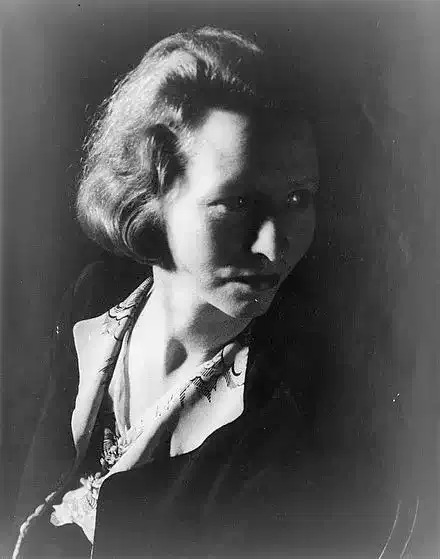
Edna St. Vincent Millay
Sonnet III: Mindful of you the sodden earth
Sonnet III: Mindful of you the sodden earth
Mindful of you the sodden earth in spring,
And all the flowers that in the springtime grow,
And dusty roads, and thistles, and the slow
Rising of the round moon, all throats that sing
The summer through, and each departing wing,
And all the nests that the bared branches show,
And all winds that in any weather blow,
And all the storms that the four seasons bring.
You go no more on your exultant feet
Up paths that only mist and morning knew,
Or watch the wind, or listen to the beat
Of a bird's wings too high in air to view,--
But you were something more than young and sweet
And fair,--and the long year remembers you.
Mindful of you the sodden earth in spring,
And all the flowers that in the springtime grow,
And dusty roads, and thistles, and the slow
Rising of the round moon, all throats that sing
The summer through, and each departing wing,
And all the nests that the bared branches show,
And all winds that in any weather blow,
And all the storms that the four seasons bring.
You go no more on your exultant feet
Up paths that only mist and morning knew,
Or watch the wind, or listen to the beat
Of a bird's wings too high in air to view,--
But you were something more than young and sweet
And fair,--and the long year remembers you.
284
Edna St. Vincent Millay
Sonnet 05: If I Should Learn, In Some Quite Casual Way
Sonnet 05: If I Should Learn, In Some Quite Casual Way
If I should learn, in some quite casual way,
That you were gone, not to return again—
Read from the back-page of a paper, say,
Held by a neighbor in a subway train,
How at the corner of this avenue
And such a street (so are the papers filled)
A hurrying man—who happened to be you—
At noon to-day had happened to be killed,
I should not cry aloud—I could not cry
Aloud, or wring my hands in such a place—
I should but watch the station lights rush by
With a more careful interest on my face,
Or raise my eyes and read with greater care
Where to store furs and how to treat the hair.
If I should learn, in some quite casual way,
That you were gone, not to return again—
Read from the back-page of a paper, say,
Held by a neighbor in a subway train,
How at the corner of this avenue
And such a street (so are the papers filled)
A hurrying man—who happened to be you—
At noon to-day had happened to be killed,
I should not cry aloud—I could not cry
Aloud, or wring my hands in such a place—
I should but watch the station lights rush by
With a more careful interest on my face,
Or raise my eyes and read with greater care
Where to store furs and how to treat the hair.
242
Edna St. Vincent Millay
Sonnet 03: Mindful Of You The Sodden Earth In Spring
Sonnet 03: Mindful Of You The Sodden Earth In Spring
Mindful of you the sodden earth in spring,
And all the flowers that in the springtime grow,
And dusty roads, and thistles, and the slow
Rising of the round moon, all throats that sing
The summer through, and each departing wing,
And all the nests that the bared branches show,
And all winds that in any weather blow,
And all the storms that the four seasons bring.
You go no more on your exultant feet
Up paths that only mist and morning knew,
Or watch the wind, or listen to the beat
Of a bird's wings too high in air to view,—
But you were something more than young and sweet
And fair,—and the long year remembers you.
Mindful of you the sodden earth in spring,
And all the flowers that in the springtime grow,
And dusty roads, and thistles, and the slow
Rising of the round moon, all throats that sing
The summer through, and each departing wing,
And all the nests that the bared branches show,
And all winds that in any weather blow,
And all the storms that the four seasons bring.
You go no more on your exultant feet
Up paths that only mist and morning knew,
Or watch the wind, or listen to the beat
Of a bird's wings too high in air to view,—
But you were something more than young and sweet
And fair,—and the long year remembers you.
299
Edna St. Vincent Millay
Sonnet 01: Thou Art Not Lovelier Than Lilacs,—No
Sonnet 01: Thou Art Not Lovelier Than Lilacs,—No
Thou art not lovelier than lilacs,—no,
Nor honeysuckle; thou art not more fair
Than small white single poppies,—I can bear
Thy beauty; though I bend before thee, though
From left to right, not knowing where to go,
I turn my troubled eyes, nor here nor there
Find any refuge from thee, yet I swear
So has it been with mist,—with moonlight so.
Like him who day by day unto his draught
Of delicate poison adds him one drop more
Till he may drink unharmed the death of ten,
Even so, inured to beauty, who have quaffed
Each hour more deeply than the hour before,
I drink—and live—what has destroyed some men.
Thou art not lovelier than lilacs,—no,
Nor honeysuckle; thou art not more fair
Than small white single poppies,—I can bear
Thy beauty; though I bend before thee, though
From left to right, not knowing where to go,
I turn my troubled eyes, nor here nor there
Find any refuge from thee, yet I swear
So has it been with mist,—with moonlight so.
Like him who day by day unto his draught
Of delicate poison adds him one drop more
Till he may drink unharmed the death of ten,
Even so, inured to beauty, who have quaffed
Each hour more deeply than the hour before,
I drink—and live—what has destroyed some men.
279
Edna St. Vincent Millay
Song Of A Second April
Song Of A Second April
April this year, not otherwise
Than April of a year ago,
Is full of whispers, full of sighs,
Of dazzling mud and dingy snow;
Hepaticas that pleased you so
Are here again, and butterflies.
There rings a hammering all day,
And shingles lie about the doors;
In orchards near and far away
The grey wood-pecker taps and bores;
The men are merry at their chores,
And children earnest at their play.
The larger streams run still and deep,
Noisy and swift the small brooks run
Among the mullein stalks the sheep
Go up the hillside in the sun,
Pensively,—only you are gone,
You that alone I cared to keep.
April this year, not otherwise
Than April of a year ago,
Is full of whispers, full of sighs,
Of dazzling mud and dingy snow;
Hepaticas that pleased you so
Are here again, and butterflies.
There rings a hammering all day,
And shingles lie about the doors;
In orchards near and far away
The grey wood-pecker taps and bores;
The men are merry at their chores,
And children earnest at their play.
The larger streams run still and deep,
Noisy and swift the small brooks run
Among the mullein stalks the sheep
Go up the hillside in the sun,
Pensively,—only you are gone,
You that alone I cared to keep.
347
Edna St. Vincent Millay
Scrub
Scrub
If I grow bitterly,
Like a gnarled and stunted tree,
Bearing harshly of my youth
Puckered fruit that sears the mouth;
If I make of my drawn boughs
An Inshospitable House,
Out of which I nevery pry
Towards the water and the sky,
Under which I stand and hide
And hear the day go by outside;
It is that a wind to strong
Bent my back when I was young,
It is that I fear the rain
Lest it blister me again.
If I grow bitterly,
Like a gnarled and stunted tree,
Bearing harshly of my youth
Puckered fruit that sears the mouth;
If I make of my drawn boughs
An Inshospitable House,
Out of which I nevery pry
Towards the water and the sky,
Under which I stand and hide
And hear the day go by outside;
It is that a wind to strong
Bent my back when I was young,
It is that I fear the rain
Lest it blister me again.
396
Edna St. Vincent Millay
Renascence
Renascence
All I could see from where I stood
Was three long mountains and a wood;
I turned and looked another way,
And saw three islands in a bay.
So with my eyes I traced the line
Of the horizon, thin and fine,
Straight around till I was come
Back to where I'd started from;
And all I saw from where I stood
Was three long mountains and a wood.
Over these things I could not see;
These were the things that bounded me;
And I could touch them with my hand,
Almost, I thought, from where I stand.
And all at once things seemed so small
My breath came short, and scarce at all.
But, sure, the sky is big, I said;
Miles and miles above my head;
So here upon my back I'll lie
And look my fill into the sky.
And so I looked, and, after all,
The sky was not so very tall.
The sky, I said, must somewhere stop,
And -- sure enough! -- I see the top!
The sky, I thought, is not so grand;
I 'most could touch it with my hand!
And, reaching up my hand to try,
I screamed to feel it touch the sky.
I screamed, and -- lo! -- Infinity
Came down and settled over me;
And, pressing of the Undefined
The definition on my mind,
Held up before my eyes a glass
Through which my shrinking sight did pass
Until it seemed I must behold
Immensity made manifold;
Whispered to me a word whose sound
Deafened the air for worlds around,
And brought unmuffled to my ears
The gossiping of friendly spheres,
The creaking of the tented sky,
The ticking of Eternity.
I saw and heard, and knew at last
The How and Why of all things, past,
And present, and forevermore.
The universe, cleft to the core,
Lay open to my probing sense
That, sick'ning, I would fain pluck thence
But could not, -- nay! But needs must suck
At the great wound, and could not pluck
My lips away till I had drawn
All venom out. -- Ah, fearful pawn!
For my omniscience paid I toll
In infinite remorse of soul.
All sin was of my sinning, all
Atoning mine, and mine the gall
Of all regret. Mine was the weight
Of every brooded wrong, the hate
That stood behind each envious thrust,
Mine every greed, mine every lust.
And all the while for every grief,
Each suffering, I craved relief
With individual desire, --
Craved all in vain! And felt fierce fire
About a thousand people crawl;
Perished with each, -- then mourned for all!
A man was starving in Capri;
He moved his eyes and looked at me;
I felt his gaze, I heard his moan,
And knew his hunger as my own.
I saw at sea a great fog-bank
Between two ships that struck and sank;
A thousand screams the heavens smote;
And every scream tore through my throat.
No hurt I did not feel, no death
That was not mine; mine each last breath
That, crying, met an answering cry
From the compassion that was I.
All suffering mine, and mine its rod;
Mine, pity like the pity of God.
Ah, awful weight! Infinity
Pressed down upon the finite Me!
My anguished spirit, like a bird,
Beating against my lips I heard;
Yet lay the weight so close about
There was no room for it without.
And so beneath the Weight lay I
And suffered death, but could not die.
Long had I lain thus, craving death,
When quietly the earth beneath
Gave way, and inch by inch, so great
At last had grown the crushing weight,
Into the earth I sank till I
Full six feet under ground did lie,
And sank no more, -- there is no weight
Can follow here, however great.
From off my breast I felt it roll,
And as it went my tortured soul
Burst forth and fled in such a gust
That all about me swirled the dust.
Deep in the earth I rested now;
Cool is its hand upon the brow
And soft its breast beneath the head
Of one who is so gladly dead.
And all at once, and over all,
The pitying rain began to fall;
I lay and heard each pattering hoof
Upon my lowly, thatched roof,
And seemed to love the sound far more
Than ever I had done before.
For rain it hath a friendly sound
To one who's six feet underground;
And scarce the friendly voice or face:
A grave is such a quiet place.
The rain, I said, is kind to come
And speak to me in my new home.
I would I were alive again
To kiss the fingers of the rain,
To drink into my eyes the shine
Of every slanting silver line,
To catch the freshened, fragrant breeze
From drenched and dripping apple-trees.
For soon the shower will be done,
And then the broad face of the sun
Will laugh above the rain-soaked earth
Until the world with answering mirth
Shakes joyously, and each round drop
Rolls, twinkling, from its grass-blade top.
How can I bear it; buried here,
While overhead the sky grows clear
And blue again after the storm?
O, multi-colored, multiform,
Beloved beauty over me,
That I shall never, never see
Again! Spring-silver, autumn-gold,
That I shall never more behold!
Sleeping your myriad magics through,
Close-sepulchred away from you!
O God, I cried, give me new birth,
And put me back upon the earth!
Upset each cloud's gigantic gourd
And let the heavy rain, down-poured
In one big torrent, set me free,
Washing my grave away from me!
I ceased; and, through the breathless hush
That answered me, the far-off rush
Of herald wings came whispering
Like music down the vibrant string
Of my ascending prayer, and -- crash!
Before the wild wind's whistling lash
The startled storm-clouds reared on high
And plunged in terror down the sky,
And the big rain in one black wave
Fell from the sky and struck my grave.
I know not how such things can be
I only know there came to me
A fragrance such as never clings
To aught save happy living things;
A sound as of some joyous elf
Singing sweet songs to please himself,
And, through and over everything,
A sense of glad awakening.
The grass, a-tiptoe at my ear,
Whispering to me I could hear;
I felt the rain's cool finger-tips
Brushed tenderly across my lips,
Laid gently on my sealed sight,
And all at once the heavy night
Fell from my eyes and I could see, --
A drenched and dripping apple-tree,
A last long line of silver rain,
A sky grown clear and blue again.
And as I looked a quickening gust
Of wind blew up to me and thrust
Into my face a miracle
Of orchard-breath, and with the smell, --
I know not how such things can be! --
I breathed my soul back into me.
Ah! Up then from the ground sprang I
And hailed the earth with such a cry
As is not heard save from a man
Who has been dead, and lives again.
About the trees my arms I wound;
Like one gone mad I hugged the ground;
I raised my quivering arms on high;
I laughed and laughed into the sky,
Till at my throat a strangling sob
Caught fiercely, and a great heart-throb
Sent instant tears into my eyes;
O God, I cried, no dark disguise
Can e'er hereafter hide from me
Thy radiant identity!
Thou canst not move across the grass
But my quick eyes will see Thee pass,
Nor speak, however silently,
But my hushed voice will answer Thee.
I know the path that tells Thy way
Through the cool eve of every day;
God, I can push the grass apart
And lay my finger on Thy heart!
The world stands out on either side
No wider than the heart is wide;
Above the world is stretched the sky, --
No higher than the soul is high.
The heart can push the sea and land
Farther away on either hand;
The soul can split the sky in two,
And let the face of God shine through.
But East and West will pinch the heart
That cannot keep them pushed apart;
And he whose soul is flat -- the sky
Will cave in on him by and by.
All I could see from where I stood
Was three long mountains and a wood;
I turned and looked another way,
And saw three islands in a bay.
So with my eyes I traced the line
Of the horizon, thin and fine,
Straight around till I was come
Back to where I'd started from;
And all I saw from where I stood
Was three long mountains and a wood.
Over these things I could not see;
These were the things that bounded me;
And I could touch them with my hand,
Almost, I thought, from where I stand.
And all at once things seemed so small
My breath came short, and scarce at all.
But, sure, the sky is big, I said;
Miles and miles above my head;
So here upon my back I'll lie
And look my fill into the sky.
And so I looked, and, after all,
The sky was not so very tall.
The sky, I said, must somewhere stop,
And -- sure enough! -- I see the top!
The sky, I thought, is not so grand;
I 'most could touch it with my hand!
And, reaching up my hand to try,
I screamed to feel it touch the sky.
I screamed, and -- lo! -- Infinity
Came down and settled over me;
And, pressing of the Undefined
The definition on my mind,
Held up before my eyes a glass
Through which my shrinking sight did pass
Until it seemed I must behold
Immensity made manifold;
Whispered to me a word whose sound
Deafened the air for worlds around,
And brought unmuffled to my ears
The gossiping of friendly spheres,
The creaking of the tented sky,
The ticking of Eternity.
I saw and heard, and knew at last
The How and Why of all things, past,
And present, and forevermore.
The universe, cleft to the core,
Lay open to my probing sense
That, sick'ning, I would fain pluck thence
But could not, -- nay! But needs must suck
At the great wound, and could not pluck
My lips away till I had drawn
All venom out. -- Ah, fearful pawn!
For my omniscience paid I toll
In infinite remorse of soul.
All sin was of my sinning, all
Atoning mine, and mine the gall
Of all regret. Mine was the weight
Of every brooded wrong, the hate
That stood behind each envious thrust,
Mine every greed, mine every lust.
And all the while for every grief,
Each suffering, I craved relief
With individual desire, --
Craved all in vain! And felt fierce fire
About a thousand people crawl;
Perished with each, -- then mourned for all!
A man was starving in Capri;
He moved his eyes and looked at me;
I felt his gaze, I heard his moan,
And knew his hunger as my own.
I saw at sea a great fog-bank
Between two ships that struck and sank;
A thousand screams the heavens smote;
And every scream tore through my throat.
No hurt I did not feel, no death
That was not mine; mine each last breath
That, crying, met an answering cry
From the compassion that was I.
All suffering mine, and mine its rod;
Mine, pity like the pity of God.
Ah, awful weight! Infinity
Pressed down upon the finite Me!
My anguished spirit, like a bird,
Beating against my lips I heard;
Yet lay the weight so close about
There was no room for it without.
And so beneath the Weight lay I
And suffered death, but could not die.
Long had I lain thus, craving death,
When quietly the earth beneath
Gave way, and inch by inch, so great
At last had grown the crushing weight,
Into the earth I sank till I
Full six feet under ground did lie,
And sank no more, -- there is no weight
Can follow here, however great.
From off my breast I felt it roll,
And as it went my tortured soul
Burst forth and fled in such a gust
That all about me swirled the dust.
Deep in the earth I rested now;
Cool is its hand upon the brow
And soft its breast beneath the head
Of one who is so gladly dead.
And all at once, and over all,
The pitying rain began to fall;
I lay and heard each pattering hoof
Upon my lowly, thatched roof,
And seemed to love the sound far more
Than ever I had done before.
For rain it hath a friendly sound
To one who's six feet underground;
And scarce the friendly voice or face:
A grave is such a quiet place.
The rain, I said, is kind to come
And speak to me in my new home.
I would I were alive again
To kiss the fingers of the rain,
To drink into my eyes the shine
Of every slanting silver line,
To catch the freshened, fragrant breeze
From drenched and dripping apple-trees.
For soon the shower will be done,
And then the broad face of the sun
Will laugh above the rain-soaked earth
Until the world with answering mirth
Shakes joyously, and each round drop
Rolls, twinkling, from its grass-blade top.
How can I bear it; buried here,
While overhead the sky grows clear
And blue again after the storm?
O, multi-colored, multiform,
Beloved beauty over me,
That I shall never, never see
Again! Spring-silver, autumn-gold,
That I shall never more behold!
Sleeping your myriad magics through,
Close-sepulchred away from you!
O God, I cried, give me new birth,
And put me back upon the earth!
Upset each cloud's gigantic gourd
And let the heavy rain, down-poured
In one big torrent, set me free,
Washing my grave away from me!
I ceased; and, through the breathless hush
That answered me, the far-off rush
Of herald wings came whispering
Like music down the vibrant string
Of my ascending prayer, and -- crash!
Before the wild wind's whistling lash
The startled storm-clouds reared on high
And plunged in terror down the sky,
And the big rain in one black wave
Fell from the sky and struck my grave.
I know not how such things can be
I only know there came to me
A fragrance such as never clings
To aught save happy living things;
A sound as of some joyous elf
Singing sweet songs to please himself,
And, through and over everything,
A sense of glad awakening.
The grass, a-tiptoe at my ear,
Whispering to me I could hear;
I felt the rain's cool finger-tips
Brushed tenderly across my lips,
Laid gently on my sealed sight,
And all at once the heavy night
Fell from my eyes and I could see, --
A drenched and dripping apple-tree,
A last long line of silver rain,
A sky grown clear and blue again.
And as I looked a quickening gust
Of wind blew up to me and thrust
Into my face a miracle
Of orchard-breath, and with the smell, --
I know not how such things can be! --
I breathed my soul back into me.
Ah! Up then from the ground sprang I
And hailed the earth with such a cry
As is not heard save from a man
Who has been dead, and lives again.
About the trees my arms I wound;
Like one gone mad I hugged the ground;
I raised my quivering arms on high;
I laughed and laughed into the sky,
Till at my throat a strangling sob
Caught fiercely, and a great heart-throb
Sent instant tears into my eyes;
O God, I cried, no dark disguise
Can e'er hereafter hide from me
Thy radiant identity!
Thou canst not move across the grass
But my quick eyes will see Thee pass,
Nor speak, however silently,
But my hushed voice will answer Thee.
I know the path that tells Thy way
Through the cool eve of every day;
God, I can push the grass apart
And lay my finger on Thy heart!
The world stands out on either side
No wider than the heart is wide;
Above the world is stretched the sky, --
No higher than the soul is high.
The heart can push the sea and land
Farther away on either hand;
The soul can split the sky in two,
And let the face of God shine through.
But East and West will pinch the heart
That cannot keep them pushed apart;
And he whose soul is flat -- the sky
Will cave in on him by and by.
390
Edna St. Vincent Millay
Prayer To Persephone
Prayer To Persephone
Be to her, Persephone,
All the things I might not be:
Take her head upon your knee.
She that was so proud and wild,
Flippant, arrogant and free,
She that had no need of me,
Is a little lonely child
Lost in Hell,—Persephone,
Take her head upon your knee:
Say to her, "My dear, my dear,
It is not so dreadful here."
Be to her, Persephone,
All the things I might not be:
Take her head upon your knee.
She that was so proud and wild,
Flippant, arrogant and free,
She that had no need of me,
Is a little lonely child
Lost in Hell,—Persephone,
Take her head upon your knee:
Say to her, "My dear, my dear,
It is not so dreadful here."
390
Edna St. Vincent Millay
Pity Me Not Because The Light Of Day
Pity Me Not Because The Light Of Day
Pity me not because the light of day
At close of day no longer walks the sky;
Pity me not for beauties passed away
From field and thicket as the the year goes by;
Pity me not the waning of the moon,
Nor that the ebbing tide goes out to sea,
Nor that a man's desire is hushed so soon,
And you no longer look with love on me.
This have I known always: Love is no more
Than the wide blossom which the wind assails,
Than the great tide that treads the shifting shore,
Strewing fresh wreckage gathered in the gales:
Pity me that the heart is slow to learn
What the swift mind beholds at ever turn.
Pity me not because the light of day
At close of day no longer walks the sky;
Pity me not for beauties passed away
From field and thicket as the the year goes by;
Pity me not the waning of the moon,
Nor that the ebbing tide goes out to sea,
Nor that a man's desire is hushed so soon,
And you no longer look with love on me.
This have I known always: Love is no more
Than the wide blossom which the wind assails,
Than the great tide that treads the shifting shore,
Strewing fresh wreckage gathered in the gales:
Pity me that the heart is slow to learn
What the swift mind beholds at ever turn.
307
Edna St. Vincent Millay
Passer Mortuus Est
Passer Mortuus Est
Death devours all lovely things;
Lesbia with her sparrow
Shares the darkness,—presently
Every bed is narrow.
Unremembered as old rain
Dries the sheer libation,
And the little petulant hand
Is an annotation.
After all, my erstwhile dear,
My no longer cherished,
Need we say it was not love,
Now that love is perished?
Death devours all lovely things;
Lesbia with her sparrow
Shares the darkness,—presently
Every bed is narrow.
Unremembered as old rain
Dries the sheer libation,
And the little petulant hand
Is an annotation.
After all, my erstwhile dear,
My no longer cherished,
Need we say it was not love,
Now that love is perished?
393
Edna St. Vincent Millay
Ode To Silence
Ode To Silence
Aye, but she?
Your other sister and my other soul
Grave Silence, lovelier
Than the three loveliest maidens, what of her?
Clio, not you,
Not you, Calliope,
Nor all your wanton line,
Not Beauty's perfect self shall comfort me
For Silence once departed,
For her the cool-tongued, her the tranquil-hearted,
Whom evermore I follow wistfully,
Wandering Heaven and Earth and Hell and the four seasons through;
Thalia, not you,
Not you, Melpomene,
Not your incomparable feet, O thin Terpsichore, I seek in this great hall,
But one more pale, more pensive, most beloved of you all.
I seek her from afar,
I come from temples where her altars are,
From groves that bear her name,
Noisy with stricken victims now and sacrificial flame,
And cymbals struck on high and strident faces
Obstreperous in her praise
They neither love nor know,
A goddess of gone days,
Departed long ago,
Abandoning the invaded shrines and fanes
Of her old sanctuary,
A deity obscure and legendary,
Of whom there now remains,
For sages to decipher and priests to garble,
Only and for a little while her letters wedged in marble,
Which even now, behold, the friendly mumbling rain erases,
And the inarticulate snow,
Leaving at last of her least signs and traces
None whatsoever, nor whither she is vanished from these places.
"She will love well," I said,
"If love be of that heart inhabiter,
The flowers of the dead;
The red anemone that with no sound
Moves in the wind, and from another wound
That sprang, the heavily-sweet blue hyacinth,
That blossoms underground,
And sallow poppies, will be dear to her.
And will not Silence know
In the black shade of what obsidian steep
Stiffens the white narcissus numb with sleep?
(Seed which Demeter's daughter bore from home,
Uptorn by desperate fingers long ago,
Reluctant even as she,
Undone Persephone,
And even as she set out again to grow
In twilight, in perdition's lean and inauspicious loam).
She will love well," I said,
"The flowers of the dead;
Where dark Persephone the winter round,
Uncomforted for home, uncomforted,
Lacking a sunny southern slope in northern Sicily,
With sullen pupils focussed on a dream,
Stares on the stagnant stream
That moats the unequivocable battlements of Hell,
There, there will she be found,
She that is Beauty veiled from men and Music in a swound."
"I long for Silence as they long for breath
Whose helpless nostrils drink the bitter sea;
What thing can be
So stout, what so redoubtable, in Death
What fury, what considerable rage, if only she,
Upon whose icy breast,
Unquestioned, uncaressed,
One time I lay,
And whom always I lack,
Even to this day,
Being by no means from that frigid bosom weaned away,
If only she therewith be given me back?"
I sought her down that dolorous labyrinth,
Wherein no shaft of sunlight ever fell,
And in among the bloodless everywhere
I sought her, but the air,
Breathed many times and spent,
Was fretful with a whispering discontent,
And questioning me, importuning me to tell
Some slightest tidings of the light of day they know no more,
Plucking my sleeve, the eager shades were with me where I went.
I paused at every grievous door,
And harked a moment, holding up my hand,—and for a space
A hush was on them, while they watched my face;
And then they fell a-whispering as before;
So that I smiled at them and left them, seeing she was not there.
I sought her, too,
Among the upper gods, although I knew
She was not like to be where feasting is,
Nor near to Heaven's lord,
Being a thing abhorred
And shunned of him, although a child of his,
(Not yours, not yours; to you she owes not breath,
Mother of Song, being sown of Zeus upon a dream of Death).
Fearing to pass unvisited some place
And later learn, too late, how all the while,
With her still face,
She had been standing there and seen me pass, without a smile,
I sought her even to the sagging board whereat
The stout immortals sat;
But such a laughter shook the mighty hall
No one could hear me say:
Had she been seen upon the Hill that day?
And no one knew at all
How long I stood, or when at last I sighed and went away.
There is a garden lying in a lull
Between the mountains and the mountainous sea,
I know not where, but which a dream diurnal
Paints on my lids a moment till the hull
Be lifted from the kernel
And Slumber fed to me.
Your foot-print is not there, Mnemosene,
Though it would seem a ruined place and after
Your lichenous heart, being full
Of broken columns, caryatides
Thrown to the earth and fallen forward on their jointless knees,
And urns funereal altered into dust
Minuter than the ashes of the dead,
And Psyche's lamp out of the earth up-thrust,
Dripping itself in marble wax on what was once the bed
Of Love, and his young body asleep, but now is dust instead.
There twists the bitter-sweet, the white wisteria Fastens its fingers in the strangling
wall,
And the wide crannies quicken with bright weeds;
There dumbly like a worm all day the still white orchid feeds;
But never an echo of your daughters' laughter
Is there, nor any sign of you at all
Swells fungous from the rotten bough, grey mother of Pieria!
Only her shadow once upon a stone
I saw,—and, lo, the shadow and the garden, too, were gone.
I tell you you have done her body an ill,
You chatterers, you noisy crew!
She is not anywhere!
I sought her in deep Hell;
And through the world as well;
I thought of Heaven and I sought her there;
Above nor under ground
Is Silence to be found,
That was the very warp and woof of you,
Lovely before your songs began and after they were through!
Oh, say if on this hill
Somewhere your sister's body lies in death,
So I may follow there, and make a wreath
Of my locked hands, that on her quiet breast
Shall lie till age has withered them!
(Ah, sweetly from the rest
I see
Turn and consider me
Compassionate Euterpe!)
"There is a gate beyond the gate of Death,
Beyond the gate of everlasting Life,
Beyond the gates of Heaven and Hell," she saith,
"Whereon but to believe is horror!
Whereon to meditate engendereth
Even in deathless spirits such as I
A tumult in the breath,
A chilling of the inexhaustible blood
Even in my veins that never will be dry,
And in the austere, divine monotony
That is my being, the madness of an unaccustomed mood.
This is her province whom you lack and seek;
And seek her not elsewhere.
Hell is a thoroughfare
For pilgrims,—Herakles,
And he that loved Euridice too well,
Have walked therein; and many more than these;
And witnessed the desire and the despair
Of souls that passed reluctantly and sicken for the air;
You, too, have entered Hell,
And issued thence; but thence whereof I speak
None has returned;—for thither fury brings
Only the driven ghosts of them that flee before all things.
Oblivion is the name of this abode: and she is there."
Oh, radiant Song! Oh, gracious Memory!
Be long upon this height
I shall not climb again!
I know the way you mean,—the little night,
And the long empty day,—never to see
Again the angry light,
Or hear the hungry noises cry my brain!
Ah, but she,
Your other sister and my other soul,
She shall again be mine;
And I shall drink her from a silver bowl,
A chilly thin green wine,
Not bitter to the taste,
Not sweet,
Not of your press, oh, restless, clamorous nine,—
To foam beneath the frantic hoofs of mirth—
But savoring faintly of the acid earth,
And trod by pensive feet
From perfect clusters ripened without haste
Out of the urgent heat
In some clear glimmering vaulted twilight under the odorous vine
. Lift up your lyres! Sing on!
But as for me, I seek your sister whither she is gone.
Aye, but she?
Your other sister and my other soul
Grave Silence, lovelier
Than the three loveliest maidens, what of her?
Clio, not you,
Not you, Calliope,
Nor all your wanton line,
Not Beauty's perfect self shall comfort me
For Silence once departed,
For her the cool-tongued, her the tranquil-hearted,
Whom evermore I follow wistfully,
Wandering Heaven and Earth and Hell and the four seasons through;
Thalia, not you,
Not you, Melpomene,
Not your incomparable feet, O thin Terpsichore, I seek in this great hall,
But one more pale, more pensive, most beloved of you all.
I seek her from afar,
I come from temples where her altars are,
From groves that bear her name,
Noisy with stricken victims now and sacrificial flame,
And cymbals struck on high and strident faces
Obstreperous in her praise
They neither love nor know,
A goddess of gone days,
Departed long ago,
Abandoning the invaded shrines and fanes
Of her old sanctuary,
A deity obscure and legendary,
Of whom there now remains,
For sages to decipher and priests to garble,
Only and for a little while her letters wedged in marble,
Which even now, behold, the friendly mumbling rain erases,
And the inarticulate snow,
Leaving at last of her least signs and traces
None whatsoever, nor whither she is vanished from these places.
"She will love well," I said,
"If love be of that heart inhabiter,
The flowers of the dead;
The red anemone that with no sound
Moves in the wind, and from another wound
That sprang, the heavily-sweet blue hyacinth,
That blossoms underground,
And sallow poppies, will be dear to her.
And will not Silence know
In the black shade of what obsidian steep
Stiffens the white narcissus numb with sleep?
(Seed which Demeter's daughter bore from home,
Uptorn by desperate fingers long ago,
Reluctant even as she,
Undone Persephone,
And even as she set out again to grow
In twilight, in perdition's lean and inauspicious loam).
She will love well," I said,
"The flowers of the dead;
Where dark Persephone the winter round,
Uncomforted for home, uncomforted,
Lacking a sunny southern slope in northern Sicily,
With sullen pupils focussed on a dream,
Stares on the stagnant stream
That moats the unequivocable battlements of Hell,
There, there will she be found,
She that is Beauty veiled from men and Music in a swound."
"I long for Silence as they long for breath
Whose helpless nostrils drink the bitter sea;
What thing can be
So stout, what so redoubtable, in Death
What fury, what considerable rage, if only she,
Upon whose icy breast,
Unquestioned, uncaressed,
One time I lay,
And whom always I lack,
Even to this day,
Being by no means from that frigid bosom weaned away,
If only she therewith be given me back?"
I sought her down that dolorous labyrinth,
Wherein no shaft of sunlight ever fell,
And in among the bloodless everywhere
I sought her, but the air,
Breathed many times and spent,
Was fretful with a whispering discontent,
And questioning me, importuning me to tell
Some slightest tidings of the light of day they know no more,
Plucking my sleeve, the eager shades were with me where I went.
I paused at every grievous door,
And harked a moment, holding up my hand,—and for a space
A hush was on them, while they watched my face;
And then they fell a-whispering as before;
So that I smiled at them and left them, seeing she was not there.
I sought her, too,
Among the upper gods, although I knew
She was not like to be where feasting is,
Nor near to Heaven's lord,
Being a thing abhorred
And shunned of him, although a child of his,
(Not yours, not yours; to you she owes not breath,
Mother of Song, being sown of Zeus upon a dream of Death).
Fearing to pass unvisited some place
And later learn, too late, how all the while,
With her still face,
She had been standing there and seen me pass, without a smile,
I sought her even to the sagging board whereat
The stout immortals sat;
But such a laughter shook the mighty hall
No one could hear me say:
Had she been seen upon the Hill that day?
And no one knew at all
How long I stood, or when at last I sighed and went away.
There is a garden lying in a lull
Between the mountains and the mountainous sea,
I know not where, but which a dream diurnal
Paints on my lids a moment till the hull
Be lifted from the kernel
And Slumber fed to me.
Your foot-print is not there, Mnemosene,
Though it would seem a ruined place and after
Your lichenous heart, being full
Of broken columns, caryatides
Thrown to the earth and fallen forward on their jointless knees,
And urns funereal altered into dust
Minuter than the ashes of the dead,
And Psyche's lamp out of the earth up-thrust,
Dripping itself in marble wax on what was once the bed
Of Love, and his young body asleep, but now is dust instead.
There twists the bitter-sweet, the white wisteria Fastens its fingers in the strangling
wall,
And the wide crannies quicken with bright weeds;
There dumbly like a worm all day the still white orchid feeds;
But never an echo of your daughters' laughter
Is there, nor any sign of you at all
Swells fungous from the rotten bough, grey mother of Pieria!
Only her shadow once upon a stone
I saw,—and, lo, the shadow and the garden, too, were gone.
I tell you you have done her body an ill,
You chatterers, you noisy crew!
She is not anywhere!
I sought her in deep Hell;
And through the world as well;
I thought of Heaven and I sought her there;
Above nor under ground
Is Silence to be found,
That was the very warp and woof of you,
Lovely before your songs began and after they were through!
Oh, say if on this hill
Somewhere your sister's body lies in death,
So I may follow there, and make a wreath
Of my locked hands, that on her quiet breast
Shall lie till age has withered them!
(Ah, sweetly from the rest
I see
Turn and consider me
Compassionate Euterpe!)
"There is a gate beyond the gate of Death,
Beyond the gate of everlasting Life,
Beyond the gates of Heaven and Hell," she saith,
"Whereon but to believe is horror!
Whereon to meditate engendereth
Even in deathless spirits such as I
A tumult in the breath,
A chilling of the inexhaustible blood
Even in my veins that never will be dry,
And in the austere, divine monotony
That is my being, the madness of an unaccustomed mood.
This is her province whom you lack and seek;
And seek her not elsewhere.
Hell is a thoroughfare
For pilgrims,—Herakles,
And he that loved Euridice too well,
Have walked therein; and many more than these;
And witnessed the desire and the despair
Of souls that passed reluctantly and sicken for the air;
You, too, have entered Hell,
And issued thence; but thence whereof I speak
None has returned;—for thither fury brings
Only the driven ghosts of them that flee before all things.
Oblivion is the name of this abode: and she is there."
Oh, radiant Song! Oh, gracious Memory!
Be long upon this height
I shall not climb again!
I know the way you mean,—the little night,
And the long empty day,—never to see
Again the angry light,
Or hear the hungry noises cry my brain!
Ah, but she,
Your other sister and my other soul,
She shall again be mine;
And I shall drink her from a silver bowl,
A chilly thin green wine,
Not bitter to the taste,
Not sweet,
Not of your press, oh, restless, clamorous nine,—
To foam beneath the frantic hoofs of mirth—
But savoring faintly of the acid earth,
And trod by pensive feet
From perfect clusters ripened without haste
Out of the urgent heat
In some clear glimmering vaulted twilight under the odorous vine
. Lift up your lyres! Sing on!
But as for me, I seek your sister whither she is gone.
347
Edna St. Vincent Millay
Night Is My Sister, And How Deep In Love
Night Is My Sister, And How Deep In Love
Night is my sister, and how deep in love,
How drowned in love and weedily washed ashore,
There to be fretted by the drag and shove
At the tide's edge, I lie—these things and more:
Whose arm alone between me and the sand,
Whose voice alone, whose pitiful breath brought near,
Could thaw these nostrils and unlock this hand,
She could advise you, should you care to hear.
Small chance, however, in a storm so black,
A man will leave his friendly fire and snug
For a drowned woman's sake, and bring her back
To drip and scatter shells upon the rug.
No one but Night, with tears on her dark face,
Watches beside me in this windy place.
Night is my sister, and how deep in love,
How drowned in love and weedily washed ashore,
There to be fretted by the drag and shove
At the tide's edge, I lie—these things and more:
Whose arm alone between me and the sand,
Whose voice alone, whose pitiful breath brought near,
Could thaw these nostrils and unlock this hand,
She could advise you, should you care to hear.
Small chance, however, in a storm so black,
A man will leave his friendly fire and snug
For a drowned woman's sake, and bring her back
To drip and scatter shells upon the rug.
No one but Night, with tears on her dark face,
Watches beside me in this windy place.
362
Edna St. Vincent Millay
Memorial To D.C.
Memorial To D.C.
(Vassar College, 1918)
O, loveliest throat of all sweet throats,
Where now no more the music is,
With hands that wrote you little notes
I write you little elegies!
(Vassar College, 1918)
O, loveliest throat of all sweet throats,
Where now no more the music is,
With hands that wrote you little notes
I write you little elegies!
347
Edna St. Vincent Millay
Kin To Sorrow
Kin To Sorrow
Am I kin to Sorrow,
That so oft
Falls the knocker of my door——
Neither loud nor soft,
But as long accustomed,
Under Sorrow's hand?
Marigolds around the step
And rosemary stand,
And then comes Sorrow—
And what does Sorrow care
For the rosemary
Or the marigolds there?
Am I kin to Sorrow?
Are we kin?
That so oft upon my door—
Oh, come in!
Am I kin to Sorrow,
That so oft
Falls the knocker of my door——
Neither loud nor soft,
But as long accustomed,
Under Sorrow's hand?
Marigolds around the step
And rosemary stand,
And then comes Sorrow—
And what does Sorrow care
For the rosemary
Or the marigolds there?
Am I kin to Sorrow?
Are we kin?
That so oft upon my door—
Oh, come in!
304
Edna St. Vincent Millay
Interim
Interim
The room is full of you!—As I came in
And closed the door behind me, all at once
A something in the air, intangible,
Yet stiff with meaning, struck my senses sick!—
Sharp, unfamiliar odors have destroyed
Each other room's dear personality.
The heavy scent of damp, funereal flowers,—
The very essence, hush-distilled, of Death—
Has strangled that habitual breath of home
Whose expiration leaves all houses dead;
And wheresoe'er I look is hideous change.
Save here. Here 'twas as if a weed-choked gate
Had opened at my touch, and I had stepped
Into some long-forgot, enchanted, strange,
Sweet garden of a thousand years ago
And suddenly thought, "I have been here before!"
You are not here. I know that you are gone,
And will not ever enter here again.
And yet it seems to me, if I should speak,
Your silent step must wake across the hall;
If I should turn my head, that your sweet eyes
Would kiss me from the door.—So short a time
To teach my life its transposition to
This difficult and unaccustomed key!—
The room is as you left it; your last touch—
A thoughtless pressure, knowing not itself
As saintly—hallows now each simple thing;
Hallows and glorifies, and glows between
The dust's grey fingers like a shielded light.
There is your book, just as you laid it down,
Face to the table,—I cannot believe
That you are gone!—Just then it seemed to me
You must be here. I almost laughed to think
How like reality the dream had been;
Yet knew before I laughed, and so was still.
That book, outspread, just as you laid it down!
Perhaps you thought, "I wonder what comes next,
And whether this or this will be the end";
So rose, and left it, thinking to return.
Perhaps that chair, when you arose and passed
Out of the room, rocked silently a while
Ere it again was still. When you were gone
Forever from the room, perhaps that chair,
Stirred by your movement, rocked a little while,
Silently, to and fro...
And here are the last words your fingers wrote,
Scrawled in broad characters across a page
In this brown book I gave you. Here your hand,
Guiding your rapid pen, moved up and down.
Here with a looping knot you crossed a "t,"
And here another like it, just beyond
These two eccentric "e's." You were so small,
And wrote so brave a hand!
How strange it seems
That of all words these are the words you chose!
And yet a simple choice; you did not know
You would not write again. If you had known—
But then, it does not matter,—and indeed
If you had known there was so little time
You would have dropped your pen and come to me
And this page would be empty, and some phrase
Other than this would hold my wonder now.
Yet, since you could not know, and it befell
That these are the last words your fingers wrote,
There is a dignity some might not see
In this, "I picked the first sweet-pea to-day."
To-day! Was there an opening bud beside it
You left until to-morrow?—O my love,
The things that withered,—and you came not back
That day you filled this circle of my arms
That now is empty. (O my empty life!)
That day—that day you picked the first sweet-pea,—
And brought it in to show me! I recall
With terrible distinctness how the smell
Of your cool gardens drifted in with you.
I know, you held it up for me to see
And flushed because I looked not at the flower,
But at your face; and when behind my look
You saw such unmistakable intent
You laughed and brushed your flower against my lips.
(You were the fairest thing God ever made,
I think.) And then your hands above my heart
Drew down its stem into a fastening,
And while your head was bent I kissed your hair.
I wonder if you knew. (Beloved hands!
Somehow I cannot seem to see them still.
Somehow I cannot seem to see the dust
In your bright hair.) What is the need of Heaven
When earth can be so sweet?—If only God
Had let us love,—and show the world the way!
Strange cancellings must ink th' eternal books
When love-crossed-out will bring the answer right!
That first sweet-pea! I wonder where it is.
It seems to me I laid it down somewhere,
And yet,—I am not sure. I am not sure,
Even, if it was white or pink; for then
'Twas much like any other flower to me
Save that it was the first. I did not know
Then, that it was the last. If I had known—
But then, it does not matter. Strange how few,
After all's said and done, the things that are
Of moment.
Few indeed! When I can make
Of ten small words a rope to hang the world!
"I had you and I have you now no more."
There, there it dangles,—where's the little truth
That can for long keep footing under that
When its slack syllables tighten to a thought?
Here, let me write it down! I wish to see
Just how a thing like that will look on paper!
"I had you and I have you now no more."
O little words, how can you run so straight
Across the page, beneath the weight you bear?
How can you fall apart, whom such a theme
Has bound together, and hereafter aid
In trivial expression, that have been
So hideously dignified?—Would God
That tearing you apart would tear the thread
I strung you on! Would God—O God, my mind
Stretches asunder on this merciless rack
Of imagery! O, let me sleep a while!
Would I could sleep, and wake to find me back
In that sweet summer afternoon with you.
Summer? Tis summer still by the calendar!
How easily could God, if He so willed,
Set back the world a little turn or two!
Correct its griefs, and bring its joys again!
We were so wholly one I had not thought
That we could die apart. I had not thought
That I could move,—and you be stiff and still!
That I could speak,—and you perforce be dumb!
I think our heart-strings were, like warp and woof
In some firm fabric, woven in and out;
Your golden filaments in fair design
Across my duller fibre. And to-day
The shining strip is rent; the exquisite
Fine pattern is destroyed; part of your heart
Aches in my breast; part of my heart lies chilled
In the damp earth with you. I have been tom
In two, and suffer for the rest of me.
What is my life to me? And what am I
To life,—a ship whose star has guttered out?
A Fear that in the deep night starts awake
Perpetually, to find its senses strained
Against the taut strings of the quivering air,
Awaiting the return of some dread chord?
Dark, Dark, is all I find for metaphor;
All else were contrast,—save that contrast's wall
Is down, and all opposed things flow together
Into a vast monotony, where night
And day, and frost and thaw, and death and life,
Are synonyms. What now—what now to me
Are all the jabbering birds and foolish flowers
That clutter up the world? You were my song!
Now, let discord scream! You were my flower!
Now let the world grow weeds! For I shall not
Plant things above your grave—(the common balm
Of the conventional woe for its own wound!)
Amid sensations rendered negative
By your elimination stands to-day,
Certain, unmixed, the element of grief;
I sorrow; and I shall not mock my truth
With travesties of suffering, nor seek
To effigy its incorporeal bulk
In little wry-faced images of woe.
I cannot call you back; and I desire
No utterance of my immaterial voice.
I cannot even turn my face this way
Or that, and say, "My face is turned to you";
I know not where you are, I do not know
If Heaven hold you or if earth transmute,
Body and soul, you into earth again;
But this I know:—not for one second's space
Shall I insult my sight with visionings
Such as the credulous crowd so eager-eyed
Beholds, self-conjured, in the empty air.
Let the world wail! Let drip its easy tears!
My sorrow shall be dumb!
—What do I say?
God! God!—God pity me! Am I gone mad
That I should spit upon a rosary?
Am I become so shrunken? Would to God
I too might feel that frenzied faith whose touch
Makes temporal the most enduring grief;
Though it must walk a while, as is its wont,
With wild lamenting! Would I too might weep
Where weeps the world and hangs its piteous wreaths
For its new dead! Not Truth, but Faith, it is
That keeps the world alive. If all at once
Faith were to slacken,—that unconscious faith
Which must, I know, yet be the corner-stone
Of all believing,—birds now flying fearless
Across would drop in terror to the earth;
Fishes would drown; and the all-governing reins
Would tangle in the frantic hands of God
And the worlds gallop headlong to destruction!
O God, I see it now, and my sick brain
Staggers and swoons! How often over me
Flashes this breathlessness of sudden sight
In which I see the universe unrolled
Before me like a scroll and read thereon
Chaos and Doom, where helpless planets whirl
Dizzily round and round and round and round,
Like tops across a table, gathering speed
With every spin, to waver on the edge
One instant—looking over—and the next
To shudder and lurch forward out of sight—
* * * * * * *
Ah, I am worn out—I am wearied out—
It is too much—I am but flesh and blood,
And I must sleep. Though you were dead again,
I am but flesh and blood and I must sleep.
The room is full of you!—As I came in
And closed the door behind me, all at once
A something in the air, intangible,
Yet stiff with meaning, struck my senses sick!—
Sharp, unfamiliar odors have destroyed
Each other room's dear personality.
The heavy scent of damp, funereal flowers,—
The very essence, hush-distilled, of Death—
Has strangled that habitual breath of home
Whose expiration leaves all houses dead;
And wheresoe'er I look is hideous change.
Save here. Here 'twas as if a weed-choked gate
Had opened at my touch, and I had stepped
Into some long-forgot, enchanted, strange,
Sweet garden of a thousand years ago
And suddenly thought, "I have been here before!"
You are not here. I know that you are gone,
And will not ever enter here again.
And yet it seems to me, if I should speak,
Your silent step must wake across the hall;
If I should turn my head, that your sweet eyes
Would kiss me from the door.—So short a time
To teach my life its transposition to
This difficult and unaccustomed key!—
The room is as you left it; your last touch—
A thoughtless pressure, knowing not itself
As saintly—hallows now each simple thing;
Hallows and glorifies, and glows between
The dust's grey fingers like a shielded light.
There is your book, just as you laid it down,
Face to the table,—I cannot believe
That you are gone!—Just then it seemed to me
You must be here. I almost laughed to think
How like reality the dream had been;
Yet knew before I laughed, and so was still.
That book, outspread, just as you laid it down!
Perhaps you thought, "I wonder what comes next,
And whether this or this will be the end";
So rose, and left it, thinking to return.
Perhaps that chair, when you arose and passed
Out of the room, rocked silently a while
Ere it again was still. When you were gone
Forever from the room, perhaps that chair,
Stirred by your movement, rocked a little while,
Silently, to and fro...
And here are the last words your fingers wrote,
Scrawled in broad characters across a page
In this brown book I gave you. Here your hand,
Guiding your rapid pen, moved up and down.
Here with a looping knot you crossed a "t,"
And here another like it, just beyond
These two eccentric "e's." You were so small,
And wrote so brave a hand!
How strange it seems
That of all words these are the words you chose!
And yet a simple choice; you did not know
You would not write again. If you had known—
But then, it does not matter,—and indeed
If you had known there was so little time
You would have dropped your pen and come to me
And this page would be empty, and some phrase
Other than this would hold my wonder now.
Yet, since you could not know, and it befell
That these are the last words your fingers wrote,
There is a dignity some might not see
In this, "I picked the first sweet-pea to-day."
To-day! Was there an opening bud beside it
You left until to-morrow?—O my love,
The things that withered,—and you came not back
That day you filled this circle of my arms
That now is empty. (O my empty life!)
That day—that day you picked the first sweet-pea,—
And brought it in to show me! I recall
With terrible distinctness how the smell
Of your cool gardens drifted in with you.
I know, you held it up for me to see
And flushed because I looked not at the flower,
But at your face; and when behind my look
You saw such unmistakable intent
You laughed and brushed your flower against my lips.
(You were the fairest thing God ever made,
I think.) And then your hands above my heart
Drew down its stem into a fastening,
And while your head was bent I kissed your hair.
I wonder if you knew. (Beloved hands!
Somehow I cannot seem to see them still.
Somehow I cannot seem to see the dust
In your bright hair.) What is the need of Heaven
When earth can be so sweet?—If only God
Had let us love,—and show the world the way!
Strange cancellings must ink th' eternal books
When love-crossed-out will bring the answer right!
That first sweet-pea! I wonder where it is.
It seems to me I laid it down somewhere,
And yet,—I am not sure. I am not sure,
Even, if it was white or pink; for then
'Twas much like any other flower to me
Save that it was the first. I did not know
Then, that it was the last. If I had known—
But then, it does not matter. Strange how few,
After all's said and done, the things that are
Of moment.
Few indeed! When I can make
Of ten small words a rope to hang the world!
"I had you and I have you now no more."
There, there it dangles,—where's the little truth
That can for long keep footing under that
When its slack syllables tighten to a thought?
Here, let me write it down! I wish to see
Just how a thing like that will look on paper!
"I had you and I have you now no more."
O little words, how can you run so straight
Across the page, beneath the weight you bear?
How can you fall apart, whom such a theme
Has bound together, and hereafter aid
In trivial expression, that have been
So hideously dignified?—Would God
That tearing you apart would tear the thread
I strung you on! Would God—O God, my mind
Stretches asunder on this merciless rack
Of imagery! O, let me sleep a while!
Would I could sleep, and wake to find me back
In that sweet summer afternoon with you.
Summer? Tis summer still by the calendar!
How easily could God, if He so willed,
Set back the world a little turn or two!
Correct its griefs, and bring its joys again!
We were so wholly one I had not thought
That we could die apart. I had not thought
That I could move,—and you be stiff and still!
That I could speak,—and you perforce be dumb!
I think our heart-strings were, like warp and woof
In some firm fabric, woven in and out;
Your golden filaments in fair design
Across my duller fibre. And to-day
The shining strip is rent; the exquisite
Fine pattern is destroyed; part of your heart
Aches in my breast; part of my heart lies chilled
In the damp earth with you. I have been tom
In two, and suffer for the rest of me.
What is my life to me? And what am I
To life,—a ship whose star has guttered out?
A Fear that in the deep night starts awake
Perpetually, to find its senses strained
Against the taut strings of the quivering air,
Awaiting the return of some dread chord?
Dark, Dark, is all I find for metaphor;
All else were contrast,—save that contrast's wall
Is down, and all opposed things flow together
Into a vast monotony, where night
And day, and frost and thaw, and death and life,
Are synonyms. What now—what now to me
Are all the jabbering birds and foolish flowers
That clutter up the world? You were my song!
Now, let discord scream! You were my flower!
Now let the world grow weeds! For I shall not
Plant things above your grave—(the common balm
Of the conventional woe for its own wound!)
Amid sensations rendered negative
By your elimination stands to-day,
Certain, unmixed, the element of grief;
I sorrow; and I shall not mock my truth
With travesties of suffering, nor seek
To effigy its incorporeal bulk
In little wry-faced images of woe.
I cannot call you back; and I desire
No utterance of my immaterial voice.
I cannot even turn my face this way
Or that, and say, "My face is turned to you";
I know not where you are, I do not know
If Heaven hold you or if earth transmute,
Body and soul, you into earth again;
But this I know:—not for one second's space
Shall I insult my sight with visionings
Such as the credulous crowd so eager-eyed
Beholds, self-conjured, in the empty air.
Let the world wail! Let drip its easy tears!
My sorrow shall be dumb!
—What do I say?
God! God!—God pity me! Am I gone mad
That I should spit upon a rosary?
Am I become so shrunken? Would to God
I too might feel that frenzied faith whose touch
Makes temporal the most enduring grief;
Though it must walk a while, as is its wont,
With wild lamenting! Would I too might weep
Where weeps the world and hangs its piteous wreaths
For its new dead! Not Truth, but Faith, it is
That keeps the world alive. If all at once
Faith were to slacken,—that unconscious faith
Which must, I know, yet be the corner-stone
Of all believing,—birds now flying fearless
Across would drop in terror to the earth;
Fishes would drown; and the all-governing reins
Would tangle in the frantic hands of God
And the worlds gallop headlong to destruction!
O God, I see it now, and my sick brain
Staggers and swoons! How often over me
Flashes this breathlessness of sudden sight
In which I see the universe unrolled
Before me like a scroll and read thereon
Chaos and Doom, where helpless planets whirl
Dizzily round and round and round and round,
Like tops across a table, gathering speed
With every spin, to waver on the edge
One instant—looking over—and the next
To shudder and lurch forward out of sight—
* * * * * * *
Ah, I am worn out—I am wearied out—
It is too much—I am but flesh and blood,
And I must sleep. Though you were dead again,
I am but flesh and blood and I must sleep.
424
Edna St. Vincent Millay
Journey
Journey
Ah, could I lay me down in this long grass
And close my eyes, and let the quiet wind
Blow over me—I am so tired, so tired
Of passing pleasant places! All my life,
Following Care along the dusty road,
Have I looked back at loveliness and sighed;
Yet at my hand an unrelenting hand
Tugged ever, and I passed. All my life long
Over my shoulder have I looked at peace;
And now I fain would lie in this long grass
And close my eyes.
Yet onward!
Cat birds call
Through the long afternoon, and creeks at dusk
Are guttural. Whip-poor-wills wake and cry,
Drawing the twilight close about their throats.
Only my heart makes answer. Eager vines
Go up the rocks and wait; flushed apple-trees
Pause in their dance and break the ring for me;
And bayberry, that through sweet bevies thread
Of round-faced roses, pink and petulant,
Look back and beckon ere they disappear.
Only my heart, only my heart responds.
Yet, ah, my path is sweet on either side
All through the dragging day,—sharp underfoot
And hot, and like dead mist the dry dust hangs—
But far, oh, far as passionate eye can reach,
And long, ah, long as rapturous eye can cling,
The world is mine: blue hill, still silver lake,
Broad field, bright flower, and the long white road
A gateless garden, and an open path:
My feet to follow, and my heart to hold.
Ah, could I lay me down in this long grass
And close my eyes, and let the quiet wind
Blow over me—I am so tired, so tired
Of passing pleasant places! All my life,
Following Care along the dusty road,
Have I looked back at loveliness and sighed;
Yet at my hand an unrelenting hand
Tugged ever, and I passed. All my life long
Over my shoulder have I looked at peace;
And now I fain would lie in this long grass
And close my eyes.
Yet onward!
Cat birds call
Through the long afternoon, and creeks at dusk
Are guttural. Whip-poor-wills wake and cry,
Drawing the twilight close about their throats.
Only my heart makes answer. Eager vines
Go up the rocks and wait; flushed apple-trees
Pause in their dance and break the ring for me;
And bayberry, that through sweet bevies thread
Of round-faced roses, pink and petulant,
Look back and beckon ere they disappear.
Only my heart, only my heart responds.
Yet, ah, my path is sweet on either side
All through the dragging day,—sharp underfoot
And hot, and like dead mist the dry dust hangs—
But far, oh, far as passionate eye can reach,
And long, ah, long as rapturous eye can cling,
The world is mine: blue hill, still silver lake,
Broad field, bright flower, and the long white road
A gateless garden, and an open path:
My feet to follow, and my heart to hold.
459
Edna St. Vincent Millay
Dirge
Dirge
Boys and girls that held her dear,
Do your weeping now;
All you loved of her lies here.
Brought to earth the arrogant brow,
And the withering tongue
Chastened; do your weeping now.
Sing whatever songs are sung,
Wind whatever wreath,
For a playmate perished young,
For a spirit spent in death.
Boys and girls that held her dear,
All you loved of her lies here.
Boys and girls that held her dear,
Do your weeping now;
All you loved of her lies here.
Brought to earth the arrogant brow,
And the withering tongue
Chastened; do your weeping now.
Sing whatever songs are sung,
Wind whatever wreath,
For a playmate perished young,
For a spirit spent in death.
Boys and girls that held her dear,
All you loved of her lies here.
281
Edna St. Vincent Millay
Alms
Alms
My heart is what it was before,
A house where people come and go;
But it is winter with your love,
The sashes are beset with snow.
I light the lamp and lay the cloth,
I blow the coals to blaze again;
But it is winter with your love,
The frost is thick upon the pane..
I know a winter when it comes:
The leaves are listless on the boughs;
I watched your love a little while,
And brought my plants into the house.
I water them and turn them south,
I snap the dead brown from the stem;
But it is winter with your love,
I only tend and water them.
There was a time I stood and watched
The small, ill-natured sparrows' fray;
I loved the beggar that I fed,
I cared for what he had to say,
I stood and watched him out of sight:
Today I reach around the door
And set a bowl upon the step;
My heart is what it was before,
But it is winter with your love;
I scatter crumbs upon the sill,
And close the window, —and the birds
May take or leave them, as they will.
My heart is what it was before,
A house where people come and go;
But it is winter with your love,
The sashes are beset with snow.
I light the lamp and lay the cloth,
I blow the coals to blaze again;
But it is winter with your love,
The frost is thick upon the pane..
I know a winter when it comes:
The leaves are listless on the boughs;
I watched your love a little while,
And brought my plants into the house.
I water them and turn them south,
I snap the dead brown from the stem;
But it is winter with your love,
I only tend and water them.
There was a time I stood and watched
The small, ill-natured sparrows' fray;
I loved the beggar that I fed,
I cared for what he had to say,
I stood and watched him out of sight:
Today I reach around the door
And set a bowl upon the step;
My heart is what it was before,
But it is winter with your love;
I scatter crumbs upon the sill,
And close the window, —and the birds
May take or leave them, as they will.
403
Edna St. Vincent Millay
And we are done forever
And we are done forever; by and by
I shall forget you, as I said, but now,
If you entreat me with your loveliest lie
I will protest you with my favorite vow.
I would indeed that love were longer-lived,
And vows were not so brittle as they are,
But so it is, and nature has contrived
To struggle on without a break thus far, -
Whether or not we find what we are seeking
Is idle, biologically speaking.
I shall forget you, as I said, but now,
If you entreat me with your loveliest lie
I will protest you with my favorite vow.
I would indeed that love were longer-lived,
And vows were not so brittle as they are,
But so it is, and nature has contrived
To struggle on without a break thus far, -
Whether or not we find what we are seeking
Is idle, biologically speaking.
106
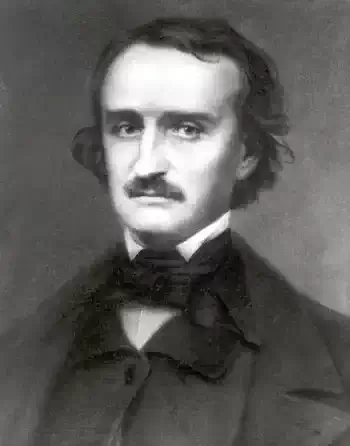
Edgar Allan Poe
To The River --
To The River --
Fair river! in thy bright, clear flow
Of crystal, wandering water,
Thou art an emblem of the glow
Of beauty- the unhidden heartThe
playful maziness of art
In old Alberto's daughter;
But when within thy wave she looksWhich
glistens then, and tremblesWhy,
then, the prettiest of brooks
Her worshipper resembles;
For in his heart, as in thy stream,
Her image deeply liesHis
heart which trembles at the beam
Of her soul-searching eyes.
Fair river! in thy bright, clear flow
Of crystal, wandering water,
Thou art an emblem of the glow
Of beauty- the unhidden heartThe
playful maziness of art
In old Alberto's daughter;
But when within thy wave she looksWhich
glistens then, and tremblesWhy,
then, the prettiest of brooks
Her worshipper resembles;
For in his heart, as in thy stream,
Her image deeply liesHis
heart which trembles at the beam
Of her soul-searching eyes.
234
Edgar Allan Poe
To Marie Louise (Shew)
To Marie Louise (Shew)
Of all who hail thy presence as the morning-
Of all to whom thine absence is the night-
The blotting utterly from out high heaven
The sacred sun- of all who, weeping, bless thee
Hourly for hope- for life- ah! above all,
For the resurrection of deep-buried faith
In Truth- in Virtue- in Humanity-
Of all who, on Despair's unhallowed bed
Lying down to die, have suddenly arisen
At thy soft-murmured words, 'Let there be light!'
At the soft-murmured words that were fulfilled
In the seraphic glancing of thine eyes-
Of all who owe thee most- whose gratitude
Nearest resembles worship- oh, remember
The truest- the most fervently devoted,
And think that these weak lines are written by him-
By him who, as he pens them, thrills to think
His spirit is communing with an angel's.
Of all who hail thy presence as the morning-
Of all to whom thine absence is the night-
The blotting utterly from out high heaven
The sacred sun- of all who, weeping, bless thee
Hourly for hope- for life- ah! above all,
For the resurrection of deep-buried faith
In Truth- in Virtue- in Humanity-
Of all who, on Despair's unhallowed bed
Lying down to die, have suddenly arisen
At thy soft-murmured words, 'Let there be light!'
At the soft-murmured words that were fulfilled
In the seraphic glancing of thine eyes-
Of all who owe thee most- whose gratitude
Nearest resembles worship- oh, remember
The truest- the most fervently devoted,
And think that these weak lines are written by him-
By him who, as he pens them, thrills to think
His spirit is communing with an angel's.
360
Edgar Allan Poe
To One Departed
To One Departed
Seraph! thy memory is to me
Like some enchanted far-off isle
In some tumultuous sea -
Some ocean vexed as it may be
With storms; but where, meanwhile,
Serenest skies continually
Just o'er that one bright island smile.
For 'mid the earnest cares and woes
That crowd around my earthly path,
(Sad path, alas, where grows
Not even one lonely rose!)
My soul at least a solace hath
In dreams of thee; and therein knows
An Eden of bland repose.
Seraph! thy memory is to me
Like some enchanted far-off isle
In some tumultuous sea -
Some ocean vexed as it may be
With storms; but where, meanwhile,
Serenest skies continually
Just o'er that one bright island smile.
For 'mid the earnest cares and woes
That crowd around my earthly path,
(Sad path, alas, where grows
Not even one lonely rose!)
My soul at least a solace hath
In dreams of thee; and therein knows
An Eden of bland repose.
311
Edgar Allan Poe
To Helen - 1848
To Helen - 1848
I saw thee once- once only- years ago:
I must not say how many- but not many.
It was a July midnight; and from out
A full-orbed moon, that, like thine own soul, soaring,
Sought a precipitate pathway up through heaven,
There fell a silvery-silken veil of light,
With quietude, and sultriness, and slumber,
Upon the upturned faces of a thousand
Roses that grew in an enchanted garden,
Where no wind dared to stir, unless on tiptoe-
Fell on the upturn'd faces of these roses
That gave out, in return for the love-light,
Their odorous souls in an ecstatic death-
Fell on the upturn'd faces of these roses
That smiled and died in this parterre, enchanted
By thee, and by the poetry of thy presence.
Clad all in white, upon a violet bank
I saw thee half reclining; while the moon
Fell on the upturn'd faces of the roses,
And on thine own, upturn'd- alas, in sorrow!
Was it not Fate, that, on this July midnight-
Was it not Fate, (whose name is also Sorrow,)
That bade me pause before that garden-gate,
To breathe the incense of those slumbering roses?
No footstep stirred: the hated world an slept,
Save only thee and me. (Oh, Heaven!- oh, God!
How my heart beats in coupling those two words!)
Save only thee and me. I paused- I looked-
And in an instant all things disappeared.
(Ah, bear in mind this garden was enchanted!)
The pearly lustre of the moon went out:
The mossy banks and the meandering paths,
The happy flowers and the repining trees,
Were seen no more: the very roses' odors
Died in the arms of the adoring airs.
All- all expired save thee- save less than thou:
Save only the divine light in thine eyes-
Save but the soul in thine uplifted eyes.
I saw but them- they were the world to me!
I saw but them- saw only them for hours,
Saw only them until the moon went down.
What wild heart-histories seemed to he enwritten
Upon those crystalline, celestial spheres!
How dark a woe, yet how sublime a hope!
How silently serene a sea of pride!
How daring an ambition; yet how deep-
How fathomless a capacity for love!
But now, at length, dear Dian sank from sight,
Into a western couch of thunder-cloud;
And thou, a ghost, amid the entombing trees
Didst glide away. Only thine eyes remained;
They would not go- they never yet have gone;
Lighting my lonely pathway home that night,
They have not left me (as my hopes have) since;
They follow me- they lead me through the years.
They are my ministers- yet I their slave.
Their office is to illumine and enkindle-
My duty, to be saved by their bright light,
And purified in their electric fire,
And sanctified in their elysian fire.
They fill my soul with Beauty (which is Hope),
And are far up in Heaven- the stars I kneel to
In the sad, silent watches of my night;
While even in the meridian glare of day
I see them still- two sweetly scintillant
Venuses, unextinguished by the sun!
I saw thee once- once only- years ago:
I must not say how many- but not many.
It was a July midnight; and from out
A full-orbed moon, that, like thine own soul, soaring,
Sought a precipitate pathway up through heaven,
There fell a silvery-silken veil of light,
With quietude, and sultriness, and slumber,
Upon the upturned faces of a thousand
Roses that grew in an enchanted garden,
Where no wind dared to stir, unless on tiptoe-
Fell on the upturn'd faces of these roses
That gave out, in return for the love-light,
Their odorous souls in an ecstatic death-
Fell on the upturn'd faces of these roses
That smiled and died in this parterre, enchanted
By thee, and by the poetry of thy presence.
Clad all in white, upon a violet bank
I saw thee half reclining; while the moon
Fell on the upturn'd faces of the roses,
And on thine own, upturn'd- alas, in sorrow!
Was it not Fate, that, on this July midnight-
Was it not Fate, (whose name is also Sorrow,)
That bade me pause before that garden-gate,
To breathe the incense of those slumbering roses?
No footstep stirred: the hated world an slept,
Save only thee and me. (Oh, Heaven!- oh, God!
How my heart beats in coupling those two words!)
Save only thee and me. I paused- I looked-
And in an instant all things disappeared.
(Ah, bear in mind this garden was enchanted!)
The pearly lustre of the moon went out:
The mossy banks and the meandering paths,
The happy flowers and the repining trees,
Were seen no more: the very roses' odors
Died in the arms of the adoring airs.
All- all expired save thee- save less than thou:
Save only the divine light in thine eyes-
Save but the soul in thine uplifted eyes.
I saw but them- they were the world to me!
I saw but them- saw only them for hours,
Saw only them until the moon went down.
What wild heart-histories seemed to he enwritten
Upon those crystalline, celestial spheres!
How dark a woe, yet how sublime a hope!
How silently serene a sea of pride!
How daring an ambition; yet how deep-
How fathomless a capacity for love!
But now, at length, dear Dian sank from sight,
Into a western couch of thunder-cloud;
And thou, a ghost, amid the entombing trees
Didst glide away. Only thine eyes remained;
They would not go- they never yet have gone;
Lighting my lonely pathway home that night,
They have not left me (as my hopes have) since;
They follow me- they lead me through the years.
They are my ministers- yet I their slave.
Their office is to illumine and enkindle-
My duty, to be saved by their bright light,
And purified in their electric fire,
And sanctified in their elysian fire.
They fill my soul with Beauty (which is Hope),
And are far up in Heaven- the stars I kneel to
In the sad, silent watches of my night;
While even in the meridian glare of day
I see them still- two sweetly scintillant
Venuses, unextinguished by the sun!
294
Edgar Allan Poe
To M--
To M--
O! I care not that my earthly lot
Hath little of Earth in it,
That years of love have been forgot
In the fever of a minute:
I heed not that the desolate
Are happier, sweet, than I,
But that you meddle with my fate
Who am a passer by.
It is not that my founts of bliss
Are gushing- strange! with tearsOr
that the thrill of a single kiss
Hath palsied many years
'Tis not that the flowers of twenty springs
Which have wither'd as they rose
Lie dead on my heart-strings
With the weight of an age of snows.
Not that the grass- O! may it thrive!
On my grave is growing or grownBut
that, while I am dead yet alive
I cannot be, lady, alone.
O! I care not that my earthly lot
Hath little of Earth in it,
That years of love have been forgot
In the fever of a minute:
I heed not that the desolate
Are happier, sweet, than I,
But that you meddle with my fate
Who am a passer by.
It is not that my founts of bliss
Are gushing- strange! with tearsOr
that the thrill of a single kiss
Hath palsied many years
'Tis not that the flowers of twenty springs
Which have wither'd as they rose
Lie dead on my heart-strings
With the weight of an age of snows.
Not that the grass- O! may it thrive!
On my grave is growing or grownBut
that, while I am dead yet alive
I cannot be, lady, alone.
312