

Poems in this topic
Soul

Muhammad Iqbal
Jawab-e-Shik
Jawab-e-Shik
Whatever comes out of the heart is effective
It has no wings but has the power of flight
It has holy origins, it aims at elegance
It rises from dust, but has access to the celestial world
My love was seditious, rebellious and clever
My fearless wailing rent through the sky
On hearing it the sun said, 'Somewhere there is somebody! '
The planets said, 'At the 'Arsh-i-Bar
Whatever comes out of the heart is effective
It has no wings but has the power of flight
It has holy origins, it aims at elegance
It rises from dust, but has access to the celestial world
My love was seditious, rebellious and clever
My fearless wailing rent through the sky
On hearing it the sun said, 'Somewhere there is somebody! '
The planets said, 'At the 'Arsh-i-Bar
267
Muhammad Iqbal
A Longing
A Longing
O Lord! I have become weary of human assemblages!
When the heart is sad no pleasure in assemblages can be
I seek escape from tumult, my heart desires
The silence which speech may ardently love!
I vehemently desire silence, I strongly long that
A small hut in the mountain's side may there be
Freed from worry I may live in retirement
Freed from the cares of the world I may be
Birds chirping may give the pleasure of the lyre
In the spring's noise may the orchestra's melody be
The flower bud bursting may give God's message to me
Showing the whole world 1 to me this small wine-cup may be
My arm may be my pillow, and the green grass my bed be
Putting the congregation to shame my solitude's quality be
The nightingale be so familiar with my face that
Her little heart harboring no fear from me may be
Avenues of green trees standing on both sides be
The spring's clear water providing a beautiful picture be
The view of the mountain range may be so beautiful
To see it the waves of water again and again rising be
The verdure may be asleep in the lap of the earth
Water running through the bushes may glistening be
Again and again the flowered boughs touching the water be
As if some beauty looking at itself in mirror be
When the sun apply myrtle to the evening's bride
The tunic of every flower may pinkish golden be
When night's travellers falter behind with fatigue
Their only hope my broken earthenware lamp may be
May the lightning lead them to my hut
When clouds hovering over the whole sky be.
The early dawn's cuckoo, that morning's mu'adhdhin2
May my confidante he be, and may his confidante I be
May I not be obligated to the temple or to the mosque
May the hut's hole alone herald of morning's arrival be
When the dew may come to perform the flowers' ablution
May wailing my supplication, weeping my ablution be
In this silence may my heart's wailing rise so high
That for stars' caravan the clarion's call my wailing be
May every compassionate heart weeping with me be
Perhaps it may awaken those who may unconscious be
O Lord! I have become weary of human assemblages!
When the heart is sad no pleasure in assemblages can be
I seek escape from tumult, my heart desires
The silence which speech may ardently love!
I vehemently desire silence, I strongly long that
A small hut in the mountain's side may there be
Freed from worry I may live in retirement
Freed from the cares of the world I may be
Birds chirping may give the pleasure of the lyre
In the spring's noise may the orchestra's melody be
The flower bud bursting may give God's message to me
Showing the whole world 1 to me this small wine-cup may be
My arm may be my pillow, and the green grass my bed be
Putting the congregation to shame my solitude's quality be
The nightingale be so familiar with my face that
Her little heart harboring no fear from me may be
Avenues of green trees standing on both sides be
The spring's clear water providing a beautiful picture be
The view of the mountain range may be so beautiful
To see it the waves of water again and again rising be
The verdure may be asleep in the lap of the earth
Water running through the bushes may glistening be
Again and again the flowered boughs touching the water be
As if some beauty looking at itself in mirror be
When the sun apply myrtle to the evening's bride
The tunic of every flower may pinkish golden be
When night's travellers falter behind with fatigue
Their only hope my broken earthenware lamp may be
May the lightning lead them to my hut
When clouds hovering over the whole sky be.
The early dawn's cuckoo, that morning's mu'adhdhin2
May my confidante he be, and may his confidante I be
May I not be obligated to the temple or to the mosque
May the hut's hole alone herald of morning's arrival be
When the dew may come to perform the flowers' ablution
May wailing my supplication, weeping my ablution be
In this silence may my heart's wailing rise so high
That for stars' caravan the clarion's call my wailing be
May every compassionate heart weeping with me be
Perhaps it may awaken those who may unconscious be
509
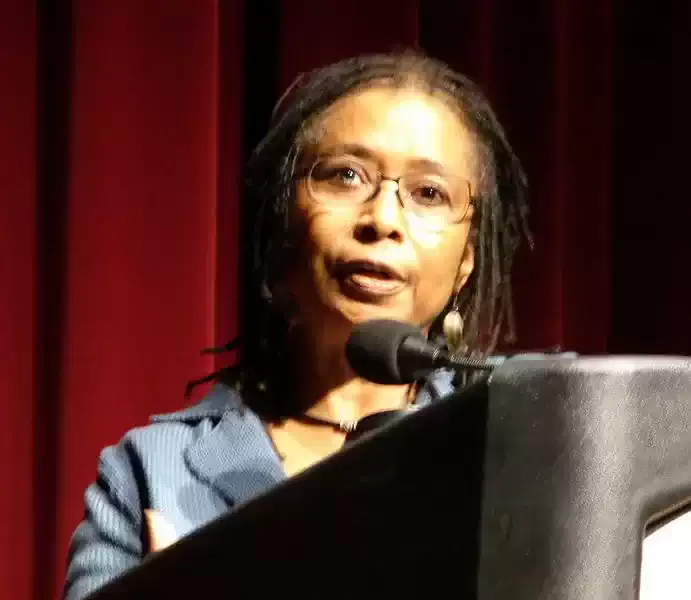
Alice Walker
Working Class Hero
Working Class Hero
My brothers knew
The things you know.
I did not scorn
learning them;
It’s just my mind
Was busy being trained
For “Other Things”:
Poetry, Philosophy, Literature.
Survival, for a girl.
But now,
What a relief
To see you understand
The ways
Of horses
Their shyness
& hatred
Of
Loneliness:
That you will not
Hesitate
To rescue
An old horse,
Dying on
His feet
&
That you will
Cheerfully
Wash him,
Aged
&
Incontinent
Head
To
Toe. Missing
With your bucket
&
Rag
Not
One
Hidden
Crevice
As he
Trembles
& weeps.
What peace
To see
Raising chickens
Does not
Mystify you
and
Hot water heaters
& their ways
Are well known;
That electricity
& how it
Works
Is something
Within
Your grasp.
That you can
Get a car
To run
By poking
It in
A few mysterious
Places
Under
The hood.
That you can
Fix a
Broken
Anything: battery, truck, stove,
Door, fridge, lamp, chicken coop hinge
While teaching me
The ins and outs
Of Opera
Or
While singing
Lusty
Italian
Tenor
That
Shakes
The walls.
That you can
Sit, comfy,
Unperturbed
By traffic
In the womb-like
Back seat
Of my
Aging
Chariot
While I drive
& you
Ride
The silver
Black
& Golden
Horses
Of
Your
Trumpet.
My brothers knew
The things you know.
I did not scorn
learning them;
It’s just my mind
Was busy being trained
For “Other Things”:
Poetry, Philosophy, Literature.
Survival, for a girl.
But now,
What a relief
To see you understand
The ways
Of horses
Their shyness
& hatred
Of
Loneliness:
That you will not
Hesitate
To rescue
An old horse,
Dying on
His feet
&
That you will
Cheerfully
Wash him,
Aged
&
Incontinent
Head
To
Toe. Missing
With your bucket
&
Rag
Not
One
Hidden
Crevice
As he
Trembles
& weeps.
What peace
To see
Raising chickens
Does not
Mystify you
and
Hot water heaters
& their ways
Are well known;
That electricity
& how it
Works
Is something
Within
Your grasp.
That you can
Get a car
To run
By poking
It in
A few mysterious
Places
Under
The hood.
That you can
Fix a
Broken
Anything: battery, truck, stove,
Door, fridge, lamp, chicken coop hinge
While teaching me
The ins and outs
Of Opera
Or
While singing
Lusty
Italian
Tenor
That
Shakes
The walls.
That you can
Sit, comfy,
Unperturbed
By traffic
In the womb-like
Back seat
Of my
Aging
Chariot
While I drive
& you
Ride
The silver
Black
& Golden
Horses
Of
Your
Trumpet.
265
Alice Walker
What Makes The Dalai Lama Lovable?
What Makes The Dalai Lama Lovable?
His posture
From so many years
Holding his robe with one hand
Is odd.
His gait
Also.
One's own body
Aches
Witnessing
The sloping
Shoulders
& Angled
Neck;
One hopes
He
Attends
Yoga class
Or does Yoga
On his own
As part
Of prayer.
He smiles
As he bows
To Everything:
Accepting
The heavy
Burdens
Of
This earth;
It's
Toxic
Evils
& Prolific
Insults.
Even so,
He sleeps
Through
The night
Like a child
Because
Thank goodness
That is something
Else
Daylong
Meditation
Assures.
You could cry
Yourself to sleep
On his behalf
& He
Has done that
Too.
Life
Has been
A great
Endless
Tearing away
For
Him.
From
Mother, Father, Siblings, Country, Home.
And yet
Clearly
His mother
Loved him;
His brother & sister
Too:
Even his
Not so constant father,
Who
When Tenzin was
A boy
Shared
With him
Delicious
Scraps
Of
Succulent
Pork.
He laughs
Telling this
Story
Over half a century
Later
&
To who knows
How many
Puzzled
Vegetarians:
About
The way he sat
Behind
His father's chair
Like a dog,
Relishing
Each juicy
Greasy
Bite.
Whenever I see
The Dalai Lama
My first impulse
Is to laugh
I am so happy
To
Lay eyes
On
One
So effortlessly
Beautiful.
That balding head
That holds
A shine;
Those wire framed
Glasses
That might
Have come
From
Anywhere.
His look of having given
All he has.
He is my teacher;
Just staying alive.
Other teachers
I have had
Resemble him
In some way;
They too
Were
&
Are
Smart
And Humble;
Fascinated
By Science & things like
Time,
Eternity,
Cause & Effect;
The Evolution
Of the Soul.
A soul
That
Might
Or might not
Exist.
They too
See all of us
-Banker, murderer, gardener, thief -
When they look
Out across
The world:
But that is not all
They see.
They see our suffering;
Our striving
To find
The right path;
The one with heart
We may only
Have heard
About.
The Dalai Lama is Cool
A modern word
For
"Divine"
Because he wants
Only
Our collective
Health
& Happiness.
That's it!
What makes
Him
Lovable
Is
His holiness.
His posture
From so many years
Holding his robe with one hand
Is odd.
His gait
Also.
One's own body
Aches
Witnessing
The sloping
Shoulders
& Angled
Neck;
One hopes
He
Attends
Yoga class
Or does Yoga
On his own
As part
Of prayer.
He smiles
As he bows
To Everything:
Accepting
The heavy
Burdens
Of
This earth;
It's
Toxic
Evils
& Prolific
Insults.
Even so,
He sleeps
Through
The night
Like a child
Because
Thank goodness
That is something
Else
Daylong
Meditation
Assures.
You could cry
Yourself to sleep
On his behalf
& He
Has done that
Too.
Life
Has been
A great
Endless
Tearing away
For
Him.
From
Mother, Father, Siblings, Country, Home.
And yet
Clearly
His mother
Loved him;
His brother & sister
Too:
Even his
Not so constant father,
Who
When Tenzin was
A boy
Shared
With him
Delicious
Scraps
Of
Succulent
Pork.
He laughs
Telling this
Story
Over half a century
Later
&
To who knows
How many
Puzzled
Vegetarians:
About
The way he sat
Behind
His father's chair
Like a dog,
Relishing
Each juicy
Greasy
Bite.
Whenever I see
The Dalai Lama
My first impulse
Is to laugh
I am so happy
To
Lay eyes
On
One
So effortlessly
Beautiful.
That balding head
That holds
A shine;
Those wire framed
Glasses
That might
Have come
From
Anywhere.
His look of having given
All he has.
He is my teacher;
Just staying alive.
Other teachers
I have had
Resemble him
In some way;
They too
Were
&
Are
Smart
And Humble;
Fascinated
By Science & things like
Time,
Eternity,
Cause & Effect;
The Evolution
Of the Soul.
A soul
That
Might
Or might not
Exist.
They too
See all of us
-Banker, murderer, gardener, thief -
When they look
Out across
The world:
But that is not all
They see.
They see our suffering;
Our striving
To find
The right path;
The one with heart
We may only
Have heard
About.
The Dalai Lama is Cool
A modern word
For
"Divine"
Because he wants
Only
Our collective
Health
& Happiness.
That's it!
What makes
Him
Lovable
Is
His holiness.
263
Alice Walker
Turning Madness Into Flowers #1
Turning Madness Into Flowers #1
If my sorrow were deeper
I'd be, along with you, under
the ocean's floor;
but today I learn that the oil
that pools beneath the ocean floor
is essence
residue
remains
of all our
relations
all
our ancestors who have died and turned to oil
without our witness
eons ago.
We've always belonged to them.
Speaking for you, hanging, weeping, over the water's edge
as well as for myself.
It is our grief
heavy, relentless,
trudging
us, however resistant,
to the decaying and rotten
bottom of things:
our grief bringing
us home.
If my sorrow were deeper
I'd be, along with you, under
the ocean's floor;
but today I learn that the oil
that pools beneath the ocean floor
is essence
residue
remains
of all our
relations
all
our ancestors who have died and turned to oil
without our witness
eons ago.
We've always belonged to them.
Speaking for you, hanging, weeping, over the water's edge
as well as for myself.
It is our grief
heavy, relentless,
trudging
us, however resistant,
to the decaying and rotten
bottom of things:
our grief bringing
us home.
18
Alice Walker
Knowing you might some day come
Knowing you might some day come
Knowing you might some day come
and how unprepared I’ve always
been
like Mr. Sloppy
in Charles Dickens’
our Mutual Friend
I made a list:
not meat, vegetables, beer and pudding
but number l, warmth.
number 2, warmth.
number 3, warmth.
number 4, a good snuggler.
number 5, someone who sings
while he/she works.
number 6, a dancer.
number 7, someone who grows & is
intrigued by
the mind. And
by the spirit too.
Number 7, someone who is loved
by animals; and loves
them back without
a thought.
number 8, someone who smells
delicious.
number 9, someone whose anger
lasts no longer than mine.
number 10, someone who
stands beside me. behind me. If necessary
in front of me.
number 11, someone who
is a passable cook.
number 12, Someone who laughs
a lot, thinks I have a fine
sense
of humor
& has friends.
number 13, someone who can be
original in dress:
stylish
warlock –In silver, lapis
& black – to my witch.
Knowing you might some day come
and how unprepared I’ve always
been
like Mr. Sloppy
in Charles Dickens’
our Mutual Friend
I made a list:
not meat, vegetables, beer and pudding
but number l, warmth.
number 2, warmth.
number 3, warmth.
number 4, a good snuggler.
number 5, someone who sings
while he/she works.
number 6, a dancer.
number 7, someone who grows & is
intrigued by
the mind. And
by the spirit too.
Number 7, someone who is loved
by animals; and loves
them back without
a thought.
number 8, someone who smells
delicious.
number 9, someone whose anger
lasts no longer than mine.
number 10, someone who
stands beside me. behind me. If necessary
in front of me.
number 11, someone who
is a passable cook.
number 12, Someone who laughs
a lot, thinks I have a fine
sense
of humor
& has friends.
number 13, someone who can be
original in dress:
stylish
warlock –In silver, lapis
& black – to my witch.
260
Alice Walker
Blessed Are The Poor In Spirit
Blessed Are The Poor In Spirit
Did you ever understand this?
If my spirit was poor, how could I enter heaven?
Was I depressed?
Understanding editing,
I see how a comma, removed or inserted
with careful plan,
can change everything.
I was reminded of this
when a poor young man
in Tunisia
desperate to live
and humiliated for trying
set himself ablaze;
I felt uncomfortably warm
as if scalded by his shame.
I do not have to sell vegetables from a cart as he did
or live in narrow rooms too small for spacious thought;
and, at this late date,
I do not worry that someone will
remove every single opportunity
for me to thrive.
Still, I am connected to, inseparable from,
this young man.
Blessed are the poor, in spirit, for theirs is the kingdom of heaven.
Jesus. (Commas restored) .
Jesus was as usual talking about solidarity: about how we join with others
and, in spirit, feel the world, and suffering, the same as them.
This is the kingdom of owning the other as self, the self as other;
that transforms grief into
peace and delight.
I, and you, might enter the heaven
of right here
through this door.
In this spirit, knowing we are blessed,
we might remain poor
Did you ever understand this?
If my spirit was poor, how could I enter heaven?
Was I depressed?
Understanding editing,
I see how a comma, removed or inserted
with careful plan,
can change everything.
I was reminded of this
when a poor young man
in Tunisia
desperate to live
and humiliated for trying
set himself ablaze;
I felt uncomfortably warm
as if scalded by his shame.
I do not have to sell vegetables from a cart as he did
or live in narrow rooms too small for spacious thought;
and, at this late date,
I do not worry that someone will
remove every single opportunity
for me to thrive.
Still, I am connected to, inseparable from,
this young man.
Blessed are the poor, in spirit, for theirs is the kingdom of heaven.
Jesus. (Commas restored) .
Jesus was as usual talking about solidarity: about how we join with others
and, in spirit, feel the world, and suffering, the same as them.
This is the kingdom of owning the other as self, the self as other;
that transforms grief into
peace and delight.
I, and you, might enter the heaven
of right here
through this door.
In this spirit, knowing we are blessed,
we might remain poor
284
Alice Walker
like it
like it
anyway!
I get to spend time with myself
whenever I want!
I get to feel
more love
than I ever thought
existed!
Everything appears to be made
of the stuff!
I feel this
especially for You! Though I may not remember
exactly which You
you are!
How cool is this!
Still, I get to spend time with myself
whenever I want!
And that is just a taste
as the old people used to say
down in Georgia
when I was a child
of what you get
for getting old.
Reminding us, as they witnessed our curiosity about them, that no matter the losses,
there's something fabulous going on at every stage of Life, something to let go of,
maybe, but for darn sure, something to get!
anyway!
I get to spend time with myself
whenever I want!
I get to feel
more love
than I ever thought
existed!
Everything appears to be made
of the stuff!
I feel this
especially for You! Though I may not remember
exactly which You
you are!
How cool is this!
Still, I get to spend time with myself
whenever I want!
And that is just a taste
as the old people used to say
down in Georgia
when I was a child
of what you get
for getting old.
Reminding us, as they witnessed our curiosity about them, that no matter the losses,
there's something fabulous going on at every stage of Life, something to let go of,
maybe, but for darn sure, something to get!
242
Alice Walker
Be Nobody's Darling
Be Nobody's Darling
Be nobody's darling;
Be an outcast.
Take the contradictions
Of your life
And wrap around
You like a shawl,
To parry stones
To keep you warm.
Watch the people succumb
To madness
With ample cheer;
Let them look askance at you
And you askance reply.
Be an outcast;
Be pleased to walk alone
(Uncool)
Or line the crowded
River beds
With other impetuous
Fools.
Make a merry gathering
On the bank
Where thousands perished
For brave hurt words
They said.
But be nobody's darling;
Be an outcast.
Qualified to live
Among your dead.
Be nobody's darling;
Be an outcast.
Take the contradictions
Of your life
And wrap around
You like a shawl,
To parry stones
To keep you warm.
Watch the people succumb
To madness
With ample cheer;
Let them look askance at you
And you askance reply.
Be an outcast;
Be pleased to walk alone
(Uncool)
Or line the crowded
River beds
With other impetuous
Fools.
Make a merry gathering
On the bank
Where thousands perished
For brave hurt words
They said.
But be nobody's darling;
Be an outcast.
Qualified to live
Among your dead.
279
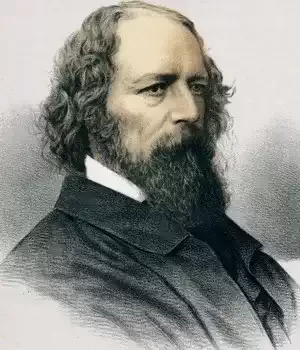
Alfred Lord Tennyson
To Virgil, Written at the Request of the Mantuans for the N
To Virgil, Written at the Request of the Mantuans for the N
Roman Virgil, thou that singest
Ilion's lofty temples robed in fire,
Ilion falling, Rome arising,
wars, and filial faith, and Dido's pyre;
Landscape-lover, lord of language
more than he that sang the "Works and Days,"
All the chosen coin of fancy
flashing out from many a golden phrase;
Thou that singest wheat and woodland,
tilth and vineyard, hive and horse and herd;
All the charm of all the Muses
often flowering in a lonely word;
Poet of the happy Tityrus
piping underneath his beechen bowers;
Poet of the poet-satyr
whom the laughing shepherd bound with flowers;
Chanter of the Pollio, glorying
in the blissful years again to be,
Summers of the snakeless meadow,
unlaborious earth and oarless sea;
Thou that seëst Universal
Nature moved by Universal Mind;
Thou majestic in thy sadness
at the doubtful doom of human kind;
Light among the vanish'd ages;
star that gildest yet this phantom shore;
Golden branch amid the shadows,
kings and realms that pass to rise no more;
Now thy Forum roars no longer,
fallen every purple Cæsar's dome-Tho'
thine ocean-roll of rhythm
sound forever of Imperial Rome-
Now the Rome of slaves hath perish'd,
and the Rome of freemen holds her place,
I, from out the Northern Island
sunder'd once from all the human race,
I salute thee, Mantovano,
I that loved thee since my day began,
Wielder of the stateliest measure
ever moulded by the lips of man.
Roman Virgil, thou that singest
Ilion's lofty temples robed in fire,
Ilion falling, Rome arising,
wars, and filial faith, and Dido's pyre;
Landscape-lover, lord of language
more than he that sang the "Works and Days,"
All the chosen coin of fancy
flashing out from many a golden phrase;
Thou that singest wheat and woodland,
tilth and vineyard, hive and horse and herd;
All the charm of all the Muses
often flowering in a lonely word;
Poet of the happy Tityrus
piping underneath his beechen bowers;
Poet of the poet-satyr
whom the laughing shepherd bound with flowers;
Chanter of the Pollio, glorying
in the blissful years again to be,
Summers of the snakeless meadow,
unlaborious earth and oarless sea;
Thou that seëst Universal
Nature moved by Universal Mind;
Thou majestic in thy sadness
at the doubtful doom of human kind;
Light among the vanish'd ages;
star that gildest yet this phantom shore;
Golden branch amid the shadows,
kings and realms that pass to rise no more;
Now thy Forum roars no longer,
fallen every purple Cæsar's dome-Tho'
thine ocean-roll of rhythm
sound forever of Imperial Rome-
Now the Rome of slaves hath perish'd,
and the Rome of freemen holds her place,
I, from out the Northern Island
sunder'd once from all the human race,
I salute thee, Mantovano,
I that loved thee since my day began,
Wielder of the stateliest measure
ever moulded by the lips of man.
469
Alfred Lord Tennyson
To Edward Lear: on His Travels in Greece
To Edward Lear: on His Travels in Greece
Illyrian woodlands, echoing falls
Of water, sheets of summer glass,
The long divine Peneian pass,
The vast Akrokeraunian walls,
Tomohrit, Athos, all things fair,
With such a pencil, such a pen,
You shadow forth to distant men,
I read and felt that I was there:
And trust me while I turn'd the page,
And track'd you still on classic ground,
I grew in gladness till I found
My spirits in the golden age.
For me the torrent ever pour'd
And glisten'd -- here and there alone
The broad-limb'd gods at random thrown
By fountain urns; -- and Naiads oar'd
A glimmering shoulder under gloom
Of cavern pillars; on the swell
The silver lily heaved and fell;
And many a slope was rich in bloom
From him that on the mountain lea
By dancing rivulets fed his flocks,
To him who sat upon the rocks,
And fluted to the morning sea.
Illyrian woodlands, echoing falls
Of water, sheets of summer glass,
The long divine Peneian pass,
The vast Akrokeraunian walls,
Tomohrit, Athos, all things fair,
With such a pencil, such a pen,
You shadow forth to distant men,
I read and felt that I was there:
And trust me while I turn'd the page,
And track'd you still on classic ground,
I grew in gladness till I found
My spirits in the golden age.
For me the torrent ever pour'd
And glisten'd -- here and there alone
The broad-limb'd gods at random thrown
By fountain urns; -- and Naiads oar'd
A glimmering shoulder under gloom
Of cavern pillars; on the swell
The silver lily heaved and fell;
And many a slope was rich in bloom
From him that on the mountain lea
By dancing rivulets fed his flocks,
To him who sat upon the rocks,
And fluted to the morning sea.
408
Alfred Lord Tennyson
The Splendor Falls
The Splendor Falls
The splendor falls on castle walls
And snowy summits old in story:
The long light shakes across the lakes
And the wild cataract leaps in glory.
Blow, bugle, blow, set the wild echoes flying,
Blow, bugle; answer, echoes dying, dying, dying.
O hark, O hear! how thin and clear,
And thinner, clearer, farther going!
O sweet and far from cliff and scar
The horns of Elfland faintly blowing!
Blow, let us hear the purple glens replying,
Blow, bugle; answer, echoes dying, dying, dying.
O love they die in yon rich sky,
They faint on hill or field, or river:
Our echoes roll from soul to soul,
And grow forever and forever.
Blow, bugle, blow, set the wild echoes flying,
And answer, echoes, answer, dying, dying, dying.
The splendor falls on castle walls
And snowy summits old in story:
The long light shakes across the lakes
And the wild cataract leaps in glory.
Blow, bugle, blow, set the wild echoes flying,
Blow, bugle; answer, echoes dying, dying, dying.
O hark, O hear! how thin and clear,
And thinner, clearer, farther going!
O sweet and far from cliff and scar
The horns of Elfland faintly blowing!
Blow, let us hear the purple glens replying,
Blow, bugle; answer, echoes dying, dying, dying.
O love they die in yon rich sky,
They faint on hill or field, or river:
Our echoes roll from soul to soul,
And grow forever and forever.
Blow, bugle, blow, set the wild echoes flying,
And answer, echoes, answer, dying, dying, dying.
491
Alfred Lord Tennyson
Tithonus
Tithonus
The woods decay, the woods decay and fall,
The vapours weep their burthen to the ground,
Man comes and tills the field and lies beneath,
And after many a summer dies the swan.
Me only cruel immortality
Consumes; I wither slowly in thine arms,
Here at the quiet limit of the world,
A white-hair'd shadow roaming like a dream
The ever-silent spaces of the East,
Far-folded mists, and gleaming halls of morn.
Alas! for this gray shadow, once a man-So
glorious in his beauty and thy choice,
Who madest him thy chosen, that he seem'd
To his great heart none other than a God!
I ask'd thee, "Give me immortality."
Then didst thou grant mine asking with a smile,
Like wealthy men who care not how they give.
But thy strong Hours indignant work'd their wills,
And beat me down and marr'd and wasted me,
And tho' they could not end me, left me maim'd
To dwell in presence of immortal youth,
Immortal age beside immortal youth,
And all I was in ashes. Can thy love
Thy beauty, make amends, tho' even now,
Close over us, the silver star, thy guide,
Shines in those tremulous eyes that fill with tears
To hear me? Let me go: take back thy gift:
Why should a man desire in any way
To vary from the kindly race of men,
Or pass beyond the goal of ordinance
Where all should pause, as is most meet for all?
A soft air fans the cloud apart; there comes
A glimpse of that dark world where I was born.
Once more the old mysterious glimmer steals
From any pure brows, and from thy shoulders pure,
And bosom beating with a heart renew'd.
Thy cheek begins to redden thro' the gloom,
Thy sweet eyes brighten slowly close to mine,
Ere yet they blind the stars, and the wild team
Which love thee, yearning for thy yoke, arise,
And shake the darkness from their loosen'd manes,
And beat the twilight into flakes of fire.
Lo! ever thus thou growest beautiful
In silence, then before thine answer given
Departest, and thy tears are on my cheek.
Why wilt thou ever scare me with thy tears,
And make me tremble lest a saying learnt,
In days far-off, on that dark earth, be true?
"The Gods themselves cannot recall their gifts."
Ay me! ay me! with what another heart
In days far-off, and with what other eyes
I used to watch if I be he that watch'd
The lucid outline forming round thee; saw
The dim curls kindle into sunny rings;
Changed with thy mystic change, and felt my blood
Glow with the glow that slowly crimson'd all
Thy presence and thy portals, while I lay,
Mouth, forehead, eyelids, growing dewy-warm
With kisses balmier than half-opening buds
Of April, and could hear the lips that kiss'd
Whispering I knew not what of wild and sweet,
Like that strange song I heard Apollo sing,
While Ilion like a mist rose into towers.
Yet hold me not for ever in thine East;
How can my nature longer mix with thine?
Coldly thy rosy shadows bathe me, cold
Are all thy lights, and cold my wrinkled feet
Upon thy glimmering thresholds, when the steam
Floats up from those dim fields about the homes
Of happy men that have the power to die,
And grassy barrows of the happier dead.
Release me, and restore me to the ground;
Thou seest all things, thou wilt see my grave:
Thou wilt renew thy beauty morn by morn;
I earth in earth forget these empty courts,
And thee returning on thy silver wheels.
The woods decay, the woods decay and fall,
The vapours weep their burthen to the ground,
Man comes and tills the field and lies beneath,
And after many a summer dies the swan.
Me only cruel immortality
Consumes; I wither slowly in thine arms,
Here at the quiet limit of the world,
A white-hair'd shadow roaming like a dream
The ever-silent spaces of the East,
Far-folded mists, and gleaming halls of morn.
Alas! for this gray shadow, once a man-So
glorious in his beauty and thy choice,
Who madest him thy chosen, that he seem'd
To his great heart none other than a God!
I ask'd thee, "Give me immortality."
Then didst thou grant mine asking with a smile,
Like wealthy men who care not how they give.
But thy strong Hours indignant work'd their wills,
And beat me down and marr'd and wasted me,
And tho' they could not end me, left me maim'd
To dwell in presence of immortal youth,
Immortal age beside immortal youth,
And all I was in ashes. Can thy love
Thy beauty, make amends, tho' even now,
Close over us, the silver star, thy guide,
Shines in those tremulous eyes that fill with tears
To hear me? Let me go: take back thy gift:
Why should a man desire in any way
To vary from the kindly race of men,
Or pass beyond the goal of ordinance
Where all should pause, as is most meet for all?
A soft air fans the cloud apart; there comes
A glimpse of that dark world where I was born.
Once more the old mysterious glimmer steals
From any pure brows, and from thy shoulders pure,
And bosom beating with a heart renew'd.
Thy cheek begins to redden thro' the gloom,
Thy sweet eyes brighten slowly close to mine,
Ere yet they blind the stars, and the wild team
Which love thee, yearning for thy yoke, arise,
And shake the darkness from their loosen'd manes,
And beat the twilight into flakes of fire.
Lo! ever thus thou growest beautiful
In silence, then before thine answer given
Departest, and thy tears are on my cheek.
Why wilt thou ever scare me with thy tears,
And make me tremble lest a saying learnt,
In days far-off, on that dark earth, be true?
"The Gods themselves cannot recall their gifts."
Ay me! ay me! with what another heart
In days far-off, and with what other eyes
I used to watch if I be he that watch'd
The lucid outline forming round thee; saw
The dim curls kindle into sunny rings;
Changed with thy mystic change, and felt my blood
Glow with the glow that slowly crimson'd all
Thy presence and thy portals, while I lay,
Mouth, forehead, eyelids, growing dewy-warm
With kisses balmier than half-opening buds
Of April, and could hear the lips that kiss'd
Whispering I knew not what of wild and sweet,
Like that strange song I heard Apollo sing,
While Ilion like a mist rose into towers.
Yet hold me not for ever in thine East;
How can my nature longer mix with thine?
Coldly thy rosy shadows bathe me, cold
Are all thy lights, and cold my wrinkled feet
Upon thy glimmering thresholds, when the steam
Floats up from those dim fields about the homes
Of happy men that have the power to die,
And grassy barrows of the happier dead.
Release me, and restore me to the ground;
Thou seest all things, thou wilt see my grave:
Thou wilt renew thy beauty morn by morn;
I earth in earth forget these empty courts,
And thee returning on thy silver wheels.
673
Alfred Lord Tennyson
The Princess: A Medley: Thy Voice is Heard
The Princess: A Medley: Thy Voice is Heard
Thy voice is heard thro' rolling drums,
That beat to battle where he stands;
Thy face across his fancy comes,
And gives the battle to his hands:
A moment, while the trumpets blow,
He sees his brood about thy knee;
The next, like fire he meets the foe,
And strikes him dead for thine and thee.
Thy voice is heard thro' rolling drums,
That beat to battle where he stands;
Thy face across his fancy comes,
And gives the battle to his hands:
A moment, while the trumpets blow,
He sees his brood about thy knee;
The next, like fire he meets the foe,
And strikes him dead for thine and thee.
446
Alfred Lord Tennyson
The Princess: A Medley: Now Sleeps the Crimson Petal
The Princess: A Medley: Now Sleeps the Crimson Petal
Now sleeps the crimson petal, now the white;
Nor waves the cypress in the palace walk;
Nor winks the gold fin in the porphyry font:
The fire-fly wakens: waken thou with me.
Now droops the milk-white peacock like a ghost,
And like a ghost she glimmers on to me.
Now lies the earth all Danaë to the stars,
And all thy heart lies open unto me.
Now slides the silent meteor on, and leaves
A shining furrow, as thy thoughts in me.
Now folds the lily all her sweetness up,
And slips into the bosom of the lake:
So fold thyself, my dearest, thou, and slip
Into my bosom and be lost in me.
Now sleeps the crimson petal, now the white;
Nor waves the cypress in the palace walk;
Nor winks the gold fin in the porphyry font:
The fire-fly wakens: waken thou with me.
Now droops the milk-white peacock like a ghost,
And like a ghost she glimmers on to me.
Now lies the earth all Danaë to the stars,
And all thy heart lies open unto me.
Now slides the silent meteor on, and leaves
A shining furrow, as thy thoughts in me.
Now folds the lily all her sweetness up,
And slips into the bosom of the lake:
So fold thyself, my dearest, thou, and slip
Into my bosom and be lost in me.
383
Alfred Lord Tennyson
The Palace of Art
The Palace of Art
I built my soul a lordly pleasure-house,
Wherein at ease for aye to dwell.
I said, "O Soul, make merry and carouse,
Dear soul, for all is well."
A huge crag-platform, smooth as burnish'd brass
I chose. The ranged ramparts bright
From level meadow-bases of deep grass
Suddenly scaled the light.
Thereon I built it firm. Of ledge or shelf
The rock rose clear, or winding stair.
My soul would live alone unto herself
In her high palace there.
And "while the world runs round and round," I said,
"Reign thou apart, a quiet king,
Still as, while Saturn whirls, his steadfast shade
Sleeps on his luminous ring."
To which my soul made answer readily:
"Trust me, in bliss I shall abide
In this great mansion, that is built for me,
So royal-rich and wide."* * * * *
Four courts I made, East, West and South and North,
In each a squared lawn, wherefrom
The golden gorge of dragons spouted forth
A flood of fountain-foam.
And round the cool green courts there ran a row
Of cloisters, branch'd like mighty woods,
Echoing all night to that sonorous flow
Of spouted fountain-floods.
And round the roofs a gilded gallery
That lent broad verge to distant lands,
Far as the wild swan wings, to where the sky
Dipt down to sea and sands.
From those four jets four currents in one swell
Across the mountain stream'd below
In misty folds, that floating as they fell
Lit up a torrent-bow.
And high on every peak a statue seem'd
To hang on tiptoe, tossing up
A cloud of incense of all odour steam'd
From out a golden cup.
So that she thought, "And who shall gaze upon
My palace with unblinded eyes,
While this great bow will waver in the sun,
And that sweet incense rise?"
For that sweet incense rose and never fail'd,
And, while day sank or mounted higher,
The light aërial gallery, golden-rail'd,
Burnt like a fringe of fire.
Likewise the deep-set windows, stain'd and traced,
Would seem slow-flaming crimson fires
From shadow'd grots of arches interlaced,
And tipt with frost-like spires.* * * * *
Full of long-sounding corridors it was,
That over-vaulted grateful gloom,
Thro' which the livelong day my soul did pass,
Well-pleased, from room to room.
Full of great rooms and small the palace stood,
All various, each a perfect whole
From living Nature, fit for every mood
And change of my still soul.
For some were hung with arras green and blue,
Showing a gaudy summer-morn,
Where with puff'd cheek the belted hunter blew
His wreathed bugle-horn.
One seem'd all dark and red--a tract of sand,
And some one pacing there alone,
Who paced for ever in a glimmering land,
Lit with a low large moon.
One show'd an iron coast and angry waves.
You seem'd to hear them climb and fall
And roar rock-thwarted under bellowing caves,
Beneath the windy wall.
And one, a full-fed river winding slow
By herds upon an endless plain,
The ragged rims of thunder brooding low,
With shadow-streaks of rain.
And one, the reapers at their sultry toil.
In front they bound the sheaves. Behind
Were realms of upland, prodigal in oil,
And hoary to the wind.
And one a foreground black with stones and slags,
Beyond, a line of heights, and higher
All barr'd with long white cloud the scornful crags,
And highest, snow and fire.
And one, an English home--gray twilight pour'd
On dewy pastures, dewy trees,
Softer than sleep--all things in order stored,
A haunt of ancient Peace.
Nor these alone, but every landscape fair,
As fit for every mood of mind,
Or gay, or grave, or sweet, or stern, was there,
Not less than truth design'd.* * * * *
Or the maid-mother by a crucifix,
In tracts of pasture sunny-warm,
Beneath branch-work of costly sardonyx
Sat smiling, babe in arm.
Or in a clear-wall'd city on the sea,
Near gilded organ-pipes, her hair
Wound with white roses, slept St. Cecily;
An angel look'd at her.
Or thronging all one porch of Paradise
A group of Houris bow'd to see
The dying Islamite, with hands and eyes
That said, We wait for thee.
Or mythic Uther's deeply-wounded son
In some fair space of sloping greens
Lay, dozing in the vale of Avalon,
And watch'd by weeping queens.
Or hollowing one hand against his ear,
To list a foot-fall, ere he saw
The wood-nymph, stay'd the Ausonian king to hear
Of wisdom and of law.
Or over hills with peaky tops engrail'd,
And many a tract of palm and rice,
The throne of Indian Cama slowly sail'd
A summer fann'd with spice.
Or sweet Europa's mantle blew unclasp'd,
From off her shoulder backward borne:
From one hand droop'd a crocus: one hand grasp'd
The mild bull's golden horn.
Or else flush'd Ganymede, his rosy thigh
Half-buried in the Eagle's down,
Sole as a flying star shot thro' the sky
Above the pillar'd town.
Nor these alone; but every legend fair
Which the supreme Caucasian mind
Carved out of Nature for itself, was there,
Not less than life, design'd.* * * * *
Then in the towers I placed great bells that swung,
Moved of themselves, with silver sound;
And with choice paintings of wise men I hung
The royal dais round.
For there was Milton like a seraph strong,
Beside him Shakespeare bland and mild;
And there the world-worn Dante grasp'd his song,
And somewhat grimly smiled.
And there the Ionian father of the rest;
A million wrinkles carved his skin;
A hundred winters snow'd upon his breast,
From cheek and throat and chin.
Above, the fair hall-ceiling stately-set
Many an arch high up did lift,
And angels rising and descending met
With interchange of gift.
Below was all mosaic choicely plann'd
With cycles of the human tale
Of this wide world, the times of every land
So wrought, they will not fail.
The people here, a beast of burden slow,
Toil'd onward, prick'd with goads and stings;
Here play'd, a tiger, rolling to and fro
The heads and crowns of kings;
Here rose, an athlete, strong to break or bind
All force in bonds that might endure,
And here once more like some sick man declined,
And trusted any cure.
But over these she trod: and those great bells
Began to chime. She took her throne:
She sat betwixt the shining Oriels,
To sing her songs alone.
And thro' the topmost Oriels' coloured flame
Two godlike faces gazed below;
Plato the wise, and large brow'd Verulam,
The first of those who know.
And all those names, that in their motion were
Full-welling fountain-heads of change,
Betwixt the slender shafts were blazon'd fair
In diverse raiment strange:
Thro' which the lights, rose, amber, emerald, blue,
Flush'd in her temples and her eyes,
And from her lips, as morn from Memnon, drew
Rivers of melodies.
No nightingale delighteth to prolong
Her low preamble all alone,
More than my soul to hear her echo'd song
Throb thro' the ribbed stone;
Singing and murmuring in her feastful mirth,
Joying to feel herself alive,
Lord over Nature, Lord of the visible earth,
Lord of the senses five;
Communing with herself: "All these are mine,
And let the world have peace or wars,
'T is one to me." She--when young night divine
Crown'd dying day with stars,
Making sweet close of his delicious toils-Lit
light in wreaths and anadems,
And pure quintessences of precious oils
In hollow'd moons of gems,
To mimic heaven; and clapt her hands and cried,
"I marvel if my still delight
In this great house so royal-rich, and wide,
Be flatter'd to the height.
"O all things fair to sate my various eyes!
O shapes and hues that please me well!
O silent faces of the Great and Wise,
My Gods, with whom I dwell!
"O God-like isolation which art mine,
I can but count thee perfect gain,
What time I watch the darkening droves of swine
That range on yonder plain.
"In filthy sloughs they roll a prurient skin,
They graze and wallow, breed and sleep;
And oft some brainless devil enters in,
And drives them to the deep."
Then of the moral instinct would she prate
And of the rising from the dead,
As hers by right of full accomplish'd Fate;
And at the last she said:
"I take possession of man's mind and deed.
I care not what the sects may brawl.
I sit as God holding no form of creed,
But contemplating all."* * * * *
Full oft the riddle of the painful earth
Flash'd thro' her as she sat alone,
Yet not the less held she her solemn mirth,
And intellectual throne.
And so she throve and prosper'd; so three years
She prosper'd: on the fourth she fell,
Like Herod, when the shout was in his ears,
Struck thro' with pangs of hell.
Lest she should fail and perish utterly,
God, before whom ever lie bare
The abysmal deeps of Personality,
Plagued her with sore despair.
When she would think, where'er she turn'd her sight
The airy hand confusion wrought,
Wrote, "Mene, mene," and divided quite
The kingdom of her thought.
Deep dread and loathing of her solitude
Fell on her, from which mood was born
Scorn of herself; again, from out that mood
Laughter at her self-scorn.
"What! is not this my place of strength," she said,
"My spacious mansion built for me,
Whereof the strong foundation-stones were laid
Since my first memory?"
But in dark corners of her palace stood
Uncertain shapes; and unawares
On white-eyed phantasms weeping tears of blood,
And horrible nightmares,
And hollow shades enclosing hearts of flame,
And, with dim fretted foreheads all,
On corpses three-months-old at noon she came,
That stood against the wall.
A spot of dull stagnation, without light
Or power of movement, seem'd my soul,
'Mid onward-sloping motions infinite
Making for one sure goal.
A still salt pool, lock'd in with bars of sand,
Left on the shore, that hears all night
The plunging seas draw backward from the land
Their moon-led waters white.
A star that with the choral starry dance
Join'd not, but stood, and standing saw
The hollow orb of moving Circumstance
Roll'd round by one fix'd law.
Back on herself her serpent pride had curl'd.
"No voice," she shriek'd in that lone hall,
"No voice breaks thro' the stillness of this world:
One deep, deep silence all!"
She, mouldering with the dull earth's mouldering sod,
Inwrapt tenfold in slothful shame,
Lay there exiled from eternal God,
Lost to her place and name;
And death and life she hated equally,
And nothing saw, for her despair,
But dreadful time, dreadful eternity,
No comfort anywhere;
Remaining utterly confused with fears,
And ever worse with growing time,
And ever unrelieved by dismal tears,
And all alone in crime:
Shut up as in a crumbling tomb, girt round
With blackness as a solid wall,
Far off she seem'd to hear the dully sound
Of human footsteps fall.
As in strange lands a traveller walking slow,
In doubt and great perplexity,
A little before moon-rise hears the low
Moan of an unknown sea;
And knows not if it be thunder, or a sound
Of rocks thrown down, or one deep cry
Of great wild beasts; then thinketh, "I have found
A new land, but I die."
She howl'd aloud, "I am on fire within.
There comes no murmur of reply.
What is it that will take away my sin,
And save me lest I die?"
So when four years were wholly finished,
She threw her royal robes away.
"Make me a cottage in the vale," she said,
"Where I may mourn and pray.
"Yet pull not down my palace towers, that are
So lightly, beautifully built:
Perchance I may return with others there
When I have purged my guilt."
I built my soul a lordly pleasure-house,
Wherein at ease for aye to dwell.
I said, "O Soul, make merry and carouse,
Dear soul, for all is well."
A huge crag-platform, smooth as burnish'd brass
I chose. The ranged ramparts bright
From level meadow-bases of deep grass
Suddenly scaled the light.
Thereon I built it firm. Of ledge or shelf
The rock rose clear, or winding stair.
My soul would live alone unto herself
In her high palace there.
And "while the world runs round and round," I said,
"Reign thou apart, a quiet king,
Still as, while Saturn whirls, his steadfast shade
Sleeps on his luminous ring."
To which my soul made answer readily:
"Trust me, in bliss I shall abide
In this great mansion, that is built for me,
So royal-rich and wide."* * * * *
Four courts I made, East, West and South and North,
In each a squared lawn, wherefrom
The golden gorge of dragons spouted forth
A flood of fountain-foam.
And round the cool green courts there ran a row
Of cloisters, branch'd like mighty woods,
Echoing all night to that sonorous flow
Of spouted fountain-floods.
And round the roofs a gilded gallery
That lent broad verge to distant lands,
Far as the wild swan wings, to where the sky
Dipt down to sea and sands.
From those four jets four currents in one swell
Across the mountain stream'd below
In misty folds, that floating as they fell
Lit up a torrent-bow.
And high on every peak a statue seem'd
To hang on tiptoe, tossing up
A cloud of incense of all odour steam'd
From out a golden cup.
So that she thought, "And who shall gaze upon
My palace with unblinded eyes,
While this great bow will waver in the sun,
And that sweet incense rise?"
For that sweet incense rose and never fail'd,
And, while day sank or mounted higher,
The light aërial gallery, golden-rail'd,
Burnt like a fringe of fire.
Likewise the deep-set windows, stain'd and traced,
Would seem slow-flaming crimson fires
From shadow'd grots of arches interlaced,
And tipt with frost-like spires.* * * * *
Full of long-sounding corridors it was,
That over-vaulted grateful gloom,
Thro' which the livelong day my soul did pass,
Well-pleased, from room to room.
Full of great rooms and small the palace stood,
All various, each a perfect whole
From living Nature, fit for every mood
And change of my still soul.
For some were hung with arras green and blue,
Showing a gaudy summer-morn,
Where with puff'd cheek the belted hunter blew
His wreathed bugle-horn.
One seem'd all dark and red--a tract of sand,
And some one pacing there alone,
Who paced for ever in a glimmering land,
Lit with a low large moon.
One show'd an iron coast and angry waves.
You seem'd to hear them climb and fall
And roar rock-thwarted under bellowing caves,
Beneath the windy wall.
And one, a full-fed river winding slow
By herds upon an endless plain,
The ragged rims of thunder brooding low,
With shadow-streaks of rain.
And one, the reapers at their sultry toil.
In front they bound the sheaves. Behind
Were realms of upland, prodigal in oil,
And hoary to the wind.
And one a foreground black with stones and slags,
Beyond, a line of heights, and higher
All barr'd with long white cloud the scornful crags,
And highest, snow and fire.
And one, an English home--gray twilight pour'd
On dewy pastures, dewy trees,
Softer than sleep--all things in order stored,
A haunt of ancient Peace.
Nor these alone, but every landscape fair,
As fit for every mood of mind,
Or gay, or grave, or sweet, or stern, was there,
Not less than truth design'd.* * * * *
Or the maid-mother by a crucifix,
In tracts of pasture sunny-warm,
Beneath branch-work of costly sardonyx
Sat smiling, babe in arm.
Or in a clear-wall'd city on the sea,
Near gilded organ-pipes, her hair
Wound with white roses, slept St. Cecily;
An angel look'd at her.
Or thronging all one porch of Paradise
A group of Houris bow'd to see
The dying Islamite, with hands and eyes
That said, We wait for thee.
Or mythic Uther's deeply-wounded son
In some fair space of sloping greens
Lay, dozing in the vale of Avalon,
And watch'd by weeping queens.
Or hollowing one hand against his ear,
To list a foot-fall, ere he saw
The wood-nymph, stay'd the Ausonian king to hear
Of wisdom and of law.
Or over hills with peaky tops engrail'd,
And many a tract of palm and rice,
The throne of Indian Cama slowly sail'd
A summer fann'd with spice.
Or sweet Europa's mantle blew unclasp'd,
From off her shoulder backward borne:
From one hand droop'd a crocus: one hand grasp'd
The mild bull's golden horn.
Or else flush'd Ganymede, his rosy thigh
Half-buried in the Eagle's down,
Sole as a flying star shot thro' the sky
Above the pillar'd town.
Nor these alone; but every legend fair
Which the supreme Caucasian mind
Carved out of Nature for itself, was there,
Not less than life, design'd.* * * * *
Then in the towers I placed great bells that swung,
Moved of themselves, with silver sound;
And with choice paintings of wise men I hung
The royal dais round.
For there was Milton like a seraph strong,
Beside him Shakespeare bland and mild;
And there the world-worn Dante grasp'd his song,
And somewhat grimly smiled.
And there the Ionian father of the rest;
A million wrinkles carved his skin;
A hundred winters snow'd upon his breast,
From cheek and throat and chin.
Above, the fair hall-ceiling stately-set
Many an arch high up did lift,
And angels rising and descending met
With interchange of gift.
Below was all mosaic choicely plann'd
With cycles of the human tale
Of this wide world, the times of every land
So wrought, they will not fail.
The people here, a beast of burden slow,
Toil'd onward, prick'd with goads and stings;
Here play'd, a tiger, rolling to and fro
The heads and crowns of kings;
Here rose, an athlete, strong to break or bind
All force in bonds that might endure,
And here once more like some sick man declined,
And trusted any cure.
But over these she trod: and those great bells
Began to chime. She took her throne:
She sat betwixt the shining Oriels,
To sing her songs alone.
And thro' the topmost Oriels' coloured flame
Two godlike faces gazed below;
Plato the wise, and large brow'd Verulam,
The first of those who know.
And all those names, that in their motion were
Full-welling fountain-heads of change,
Betwixt the slender shafts were blazon'd fair
In diverse raiment strange:
Thro' which the lights, rose, amber, emerald, blue,
Flush'd in her temples and her eyes,
And from her lips, as morn from Memnon, drew
Rivers of melodies.
No nightingale delighteth to prolong
Her low preamble all alone,
More than my soul to hear her echo'd song
Throb thro' the ribbed stone;
Singing and murmuring in her feastful mirth,
Joying to feel herself alive,
Lord over Nature, Lord of the visible earth,
Lord of the senses five;
Communing with herself: "All these are mine,
And let the world have peace or wars,
'T is one to me." She--when young night divine
Crown'd dying day with stars,
Making sweet close of his delicious toils-Lit
light in wreaths and anadems,
And pure quintessences of precious oils
In hollow'd moons of gems,
To mimic heaven; and clapt her hands and cried,
"I marvel if my still delight
In this great house so royal-rich, and wide,
Be flatter'd to the height.
"O all things fair to sate my various eyes!
O shapes and hues that please me well!
O silent faces of the Great and Wise,
My Gods, with whom I dwell!
"O God-like isolation which art mine,
I can but count thee perfect gain,
What time I watch the darkening droves of swine
That range on yonder plain.
"In filthy sloughs they roll a prurient skin,
They graze and wallow, breed and sleep;
And oft some brainless devil enters in,
And drives them to the deep."
Then of the moral instinct would she prate
And of the rising from the dead,
As hers by right of full accomplish'd Fate;
And at the last she said:
"I take possession of man's mind and deed.
I care not what the sects may brawl.
I sit as God holding no form of creed,
But contemplating all."* * * * *
Full oft the riddle of the painful earth
Flash'd thro' her as she sat alone,
Yet not the less held she her solemn mirth,
And intellectual throne.
And so she throve and prosper'd; so three years
She prosper'd: on the fourth she fell,
Like Herod, when the shout was in his ears,
Struck thro' with pangs of hell.
Lest she should fail and perish utterly,
God, before whom ever lie bare
The abysmal deeps of Personality,
Plagued her with sore despair.
When she would think, where'er she turn'd her sight
The airy hand confusion wrought,
Wrote, "Mene, mene," and divided quite
The kingdom of her thought.
Deep dread and loathing of her solitude
Fell on her, from which mood was born
Scorn of herself; again, from out that mood
Laughter at her self-scorn.
"What! is not this my place of strength," she said,
"My spacious mansion built for me,
Whereof the strong foundation-stones were laid
Since my first memory?"
But in dark corners of her palace stood
Uncertain shapes; and unawares
On white-eyed phantasms weeping tears of blood,
And horrible nightmares,
And hollow shades enclosing hearts of flame,
And, with dim fretted foreheads all,
On corpses three-months-old at noon she came,
That stood against the wall.
A spot of dull stagnation, without light
Or power of movement, seem'd my soul,
'Mid onward-sloping motions infinite
Making for one sure goal.
A still salt pool, lock'd in with bars of sand,
Left on the shore, that hears all night
The plunging seas draw backward from the land
Their moon-led waters white.
A star that with the choral starry dance
Join'd not, but stood, and standing saw
The hollow orb of moving Circumstance
Roll'd round by one fix'd law.
Back on herself her serpent pride had curl'd.
"No voice," she shriek'd in that lone hall,
"No voice breaks thro' the stillness of this world:
One deep, deep silence all!"
She, mouldering with the dull earth's mouldering sod,
Inwrapt tenfold in slothful shame,
Lay there exiled from eternal God,
Lost to her place and name;
And death and life she hated equally,
And nothing saw, for her despair,
But dreadful time, dreadful eternity,
No comfort anywhere;
Remaining utterly confused with fears,
And ever worse with growing time,
And ever unrelieved by dismal tears,
And all alone in crime:
Shut up as in a crumbling tomb, girt round
With blackness as a solid wall,
Far off she seem'd to hear the dully sound
Of human footsteps fall.
As in strange lands a traveller walking slow,
In doubt and great perplexity,
A little before moon-rise hears the low
Moan of an unknown sea;
And knows not if it be thunder, or a sound
Of rocks thrown down, or one deep cry
Of great wild beasts; then thinketh, "I have found
A new land, but I die."
She howl'd aloud, "I am on fire within.
There comes no murmur of reply.
What is it that will take away my sin,
And save me lest I die?"
So when four years were wholly finished,
She threw her royal robes away.
"Make me a cottage in the vale," she said,
"Where I may mourn and pray.
"Yet pull not down my palace towers, that are
So lightly, beautifully built:
Perchance I may return with others there
When I have purged my guilt."
486
Alfred Lord Tennyson
The Lady of Shalott (1842)
The Lady of Shalott (1842)
PART I
On either side the river lie
Long fields of barley and of rye,
That clothe the wold and meet the sky;
And thro' the field the road runs by
To many-tower'd Camelot;
And up and down the people go,
Gazing where the lilies blow
Round an island there below,
The island of Shalott.
Willows whiten, aspens quiver,
Little breezes dusk and shiver
Thro' the wave that runs for ever
By the island in the river
Flowing down to Camelot.
Four gray walls, and four gray towers,
Overlook a space of flowers,
And the silent isle imbowers
The Lady of Shalott.
By the margin, willow veil'd,
Slide the heavy barges trail'd
By slow horses; and unhail'd
The shallop flitteth silken-sail'd
Skimming down to Camelot:
But who hath seen her wave her hand?
Or at the casement seen her stand?
Or is she known in all the land,
The Lady of Shalott?
Only reapers, reaping early
In among the bearded barley,
Hear a song that echoes cheerly
From the river winding clearly,
Down to tower'd Camelot:
And by the moon the reaper weary,
Piling sheaves in uplands airy,
Listening, whispers " 'Tis the fairy
Lady of Shalott."PART II
There she weaves by night and day
A magic web with colours gay.
She has heard a whisper say,
A curse is on her if she stay
To look down to Camelot.
She knows not what the curse may be,
And so she weaveth steadily,
And little other care hath she,
The Lady of Shalott.
And moving thro' a mirror clear
That hangs before her all the year,
Shadows of the world appear.
There she sees the highway near
Winding down to Camelot:
There the river eddy whirls,
And there the surly village-churls,
And the red cloaks of market girls,
Pass onward from Shalott.
Sometimes a troop of damsels glad,
An abbot on an ambling pad,
Sometimes a curly shepherd-lad,
Or long-hair'd page in crimson clad,
Goes by to tower'd Camelot;
And sometimes thro' the mirror blue
The knights come riding two and two:
She hath no loyal knight and true,
The Lady of Shalott.
But in her web she still delights
To weave the mirror's magic sights,
For often thro' the silent nights
A funeral, with plumes and lights
And music, went to Camelot:
Or when the moon was overhead,
Came two young lovers lately wed:
"I am half sick of shadows," said
The Lady of Shalott.PART III
A bow-shot from her bower-eaves,
He rode between the barley-sheaves,
The sun came dazzling thro' the leaves,
And flamed upon the brazen greaves
Of bold Sir Lancelot.
A red-cross knight for ever kneel'd
To a lady in his shield,
That sparkled on the yellow field,
Beside remote Shalott.
The gemmy bridle glitter'd free,
Like to some branch of stars we see
Hung in the golden Galaxy.
The bridle bells rang merrily
As he rode down to Camelot:
And from his blazon'd baldric slung
A mighty silver bugle hung,
And as he rode his armour rung,
Beside remote Shalott.
All in the blue unclouded weather
Thick-jewell'd shone the saddle-leather,
The helmet and the helmet-feather
Burn'd like one burning flame together,
As he rode down to Camelot.
As often thro' the purple night,
Below the starry clusters bright,
Some bearded meteor, trailing light,
Moves over still Shalott.
His broad clear brow in sunlight glow'd;
On burnish'd hooves his war-horse trode;
From underneath his helmet flow'd
His coal-black curls as on he rode,
As he rode down to Camelot.
From the bank and from the river
He flash'd into the crystal mirror,
"Tirra lirra," by the river
Sang Sir Lancelot.
She left the web, she left the loom,
She made three paces thro' the room,
She saw the water-lily bloom,
She saw the helmet and the plume,
She look'd down to Camelot.
Out flew the web and floated wide;
The mirror crack'd from side to side;
"The curse is come upon me," cried
The Lady of Shalott.PART IV
In the stormy east-wind straining,
The pale yellow woods were waning,
The broad stream in his banks complaining,
Heavily the low sky raining
Over tower'd Camelot;
Down she came and found a boat
Beneath a willow left afloat,
And round about the prow she wrote
The Lady of Shalott.
And down the river's dim expanse
Like some bold seër in a trance,
Seeing all his own mischance-With
a glassy countenance
Did she look to Camelot.
And at the closing of the day
She loosed the chain, and down she lay;
The broad stream bore her far away,
The Lady of Shalott.
Lying, robed in snowy white
That loosely flew to left and right-The
leaves upon her falling light-Thro'
the noises of the night
She floated down to Camelot:
And as the boat-head wound along
The willowy hills and fields among,
They heard her singing her last song,
The Lady of Shalott.
Heard a carol, mournful, holy,
Chanted loudly, chanted lowly,
Till her blood was frozen slowly,
And her eyes were darken'd wholly,
Turn'd to tower'd Camelot.
For ere she reach'd upon the tide
The first house by the water-side,
Singing in her song she died,
The Lady of Shalott.
Under tower and balcony,
By garden-wall and gallery,
A gleaming shape she floated by,
Dead-pale between the houses high,
Silent into Camelot.
Out upon the wharfs they came,
Knight and burgher, lord and dame,
And round the prow they read her name,
The Lady of Shalott.
Who is this? and what is here?
And in the lighted palace near
Died the sound of royal cheer;
And they cross'd themselves for fear,
All the knights at Camelot:
But Lancelot mused a little space;
He said, "She has a lovely face;
God in his mercy lend her grace,
The Lady of Shalott."
PART I
On either side the river lie
Long fields of barley and of rye,
That clothe the wold and meet the sky;
And thro' the field the road runs by
To many-tower'd Camelot;
And up and down the people go,
Gazing where the lilies blow
Round an island there below,
The island of Shalott.
Willows whiten, aspens quiver,
Little breezes dusk and shiver
Thro' the wave that runs for ever
By the island in the river
Flowing down to Camelot.
Four gray walls, and four gray towers,
Overlook a space of flowers,
And the silent isle imbowers
The Lady of Shalott.
By the margin, willow veil'd,
Slide the heavy barges trail'd
By slow horses; and unhail'd
The shallop flitteth silken-sail'd
Skimming down to Camelot:
But who hath seen her wave her hand?
Or at the casement seen her stand?
Or is she known in all the land,
The Lady of Shalott?
Only reapers, reaping early
In among the bearded barley,
Hear a song that echoes cheerly
From the river winding clearly,
Down to tower'd Camelot:
And by the moon the reaper weary,
Piling sheaves in uplands airy,
Listening, whispers " 'Tis the fairy
Lady of Shalott."PART II
There she weaves by night and day
A magic web with colours gay.
She has heard a whisper say,
A curse is on her if she stay
To look down to Camelot.
She knows not what the curse may be,
And so she weaveth steadily,
And little other care hath she,
The Lady of Shalott.
And moving thro' a mirror clear
That hangs before her all the year,
Shadows of the world appear.
There she sees the highway near
Winding down to Camelot:
There the river eddy whirls,
And there the surly village-churls,
And the red cloaks of market girls,
Pass onward from Shalott.
Sometimes a troop of damsels glad,
An abbot on an ambling pad,
Sometimes a curly shepherd-lad,
Or long-hair'd page in crimson clad,
Goes by to tower'd Camelot;
And sometimes thro' the mirror blue
The knights come riding two and two:
She hath no loyal knight and true,
The Lady of Shalott.
But in her web she still delights
To weave the mirror's magic sights,
For often thro' the silent nights
A funeral, with plumes and lights
And music, went to Camelot:
Or when the moon was overhead,
Came two young lovers lately wed:
"I am half sick of shadows," said
The Lady of Shalott.PART III
A bow-shot from her bower-eaves,
He rode between the barley-sheaves,
The sun came dazzling thro' the leaves,
And flamed upon the brazen greaves
Of bold Sir Lancelot.
A red-cross knight for ever kneel'd
To a lady in his shield,
That sparkled on the yellow field,
Beside remote Shalott.
The gemmy bridle glitter'd free,
Like to some branch of stars we see
Hung in the golden Galaxy.
The bridle bells rang merrily
As he rode down to Camelot:
And from his blazon'd baldric slung
A mighty silver bugle hung,
And as he rode his armour rung,
Beside remote Shalott.
All in the blue unclouded weather
Thick-jewell'd shone the saddle-leather,
The helmet and the helmet-feather
Burn'd like one burning flame together,
As he rode down to Camelot.
As often thro' the purple night,
Below the starry clusters bright,
Some bearded meteor, trailing light,
Moves over still Shalott.
His broad clear brow in sunlight glow'd;
On burnish'd hooves his war-horse trode;
From underneath his helmet flow'd
His coal-black curls as on he rode,
As he rode down to Camelot.
From the bank and from the river
He flash'd into the crystal mirror,
"Tirra lirra," by the river
Sang Sir Lancelot.
She left the web, she left the loom,
She made three paces thro' the room,
She saw the water-lily bloom,
She saw the helmet and the plume,
She look'd down to Camelot.
Out flew the web and floated wide;
The mirror crack'd from side to side;
"The curse is come upon me," cried
The Lady of Shalott.PART IV
In the stormy east-wind straining,
The pale yellow woods were waning,
The broad stream in his banks complaining,
Heavily the low sky raining
Over tower'd Camelot;
Down she came and found a boat
Beneath a willow left afloat,
And round about the prow she wrote
The Lady of Shalott.
And down the river's dim expanse
Like some bold seër in a trance,
Seeing all his own mischance-With
a glassy countenance
Did she look to Camelot.
And at the closing of the day
She loosed the chain, and down she lay;
The broad stream bore her far away,
The Lady of Shalott.
Lying, robed in snowy white
That loosely flew to left and right-The
leaves upon her falling light-Thro'
the noises of the night
She floated down to Camelot:
And as the boat-head wound along
The willowy hills and fields among,
They heard her singing her last song,
The Lady of Shalott.
Heard a carol, mournful, holy,
Chanted loudly, chanted lowly,
Till her blood was frozen slowly,
And her eyes were darken'd wholly,
Turn'd to tower'd Camelot.
For ere she reach'd upon the tide
The first house by the water-side,
Singing in her song she died,
The Lady of Shalott.
Under tower and balcony,
By garden-wall and gallery,
A gleaming shape she floated by,
Dead-pale between the houses high,
Silent into Camelot.
Out upon the wharfs they came,
Knight and burgher, lord and dame,
And round the prow they read her name,
The Lady of Shalott.
Who is this? and what is here?
And in the lighted palace near
Died the sound of royal cheer;
And they cross'd themselves for fear,
All the knights at Camelot:
But Lancelot mused a little space;
He said, "She has a lovely face;
God in his mercy lend her grace,
The Lady of Shalott."
824
Alfred Lord Tennyson
The Lady of Shalott
The Lady of Shalott
On either side the river lie
Long fields of barley and of rye,
That clothe the wold and meet the sky;
And through the field the road run by
To many-tower'd Camelot;
And up and down the people go,
Gazing where the lilies blow
Round an island there below,
The island of Shalott.
Willows whiten, aspens quiver,
Little breezes dusk and shiver
Through the wave that runs for ever
By the island in the river
Flowing down to Camelot.
Four grey walls, and four grey towers,
Overlook a space of flowers,
And the silent isle imbowers
The Lady of Shalott.
Only reapers, reaping early,
In among the beared barley
Hear a song that echoes cheerly
From the river winding clearly;
Down to tower'd Camelot;
And by the moon the reaper weary,
Piling sheaves in uplands airy,
Listening, whispers, " 'Tis the fairy
The Lady of Shalott."
There she weaves by night and day
A magic web with colours gay.
She has heard a whisper say,
A curse is on her if she stay
To look down to Camelot.
She knows not what the curse may be,
And so she weaveth steadily,
And little other care heat she,
The Lady of Shalott.
And moving through a mirror clear
That hangs before her all the year,
Shadows of the world appear.
There she sees the highway near
Winding down to Camelot;
And sometimes through the mirror blue
The knights come riding two and two.
She hath no loyal Knight and true,
The Lady of Shalott.
But in her web she still delights
To weave the mirror's magic sights,
For often through the silent nights
A funeral, with plumes and lights
And music, went to Camelot;
Or when the Moon was overhead,
Came two young lovers lately wed.
"I am half sick of shadows," said
The Lady of Shalott.
A bow-shot from her bower-eaves,
He rode between the barley sheaves,
The sun came dazzling thro' the leaves,
And flamed upon the brazen greaves
Of bold Sir Lancelot.
A red-cross knight for ever kneel'd
To a lady in his shield,
That sparkled on the yellow field,
Beside remote Shalott.
His broad clear brow in sunlight glow'd;
On burnish'd hooves his war-horse trode;
From underneath his helmet flow'd
His coal-black curls as on he rode,
As he rode down to Camelot.
From the bank and from the river
He flashed into the crystal mirror,
"Tirra lirra," by the river
Sang Sir Lancelot.
She left the web, she left the loom,
She made three paces through the room,
She saw the helmet and the plume,
She look'd down to Camelot.
Out flew the web and floated wide;
The mirror crack'd from side to side;
"The curse is come upon me," cried
The Lady of Shalott.
In the stormy east-wind straining,
The pale yellow woods were waning,
The broad stream in his banks complaining.
Heavily the low sky raining
Over tower'd Camelot;
Down she came and found a boat
Beneath a willow left afloat,
And around about the prow she wrote
The Lady of Shalott.
And down the river's dim expanse
Like some bold seer in a trance,
Seeing all his own mischance -
With a glassy countenance
Did she look to Camelot.
And at the closing of the day
She loosed the chain, and down she lay;
The broad stream bore her far away,
The Lady of Shalott.
Heard a carol, mournful, holy,
Chanted loudly, chanted lowly,
Till her blood was frozen slowly,
And her eyes were darkened wholly,
Turn'd to tower'd Camelot.
For ere she reach'd upon the tide
The first house by the water-side,
Singing in her song she died,
The Lady of Shalott.
Under tower and balcony,
By garden-wall and gallery,
A gleaming shape she floated by,
Dead-pale between the houses high,
Silent into Camelot.
Out upon the wharfs they came,
Knight and Burgher, Lord and Dame,
And around the prow they read her name,
The Lady of Shalott.
Who is this? And what is here?
And in the lighted palace near
Died the sound of royal cheer;
And they crossed themselves for fear,
All the Knights at Camelot;
But Lancelot mused a little space
He said, "She has a lovely face;
God in his mercy lend her grace,
The Lady of Shalott."
.
On either side the river lie
Long fields of barley and of rye,
That clothe the wold and meet the sky;
And through the field the road run by
To many-tower'd Camelot;
And up and down the people go,
Gazing where the lilies blow
Round an island there below,
The island of Shalott.
Willows whiten, aspens quiver,
Little breezes dusk and shiver
Through the wave that runs for ever
By the island in the river
Flowing down to Camelot.
Four grey walls, and four grey towers,
Overlook a space of flowers,
And the silent isle imbowers
The Lady of Shalott.
Only reapers, reaping early,
In among the beared barley
Hear a song that echoes cheerly
From the river winding clearly;
Down to tower'd Camelot;
And by the moon the reaper weary,
Piling sheaves in uplands airy,
Listening, whispers, " 'Tis the fairy
The Lady of Shalott."
There she weaves by night and day
A magic web with colours gay.
She has heard a whisper say,
A curse is on her if she stay
To look down to Camelot.
She knows not what the curse may be,
And so she weaveth steadily,
And little other care heat she,
The Lady of Shalott.
And moving through a mirror clear
That hangs before her all the year,
Shadows of the world appear.
There she sees the highway near
Winding down to Camelot;
And sometimes through the mirror blue
The knights come riding two and two.
She hath no loyal Knight and true,
The Lady of Shalott.
But in her web she still delights
To weave the mirror's magic sights,
For often through the silent nights
A funeral, with plumes and lights
And music, went to Camelot;
Or when the Moon was overhead,
Came two young lovers lately wed.
"I am half sick of shadows," said
The Lady of Shalott.
A bow-shot from her bower-eaves,
He rode between the barley sheaves,
The sun came dazzling thro' the leaves,
And flamed upon the brazen greaves
Of bold Sir Lancelot.
A red-cross knight for ever kneel'd
To a lady in his shield,
That sparkled on the yellow field,
Beside remote Shalott.
His broad clear brow in sunlight glow'd;
On burnish'd hooves his war-horse trode;
From underneath his helmet flow'd
His coal-black curls as on he rode,
As he rode down to Camelot.
From the bank and from the river
He flashed into the crystal mirror,
"Tirra lirra," by the river
Sang Sir Lancelot.
She left the web, she left the loom,
She made three paces through the room,
She saw the helmet and the plume,
She look'd down to Camelot.
Out flew the web and floated wide;
The mirror crack'd from side to side;
"The curse is come upon me," cried
The Lady of Shalott.
In the stormy east-wind straining,
The pale yellow woods were waning,
The broad stream in his banks complaining.
Heavily the low sky raining
Over tower'd Camelot;
Down she came and found a boat
Beneath a willow left afloat,
And around about the prow she wrote
The Lady of Shalott.
And down the river's dim expanse
Like some bold seer in a trance,
Seeing all his own mischance -
With a glassy countenance
Did she look to Camelot.
And at the closing of the day
She loosed the chain, and down she lay;
The broad stream bore her far away,
The Lady of Shalott.
Heard a carol, mournful, holy,
Chanted loudly, chanted lowly,
Till her blood was frozen slowly,
And her eyes were darkened wholly,
Turn'd to tower'd Camelot.
For ere she reach'd upon the tide
The first house by the water-side,
Singing in her song she died,
The Lady of Shalott.
Under tower and balcony,
By garden-wall and gallery,
A gleaming shape she floated by,
Dead-pale between the houses high,
Silent into Camelot.
Out upon the wharfs they came,
Knight and Burgher, Lord and Dame,
And around the prow they read her name,
The Lady of Shalott.
Who is this? And what is here?
And in the lighted palace near
Died the sound of royal cheer;
And they crossed themselves for fear,
All the Knights at Camelot;
But Lancelot mused a little space
He said, "She has a lovely face;
God in his mercy lend her grace,
The Lady of Shalott."
.
503
Alfred Lord Tennyson
The Eagle
The Eagle
He clasps the crag with crooked hands;
Close to the sun in lonely lands,
Ring'd with the azure world, he stands.
The wrinkled sea beneath him crawls;
He watches from his mountain walls,
And like a thunderbolt he falls.
He clasps the crag with crooked hands;
Close to the sun in lonely lands,
Ring'd with the azure world, he stands.
The wrinkled sea beneath him crawls;
He watches from his mountain walls,
And like a thunderbolt he falls.
1,209
Alfred Lord Tennyson
Summer Night
Summer Night
NOW sleeps the crimson petal, now the white;
Nor waves the cypress in the palace walk;
Nor winks the gold fin in the porphyry font:
The firefly wakens: waken thou with me.
Now droops the milk-white peacock like a ghost,
And like a ghost she glimmers on to me.
Now lies the Earth all Danaë to the stars,
And all thy heart lies open unto me.
Now slides the silent meteor on, and leaves
A shining furrow, as thy thoughts in me.
Now folds the lily all her sweetness up,
And slips into the bosom of the lake:
So fold thyself, my dearest, thou, and slip
Into my bosom and be lost in me.
NOW sleeps the crimson petal, now the white;
Nor waves the cypress in the palace walk;
Nor winks the gold fin in the porphyry font:
The firefly wakens: waken thou with me.
Now droops the milk-white peacock like a ghost,
And like a ghost she glimmers on to me.
Now lies the Earth all Danaë to the stars,
And all thy heart lies open unto me.
Now slides the silent meteor on, and leaves
A shining furrow, as thy thoughts in me.
Now folds the lily all her sweetness up,
And slips into the bosom of the lake:
So fold thyself, my dearest, thou, and slip
Into my bosom and be lost in me.
531
Alfred Lord Tennyson
Tears, Idle Tears
Tears, Idle Tears
Tears, idle tears, I know not what they mean,
Tears from the depth of some divine despair
Rise in the heart, and gather to the eyes,
In looking on the happy Autumn-fields,
And thinking of the days that are no more.
Fresh as the first beam glittering on a sail,
That brings our friends up from the underworld,
Sad as the last which reddens over one
That sinks with all we love below the verge;
So sad, so fresh, the days that are no more.
Ah, sad and strange as in dark summer dawns
The earliest pipe of half-awakened birds
To dying ears, when unto dying eyes
The casement slowly grows a glimmering square;
So sad, so strange, the days that are no more.
Dear as remembered kisses after death,
And sweet as those by hopeless fancy feigned
On lips that are for others; deep as love,
Deep as first love, and wild with all regret;
O Death in Life, the days that are no more!
Tears, idle tears, I know not what they mean,
Tears from the depth of some divine despair
Rise in the heart, and gather to the eyes,
In looking on the happy Autumn-fields,
And thinking of the days that are no more.
Fresh as the first beam glittering on a sail,
That brings our friends up from the underworld,
Sad as the last which reddens over one
That sinks with all we love below the verge;
So sad, so fresh, the days that are no more.
Ah, sad and strange as in dark summer dawns
The earliest pipe of half-awakened birds
To dying ears, when unto dying eyes
The casement slowly grows a glimmering square;
So sad, so strange, the days that are no more.
Dear as remembered kisses after death,
And sweet as those by hopeless fancy feigned
On lips that are for others; deep as love,
Deep as first love, and wild with all regret;
O Death in Life, the days that are no more!
816
Alfred Lord Tennyson
Sir Galahad
Sir Galahad
MY good blade carves the casques of men,
My tough lance thrusteth sure,
My strength is as the strength of ten,
Because my heart is pure.
The shattering trumpet shrilleth high,
The hard brands shiver on the steel,
The splinter'd spear-shafts crack and fly,
The horse and rider reel:
They reel, they roll in clanging lists,
And when the tide of combat stands,
Perfume and flowers fall in showers,
That lightly rain from ladies' hands.
How sweet are looks that ladies bend
On whom their favours fall !
For them I battle till the end,
To save from shame and thrall:
But all my heart is drawn above,
My knees are bow'd in crypt and shrine:
I never felt the kiss of love,
Nor maiden's hand in mine.
More bounteous aspects on me beam,
Me mightier transports move and thrill;
So keep I fair thro' faith and prayer
A virgin heart in work and will.
When down the stormy crescent goes,
A light before me swims,
Between dark stems the forest glows,
I hear a noise of hymns:
Then by some secret shrine I ride;
I hear a voice but none are there;
The stalls are void, the doors are wide,
The tapers burning fair.
Fair gleams the snowy altar-cloth,
The silver vessels sparkle clean,
The shrill bell rings, the censer swings,
And solemn chaunts resound between.
Sometimes on lonely mountain-meres
I find a magic bark;
I leap on board: no helmsman steers:
I float till all is dark.
A gentle sound, an awful light !
Three arngels bear the holy Grail:
With folded feet, in stoles of white,
On sleeping wings they sail.
Ah, blessed vision! blood of God!
My spirit beats her mortal bars,
As down dark tides the glory slides,
And star-like mingles with the stars.
When on my goodly charger borne
Thro' dreaming towns I go,
The cock crows ere the Christmas morn,
The streets are dumb with snow.
The tempest crackles on the leads,
And, ringing, springs from brand and mail;
But o'er the dark a glory spreads,
And gilds the driving hail.
I leave the plain, I climb the height;
No branchy thicket shelter yields;
But blessed forms in whistling storms
Fly o'er waste fens and windy fields.
A maiden knight--to me is given
Such hope, I know not fear;
I yearn to breathe the airs of heaven
That often meet me here.
I muse on joy that will not cease,
Pure spaces clothed in living beams,
Pure lilies of eternal peace,
Whose odours haunt my dreams;
And, stricken by an angel's hand,
This mortal armour that I wear,
This weight and size, this heart and eyes,
Are touch'd, are turn'd to finest air.
The clouds are broken in the sky,
And thro' the mountain-walls
A rolling organ-harmony
Swells up, and shakes and falls.
Then move the trees, the copses nod,
Wings flutter, voices hover clear:
'O just and faithful knight of God!
Ride on ! the prize is near.'
So pass I hostel, hall, and grange;
By bridge and ford, by park and pale,
All-arm'd I ride, whate'er betide,
Until I find the holy Grail.
MY good blade carves the casques of men,
My tough lance thrusteth sure,
My strength is as the strength of ten,
Because my heart is pure.
The shattering trumpet shrilleth high,
The hard brands shiver on the steel,
The splinter'd spear-shafts crack and fly,
The horse and rider reel:
They reel, they roll in clanging lists,
And when the tide of combat stands,
Perfume and flowers fall in showers,
That lightly rain from ladies' hands.
How sweet are looks that ladies bend
On whom their favours fall !
For them I battle till the end,
To save from shame and thrall:
But all my heart is drawn above,
My knees are bow'd in crypt and shrine:
I never felt the kiss of love,
Nor maiden's hand in mine.
More bounteous aspects on me beam,
Me mightier transports move and thrill;
So keep I fair thro' faith and prayer
A virgin heart in work and will.
When down the stormy crescent goes,
A light before me swims,
Between dark stems the forest glows,
I hear a noise of hymns:
Then by some secret shrine I ride;
I hear a voice but none are there;
The stalls are void, the doors are wide,
The tapers burning fair.
Fair gleams the snowy altar-cloth,
The silver vessels sparkle clean,
The shrill bell rings, the censer swings,
And solemn chaunts resound between.
Sometimes on lonely mountain-meres
I find a magic bark;
I leap on board: no helmsman steers:
I float till all is dark.
A gentle sound, an awful light !
Three arngels bear the holy Grail:
With folded feet, in stoles of white,
On sleeping wings they sail.
Ah, blessed vision! blood of God!
My spirit beats her mortal bars,
As down dark tides the glory slides,
And star-like mingles with the stars.
When on my goodly charger borne
Thro' dreaming towns I go,
The cock crows ere the Christmas morn,
The streets are dumb with snow.
The tempest crackles on the leads,
And, ringing, springs from brand and mail;
But o'er the dark a glory spreads,
And gilds the driving hail.
I leave the plain, I climb the height;
No branchy thicket shelter yields;
But blessed forms in whistling storms
Fly o'er waste fens and windy fields.
A maiden knight--to me is given
Such hope, I know not fear;
I yearn to breathe the airs of heaven
That often meet me here.
I muse on joy that will not cease,
Pure spaces clothed in living beams,
Pure lilies of eternal peace,
Whose odours haunt my dreams;
And, stricken by an angel's hand,
This mortal armour that I wear,
This weight and size, this heart and eyes,
Are touch'd, are turn'd to finest air.
The clouds are broken in the sky,
And thro' the mountain-walls
A rolling organ-harmony
Swells up, and shakes and falls.
Then move the trees, the copses nod,
Wings flutter, voices hover clear:
'O just and faithful knight of God!
Ride on ! the prize is near.'
So pass I hostel, hall, and grange;
By bridge and ford, by park and pale,
All-arm'd I ride, whate'er betide,
Until I find the holy Grail.
696
Alfred Lord Tennyson
Spring
Spring
Birds' love and birds' song
Flying here and there,
Birds' songand birds' love
And you with gold for hair!
Birds' songand birds' love
Passing with the weather,
Men's song and men's love,
To love once and forever.
Men's love and birds' love,
And women's love and men's!
And you my wren with a crown of gold,
You my queen of the wrens!
You the queen of the wrens -We'll
be birds of a feather,
I'll be King of the Queen of the wrens,
And all in a nest together.
Birds' love and birds' song
Flying here and there,
Birds' songand birds' love
And you with gold for hair!
Birds' songand birds' love
Passing with the weather,
Men's song and men's love,
To love once and forever.
Men's love and birds' love,
And women's love and men's!
And you my wren with a crown of gold,
You my queen of the wrens!
You the queen of the wrens -We'll
be birds of a feather,
I'll be King of the Queen of the wrens,
And all in a nest together.
482
Alfred Lord Tennyson
OEnone
OEnone
. There lies a vale in Ida, lovelier
Than all the valleys of Ionian hills.
The swimming vapour slopes athwart the glen,
Puts forth an arm, and creeps from pine to pine,
And loiters, slowly drawn. On either hand
The lawns and meadow-ledges midway down
Hang rich in flowers, and far below them roars
The long brook falling thro' the clov'n ravine
In cataract after cataract to the sea.
Behind the valley topmost Gargarus
Stands up and takes the morning: but in front
The gorges, opening wide apart, reveal
Troas and Ilion's column'd citadel,
The crown of Troas. Hither came at noon
Mournful OEnone, wandering forlorn
Of Paris, once her playmate on the hills.
Her cheek had lost the rose, and round her neck
Floated her hair or seem'd to float in rest.
She, leaning on a fragment twined with vine,
Sang to the stillness, till the mountain-shade
Sloped downward to her seat from the upper cliff.
'O mother Ida, many-fountain'd Ida,
Dear mother Ida, harken ere I die.
For now the noonday quiet holds the hill:
The grasshopper is silent in the grass:
The lizard, with his shadow on the stone,
Rests like a shadow, and the winds are dead.
The purple flower droops: the golden bee
Is lily-cradled: I alone awake.
My eyes are full of tears, my heart of love,
My heart is breaking, and my eyes are dim,
And I am all aweary of my life.
'O mother Ida, many-fountain'd Ida,
Dear mother Ida, harken ere I die.
Hear me, O Earth, hear me, O Hills, O Caves
That house the cold crown'd snake! O mountain brooks,
I am the daughter of a River-God,
Hear me, for I will speak, and build up all
My sorrow with my song, as yonder walls
Rose slowly to a music slowly breathed,
A cloud that gather'd shape: for it may be
That, while I speak of it, a little while
My heart may wander from its deeper woe.
'O mother Ida, many-fountain'd Ida,
Dear mother Ida, harken ere I die.
I waited underneath the dawning hills,
Aloft the mountain lawn was dewy-dark,
And dewy-dark aloft the mountain pine:
Beautiful Paris, evil-hearted Paris,
Leading a jet-black goat white-horn'd, white-hooved,
Came up from reedy Simois all alone.
'O mother Ida, harken ere I die.
Far-off the torrent call'd me from the cleft:
Far up the solitary morning smote
The streaks of virgin snow. With down-dropt eyes
I sat alone: white-breasted like a star
Fronting the dawn he moved; a leopard skin
Droop'd from his shoulder, but his sunny hair
Cluster'd about his temples like a God's:
And his cheek brighten'd as the foam-bow brightens
When the wind blows the foam, and all my heart
Went forth to embrace him coming ere he came.
'Dear mother Ida, harken ere I die.
He smiled, and opening out his milk-white palm
Disclosed a fruit of pure Hesperian gold,
That smelt ambrosially, and while I look'd
And listen'd, the full-flowing river of speech
Came down upon my heart. `My own OEnone,
Beautiful-brow'd OEnone, my own soul,
Behold this fruit, whose gleaming rind ingrav'n
'For the most fair,' would seem to award it thine,
As lovelier than whatever Oread haunt
The knolls of Ida, loveliest in all grace
Of movement, and the charm of married brows.'
'Dear mother Ida, harken ere I die.
He prest the blossom of his lips to mine,
And added 'This was cast upon the board,
When all the full-faced presence of the Gods
Ranged in the halls of Peleus; whereupon
Rose feud, with question unto whom 'twere due:
But light-foot Iris brought it yester-eve,
Delivering that to me, by common voice
Elected umpire, Herè comes to-day,
Pallas and Aphroditè, claiming each
This meed of fairest. Thou, within the cave
Behind yon whispering tuft of oldest pine,
Mayst well behold them unbeheld, unheard
Hear all, and see thy Paris judge of Gods.'
'Dear mother Ida, harken ere I die.
It was the deep midnoon: one silvery cloud
Had lost his way between the piney sides
Of this long glen. Then to the bower they came,
Naked they came to that smooth-swarded bower,
And at their feet the crocus brake like fire,
Violet, amaracus, and asphodel,
Lotos and lilies: and a wind arose,
And overhead the wandering ivy and vine,
This way and that, in many a wild festoon
Ran riot, garlanding the gnarled boughs
With bunch and berry and flower thro' and thro'.
'O mother Ida, harken ere I die.
On the tree-tops a crested peacock lit,
And o'er him flow'd a golden cloud, and lean'd
Upon him, slowly dropping fragrant dew.
Then first I heard the voice of her, to whom
Coming thro' Heaven, like a light that grows
Larger and clearer, with one mind the Gods
Rise up for reverence. She to Paris made
Proffer of royal power, ample rule
Unquestion'd, overflowing revenue
Wherewith to embellish state, 'from many a vale
And river-sunder'd champaign clothed with corn,
Or labour'd mine undrainable of ore.
Honour,' she said, 'and homage, tax and toll,
From many an inland town and haven large,
Mast-throng'd beneath her shadowing citadel
In glassy bays among her tallest towers.'
'O mother Ida, harken ere I die.
Still she spake on and still she spake of power,
'Which in all action is the end of all;
Power fitted to the season; wisdom-bred
And throned of wisdom-from all neighbour crowns
Alliance and allegiance, till thy hand
Fail from the sceptre-staff. Such boon from me,
From me, Heaven's Queen, Paris, to thee king-born,
A shepherd all thy life but yet king-born,
Should come most welcome, seeing men, in power
Only, are likest Gods, who have attain'd
Rest in a happy place and quiet seats
Above the thunder, with undying bliss
In knowledge of their own supremacy.'
'Dear mother Ida, harken ere I die.
She ceased, and Paris held the costly fruit
Out at arm's-length, so much the thought of power
Flatter'd his spirit; but Pallas where she stood
Somewhat apart, her clear and bared limbs
O'erthwarted with the brazen-headed spear
Upon her pearly shoulder leaning cold,
The while, above, her full and earnest eye
Over her snow-cold breast and angry cheek
Kept watch, waiting decision, made reply.
'`Self-reverence, self-knowledge, self-control,
These three alone lead life to sovereign power.
Yet not for power (power of herself
Would come uncall'd for) but to live by law,
Acting the law we live by without fear;
And, because right is right, to follow right
Were wisdom in the scorn of consequence.'
'Dear mother Ida, harken ere I die.
Again she said: 'I woo thee not with gifts.
Sequel of guerdon could not alter me
To fairer. Judge thou me by what I am,
So shalt thou find me fairest. Yet, indeed,
If gazing on divinity disrobed
Thy mortal eyes are frail to judge of fair,
Unbias'd by self-profit, oh! rest thee sure
That I shall love thee well and cleave to thee,
So that my vigour, wedded to thy blood,
Shall strike within thy pulses, like a God's,
To push thee forward thro' a life of shocks,
Dangers, and deeds, until endurance grow
Sinew'd with action, and the full-grown will,
Circled thro' all experiences, pure law,
Commeasure perfect freedom.' Here she ceas'd
And Paris ponder'd, and I cried, 'O Paris,
Give it to Pallas!' but he heard me not,
Or hearing would not hear me, woe is me!
'O mother Ida, many-fountain'd Ida,
Dear mother Ida, harken ere I die.
Italian Aphroditè beautiful,
Fresh as the foam, new-bathed in Paphian wells,
With rosy slender fingers backward drew
From her warm brows and bosom her deep hair
Ambrosial, golden round her lucid throat
And shoulder: from the violets her light foot
Shone rosy-white, and o'er her rounded form
Between the shadows of the vine-bunches
Floated the glowing sunlights, as she moved.
'Dear mother Ida, harken ere I die.
She with a subtle smile in her mild eyes,
The herald of her triumph, drawing nigh
Half-whisper'd in his ear, 'I promise thee
The fairest and most loving wife in Greece.'
She spoke and laugh'd: I shut my sight for fear:
But when I look'd, Paris had raised his arm,
And I beheld great Herè's angry eyes,
As she withdrew into the golden cloud,
And I was left alone within the bower;
And from that time to this I am alone,
And I shall be alone until I die.
'Yet, mother Ida, harken ere I die.
Fairest-why fairest wife? am I not fair?
My love hath told me so a thousand times.
Methinks I must be fair, for yesterday,
When I past by, a wild and wanton pard,
Eyed like the evening star, with playful tail
Crouch'd fawning in the weed. Most loving is she?
Ah me, my mountain shepherd, that my arms
Were wound about thee, and my hot lips prest
Close, close to thine in that quick-falling dew
Of fruitful kisses, thick as Autumn rains
Flash in the pools of whirling Simois!
'O mother, hear me yet before I die.
They came, they cut away my tallest pines,
My tall dark pines, that plumed the craggy ledge
High over the blue gorge, and all between
The snowy peak and snow-white cataract
Foster'd the callow eaglet-from beneath
Whose thick mysterious boughs in the dark morn
The panther's roar came muffled, while I sat
Low in the valley. Never, never more
Shall lone OEnone see the morning mist
Sweep thro' them; never see them overlaid
With narrow moon-lit slips of silver cloud,
Between the loud stream and the trembling stars.
'O mother, hear me yet before I die.
I wish that somewhere in the ruin'd folds,
Among the fragments tumbled from the glens,
Or the dry thickets, I could meet with her
The Abominable, that uninvited came
Into the fair Pele{:i}an banquet-hall,
And cast the golden fruit upon the board,
And bred this change; that I might speak my mind,
And tell her to her face how much I hate
Her presence, hated both of Gods and men.
'O mother, hear me yet before I die.
Hath he not sworn his love a thousand times,
In this green valley, under this green hill,
Ev'n on this hand, and sitting on this stone?
Seal'd it with kisses? water'd it with tears?
O happy tears, and how unlike to these!
O happy Heaven, how canst thou see my face?
O happy earth, how canst thou bear my weight?
O death, death, death, thou ever-floating cloud,
There are enough unhappy on this earth,
Pass by the happy souls, that love to live:
I pray thee, pass before my light of life,
And shadow all my soul, that I may die.
Thou weighest heavy on the heart within,
Weigh heavy on my eyelids: let me die.
'O mother, hear me yet before I die.
I will not die alone, for fiery thoughts
Do shape themselves within me, more and more,
Whereof I catch the issue, as I hear
Dead sounds at night come from the inmost hills,
Like footsteps upon wool. I dimly see
My far-off doubtful purpose, as a mother
Conjectures of the features of her child
Ere it is born: her child!-a shudder comes
Across me: never child be born of me,
Unblest, to vex me with his father's eyes!
'O mother, hear me yet before I die.
Hear me, O earth. I will not die alone,
Lest their shrill happy laughter come to me
Walking the cold and starless road of death
Uncomforted, leaving my ancient love
With the Greek woman. I will rise and go
Down into Troy, and ere the stars come forth
Talk with the wild Cassandra, for she says
A fire dances before her, and a sound
Rings ever in her ears of armed men.
What this may be I know not, but I know
That, wheresoe'er I am by night and day,
All earth and air seem only burning fire.'
. There lies a vale in Ida, lovelier
Than all the valleys of Ionian hills.
The swimming vapour slopes athwart the glen,
Puts forth an arm, and creeps from pine to pine,
And loiters, slowly drawn. On either hand
The lawns and meadow-ledges midway down
Hang rich in flowers, and far below them roars
The long brook falling thro' the clov'n ravine
In cataract after cataract to the sea.
Behind the valley topmost Gargarus
Stands up and takes the morning: but in front
The gorges, opening wide apart, reveal
Troas and Ilion's column'd citadel,
The crown of Troas. Hither came at noon
Mournful OEnone, wandering forlorn
Of Paris, once her playmate on the hills.
Her cheek had lost the rose, and round her neck
Floated her hair or seem'd to float in rest.
She, leaning on a fragment twined with vine,
Sang to the stillness, till the mountain-shade
Sloped downward to her seat from the upper cliff.
'O mother Ida, many-fountain'd Ida,
Dear mother Ida, harken ere I die.
For now the noonday quiet holds the hill:
The grasshopper is silent in the grass:
The lizard, with his shadow on the stone,
Rests like a shadow, and the winds are dead.
The purple flower droops: the golden bee
Is lily-cradled: I alone awake.
My eyes are full of tears, my heart of love,
My heart is breaking, and my eyes are dim,
And I am all aweary of my life.
'O mother Ida, many-fountain'd Ida,
Dear mother Ida, harken ere I die.
Hear me, O Earth, hear me, O Hills, O Caves
That house the cold crown'd snake! O mountain brooks,
I am the daughter of a River-God,
Hear me, for I will speak, and build up all
My sorrow with my song, as yonder walls
Rose slowly to a music slowly breathed,
A cloud that gather'd shape: for it may be
That, while I speak of it, a little while
My heart may wander from its deeper woe.
'O mother Ida, many-fountain'd Ida,
Dear mother Ida, harken ere I die.
I waited underneath the dawning hills,
Aloft the mountain lawn was dewy-dark,
And dewy-dark aloft the mountain pine:
Beautiful Paris, evil-hearted Paris,
Leading a jet-black goat white-horn'd, white-hooved,
Came up from reedy Simois all alone.
'O mother Ida, harken ere I die.
Far-off the torrent call'd me from the cleft:
Far up the solitary morning smote
The streaks of virgin snow. With down-dropt eyes
I sat alone: white-breasted like a star
Fronting the dawn he moved; a leopard skin
Droop'd from his shoulder, but his sunny hair
Cluster'd about his temples like a God's:
And his cheek brighten'd as the foam-bow brightens
When the wind blows the foam, and all my heart
Went forth to embrace him coming ere he came.
'Dear mother Ida, harken ere I die.
He smiled, and opening out his milk-white palm
Disclosed a fruit of pure Hesperian gold,
That smelt ambrosially, and while I look'd
And listen'd, the full-flowing river of speech
Came down upon my heart. `My own OEnone,
Beautiful-brow'd OEnone, my own soul,
Behold this fruit, whose gleaming rind ingrav'n
'For the most fair,' would seem to award it thine,
As lovelier than whatever Oread haunt
The knolls of Ida, loveliest in all grace
Of movement, and the charm of married brows.'
'Dear mother Ida, harken ere I die.
He prest the blossom of his lips to mine,
And added 'This was cast upon the board,
When all the full-faced presence of the Gods
Ranged in the halls of Peleus; whereupon
Rose feud, with question unto whom 'twere due:
But light-foot Iris brought it yester-eve,
Delivering that to me, by common voice
Elected umpire, Herè comes to-day,
Pallas and Aphroditè, claiming each
This meed of fairest. Thou, within the cave
Behind yon whispering tuft of oldest pine,
Mayst well behold them unbeheld, unheard
Hear all, and see thy Paris judge of Gods.'
'Dear mother Ida, harken ere I die.
It was the deep midnoon: one silvery cloud
Had lost his way between the piney sides
Of this long glen. Then to the bower they came,
Naked they came to that smooth-swarded bower,
And at their feet the crocus brake like fire,
Violet, amaracus, and asphodel,
Lotos and lilies: and a wind arose,
And overhead the wandering ivy and vine,
This way and that, in many a wild festoon
Ran riot, garlanding the gnarled boughs
With bunch and berry and flower thro' and thro'.
'O mother Ida, harken ere I die.
On the tree-tops a crested peacock lit,
And o'er him flow'd a golden cloud, and lean'd
Upon him, slowly dropping fragrant dew.
Then first I heard the voice of her, to whom
Coming thro' Heaven, like a light that grows
Larger and clearer, with one mind the Gods
Rise up for reverence. She to Paris made
Proffer of royal power, ample rule
Unquestion'd, overflowing revenue
Wherewith to embellish state, 'from many a vale
And river-sunder'd champaign clothed with corn,
Or labour'd mine undrainable of ore.
Honour,' she said, 'and homage, tax and toll,
From many an inland town and haven large,
Mast-throng'd beneath her shadowing citadel
In glassy bays among her tallest towers.'
'O mother Ida, harken ere I die.
Still she spake on and still she spake of power,
'Which in all action is the end of all;
Power fitted to the season; wisdom-bred
And throned of wisdom-from all neighbour crowns
Alliance and allegiance, till thy hand
Fail from the sceptre-staff. Such boon from me,
From me, Heaven's Queen, Paris, to thee king-born,
A shepherd all thy life but yet king-born,
Should come most welcome, seeing men, in power
Only, are likest Gods, who have attain'd
Rest in a happy place and quiet seats
Above the thunder, with undying bliss
In knowledge of their own supremacy.'
'Dear mother Ida, harken ere I die.
She ceased, and Paris held the costly fruit
Out at arm's-length, so much the thought of power
Flatter'd his spirit; but Pallas where she stood
Somewhat apart, her clear and bared limbs
O'erthwarted with the brazen-headed spear
Upon her pearly shoulder leaning cold,
The while, above, her full and earnest eye
Over her snow-cold breast and angry cheek
Kept watch, waiting decision, made reply.
'`Self-reverence, self-knowledge, self-control,
These three alone lead life to sovereign power.
Yet not for power (power of herself
Would come uncall'd for) but to live by law,
Acting the law we live by without fear;
And, because right is right, to follow right
Were wisdom in the scorn of consequence.'
'Dear mother Ida, harken ere I die.
Again she said: 'I woo thee not with gifts.
Sequel of guerdon could not alter me
To fairer. Judge thou me by what I am,
So shalt thou find me fairest. Yet, indeed,
If gazing on divinity disrobed
Thy mortal eyes are frail to judge of fair,
Unbias'd by self-profit, oh! rest thee sure
That I shall love thee well and cleave to thee,
So that my vigour, wedded to thy blood,
Shall strike within thy pulses, like a God's,
To push thee forward thro' a life of shocks,
Dangers, and deeds, until endurance grow
Sinew'd with action, and the full-grown will,
Circled thro' all experiences, pure law,
Commeasure perfect freedom.' Here she ceas'd
And Paris ponder'd, and I cried, 'O Paris,
Give it to Pallas!' but he heard me not,
Or hearing would not hear me, woe is me!
'O mother Ida, many-fountain'd Ida,
Dear mother Ida, harken ere I die.
Italian Aphroditè beautiful,
Fresh as the foam, new-bathed in Paphian wells,
With rosy slender fingers backward drew
From her warm brows and bosom her deep hair
Ambrosial, golden round her lucid throat
And shoulder: from the violets her light foot
Shone rosy-white, and o'er her rounded form
Between the shadows of the vine-bunches
Floated the glowing sunlights, as she moved.
'Dear mother Ida, harken ere I die.
She with a subtle smile in her mild eyes,
The herald of her triumph, drawing nigh
Half-whisper'd in his ear, 'I promise thee
The fairest and most loving wife in Greece.'
She spoke and laugh'd: I shut my sight for fear:
But when I look'd, Paris had raised his arm,
And I beheld great Herè's angry eyes,
As she withdrew into the golden cloud,
And I was left alone within the bower;
And from that time to this I am alone,
And I shall be alone until I die.
'Yet, mother Ida, harken ere I die.
Fairest-why fairest wife? am I not fair?
My love hath told me so a thousand times.
Methinks I must be fair, for yesterday,
When I past by, a wild and wanton pard,
Eyed like the evening star, with playful tail
Crouch'd fawning in the weed. Most loving is she?
Ah me, my mountain shepherd, that my arms
Were wound about thee, and my hot lips prest
Close, close to thine in that quick-falling dew
Of fruitful kisses, thick as Autumn rains
Flash in the pools of whirling Simois!
'O mother, hear me yet before I die.
They came, they cut away my tallest pines,
My tall dark pines, that plumed the craggy ledge
High over the blue gorge, and all between
The snowy peak and snow-white cataract
Foster'd the callow eaglet-from beneath
Whose thick mysterious boughs in the dark morn
The panther's roar came muffled, while I sat
Low in the valley. Never, never more
Shall lone OEnone see the morning mist
Sweep thro' them; never see them overlaid
With narrow moon-lit slips of silver cloud,
Between the loud stream and the trembling stars.
'O mother, hear me yet before I die.
I wish that somewhere in the ruin'd folds,
Among the fragments tumbled from the glens,
Or the dry thickets, I could meet with her
The Abominable, that uninvited came
Into the fair Pele{:i}an banquet-hall,
And cast the golden fruit upon the board,
And bred this change; that I might speak my mind,
And tell her to her face how much I hate
Her presence, hated both of Gods and men.
'O mother, hear me yet before I die.
Hath he not sworn his love a thousand times,
In this green valley, under this green hill,
Ev'n on this hand, and sitting on this stone?
Seal'd it with kisses? water'd it with tears?
O happy tears, and how unlike to these!
O happy Heaven, how canst thou see my face?
O happy earth, how canst thou bear my weight?
O death, death, death, thou ever-floating cloud,
There are enough unhappy on this earth,
Pass by the happy souls, that love to live:
I pray thee, pass before my light of life,
And shadow all my soul, that I may die.
Thou weighest heavy on the heart within,
Weigh heavy on my eyelids: let me die.
'O mother, hear me yet before I die.
I will not die alone, for fiery thoughts
Do shape themselves within me, more and more,
Whereof I catch the issue, as I hear
Dead sounds at night come from the inmost hills,
Like footsteps upon wool. I dimly see
My far-off doubtful purpose, as a mother
Conjectures of the features of her child
Ere it is born: her child!-a shudder comes
Across me: never child be born of me,
Unblest, to vex me with his father's eyes!
'O mother, hear me yet before I die.
Hear me, O earth. I will not die alone,
Lest their shrill happy laughter come to me
Walking the cold and starless road of death
Uncomforted, leaving my ancient love
With the Greek woman. I will rise and go
Down into Troy, and ere the stars come forth
Talk with the wild Cassandra, for she says
A fire dances before her, and a sound
Rings ever in her ears of armed men.
What this may be I know not, but I know
That, wheresoe'er I am by night and day,
All earth and air seem only burning fire.'
490