

Poems in this topic
Soul
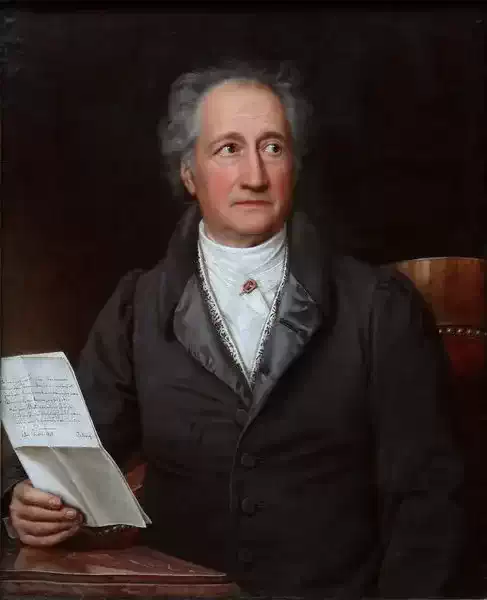
Johann Wolfgang von Goethe
To The Golden Heart That He Wore Around His Neck
To The Golden Heart That He Wore Around His Neck
OH thou token loved of joys now perish'd
That I still wear from my neck suspended,
Art thou stronger than our spirit-bond so cherish'd?
Or canst thou prolong love's days untimely ended?
Lily, I fly from thee! I still am doom'd to range
Thro' countries strange,
Thro' distant vales and woods, link'd on to thee!
Ah, Lily's heart could surely never fall
So soon away from me!
As when a bird bath broken from his thrall,
And seeks the forest green,
Proof of imprisonment he bears behind him,
A morsel of the thread once used to bind him;
The free-born bird of old no more is seen,
For he another's prey bath been.
OH thou token loved of joys now perish'd
That I still wear from my neck suspended,
Art thou stronger than our spirit-bond so cherish'd?
Or canst thou prolong love's days untimely ended?
Lily, I fly from thee! I still am doom'd to range
Thro' countries strange,
Thro' distant vales and woods, link'd on to thee!
Ah, Lily's heart could surely never fall
So soon away from me!
As when a bird bath broken from his thrall,
And seeks the forest green,
Proof of imprisonment he bears behind him,
A morsel of the thread once used to bind him;
The free-born bird of old no more is seen,
For he another's prey bath been.
256
Johann Wolfgang von Goethe
To Mignon
To Mignon
OVER vale and torrent far
Rolls along the sun's bright car.
Ah! he wakens in his course
Mine, as thy deep-seated smart
In the heart.
Ev'ry morning with new force.
Scarce avails night aught to me;
E'en the visions that I see
Come but in a mournful guise;
And I feel this silent smart
In my heart
With creative pow'r arise.
During many a beauteous year
I have seen ships 'neath me steer,
As they seek the shelt'ring bay;
But, alas, each lasting smart
In my heart
Floats not with the stream away.
I must wear a gala dress,
Long stored up within my press,
For to-day to feasts is given;
None know with what bitter smart
Is my heart
Fearfully and madly riven.
Secretly I weep each tear,
Yet can cheerful e'en appear,
With a face of healthy red;
For if deadly were this silent smart
In my heart,
Ah, I then had long been dead!
THE MOUNTAIN CASTLE.
THERE stands on yonder high mountain
A castle built of yore,
Where once lurked horse and horseman
In rear of gate and of door.
Now door and gate are in ashes,
And all around is so still;
And over the fallen ruins
I clamber just as I will.
Below once lay a cellar,
With costly wines well stor'd;
No more the glad maid with her pitcher
Descends there to draw from the hoard.
No longer the goblet she places
Before the guests at the feast;
The flask at the meal so hallow'd
No longer she fills for the priest.
No more for the eager squire
The draught in the passage is pour'd;
No more for the flying present
Receives she the flying reward.
For all the roof and the rafters,
They all long since have been burn'd,
And stairs and passage and chapel
To rubbish and ruins are turn'd.
Yet when with lute and with flagon,
When day was smiling and bright,
I've watch'd my mistress climbing
To gain this perilous height,
Then rapture joyous and radiant
The silence so desolate brake,
And all, as in days long vanish'd,
Once more to enjoyment awoke;
As if for guests of high station
The largest rooms were prepared;
As if from those times so precious
A couple thither had fared;
As if there stood in his chapel
The priest in his sacred dress,
And ask'd: "Would ye twain be united?"
And we, with a smile, answer'd, "Yes!"
And songs that breath'd a deep feeling,
That touched the heart's innermost chord,
The music-fraught mouth of sweet echo,
Instead of the many, outpour'd.
And when at eve all was hidden
In silence unbroken and deep,
The glowing sun then look'd upwards,
And gazed on the summit so steep.
And squire and maiden then glitter'd
As bright and gay as a lord,
She seized the time for her present,
And he to give her reward.
OVER vale and torrent far
Rolls along the sun's bright car.
Ah! he wakens in his course
Mine, as thy deep-seated smart
In the heart.
Ev'ry morning with new force.
Scarce avails night aught to me;
E'en the visions that I see
Come but in a mournful guise;
And I feel this silent smart
In my heart
With creative pow'r arise.
During many a beauteous year
I have seen ships 'neath me steer,
As they seek the shelt'ring bay;
But, alas, each lasting smart
In my heart
Floats not with the stream away.
I must wear a gala dress,
Long stored up within my press,
For to-day to feasts is given;
None know with what bitter smart
Is my heart
Fearfully and madly riven.
Secretly I weep each tear,
Yet can cheerful e'en appear,
With a face of healthy red;
For if deadly were this silent smart
In my heart,
Ah, I then had long been dead!
THE MOUNTAIN CASTLE.
THERE stands on yonder high mountain
A castle built of yore,
Where once lurked horse and horseman
In rear of gate and of door.
Now door and gate are in ashes,
And all around is so still;
And over the fallen ruins
I clamber just as I will.
Below once lay a cellar,
With costly wines well stor'd;
No more the glad maid with her pitcher
Descends there to draw from the hoard.
No longer the goblet she places
Before the guests at the feast;
The flask at the meal so hallow'd
No longer she fills for the priest.
No more for the eager squire
The draught in the passage is pour'd;
No more for the flying present
Receives she the flying reward.
For all the roof and the rafters,
They all long since have been burn'd,
And stairs and passage and chapel
To rubbish and ruins are turn'd.
Yet when with lute and with flagon,
When day was smiling and bright,
I've watch'd my mistress climbing
To gain this perilous height,
Then rapture joyous and radiant
The silence so desolate brake,
And all, as in days long vanish'd,
Once more to enjoyment awoke;
As if for guests of high station
The largest rooms were prepared;
As if from those times so precious
A couple thither had fared;
As if there stood in his chapel
The priest in his sacred dress,
And ask'd: "Would ye twain be united?"
And we, with a smile, answer'd, "Yes!"
And songs that breath'd a deep feeling,
That touched the heart's innermost chord,
The music-fraught mouth of sweet echo,
Instead of the many, outpour'd.
And when at eve all was hidden
In silence unbroken and deep,
The glowing sun then look'd upwards,
And gazed on the summit so steep.
And squire and maiden then glitter'd
As bright and gay as a lord,
She seized the time for her present,
And he to give her reward.
512
Johann Wolfgang von Goethe
To My Friend - Ode II
To My Friend - Ode II
THOU go'st! I murmur--
Go! let me murmur.
Oh, worthy man,
Fly from this land!
Deadly marshes,
Steaming mists of October
Here interweave their currents,
Blending for ever.
Noisome insects
Here are engender'd;
Fatal darkness
Veils their malice.
The fiery-tongued serpent,
Hard by the sedgy bank,
Stretches his pamper'd body,
Caress'd by the sun's bright beams.
Tempt no gentle night-rambles
Under the moon's cold twilight!
Loathsome toads hold their meetings
Yonder at every crossway.
Injuring not,
Fear will they cause thee.
Oh, worthy man,
Fly from this land!
THOU go'st! I murmur--
Go! let me murmur.
Oh, worthy man,
Fly from this land!
Deadly marshes,
Steaming mists of October
Here interweave their currents,
Blending for ever.
Noisome insects
Here are engender'd;
Fatal darkness
Veils their malice.
The fiery-tongued serpent,
Hard by the sedgy bank,
Stretches his pamper'd body,
Caress'd by the sun's bright beams.
Tempt no gentle night-rambles
Under the moon's cold twilight!
Loathsome toads hold their meetings
Yonder at every crossway.
Injuring not,
Fear will they cause thee.
Oh, worthy man,
Fly from this land!
380
Johann Wolfgang von Goethe
To Lina
To Lina
SHOULD these songs, love, as they fleet,
Chance again to reach thy hand,
At the piano take thy seat,
Where thy friend was wont to stand!
Sweep with finger bold the string,
Then the book one moment see:
But read not! do nought but sing!
And each page thine own will be!
Ah, what grief the song imparts
With its letters, black on white,
That, when breath'd by thee, our hearts
Now can break and now delight!
SHOULD these songs, love, as they fleet,
Chance again to reach thy hand,
At the piano take thy seat,
Where thy friend was wont to stand!
Sweep with finger bold the string,
Then the book one moment see:
But read not! do nought but sing!
And each page thine own will be!
Ah, what grief the song imparts
With its letters, black on white,
That, when breath'd by thee, our hearts
Now can break and now delight!
291
Johann Wolfgang von Goethe
To Charlotte
To Charlotte
'MIDST the noise of merriment and glee,
'Midst full many a sorrow, many a care,
Charlotte, I remember, we remember thee,
How, at evening's hour so fair,
Thou a kindly hand didst reach us,
When thou, in some happy place
Where more fair is Nature s face,
Many a lightly-hidden trace
Of a spirit loved didst teach us.
Well 'tis that thy worth I rightly knew,--
That I, in the hour when first we met,
While the first impression fill'd me yet,
Call'd thee then a girl both good and true.
Rear'd in silence, calmly, knowing nought,
On the world we suddenly are thrown;
Hundred thousand billows round us sport;
All things charm us--many please alone,
Many grieve us, and as hour on hour is stealing,
To and fro our restless natures sway;
First we feel, and then we find each feeling
By the changeful world-stream borne away.
Well I know, we oft within us find
Many a hope and many a smart.
Charlotte, who can know our mind?
Charlotte, who can know our heart?
Ah! 'twould fain be understood, 'twould fain o'erflow
In some creature's fellow-feelings blest,
And, with trust, in twofold measure know
All the grief and joy in Nature's breast.
Then thine eye is oft around thee cast,
But in vain, for all seems closed for ever.
Thus the fairest part of life is madly pass'd
Free from storm, but resting never:
To thy sorrow thou'rt to-day repell'd
By what yesterday obey'd thee.
Can that world by thee be worthy held
Which so oft betray'd thee?
Which, 'mid all thy pleasures and thy pains,
Lived in selfish, unconcern'd repose?
See, the soul its secret cells regains,
And the heart--makes haste to close.
Thus found I thee, and gladly went to meet thee;
"She's worthy of all love!" I cried,
And pray'd that Heaven with purest bliss might greet thee,
Which in thy friend it richly hath supplied.
'MIDST the noise of merriment and glee,
'Midst full many a sorrow, many a care,
Charlotte, I remember, we remember thee,
How, at evening's hour so fair,
Thou a kindly hand didst reach us,
When thou, in some happy place
Where more fair is Nature s face,
Many a lightly-hidden trace
Of a spirit loved didst teach us.
Well 'tis that thy worth I rightly knew,--
That I, in the hour when first we met,
While the first impression fill'd me yet,
Call'd thee then a girl both good and true.
Rear'd in silence, calmly, knowing nought,
On the world we suddenly are thrown;
Hundred thousand billows round us sport;
All things charm us--many please alone,
Many grieve us, and as hour on hour is stealing,
To and fro our restless natures sway;
First we feel, and then we find each feeling
By the changeful world-stream borne away.
Well I know, we oft within us find
Many a hope and many a smart.
Charlotte, who can know our mind?
Charlotte, who can know our heart?
Ah! 'twould fain be understood, 'twould fain o'erflow
In some creature's fellow-feelings blest,
And, with trust, in twofold measure know
All the grief and joy in Nature's breast.
Then thine eye is oft around thee cast,
But in vain, for all seems closed for ever.
Thus the fairest part of life is madly pass'd
Free from storm, but resting never:
To thy sorrow thou'rt to-day repell'd
By what yesterday obey'd thee.
Can that world by thee be worthy held
Which so oft betray'd thee?
Which, 'mid all thy pleasures and thy pains,
Lived in selfish, unconcern'd repose?
See, the soul its secret cells regains,
And the heart--makes haste to close.
Thus found I thee, and gladly went to meet thee;
"She's worthy of all love!" I cried,
And pray'd that Heaven with purest bliss might greet thee,
Which in thy friend it richly hath supplied.
409
Johann Wolfgang von Goethe
Three Palinodias - 03 Rain And Rainbow
Three Palinodias - 03 Rain And Rainbow
DURING a heavy storm it chanced
That from his room a cockney glanced
At the fierce tempest as it broke,
While to his neighbour thus he spoke:
"The thunder has our awe inspired,
Our barns by lightning have been fired,--
Our sins to punish, I suppose;
But in return, to soothe our woes,
See how the rain in torrents fell,
Making the harvest promise well!
But it's a rainbow that I spy
Extending o'er the dark-grey sky?
With it I'm sure we may dispense,
The colour'd cheat! The vain pretence!"
Dame Iris straightway thus replied:
"Dost dare my beauty to deride?
In realms of space God station'd me
A type of better worlds to be
To eyes that from life's sorrows rove
In cheerful hope to Heav'n above,
And, through the mists that hover here
God and his precepts blest revere.
Do thou, then, grovel like the swine,
And to the ground thy snout confine,
But suffer the enlighten'd eye
To feast upon my majesty."
DURING a heavy storm it chanced
That from his room a cockney glanced
At the fierce tempest as it broke,
While to his neighbour thus he spoke:
"The thunder has our awe inspired,
Our barns by lightning have been fired,--
Our sins to punish, I suppose;
But in return, to soothe our woes,
See how the rain in torrents fell,
Making the harvest promise well!
But it's a rainbow that I spy
Extending o'er the dark-grey sky?
With it I'm sure we may dispense,
The colour'd cheat! The vain pretence!"
Dame Iris straightway thus replied:
"Dost dare my beauty to deride?
In realms of space God station'd me
A type of better worlds to be
To eyes that from life's sorrows rove
In cheerful hope to Heav'n above,
And, through the mists that hover here
God and his precepts blest revere.
Do thou, then, grovel like the swine,
And to the ground thy snout confine,
But suffer the enlighten'd eye
To feast upon my majesty."
415
Johann Wolfgang von Goethe
Thoughts On Jesus Christ's Decent Into Hell
Thoughts On Jesus Christ's Decent Into Hell
WHAT wondrous noise is heard around!
Through heaven exulting voices sound,
A mighty army marches on
By thousand millions follow'd, lo,
To yon dark place makes haste to go
God's Son, descending from His throne!
He goes--the tempests round Him break,
As Judge and Hero cometh He;
He goes--the constellations quake,
The sun, the world quake fearfully.
I see Him in His victor-car,
On fiery axles borne afar,
Who on the cross for us expired.
The triumph to yon realms He shows,--
Remote from earth, where star ne'er glows,
The triumph He for us acquired.
He cometh, Hell to extirpate,
Whom He, by dying, wellnigh kill'd;
He shall pronounce her fearful fate
Hark! now the curse is straight fulfill'd.
Hell sees the victor come at last,
She feels that now her reign is past,
She quakes and fears to meet His sight;
She knows His thunders' terrors dread,
In vain she seeks to hide her head,
Attempts to fly, but vain is flight;
Vainly she hastes to 'scape pursuit
And to avoid her Judge's eye;
The Lord's fierce wrath restrains her foot
Like brazen chains,--she cannot fly.
Here lies the Dragon, trampled down,
He lies, and feels God's angry frown,
He feels, and grinneth hideously;
He feels Hell's speechless agonies,
A thousand times he howls and sighs:
"Oh, burning flames! quick, swallow me!"
There lies he in the fiery waves,
By torments rack'd and pangs infernal,
Instant annihilation craves,
And hears, those pangs will be eternal.
Those mighty squadrons, too, are here,
The partners of his cursed career,
Yet far less bad than he were they.
Here lies the countless throng combined,
In black and fearful crowds entwined,
While round him fiery tempests play;
He sees how they the Judge avoid,
He sees the storm upon them feed,
Yet is not at the sight o'erjoy'd,
Because his pangs e'en theirs exceed.
The Son of Man in triumph passes
Down to Hell's wild and black morasses,
And there unfolds His majesty.
Hell cannot bear the bright array,
For, since her first created day.
Darkness alone e'er govern'd she.
She lay remote from ev'ry light
With torments fill'd in Chaos here;
God turn'd for ever from her sight
His radiant features' glory clear.
Within the realms she calls her own,
She sees the splendour of the Son,
His dreaded glories shining forth;
She sees Him clad in rolling thunder,
She sees the rocks all quake with wonder,
When God before her stands in wrath.
She sees He comes her Judge to be,
She feels the awful pangs inside her,
Herself to slay endeavours she,
But e'en this comfort is denied her.
Now looks she back, with pains untold,
Upon those happy times of old,
When those glories gave her joy;
When yet her heart revered the truth,
When her glad soul, in endless youth
And rapture dwelt, without alloy.
She calls to mind with madden'd thought
How over man her wiles prevail'd;
To take revenge on God she sought,
And feels the vengeance it entail'd.
God was made man, and came to earth.
Then Satan cried with fearful mirth:
"E'en He my victim now shall be!"
He sought to slay the Lord Most High,
The world's Creator now must die;
But, Satan, endless woe to thee!
Thou thought'st to overcome Him then,
Rejoicing in His suffering;
But he in triumph comes again
To bind thee: Death! where is thy sting?
Speak, Hell! where is thy victory?
Thy power destroy'd and scatter'd see!
Know'st thou not now the Highest's might?
See, Satan, see thy rule o'erthrown!
By thousand-varying pangs weigh'd down,
Thou dwell'st in dark and endless night.
As though by lightning struck thou liest,
No gleam of rapture far or wide;
In vain! no hope thou there decriest,--
For me alone Messiah died!
A howling rises through the air,
A trembling fills each dark vault there,
When Christ to Hell is seen to come.
She snarls with rage, but needs must cower
Before our mighty hero's power;
He signs--and Hell is straightway dumb.
Before his voice the thunders break,
On high His victor-banner blows;
E'en angels at His fury quake,
When Christ to the dread judgment goes.
Now speaks He, and His voice is thunder,
He speaks, the rocks are rent in sunder,
His breath is like devouring flames.
Thus speaks He: "Tremble, ye accurs'd!
He who from Eden hurl'd you erst,
Your kingdom's overthrow proclaims.
Look up! My children once were ye,
Your arms against Me then ye turn'd,
Ye fell, that ye might sinners be,
Ye've now the wages that ye earn'd.
"My greatest foeman from that day,
Ye led my dearest friends astray,--
As ye had fallen, man must fall.
To kill him evermore ye sought,
'They all shall die the death,' ye thought;
But howl! for Me I won them all.
For them alone did I descend,
For them pray'd, suffer'd, perish'd I.
Ye ne'er shall gain your wicked end;
Who trusts in Me shall never die.
"In endless chains here lie ye now,
Nothing can save you from the slough.
Not boldness, not regret for crime.
Lie, then, and writhe in brimstone fire!
'Twas ye yourselves drew down Mine ire,
Lie and lament throughout all time!
And also ye, whom I selected,
E'en ye forever I disown,
For ye My saving grace rejected
Ye murmur? blame yourselves alone!
"Ye might have lived with Me in bliss,
For I of yore had promis'd this;
Ye sinn'd, and all My precepts slighted
Wrapp'd in the sleep of sin ye dwelt,
Now is My fearful judgment felt,
By a just doom your guilt requited."--
Thus spake He, and a fearful storm
From Him proceeds, the lightnings glow,
The thunders seize each wicked form,
And hurl them in the gulf below.
The God-man closeth Hell's sad doors,
In all His majesty He soars
From those dark regions back to light.
He sitteth at the Father's side;
Oh, friends, what joy doth this betide!
For us, for us He still will fight!
The angels sacred quire around
Rejoice before the mighty Lord,
So that all creatures hear the sound:
"Zebaoth's God be aye ador'd!"
WHAT wondrous noise is heard around!
Through heaven exulting voices sound,
A mighty army marches on
By thousand millions follow'd, lo,
To yon dark place makes haste to go
God's Son, descending from His throne!
He goes--the tempests round Him break,
As Judge and Hero cometh He;
He goes--the constellations quake,
The sun, the world quake fearfully.
I see Him in His victor-car,
On fiery axles borne afar,
Who on the cross for us expired.
The triumph to yon realms He shows,--
Remote from earth, where star ne'er glows,
The triumph He for us acquired.
He cometh, Hell to extirpate,
Whom He, by dying, wellnigh kill'd;
He shall pronounce her fearful fate
Hark! now the curse is straight fulfill'd.
Hell sees the victor come at last,
She feels that now her reign is past,
She quakes and fears to meet His sight;
She knows His thunders' terrors dread,
In vain she seeks to hide her head,
Attempts to fly, but vain is flight;
Vainly she hastes to 'scape pursuit
And to avoid her Judge's eye;
The Lord's fierce wrath restrains her foot
Like brazen chains,--she cannot fly.
Here lies the Dragon, trampled down,
He lies, and feels God's angry frown,
He feels, and grinneth hideously;
He feels Hell's speechless agonies,
A thousand times he howls and sighs:
"Oh, burning flames! quick, swallow me!"
There lies he in the fiery waves,
By torments rack'd and pangs infernal,
Instant annihilation craves,
And hears, those pangs will be eternal.
Those mighty squadrons, too, are here,
The partners of his cursed career,
Yet far less bad than he were they.
Here lies the countless throng combined,
In black and fearful crowds entwined,
While round him fiery tempests play;
He sees how they the Judge avoid,
He sees the storm upon them feed,
Yet is not at the sight o'erjoy'd,
Because his pangs e'en theirs exceed.
The Son of Man in triumph passes
Down to Hell's wild and black morasses,
And there unfolds His majesty.
Hell cannot bear the bright array,
For, since her first created day.
Darkness alone e'er govern'd she.
She lay remote from ev'ry light
With torments fill'd in Chaos here;
God turn'd for ever from her sight
His radiant features' glory clear.
Within the realms she calls her own,
She sees the splendour of the Son,
His dreaded glories shining forth;
She sees Him clad in rolling thunder,
She sees the rocks all quake with wonder,
When God before her stands in wrath.
She sees He comes her Judge to be,
She feels the awful pangs inside her,
Herself to slay endeavours she,
But e'en this comfort is denied her.
Now looks she back, with pains untold,
Upon those happy times of old,
When those glories gave her joy;
When yet her heart revered the truth,
When her glad soul, in endless youth
And rapture dwelt, without alloy.
She calls to mind with madden'd thought
How over man her wiles prevail'd;
To take revenge on God she sought,
And feels the vengeance it entail'd.
God was made man, and came to earth.
Then Satan cried with fearful mirth:
"E'en He my victim now shall be!"
He sought to slay the Lord Most High,
The world's Creator now must die;
But, Satan, endless woe to thee!
Thou thought'st to overcome Him then,
Rejoicing in His suffering;
But he in triumph comes again
To bind thee: Death! where is thy sting?
Speak, Hell! where is thy victory?
Thy power destroy'd and scatter'd see!
Know'st thou not now the Highest's might?
See, Satan, see thy rule o'erthrown!
By thousand-varying pangs weigh'd down,
Thou dwell'st in dark and endless night.
As though by lightning struck thou liest,
No gleam of rapture far or wide;
In vain! no hope thou there decriest,--
For me alone Messiah died!
A howling rises through the air,
A trembling fills each dark vault there,
When Christ to Hell is seen to come.
She snarls with rage, but needs must cower
Before our mighty hero's power;
He signs--and Hell is straightway dumb.
Before his voice the thunders break,
On high His victor-banner blows;
E'en angels at His fury quake,
When Christ to the dread judgment goes.
Now speaks He, and His voice is thunder,
He speaks, the rocks are rent in sunder,
His breath is like devouring flames.
Thus speaks He: "Tremble, ye accurs'd!
He who from Eden hurl'd you erst,
Your kingdom's overthrow proclaims.
Look up! My children once were ye,
Your arms against Me then ye turn'd,
Ye fell, that ye might sinners be,
Ye've now the wages that ye earn'd.
"My greatest foeman from that day,
Ye led my dearest friends astray,--
As ye had fallen, man must fall.
To kill him evermore ye sought,
'They all shall die the death,' ye thought;
But howl! for Me I won them all.
For them alone did I descend,
For them pray'd, suffer'd, perish'd I.
Ye ne'er shall gain your wicked end;
Who trusts in Me shall never die.
"In endless chains here lie ye now,
Nothing can save you from the slough.
Not boldness, not regret for crime.
Lie, then, and writhe in brimstone fire!
'Twas ye yourselves drew down Mine ire,
Lie and lament throughout all time!
And also ye, whom I selected,
E'en ye forever I disown,
For ye My saving grace rejected
Ye murmur? blame yourselves alone!
"Ye might have lived with Me in bliss,
For I of yore had promis'd this;
Ye sinn'd, and all My precepts slighted
Wrapp'd in the sleep of sin ye dwelt,
Now is My fearful judgment felt,
By a just doom your guilt requited."--
Thus spake He, and a fearful storm
From Him proceeds, the lightnings glow,
The thunders seize each wicked form,
And hurl them in the gulf below.
The God-man closeth Hell's sad doors,
In all His majesty He soars
From those dark regions back to light.
He sitteth at the Father's side;
Oh, friends, what joy doth this betide!
For us, for us He still will fight!
The angels sacred quire around
Rejoice before the mighty Lord,
So that all creatures hear the sound:
"Zebaoth's God be aye ador'd!"
301
Johann Wolfgang von Goethe
The Wedding Night
The Wedding Night
WITHIN the chamber, far away
From the glad feast, sits Love in dread
Lest guests disturb, in wanton play,
The silence of the bridal bed.
His torch's pale flame serves to gild
The scene with mystic sacred glow;
The room with incense-clouds is fil'd,
That ye may perfect rapture know.
How beats thy heart, when thou dost hear
The chime that warns thy guests to fly!
How glow'st thou for those lips so dear,
That soon are mute, and nought deny!
With her into the holy place
Thou hast'nest then, to perfect all;
The fire the warder's hands embrace,
Grows, like a night-light, dim and small.
How heaves her bosom, and how burns
Her face at every fervent kiss!
Her coldness now to trembling turns,
Thy daring now a duty is.
Love helps thee to undress her fast,
But thou art twice as fast as he;
And then he shuts both eye at last,
With sly and roguish modesty.
WITHIN the chamber, far away
From the glad feast, sits Love in dread
Lest guests disturb, in wanton play,
The silence of the bridal bed.
His torch's pale flame serves to gild
The scene with mystic sacred glow;
The room with incense-clouds is fil'd,
That ye may perfect rapture know.
How beats thy heart, when thou dost hear
The chime that warns thy guests to fly!
How glow'st thou for those lips so dear,
That soon are mute, and nought deny!
With her into the holy place
Thou hast'nest then, to perfect all;
The fire the warder's hands embrace,
Grows, like a night-light, dim and small.
How heaves her bosom, and how burns
Her face at every fervent kiss!
Her coldness now to trembling turns,
Thy daring now a duty is.
Love helps thee to undress her fast,
But thou art twice as fast as he;
And then he shuts both eye at last,
With sly and roguish modesty.
415
Johann Wolfgang von Goethe
The Wanderer's Storm-Song
The Wanderer's Storm-Song
He whom thou ne'er leavest, Genius,
Feels no dread within his heart
At the tempest or the rain.
He whom thou ne'er leavest, Genius,
Will to the rain-clouds,
Will to the hailstorm,
Sing in reply
As the lark sings,
Oh thou on high!
Him whom thou ne'er leavest, Genius,
Thou wilt raise above the mud-track
With thy fiery pinions.
He will wander,
As, with flowery feet,
Over Deucalion's dark flood,
Python-slaying, light, glorious,
Pythius Apollo.
Him whom thou ne'er leavest, Genius,
Thou wilt place upon thy fleecy pinion
When he sleepeth on the rock,--
Thou wilt shelter with thy guardian wing
In the forest's midnight hour.
Him whom thou ne'er leavest, Genius,
Thou wilt wrap up warmly
In the snow-drift;
Tow'rd the warmth approach the Muses,
Tow'rd the warmth approach the Graces.
Ye Muses, hover round me!
Ye Graces also!
That is water, that is earth,
And the son of water and of earth
Over which I wander,
Like the gods.
Ye are pure, like the heart of the water,
Ye are pure like the marrow of earth,
Hov'ring round me, while I hover
Over water, o'er the earth
Like the gods.
Shall he, then, return,
The small, the dark, the fiery peasant?
Shall he, then, return, waiting
Only thy gifts, oh Father Bromius,
And brightly gleaming, warmth-spreading fire?
Return with joy?
And I, whom ye attended,
Ye Muses and ye Graces,
Whom all awaits that ye,
Ye Muses and ye Graces,
Of circling bliss in life
Have glorified--shall I
Return dejected?
Father Bromius!
Thourt the Genius,
Genius of ages,
Thou'rt what inward glow
To Pindar was,
What to the world
Phoebus Apollo.
Woe! Woe Inward warmth,
Spirit-warmth,
Central-point!
Glow, and vie with
Phoebus Apollo!
Coldly soon
His regal look
Over thee will swiftly glide,-
Envy-struck
Linger o'er the cedar's strength,
Which, to flourish,
Waits him not.
Why doth my lay name thee the last?
Thee, from whom it began,
Thee, in whom it endeth,
Thee, from whom it flows,
Jupiter Pluvius!
Tow'rd thee streams my song.
And a Castalian spring
Runs as a fellow-brook,
Runs to the idle ones,
Mortal, happy ones,
Apart from thee,
Who cov'rest me around,
Jupiter Pluvius!
Not by the elm-tree
Him didst thou visit,
With the pair of doves
Held in his gentle arm,--
With the beauteous garland of roses,--
Caressing him, so blest in his flowers,
Anacreon,
Storm-breathing godhead!
Not in the poplar grove,
Near the Sybaris' strand,
Not on the mountain's
Sun-illumined brow
Didst thou seize him,
The flower-singing,
Honey-breathing,
Sweetly nodding
Theocritus.
When the wheels were rattling,
Wheel on wheel tow'rd the goal,
High arose
The sound of the lash
Of youths with victory glowing,
In the dust rolling,
As from the mountain fall
Showers of stones in the vale--
Then thy soul was brightly glowing, Pindar--
Glowing? Poor heart!
There, on the hill,--
Heavenly might!
But enough glow
Thither to wend,
Where is my cot!
He whom thou ne'er leavest, Genius,
Feels no dread within his heart
At the tempest or the rain.
He whom thou ne'er leavest, Genius,
Will to the rain-clouds,
Will to the hailstorm,
Sing in reply
As the lark sings,
Oh thou on high!
Him whom thou ne'er leavest, Genius,
Thou wilt raise above the mud-track
With thy fiery pinions.
He will wander,
As, with flowery feet,
Over Deucalion's dark flood,
Python-slaying, light, glorious,
Pythius Apollo.
Him whom thou ne'er leavest, Genius,
Thou wilt place upon thy fleecy pinion
When he sleepeth on the rock,--
Thou wilt shelter with thy guardian wing
In the forest's midnight hour.
Him whom thou ne'er leavest, Genius,
Thou wilt wrap up warmly
In the snow-drift;
Tow'rd the warmth approach the Muses,
Tow'rd the warmth approach the Graces.
Ye Muses, hover round me!
Ye Graces also!
That is water, that is earth,
And the son of water and of earth
Over which I wander,
Like the gods.
Ye are pure, like the heart of the water,
Ye are pure like the marrow of earth,
Hov'ring round me, while I hover
Over water, o'er the earth
Like the gods.
Shall he, then, return,
The small, the dark, the fiery peasant?
Shall he, then, return, waiting
Only thy gifts, oh Father Bromius,
And brightly gleaming, warmth-spreading fire?
Return with joy?
And I, whom ye attended,
Ye Muses and ye Graces,
Whom all awaits that ye,
Ye Muses and ye Graces,
Of circling bliss in life
Have glorified--shall I
Return dejected?
Father Bromius!
Thourt the Genius,
Genius of ages,
Thou'rt what inward glow
To Pindar was,
What to the world
Phoebus Apollo.
Woe! Woe Inward warmth,
Spirit-warmth,
Central-point!
Glow, and vie with
Phoebus Apollo!
Coldly soon
His regal look
Over thee will swiftly glide,-
Envy-struck
Linger o'er the cedar's strength,
Which, to flourish,
Waits him not.
Why doth my lay name thee the last?
Thee, from whom it began,
Thee, in whom it endeth,
Thee, from whom it flows,
Jupiter Pluvius!
Tow'rd thee streams my song.
And a Castalian spring
Runs as a fellow-brook,
Runs to the idle ones,
Mortal, happy ones,
Apart from thee,
Who cov'rest me around,
Jupiter Pluvius!
Not by the elm-tree
Him didst thou visit,
With the pair of doves
Held in his gentle arm,--
With the beauteous garland of roses,--
Caressing him, so blest in his flowers,
Anacreon,
Storm-breathing godhead!
Not in the poplar grove,
Near the Sybaris' strand,
Not on the mountain's
Sun-illumined brow
Didst thou seize him,
The flower-singing,
Honey-breathing,
Sweetly nodding
Theocritus.
When the wheels were rattling,
Wheel on wheel tow'rd the goal,
High arose
The sound of the lash
Of youths with victory glowing,
In the dust rolling,
As from the mountain fall
Showers of stones in the vale--
Then thy soul was brightly glowing, Pindar--
Glowing? Poor heart!
There, on the hill,--
Heavenly might!
But enough glow
Thither to wend,
Where is my cot!
355
Johann Wolfgang von Goethe
The Wanderer
The Wanderer
WANDERER.
YOUNG woman, may God bless thee,
Thee, and the sucking infant
Upon thy breast!
Let me, 'gainst this rocky wall,
Neath the elm-tree's shadow,
Lay aside my burden,
Near thee take my rest.
WOMAN.
What vocation leads thee,
While the day is burning,
Up this dusty path?
Bring'st thou goods from out the town
Round the country?
Smil'st thou, stranger,
At my question?
WANDERER.
From the town no goods I bring.
Cool is now the evening;
Show to me the fountain
'Whence thou drinkest,
Woman young and kind!
WOMAN.
Up the rocky pathway mount;
Go thou first! Across the thicket
Leads the pathway tow'rd the cottage
That I live in,
To the fountain
Whence I drink.
WANDERER.
Signs of man's arranging hand
See I 'mid the trees!
Not by thee these stones were join'd,
Nature, who so freely scatterest!
WOMAN.
Up, still up!
WANDERER.
Lo, a mossy architrave is here!
I discern thee, fashioning spirit!
On the stone thou hast impress'd thy seal.
WOMAN.
Onward, stranger!
WANDERER.
Over an inscription am I treading!
'Tis effaced!
Ye are seen no longer,
Words so deeply graven,
Who your master's true devotion
Should have shown to thousand grandsons!
WOMAN.
At these stones, why
Start'st thou, stranger?
Many stones are lying yonder
Round my cottage.
WANDERER.
Yonder?
WOMAN.
Through the thicket,
Turning to the left,
Here!
WANDERER.
Ye Muses and ye Graces!
WOMAN.
This, then, is my cottage.
WANDERER.
'Tis a ruin'd temple!
WOMAN.
Just below it, see,
Springs the fountain
Whence I drink.
WANDERER.
Thou dost hover
O'er thy grave, all glowing,
Genius! while upon thee
Hath thy master-piece
Fallen crumbling,
Thou Immortal One!
WOMAN.
Stay, a cup I'll fetch thee
Whence to drink.
WANDERER.
Ivy circles thy slender
Form so graceful and godlike.
How ye rise on high
From the ruins,
Column-pair
And thou, their lonely sister yonder,--
How thou,
Dusky moss upon thy sacred head,--
Lookest down in mournful majesty
On thy brethren's figures
Lying scatter'd
At thy feet!
In the shadow of the bramble
Earth and rubbish veil them,
Lofty grass is waving o'er them
Is it thus thou, Nature, prizest
Thy great masterpiece's masterpiece?
Carelessly destroyest thou
Thine own sanctuary,
Sowing thistles there?
WOMAN.
How the infant sleeps!
Wilt thou rest thee in the cottage,
Stranger? Wouldst thou rather
In the open air still linger?
Now 'tis cool! take thou the child
While I go and draw some water.
Sleep on, darling! sleep!
WANDERER.
Sweet is thy repose!
How, with heaven-born health imbued,
Peacefully he slumbers!
Oh thou, born among the ruins
Spread by great antiquity,
On thee rest her spirit!
He whom it encircles
Will, in godlike consciousness,
Ev'ry day enjoy.
Full, of germ, unfold,
As the smiling springtime's
Fairest charm,
Outshining all thy fellows!
And when the blossom's husk is faded,
May the full fruit shoot forth
From out thy breast,
And ripen in the sunshine!
WOMAN.
God bless him!--Is he sleeping still?
To the fresh draught I nought can add,
Saving a crust of bread for thee to eat.
WANDERER.
I thank thee well.
How fair the verdure all around!
How green!
WOMAN.
My husband soon
Will home return
From labour. Tarry, tarry, man,
And with us eat our evening meal.
WANDERER.
Is't here ye dwell?
WOMAN.
Yonder, within those walls we live.
My father 'twas who built the cottage
Of tiles and stones from out the ruins.
'Tis here we dwell.
He gave me to a husbandman,
And in our arms expired.--
Hast thou been sleeping, dearest heart
How lively, and how full of play!
Sweet rogue!
WANDERER.
Nature, thou ever budding one,
Thou formest each for life's enjoyments,
And, like a mother, all thy children dear,
Blessest with that sweet heritage,--a home
The swallow builds the cornice round,
Unconscious of the beauties
She plasters up.
The caterpillar spins around the bough,
To make her brood a winter house;
And thou dost patch, between antiquity's
Most glorious relics,
For thy mean use,
Oh man, a humble cot,--
Enjoyest e'en mid tombs!--
Farewell, thou happy woman!
WOMAN.
Thou wilt not stay, then?
WANDERER.
May God preserve thee,
And bless thy boy!
WOMAN.
A happy journey!
WANDERER.
Whither conducts the path
Across yon hill?
WOMAN.
To Cuma.
WANDERER.
How far from hence?
WOMAN.
'Tis full three miles.
WANDERER.
Farewell!
Oh Nature, guide me on my way!
The wandering stranger guide,
Who o'er the tombs
Of holy bygone times
Is passing,
To a kind sheltering place,
From North winds safe,
And where a poplar grove
Shuts out the noontide ray!
And when I come
Home to my cot
At evening,
Illumined by the setting sun,
Let me embrace a wife like this,
Her infant in her arms!
WANDERER.
YOUNG woman, may God bless thee,
Thee, and the sucking infant
Upon thy breast!
Let me, 'gainst this rocky wall,
Neath the elm-tree's shadow,
Lay aside my burden,
Near thee take my rest.
WOMAN.
What vocation leads thee,
While the day is burning,
Up this dusty path?
Bring'st thou goods from out the town
Round the country?
Smil'st thou, stranger,
At my question?
WANDERER.
From the town no goods I bring.
Cool is now the evening;
Show to me the fountain
'Whence thou drinkest,
Woman young and kind!
WOMAN.
Up the rocky pathway mount;
Go thou first! Across the thicket
Leads the pathway tow'rd the cottage
That I live in,
To the fountain
Whence I drink.
WANDERER.
Signs of man's arranging hand
See I 'mid the trees!
Not by thee these stones were join'd,
Nature, who so freely scatterest!
WOMAN.
Up, still up!
WANDERER.
Lo, a mossy architrave is here!
I discern thee, fashioning spirit!
On the stone thou hast impress'd thy seal.
WOMAN.
Onward, stranger!
WANDERER.
Over an inscription am I treading!
'Tis effaced!
Ye are seen no longer,
Words so deeply graven,
Who your master's true devotion
Should have shown to thousand grandsons!
WOMAN.
At these stones, why
Start'st thou, stranger?
Many stones are lying yonder
Round my cottage.
WANDERER.
Yonder?
WOMAN.
Through the thicket,
Turning to the left,
Here!
WANDERER.
Ye Muses and ye Graces!
WOMAN.
This, then, is my cottage.
WANDERER.
'Tis a ruin'd temple!
WOMAN.
Just below it, see,
Springs the fountain
Whence I drink.
WANDERER.
Thou dost hover
O'er thy grave, all glowing,
Genius! while upon thee
Hath thy master-piece
Fallen crumbling,
Thou Immortal One!
WOMAN.
Stay, a cup I'll fetch thee
Whence to drink.
WANDERER.
Ivy circles thy slender
Form so graceful and godlike.
How ye rise on high
From the ruins,
Column-pair
And thou, their lonely sister yonder,--
How thou,
Dusky moss upon thy sacred head,--
Lookest down in mournful majesty
On thy brethren's figures
Lying scatter'd
At thy feet!
In the shadow of the bramble
Earth and rubbish veil them,
Lofty grass is waving o'er them
Is it thus thou, Nature, prizest
Thy great masterpiece's masterpiece?
Carelessly destroyest thou
Thine own sanctuary,
Sowing thistles there?
WOMAN.
How the infant sleeps!
Wilt thou rest thee in the cottage,
Stranger? Wouldst thou rather
In the open air still linger?
Now 'tis cool! take thou the child
While I go and draw some water.
Sleep on, darling! sleep!
WANDERER.
Sweet is thy repose!
How, with heaven-born health imbued,
Peacefully he slumbers!
Oh thou, born among the ruins
Spread by great antiquity,
On thee rest her spirit!
He whom it encircles
Will, in godlike consciousness,
Ev'ry day enjoy.
Full, of germ, unfold,
As the smiling springtime's
Fairest charm,
Outshining all thy fellows!
And when the blossom's husk is faded,
May the full fruit shoot forth
From out thy breast,
And ripen in the sunshine!
WOMAN.
God bless him!--Is he sleeping still?
To the fresh draught I nought can add,
Saving a crust of bread for thee to eat.
WANDERER.
I thank thee well.
How fair the verdure all around!
How green!
WOMAN.
My husband soon
Will home return
From labour. Tarry, tarry, man,
And with us eat our evening meal.
WANDERER.
Is't here ye dwell?
WOMAN.
Yonder, within those walls we live.
My father 'twas who built the cottage
Of tiles and stones from out the ruins.
'Tis here we dwell.
He gave me to a husbandman,
And in our arms expired.--
Hast thou been sleeping, dearest heart
How lively, and how full of play!
Sweet rogue!
WANDERER.
Nature, thou ever budding one,
Thou formest each for life's enjoyments,
And, like a mother, all thy children dear,
Blessest with that sweet heritage,--a home
The swallow builds the cornice round,
Unconscious of the beauties
She plasters up.
The caterpillar spins around the bough,
To make her brood a winter house;
And thou dost patch, between antiquity's
Most glorious relics,
For thy mean use,
Oh man, a humble cot,--
Enjoyest e'en mid tombs!--
Farewell, thou happy woman!
WOMAN.
Thou wilt not stay, then?
WANDERER.
May God preserve thee,
And bless thy boy!
WOMAN.
A happy journey!
WANDERER.
Whither conducts the path
Across yon hill?
WOMAN.
To Cuma.
WANDERER.
How far from hence?
WOMAN.
'Tis full three miles.
WANDERER.
Farewell!
Oh Nature, guide me on my way!
The wandering stranger guide,
Who o'er the tombs
Of holy bygone times
Is passing,
To a kind sheltering place,
From North winds safe,
And where a poplar grove
Shuts out the noontide ray!
And when I come
Home to my cot
At evening,
Illumined by the setting sun,
Let me embrace a wife like this,
Her infant in her arms!
312
Johann Wolfgang von Goethe
The Visit
The Visit
FAIN had I to-day surprised my mistress,
But soon found I that her door was fasten'd.
Yet I had the key safe in my pocket,
And the darling door I open'd softly!
In the parlour found I not the maiden,
Found the maiden not within her closet,
Then her chamber-door I gently open'd,
When I found her wrapp'd in pleasing slumbers,
Fully dress'd, and lying on the sofa.
While at work had slumber stolen o'er her;
For her knitting and her needle found I
Resting in her folded bands so tender;
And I placed myself beside her softly,
And held counsel, whether I should wake her.
Then I looked upon the beauteous quiet
That on her sweet eyelids was reposing
On her lips was silent truth depicted,
On her cheeks had loveliness its dwelling,
And the pureness of a heart unsullied
In her bosom evermore was heaving.
All her limbs were gracefully reclining,
Set at rest by sweet and godlike balsam.
Gladly sat I, and the contemplation
Held the strong desire I felt to wake her
Firmer and firmer down, with mystic fetters.
"Oh, thou love," methought, "I see that slumber,
Slumber that betrayeth each false feature,
Cannot injure thee, can nought discover
That could serve to harm thy friend's soft feelings.
"Now thy beauteous eyes are firmly closed,
That, when open, form mine only rapture.
And thy sweet lips are devoid of motion,
Motionless for speaking or for kissing;
Loosen'd are the soft and magic fetters
Of thine arms, so wont to twine around me,
And the hand, the ravishing companion
Of thy sweet caresses, lies unmoving.
Were my thoughts of thee but based on error,
Were the love I bear thee self-deception,
I must now have found it out, since Amor
Is, without his bandage, placed beside me."
Long I sat thus, full of heartfelt pleasure
At my love, and at her matchless merit;
She had so delighted me while slumbering,
That I could not venture to awake her.
Then I on the little table near her
Softly placed two oranges, two roses;
Gently, gently stole I from her chamber.
When her eyes the darling one shall open,
She will straightway spy these colourd presents,
And the friendly gift will view with wonder,
For the door will still remain unopen'd.
If perchance I see to-night the angel,
How will she rejoice,--reward me doubly
For this sacrifice of fond affection!
FAIN had I to-day surprised my mistress,
But soon found I that her door was fasten'd.
Yet I had the key safe in my pocket,
And the darling door I open'd softly!
In the parlour found I not the maiden,
Found the maiden not within her closet,
Then her chamber-door I gently open'd,
When I found her wrapp'd in pleasing slumbers,
Fully dress'd, and lying on the sofa.
While at work had slumber stolen o'er her;
For her knitting and her needle found I
Resting in her folded bands so tender;
And I placed myself beside her softly,
And held counsel, whether I should wake her.
Then I looked upon the beauteous quiet
That on her sweet eyelids was reposing
On her lips was silent truth depicted,
On her cheeks had loveliness its dwelling,
And the pureness of a heart unsullied
In her bosom evermore was heaving.
All her limbs were gracefully reclining,
Set at rest by sweet and godlike balsam.
Gladly sat I, and the contemplation
Held the strong desire I felt to wake her
Firmer and firmer down, with mystic fetters.
"Oh, thou love," methought, "I see that slumber,
Slumber that betrayeth each false feature,
Cannot injure thee, can nought discover
That could serve to harm thy friend's soft feelings.
"Now thy beauteous eyes are firmly closed,
That, when open, form mine only rapture.
And thy sweet lips are devoid of motion,
Motionless for speaking or for kissing;
Loosen'd are the soft and magic fetters
Of thine arms, so wont to twine around me,
And the hand, the ravishing companion
Of thy sweet caresses, lies unmoving.
Were my thoughts of thee but based on error,
Were the love I bear thee self-deception,
I must now have found it out, since Amor
Is, without his bandage, placed beside me."
Long I sat thus, full of heartfelt pleasure
At my love, and at her matchless merit;
She had so delighted me while slumbering,
That I could not venture to awake her.
Then I on the little table near her
Softly placed two oranges, two roses;
Gently, gently stole I from her chamber.
When her eyes the darling one shall open,
She will straightway spy these colourd presents,
And the friendly gift will view with wonder,
For the door will still remain unopen'd.
If perchance I see to-night the angel,
How will she rejoice,--reward me doubly
For this sacrifice of fond affection!
592
Johann Wolfgang von Goethe
The Traveller And The Farm-Maiden
The Traveller And The Farm-Maiden
HE.
CANST thou give, oh fair and matchless maiden,
'Neath the shadow of the lindens yonder,--
Where I'd fain one moment cease to wander,--
Food and drink to one so heavy laden?
SHE.
Wouldst thou find refreshment, traveller weary,
Bread, ripe fruit and cream to meet thy wishes,--
None but Nature's plain and homely dishes,--
Near the spring may soothe thy wanderings dreary.
HE.
Dreams of old acquaintance now pass through me,
Ne'er-forgotten queen of hours of blisses.
Likenesses I've often found, but this is
One that quite a marvel seemeth to me!
SHE.
Travellers often wonder beyond measure,
But their wonder soon see cause to smother;
Fair and dark are often like each other,
Both inspire the mind with equal pleasure.
HE.
Not now for the first time I surrender
To this form, in humble adoration;
It was brightest midst the constellation
In the hail adorn'd with festal splendour.
SHE.
Be thou joyful that 'tis in my power
To complete thy strange and merry story!
Silks behind her, full of purple glory,
Floated, when thou saw'st her in that hour.
HE.
No, in truth, thou hast not sung it rightly!
Spirits may have told thee all about it;
Pearls and gems they spoke of, do not doubt it,--
By her gaze eclipsed,--it gleam'd so brightly!
SHE.
This one thing I certainly collected:
That the fair one--(say nought, I entreat thee!)
Fondly hoping once again to meet thee,
Many a castle in the air erected.
HE.
By each wind I ceaselessly was driven,
Seeking gold and honour, too, to capture!
When my wand'rings end, then oh, what rapture,
If to find that form again 'tis given!
SHE.
'Tis the daughter of the race now banish'd
That thou seest, not her likeness only;
Helen and her brother, glad though lonely,
Till this farm of their estate now vanish'd.
HE.
But the owner surely is not wanting
Of these plains, with ev'ry beauty teeming?
Verdant fields, broad meads, and pastures gleaming,
Gushing springs, all heav'nly and enchanting.
SHE.
Thou must hunt the world through, wouldst thou find him!--
We have wealth enough in our possession,
And intend to purchase the succession,
When the good man leaves the world behind him.
HE.
I have learnt the owner's own condition,
And, fair maiden, thou indeed canst buy it;
But the cost is great, I won't deny it,--
Helen is the price,--with thy permission!
SHE.
Did then fate and rank keep us asunder,
And must Love take this road, and no other?
Yonder comes my dear and trusty brother;
What will he say to it all, I wonder?
HE.
CANST thou give, oh fair and matchless maiden,
'Neath the shadow of the lindens yonder,--
Where I'd fain one moment cease to wander,--
Food and drink to one so heavy laden?
SHE.
Wouldst thou find refreshment, traveller weary,
Bread, ripe fruit and cream to meet thy wishes,--
None but Nature's plain and homely dishes,--
Near the spring may soothe thy wanderings dreary.
HE.
Dreams of old acquaintance now pass through me,
Ne'er-forgotten queen of hours of blisses.
Likenesses I've often found, but this is
One that quite a marvel seemeth to me!
SHE.
Travellers often wonder beyond measure,
But their wonder soon see cause to smother;
Fair and dark are often like each other,
Both inspire the mind with equal pleasure.
HE.
Not now for the first time I surrender
To this form, in humble adoration;
It was brightest midst the constellation
In the hail adorn'd with festal splendour.
SHE.
Be thou joyful that 'tis in my power
To complete thy strange and merry story!
Silks behind her, full of purple glory,
Floated, when thou saw'st her in that hour.
HE.
No, in truth, thou hast not sung it rightly!
Spirits may have told thee all about it;
Pearls and gems they spoke of, do not doubt it,--
By her gaze eclipsed,--it gleam'd so brightly!
SHE.
This one thing I certainly collected:
That the fair one--(say nought, I entreat thee!)
Fondly hoping once again to meet thee,
Many a castle in the air erected.
HE.
By each wind I ceaselessly was driven,
Seeking gold and honour, too, to capture!
When my wand'rings end, then oh, what rapture,
If to find that form again 'tis given!
SHE.
'Tis the daughter of the race now banish'd
That thou seest, not her likeness only;
Helen and her brother, glad though lonely,
Till this farm of their estate now vanish'd.
HE.
But the owner surely is not wanting
Of these plains, with ev'ry beauty teeming?
Verdant fields, broad meads, and pastures gleaming,
Gushing springs, all heav'nly and enchanting.
SHE.
Thou must hunt the world through, wouldst thou find him!--
We have wealth enough in our possession,
And intend to purchase the succession,
When the good man leaves the world behind him.
HE.
I have learnt the owner's own condition,
And, fair maiden, thou indeed canst buy it;
But the cost is great, I won't deny it,--
Helen is the price,--with thy permission!
SHE.
Did then fate and rank keep us asunder,
And must Love take this road, and no other?
Yonder comes my dear and trusty brother;
What will he say to it all, I wonder?
355
Johann Wolfgang von Goethe
The Spinner
The Spinner
As I calmly sat and span,
Toiling with all zeal,
Lo! a young and handsome man
Pass'd my spinning-wheel.
And he praised,--what harm was there?--
Sweet the things he said--
Praised my flax-resembling hair,
And the even thread.
He with this was not content,
But must needs do more;
And in twain the thread was rent,
Though 'twas safe before.
And the flax's stonelike weight
Needed to be told;
But no longer was its state
Valued as of old.
When I took it to the weaver,
Something felt I start,
And more quickly, as with fever,
Throbb'd my trembling heart.
Then I bear the thread at length
Through the heat, to bleach;
But, alas, I scarce have strength
To the pool to reach.
What I in my little room
Span so fine and slight,--
As was likely. I presume--
Came at last to light.
As I calmly sat and span,
Toiling with all zeal,
Lo! a young and handsome man
Pass'd my spinning-wheel.
And he praised,--what harm was there?--
Sweet the things he said--
Praised my flax-resembling hair,
And the even thread.
He with this was not content,
But must needs do more;
And in twain the thread was rent,
Though 'twas safe before.
And the flax's stonelike weight
Needed to be told;
But no longer was its state
Valued as of old.
When I took it to the weaver,
Something felt I start,
And more quickly, as with fever,
Throbb'd my trembling heart.
Then I bear the thread at length
Through the heat, to bleach;
But, alas, I scarce have strength
To the pool to reach.
What I in my little room
Span so fine and slight,--
As was likely. I presume--
Came at last to light.
415
Johann Wolfgang von Goethe
The Godlike
The Godlike
NOBLE be man,
Helpful and good!
For that alone
Distinguisheth him
From all the beings
Unto us known.
Hail to the beings,
Unknown and glorious,
Whom we forebode!
From his example
Learn we to know them!
For unfeeling
Nature is ever:
On bad and on good
The sun alike shineth;
And on the wicked,
As on the best,
The moon and stars gleam.
Tempest and torrent,
Thunder and hail,
Roar on their path,
Seizing the while,
As they haste onward,
One after another.
Even so, fortune
Gropes 'mid the throng--
Innocent boyhood's
Curly head seizing,--
Seizing the hoary
Head of the sinner.
After laws mighty,
Brazen, eternal,
Must all we mortals
Finish the circuit
Of our existence.
Man, and man only
Can do the impossible;
He 'tis distinguisheth,
Chooseth and judgeth;
He to the moment
Endurance can lend.
He and he only
The good can reward,
The bad can he punish,
Can heal and can save;
All that wanders and strays
Can usefully blend.
And we pay homage
To the immortals
As though they were men,
And did in the great,
What the best, in the small,
Does or might do.
Be the man that is noble,
Both helpful and good.
Unweariedly forming
The right and the useful,
A type of those beings
Our mind hath foreshadow'd!
NOBLE be man,
Helpful and good!
For that alone
Distinguisheth him
From all the beings
Unto us known.
Hail to the beings,
Unknown and glorious,
Whom we forebode!
From his example
Learn we to know them!
For unfeeling
Nature is ever:
On bad and on good
The sun alike shineth;
And on the wicked,
As on the best,
The moon and stars gleam.
Tempest and torrent,
Thunder and hail,
Roar on their path,
Seizing the while,
As they haste onward,
One after another.
Even so, fortune
Gropes 'mid the throng--
Innocent boyhood's
Curly head seizing,--
Seizing the hoary
Head of the sinner.
After laws mighty,
Brazen, eternal,
Must all we mortals
Finish the circuit
Of our existence.
Man, and man only
Can do the impossible;
He 'tis distinguisheth,
Chooseth and judgeth;
He to the moment
Endurance can lend.
He and he only
The good can reward,
The bad can he punish,
Can heal and can save;
All that wanders and strays
Can usefully blend.
And we pay homage
To the immortals
As though they were men,
And did in the great,
What the best, in the small,
Does or might do.
Be the man that is noble,
Both helpful and good.
Unweariedly forming
The right and the useful,
A type of those beings
Our mind hath foreshadow'd!
468
Johann Wolfgang von Goethe
The Goblet
The Goblet
ONCE I held a well-carved brimming goblet,--
In my two hands tightly clasp'd I held it,
Eagerly the sweet wine sipp'd I from it,
Seeking there to drown all care and sorrow.
Amor enter'd in, and found me sitting,
And he gently smiled in modest fashion,
Smiled as though the foolish one he pitied.
"Friend, I know a far more beauteous vessel,
One wherein to sink thy spirit wholly;
Say, what wilt thou give me, if I grant it,
And with other nectar fill it for thee?"
Oh, how kindly hath he kept his promise!
For to me, who long had yearn'd, he granted
Thee, my Lida, fill'd with soft affection.
When I clasp mine arms around thee fondly,
When I drink in love's long-hoarded balsam
From thy darling lips so true, so faithful,
Fill'd with bliss thus speak I to my spirit
"No! a vessel such as this, save Amor
Never god hath fashion'd or been lord of!
Such a form was ne'er produced by Vulcan
With his cunning, reason-gifted hammers!
On the leaf-crown'd mountains may Lyaeus
Bid his Fauns, the oldest and the wisest,
Pass the choicest clusters through the winepress,
And himself watch o'er the fermentation:
Such a draught no toil can e'er procure him!"
ONCE I held a well-carved brimming goblet,--
In my two hands tightly clasp'd I held it,
Eagerly the sweet wine sipp'd I from it,
Seeking there to drown all care and sorrow.
Amor enter'd in, and found me sitting,
And he gently smiled in modest fashion,
Smiled as though the foolish one he pitied.
"Friend, I know a far more beauteous vessel,
One wherein to sink thy spirit wholly;
Say, what wilt thou give me, if I grant it,
And with other nectar fill it for thee?"
Oh, how kindly hath he kept his promise!
For to me, who long had yearn'd, he granted
Thee, my Lida, fill'd with soft affection.
When I clasp mine arms around thee fondly,
When I drink in love's long-hoarded balsam
From thy darling lips so true, so faithful,
Fill'd with bliss thus speak I to my spirit
"No! a vessel such as this, save Amor
Never god hath fashion'd or been lord of!
Such a form was ne'er produced by Vulcan
With his cunning, reason-gifted hammers!
On the leaf-crown'd mountains may Lyaeus
Bid his Fauns, the oldest and the wisest,
Pass the choicest clusters through the winepress,
And himself watch o'er the fermentation:
Such a draught no toil can e'er procure him!"
374
Johann Wolfgang von Goethe
The Friendly Meeting
The Friendly Meeting
IN spreading mantle to my chin concealed,
I trod the rocky path, so steep and grey,
Then to the wintry plain I bent my way
Uneasily, to flight my bosom steel'd.
But sudden was the newborn day reveal'd:
A maiden came, in heavenly bright array,
Like the fair creatures of the poet's lay
In realms of song. My yearning heart was heal'd.
Yet turn'd I thence, till she had onward pass'd,
While closer still the folds to draw I tried,
As though with heat self-kindled to grow warm;
But follow'd her. She stood. The die was cast!
No more within my mantle could I hide;
I threw it off,--she lay within mine arm.
IN spreading mantle to my chin concealed,
I trod the rocky path, so steep and grey,
Then to the wintry plain I bent my way
Uneasily, to flight my bosom steel'd.
But sudden was the newborn day reveal'd:
A maiden came, in heavenly bright array,
Like the fair creatures of the poet's lay
In realms of song. My yearning heart was heal'd.
Yet turn'd I thence, till she had onward pass'd,
While closer still the folds to draw I tried,
As though with heat self-kindled to grow warm;
But follow'd her. She stood. The die was cast!
No more within my mantle could I hide;
I threw it off,--she lay within mine arm.
299
Johann Wolfgang von Goethe
The Fisherman
The Fisherman
THE waters rush'd, the waters rose,
A fisherman sat by,
While on his line in calm repose
He cast his patient eye.
And as he sat, and hearken'd there,
The flood was cleft in twain,
And, lo! a dripping mermaid fair
Sprang from the troubled main.
She sang to him, and spake the while:
"Why lurest thou my brood,
With human wit and human guile
From out their native flood?
Oh, couldst thou know how gladly dart
The fish across the sea,
Thou wouldst descend, e'en as thou art,
And truly happy be!
"Do not the sun and moon with grace
Their forms in ocean lave?
Shines not with twofold charms their face,
When rising from the wave?
The deep, deep heavens, then lure thee not,--
The moist yet radiant blue,--
Not thine own form,--to tempt thy lot
'Midst this eternal dew?"
The waters rush'd, the waters rose,
Wetting his naked feet;
As if his true love's words were those,
His heart with longing beat.
She sang to him, to him spake she,
His doom was fix'd, I ween;
Half drew she him, and half sank he,
And ne'er again was seen.
THE waters rush'd, the waters rose,
A fisherman sat by,
While on his line in calm repose
He cast his patient eye.
And as he sat, and hearken'd there,
The flood was cleft in twain,
And, lo! a dripping mermaid fair
Sprang from the troubled main.
She sang to him, and spake the while:
"Why lurest thou my brood,
With human wit and human guile
From out their native flood?
Oh, couldst thou know how gladly dart
The fish across the sea,
Thou wouldst descend, e'en as thou art,
And truly happy be!
"Do not the sun and moon with grace
Their forms in ocean lave?
Shines not with twofold charms their face,
When rising from the wave?
The deep, deep heavens, then lure thee not,--
The moist yet radiant blue,--
Not thine own form,--to tempt thy lot
'Midst this eternal dew?"
The waters rush'd, the waters rose,
Wetting his naked feet;
As if his true love's words were those,
His heart with longing beat.
She sang to him, to him spake she,
His doom was fix'd, I ween;
Half drew she him, and half sank he,
And ne'er again was seen.
489
Johann Wolfgang von Goethe
The Farewell
The Farewell
LET mine eye the farewell say,
That my lips can utter ne'er;
Fain I'd be a man to-day,
Yet 'tis hard, oh, hard to bear!
Mournful in an hour like this
Is love's sweetest pledge, I ween;
Cold upon thy mouth the kiss,
Faint thy fingers' pressure e'en.
Oh what rapture to my heart
Used each stolen kiss to bring!
As the violets joy impart,
Gather'd in the early spring.
Now no garlands I entwine,
Now no roses pluck. for thee,
Though 'tis springtime, Fanny mine,
Dreary autumn 'tis to me!
LET mine eye the farewell say,
That my lips can utter ne'er;
Fain I'd be a man to-day,
Yet 'tis hard, oh, hard to bear!
Mournful in an hour like this
Is love's sweetest pledge, I ween;
Cold upon thy mouth the kiss,
Faint thy fingers' pressure e'en.
Oh what rapture to my heart
Used each stolen kiss to bring!
As the violets joy impart,
Gather'd in the early spring.
Now no garlands I entwine,
Now no roses pluck. for thee,
Though 'tis springtime, Fanny mine,
Dreary autumn 'tis to me!
380
Johann Wolfgang von Goethe
The Exchange
The Exchange
THE stones in the streamlet I make my bright pillow,
And open my arms to the swift-rolling billow,
That lovingly hastens to fall on my breast.
Then fickleness soon bids it onwards be flowing;
A second draws nigh, its caresses bestowing,--
And so by a twofold enjoyment I'm blest.
And yet thou art trailing in sorrow and sadness
The moments that life, as it flies, gave for gladness,
Because by thy love thou'rt remember'd no more!
Oh, call back to mind former days and their blisses!
The lips of the second will give as sweet kisses
As any the lips of the first gave before!
THE stones in the streamlet I make my bright pillow,
And open my arms to the swift-rolling billow,
That lovingly hastens to fall on my breast.
Then fickleness soon bids it onwards be flowing;
A second draws nigh, its caresses bestowing,--
And so by a twofold enjoyment I'm blest.
And yet thou art trailing in sorrow and sadness
The moments that life, as it flies, gave for gladness,
Because by thy love thou'rt remember'd no more!
Oh, call back to mind former days and their blisses!
The lips of the second will give as sweet kisses
As any the lips of the first gave before!
428
Johann Wolfgang von Goethe
The Drops Of Nectar
The Drops Of Nectar
WHEN Minerva, to give pleasure
To Prometheus, her well-loved one,
Brought a brimming bowl of nectar
From the glorious realms of heaven
As a blessing for his creatures,
And to pour into their bosoms
Impulses for arts ennobling,
She with rapid footstep hasten'd,
Fearing Jupiter might see her,
And the golden goblet trembled,
And there fell a few drops from it
On the verdant plain beneath her.
Then the busy bees flew thither
Straightway, eagerly to drink them,
And the butterfly came quickly
That he, too, might find a drop there;
Even the misshapen spider
Thither crawl'd and suck'd with vigour.
To a happy end they tasted,
They, and other gentle insects!
For with mortals now divide they
Art - that noblest gift of all.
WHEN Minerva, to give pleasure
To Prometheus, her well-loved one,
Brought a brimming bowl of nectar
From the glorious realms of heaven
As a blessing for his creatures,
And to pour into their bosoms
Impulses for arts ennobling,
She with rapid footstep hasten'd,
Fearing Jupiter might see her,
And the golden goblet trembled,
And there fell a few drops from it
On the verdant plain beneath her.
Then the busy bees flew thither
Straightway, eagerly to drink them,
And the butterfly came quickly
That he, too, might find a drop there;
Even the misshapen spider
Thither crawl'd and suck'd with vigour.
To a happy end they tasted,
They, and other gentle insects!
For with mortals now divide they
Art - that noblest gift of all.
407
Johann Wolfgang von Goethe
The Epochs
The Epochs
ON Petrarch's heart, all other days before,
In flaming letters written, was impress d
GOOD FRIDAY. And on mine, be it confess'd,
Is this year's ADVENT, as it passeth o'er.
I do not now begin,--I still adore
Her whom I early cherish'd in my breast;,
Then once again with prudence dispossess'd,
And to whose heart I'm driven back once more.
The love of Petrarch, that all-glorious love,
Was unrequited, and, alas, full sad;
One long Good Friday 'twas, one heartache drear
But may my mistress' Advent ever prove,
With its palm-jubilee, so sweet and glad,
One endless Mayday, through the livelong year!
ON Petrarch's heart, all other days before,
In flaming letters written, was impress d
GOOD FRIDAY. And on mine, be it confess'd,
Is this year's ADVENT, as it passeth o'er.
I do not now begin,--I still adore
Her whom I early cherish'd in my breast;,
Then once again with prudence dispossess'd,
And to whose heart I'm driven back once more.
The love of Petrarch, that all-glorious love,
Was unrequited, and, alas, full sad;
One long Good Friday 'twas, one heartache drear
But may my mistress' Advent ever prove,
With its palm-jubilee, so sweet and glad,
One endless Mayday, through the livelong year!
465
Johann Wolfgang von Goethe
The Consecrated Spot
The Consecrated Spot
WHEN in the dance of the Nymphs, in the moonlight so holy assembled,
Mingle the Graces, down from Olympus in secret descending,
Here doth the minstrel hide, and list to their numbers enthralling,
Here doth he watch their silent dances' mysterious measure.
All that is glorious in Heaven, and all that the earth in her beauty
Ever hath brought into life, the dreamer awake sees before him;
All he repeats to the Muses, and lest the gods should be anger'd,
How to tell of secrets discreetly, the Muses instruct him.
WHEN in the dance of the Nymphs, in the moonlight so holy assembled,
Mingle the Graces, down from Olympus in secret descending,
Here doth the minstrel hide, and list to their numbers enthralling,
Here doth he watch their silent dances' mysterious measure.
All that is glorious in Heaven, and all that the earth in her beauty
Ever hath brought into life, the dreamer awake sees before him;
All he repeats to the Muses, and lest the gods should be anger'd,
How to tell of secrets discreetly, the Muses instruct him.
340
Johann Wolfgang von Goethe
The Chosen Cliff
The Chosen Cliff
HERE in silence the lover fondly mused on his loved one;
Gladly he spake to me thus: "Be thou my witness, thou stone!
Yet thou must not be vainglorious, thou hast many companions;
Unto each rock on the plain, where I, the happy one, dwell,
Unto each tree of the wood that I cling to, as onward I ramble,
'Be thou a sign of my bliss!' shout I, and then 'tis ordain'd.
Yet to thee only I lend a voice, as a Muse from the people
Chooseth one for herself, kissing his lips as a friend."
HERE in silence the lover fondly mused on his loved one;
Gladly he spake to me thus: "Be thou my witness, thou stone!
Yet thou must not be vainglorious, thou hast many companions;
Unto each rock on the plain, where I, the happy one, dwell,
Unto each tree of the wood that I cling to, as onward I ramble,
'Be thou a sign of my bliss!' shout I, and then 'tis ordain'd.
Yet to thee only I lend a voice, as a Muse from the people
Chooseth one for herself, kissing his lips as a friend."
398
Johann Wolfgang von Goethe
The Bridegroom
The Bridegroom
I SLEPT,--'twas midnight,--in my bosom woke,
As though 'twere day, my love-o'erflowing heart;
To me it seemed like night, when day first broke;
What is't to me, whate'er it may impart?
She was away; the world's unceasing strife
For her alone I suffer'd through the heat
Of sultry day; oh, what refreshing life
At cooling eve!--my guerdon was complete.
The sun now set, and wand'ring hand in hand,
His last and blissful look we greeted then;
While spake our eyes, as they each other scann'd:
"From the far east, let's trust, he'll come again!"
At midnight!--the bright stars, in vision blest,
Guide to the threshold where she slumbers calm:
Oh be it mine, there too at length to rest,--
Yet howsoe'er this prove, life's full of charm!
I SLEPT,--'twas midnight,--in my bosom woke,
As though 'twere day, my love-o'erflowing heart;
To me it seemed like night, when day first broke;
What is't to me, whate'er it may impart?
She was away; the world's unceasing strife
For her alone I suffer'd through the heat
Of sultry day; oh, what refreshing life
At cooling eve!--my guerdon was complete.
The sun now set, and wand'ring hand in hand,
His last and blissful look we greeted then;
While spake our eyes, as they each other scann'd:
"From the far east, let's trust, he'll come again!"
At midnight!--the bright stars, in vision blest,
Guide to the threshold where she slumbers calm:
Oh be it mine, there too at length to rest,--
Yet howsoe'er this prove, life's full of charm!
437