

Poems in this topic
Soul
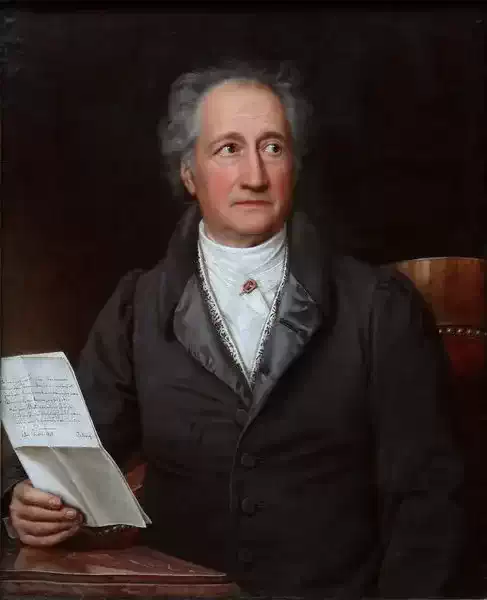
Johann Wolfgang von Goethe
The Brethren
The Brethren
SLUMBER and Sleep, two brethren ordain'd by the gods to their service,
Were by Prometheus implored, comfort to give to his race;
But though so light to the gods, too heavy for man was their burden,
We in their slumber find sleep, we in their sleep meet with death.
SLUMBER and Sleep, two brethren ordain'd by the gods to their service,
Were by Prometheus implored, comfort to give to his race;
But though so light to the gods, too heavy for man was their burden,
We in their slumber find sleep, we in their sleep meet with death.
356
Johann Wolfgang von Goethe
The Bliss Of Sorrow
The Bliss Of Sorrow
NEVER dry, never dry,
Tears that eternal love sheddeth!
How dreary, how dead doth the world still appear,
When only half-dried on the eye is the tear!
Never dry, never dry,
Tears that unhappy love sheddeth!
NEVER dry, never dry,
Tears that eternal love sheddeth!
How dreary, how dead doth the world still appear,
When only half-dried on the eye is the tear!
Never dry, never dry,
Tears that unhappy love sheddeth!
306
Johann Wolfgang von Goethe
The Best
The Best
WHEN head and heart are busy, say,
What better can be found?
Who neither loves nor goes astray,
Were better under ground.
WHEN head and heart are busy, say,
What better can be found?
Who neither loves nor goes astray,
Were better under ground.
362
Johann Wolfgang von Goethe
The Beauteous Flower - Son Of The Imprisioned Count
The Beauteous Flower - Son Of The Imprisioned Count
COUNT.
I KNOW a flower of beauty rare,
Ah, how I hold it dear!
To seek it I would fain repair,
Were I not prison'd here.
My sorrow sore oppresses me,
For when I was at liberty,
I had it close beside me.
Though from this castle's walls so steep
I cast mine eyes around,
And gaze oft from the lofty keep,
The flower can not be found.
Whoe'er would bring it to my sight,
Whether a vassal he, or knight,
My dearest friend I'd deem him.
THE ROSE.
I blossom fair,--thy tale of woes
I hear from 'neath thy grate.
Thou doubtless meanest me, the rose.
Poor knight of high estate!
Thou hast in truth a lofty mind;
The queen of flowers is then enshrin'd,
I doubt not, in thy bosom.
COUNT.
Thy red, in dress of green array'd,
As worth all praise I hold;
And so thou'rt treasured by each maid
Like precious stones or gold.
Thy wreath adorns the fairest face
But still thou'rt not the flower whose grace
I honour here in silence.
THE LILY.
The rose is wont with pride to swell,
And ever seeks to rise;
But gentle sweethearts love full well
The lily's charms to prize,
The heart that fills a bosom true,
That is, like me, unsullied too,
My merit values duly.
COUNT.
In truth, I hope myself unstain'd,
And free from grievous crime;
Yet I am here a prisoner chain'd,
And pass in grief my time,
To me thou art an image sure
Of many a maiden, mild and pure,
And yet I know a dearer.
THE PINK.
That must be me, the pink, who scent
The warder's garden here;
Or wherefore is he so intent
My charms with care to rear?
My petals stand in beauteous ring,
Sweet incense all around I fling,
And boast a thousand colours.
COUNT.
The pink in truth we should not slight,
It is the gardener's pride
It now must stand exposed to light,
Now in the shade abide.
Yet what can make the Count's heart glow
Is no mere pomp of outward show;
It is a silent flower.
THE VIOLET.
Here stand I, modestly half hid,
And fain would silence keep;
Yet since to speak I now am bid,
I'll break my silence deep.
If, worthy Knight, I am that flower,
It grieves me that I have not power
To breathe forth all my sweetness.
COUNT.
The violet's charms I prize indeed,
So modest 'tis, and fair,
And smells so sweet; yet more I need
To ease my heavy care.
The truth I'll whisper in thine ear:
Upon these rocky heights so drear,
I cannot find the loved one.
The truest maiden 'neath the sky
Roams near the stream below,
And breathes forth many a gentle sigh,
Till I from hence can go.
And when she plucks a flow'ret blue,
And says "Forget-me-not!"--I, too,
Though far away, can feel it.
Ay, distance only swells love's might,
When fondly love a pair;
Though prison'd in the dungeon's night,
In life I linger there
And when my heart is breaking nigh,
"Forget-me-not!" is all I cry,
And straightway life returneth.
COUNT.
I KNOW a flower of beauty rare,
Ah, how I hold it dear!
To seek it I would fain repair,
Were I not prison'd here.
My sorrow sore oppresses me,
For when I was at liberty,
I had it close beside me.
Though from this castle's walls so steep
I cast mine eyes around,
And gaze oft from the lofty keep,
The flower can not be found.
Whoe'er would bring it to my sight,
Whether a vassal he, or knight,
My dearest friend I'd deem him.
THE ROSE.
I blossom fair,--thy tale of woes
I hear from 'neath thy grate.
Thou doubtless meanest me, the rose.
Poor knight of high estate!
Thou hast in truth a lofty mind;
The queen of flowers is then enshrin'd,
I doubt not, in thy bosom.
COUNT.
Thy red, in dress of green array'd,
As worth all praise I hold;
And so thou'rt treasured by each maid
Like precious stones or gold.
Thy wreath adorns the fairest face
But still thou'rt not the flower whose grace
I honour here in silence.
THE LILY.
The rose is wont with pride to swell,
And ever seeks to rise;
But gentle sweethearts love full well
The lily's charms to prize,
The heart that fills a bosom true,
That is, like me, unsullied too,
My merit values duly.
COUNT.
In truth, I hope myself unstain'd,
And free from grievous crime;
Yet I am here a prisoner chain'd,
And pass in grief my time,
To me thou art an image sure
Of many a maiden, mild and pure,
And yet I know a dearer.
THE PINK.
That must be me, the pink, who scent
The warder's garden here;
Or wherefore is he so intent
My charms with care to rear?
My petals stand in beauteous ring,
Sweet incense all around I fling,
And boast a thousand colours.
COUNT.
The pink in truth we should not slight,
It is the gardener's pride
It now must stand exposed to light,
Now in the shade abide.
Yet what can make the Count's heart glow
Is no mere pomp of outward show;
It is a silent flower.
THE VIOLET.
Here stand I, modestly half hid,
And fain would silence keep;
Yet since to speak I now am bid,
I'll break my silence deep.
If, worthy Knight, I am that flower,
It grieves me that I have not power
To breathe forth all my sweetness.
COUNT.
The violet's charms I prize indeed,
So modest 'tis, and fair,
And smells so sweet; yet more I need
To ease my heavy care.
The truth I'll whisper in thine ear:
Upon these rocky heights so drear,
I cannot find the loved one.
The truest maiden 'neath the sky
Roams near the stream below,
And breathes forth many a gentle sigh,
Till I from hence can go.
And when she plucks a flow'ret blue,
And says "Forget-me-not!"--I, too,
Though far away, can feel it.
Ay, distance only swells love's might,
When fondly love a pair;
Though prison'd in the dungeon's night,
In life I linger there
And when my heart is breaking nigh,
"Forget-me-not!" is all I cry,
And straightway life returneth.
317
Johann Wolfgang von Goethe
Table Song
Table Song
O'ER me--how I cannot say,-
Heav'nly rapture's growing.
Will it help to guide my way
To yon stars all-glowing?
Yet that here I'd sooner be,
To assert I'm able,
Where, with wine and harmony,
I may thump the table.
Wonder not, my dearest friends,
What 'tis gives me pleasure;
For of all that earth e'er lends,
'Tis the sweetest treasure.
Therefore solemnly I swear,
With no reservation,
That maliciously I'll ne'er
Leave my present station.
Now that here we're gather'd round,
Chasing cares and slumbers,
Let, methought, the goblet sound
To the bard's glad numbers!
Many a hundred mile away,
Go those we love dearly;
Therefore let us here to-day
Make the glass ring clearly!
Here's His health, through Whom we live!
I that faith inherit.
To our king the next toast give,
Honour is his merit,
'Gainst each in-- and outward foe
He's our rock and tower.
Of his maintenance thinks he though,
More that grows his power.
Next to her good health I drink,
Who has stirr'd my passion;
Of his mistress let each think,
Think in knightly fashion.
If the beauteous maid but see
Whom 'tis I now call so,
Let her smiling nod to me:
"Here's my love's health also!"
To those friends,--the two or three,--
Be our next toast given,
In whose presence revel we,
In the silent even,--
Who the gloomy mist so cold
Scatter gently, lightly;
To those friends, then, new or old,
Let the toast ring brightly.
Broader now the stream rolls on,
With its waves more swelling,
While in higher, nobler tone,
Comrades, we are dwelling,--
We who with collected might,
Bravely cling together,
Both in fortune's sunshine bright,
And in stormy weather.
Just as we are gather'd thus,
Others are collected;
On them, therefore, as on us,
Be Fate's smile directed!
From the springhead to the sea,
Many a mill's revolving,
And the world's prosperity
Is the task I'm solving.
O'ER me--how I cannot say,-
Heav'nly rapture's growing.
Will it help to guide my way
To yon stars all-glowing?
Yet that here I'd sooner be,
To assert I'm able,
Where, with wine and harmony,
I may thump the table.
Wonder not, my dearest friends,
What 'tis gives me pleasure;
For of all that earth e'er lends,
'Tis the sweetest treasure.
Therefore solemnly I swear,
With no reservation,
That maliciously I'll ne'er
Leave my present station.
Now that here we're gather'd round,
Chasing cares and slumbers,
Let, methought, the goblet sound
To the bard's glad numbers!
Many a hundred mile away,
Go those we love dearly;
Therefore let us here to-day
Make the glass ring clearly!
Here's His health, through Whom we live!
I that faith inherit.
To our king the next toast give,
Honour is his merit,
'Gainst each in-- and outward foe
He's our rock and tower.
Of his maintenance thinks he though,
More that grows his power.
Next to her good health I drink,
Who has stirr'd my passion;
Of his mistress let each think,
Think in knightly fashion.
If the beauteous maid but see
Whom 'tis I now call so,
Let her smiling nod to me:
"Here's my love's health also!"
To those friends,--the two or three,--
Be our next toast given,
In whose presence revel we,
In the silent even,--
Who the gloomy mist so cold
Scatter gently, lightly;
To those friends, then, new or old,
Let the toast ring brightly.
Broader now the stream rolls on,
With its waves more swelling,
While in higher, nobler tone,
Comrades, we are dwelling,--
We who with collected might,
Bravely cling together,
Both in fortune's sunshine bright,
And in stormy weather.
Just as we are gather'd thus,
Others are collected;
On them, therefore, as on us,
Be Fate's smile directed!
From the springhead to the sea,
Many a mill's revolving,
And the world's prosperity
Is the task I'm solving.
362
Johann Wolfgang von Goethe
Swiss Song
Swiss Song
Up in th' mountain
I was a-sitting,
With the bird there
As my guest,
Blithely singing,
Blithely springing,
And building
His nest.
In the garden
I was a-standing,
And the bee there
Saw as well,
Buzzing, humming,
Going, coming,
And building
His cell.
O'er the meadow
I was a-going,
And there saw the
Butterflies,
Sipping, dancing,
Flying, glancing,
And charming
The eyes.
And then came my
Dear Hansel,
And I show'd them
With glee,
Sipping, quaffing,
And he, laughing,
Sweet kisses
Gave me.
Up in th' mountain
I was a-sitting,
With the bird there
As my guest,
Blithely singing,
Blithely springing,
And building
His nest.
In the garden
I was a-standing,
And the bee there
Saw as well,
Buzzing, humming,
Going, coming,
And building
His cell.
O'er the meadow
I was a-going,
And there saw the
Butterflies,
Sipping, dancing,
Flying, glancing,
And charming
The eyes.
And then came my
Dear Hansel,
And I show'd them
With glee,
Sipping, quaffing,
And he, laughing,
Sweet kisses
Gave me.
375
Johann Wolfgang von Goethe
Spirit Song Over The Waters
Spirit Song Over The Waters
THE soul of man
Resembleth water:
From heaven it cometh,
To heaven it soareth.
And then again
To earth descendeth,
Changing ever.
Down from the lofty
Rocky wall
Streams the bright flood,
Then spreadeth gently
In cloudy billows
O'er the smooth rock,
And welcomed kindly,
Veiling, on roams it,
Soft murmuring,
Tow'rd the abyss.
Cliffs projecting
Oppose its progress,--
Angrily foams it
Down to the bottom,
Step by step.
Now, in flat channel,
Through the meadowland steals it,
And in the polish'd lake
Each constellation
Joyously peepeth.
Wind is the loving
Wooer of waters;
Wind blends together
Billows all-foaming.
Spirit of man,
Thou art like unto water!
Fortune of man,
Thou art like unto wind!
THE soul of man
Resembleth water:
From heaven it cometh,
To heaven it soareth.
And then again
To earth descendeth,
Changing ever.
Down from the lofty
Rocky wall
Streams the bright flood,
Then spreadeth gently
In cloudy billows
O'er the smooth rock,
And welcomed kindly,
Veiling, on roams it,
Soft murmuring,
Tow'rd the abyss.
Cliffs projecting
Oppose its progress,--
Angrily foams it
Down to the bottom,
Step by step.
Now, in flat channel,
Through the meadowland steals it,
And in the polish'd lake
Each constellation
Joyously peepeth.
Wind is the loving
Wooer of waters;
Wind blends together
Billows all-foaming.
Spirit of man,
Thou art like unto water!
Fortune of man,
Thou art like unto wind!
464
Johann Wolfgang von Goethe
Songs
Songs
SONGS are like painted window-panes!
In darkness wrapp'd the church remains,
If from the market-place we view it;
Thus sees the ignoramus through it.
No wonder that he deems it tame,--
And all his life 'twill be the same.
But let us now inside repair,
And greet the holy Chapel there!
At once the whole seems clear and bright,
Each ornament is bathed in light,
And fraught with meaning to the sight.
God's children! thus your fortune prize,
Be edified, and feast your eyes!
SONGS are like painted window-panes!
In darkness wrapp'd the church remains,
If from the market-place we view it;
Thus sees the ignoramus through it.
No wonder that he deems it tame,--
And all his life 'twill be the same.
But let us now inside repair,
And greet the holy Chapel there!
At once the whole seems clear and bright,
Each ornament is bathed in light,
And fraught with meaning to the sight.
God's children! thus your fortune prize,
Be edified, and feast your eyes!
457
Johann Wolfgang von Goethe
Solitude
Solitude
OH ye kindly nymphs, who dwell 'mongst the rocks and the thickets,
Grant unto each whatsoe'er he may in silence desire!
Comfort impart to the mourner, and give to the doubter instruction,
And let the lover rejoice, finding the bliss that he craves.
For from the gods ye received what they ever denied unto mortals,
Power to comfort and aid all who in you may confide.
OH ye kindly nymphs, who dwell 'mongst the rocks and the thickets,
Grant unto each whatsoe'er he may in silence desire!
Comfort impart to the mourner, and give to the doubter instruction,
And let the lover rejoice, finding the bliss that he craves.
For from the gods ye received what they ever denied unto mortals,
Power to comfort and aid all who in you may confide.
396
Johann Wolfgang von Goethe
She Cannot End
She Cannot End
WHEN unto thee I sent the page all white,
Instead of first thereon inscribing aught,
The space thou doubtless filledst up in sport.
And sent it me, to make my joy grow bright.
As soon as the blue cover met my sight,
As well becomes a woman, quick as thought
I tore it open, leaving hidden nought,
And read the well-known words of pure delight:
MY ONLY BEING! DEAREST HEART! SWEET CHILD!
How kindly thou my yearning then didst still
With gentle words, enthralling me to thee.
In truth methought I read thy whispers mild
Wherewith thou lovingly my soul didst fill,
E'en to myself for aye ennobling me.
WHEN unto thee I sent the page all white,
Instead of first thereon inscribing aught,
The space thou doubtless filledst up in sport.
And sent it me, to make my joy grow bright.
As soon as the blue cover met my sight,
As well becomes a woman, quick as thought
I tore it open, leaving hidden nought,
And read the well-known words of pure delight:
MY ONLY BEING! DEAREST HEART! SWEET CHILD!
How kindly thou my yearning then didst still
With gentle words, enthralling me to thee.
In truth methought I read thy whispers mild
Wherewith thou lovingly my soul didst fill,
E'en to myself for aye ennobling me.
317
Johann Wolfgang von Goethe
Sicilian Song
Sicilian Song
YE black and roguish eyes,
If ye command.
Each house in ruins lies,
No town can stand.
And shall my bosom's chain,--
This plaster wall,
To think one moment, deign,--
Shall I not fall?
YE black and roguish eyes,
If ye command.
Each house in ruins lies,
No town can stand.
And shall my bosom's chain,--
This plaster wall,
To think one moment, deign,--
Shall I not fall?
313
Johann Wolfgang von Goethe
Roman Elegies I
Roman Elegies I
Tell me you stones, O speak, you towering palaces!
Streets, say a word! Spirit of this place, are you dumb?
All things are alive in your sacred walls
eternal Rome, only for me all’s still.
Who will whisper to me, at what window
will I see the sweet thing who will kindle me, and quicken?
Already I guess the ways, walking to her and from her,
ever and always I’ll go, while sweet time slips by.
I’m gazing at church and palace, ruin and column,
like a serious man making sensible use of a journey,
but soon it will happen, and all will be one vast temple,
Love’s temple, receiving its new initiate.
Though you are a whole world, Rome, still, without Love,
the world’s not the world, Rome cannot be Rome.
Tell me you stones, O speak, you towering palaces!
Streets, say a word! Spirit of this place, are you dumb?
All things are alive in your sacred walls
eternal Rome, only for me all’s still.
Who will whisper to me, at what window
will I see the sweet thing who will kindle me, and quicken?
Already I guess the ways, walking to her and from her,
ever and always I’ll go, while sweet time slips by.
I’m gazing at church and palace, ruin and column,
like a serious man making sensible use of a journey,
but soon it will happen, and all will be one vast temple,
Love’s temple, receiving its new initiate.
Though you are a whole world, Rome, still, without Love,
the world’s not the world, Rome cannot be Rome.
421
Johann Wolfgang von Goethe
Procemion
Procemion
IN His blest name, who was His own creation,
Who from all time makes making his vocation;
The name of Him who makes our faith so bright,
Love, confidence, activity, and might;
In that One's name, who, named though oft He be,
Unknown is ever in Reality:
As far as ear can reach, or eyesight dim,
Thou findest but the known resembling Him;
How high so'er thy fiery spirit hovers,
Its simile and type it straight discovers
Onward thou'rt drawn, with feelings light and gay,
Where'er thou goest, smiling is the way;
No more thou numbrest, reckonest no time,
Each step is infinite, each step sublime.
WHAT God would outwardly alone control,
And on his finger whirl the mighty Whole?
He loves the inner world to move, to view
Nature in Him, Himself in Nature too,
So that what in Him works, and is, and lives,
The measure of His strength, His spirit gives.
WITHIN us all a universe doth dwell;
And hence each people's usage laudable,
That ev'ry one the Best that meets his eyes
As God, yea e'en his God, doth recognise;
To Him both earth and heaven surrenders he,
Fears Him, and loves Him too, if that may be.
IN His blest name, who was His own creation,
Who from all time makes making his vocation;
The name of Him who makes our faith so bright,
Love, confidence, activity, and might;
In that One's name, who, named though oft He be,
Unknown is ever in Reality:
As far as ear can reach, or eyesight dim,
Thou findest but the known resembling Him;
How high so'er thy fiery spirit hovers,
Its simile and type it straight discovers
Onward thou'rt drawn, with feelings light and gay,
Where'er thou goest, smiling is the way;
No more thou numbrest, reckonest no time,
Each step is infinite, each step sublime.
WHAT God would outwardly alone control,
And on his finger whirl the mighty Whole?
He loves the inner world to move, to view
Nature in Him, Himself in Nature too,
So that what in Him works, and is, and lives,
The measure of His strength, His spirit gives.
WITHIN us all a universe doth dwell;
And hence each people's usage laudable,
That ev'ry one the Best that meets his eyes
As God, yea e'en his God, doth recognise;
To Him both earth and heaven surrenders he,
Fears Him, and loves Him too, if that may be.
464
Johann Wolfgang von Goethe
New Love, New Life
New Love, New Life
HEART! my heart! what means this feeling?
What oppresseth thee so sore?
What strange life is o'er me stealing!
I acknowledge thee no more.
Fled is all that gave thee gladness,
Fled the cause of all thy sadness,
Fled thy peace, thine industry-
Ah, why suffer it to be?
Say, do beauty's graces youthful,
Does this form so fair and bright,
Does this gaze, so kind, so truthful,
Chain thee with unceasing might?
Would I tear me from her boldly,
Courage take, and fly her coldly,
Back to her. I'm forthwith led
By the path I seek to tread.
By a thread I ne'er can sever,
For 'tis 'twined with magic skill,
Doth the cruel maid for ever
Hold me fast against my will.
While those magic chains confine me,
To her will I must resign me.
Ah, the change in truth is great!
Love! kind love! release me straight!
HEART! my heart! what means this feeling?
What oppresseth thee so sore?
What strange life is o'er me stealing!
I acknowledge thee no more.
Fled is all that gave thee gladness,
Fled the cause of all thy sadness,
Fled thy peace, thine industry-
Ah, why suffer it to be?
Say, do beauty's graces youthful,
Does this form so fair and bright,
Does this gaze, so kind, so truthful,
Chain thee with unceasing might?
Would I tear me from her boldly,
Courage take, and fly her coldly,
Back to her. I'm forthwith led
By the path I seek to tread.
By a thread I ne'er can sever,
For 'tis 'twined with magic skill,
Doth the cruel maid for ever
Hold me fast against my will.
While those magic chains confine me,
To her will I must resign me.
Ah, the change in truth is great!
Love! kind love! release me straight!
407
Johann Wolfgang von Goethe
Night Song
Night Song
WHEN on thy pillow lying,
Half listen, I implore,
And at my lute's soft sighing,
Sleep on! what wouldst thou more?
For at my lute's soft sighing
The stars their blessings pour
On feelings never-dying;
Sleep on! what wouldst thou more?
Those feelings never-dying
My spirit aid to soar
From earthly conflicts trying;
Sleep on! what wouldst thou more?
From earthly conflicts trying
Thou driv'st me to this shore;
Through thee I'm thither flying,--
Sleep on! what wouldst thou more?
Through thee I'm hither flying,
Thou wilt not list before
In slumbers thou art lying:
Sleep on! what wouldst thou more?
WHEN on thy pillow lying,
Half listen, I implore,
And at my lute's soft sighing,
Sleep on! what wouldst thou more?
For at my lute's soft sighing
The stars their blessings pour
On feelings never-dying;
Sleep on! what wouldst thou more?
Those feelings never-dying
My spirit aid to soar
From earthly conflicts trying;
Sleep on! what wouldst thou more?
From earthly conflicts trying
Thou driv'st me to this shore;
Through thee I'm thither flying,--
Sleep on! what wouldst thou more?
Through thee I'm hither flying,
Thou wilt not list before
In slumbers thou art lying:
Sleep on! what wouldst thou more?
471
Johann Wolfgang von Goethe
My Goddess
My Goddess
SAY, which Immortal
Merits the highest reward?
With none contend I,
But I will give it
To the aye-changing,
Ever-moving
Wondrous daughter of Jove.
His best-beloved offspring.
Sweet Phantasy.
For unto her
Hath he granted
All the fancies which erst
To none allow'd he
Saving himself;
Now he takes his pleasure
In the mad one.
She may, crowned with roses,
With staff twined round with lilies,
Roam thro' flow'ry valleys,
Rule the butterfly-people,
And soft-nourishing dew
With bee-like lips
Drink from the blossom:
Or else she may
With fluttering hair
And gloomy looks
Sigh in the wind
Round rocky cliffs,
And thousand-hued.
Like morn and even.
Ever changing,
Like moonbeam's light,
To mortals appear.
Let us all, then,
Adore the Father!
The old, the mighty,
Who such a beauteous
Ne'er-fading spouse
Deigns to accord
To perishing mortals!
To us alone
Doth he unite her,
With heavenly bonds,
While he commands her,
in joy and sorrow,
As a true spouse
Never to fly us.
All the remaining
Races so poor
Of life-teeming earth.
In children so rich.
Wander and feed
In vacant enjoyment,
And 'mid the dark sorrows
Of evanescent
Restricted life,Bow'd
by the heavy
Yoke of Necessity.
But unto us he
Hath his most versatile,
Most cherished daughter
Granted,-what joy!
Lovingly greet her
As a beloved one!
Give her the woman's
Place in our home!
And oh, may the aged
Stepmother Wisdom
Her gentle spirit
Ne'er seek to harm!
Yet know I her sister,
The older, sedater,
Mine own silent friend;
Oh, may she never,
Till life's lamp is quench'd,
Turn away from me,-
That noble inciter,
Comforter,-Hope!
SAY, which Immortal
Merits the highest reward?
With none contend I,
But I will give it
To the aye-changing,
Ever-moving
Wondrous daughter of Jove.
His best-beloved offspring.
Sweet Phantasy.
For unto her
Hath he granted
All the fancies which erst
To none allow'd he
Saving himself;
Now he takes his pleasure
In the mad one.
She may, crowned with roses,
With staff twined round with lilies,
Roam thro' flow'ry valleys,
Rule the butterfly-people,
And soft-nourishing dew
With bee-like lips
Drink from the blossom:
Or else she may
With fluttering hair
And gloomy looks
Sigh in the wind
Round rocky cliffs,
And thousand-hued.
Like morn and even.
Ever changing,
Like moonbeam's light,
To mortals appear.
Let us all, then,
Adore the Father!
The old, the mighty,
Who such a beauteous
Ne'er-fading spouse
Deigns to accord
To perishing mortals!
To us alone
Doth he unite her,
With heavenly bonds,
While he commands her,
in joy and sorrow,
As a true spouse
Never to fly us.
All the remaining
Races so poor
Of life-teeming earth.
In children so rich.
Wander and feed
In vacant enjoyment,
And 'mid the dark sorrows
Of evanescent
Restricted life,Bow'd
by the heavy
Yoke of Necessity.
But unto us he
Hath his most versatile,
Most cherished daughter
Granted,-what joy!
Lovingly greet her
As a beloved one!
Give her the woman's
Place in our home!
And oh, may the aged
Stepmother Wisdom
Her gentle spirit
Ne'er seek to harm!
Yet know I her sister,
The older, sedater,
Mine own silent friend;
Oh, may she never,
Till life's lamp is quench'd,
Turn away from me,-
That noble inciter,
Comforter,-Hope!
373
Johann Wolfgang von Goethe
Minstrel's Book - Song And Structure
Minstrel's Book - Song And Structure
LET the Greek his plastic clay
Mould in human fashion,
While his own creation may
Wake his glowing passion;
But it is our joy to court
Great Euphrates' torrent,
Here and there at will to sport
In the Wat'ry current.
Quench'd I thus my spirit's flame,
Songs had soon resounded;
Water drawn by bards whose fame
Pure is, may be rounded.
LET the Greek his plastic clay
Mould in human fashion,
While his own creation may
Wake his glowing passion;
But it is our joy to court
Great Euphrates' torrent,
Here and there at will to sport
In the Wat'ry current.
Quench'd I thus my spirit's flame,
Songs had soon resounded;
Water drawn by bards whose fame
Pure is, may be rounded.
295
Johann Wolfgang von Goethe
Lines On Seeing Schiller's Skull
Lines On Seeing Schiller's Skull
WITHIN a gloomy charnel-house one day
I view'd the countless skulls, so strangely mated,
And of old times I thought, that now were grey.
Close pack'd they stand, that once so fiercely hated,
And hardy bones, that to the death contended,
Are lying cross'd,--to lie for ever, fated.
What held those crooked shoulder-blades suspended?
No one now asks; and limbs with vigour fired,
The hand, the foot--their use in life is ended.
Vainly ye sought the tomb for rest when tired;
Peace in the grave may not be yours; ye're driven
Back into daylight by a force inspired;
But none can love the wither'd husk, though even
A glorious noble kernel it contained.
To me, an adept, was the writing given
Which not to all its holy sense explained,
When 'mid the crowd, their icy shadows flinging,
I saw a form, that glorious still remained.
And even there, where mould and damp were clinging,
Gave me a blest, a rapture-fraught emotion,
As though from death a living fount were springing.
What mystic joy I felt! What rapt devotion!
That form, how pregnant with a godlike trace!
A look, how did it whirl me tow'rd that ocean
Whose rolling billows mightier shapes embrace!
Mysterious vessel! Oracle how dear!
Even to grasp thee is my hand too base,
Except to steal thee from thy prison here
With pious purpose, and devoutly go
Back to the air, free thoughts, and sunlight clear.
What greater gain in life can man e'er know
Than when God-Nature will to him explain
How into Spirit steadfastness may flow,
How steadfast, too, the Spirit-Born remain.
WITHIN a gloomy charnel-house one day
I view'd the countless skulls, so strangely mated,
And of old times I thought, that now were grey.
Close pack'd they stand, that once so fiercely hated,
And hardy bones, that to the death contended,
Are lying cross'd,--to lie for ever, fated.
What held those crooked shoulder-blades suspended?
No one now asks; and limbs with vigour fired,
The hand, the foot--their use in life is ended.
Vainly ye sought the tomb for rest when tired;
Peace in the grave may not be yours; ye're driven
Back into daylight by a force inspired;
But none can love the wither'd husk, though even
A glorious noble kernel it contained.
To me, an adept, was the writing given
Which not to all its holy sense explained,
When 'mid the crowd, their icy shadows flinging,
I saw a form, that glorious still remained.
And even there, where mould and damp were clinging,
Gave me a blest, a rapture-fraught emotion,
As though from death a living fount were springing.
What mystic joy I felt! What rapt devotion!
That form, how pregnant with a godlike trace!
A look, how did it whirl me tow'rd that ocean
Whose rolling billows mightier shapes embrace!
Mysterious vessel! Oracle how dear!
Even to grasp thee is my hand too base,
Except to steal thee from thy prison here
With pious purpose, and devoutly go
Back to the air, free thoughts, and sunlight clear.
What greater gain in life can man e'er know
Than when God-Nature will to him explain
How into Spirit steadfastness may flow,
How steadfast, too, the Spirit-Born remain.
350
Johann Wolfgang von Goethe
Happiness And Vision
Happiness And Vision
TOGETHER at the altar we
In vision oft were seen by thee,
Thyself as bride, as bridegroom I.
Oft from thy mouth full many a kiss
In an unguarded hour of bliss
I then would steal, while none were by.
The purest rapture we then knew,
The joy those happy hours gave too,
When tasted, fled, as time fleets on.
What now avails my joy to me?
Like dreams the warmest kisses flee,
Like kisses, soon all joys are gone.
TOGETHER at the altar we
In vision oft were seen by thee,
Thyself as bride, as bridegroom I.
Oft from thy mouth full many a kiss
In an unguarded hour of bliss
I then would steal, while none were by.
The purest rapture we then knew,
The joy those happy hours gave too,
When tasted, fled, as time fleets on.
What now avails my joy to me?
Like dreams the warmest kisses flee,
Like kisses, soon all joys are gone.
327
Johann Wolfgang von Goethe
Genial Impulse
Genial Impulse
THUS roll I, never taking ease,
My tub, like Saint Diogenes,
Now serious am, now seek to please;
Now love and hate in turn one sees;
The motives now are those, now these;
Now nothings, now realities.
Thus roll I, never taking ease,
My tub, like Saint Diogenes.
THUS roll I, never taking ease,
My tub, like Saint Diogenes,
Now serious am, now seek to please;
Now love and hate in turn one sees;
The motives now are those, now these;
Now nothings, now realities.
Thus roll I, never taking ease,
My tub, like Saint Diogenes.
411
Johann Wolfgang von Goethe
Ganymede
Ganymede
How, in the light of morning,
Round me thou glowest,
Spring, thou beloved one!
With thousand-varying loving bliss
The sacred emotions
Born of thy warmth eternal
Press 'gainst my bosom,
Thou endlessly fair one!
Could I but hold thee clasp'd
Within mine arms!
Ah! upon thy bosom
Lay I, pining,
And then thy flowers, thy grass,
Were pressing against my heart.
Thou coolest the burning
Thirst of my bosom,
Beauteous morning breeze!
The nightingale then calls me
Sweetly from out of the misty vale.
I come, I come!
Whither? Ah, whither?
Up, up, lies my course.
While downward the clouds
Are hovering, the clouds
Are bending to meet yearning love.
For me,
Within thine arms
Upwards!
Embraced and embracing!
Upwards into thy bosom,
Oh Father all-loving!
How, in the light of morning,
Round me thou glowest,
Spring, thou beloved one!
With thousand-varying loving bliss
The sacred emotions
Born of thy warmth eternal
Press 'gainst my bosom,
Thou endlessly fair one!
Could I but hold thee clasp'd
Within mine arms!
Ah! upon thy bosom
Lay I, pining,
And then thy flowers, thy grass,
Were pressing against my heart.
Thou coolest the burning
Thirst of my bosom,
Beauteous morning breeze!
The nightingale then calls me
Sweetly from out of the misty vale.
I come, I come!
Whither? Ah, whither?
Up, up, lies my course.
While downward the clouds
Are hovering, the clouds
Are bending to meet yearning love.
For me,
Within thine arms
Upwards!
Embraced and embracing!
Upwards into thy bosom,
Oh Father all-loving!
474
Johann Wolfgang von Goethe
From Faust - V. Margaret At Her Spinning-Wheel
From Faust - V. Margaret At Her Spinning-Wheel
MY heart is sad,
My peace is o'er;
I find it never
And nevermore.
When gone is he,
The grave I see;
The world's wide all
Is turned to gall.
Alas, my head
Is well-nigh crazed;
My feeble mind
Is sore amazed.
My heart is sad,
My peace is o'er;
I find it never
And nevermore.
For him from the window
Alone I spy;
For him alone
From home go I.
His lofty step,
His noble form,
His mouth's sweet smile,
His glances warm,
His voice so fraught
With magic bliss,
His hand's soft pressure,
And, ah, his kiss!
My heart is sad,
My peace is o'er;
I find it never
And nevermore.
My bosom yearns
For his form so fair;
Ah, could I clasp him
And hold him there!
My kisses sweet
Should stop his breath,
And 'neath his kisses
I'd sink in death!
MY heart is sad,
My peace is o'er;
I find it never
And nevermore.
When gone is he,
The grave I see;
The world's wide all
Is turned to gall.
Alas, my head
Is well-nigh crazed;
My feeble mind
Is sore amazed.
My heart is sad,
My peace is o'er;
I find it never
And nevermore.
For him from the window
Alone I spy;
For him alone
From home go I.
His lofty step,
His noble form,
His mouth's sweet smile,
His glances warm,
His voice so fraught
With magic bliss,
His hand's soft pressure,
And, ah, his kiss!
My heart is sad,
My peace is o'er;
I find it never
And nevermore.
My bosom yearns
For his form so fair;
Ah, could I clasp him
And hold him there!
My kisses sweet
Should stop his breath,
And 'neath his kisses
I'd sink in death!
325
Johann Wolfgang von Goethe
From Faust - VII. MARGARET, Placing Fresh Flowers In The Flower-Pots.
From Faust - VII. MARGARET, Placing Fresh Flowers In The Flower-Pots.
O THOU well-tried in grief,
Grant to thy child relief,
And view with mercy this unhappy one!
The sword within thy heart,
Speechless with bitter smart,
Thou Lookest up towards thy dying son.
Thou look'st to God on high,
And breathest many a sigh
O'er his and thy distress, thou holy One!
Who e'er can know
The depth of woe
Piercing my very bone?
The sorrows that my bosom fill,
Its trembling, its aye-yearning will,
Are known to thee, to thee alone!
Wherever I may go,
With woe, with woe, with woe,
My bosom sad is aching!
I scarce alone can creep,
I weep, I weep, I weep,
My very heart is breaking.
The flowers at my window
My falling tears bedewed,
When I, at dawn of morning,
For thee these flow'rets strewed.
When early to my chamber
The cheerful sunbeams stole,
I sat upon my pallet,
In agony of soul.
Help! rescue me from death and misery!
Oh, thou well-tried in grief,
Grant to thy child relief,
And view with mercy my deep agony!
O THOU well-tried in grief,
Grant to thy child relief,
And view with mercy this unhappy one!
The sword within thy heart,
Speechless with bitter smart,
Thou Lookest up towards thy dying son.
Thou look'st to God on high,
And breathest many a sigh
O'er his and thy distress, thou holy One!
Who e'er can know
The depth of woe
Piercing my very bone?
The sorrows that my bosom fill,
Its trembling, its aye-yearning will,
Are known to thee, to thee alone!
Wherever I may go,
With woe, with woe, with woe,
My bosom sad is aching!
I scarce alone can creep,
I weep, I weep, I weep,
My very heart is breaking.
The flowers at my window
My falling tears bedewed,
When I, at dawn of morning,
For thee these flow'rets strewed.
When early to my chamber
The cheerful sunbeams stole,
I sat upon my pallet,
In agony of soul.
Help! rescue me from death and misery!
Oh, thou well-tried in grief,
Grant to thy child relief,
And view with mercy my deep agony!
321
Johann Wolfgang von Goethe
From Faust - IV. Chorus Of Spirits
From Faust - IV. Chorus Of Spirits
VANISH, dark clouds on high,
Offspring of night!
Let a more radiant beam
Through the blue ether gleam,
Charming the sight!
Would the dark clouds on high
Melt into air!
Stars glimmer tenderly,
Planets more fair
Shed their soft light.
Spirits of heav'nly birth,
Fairer than sons of earth,
Quivering emotions true
Hover above;
Yearning affections, too,
In their train move.
See how the spirit-band,
By the soft breezes fann'd,
Covers the smiling land,--
Covers the leafy grove,
Where happy lovers rove,
Deep in a dream of love,
True love that never dies!
Bowers on bowers rise,
Soft tendrils twine;
While from the press escapes,
Born of the juicy grapes,
Foaming, the wine;
And as the current flows
O'er the bright stones it goes,--
Leaving the hilly lands
Far, far behind,--
Into a sea expands,
Loving to wind
Round the green mountain's base;
And the glad-winged race,
Rapture sip in,
As they the sunny light,
And the fair islands bright,
Hasten to win,
That on the billows play
With sweet deceptive ray,
Where in glad choral song
Shout the exulting throng;
Where on the verdant plain
Dancers we see,
Spreading themselves amain
Over the lea.
Some boldly climbing are
O'er the steep brake,
Others are floating far
O'er the smooth lake.
All for a purpose move,
All with life teem,
While the sweet stars above
Blissfully gleam.
VANISH, dark clouds on high,
Offspring of night!
Let a more radiant beam
Through the blue ether gleam,
Charming the sight!
Would the dark clouds on high
Melt into air!
Stars glimmer tenderly,
Planets more fair
Shed their soft light.
Spirits of heav'nly birth,
Fairer than sons of earth,
Quivering emotions true
Hover above;
Yearning affections, too,
In their train move.
See how the spirit-band,
By the soft breezes fann'd,
Covers the smiling land,--
Covers the leafy grove,
Where happy lovers rove,
Deep in a dream of love,
True love that never dies!
Bowers on bowers rise,
Soft tendrils twine;
While from the press escapes,
Born of the juicy grapes,
Foaming, the wine;
And as the current flows
O'er the bright stones it goes,--
Leaving the hilly lands
Far, far behind,--
Into a sea expands,
Loving to wind
Round the green mountain's base;
And the glad-winged race,
Rapture sip in,
As they the sunny light,
And the fair islands bright,
Hasten to win,
That on the billows play
With sweet deceptive ray,
Where in glad choral song
Shout the exulting throng;
Where on the verdant plain
Dancers we see,
Spreading themselves amain
Over the lea.
Some boldly climbing are
O'er the steep brake,
Others are floating far
O'er the smooth lake.
All for a purpose move,
All with life teem,
While the sweet stars above
Blissfully gleam.
412