

Poems in this topic
Soul
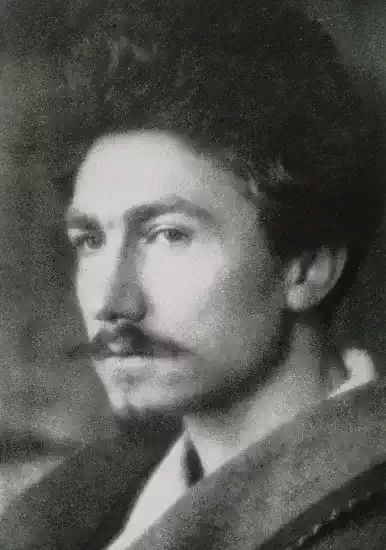
Ezra Pound
Marvoil
Marvoil
A poor clerk I, 'Arnaut the less' they call me,
And because I have small mind to sit
Day long, long day cooped on a stool
A-jumbling o' figures for Maitre Jacques Polin,
I ha' taken to rambling the South here.
The Vicomte of Beziers's not such a bad lot.
I made rimes to his lady this three year:
Vers and canzone, till that damn'd son of Aragon,
Alfonso the half-bald, took to hanging
His helmet at Beziers.
Then came what might come, to wit: three men and one woman,
Beziers off at Mont-Ausier, I and his lady
Singing the stars in the turrets of Beziers,
And one lean Aragonese cursing the seneschal
To the end that you see, friends:
Aragon cursing in Aragon, Beziers busy at Beziers
Bored to an inch of extinction,
Tibors all tongue and temper at Mont-Ausier,
Me! in this damn'd inn of Avignon,
Stringing long verse for the Burlatz;
All for one half-bald, knock-knee'd king of the Aragonese,
Alfonso, Quattro, poke-nose.
And if when I am dead
They take the trouble to tear out this wall here,
They'11 know more of Arnaut of Marvoil
Than half his canzoni say of him.
As for will and testament I leave none,
Save this: ‘Vers and canzone to the Countess of Beziers
In return for the first kiss she gave me.'
May her eyes and her cheek be fair
To all men except the King of Aragon,
And may I come'speedily to Beziers
Whither my desire and my dream have preceded me.
O hole in the wall here! be thou my jongleur
As ne'er had I other, and when the wind blows,
Sing thou the grace of the Lady of Beziers,
For even as thou art hollow before I fill thee with this parchment,
So is my heart hollow when she filleth not mine eyes,
And so were my mind hollow, did she not fill utterly my thought.
Wherefore, O hole in the wall here,
When the wind blows sigh thou for my sorrow
That I have not the Countess of Beziers
Close in my arms here.
Even as thou shalt soon have this parchment.
O hole in the wall here, be thou my jongleur,
And though thou sighest my sorrow in the wind,
Keep yet my secret in thy breast here;
Even as I keep her image in my heart here.
A poor clerk I, 'Arnaut the less' they call me,
And because I have small mind to sit
Day long, long day cooped on a stool
A-jumbling o' figures for Maitre Jacques Polin,
I ha' taken to rambling the South here.
The Vicomte of Beziers's not such a bad lot.
I made rimes to his lady this three year:
Vers and canzone, till that damn'd son of Aragon,
Alfonso the half-bald, took to hanging
His helmet at Beziers.
Then came what might come, to wit: three men and one woman,
Beziers off at Mont-Ausier, I and his lady
Singing the stars in the turrets of Beziers,
And one lean Aragonese cursing the seneschal
To the end that you see, friends:
Aragon cursing in Aragon, Beziers busy at Beziers
Bored to an inch of extinction,
Tibors all tongue and temper at Mont-Ausier,
Me! in this damn'd inn of Avignon,
Stringing long verse for the Burlatz;
All for one half-bald, knock-knee'd king of the Aragonese,
Alfonso, Quattro, poke-nose.
And if when I am dead
They take the trouble to tear out this wall here,
They'11 know more of Arnaut of Marvoil
Than half his canzoni say of him.
As for will and testament I leave none,
Save this: ‘Vers and canzone to the Countess of Beziers
In return for the first kiss she gave me.'
May her eyes and her cheek be fair
To all men except the King of Aragon,
And may I come'speedily to Beziers
Whither my desire and my dream have preceded me.
O hole in the wall here! be thou my jongleur
As ne'er had I other, and when the wind blows,
Sing thou the grace of the Lady of Beziers,
For even as thou art hollow before I fill thee with this parchment,
So is my heart hollow when she filleth not mine eyes,
And so were my mind hollow, did she not fill utterly my thought.
Wherefore, O hole in the wall here,
When the wind blows sigh thou for my sorrow
That I have not the Countess of Beziers
Close in my arms here.
Even as thou shalt soon have this parchment.
O hole in the wall here, be thou my jongleur,
And though thou sighest my sorrow in the wind,
Keep yet my secret in thy breast here;
Even as I keep her image in my heart here.
505
Ezra Pound
Liu Ch'e
Liu Ch'e
The rustling of the silk is discontinued,
Dust drifts over the court-yard,
There is no sound of foot-fall, and the leaves
Scurry into heaps and lie still,
And she the rejoicer of the heart is beneath them:
A wet leaf that clings to the threshold.
The rustling of the silk is discontinued,
Dust drifts over the court-yard,
There is no sound of foot-fall, and the leaves
Scurry into heaps and lie still,
And she the rejoicer of the heart is beneath them:
A wet leaf that clings to the threshold.
433
Ezra Pound
Les Millwin
Les Millwin
The little Millwins attend the Russian Ballet.
The mauve and greenish souls of the little Millwins
Were seen lying along the upper seats
Like so many unused boas.
The turbulent and undisciplined host of art students-
The rigorous deputation from ‘Slade’-
Was before them.
With arms exalted, with fore-arms
Crossed in great futuristic X's, the art students
Exulted, they beheld the splendours of Cleopatra
And the little Millwins beheld these things;
With their large and anaemic eyes they looked out upon
this configuration.
Let us therefore mention the fact,
For it seems to us worthy of record.
The little Millwins attend the Russian Ballet.
The mauve and greenish souls of the little Millwins
Were seen lying along the upper seats
Like so many unused boas.
The turbulent and undisciplined host of art students-
The rigorous deputation from ‘Slade’-
Was before them.
With arms exalted, with fore-arms
Crossed in great futuristic X's, the art students
Exulted, they beheld the splendours of Cleopatra
And the little Millwins beheld these things;
With their large and anaemic eyes they looked out upon
this configuration.
Let us therefore mention the fact,
For it seems to us worthy of record.
435
Ezra Pound
La Regina Avrillouse
La Regina Avrillouse
Lady of rich allure,
Queen of the spring's embrace,
Your arms are long like boughs of ash,
Mid laugh-broken streams, spirit of rain unsure,
Breath of the poppy flower,
All the wood thy bower
And the hills thy dwelling-place.
This will I no more dream;
Warm is thy arm's allure,
Warm is the gust of breath
That ere thy lips meet mine
Kisseth my cheek and saith:
"This is the joy of earth,
Here is the wine of mirth
Drain ye one goblet sure,
Take ye the honey cup
The honied song raise up,
Drink of the spring's allure,
April and dew and rain;
Brown of the earth sing sure,
Cheeks and lips and hair
And soft breath that kisseth where
Thy lips have come not yet to drink."
Moss and the mold of earth,
These be thy couch of mirth,
Long arms thy boughs of shade
April-alluring, as the blade
Of grass doth catch the dew
And make it crown to hold the sun.
Banner be you
Above my head,
Glory to all wold display'd,
April-alluring, glory-bold.
Lady of rich allure,
Queen of the spring's embrace,
Your arms are long like boughs of ash,
Mid laugh-broken streams, spirit of rain unsure,
Breath of the poppy flower,
All the wood thy bower
And the hills thy dwelling-place.
This will I no more dream;
Warm is thy arm's allure,
Warm is the gust of breath
That ere thy lips meet mine
Kisseth my cheek and saith:
"This is the joy of earth,
Here is the wine of mirth
Drain ye one goblet sure,
Take ye the honey cup
The honied song raise up,
Drink of the spring's allure,
April and dew and rain;
Brown of the earth sing sure,
Cheeks and lips and hair
And soft breath that kisseth where
Thy lips have come not yet to drink."
Moss and the mold of earth,
These be thy couch of mirth,
Long arms thy boughs of shade
April-alluring, as the blade
Of grass doth catch the dew
And make it crown to hold the sun.
Banner be you
Above my head,
Glory to all wold display'd,
April-alluring, glory-bold.
434
Ezra Pound
Invern
Invern
Earth's winter cometh
And I being part of all
And sith the spirit of all moveth in me
I must needs bear earth's winter
Drawn cold and grey with hours
And joying in a momentary sun,
Lo I am withered with waiting till my spring cometh!
Or crouch covetous of warmth
O'er scant-logged ingle blaze,
Must take cramped joy in tomed Longinus
That, read I him first time
The woods agleam with summer
Or mid desirous winds of spring,
Had set me singing spheres
Or made heart to wander forth among warm roses
Or curl in grass next neath a kindly moon.
Earth's winter cometh
And I being part of all
And sith the spirit of all moveth in me
I must needs bear earth's winter
Drawn cold and grey with hours
And joying in a momentary sun,
Lo I am withered with waiting till my spring cometh!
Or crouch covetous of warmth
O'er scant-logged ingle blaze,
Must take cramped joy in tomed Longinus
That, read I him first time
The woods agleam with summer
Or mid desirous winds of spring,
Had set me singing spheres
Or made heart to wander forth among warm roses
Or curl in grass next neath a kindly moon.
471
Ezra Pound
Ité
Ité
Go, my songs, seek your praise from the young
and from the intolerant,
Move among the lovers of perfection alone.
Seek ever to stand in the hard Sophoclean light
And take you wounds from it gladly.
Go, my songs, seek your praise from the young
and from the intolerant,
Move among the lovers of perfection alone.
Seek ever to stand in the hard Sophoclean light
And take you wounds from it gladly.
340
Ezra Pound
In Tempore Senectutis
In Tempore Senectutis
When I am old
I will not have you look apart
From me, into the cold,
Friend of my heart,
Nor be sad in your remembrance
Of the careless, mad-heart semblance
That the wind hath blown away
When I am old.
When I am old
And the white hot wonder-fire
Unto the world seem cold,
My soul's desire
Know you then that all life's shower,
The rain of the years, that hour
Shall make blow for us one flower,
Including all, when we are old.
When I am old
If you remember
Any love save what is then
Hearth light unto life's December
Be your joy of past sweet chalices
To know then naught but this
"How many wonders are less sweet
Than love I bear to thee
When I am old."
When I am old
I will not have you look apart
From me, into the cold,
Friend of my heart,
Nor be sad in your remembrance
Of the careless, mad-heart semblance
That the wind hath blown away
When I am old.
When I am old
And the white hot wonder-fire
Unto the world seem cold,
My soul's desire
Know you then that all life's shower,
The rain of the years, that hour
Shall make blow for us one flower,
Including all, when we are old.
When I am old
If you remember
Any love save what is then
Hearth light unto life's December
Be your joy of past sweet chalices
To know then naught but this
"How many wonders are less sweet
Than love I bear to thee
When I am old."
472
Ezra Pound
IN DURANCE
IN DURANCE
(1907)
1 am homesick after mine own kind,
Oh I know that there are folk about me, friendly faces,
But I am homesick after mine own kind.
'These sell our pictures'! Oh well,
They reach me not, touch me some edge or that,
But reach me not and all my life's become
One flame, that reaches not beyond
My heart's own hearth,
Or hides among the ashes there for thee.
Thee'? Oh, 'Thee' is who cometh first
Out of mine own soul-kin,
For I am homesick after mine own kind
And ordinary people touch me not.
And I am homesick
After mine own kind that know, and feel
And have some breath for beauty and the arts.
Aye, I am wistful for my kin of the spirit
And have none about me save in the shadows
When come they, surging of power, 'DAEMON,'
'Quasi KALOUN.' S.T. says Beauty is most that, a
'calling to the soul'.
Well then, so call they, the swirlers out of the mist of my soul,
They that come mewards, bearing old magic.
But for all that, I am homesick after mine own kind
And would meet kindred even as I am,
Flesh-shrouded bearing the secret.
'All they that with strange sadness'
Have the earth in mockery, and are kind to all,
My fellows, aye I know the glory
Of th' unbounded ones, but ye, that hide
As I hide most the while
And burst forth to the windows only whiles or whiles
For love, or hope or beauty or for power,
Then smoulder, with the lids half closed
And are untouched by echoes of the world.
Oh ye, my fellows: with the seas between us some be,
Purple and sapphire for the silver shafts
Of sun and spray all shattered at the bows;
And some the hills hold off,
The little hills to east of us, though here we
Have damp and plain to be our shutting in.
And yet my soul sings ‘Up!' and we are one.
Yea thou, and Thou, and THOU, and all my kin
To whom my breast and arms are ever warm,
For that I love ye as the wind the trees
That holds their blossoms and their leaves in cure
And calls the utmost singing from the boughs
That Hhout him, save the aspen, were as dumb
Still shade, and bade no whisper speak the birds of how
'Beyond, beyond, beyond, there lies . . .'
(1907)
1 am homesick after mine own kind,
Oh I know that there are folk about me, friendly faces,
But I am homesick after mine own kind.
'These sell our pictures'! Oh well,
They reach me not, touch me some edge or that,
But reach me not and all my life's become
One flame, that reaches not beyond
My heart's own hearth,
Or hides among the ashes there for thee.
Thee'? Oh, 'Thee' is who cometh first
Out of mine own soul-kin,
For I am homesick after mine own kind
And ordinary people touch me not.
And I am homesick
After mine own kind that know, and feel
And have some breath for beauty and the arts.
Aye, I am wistful for my kin of the spirit
And have none about me save in the shadows
When come they, surging of power, 'DAEMON,'
'Quasi KALOUN.' S.T. says Beauty is most that, a
'calling to the soul'.
Well then, so call they, the swirlers out of the mist of my soul,
They that come mewards, bearing old magic.
But for all that, I am homesick after mine own kind
And would meet kindred even as I am,
Flesh-shrouded bearing the secret.
'All they that with strange sadness'
Have the earth in mockery, and are kind to all,
My fellows, aye I know the glory
Of th' unbounded ones, but ye, that hide
As I hide most the while
And burst forth to the windows only whiles or whiles
For love, or hope or beauty or for power,
Then smoulder, with the lids half closed
And are untouched by echoes of the world.
Oh ye, my fellows: with the seas between us some be,
Purple and sapphire for the silver shafts
Of sun and spray all shattered at the bows;
And some the hills hold off,
The little hills to east of us, though here we
Have damp and plain to be our shutting in.
And yet my soul sings ‘Up!' and we are one.
Yea thou, and Thou, and THOU, and all my kin
To whom my breast and arms are ever warm,
For that I love ye as the wind the trees
That holds their blossoms and their leaves in cure
And calls the utmost singing from the boughs
That Hhout him, save the aspen, were as dumb
Still shade, and bade no whisper speak the birds of how
'Beyond, beyond, beyond, there lies . . .'
492
Ezra Pound
Hugh Selwyn Mauberly (Part I)
Hugh Selwyn Mauberly (Part I)
"Vocat aestus in umbram"
Nemesianus Es. IV.
E. P. Ode pour l'élection de son sépulchre
For three years, out of key with his time,
He strove to resuscitate the dead art
Of poetry; to maintain "the sublime"
In the old sense. Wrong from the start --
No, hardly, but, seeing he had been born
In a half savage country, out of date;
Bent resolutely on wringing lilies from the acorn;
Capaneus; trout for factitious bait:
"Idmen gar toi panth, os eni Troie
Caught in the unstopped ear;
Giving the rocks small lee-way
The chopped seas held him, therefore, that year.
His true Penelope was Flaubert,
He fished by obstinate isles;
Observed the elegance of Circe's hair
Rather than the mottoes on sun-dials.
Unaffected by "the march of events",
He passed from men's memory in l'an trentiesme
De son eage; the case presents
No adjunct to the Muses' diadem.
II.
The age demanded an image
Of its accelerated grimace,
Something for the modern stage,
Not, at any rate, an Attic grace;
Not, not certainly, the obscure reveries
Of the inward gaze;
Better mendacities
Than the classics in paraphrase!
The "age demanded" chiefly a mould in plaster,
Made with no loss of time,
A prose kinema, not, not assuredly, alabaster
Or the "sculpture" of rhyme.
III.
The tea-rose, tea-gown, etc.
Supplants the mousseline of Cos,
The pianola "replaces"
Sappho's barbitos.
Christ follows Dionysus,
Phallic and ambrosial
Made way for macerations;
Caliban casts out Ariel.
All things are a flowing,
Sage Heracleitus says;
But a tawdry cheapness
Shall reign throughout our days.
Even the Christian beauty
Defects -- after Samothrace;
We see to kalon
Decreed in the market place.
Faun's flesh is not to us,
Nor the saint's vision.
We have the press for wafer;
Franchise for circumcision.
All men, in law, are equals.
Free of Peisistratus,
We choose a knave or an eunuch
To rule over us.
A bright Apollo,
tin andra, tin eroa, tina theon,
What god, man, or hero
Shall I place a tin wreath upon?
IV.
These fought, in any case,
and some believing, pro domo, in any case ..
Some quick to arm,
some for adventure,
some from fear of weakness,
some from fear of censure,
some for love of slaughter, in imagination,
learning later ...
some in fear, learning love of slaughter;
Died some pro patria, non dulce non et decor" ..
walked eye-deep in hell
believing in old men's lies, then unbelieving
came home, home to a lie,
home to many deceits,
home to old lies and new infamy;
usury age-old and age-thick
and liars in public places.
Daring as never before, wastage as never before.
Young blood and high blood,
Fair cheeks, and fine bodies;
fortitude as never before
frankness as never before,
disillusions as never told in the old days,
hysterias, trench confessions,
laughter out of dead bellies.
V.
There died a myriad,
And of the best, among them,
For an old bitch gone in the teeth,
For a botched civilization.
Charm, smiling at the good mouth,
Quick eyes gone under earth's lid,
For two gross of broken statues,
For a few thousand battered books.
Yeux Glauques
Gladstone was still respected,
When John Ruskin produced
"Kings Treasuries"; Swinburne
And Rossetti still abused.
Foetid Buchanan lifted up his voice
When that faun's head of hers
Became a pastime for
Painters and adulterers.
The Burne-Jones cartons
Have preserved her eyes;
Still, at the Tate, they teach
Cophetua to rhapsodize;
Thin like brook-water,
With a vacant gaze.
The English Rubaiyat was still-born
In those days.
The thin, clear gaze, the same
Still darts out faun-like from the half-ruin'd face,
Questing and passive ....
"Ah, poor Jenny's case" ...
Bewildered that a world
Shows no surprise
At her last maquero's
Adulteries.
"Siena Mi Fe', Disfecemi Maremma"
Among the pickled foetuses and bottled bones,
Engaged in perfecting the catalogue,
I found the last scion of the
Senatorial families of Strasbourg, Monsieur Verog.
For two hours he talked of Gallifet;
Of Dowson; of the Rhymers' Club;
Told me how Johnson (Lionel) died
By falling from a high stool in a pub ...
But showed no trace of alcohol
At the autopsy, privately performed --
Tissue preserved -- the pure mind
Arose toward Newman as the whiskey warmed.
Dowson found harlots cheaper than hotels;
Headlam for uplift; Image impartially imbued
With raptures for Bacchus, Terpsichore and the Church.
So spoke the author of "The Dorian Mood",
M. Verog, out of step with the decade,
Detached from his contemporaries,
Neglected by the young,
Because of these reveries.
Brennbaum.
The sky-like limpid eyes,
The circular infant's face,
The stiffness from spats to collar
Never relaxing into grace;
The heavy memories of Horeb, Sinai and the forty years,
Showed only when the daylight fell
Level across the face
Of Brennbaum "The Impeccable".
Mr. Nixon
In the cream gilded cabin of his steam yacht
Mr. Nixon advised me kindly, to advance with fewer
Dangers of delay. "Consider
Carefully the reviewer.
"I was as poor as you are;
"When I began I got, of course,
"Advance on royalties, fifty at first", said Mr. Nixon,
"Follow me, and take a column,
"Even if you have to work free.
"Butter reviewers. From fifty to three hundred
"I rose in eighteen months;
"The hardest nut I had to crack
"Was Dr. Dundas.
"I never mentioned a man but with the view
"Of selling my own works.
"The tip's a good one, as for literature
"It gives no man a sinecure."
And no one knows, at sight a masterpiece.
And give up verse, my boy,
There's nothing in it."
* * *
Likewise a friend of Bloughram's once advised me:
Don't kick against the pricks,
Accept opinion. The "Nineties" tried your game
And died, there's nothing in it.
X.
Beneath the sagging roof
The stylist has taken shelter,
Unpaid, uncelebrated,
At last from the world's welter
Nature receives him,
With a placid and uneducated mistress
He exercises his talents
And the soil meets his distress.
The haven from sophistications and contentions
Leaks through its thatch;
He offers succulent cooking;
The door has a creaking latch.
XI.
"Conservatrix of Milésien"
Habits of mind and feeling,
Possibly. But in Ealing
With the most bank-clerkly of Englishmen?
No, "Milésian" is an exaggeration.
No instinct has survived in her
Older than those her grandmother
Told her would fit her station.
XII.
"Daphne with her thighs in bark
Stretches toward me her leafy hands", --
Subjectively. In the stuffed-satin drawing-room
I await The Lady Valentine's commands,
Knowing my coat has never been
Of precisely the fashion
To stimulate, in her,
A durable passion;
Doubtful, somewhat, of the value
Of well-gowned approbation
Of literary effort,
But never of The Lady Valentine's vocation:
Poetry, her border of ideas,
The edge, uncertain, but a means of blending
With other strata
Where the lower and higher have ending;
A hook to catch the Lady Jane's attention,
A modulation toward the theatre,
Also, in the case of revolution,
A possible friend and comforter.
* * *
Conduct, on the other hand, the soul
"Which the highest cultures have nourished"
To Fleet St. where
Dr. Johnson flourished;
Beside this thoroughfare
The sale of half-hose has
Long since superseded the cultivation
Of Pierian roses.
"Vocat aestus in umbram"
Nemesianus Es. IV.
E. P. Ode pour l'élection de son sépulchre
For three years, out of key with his time,
He strove to resuscitate the dead art
Of poetry; to maintain "the sublime"
In the old sense. Wrong from the start --
No, hardly, but, seeing he had been born
In a half savage country, out of date;
Bent resolutely on wringing lilies from the acorn;
Capaneus; trout for factitious bait:
"Idmen gar toi panth, os eni Troie
Caught in the unstopped ear;
Giving the rocks small lee-way
The chopped seas held him, therefore, that year.
His true Penelope was Flaubert,
He fished by obstinate isles;
Observed the elegance of Circe's hair
Rather than the mottoes on sun-dials.
Unaffected by "the march of events",
He passed from men's memory in l'an trentiesme
De son eage; the case presents
No adjunct to the Muses' diadem.
II.
The age demanded an image
Of its accelerated grimace,
Something for the modern stage,
Not, at any rate, an Attic grace;
Not, not certainly, the obscure reveries
Of the inward gaze;
Better mendacities
Than the classics in paraphrase!
The "age demanded" chiefly a mould in plaster,
Made with no loss of time,
A prose kinema, not, not assuredly, alabaster
Or the "sculpture" of rhyme.
III.
The tea-rose, tea-gown, etc.
Supplants the mousseline of Cos,
The pianola "replaces"
Sappho's barbitos.
Christ follows Dionysus,
Phallic and ambrosial
Made way for macerations;
Caliban casts out Ariel.
All things are a flowing,
Sage Heracleitus says;
But a tawdry cheapness
Shall reign throughout our days.
Even the Christian beauty
Defects -- after Samothrace;
We see to kalon
Decreed in the market place.
Faun's flesh is not to us,
Nor the saint's vision.
We have the press for wafer;
Franchise for circumcision.
All men, in law, are equals.
Free of Peisistratus,
We choose a knave or an eunuch
To rule over us.
A bright Apollo,
tin andra, tin eroa, tina theon,
What god, man, or hero
Shall I place a tin wreath upon?
IV.
These fought, in any case,
and some believing, pro domo, in any case ..
Some quick to arm,
some for adventure,
some from fear of weakness,
some from fear of censure,
some for love of slaughter, in imagination,
learning later ...
some in fear, learning love of slaughter;
Died some pro patria, non dulce non et decor" ..
walked eye-deep in hell
believing in old men's lies, then unbelieving
came home, home to a lie,
home to many deceits,
home to old lies and new infamy;
usury age-old and age-thick
and liars in public places.
Daring as never before, wastage as never before.
Young blood and high blood,
Fair cheeks, and fine bodies;
fortitude as never before
frankness as never before,
disillusions as never told in the old days,
hysterias, trench confessions,
laughter out of dead bellies.
V.
There died a myriad,
And of the best, among them,
For an old bitch gone in the teeth,
For a botched civilization.
Charm, smiling at the good mouth,
Quick eyes gone under earth's lid,
For two gross of broken statues,
For a few thousand battered books.
Yeux Glauques
Gladstone was still respected,
When John Ruskin produced
"Kings Treasuries"; Swinburne
And Rossetti still abused.
Foetid Buchanan lifted up his voice
When that faun's head of hers
Became a pastime for
Painters and adulterers.
The Burne-Jones cartons
Have preserved her eyes;
Still, at the Tate, they teach
Cophetua to rhapsodize;
Thin like brook-water,
With a vacant gaze.
The English Rubaiyat was still-born
In those days.
The thin, clear gaze, the same
Still darts out faun-like from the half-ruin'd face,
Questing and passive ....
"Ah, poor Jenny's case" ...
Bewildered that a world
Shows no surprise
At her last maquero's
Adulteries.
"Siena Mi Fe', Disfecemi Maremma"
Among the pickled foetuses and bottled bones,
Engaged in perfecting the catalogue,
I found the last scion of the
Senatorial families of Strasbourg, Monsieur Verog.
For two hours he talked of Gallifet;
Of Dowson; of the Rhymers' Club;
Told me how Johnson (Lionel) died
By falling from a high stool in a pub ...
But showed no trace of alcohol
At the autopsy, privately performed --
Tissue preserved -- the pure mind
Arose toward Newman as the whiskey warmed.
Dowson found harlots cheaper than hotels;
Headlam for uplift; Image impartially imbued
With raptures for Bacchus, Terpsichore and the Church.
So spoke the author of "The Dorian Mood",
M. Verog, out of step with the decade,
Detached from his contemporaries,
Neglected by the young,
Because of these reveries.
Brennbaum.
The sky-like limpid eyes,
The circular infant's face,
The stiffness from spats to collar
Never relaxing into grace;
The heavy memories of Horeb, Sinai and the forty years,
Showed only when the daylight fell
Level across the face
Of Brennbaum "The Impeccable".
Mr. Nixon
In the cream gilded cabin of his steam yacht
Mr. Nixon advised me kindly, to advance with fewer
Dangers of delay. "Consider
Carefully the reviewer.
"I was as poor as you are;
"When I began I got, of course,
"Advance on royalties, fifty at first", said Mr. Nixon,
"Follow me, and take a column,
"Even if you have to work free.
"Butter reviewers. From fifty to three hundred
"I rose in eighteen months;
"The hardest nut I had to crack
"Was Dr. Dundas.
"I never mentioned a man but with the view
"Of selling my own works.
"The tip's a good one, as for literature
"It gives no man a sinecure."
And no one knows, at sight a masterpiece.
And give up verse, my boy,
There's nothing in it."
* * *
Likewise a friend of Bloughram's once advised me:
Don't kick against the pricks,
Accept opinion. The "Nineties" tried your game
And died, there's nothing in it.
X.
Beneath the sagging roof
The stylist has taken shelter,
Unpaid, uncelebrated,
At last from the world's welter
Nature receives him,
With a placid and uneducated mistress
He exercises his talents
And the soil meets his distress.
The haven from sophistications and contentions
Leaks through its thatch;
He offers succulent cooking;
The door has a creaking latch.
XI.
"Conservatrix of Milésien"
Habits of mind and feeling,
Possibly. But in Ealing
With the most bank-clerkly of Englishmen?
No, "Milésian" is an exaggeration.
No instinct has survived in her
Older than those her grandmother
Told her would fit her station.
XII.
"Daphne with her thighs in bark
Stretches toward me her leafy hands", --
Subjectively. In the stuffed-satin drawing-room
I await The Lady Valentine's commands,
Knowing my coat has never been
Of precisely the fashion
To stimulate, in her,
A durable passion;
Doubtful, somewhat, of the value
Of well-gowned approbation
Of literary effort,
But never of The Lady Valentine's vocation:
Poetry, her border of ideas,
The edge, uncertain, but a means of blending
With other strata
Where the lower and higher have ending;
A hook to catch the Lady Jane's attention,
A modulation toward the theatre,
Also, in the case of revolution,
A possible friend and comforter.
* * *
Conduct, on the other hand, the soul
"Which the highest cultures have nourished"
To Fleet St. where
Dr. Johnson flourished;
Beside this thoroughfare
The sale of half-hose has
Long since superseded the cultivation
Of Pierian roses.
503
Ezra Pound
Homage To Sextus Propertius - X
Homage To Sextus Propertius - X
.Light, light of my eyes, at an exceeding late hour I was wandering,
And intoxicated,
and no servant was leading me,
And a minute crowd of small boys came from opposite,
I do not know what boys,
And I am afraid of numerical estimate,
And some of them shook little torches,
and others held onto arrows,
And the rest laid their chains upon me,
and they were naked, the lot of them,
And one of the lot was given to lust.
'That incensed female has consigned him to our pleasure.'
So spoke. And the noose was over my neck.
And another said 'Get him plumb in the middle!
'Shove along there, shove along!'
And another broke in upon this:
'He thinks that we are not gods,'
'And she has been waiting for the scoundrel,
and in a new Sidonian night cap,
And with more than Arabian odours,
God knows where he has been.
She could scarcely keep her eyes open
enter that much for his bail.
Get along now!'
We were coming near to the house,
and they gave another yank to my cloak,
And it was morning, and I wanted to see if she was alone and resting,
And Cynthia was alone in her bed.
I was stupefied.
I had never seen her looking so beautiful,
No, not when she was tunick'd in purple.
Such aspect was presented to me, me recently emerged from my visions,
You will observe that pure form has its value.
‘You are a very early inspector of mistresses.
‘Do you think I have adopted your habits?'
There were upon the bed no signs of a voluptuous encounter,
No signs of a second incumbent.
She continued:
'No incubus has crushed his body against me,
‘Though spirits are celebrated for adultery.
‘And I am going to the temple of Vesta . . .'
and so on.
Since that day I have had no pleasant nights.
.Light, light of my eyes, at an exceeding late hour I was wandering,
And intoxicated,
and no servant was leading me,
And a minute crowd of small boys came from opposite,
I do not know what boys,
And I am afraid of numerical estimate,
And some of them shook little torches,
and others held onto arrows,
And the rest laid their chains upon me,
and they were naked, the lot of them,
And one of the lot was given to lust.
'That incensed female has consigned him to our pleasure.'
So spoke. And the noose was over my neck.
And another said 'Get him plumb in the middle!
'Shove along there, shove along!'
And another broke in upon this:
'He thinks that we are not gods,'
'And she has been waiting for the scoundrel,
and in a new Sidonian night cap,
And with more than Arabian odours,
God knows where he has been.
She could scarcely keep her eyes open
enter that much for his bail.
Get along now!'
We were coming near to the house,
and they gave another yank to my cloak,
And it was morning, and I wanted to see if she was alone and resting,
And Cynthia was alone in her bed.
I was stupefied.
I had never seen her looking so beautiful,
No, not when she was tunick'd in purple.
Such aspect was presented to me, me recently emerged from my visions,
You will observe that pure form has its value.
‘You are a very early inspector of mistresses.
‘Do you think I have adopted your habits?'
There were upon the bed no signs of a voluptuous encounter,
No signs of a second incumbent.
She continued:
'No incubus has crushed his body against me,
‘Though spirits are celebrated for adultery.
‘And I am going to the temple of Vesta . . .'
and so on.
Since that day I have had no pleasant nights.
416
Ezra Pound
Homage To Sextus Propertius - VII
Homage To Sextus Propertius - VII
Me happy, night, night full of brightness;
Oh couch made happy by iny long delectations;
How many words talked out with abundant candles;
Struggles when the lights were taken away;
Now with bared breasts she wrestled against me,
Tunic spread in delay;
And she then opening my eyelids fallen in sleep,
Her lips upon them; and it was her mouth saying:
Sluggard!
In how many varied embraces, our changing arms,
Her kisses, how many, lingering on my lips.
'Turn not Venus into a blinded motion,
Eyes are the guides of love,
Paris took Helen naked coming from the bed of Menelaus,
Endymion's naked body, bright bait for Diana,'
such at least is the story.
While our fates twine together, sate we our eyes with love;
For long night comes upon you
and a day when no day returns.
Let the gods lay chains upon us
so that no day shall unbind them.
Fool who would set a term to love's madness,
For the sun shall drive with black horses,
earth shall bring wheat from barley,
The flood shall move toward the fountain
Ere love know moderations,
The fish shall swim in dry streams.
No, now while it may be, let not the fruit of life cease.
Dry wreaths drop their petals,
their stalks are woven in baskets,
To-day we take the great breath of lovers,
to-morrow fate shuts us in.
Though you give all your kisses
you give but few.
Nor can I shift my pains to other,
Hers will I be dead,
If she confer such nights upon me,
long is my life, long in years,
If she give me many,
God am I for the time.
Me happy, night, night full of brightness;
Oh couch made happy by iny long delectations;
How many words talked out with abundant candles;
Struggles when the lights were taken away;
Now with bared breasts she wrestled against me,
Tunic spread in delay;
And she then opening my eyelids fallen in sleep,
Her lips upon them; and it was her mouth saying:
Sluggard!
In how many varied embraces, our changing arms,
Her kisses, how many, lingering on my lips.
'Turn not Venus into a blinded motion,
Eyes are the guides of love,
Paris took Helen naked coming from the bed of Menelaus,
Endymion's naked body, bright bait for Diana,'
such at least is the story.
While our fates twine together, sate we our eyes with love;
For long night comes upon you
and a day when no day returns.
Let the gods lay chains upon us
so that no day shall unbind them.
Fool who would set a term to love's madness,
For the sun shall drive with black horses,
earth shall bring wheat from barley,
The flood shall move toward the fountain
Ere love know moderations,
The fish shall swim in dry streams.
No, now while it may be, let not the fruit of life cease.
Dry wreaths drop their petals,
their stalks are woven in baskets,
To-day we take the great breath of lovers,
to-morrow fate shuts us in.
Though you give all your kisses
you give but few.
Nor can I shift my pains to other,
Hers will I be dead,
If she confer such nights upon me,
long is my life, long in years,
If she give me many,
God am I for the time.
475
Ezra Pound
Homage To Sextus Propertius - V
Homage To Sextus Propertius - V
1
Now if ever it is time to cleanse Helicon;
to lead Emathian horses afield,
And to name over the census of my chiefs in the Roman camp.
If I have not the faculty, 'The bare attempt would be praise-worthy.'
'In the things of similar magnitude
the mere will to act is sufficient.'
The primitive ages sang Venus,
the last sings of a tumult,
And I also will sing war when this matter of a girl is exhausted.
I with my beak hauled ashore would proceed in a more stately manner,
My Muse is eager to instruct me in a new gamut, or gambetto,
Up, up my soul, from your lowly cantilation,
put on a timely vigour.
Oh august Pierides! Now for a large-mouthed product.
Thus:
'The Euphrates denies its protection to the Parthian and
apologizes for Crassus,'
And 'It is, I think, India which now gives necks to your triumph,'
And so forth, Augustus. 'Virgin Arabia shakes in her inmost dwelling.'
If any land shrink into a distant seacoast,
it is a mere postponement of your domination.
And I shall follow the camp, I shall be duly celebrated
for singing the affairs of your cavalry.
May the fates watch over my day.
2
Yet you ask on what account I write so many love-lyrics
And whence this soft book comes into my mouth.
Neither Calliope nor Apollo sung these things into my ear,
My genius is no more than a girl.
If she with ivory fingers drive a tune through the lyre,
We look at the process.
How easy the moving fingers; if hair is mussed on her forehead,
If she goes in a gleam of Cos, in a slither of dyed stuff,
There is a volume in the matter; if her eyelids sink into sleep,
There are new jobs for the author;
And if she plays with me with her shirt off,
We shall construct many Iliads.
And whatever she does or says
We shall spin long yarns out of nothing.
Thus much the fates have allotted me, and if, Maecenas,
I were able to lead heroes into armour, I would not,
Neither would I warble of Titans, nor of Ossa
spiked onto Olympus,
Nor of causeways over Pelion,
Nor of Thebes in its ancient respectability,
nor of Homer's reputation in Pergamus,
Nor of Xerxes' two-barreled kingdom, nor of Remus and his royal family,
Nor of dignified Carthaginian characters,
Nor of Welsh mines and the profit Marus had out of them,
I should remember Caesar's affairs . . .
for a background,
Although Callimachus did without them,
and without Theseus,
Without an inferno, without Achilles attended of gods,
Without Ixion, and without the sons of Menoetius and
the Argo and without Jove's grave and the Titans.
And my ventricles do not palpitate to Caesarial ore rotundas,
Nor to the tune of the Phrygian fathers.
Sailor, of winds; a plowman, concerning his oxen;
Soldier, the enumeration of wounds; the sheep-feeder, of ewes;
We, in our narrow bed, turning aside from battles:
Each man where he can, wearing out the day in his manner.
3
It is noble to die of love, and honourable to remain
uncuckolded for a season.
And she speaks ill of light women,
and will not praise Homer
Because Helen's conduct is 'unsuitable'.
1
Now if ever it is time to cleanse Helicon;
to lead Emathian horses afield,
And to name over the census of my chiefs in the Roman camp.
If I have not the faculty, 'The bare attempt would be praise-worthy.'
'In the things of similar magnitude
the mere will to act is sufficient.'
The primitive ages sang Venus,
the last sings of a tumult,
And I also will sing war when this matter of a girl is exhausted.
I with my beak hauled ashore would proceed in a more stately manner,
My Muse is eager to instruct me in a new gamut, or gambetto,
Up, up my soul, from your lowly cantilation,
put on a timely vigour.
Oh august Pierides! Now for a large-mouthed product.
Thus:
'The Euphrates denies its protection to the Parthian and
apologizes for Crassus,'
And 'It is, I think, India which now gives necks to your triumph,'
And so forth, Augustus. 'Virgin Arabia shakes in her inmost dwelling.'
If any land shrink into a distant seacoast,
it is a mere postponement of your domination.
And I shall follow the camp, I shall be duly celebrated
for singing the affairs of your cavalry.
May the fates watch over my day.
2
Yet you ask on what account I write so many love-lyrics
And whence this soft book comes into my mouth.
Neither Calliope nor Apollo sung these things into my ear,
My genius is no more than a girl.
If she with ivory fingers drive a tune through the lyre,
We look at the process.
How easy the moving fingers; if hair is mussed on her forehead,
If she goes in a gleam of Cos, in a slither of dyed stuff,
There is a volume in the matter; if her eyelids sink into sleep,
There are new jobs for the author;
And if she plays with me with her shirt off,
We shall construct many Iliads.
And whatever she does or says
We shall spin long yarns out of nothing.
Thus much the fates have allotted me, and if, Maecenas,
I were able to lead heroes into armour, I would not,
Neither would I warble of Titans, nor of Ossa
spiked onto Olympus,
Nor of causeways over Pelion,
Nor of Thebes in its ancient respectability,
nor of Homer's reputation in Pergamus,
Nor of Xerxes' two-barreled kingdom, nor of Remus and his royal family,
Nor of dignified Carthaginian characters,
Nor of Welsh mines and the profit Marus had out of them,
I should remember Caesar's affairs . . .
for a background,
Although Callimachus did without them,
and without Theseus,
Without an inferno, without Achilles attended of gods,
Without Ixion, and without the sons of Menoetius and
the Argo and without Jove's grave and the Titans.
And my ventricles do not palpitate to Caesarial ore rotundas,
Nor to the tune of the Phrygian fathers.
Sailor, of winds; a plowman, concerning his oxen;
Soldier, the enumeration of wounds; the sheep-feeder, of ewes;
We, in our narrow bed, turning aside from battles:
Each man where he can, wearing out the day in his manner.
3
It is noble to die of love, and honourable to remain
uncuckolded for a season.
And she speaks ill of light women,
and will not praise Homer
Because Helen's conduct is 'unsuitable'.
607
Ezra Pound
Homage To Sextus Propertius - II
Homage To Sextus Propertius - II
I had been seen in the shade, recumbent on cushioned Helicon,
The water dripping from Bellerophon's horse,
Alba, your kings, and the realm your folk
have constructed with such industry
Shall be yawned out on my lyre with such industry.
My little mouth shall gobble in such great fountains,
'Wherefrom father Ennius, sitting before I came, hath drunk.'
I had rehearsed the Curian brothers, and made remarks
on the Horatian javelin
(Near Q. H. Flaccus' book-stall).
'Of’ royal Aemilia, drawn on the memorial raft,
'Of’ the victorious delay of Fabius, and the left-handed
battle at Cannae,
Of lares fleeing the 'Roman seat' . . .
I had sung of all these
And of Hannibal,
and of Jove protected by geese.
And Phoebus looking upon me from the Castalian tree,
Said then 'You idiot! What are you doing with that water:
‘Who has ordered a book about heroes?
'You need, Propertius, not think
'About acquiring that sort of a reputation.
'Soft fields must be worn by small wheels,
'Your pamphlets will be thrown, thrown often into a chair
'Where a girl waits alone for her lover;
'Why wrench your page out of its course?
'No keel will sink with your genius
'Let another oar churn the water,
'Another wheel, the arena; mid-crowd is as bad as mid-sea.'
He had spoken, and pointed me a place with his plectrum:
Orgies of vintages, an earthern image of Silenus
Strengthened with rushes, Tegaean Pan,
The small birds of the Cytharean mother,
their Punic faces dyed in the Gorgon's lake;
Nine girls, from as many countrysides
bearing her offerings in their unhardened hands,
Such my cohort and setting. And she bound ivy to his thyrsos;
Fitted song to the strings;
Roses twined in her hands.
And one among them looked at me with face offended,
Calliope:
'Content ever to move with white swans!
'Nor will the noise of high horses lead you ever to battle;
Nor will the public criers ever have your name;
in their classic horns,
'Nor Mars shout you in the wood at Aeonium,
Nor where Rome ruins German riches,
'Nor where the Rhine flows with barbarous blood,
and flood carries wounded Suevi.
'Obviously crowned lovers at unknown doors,
'Night dogs, the marks of a drunken scurry,
'These are your images, and from you the sorcerizing of
shut-in young ladies,
'The wounding of austere men by chicane.'
Thus Mistress Calliope,
Dabbling her hands in the fount, thus she
Stiffened our face with the backwash of Philetas the Coan.
I had been seen in the shade, recumbent on cushioned Helicon,
The water dripping from Bellerophon's horse,
Alba, your kings, and the realm your folk
have constructed with such industry
Shall be yawned out on my lyre with such industry.
My little mouth shall gobble in such great fountains,
'Wherefrom father Ennius, sitting before I came, hath drunk.'
I had rehearsed the Curian brothers, and made remarks
on the Horatian javelin
(Near Q. H. Flaccus' book-stall).
'Of’ royal Aemilia, drawn on the memorial raft,
'Of’ the victorious delay of Fabius, and the left-handed
battle at Cannae,
Of lares fleeing the 'Roman seat' . . .
I had sung of all these
And of Hannibal,
and of Jove protected by geese.
And Phoebus looking upon me from the Castalian tree,
Said then 'You idiot! What are you doing with that water:
‘Who has ordered a book about heroes?
'You need, Propertius, not think
'About acquiring that sort of a reputation.
'Soft fields must be worn by small wheels,
'Your pamphlets will be thrown, thrown often into a chair
'Where a girl waits alone for her lover;
'Why wrench your page out of its course?
'No keel will sink with your genius
'Let another oar churn the water,
'Another wheel, the arena; mid-crowd is as bad as mid-sea.'
He had spoken, and pointed me a place with his plectrum:
Orgies of vintages, an earthern image of Silenus
Strengthened with rushes, Tegaean Pan,
The small birds of the Cytharean mother,
their Punic faces dyed in the Gorgon's lake;
Nine girls, from as many countrysides
bearing her offerings in their unhardened hands,
Such my cohort and setting. And she bound ivy to his thyrsos;
Fitted song to the strings;
Roses twined in her hands.
And one among them looked at me with face offended,
Calliope:
'Content ever to move with white swans!
'Nor will the noise of high horses lead you ever to battle;
Nor will the public criers ever have your name;
in their classic horns,
'Nor Mars shout you in the wood at Aeonium,
Nor where Rome ruins German riches,
'Nor where the Rhine flows with barbarous blood,
and flood carries wounded Suevi.
'Obviously crowned lovers at unknown doors,
'Night dogs, the marks of a drunken scurry,
'These are your images, and from you the sorcerizing of
shut-in young ladies,
'The wounding of austere men by chicane.'
Thus Mistress Calliope,
Dabbling her hands in the fount, thus she
Stiffened our face with the backwash of Philetas the Coan.
475
Ezra Pound
Historion
Historion
No man hath dared to write this thing as yet,
And yet I know, how that the souls of all men great
At times pass athrough us,
And we are melted into them, and are not
Save reflexions of their souls.
Thus am I Dante for a space and am
One Francois Villon, ballad-lord and thief,
Or am such holy ones I may not write
Lest blasphemy be writ against my name;
This for an instant and the flame is gone.
'Tis as in midmost us there glows a sphere
Translucent, molten gold, that is the "I"
And into this some form projects itself:
Christus, or John, or eke the Florentine;
And as the clear space is not if a form's
Imposed thereon,
So cease we from all being for the time,
And these, the Masters of the Soul, live on.
No man hath dared to write this thing as yet,
And yet I know, how that the souls of all men great
At times pass athrough us,
And we are melted into them, and are not
Save reflexions of their souls.
Thus am I Dante for a space and am
One Francois Villon, ballad-lord and thief,
Or am such holy ones I may not write
Lest blasphemy be writ against my name;
This for an instant and the flame is gone.
'Tis as in midmost us there glows a sphere
Translucent, molten gold, that is the "I"
And into this some form projects itself:
Christus, or John, or eke the Florentine;
And as the clear space is not if a form's
Imposed thereon,
So cease we from all being for the time,
And these, the Masters of the Soul, live on.
454
Ezra Pound
Grace Before Song
Grace Before Song
Lord God of heaven that with mercy dight
Th'alternate prayer wheel of the night and light
Eternal hath to thee, and in whose sight
Our days as rain drops in the sea surge fall,
As bright white drops upon a leaden sea
Grant so my songs to this grey folk may be:
As drops that dream and gleam and falling catch the sun
Evan'scent mirrors every opal one
Of such his splendor as their compass is,
So, bold My Songs, seek ye such death as this.
Lord God of heaven that with mercy dight
Th'alternate prayer wheel of the night and light
Eternal hath to thee, and in whose sight
Our days as rain drops in the sea surge fall,
As bright white drops upon a leaden sea
Grant so my songs to this grey folk may be:
As drops that dream and gleam and falling catch the sun
Evan'scent mirrors every opal one
Of such his splendor as their compass is,
So, bold My Songs, seek ye such death as this.
400
Ezra Pound
Erat Hora
Erat Hora
‘Thank you, whatever comes.' And then she turned
And, as the ray of sun on hanging flowers
Fades when the wind hath lifted them aside,
Went swiftly from me. Nay, whatever comes
One hour was sunlit and the most high gods
May not make boast of any better thing
Than to have watched that hour as it passed.
‘Thank you, whatever comes.' And then she turned
And, as the ray of sun on hanging flowers
Fades when the wind hath lifted them aside,
Went swiftly from me. Nay, whatever comes
One hour was sunlit and the most high gods
May not make boast of any better thing
Than to have watched that hour as it passed.
430
Ezra Pound
Envoi
Envoi
Go, dumb-born book,
Tell her that sang me once that song of Lawes:
Hadst thou but song
As thou hast subjects known,
Then were there cause in thee that should condone
Even my faults that heavy upon me lie
And build her glories their longevity.
Tell her that sheds
Such treasure in the air,
Recking naught else but that her graces give
Life to the moment,
I would bid them live
As roses might, in magic amber laid,
Red overwrought with orange and all made
One substance and one colour
Braving time.
Tell her that goes
With song upon her lips
But sings not out the song, nor knows
The maker of it, some other mouth,
May be as fair as hers,
Might, in new ages, gain her worshippers,
When our two dusts with Waller's shall be laid,
Siftings on siftings in oblivion,
Till change hath broken down
All things save Beauty alone.
Go, dumb-born book,
Tell her that sang me once that song of Lawes:
Hadst thou but song
As thou hast subjects known,
Then were there cause in thee that should condone
Even my faults that heavy upon me lie
And build her glories their longevity.
Tell her that sheds
Such treasure in the air,
Recking naught else but that her graces give
Life to the moment,
I would bid them live
As roses might, in magic amber laid,
Red overwrought with orange and all made
One substance and one colour
Braving time.
Tell her that goes
With song upon her lips
But sings not out the song, nor knows
The maker of it, some other mouth,
May be as fair as hers,
Might, in new ages, gain her worshippers,
When our two dusts with Waller's shall be laid,
Siftings on siftings in oblivion,
Till change hath broken down
All things save Beauty alone.
464
Ezra Pound
De Ægypto
De Ægypto
I even I, am he who knoweth the roads
Through the sky, and the wind thereof is my body.
I have beheld the Lady of Life,
I, even I, who fly with the swallows.
Green and gray is her raiment,
Trailing along the wind.
I, even I, am he who knoweth the roads
Through the sky, and the wind thereof is my body.
Manus animam pinxit,
My pen is in my hand
To write the acceptable word. . . .
My mouth to chant the pure singing!
Who hath the mouth to receive it,
The song of the Lotus of Kumi?
I, even I, am he who knoweth the roads
Through the sky, and the wind thereof is my body.
I am flame that riseth in the sun,
I, even I, who fly with the swallows.
The moon is upon my forehead,
The winds are under my lips.
The moon is a great pearl in the waters of sapphire,
Cool to my fingers the flowing waters.
I, even I, am he who knoweth the roads
Through the sky, and the wind thereof is my body.
I even I, am he who knoweth the roads
Through the sky, and the wind thereof is my body.
I have beheld the Lady of Life,
I, even I, who fly with the swallows.
Green and gray is her raiment,
Trailing along the wind.
I, even I, am he who knoweth the roads
Through the sky, and the wind thereof is my body.
Manus animam pinxit,
My pen is in my hand
To write the acceptable word. . . .
My mouth to chant the pure singing!
Who hath the mouth to receive it,
The song of the Lotus of Kumi?
I, even I, am he who knoweth the roads
Through the sky, and the wind thereof is my body.
I am flame that riseth in the sun,
I, even I, who fly with the swallows.
The moon is upon my forehead,
The winds are under my lips.
The moon is a great pearl in the waters of sapphire,
Cool to my fingers the flowing waters.
I, even I, am he who knoweth the roads
Through the sky, and the wind thereof is my body.
971
Ezra Pound
Dompna Pois De Me No'us Cal
Dompna Pois De Me No'us Cal
FROM THE PROVENCAL OF EN BERTRANS DE BORN
Lady, since you care nothing for me,
And since you have shut me away from you
Causelessly,
I know not wnere to go seeking,
For certainly
I will never again gather
Joy so rich, and if I find not ever
A lady with look so speaking
To my desire, worth yours whom I have lost,
I’ll have no other love at any cost.
And since I could not find a peer to you,
Neither one so fair, nor of such heart,
So eager and alert,
Nor with such art
In attire, nor so gay
Nor with gift so bountiful and so true,
I will go out a-searching,
Culling from each a fair trait
To make me a borrowed lady
Till I again find you ready.
Bels Cembelins, I take of you your colour,
For it's your own, and your glance
Where love is,
A proud thing I do here,
For, as to colour and eyes
I shall have missed nothing at all,
Having yours.
I ask of Midons Aelis (of Montfort)
Her straight speech free-running,
That my phantom lack not in cunning,
At Chalais of the Viscountess, I would
That she give me outright
Her two hands and her throat,
So take I my road
To Rochechouart,
Swift-foot to my Lady Anhes,
Seeing that Tristan's lady Iseutz had never
Such grace of locks, I do ye to wit,
Though she'd the far fame for it.
Of Audiart at Malemort,
Though she with a full heart
Wish me ill,
I'd have her form that's laced
So cunningly,
Without blemish, for her love
Breaks not nor turns aside.
I of Miels-de-ben demand
Her straight fresh body,
She is so supple and young,
Her robes can but do her wrong.
Her white teeth, of the Lady Faidita
I ask, and the fine courtesy
She hath to welcome one,
And such replies she lavishes
Within her nest;
Of Bels Mirals, the rest,
Tall stature and gaiety,
To make these avail
She knoweth well, betide
No change nor turning aside.
Ah, Bels Senher, Maent, at last
I ask naught from you,
Save that I have such hunger for
This phantom
As I've for you, such flame-lap,
And yet I'd rather
Ask of you than hold another,
Mayhap, right close and kissed.
Ah, lady, why have you cast
Me out, knowing you hold me so fast!
FROM THE PROVENCAL OF EN BERTRANS DE BORN
Lady, since you care nothing for me,
And since you have shut me away from you
Causelessly,
I know not wnere to go seeking,
For certainly
I will never again gather
Joy so rich, and if I find not ever
A lady with look so speaking
To my desire, worth yours whom I have lost,
I’ll have no other love at any cost.
And since I could not find a peer to you,
Neither one so fair, nor of such heart,
So eager and alert,
Nor with such art
In attire, nor so gay
Nor with gift so bountiful and so true,
I will go out a-searching,
Culling from each a fair trait
To make me a borrowed lady
Till I again find you ready.
Bels Cembelins, I take of you your colour,
For it's your own, and your glance
Where love is,
A proud thing I do here,
For, as to colour and eyes
I shall have missed nothing at all,
Having yours.
I ask of Midons Aelis (of Montfort)
Her straight speech free-running,
That my phantom lack not in cunning,
At Chalais of the Viscountess, I would
That she give me outright
Her two hands and her throat,
So take I my road
To Rochechouart,
Swift-foot to my Lady Anhes,
Seeing that Tristan's lady Iseutz had never
Such grace of locks, I do ye to wit,
Though she'd the far fame for it.
Of Audiart at Malemort,
Though she with a full heart
Wish me ill,
I'd have her form that's laced
So cunningly,
Without blemish, for her love
Breaks not nor turns aside.
I of Miels-de-ben demand
Her straight fresh body,
She is so supple and young,
Her robes can but do her wrong.
Her white teeth, of the Lady Faidita
I ask, and the fine courtesy
She hath to welcome one,
And such replies she lavishes
Within her nest;
Of Bels Mirals, the rest,
Tall stature and gaiety,
To make these avail
She knoweth well, betide
No change nor turning aside.
Ah, Bels Senher, Maent, at last
I ask naught from you,
Save that I have such hunger for
This phantom
As I've for you, such flame-lap,
And yet I'd rather
Ask of you than hold another,
Mayhap, right close and kissed.
Ah, lady, why have you cast
Me out, knowing you hold me so fast!
620
Ezra Pound
Dance Figure
Dance Figure
For the Marriage in Cana of Galilee
Dark-eyed,
O woman of my dreams,
Ivory sandalled,
There is none like thee among the dancers,
None with swift feet.
I have not found thee in the tents,
In the broken darkness.
I have not found thee at the well-head
Among the women with pitchers.
Thine arms are as a young sapling under the bark;
Thy face as a river with lights.
White as an almond are thy shoulders;
As new almonds stripped from the husk.
They guard thee not with eunuchs;
Not with bars of copper.
Gilt turquoise and silver are in the place of thy rest.
A brown robe, with threads of gold woven in
patterns, hast thou gathered about thee,
O Nathat-Ikanaie, 'Tree-at-the-river'.
As a rillet among the sedge are thy hands upon me;
Thy fingers a frosted stream.
Thy maidens are white like pebbles;
Their music about thee!
There is none like thee among the dancers;
None with swift feet.
For the Marriage in Cana of Galilee
Dark-eyed,
O woman of my dreams,
Ivory sandalled,
There is none like thee among the dancers,
None with swift feet.
I have not found thee in the tents,
In the broken darkness.
I have not found thee at the well-head
Among the women with pitchers.
Thine arms are as a young sapling under the bark;
Thy face as a river with lights.
White as an almond are thy shoulders;
As new almonds stripped from the husk.
They guard thee not with eunuchs;
Not with bars of copper.
Gilt turquoise and silver are in the place of thy rest.
A brown robe, with threads of gold woven in
patterns, hast thou gathered about thee,
O Nathat-Ikanaie, 'Tree-at-the-river'.
As a rillet among the sedge are thy hands upon me;
Thy fingers a frosted stream.
Thy maidens are white like pebbles;
Their music about thee!
There is none like thee among the dancers;
None with swift feet.
548
Ezra Pound
Coda
Coda
O My songs,
Why do you look so eagerly and so curiously into
people's faces,
Will you find your lost dead among them?
O My songs,
Why do you look so eagerly and so curiously into
people's faces,
Will you find your lost dead among them?
448
Ezra Pound
Ballatetta
Ballatetta
The light became her grace and dwelt among
Blind eyes and shadows that are formed as men;
Lo, how the light doth melt us into song:
The broken sunlight for a healm she beareth
Who hath my heart in jurisdiction.
In wild-wood never fawn nor fallow fareth
So silent light; no gossamer is spun
So delicate as she is, when the sun
Drives the clear emeralds from the bended grasses
Lest they should parch too swiftly, where she passes.
The light became her grace and dwelt among
Blind eyes and shadows that are formed as men;
Lo, how the light doth melt us into song:
The broken sunlight for a healm she beareth
Who hath my heart in jurisdiction.
In wild-wood never fawn nor fallow fareth
So silent light; no gossamer is spun
So delicate as she is, when the sun
Drives the clear emeralds from the bended grasses
Lest they should parch too swiftly, where she passes.
461
Ezra Pound
Apparuit
Apparuit
Golden rose the house, in the portal I saw
thee, a marvel, carven in subtle stuff, a
portent. Life died down in the lamp and flickered,
caught at the wonder.
Crimson, frosty with dew, the roses bend where
thou afar, moving in the glamorous sun,
drinkst in life of earth, of the air, the tissue
golden about thee.
Green the ways, the breath of the fields is thine there,
open lies the land, yet the steely going
darkly hast thou dared and the dreaded aether
parted before thee.
Swift at courage thou in the shell of gold, casting
a-loose the cloak of the body, earnest
straight, then shone thine oriel and the stunned light
faded about thee.
Half the graven shoulder, the throat aflash with
strands of light inwoven about it, loveliest
of all things, frail alabaster, ah me!
swift in departing.
Clothed in goldish weft, delicately perfect,
gone as wind ! The cloth of the magical hands!
Thou a slight thing, thou in access of cunning
dar'dst to assume this?
Golden rose the house, in the portal I saw
thee, a marvel, carven in subtle stuff, a
portent. Life died down in the lamp and flickered,
caught at the wonder.
Crimson, frosty with dew, the roses bend where
thou afar, moving in the glamorous sun,
drinkst in life of earth, of the air, the tissue
golden about thee.
Green the ways, the breath of the fields is thine there,
open lies the land, yet the steely going
darkly hast thou dared and the dreaded aether
parted before thee.
Swift at courage thou in the shell of gold, casting
a-loose the cloak of the body, earnest
straight, then shone thine oriel and the stunned light
faded about thee.
Half the graven shoulder, the throat aflash with
strands of light inwoven about it, loveliest
of all things, frail alabaster, ah me!
swift in departing.
Clothed in goldish weft, delicately perfect,
gone as wind ! The cloth of the magical hands!
Thou a slight thing, thou in access of cunning
dar'dst to assume this?
546
Ezra Pound
A Girl
A Girl
The tree has entered my hands,
The sap has ascended my arms,
The tree has grown in my breast -
Downward,
The branches grow out of me, like arms.
Tree you are,
Moss you are,
You are violets with wind above them.
A child - so high - you are,
And all this is folly to the world.
The tree has entered my hands,
The sap has ascended my arms,
The tree has grown in my breast -
Downward,
The branches grow out of me, like arms.
Tree you are,
Moss you are,
You are violets with wind above them.
A child - so high - you are,
And all this is folly to the world.
709