
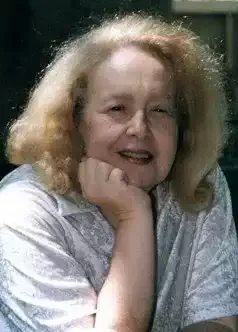
Rose Marie Muraro
 BR
BR
Rose Marie Muraro was a Brazilian writer and activist, known for her literary output and her engagement in social causes, especially the defense of women's rights. Her work frequently explored themes such as female identity, sexuality, and power relations in society. As an activist, Muraro dedicated herself to promoting debate on feminism in Brazil, participating in conferences, publishing articles, and encouraging reflection on the role of women in society. Her work contributed to the visibility of feminist issues and the discussion of gender equality.
n. 1930-11-11, Rio de Janeiro · m. 2014-06-21, Rio de Janeiro
Bio
Identification and Basic Context
Rose Marie Muraro was a Brazilian writer, journalist, and feminist activist, known for her literary work and her activism in favor of women's rights. Born in Rio de Janeiro in 1952, she dedicated part of her life to demystifying female sexuality and promoting women's autonomy in a still patriarchal society.Childhood and Education
Muraro had an academic background in journalism, which provided her with the tools for research and writing, skills that would be crucial in her literary and activist career. The experiences lived and observed around her, added to a deep interest in gender issues, shaped her worldview and propelled her into activism.Literary Journey
The beginning of Muraro's literary career was marked by the courage to address topics considered taboo at the time, such as female sexuality and women in their complexity. Her work stood out for its direct language and critical approach to the social structures that oppressed women.Work, Style, and Literary Characteristics
Among her most notable works is "Mulher Nova, Mulher, Mulher" (New Woman, Woman, Woman), published in 1977, a book that became a landmark in Brazilian feminist literature. In it, Muraro explores the female psyche, desires, frustrations, and the search for identity and freedom. Her style is characterized by the psychological depth of her characters, critical social analysis, and engaging prose that challenged conventions. She also wrote "O Desejo de Viver" (The Desire to Live) (1983), "A Mulher Desquitada" (The Divorced Woman), and "O Desejo de Catarse" (The Desire for Catharsis).Cultural and Historical Context
Rose Marie Muraro worked during a period of intense social and political transformations in Brazil, especially concerning feminist movements. Her work engaged with discussions about female emancipation that gained strength in the 1970s and 1980s, in a context of the country's redemocratization.Personal Life
Rose Marie Muraro's personal life was intrinsically linked to her activism. Her experiences and observations as a woman in society fueled her writing and her fight for equality. The writer faced challenges in defending her ideas in an often hostile environment but remained firm in her purpose.Recognition and Reception
"Mulher Nova, Mulher, Mulher" was a bestseller and generated broad national debate, consolidating Muraro as an important voice in Brazilian feminism and literature. The work is frequently cited in studies on gender and literature, recognized for its historical and social relevance.Influences and Legacy
Rose Marie Muraro is considered one of the pioneers of feminism in Brazil and left a significant legacy for subsequent generations of writers and activists. Her courage in addressing difficult topics and her dedication to the women's cause inspired many other women to seek their voice and rights.Interpretation and Critical Analysis
Muraro's work has been analyzed from various perspectives, including psychoanalytic and sociological ones. Her books offer a panorama of the anxieties and aspirations of Brazilian women during a period of transition, questioning imposed gender roles and celebrating the pursuit of self-sufficiency and personal fulfillment.Curiosities and Lesser-Known Aspects
In addition to her literary work, Rose Marie Muraro also had a prominent role in journalism. The writer was known for her strong personality and her determination in defending her convictions, which made her an inspiring and, at times, controversial figure.Death and Memory
Rose Marie Muraro passed away in 2014, at the age of 62, in Rio de Janeiro. Her memory is celebrated for her unique contribution to literature and the feminist movement in Brazil, with works that continue to be relevant and inspire debates on the female condition.Poems
0No poems found
Comments (0)
No comments yet. Be the first to comment.