
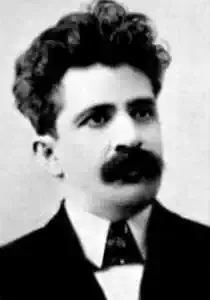
Salvador Díaz Mirón
1853–1928
· lived 74 years
 --
--
--
Mexican poet, a prominent figure of late Romanticism and a precursor of Modernism. His work is characterized by its expressive force, lyrical intensity, and exploration of themes such as love, homeland, nature, and the pursuit of beauty. Díaz Mirón is recognized for his mastery of language, impeccable meter, and profound emotional depth, earning him the recognition as "The Singer of Veracruz." His poetry represents a bridge between tradition and aesthetic renewal in Mexico.
n. 1853-12-14, Puerto de Veracruz · m. 1928-06-12, Puerto de Veracruz
22
Views
Bio
Identification and Basic Context
Salvador Díaz Mirón was a Mexican poet, born in the state of Veracruz. He is considered one of the greatest figures of late Romanticism in Mexico and a precursor of Modernism. His work is distinguished by its lyrical intensity, expressive force, and profound love for his homeland and beauty.Childhood and Education
Born into a wealthy family, Díaz Mirón received a privileged education. He studied at the Colegio de San Ildefonso and later at the School of Jurisprudence in Mexico City. From a young age, he showed a great inclination for literature and poetry, absorbing the influences of Romanticism and exploring the possibilities of poetic language.Literary Career
Díaz Mirón's literary career began early. He published his first poems in newspapers and magazines, gaining recognition for his talent and originality. His work evolved throughout his life, consolidating him as a powerful and emotive lyrical voice. Despite some pauses in his production, his poetic legacy is significant and left a deep mark on Mexican literature.Work, Style, and Literary Characteristics
Among his most important works are "Fantasías" (1877), "Los jinetes en el mar" (1884), and "Lascas" (1892), which contains many of his most famous poems. His style is characterized by the exaltation of feelings, overflowing passion, and rich, sonorous language. Themes such as passionate love, the homeland, sublime nature, and the pursuit of aesthetic perfection are recurrent in his work. He is a master of meter and rhyme, achieving exceptional musicality and rhythm. His poetry is emotive, grandiloquent, and often elegiac.Cultural and Historical Context
Díaz Mirón lived in a time of significant transformations in Mexico, marked by the end of the Porfiriato and the beginnings of the Revolution. His work falls within the end of Romanticism and the dawn of Modernism, engaging with the aesthetic concerns of his time. He witnessed the social and political changes in his country, which are indirectly reflected in his patriotic sentiment and his worldview.Personal Life
Salvador Díaz Mirón's life was marked by passion, idealism, and, at times, melancholy. He was a man of deep convictions and a fiery spirit. His personal experiences, his loves and disappointments, were imprinted in the intensity of his poetry.Recognition and Reception
Díaz Mirón enjoyed great recognition during his lifetime, being acclaimed as one of the most important poets of his generation. He is known as "The Singer of Veracruz" for his deep love for his native land. His work has endured over time and continues to be valued for its aesthetic quality and emotional power.Influences and Legacy
Díaz Mirón's influences include Romantic poets and the literary currents of his time. His legacy lies in his ability to combine poetic tradition with emerging modernity, leaving a body of work of great beauty and expressive force that inspired subsequent generations of Mexican poets.Critical Interpretation and Analysis
Critics have praised Díaz Mirón's formal mastery, his originality, and the depth of his feelings. His poetry is an example of intense lyrical expression and the ability of language to evoke emotions and create powerful images.Childhood and Education
It is said that "Los jinetes en el mar" was written in a single night, driven by deep inspiration.Death and Memory
Salvador Díaz Mirón passed away in Mexico City. His figure and work are remembered and celebrated as pillars of Mexican poetry, and his name is intimately linked to the literary identity of Veracruz.Poems
0No poems found
Comments (0)
Log in
to post a comment.
No comments yet. Be the first to comment.