
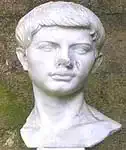
Virgílio

Virgílio

70–19 · lived 0 years IT IT

Publius Vergilius Maro, known in Portuguese as Virgil, was a poet of Ancient Rome, celebrated for his epic work "The Aeneid". Considered one of the greatest poets of Latin literature, his works had a profound and lasting influence on Western literature. Besides "The Aeneid", he wrote the "Bucolics" and the "Georgics", which explore pastoral and agricultural themes, respectively. His poetry is marked by technical mastery, lyrical beauty, and thematic depth, addressing themes such as destiny, homeland, love, and man's relationship with nature.

n. 0070-10-15, Borgo Virgilio · m. 0019-09-21, Brindisi

45 Views
Bio
Publius Vergilius Maro (October 15, 70 BC - September 21, 19 BC), better known as Virgil, was a Roman poet, author of "The Aeneid", "Bucolics", and "Georgics". Born near Mantua, in Cisalpine Gaul, his work is considered the pinnacle of Latin literature. "The Aeneid" narrates the journeys of Aeneas, a Trojan hero who, after the fall of Troy, arrives in Italy and becomes the ancestor of the Romans. This epic poem was commissioned by Emperor Augustus and served to glorify Rome and the Julian dynasty. The "Bucolics" are pastoral poems that celebrate country life and bucolic poetry, while the "Georgics" are a didactic poem about agriculture. Virgil died in Brundisium, before he could fully revise "The Aeneid", asking his executors to burn it, as he considered it unfinished. However, the work was preserved and became one of the pillars of Western literature, influencing poets such as Dante Alighieri and John Milton. His poetry is admired for its refined language, harmony, and the depth of its themes.

Poems

0

No poems found

Quotes

40

Comments (0)

Share
Log in to post a comment.

No comments yet. Be the first to comment.