
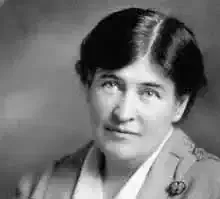
Willa Cather
1873–1947
· lived 73 years
 US
US
US
Willa Sibert Cather was an American novelist, short-story writer, and poet known for her depictions of life on the American frontier and the American West.
n. 1873-12-07, Gore · m. 1947-04-24, Manhattan
1,400
Views
Bio
Born in Gore, Virginia, on December 7, 1873, Cather moved with her family to Nebraska as a child. This experience profoundly shaped her writing, which often portrays the harsh realities and aspirations of settlers in the American Midwest. She attended the University of Nebraska and, after graduating, moved to Pittsburgh, where she worked as an editor and drama critic. Her literary career flourished in New York, where she became a prominent figure in the literary scene. Cather gained critical acclaim for novels such as 'O Profeta da Morte' (1913), 'Minha Ânia' (1915), and 'Um Canto de Mildred' (1922). Her prose is celebrated for its clarity, lyrical beauty, and deep understanding of human psychology. She received the Gold Medal of the National Institute of Arts and Letters in 1930 and the Pulitzer Prize for Fiction in 1923. Willa Cather passed away on April 24, 1947.
Poems
0No poems found
Quotes
23No poems found
Videos
50
Comments (0)
Log in
to post a comment.
No comments yet. Be the first to comment.