
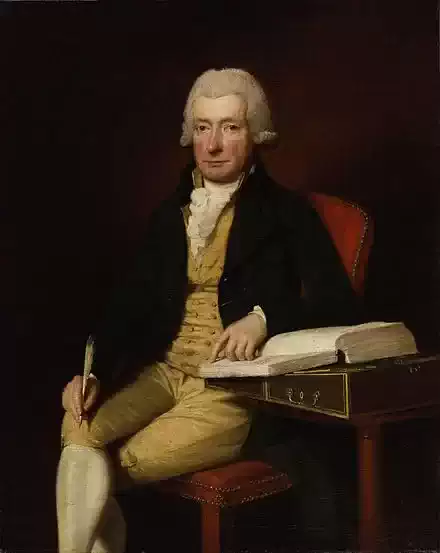
William Cowper
1731–1800
· lived 68 years
 GB
GB
GB
William Cowper (1731-1800) was an English poet and hymn writer. He is remembered for his lyrical and reflective poetry, which often addresses themes of nature, faith, and domestic life. His most famous work includes "The Task", a long narrative poem, and "Olney Hymns", a collection of religious hymns. Cowper struggled with mental health issues throughout his life, which also profoundly influenced his poetry, bringing characteristic introspection and melancholy.
n. 1731-11-26, Berkhamsted · m. 1800-04-25, Dereham
1,850
Views
Bio
William Cowper was born on November 26, 1731, in Berkhamsted, Hertfordshire, England. He is widely considered one of the most important poets of the Georgian era, known for his distinctive style of lyrical poetry and his contribution to religious hymn writing. After a period studying law, Cowper succumbed to episodes of mental illness, which would haunt him for much of his life. It was during one of these periods of seclusion that he began to write poetry more seriously. His most celebrated work, "The Task", is a long poem that reflects on domestic life, nature, and morality, written in blank verse. He also co-authored "Olney Hymns" (1779), a collection that includes widely sung hymns such as "Amazing Grace" (attributed to John Newton, but often associated with Cowper's spirit of collaboration and circle) and "God Moves in a Mysterious Way". Cowper's poetry is marked by its sincerity, detailed observation of nature, and deep introspection, often tinged with melancholy due to his personal struggles. He passed away on April 25, 1800, in Dereham, Norfolk.
Poems
0No poems found
Quotes
40Comments (0)
Log in
to post a comment.
No comments yet. Be the first to comment.