

Poemas neste tema
Vida e Existência

José Tolentino Mendonça
Mercado velho, Machico
Uma paisagem muito ao longe
quando se regressa
continuamos a vê-la no escuro
fechamos os olhos,sentimo-nos vivos
na sucessão dos séculos
falamos de súbito
daquilo que nos assusta
um segredo demasiado intenso
o malogro dos códigos
qualquer ideia extrema
que destrói o mundo e não queríamos
mas estamos tão pouco
onde estamos
quando se regressa
continuamos a vê-la no escuro
fechamos os olhos,sentimo-nos vivos
na sucessão dos séculos
falamos de súbito
daquilo que nos assusta
um segredo demasiado intenso
o malogro dos códigos
qualquer ideia extrema
que destrói o mundo e não queríamos
mas estamos tão pouco
onde estamos
2 007
1
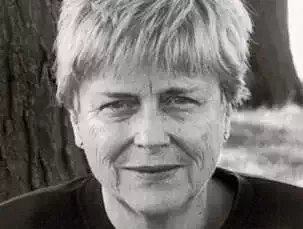
Ana Hatherly
Wer abend sind sie, sag
Wer abend sind sie, sag
mir, die Fahrenden
Os errantesos fugazes
viajantesque nós somosbuscando sempre a vibração
perdidadiariamente caemda árvore da memóriaonde brilha o
nomeo melancólico ansiado barcoOh que percurso
essencialdescrevem os errantesna sua busca em queda
abismadossobre si mesmos voltadospercorrendoa arriscada
síntese do exílio!E tuvontade
insatisfeitaonde encontrarásos frutos da árvore do
quereras alegrias do estar e do serque nos rompem o
peitode tanto as ansiar?A rosa do olharque na
procura reverdecea todo o instante esqueceo som
da quedae escuta sóo tilintar da sorteno
inventado bolso da esperançaque nos
empurraimpelelisonjeianum breve sorriso captadonum furtivo
afagoilusão de ternuraMas logo logoalgo nos
arranca o curativonos retira o tapete mágico do
repousonso remetepara a nossa condição de feridos
atingidosE na busca heróicado instante
transfiguradoo activo martírio de prosseguirfaz de
nóseternos estrangeiros
mal-amadosdesamparadosperegrinos recém-chegados
1 557
1
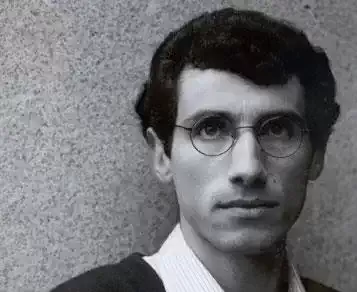
Daniel Faria
Estou a um palmo da parede
Estou a um palmo da parede.Pergunto-se queres saber o que oiço-
O que disseste a Elias:Elias
O que fazes aqui?
Sim,alteio os meus olhos
Conto-te o que nunca escrevo nos muros
Junto-me aos animais com sede
Estou a um palmo do teu palmo e depois
Não estás nas águas nem na sede ou no teu nome
Estou a um palmo do teu silêncio e alteio
O silêncio.A boca mais alta do meu grito
de Dos Líquidos (2000)
1 668
1
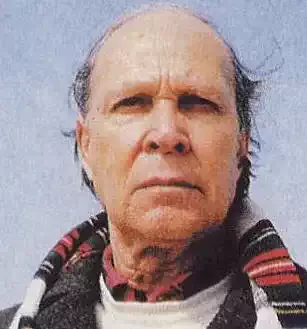
Eugénio de Andrade
Desde a aurora
Como um sol de polpa escura
para levar à boca,
eis as mãos:
procuram-te desde o chão,
entre os veios do sono
e da memória procuram-te:
à vertigem do ar
abrem as portas:
vai entrar o vento ou o violento
aroma de uma candeia,
e subitamente a ferida
recomeça a sangrar:
é tempo de colher: a noite
iluminou-se bago a bago:vais surgir
para beber de um trago
como um grito contra o muro.
Sou eu, desde a aurora,
eu-a terra-que te procuro.
de Obscuro Domínio
6 750
1

Emily Dickinson
Im Nobody! Who are you?
Im Nobody! Who are you?
Im Nobody! Who are you?
Are you--Nobody--Too?
Then theres a pair of us?
Dont tell! theyd advertise--you know!
How dreary--to be--Somebody!
How public--like a Frog--
To tell ones name--the livelong June--
To an admiring Bog!
Im Nobody! Who are you?
Are you--Nobody--Too?
Then theres a pair of us?
Dont tell! theyd advertise--you know!
How dreary--to be--Somebody!
How public--like a Frog--
To tell ones name--the livelong June--
To an admiring Bog!
1 389
1
José Tolentino Mendonça
Compaixão
Vi pela primeira vez o mar
era muito difícil frente a mim
compreender esse território absoluto
falámos só de coisas inúteis
e o mundo inteiro se escondia
somos novos. Lemos nos olhos fechados
precauções,derrotas,recusas
quando a intimidade sugere
a maior compaixão
era muito difícil frente a mim
compreender esse território absoluto
falámos só de coisas inúteis
e o mundo inteiro se escondia
somos novos. Lemos nos olhos fechados
precauções,derrotas,recusas
quando a intimidade sugere
a maior compaixão
2 652
1
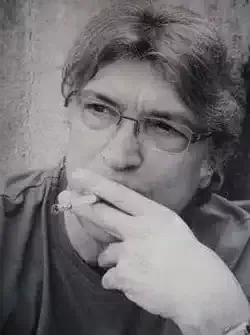
José Agostinho Baptista
Urgência
Levanta-te e deixa-me entrar,
diria se pudesse,
junto a esta cama onde a dor te contempla,
sob este tecto frio que não inventa qualquer
paisagem,
qualquer lembrança de barcos ancorados no
vazio da nossa alma,
diria que lá fora escuto a sirene que se
aproxima
e a chuva que bate com as suas gotas de
angústia na pedras da estrada,
diria que essas quatro rodas vão levar-te,ao
longo do pánico e da noite,
para outras paredes onde nenhum crucifixo
redime a desolação das casas,
diria que se afastaram para sempre os
dias antigos,
as suas laranjas,a sua água,
uma cerejeira breve onde os melros cantavam.
1 967
1
José Tolentino Mendonça
Uma Coisa A Menos Para Adorar
Já vi matar um homem
é terrível a desolação que um corpo deixa
sobre a terra
uma coisa a menos para adorar
quando tudo se apaga
as paisagens descobrem-se perdidas
irreconciliáveis
entendes por isso o meu pânico
nessas noites em que volto sem razão nenhuma
a correr pelo pontão de madeira
onde um homem foi morto
arranco como os atletas ao som de um disparo seco
mas sou apenas alguém que de noite
grita pela casa
há quem diga
a vida é um pau de fósforo
escasso demais
para o milagre do fogo
hoje estive tão triste
que ardi centenas de fósforos
pela tarde fora
enquanto pensava no homem que vi matar
e de quem não soube nunca nada
nem o nome
2 484
1

Ezra Pound
Canto I
And then went down to the ship,
Set keel to breakers, forth on the godly sea, and
We set up mast and sail on tha swart ship,
Bore sheep aboard her, and our bodies also
Heavy with weeping, so winds from sternward
Bore us out onward with bellying canvas,
Circes this craft, the trim-coifed goddess.
Then sat we amidships, wind jamming the tiller,
Thus with stretched sail, we went over sea till days end.
Sun to his slumber, shadows oer all the ocean,
Came we then to the bounds of deepest water,
To the Kimmerian lands, and peopled cities
Covered with close-webbed mist, unpierced ever
With glitter of sun-rays
Nor with stars stretched, nor looking back from heaven
Swartest night stretched over wretched men there.
The ocean flowing backward, came we then to the place
Aforesaid by Circe.
Here did they rites, Perimedes and Eurylochus,
And drawing sword from my hip
I dug the ell-square pitkin;
Poured we libations unto each the dead,
First mead and then sweet wine, water mixed with white flour.
Then prayed I many a prayer to the sickly deaths-head;
As set in Ithaca, sterile bulls of the best
For sacrifice, heaping the pyre with goods,
A sheep to Tiresias only, black and a bell-sheep.
Dark blood flowed in the fosse,
Souls out of Erebus, cadaverous dead, of brides
Of youths and at the old who had borne much;
Souls stained with recent tears, girls tender,
Men many, mauled with bronze lance heads,
Battle spoil, bearing yet dreory arms,
These many crowded about me; with shouting,
Pallor upon me, cried to my men for more beasts;
Slaughtered the heards, sheep slain of bronze;
Poured ointment, cried to the gods,
To Pluto the strong, and praised Proserpine;
Unsheathed the narrow sword,
I sat to keep off the impetuous impotent dead,
Till I should hear Tiresias.
But first Elpenor came, our friend Elpenor,
Unburied, cast on the wide earth,
Limbs that we left in the house of Circe,
Unwept, unwrapped in sepulchre, since toils urged other.
Pitiful spirit. And I cried in hurried speech:
"Elpenor, how art thou come to this dark coast?
Camst thou afoot, outstripping seamen?"
And he in heavy speech:
"Ill fate and abundant wine. I slept in Circes ingle.
Going down the long ladder unguarded,
I fell against the buttress,
Shattered the nape-nerve, the soul sought Avernus.
But thou, O King, I bid remember me, unwept, unburied,
Heap up mine arms, be tomb by sea-bord, and inscribed:
A man of no fortune, and with a name to come.
And set my oar up, that I swung mid fellows."
And Anticlea came, whom I beat off, and then Tiresias Theban,
Holding his golden wand, knew me, and spoke first:
"A second time? why? man of ill star,
Facing the sunless dead and this joyless region?
Stand from the fosse, leave me my bloody bever
For soothsay."
And I stepped back,
And he stong with the blood, said then: "Odysseus
Shalt return through spiteful Neptune, over dark seas,
Lose all companions." And then Anticlea came.
Lie quiet Divus. I mean, that is Andreas Divus,
In officina Wecheli, 1538, out of Homer.
And he sailed, by Sirens and thence outward and away
And unto Circe.
Venerandam,
In the Creatans phrase, with the golden crown, Aphrodite,
Cypri munimenta sortita est, mirthful, orichalchi, with golden
Girdles and breast bands, thou with dark eyelids
Bearing the golden bough of Argicida. So that:
2 319
1
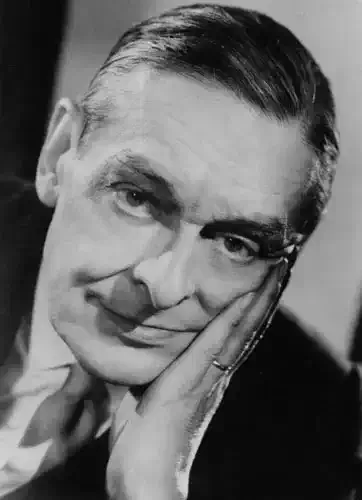
T. S. Eliot
The Love Song of J Alfred Prufrock
The Love Song of J. Alfred Prufrock
Sio credesse che mia risposta fosse
A persona che mai tornasse al mondo,
Questa fiamma staria senza piu scosse.
Ma perciocche giammai di questo fondo
Non torno vivo alcun, siodo il vero,
Senza tema dinfamia ti rispondo.
LET us go then, you and I,
When the evening is spread out against the sky
Like a patient etherised upon a table;
Let us go, through certain half-deserted streets,
The muttering retreats
Of restless nights in one-night cheap hotels
And sawdust restaurants with oyster-shells:
Streets that follow like a tedious argument
Of insidious intent
To lead you to an overwhelming question...
Oh, do not ask, "What is it?"
Let us go and make our visit.
In the room the women come and go
Talking of Michelangelo.
The yellow fog that rubs its back upon the window-panes,
The yellow smoke that rubs its muzzle on the window-panes
Licked its tongue into the corners of the evening,
Lingered upon the pools that stand in drains,
Let fall upon its back the soot that falls from chimneys,
Slipped by the terrace, made a sudden leap,
And seeing that it was a soft October night,
Curled once about the house, and fell asleep.
And indeed there will be time
For the yellow smoke that slides along the street,
Rubbing its back upon the window-panes;
There will be time, there will be time
To prepare a face to meet the faces that you meet;
There will be time to murder and create,
And time for all the works and days of hands
That lift and drop a question on your plate;
Time for you and time for me,
And time yet for a hundred indecisions,
And for a hundred visions and revisions,
Before the taking of a toast and tea.
In the room the women come and go
Talking of Michelangelo.
And indeed there will be time
To wonder, "Do I dare?" and, "Do I dare?"
Time to turn back and descend the stair,
With a bald spot in the middle of my hair—
[They will say: "How his hair is growing thin!"]
My morning coat, my collar mounting firmly to the chin,
My necktie rich and modest, but asserted by a simple pin—
[They will say: "But how his arms and legs are thin!"]
Do I dare
Disturb the universe?
In a minute there is time
For decisions and revisions which a minute will reverse.
For I have known them all already, known them all:—
Have known the evenings, mornings, afternoons,
I have measured out my life with coffee spoons;
I know the voices dying with a dying fall
Beneath the music from a farther room.
So how should I presume?
And I have known the eyes already, known them all—
The eyes that fix you in a formulated phrase,
And when I am formulated, sprawling on a pin,
When I am pinned and wriggling on the wall,
Then how should I begin
To spit out all the butt-ends of my days and ways?
And how should I presume?
And I have known the arms already, known them all—
Arms that are braceleted and white and bare
[But in the lamplight, downed with light brown hair!]
It is perfume from a dress
That makes me so digress?
Arms that lie along a table, or wrap about a shawl.
And should I then presume?
And how should I begin?
. . . . .
Shall I say, I have gone at dusk through narrow streets
And watched the smoke that rises from the pipes
Of lonely men in shirt-sleeves, leaning out of windows?...
I should have been a pair of ragged claws
Scuttling across the floors of silent seas.
. . . . .
And the afternoon, the evening, sleeps so peacefully!
Smoothed by long fingers,
Asleep ... tired ... or it malingers,
Stretched on the floor, here beside you and me.
Should I, after tea and cakes and ices,
Have the strength to force the moment to its crisis?
But though I have wept and fasted, wept and prayed,
Though I have seen my head [grown slightly bald] brought in upon a platter,
I am no prophet—and heres no great matter;
I have seen the moment of my greatness flicker,
And I have seen the eternal Footman hold my coat, and snicker,
And in short, I was afraid.
And would it have been worth it, after all,
After the cups, the marmalade, the tea,
Among the porcelain, among some talk of you and me,
Would it have been worth while,
To have bitten off the matter with a smile,
To have squeezed the universe into a ball
To roll it toward some overwhelming question,
To say: "I am Lazarus, come from the dead,
Come back to tell you all, I shall tell you all"—
If one, settling a pillow by her head,
Should say: "That is not what I meant at all.
That is not it, at all."
And would it have been worth it, after all,
Would it have been worth while,
After the sunsets and the dooryards and the sprinkled streets,
After the novels, after the teacups, after the skirts that trail along the floor—
And this, and so much more?—
It is impossible to say just what I mean!
But as if a magic lantern threw the nerves in patterns on a screen:
Would it have been worth while
If one, settling a pillow or throwing off a shawl,
And turning toward the window, should say:
"That is not it at all,
That is not what I meant, at all."
. . . . .
No! I am not Prince Hamlet, nor was meant to be;
Am an attendant lord, one that will do
To swell a progress, start a scene or two,
Advise the prince; no doubt, an easy tool,
Deferential, glad to be of use,
Politic, cautious, and meticulous;
Full of high sentence, but a bit obtuse;
At times, indeed, almost ridiculous—
Almost, at times, the Fool.
I grow old ... I grow old...
I shall wear the bottoms of my trousers rolled.
Shall I part my hair behind? Do I dare to eat a peach?
I shall wear white flannel trousers, and walk upon the beach.
I have heard the mermaids singing, each to each.
I do not think that they will sing to me.
I have seen them riding seaward on the waves
Combing the white hair of the waves blown back
When the wind blows the water white and black.
We have lingered in the chambers of the sea
By sea-girls wreathed with seaweed red and brown
Till human voices wake us, and we drown.
2 505
1
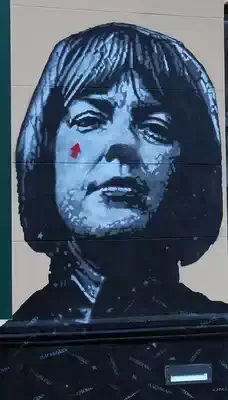
Ingeborg Bachmann
Dizer Trevas
Como Orfeu, toco
a morte nas cordas da vida
e à beleza do mundo
e dos teus olhos que regem o céu
só sei dizer trevas.
Não te esqueças que também tu, subitamente,
naquela manhã, quando o teu leito
estava ainda húmido de orvalho e o cravo
dormia no teu coração,
viste o rio negro
passar por ti.
Com a corda do silêncio
tensa sobre a onda de sangue,
dedilhei o teu coração vibrante.
A tua madeixa transformou-se
na cabeleira de sombras da noite,
os flocos negros da escuridão
nevavam sobre o teu rosto.
E eu não te pertenço.
Ambos nos lamentamos agora.
Mas, como Orfeu, sei
a vida ao lado da morte,
e revejo-me no azul
dos teus olhos fechados para sempre.
1 475
1
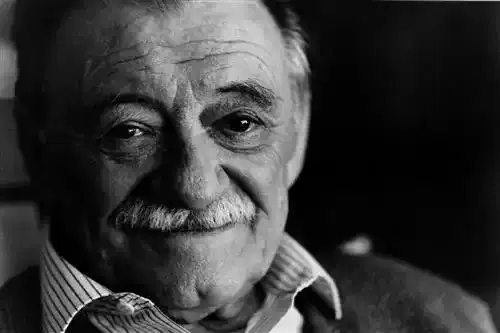
Mario Benedetti
No te salves
No te quedes inmóvil
al borde del camino
no congeles el júbilo
no quieras con desgana
no te salves ahora
ni nunca
no te salves
no te llenes de calma
no reserves del mundo
sólo un rincón tranquilo
no dejes caer los párpados
pesados como juicios
no te quedes sin labios
no te duermas sin sueño
no te pienses sin sangre
no te juzgues sin tiempo
pero si
pese a todo
no puedes evitarlo
y congelas el júbilo
y quieres con desgana
y te salvas ahora
y te llenas de calma
y reservas del mundo
sólo un rincón tranquilo
y dejas caer los párpados
pesados como juicios
y te secas sin labios
y te duermes sin sueño
y te piensas sin sangre
y te juzgas sin tiempo
y te quedas inmóvil
al borde del camino
y te salvas
entonces
no te quedes conmigo
al borde del camino
no congeles el júbilo
no quieras con desgana
no te salves ahora
ni nunca
no te salves
no te llenes de calma
no reserves del mundo
sólo un rincón tranquilo
no dejes caer los párpados
pesados como juicios
no te quedes sin labios
no te duermas sin sueño
no te pienses sin sangre
no te juzgues sin tiempo
pero si
pese a todo
no puedes evitarlo
y congelas el júbilo
y quieres con desgana
y te salvas ahora
y te llenas de calma
y reservas del mundo
sólo un rincón tranquilo
y dejas caer los párpados
pesados como juicios
y te secas sin labios
y te duermes sin sueño
y te piensas sin sangre
y te juzgas sin tiempo
y te quedas inmóvil
al borde del camino
y te salvas
entonces
no te quedes conmigo
5 458
1
Daniel Faria
Homens que trabalham sob a lâmpada
Homens que trabalham sob a lâmpada
Da morte
Que escavam nessa luz para ver quem ilumina
A fonte dos seus dias
Homens muito dobrados pelo pensamento
Que vêm devagar como quem corre
As persianas
Para ver no escuro a primeira nascente
Homens que escavam dia após dias o pensamento
Que trabalham na sombra da copa cerebral
Que podam a pedra da loucura quando esmagam as pupilas
Homens todos brancos que abrem a cabeça
À procura dessa pedra definida
Homens de cabeça aberta exposta ao pensamento
Livre.Que vêm devagar abrir
Um lugar onde amanheça.
Homens que se sentam para ver uma manhã
Que escavam um lugar
Para a saída.
de Homens Que São Como Lugares Mal Situados(1998)
2 236
1

Ângelo de Lima
Mia Soave
- Mariposa Azual...- Transe!...
Que d"Alado Lidar, Canse...
- Dorta em Paz...- Transpasse Ideia!...
- Do Ocaso pela Epopeia...
Dorto...Stringe...o Corpo Elance...
Vai à Campa...- Il c"or descanse...
- Mia soave...- Ave!...- Almeia!...
-Não dói Por Ti Meu Peito...
-Não Choro no Orar Cicio...
-Em Profano...-Edd"ora...Eleito!...
-Balsame-a campa-o Rocio
Que Cai sobre o Ultimo Leito!...
-Mi"Soave!...Eddora Addio!...
1 554
1
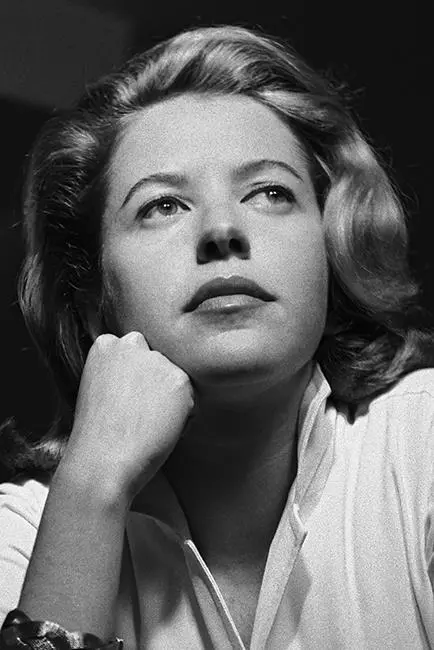
Hilda Hilst
Dez chamamentos ao amigo
Dez chamamentos ao amigo
Se te pareço noturna e imperfeita
Olha-me de novo. Porque esta noite
Olhei-me a mim, como se tu me olhasses.
E era como se a água
Desejasse
Escapar de sua casa que é o rio
E deslizando apenas, nem tocar a margem.
Te olhei. E há tanto tempo
Entendo que sou terra. Há tanto tempo
Espero
Que o teu corpo de água mais fraterno
Se estenda sobre o meu. Pastor e nauta
Olha-me de novo. Com menos altivez.
E mais atento.
2 224
1
José Tolentino Mendonça
Calle Principe, 25
Perdemos repentinamente
a profundidade dos campos
os enigmas singulares
a claridade que juramos
a conservar
mas levamos anos
a esquecer alguém
que nos olhou apenas
a profundidade dos campos
os enigmas singulares
a claridade que juramos
a conservar
mas levamos anos
a esquecer alguém
que nos olhou apenas
3 211
1
José Tolentino Mendonça
A infância de Herberto Helder
A infância de Herberto Helder
No princípio era a ilha
embora se diga
o Espírito de Deus
abraçava as águas
Nesse tempo
estendia-me na terra
para olhar as estrelas
e não pensava
que esses corpos de fogo
pudessem ser perigosos
Nesse tempo
marcava a latitude das estrelas
ordenando berlindes
sobre a erva
Não sabia que todo o poema
é um tumulto
que pode abalar
a ordem do universo agora
acredito
Eu era quase um anjo
escrevi relatórios
precisos
acerca do silêncio
Nesse tempo
ainda era possível
encontrar Deus
pelos baldios
Isso foi antes
de aprender a álgebra
3 875
1