

Poemas neste tema
Vida e Existência

Armindo Trevisan
Acalanto para Marilyn Monroe
De repente
no teu seio
cresceu um lírio do campo.
São Francisco, com sua mão
de menino, o recolheu.
São Bernardo, a sós, olhou
o teu corpo inteiro como
se olha
um grande girassol.
Vieram santos, donzelinhas
de pescoço decepado;
Santa Catarina trouxe
sua roda rubra e egípcia.
Tua coxa foi ficando
do tamanho azul da lua,
e tu mesma, mais lunar,
ficaste de todo nua.
O mundo inteiro grasnou
que eras bela, que possuías
um morango em cada poro,
uma flor em cada pêlo.
Banqueiro: por que me fitas?
Governador: que desejas?
O repórter, não me comas!
Tornei-me tão pequenina
que o pecado que morava
em mim deixou-me sozinha
com Deus e comigo, livre.
Na distração dessa hora
engoli todas as pílulas
que uma mulher necessita
para sair deste mundo.
Livre, livre,
bela bela
recuperei o meu corpo
nascido antes de mim.
(...)
Publicado no livro A imploração do nada (1971).
In: TREVISAN, Armindo. Antologia poética. Porto Alegre: Mercado Aberto, 1986. p.25
no teu seio
cresceu um lírio do campo.
São Francisco, com sua mão
de menino, o recolheu.
São Bernardo, a sós, olhou
o teu corpo inteiro como
se olha
um grande girassol.
Vieram santos, donzelinhas
de pescoço decepado;
Santa Catarina trouxe
sua roda rubra e egípcia.
Tua coxa foi ficando
do tamanho azul da lua,
e tu mesma, mais lunar,
ficaste de todo nua.
O mundo inteiro grasnou
que eras bela, que possuías
um morango em cada poro,
uma flor em cada pêlo.
Banqueiro: por que me fitas?
Governador: que desejas?
O repórter, não me comas!
Tornei-me tão pequenina
que o pecado que morava
em mim deixou-me sozinha
com Deus e comigo, livre.
Na distração dessa hora
engoli todas as pílulas
que uma mulher necessita
para sair deste mundo.
Livre, livre,
bela bela
recuperei o meu corpo
nascido antes de mim.
(...)
Publicado no livro A imploração do nada (1971).
In: TREVISAN, Armindo. Antologia poética. Porto Alegre: Mercado Aberto, 1986. p.25
1 325
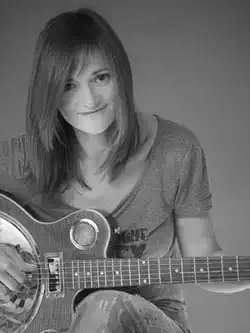
Mafalda Veiga
Por Outras Palavras
Ninguém disse que os dias eram nossos
Ninguém prometeu nada
Fui eu que julguei que podia arrancar sempre
Mais uma madrugada
Ninguém disse que o riso nos pertence
Ninguém prometeu nada
Fui eu que julguei que podia arrancar sempre
Mais uma gargalhada
E deixar-me devorar pelos sentidos
E rasgar-me do mais fundo que há em mim
Emaranhar-me no mundo
E morrer por ser preciso
Nunca por chegar ao fim
Ninguém disse que os dias eram nossos
Ninguém prometeu nada
Fui eu que julguei que sabia arrancar sempre
Mais uma gargalhada
E deixar-me devorar pelos sentidos
E rasgar-me do mais fundo que há em mim
Emaranhar-me no mundo
E morrer por ser preciso
Nunca por chegar ao fim
Ninguém prometeu nada
Fui eu que julguei que podia arrancar sempre
Mais uma madrugada
Ninguém disse que o riso nos pertence
Ninguém prometeu nada
Fui eu que julguei que podia arrancar sempre
Mais uma gargalhada
E deixar-me devorar pelos sentidos
E rasgar-me do mais fundo que há em mim
Emaranhar-me no mundo
E morrer por ser preciso
Nunca por chegar ao fim
Ninguém disse que os dias eram nossos
Ninguém prometeu nada
Fui eu que julguei que sabia arrancar sempre
Mais uma gargalhada
E deixar-me devorar pelos sentidos
E rasgar-me do mais fundo que há em mim
Emaranhar-me no mundo
E morrer por ser preciso
Nunca por chegar ao fim
1 252
Mafalda Veiga
Por Outras Palavras
Ninguém disse que os dias eram nossos
Ninguém prometeu nada
Fui eu que julguei que podia arrancar sempre
Mais uma madrugada
Ninguém disse que o riso nos pertence
Ninguém prometeu nada
Fui eu que julguei que podia arrancar sempre
Mais uma gargalhada
E deixar-me devorar pelos sentidos
E rasgar-me do mais fundo que há em mim
Emaranhar-me no mundo
E morrer por ser preciso
Nunca por chegar ao fim
Ninguém disse que os dias eram nossos
Ninguém prometeu nada
Fui eu que julguei que sabia arrancar sempre
Mais uma gargalhada
E deixar-me devorar pelos sentidos
E rasgar-me do mais fundo que há em mim
Emaranhar-me no mundo
E morrer por ser preciso
Nunca por chegar ao fim
Ninguém prometeu nada
Fui eu que julguei que podia arrancar sempre
Mais uma madrugada
Ninguém disse que o riso nos pertence
Ninguém prometeu nada
Fui eu que julguei que podia arrancar sempre
Mais uma gargalhada
E deixar-me devorar pelos sentidos
E rasgar-me do mais fundo que há em mim
Emaranhar-me no mundo
E morrer por ser preciso
Nunca por chegar ao fim
Ninguém disse que os dias eram nossos
Ninguém prometeu nada
Fui eu que julguei que sabia arrancar sempre
Mais uma gargalhada
E deixar-me devorar pelos sentidos
E rasgar-me do mais fundo que há em mim
Emaranhar-me no mundo
E morrer por ser preciso
Nunca por chegar ao fim
1 252
Mafalda Veiga
Escuro e Luar
Feitos de chão, de chuva e sonho
Fora do tempo
Despedaçado o que fica de nós
Nas batalhas sentidas cá dentro
Por isso é que eu sigo esse brilho de noite
Que é estrela ou chama
Olhar ou mar
E vou procurar essa luz
Mas só quero lá chegar contigo
Feitos de tempo em mil pedaços
De escuro e luar
Há uma noite que é escolhida pra ser
Essa noite que se há-de guardar
Por isso é que eu sigo esse brilho ou calor
Que é estrela ou chama
Ou tu em mim
E vou pra poder descobrir
Quem é que ainda sou contigo
Dispo o cansaço e recomeço
Mais uma vez
Há um sorriso que nos salva do frio
E recolhe o que a vida desfez
Se me desarmo noutro feitiço
Num outro olhar
Há um abrigo que não deixa morrer
Quem nós somos e o que temos pra dar
Por isso é que eu sigo esse brilho da noite
Que és tu em mim
Ou quem fui
E vou pra poder descobrir
Quem é que ainda sou contigo
Fora do tempo
Despedaçado o que fica de nós
Nas batalhas sentidas cá dentro
Por isso é que eu sigo esse brilho de noite
Que é estrela ou chama
Olhar ou mar
E vou procurar essa luz
Mas só quero lá chegar contigo
Feitos de tempo em mil pedaços
De escuro e luar
Há uma noite que é escolhida pra ser
Essa noite que se há-de guardar
Por isso é que eu sigo esse brilho ou calor
Que é estrela ou chama
Ou tu em mim
E vou pra poder descobrir
Quem é que ainda sou contigo
Dispo o cansaço e recomeço
Mais uma vez
Há um sorriso que nos salva do frio
E recolhe o que a vida desfez
Se me desarmo noutro feitiço
Num outro olhar
Há um abrigo que não deixa morrer
Quem nós somos e o que temos pra dar
Por isso é que eu sigo esse brilho da noite
Que és tu em mim
Ou quem fui
E vou pra poder descobrir
Quem é que ainda sou contigo
1 176
Mafalda Veiga
Fim do dia (no lado quente da saudade)
Esperei-te no fim de um dia cansado
À mesa do café de sempre
O fumo, o calor e o mesmo quadro
Na parede já azul poente
Alguém me sorri do balcão corrido
Alguém que me faz sentir
Que há lugares que são pequenos abrigos
Para onde podemos sempre fugir
Da tarde tão fria há gente que chega
E toma um café apressado
E há os que entram com o olhar perdido
À procura do futuro no avesso do passado
O tempo endurece qualquer armadura
E às vezes custa arrancar
Muralhas erguidas à volta do peito
Que não deixam partir nem deixam chegar
O escuro lá fora incendeia as estrelas
As janelas, os olhares, as ruas
Cá dentro o calor conforta os sentidos
Num pequeno reflexo da lua
Enquanto espero percorro os sinais
Do que fomos que ainda resiste
As marcas deixadas na alma e na pele
Do que foi feliz e do que foi triste
Sabe bem voltar-te a ver
Sabe bem quando estás ao meu lado
Quando o tempo me esvazia
Sabe bem o teu braço fechado
E tudo o que me dás quando és
Guarida junto à tempestade
Os rumos para caminhar
No lado quente da saudade
À mesa do café de sempre
O fumo, o calor e o mesmo quadro
Na parede já azul poente
Alguém me sorri do balcão corrido
Alguém que me faz sentir
Que há lugares que são pequenos abrigos
Para onde podemos sempre fugir
Da tarde tão fria há gente que chega
E toma um café apressado
E há os que entram com o olhar perdido
À procura do futuro no avesso do passado
O tempo endurece qualquer armadura
E às vezes custa arrancar
Muralhas erguidas à volta do peito
Que não deixam partir nem deixam chegar
O escuro lá fora incendeia as estrelas
As janelas, os olhares, as ruas
Cá dentro o calor conforta os sentidos
Num pequeno reflexo da lua
Enquanto espero percorro os sinais
Do que fomos que ainda resiste
As marcas deixadas na alma e na pele
Do que foi feliz e do que foi triste
Sabe bem voltar-te a ver
Sabe bem quando estás ao meu lado
Quando o tempo me esvazia
Sabe bem o teu braço fechado
E tudo o que me dás quando és
Guarida junto à tempestade
Os rumos para caminhar
No lado quente da saudade
1 280
Mafalda Veiga
Ficar mais perto
Depois talvez construir
Ou navegar os dias
Pressentir
Percorrer os caminhos que houver
Há sempre uma maneira
De recomeçar
O que se quiser
Deixa-me assim refazer
Ou desfazer os rumos
Descobrir
Entender o destino que vier
Porque há sempre uma maneira
De mudar
O que se não quer
Depois talvez na incerteza
Descobrir o que está certo
E no amor
No desamor
Virar a vida do avesso
Ficar mais fundo e mais perto
Do calor
Deixa-me só seguir o rumo
De outro sentimento
Que acontecer
Nem tudo o que nos ata
Nos pode prender
Porque há sempre uma maneira
De recomeçar
O que se quiser
Há sempre uma maneira
De recomeçar
O que se quiser
Há sempre uma maneira
de recomeçar
Depois talvez na incerteza
Descobrir o que está certo
E no amor
No desamor
Virar a vida do avesso
Ficar mais fundo e mais perto
Do calor
Deixa-me só seguir o rumo
De outro sentimento
Que acontecer
Nem tudo o que nos ata
Nos pode prender
Porque há sempre uma maneira
De recomeçar
O que se quiser
Há sempre uma maneira
De mudar o que não se quer
Há sempre uma maneira
De recomeçar
Ou navegar os dias
Pressentir
Percorrer os caminhos que houver
Há sempre uma maneira
De recomeçar
O que se quiser
Deixa-me assim refazer
Ou desfazer os rumos
Descobrir
Entender o destino que vier
Porque há sempre uma maneira
De mudar
O que se não quer
Depois talvez na incerteza
Descobrir o que está certo
E no amor
No desamor
Virar a vida do avesso
Ficar mais fundo e mais perto
Do calor
Deixa-me só seguir o rumo
De outro sentimento
Que acontecer
Nem tudo o que nos ata
Nos pode prender
Porque há sempre uma maneira
De recomeçar
O que se quiser
Há sempre uma maneira
De recomeçar
O que se quiser
Há sempre uma maneira
de recomeçar
Depois talvez na incerteza
Descobrir o que está certo
E no amor
No desamor
Virar a vida do avesso
Ficar mais fundo e mais perto
Do calor
Deixa-me só seguir o rumo
De outro sentimento
Que acontecer
Nem tudo o que nos ata
Nos pode prender
Porque há sempre uma maneira
De recomeçar
O que se quiser
Há sempre uma maneira
De mudar o que não se quer
Há sempre uma maneira
De recomeçar
1 349
Mafalda Veiga
Ficar mais perto
Depois talvez construir
Ou navegar os dias
Pressentir
Percorrer os caminhos que houver
Há sempre uma maneira
De recomeçar
O que se quiser
Deixa-me assim refazer
Ou desfazer os rumos
Descobrir
Entender o destino que vier
Porque há sempre uma maneira
De mudar
O que se não quer
Depois talvez na incerteza
Descobrir o que está certo
E no amor
No desamor
Virar a vida do avesso
Ficar mais fundo e mais perto
Do calor
Deixa-me só seguir o rumo
De outro sentimento
Que acontecer
Nem tudo o que nos ata
Nos pode prender
Porque há sempre uma maneira
De recomeçar
O que se quiser
Há sempre uma maneira
De recomeçar
O que se quiser
Há sempre uma maneira
de recomeçar
Depois talvez na incerteza
Descobrir o que está certo
E no amor
No desamor
Virar a vida do avesso
Ficar mais fundo e mais perto
Do calor
Deixa-me só seguir o rumo
De outro sentimento
Que acontecer
Nem tudo o que nos ata
Nos pode prender
Porque há sempre uma maneira
De recomeçar
O que se quiser
Há sempre uma maneira
De mudar o que não se quer
Há sempre uma maneira
De recomeçar
Ou navegar os dias
Pressentir
Percorrer os caminhos que houver
Há sempre uma maneira
De recomeçar
O que se quiser
Deixa-me assim refazer
Ou desfazer os rumos
Descobrir
Entender o destino que vier
Porque há sempre uma maneira
De mudar
O que se não quer
Depois talvez na incerteza
Descobrir o que está certo
E no amor
No desamor
Virar a vida do avesso
Ficar mais fundo e mais perto
Do calor
Deixa-me só seguir o rumo
De outro sentimento
Que acontecer
Nem tudo o que nos ata
Nos pode prender
Porque há sempre uma maneira
De recomeçar
O que se quiser
Há sempre uma maneira
De recomeçar
O que se quiser
Há sempre uma maneira
de recomeçar
Depois talvez na incerteza
Descobrir o que está certo
E no amor
No desamor
Virar a vida do avesso
Ficar mais fundo e mais perto
Do calor
Deixa-me só seguir o rumo
De outro sentimento
Que acontecer
Nem tudo o que nos ata
Nos pode prender
Porque há sempre uma maneira
De recomeçar
O que se quiser
Há sempre uma maneira
De mudar o que não se quer
Há sempre uma maneira
De recomeçar
1 349
Mafalda Veiga
Grito
Meu Deus, se nos velas
diz-nos o que é que nos separa
e porque é que o sol demora
atrás da colina escura
anda dar luz ao caminho
que a gente assim desespera
É como sonhar sozinho
como se o mar fosse raso
e o céu não tivesse altura
Sempre no silêncio
dá gozo a voz deste chão
mas inda me dói a alma
na dor do corpo e das mãos
tenho medo deste frio
que à noite sinto no peito
como se andasem cavando
como se andassem fechando
buracos de solidão
Agente não sabe
o que há depois do horizonte
a gente é um vulto curvado
com uma sombra defronte
a ouvir rumores na distância
a sentir dentro um segredo
feito de sonhos calados
feito de braços fechados
num poço fundo de medo
Anda dar luz ao caminho
que já nos dói a demora
É como sonhar sozinho
um sonho que nunca vinga
num grito que nunca chora
diz-nos o que é que nos separa
e porque é que o sol demora
atrás da colina escura
anda dar luz ao caminho
que a gente assim desespera
É como sonhar sozinho
como se o mar fosse raso
e o céu não tivesse altura
Sempre no silêncio
dá gozo a voz deste chão
mas inda me dói a alma
na dor do corpo e das mãos
tenho medo deste frio
que à noite sinto no peito
como se andasem cavando
como se andassem fechando
buracos de solidão
Agente não sabe
o que há depois do horizonte
a gente é um vulto curvado
com uma sombra defronte
a ouvir rumores na distância
a sentir dentro um segredo
feito de sonhos calados
feito de braços fechados
num poço fundo de medo
Anda dar luz ao caminho
que já nos dói a demora
É como sonhar sozinho
um sonho que nunca vinga
num grito que nunca chora
1 159
Mafalda Veiga
O Lume
Vai caminhando desamarrado
Dos nós e laços que o mundo faz
Vai abraçando desenleado
De outros abraços que a vida dá
Vai-te encontrando na água e no lume
Na terra quente até perder
O medo, o medo levanta muros
E ergue bandeiras pra nos deter
Não percas tempo
O tempo corre
Só quando doi é devagar
E dá-te ao vento
Como um veleiro
Solto no mais alto mar
Liberta o grito que trazes dentro
E a coragem e o amor
Mesmo que seja só um momento
Mesmo que traga alguma dor
Só isso faz brilhar o lume
Que hás-de levar até ao fim
E esse lume já ninguém pode
Nunca apagar dentro de ti
Não percas tempo
O tempo corre
Só quando doi é devagar
E dá-te ao vento
Como um veleiro
Solto no mais alto mar
Dos nós e laços que o mundo faz
Vai abraçando desenleado
De outros abraços que a vida dá
Vai-te encontrando na água e no lume
Na terra quente até perder
O medo, o medo levanta muros
E ergue bandeiras pra nos deter
Não percas tempo
O tempo corre
Só quando doi é devagar
E dá-te ao vento
Como um veleiro
Solto no mais alto mar
Liberta o grito que trazes dentro
E a coragem e o amor
Mesmo que seja só um momento
Mesmo que traga alguma dor
Só isso faz brilhar o lume
Que hás-de levar até ao fim
E esse lume já ninguém pode
Nunca apagar dentro de ti
Não percas tempo
O tempo corre
Só quando doi é devagar
E dá-te ao vento
Como um veleiro
Solto no mais alto mar
1 284

Felipe d’Oliveira
Cenário de Louça e de Cristal
A onda e a algazarra espocam girândolas sonoras.
As serpentinas dos risos sem compasso
se arremessam de lado a lado,
estendem no azul redes aéreas de rumores eufóricos.
A onda bate a cadência no seu gongo líquido,
— fermata sem fim, pasta melódica em que
se fundem e se amaciam
todas as notas do alarido.
A manhã ressoa,
o mar redondo é todo um copo de cristal
vibrado pelo atrito de dedos luminosos.
A manhã põe brunidos de faiança
no mosaico desmanchado sobre a areia.
As tintas se interpenetram, móveis,
— puzzle vivo que a vaga empurra e espalha —
e as cores correm, chocam-se, repelem-se,
como uma grande bola de mercúrio
desagregada em gotas coloridas.
O arlequim da manhã, caindo do alto,
desarticulou os pedaços da roupa policrômica
e foi esmaltar os "tóraces" e os ventres
com o arco-íris decomposto dos losangos.
Os corpos úmidos deslocam-se,
brilham no fundo de porcelana que o azul
espesso enxuga.
Elásticos, libertos,
os corpos úmidos desenham ritmos instintivos
e mergulhados no sol,
que os alivia de um peso igual a seu
volume em luz compacta,
ainda guardam a leveza dos movimentos na água.
A manhã progride em tons,
transborda de roxos, verdes, escarlates.
Abrem-se umbelíferas gigantéias de novos guarda-sóis.
Outros ombros irrompem de novas capas
pintalgadas, — vitrais de pano,
corrediços, baixados sobre a areia.
E o homem dos balões de borracha cai da altura
pendurado a um pára-quedas de esferas multicores
que, agitadas às pontas dos barbantes,
sacolejam no ar a flor desmanchada de
um fogo de artifício em pleno dia.
Os corpos úmidos desenrolam
a ronda dos troncos harmoniosos,
dos seios em ponta,
das espáduas queimadas,
das coxas lisas,
buscam-se, penetram-se à distância,
atropelam-se nas fugas ágeis,
sem perceber o rapaz corcunda de maiô preto,
amargo e imóvel,
recurvo, arqueado em G maiúsculo,
que pensa, triste, a olhar de longe o atleta
de camisa verde:
— Se o mundo fosse de corcundas
eu de certo teria nascido como ele...
E a manhã continua,
sacudindo cores
como uma arara que se espluma.
Publicado no livro Lanterna Verde (1926). Poema integrante da série Cenários.
In: D'OLIVEIRA, Felippe. Obra completa. Atual. e org. Lígia Militz da Costa, Maria Eunice Moreira e Pedro Brum Santos. Porto Alegre: IEL; Santa Maria: UFSM, 1990. p.69-70
As serpentinas dos risos sem compasso
se arremessam de lado a lado,
estendem no azul redes aéreas de rumores eufóricos.
A onda bate a cadência no seu gongo líquido,
— fermata sem fim, pasta melódica em que
se fundem e se amaciam
todas as notas do alarido.
A manhã ressoa,
o mar redondo é todo um copo de cristal
vibrado pelo atrito de dedos luminosos.
A manhã põe brunidos de faiança
no mosaico desmanchado sobre a areia.
As tintas se interpenetram, móveis,
— puzzle vivo que a vaga empurra e espalha —
e as cores correm, chocam-se, repelem-se,
como uma grande bola de mercúrio
desagregada em gotas coloridas.
O arlequim da manhã, caindo do alto,
desarticulou os pedaços da roupa policrômica
e foi esmaltar os "tóraces" e os ventres
com o arco-íris decomposto dos losangos.
Os corpos úmidos deslocam-se,
brilham no fundo de porcelana que o azul
espesso enxuga.
Elásticos, libertos,
os corpos úmidos desenham ritmos instintivos
e mergulhados no sol,
que os alivia de um peso igual a seu
volume em luz compacta,
ainda guardam a leveza dos movimentos na água.
A manhã progride em tons,
transborda de roxos, verdes, escarlates.
Abrem-se umbelíferas gigantéias de novos guarda-sóis.
Outros ombros irrompem de novas capas
pintalgadas, — vitrais de pano,
corrediços, baixados sobre a areia.
E o homem dos balões de borracha cai da altura
pendurado a um pára-quedas de esferas multicores
que, agitadas às pontas dos barbantes,
sacolejam no ar a flor desmanchada de
um fogo de artifício em pleno dia.
Os corpos úmidos desenrolam
a ronda dos troncos harmoniosos,
dos seios em ponta,
das espáduas queimadas,
das coxas lisas,
buscam-se, penetram-se à distância,
atropelam-se nas fugas ágeis,
sem perceber o rapaz corcunda de maiô preto,
amargo e imóvel,
recurvo, arqueado em G maiúsculo,
que pensa, triste, a olhar de longe o atleta
de camisa verde:
— Se o mundo fosse de corcundas
eu de certo teria nascido como ele...
E a manhã continua,
sacudindo cores
como uma arara que se espluma.
Publicado no livro Lanterna Verde (1926). Poema integrante da série Cenários.
In: D'OLIVEIRA, Felippe. Obra completa. Atual. e org. Lígia Militz da Costa, Maria Eunice Moreira e Pedro Brum Santos. Porto Alegre: IEL; Santa Maria: UFSM, 1990. p.69-70
1 363
Mafalda Veiga
O Nome do Sal
Traz-me de novo a memória de outros dias
Ter raiz nas romarias
Nas danças, nas cantorias
Na forma de se espraiar de um sonho errante
Em terra vasta e distante
Procurando o sal
Sinto voltar a saudade na cumprida
De palavras e vontades
De gestos e ansiedades
Das coisas que ainda não há mas que já estão
Na forma da nossa mão
Procurando o sal
Ah que os mares abertos fossem ventos
Fossem caravelas
Novos sonhos conquistando
Ah que o céu descubra rumos nossos
Nossas estrelas
Navegando
Molha-se a alma no suor da descoberta
Na pulsação da terra
De sonho e de pão repleta
A raiz outra vez a rebentar
Nova terra, novo mar
Procurando o sal
Seja de novo o impulso de viver
Para além de ir aguentando
E às cegas ir caminhando
Porque o dia tem cor do que é preciso
E pulsa no chão que eu piso
O sangue de Portugal
Ah que os mares abertos fossem ventos
Fossem caravelas
Novos sonhos conquistando
Ah que o céu descubra rumos nossos
Nossas estrelas
Navegando
Ter raiz nas romarias
Nas danças, nas cantorias
Na forma de se espraiar de um sonho errante
Em terra vasta e distante
Procurando o sal
Sinto voltar a saudade na cumprida
De palavras e vontades
De gestos e ansiedades
Das coisas que ainda não há mas que já estão
Na forma da nossa mão
Procurando o sal
Ah que os mares abertos fossem ventos
Fossem caravelas
Novos sonhos conquistando
Ah que o céu descubra rumos nossos
Nossas estrelas
Navegando
Molha-se a alma no suor da descoberta
Na pulsação da terra
De sonho e de pão repleta
A raiz outra vez a rebentar
Nova terra, novo mar
Procurando o sal
Seja de novo o impulso de viver
Para além de ir aguentando
E às cegas ir caminhando
Porque o dia tem cor do que é preciso
E pulsa no chão que eu piso
O sangue de Portugal
Ah que os mares abertos fossem ventos
Fossem caravelas
Novos sonhos conquistando
Ah que o céu descubra rumos nossos
Nossas estrelas
Navegando
1 051
Mafalda Veiga
Prisão
Eles sentaram-me à mesa do medo
no banco mesmo a seu lado
sentia-lhe o corpo hirto
e gelado de tão perto
Sentia-lhe o cheiro podre
de tão velho
que o medo perdeu a idade
no labirinto dos homens
e escorre pela sombra
dos corredores
Eles sentaram-me à mesa do medo
no banco mesmo a seu lado
ouvia-lhe a boca negra dizer-me:
“não penses, assim não sofres”
Virei a mesa do medo
e pensei
que há mais para virar
virei-me por dentro
até despertar
Eles sentaram-me à mesa do medo
no banco mesmo a seu lado
ouvia-lhe a boca negra dizer-me:
“não penses, assim não sofres”
Virei a mesa do medo
e pensei
que há mais para virar
virei-me por dentro
até despertar
no banco mesmo a seu lado
sentia-lhe o corpo hirto
e gelado de tão perto
Sentia-lhe o cheiro podre
de tão velho
que o medo perdeu a idade
no labirinto dos homens
e escorre pela sombra
dos corredores
Eles sentaram-me à mesa do medo
no banco mesmo a seu lado
ouvia-lhe a boca negra dizer-me:
“não penses, assim não sofres”
Virei a mesa do medo
e pensei
que há mais para virar
virei-me por dentro
até despertar
Eles sentaram-me à mesa do medo
no banco mesmo a seu lado
ouvia-lhe a boca negra dizer-me:
“não penses, assim não sofres”
Virei a mesa do medo
e pensei
que há mais para virar
virei-me por dentro
até despertar
929
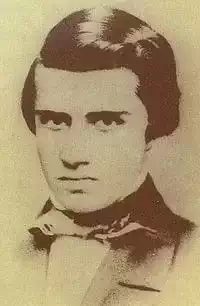
Álvares de Azevedo
Tenho um seio que delira
I
Tenho um seio que delira
Como as tuas harmonias!
Que treme quando suspira,
Que geme como gemias!
II
Tenho músicas ardentes,
Ais do meu amor insano,
Que palpitam mais dormentes
Do que os sons do teu piano!
III
Tenho cordas argentinas
Que a noite faz acordar,
Como as nuvens peregrinas
Das gaivotas do alto mar!
IV
Como a teus dedos lindinhos
O teu piano gemeu,
Vibra-me o seio aos dedinhos
Dos anjos loiros do céu!
V
Vibra à noite do mistério,
Se o banha o frouxo luar,
Se passa teu rosto aéreo
No vaporoso sonhar!
VI
Como tremem teus dedinhos
O saudoso piano teu,
Vibram-me n'alma os anjinhos,
Os anjos loiros do céu!
Publicado no livro Poesias de Manuel Antônio Álvares de Azevedo (1853). Poema integrante da série Primeira Parte.
In: GRANDES poetas românticos do Brasil. Pref. e notas biogr. Antônio Soares Amora. Introd. Frederico José da Silva Ramos. São Paulo: LEP, 1959. v.
Tenho um seio que delira
Como as tuas harmonias!
Que treme quando suspira,
Que geme como gemias!
II
Tenho músicas ardentes,
Ais do meu amor insano,
Que palpitam mais dormentes
Do que os sons do teu piano!
III
Tenho cordas argentinas
Que a noite faz acordar,
Como as nuvens peregrinas
Das gaivotas do alto mar!
IV
Como a teus dedos lindinhos
O teu piano gemeu,
Vibra-me o seio aos dedinhos
Dos anjos loiros do céu!
V
Vibra à noite do mistério,
Se o banha o frouxo luar,
Se passa teu rosto aéreo
No vaporoso sonhar!
VI
Como tremem teus dedinhos
O saudoso piano teu,
Vibram-me n'alma os anjinhos,
Os anjos loiros do céu!
Publicado no livro Poesias de Manuel Antônio Álvares de Azevedo (1853). Poema integrante da série Primeira Parte.
In: GRANDES poetas românticos do Brasil. Pref. e notas biogr. Antônio Soares Amora. Introd. Frederico José da Silva Ramos. São Paulo: LEP, 1959. v.
3 047
Mafalda Veiga
Pedras e Flores
Hoje a vida passa como um barco
Ilha de náufragos esquecida no mar
E o tempo é nada haver sentido tudo
O que por nada ser nos faz mudar
Hoje o mundo é o revés de um sonho
Que um sono mais profundo fez esquecer
Para quê querer das coisas a razão
Se quase nada tem razão de ser
O luar traz silêncios e disparos
E carícias fugazes e horrores
E morre-se num canto de um poema
Por isso e outras coisa dão-se flores
Bebe-se vinho e dorme-se ao relento
E liberta-se o grito que vier
Pra se ouvir longe e perto, e dentro
Conserva-se o silêncio, o que se puder
E alguma vez ainda se acredita
Na força da montanha céu adentro
E na canção do mar por ser bonita
E nas asas que inventa, cores ao vento
Mas hoje voam pássaros sem asas
Na terra desabrocham cores de guerra
E hoje as flores rolam pelo chão
Como se fossem pedras
Ilha de náufragos esquecida no mar
E o tempo é nada haver sentido tudo
O que por nada ser nos faz mudar
Hoje o mundo é o revés de um sonho
Que um sono mais profundo fez esquecer
Para quê querer das coisas a razão
Se quase nada tem razão de ser
O luar traz silêncios e disparos
E carícias fugazes e horrores
E morre-se num canto de um poema
Por isso e outras coisa dão-se flores
Bebe-se vinho e dorme-se ao relento
E liberta-se o grito que vier
Pra se ouvir longe e perto, e dentro
Conserva-se o silêncio, o que se puder
E alguma vez ainda se acredita
Na força da montanha céu adentro
E na canção do mar por ser bonita
E nas asas que inventa, cores ao vento
Mas hoje voam pássaros sem asas
Na terra desabrocham cores de guerra
E hoje as flores rolam pelo chão
Como se fossem pedras
1 397
Mafalda Veiga
Pedras e Flores
Hoje a vida passa como um barco
Ilha de náufragos esquecida no mar
E o tempo é nada haver sentido tudo
O que por nada ser nos faz mudar
Hoje o mundo é o revés de um sonho
Que um sono mais profundo fez esquecer
Para quê querer das coisas a razão
Se quase nada tem razão de ser
O luar traz silêncios e disparos
E carícias fugazes e horrores
E morre-se num canto de um poema
Por isso e outras coisa dão-se flores
Bebe-se vinho e dorme-se ao relento
E liberta-se o grito que vier
Pra se ouvir longe e perto, e dentro
Conserva-se o silêncio, o que se puder
E alguma vez ainda se acredita
Na força da montanha céu adentro
E na canção do mar por ser bonita
E nas asas que inventa, cores ao vento
Mas hoje voam pássaros sem asas
Na terra desabrocham cores de guerra
E hoje as flores rolam pelo chão
Como se fossem pedras
Ilha de náufragos esquecida no mar
E o tempo é nada haver sentido tudo
O que por nada ser nos faz mudar
Hoje o mundo é o revés de um sonho
Que um sono mais profundo fez esquecer
Para quê querer das coisas a razão
Se quase nada tem razão de ser
O luar traz silêncios e disparos
E carícias fugazes e horrores
E morre-se num canto de um poema
Por isso e outras coisa dão-se flores
Bebe-se vinho e dorme-se ao relento
E liberta-se o grito que vier
Pra se ouvir longe e perto, e dentro
Conserva-se o silêncio, o que se puder
E alguma vez ainda se acredita
Na força da montanha céu adentro
E na canção do mar por ser bonita
E nas asas que inventa, cores ao vento
Mas hoje voam pássaros sem asas
Na terra desabrocham cores de guerra
E hoje as flores rolam pelo chão
Como se fossem pedras
1 397
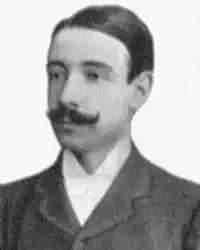
Alberto de Oliveira
Terceiro Canto
I
Embala-me, balanço da mangueira,
Embala-me, que enquanto vou contigo,
Contigo venho, o meu pesar esqueço.
Rompe a luz da manhã rosada e linda,
Tudo desperta. E essa por quem padeço,
Lânguida e preguiçosa,
Entre brancos lençóis repousa ainda.
Embala-me, pendente da mangueira,
Na tensa corda, meu balanço amigo!
Em claro a noite inteira
Passei, pensando nela. Ah! que formosa
Estava ontem à tarde no mirante,
Um livro ao colo, às tranças uma rosa,
E o olhar perdido na amplidão distante!
Pensava... Em quem pensava?
Se fosse em mim... Como formosa estava!
Oh! não pausado e manso,
Mas aos arrancos, estirado voa,
Leva-me, meu balanço!
II
Assim cismando, à toa,
Olhos voltados já para a querida
Visão de Laura, já para o céu claro,
Para o campo e arredores,
A manhã passo. Sobre a serra erguida
Em frente nasce e, coroando-a, brilha
O sol. Loureja o ipê com as áureas flores.
Late nos grotões fundos, indo ao faro
Da caça, ao buzinar dos caçadores,
Da fazenda a matilha.
E no ar que sopra dos capões escuros,
Sente-se, de mistura a essências finas
E ao cheiro das resinas,
Um sabor acre de cajás maduros.
III
Cajás! Não é que lembra à Laura um dia
(Que dia claro! esplende o mato e cheira!)
Chamar-me para em sua companhia
Saboreá-los sob a cajazeira!
— Vamos sós? perguntei-lhe. E a feiticeira:
— Então! tens medo de ir comigo? — E ria.
Compõe as tranças, salta-me ligeira
Ao braço, o braço no meu braço enfia.
— Uma carreira! — Uma carreira! — Aposto!
A um sinal breve dado de partida,
Corremos. Zune o vento em nosso rosto.
Mas eu me deixo atrás ficar, correndo,
Pois mais vale que a aposta da corrida
Ver-lhe as saias a voar, como vou vendo.
Imagem - 00020004
Publicado no livro Poesias: segunda série. Poema integrante da série Alma em Flor, 1900.
In: OLIVEIRA, Alberto de. Poesias completas. Ed. crít. Marco Aurélio Mello Reis. Rio de Janeiro: Núcleo Ed. da UERJ, 1978. v.2. (Fluminense)
NOTA: Alma em Flor é composto de 3 cantos. O terceiro tem 17 parte
Embala-me, balanço da mangueira,
Embala-me, que enquanto vou contigo,
Contigo venho, o meu pesar esqueço.
Rompe a luz da manhã rosada e linda,
Tudo desperta. E essa por quem padeço,
Lânguida e preguiçosa,
Entre brancos lençóis repousa ainda.
Embala-me, pendente da mangueira,
Na tensa corda, meu balanço amigo!
Em claro a noite inteira
Passei, pensando nela. Ah! que formosa
Estava ontem à tarde no mirante,
Um livro ao colo, às tranças uma rosa,
E o olhar perdido na amplidão distante!
Pensava... Em quem pensava?
Se fosse em mim... Como formosa estava!
Oh! não pausado e manso,
Mas aos arrancos, estirado voa,
Leva-me, meu balanço!
II
Assim cismando, à toa,
Olhos voltados já para a querida
Visão de Laura, já para o céu claro,
Para o campo e arredores,
A manhã passo. Sobre a serra erguida
Em frente nasce e, coroando-a, brilha
O sol. Loureja o ipê com as áureas flores.
Late nos grotões fundos, indo ao faro
Da caça, ao buzinar dos caçadores,
Da fazenda a matilha.
E no ar que sopra dos capões escuros,
Sente-se, de mistura a essências finas
E ao cheiro das resinas,
Um sabor acre de cajás maduros.
III
Cajás! Não é que lembra à Laura um dia
(Que dia claro! esplende o mato e cheira!)
Chamar-me para em sua companhia
Saboreá-los sob a cajazeira!
— Vamos sós? perguntei-lhe. E a feiticeira:
— Então! tens medo de ir comigo? — E ria.
Compõe as tranças, salta-me ligeira
Ao braço, o braço no meu braço enfia.
— Uma carreira! — Uma carreira! — Aposto!
A um sinal breve dado de partida,
Corremos. Zune o vento em nosso rosto.
Mas eu me deixo atrás ficar, correndo,
Pois mais vale que a aposta da corrida
Ver-lhe as saias a voar, como vou vendo.
Imagem - 00020004
Publicado no livro Poesias: segunda série. Poema integrante da série Alma em Flor, 1900.
In: OLIVEIRA, Alberto de. Poesias completas. Ed. crít. Marco Aurélio Mello Reis. Rio de Janeiro: Núcleo Ed. da UERJ, 1978. v.2. (Fluminense)
NOTA: Alma em Flor é composto de 3 cantos. O terceiro tem 17 parte
2 452
Mafalda Veiga
Vestígios de ti
Os meus discos no chão
Os copos vazios
Vestígios da noite
As palavras perdidas
O calor e o frio
O meu corpo no chão
Um livro que eu li
O silêncio e a pele
As palavras sentidas
Os vestígios de ti
E o mundo e a rua
Despidos no vento
À espera de sentir o mar
Numa vaga de espuma
Em sentidos guardados
No fundo do olhar
As revistas no chão
Os copos vazios
Vestígios do tempo
As palavras trocadas
O calor e o frio
Cada gesto que abraça
E um filme que eu vi
O que fica marcado
E já nunca se afasta
Os vestígios de ti
E o mundo e a rua
Despidos no vento
À espera de sentir o mar
Numa vaga de espuma
Em sentidos guardados
No fundo do olhar
Os copos vazios
Vestígios da noite
As palavras perdidas
O calor e o frio
O meu corpo no chão
Um livro que eu li
O silêncio e a pele
As palavras sentidas
Os vestígios de ti
E o mundo e a rua
Despidos no vento
À espera de sentir o mar
Numa vaga de espuma
Em sentidos guardados
No fundo do olhar
As revistas no chão
Os copos vazios
Vestígios do tempo
As palavras trocadas
O calor e o frio
Cada gesto que abraça
E um filme que eu vi
O que fica marcado
E já nunca se afasta
Os vestígios de ti
E o mundo e a rua
Despidos no vento
À espera de sentir o mar
Numa vaga de espuma
Em sentidos guardados
No fundo do olhar
1 282
Mafalda Veiga
O menino do piano (um sonho do Tomás)
vi um menino com um piano
no céu da minha cabeça
veio de tão longe só para me pedir
que nunca o esqueça
vinha a tocar o seu piano
como só nos sonhos pode ser
por entre as nuvens e as estrelas
apareceu quando me viu adormecer
ficou sentado perto de mim
onde mora a fantasia
quis-lhe tocar mas não se pode ter
a noite a iluminar o dia
soprou devagarinho uma estrela
que se acendeu na sua mão
disse-me: podes sempre vê-la
se souberes soprá-la no teu coração
vi um menino com um piano
a despedir-se de mim
com uma nuvem fez o mar e partiu
(nos sonhos pode ser assim)
disse-me: está a nascer o dia
vou pra onde a noite se esconder
volto com a primeira estrela
para tu nunca teres medo ao escurecer
no céu da minha cabeça
veio de tão longe só para me pedir
que nunca o esqueça
vinha a tocar o seu piano
como só nos sonhos pode ser
por entre as nuvens e as estrelas
apareceu quando me viu adormecer
ficou sentado perto de mim
onde mora a fantasia
quis-lhe tocar mas não se pode ter
a noite a iluminar o dia
soprou devagarinho uma estrela
que se acendeu na sua mão
disse-me: podes sempre vê-la
se souberes soprá-la no teu coração
vi um menino com um piano
a despedir-se de mim
com uma nuvem fez o mar e partiu
(nos sonhos pode ser assim)
disse-me: está a nascer o dia
vou pra onde a noite se esconder
volto com a primeira estrela
para tu nunca teres medo ao escurecer
1 219
Mafalda Veiga
Fonte dos Deuses
A lua dança na mata
Até despontar o dia
Andam ninfas na cascata
E os deuses em romaria
E os bravos guerreiro mouros
Cravam lanças ao luar
Pra afugentar maus agouros
Como a fonte a transbordar
Rio aberto, quase mar
Acaba todo o sossego
Inundada a pradaria
Se os deuses contam segredos
E água vem que não devi
E os bravos guerreiros
Cravam lanças ao luar
Pra afugentar maus agouros
Como a fonte a transbordar
Rio aberto, quase mar
E estava a princesa moura
A beber água na fonte
Onde a vida é uma espora
Cravada no horizonte
Todo o dia a toda a hora
Sempre vem o trovador
Cantar à princesa moura
E a toda a moirama em flor
Ai toda a moura é uma flor
Cantaria à luz do fogo
Se me fosse perdoado
Pelos deuses todo o sonho
Toda a falta de cuidado
Mas nem sempre acorda a chama
Onde a noite é demorada
Enquanto os deuses recolhem
Água em fonte transbordada
Luz em noite enluarada
E estava a princesa moura
A beber água na fonte
Onde a vida é uma espora
Cravada no horizonte
Todo o dia a toda a hora
Sempre vem o trovador
Cantar à princesa moura
E a toda a moirama em flor
Ai toda a moura é uma flor
Toco na lira dos deuses
Pela margem da ribeira
É esse o riso dos deuses
E das caraças da feira
Dias de amor nunca esquecem
Tirando algum que esqueceu
Quando os deuses enlouquecem
E arrancam estrelas do céu
E deixam noites de breu
E estava a princesa moura
A beber água na fonte
Onde a vida é uma espora
Cravada no horizonte
Todo o dia a toda a hora
Sempre vem o trovador
Cantar à princesa moura
E a toda a moirama em flor
Ai toda a moura é uma flor
Até despontar o dia
Andam ninfas na cascata
E os deuses em romaria
E os bravos guerreiro mouros
Cravam lanças ao luar
Pra afugentar maus agouros
Como a fonte a transbordar
Rio aberto, quase mar
Acaba todo o sossego
Inundada a pradaria
Se os deuses contam segredos
E água vem que não devi
E os bravos guerreiros
Cravam lanças ao luar
Pra afugentar maus agouros
Como a fonte a transbordar
Rio aberto, quase mar
E estava a princesa moura
A beber água na fonte
Onde a vida é uma espora
Cravada no horizonte
Todo o dia a toda a hora
Sempre vem o trovador
Cantar à princesa moura
E a toda a moirama em flor
Ai toda a moura é uma flor
Cantaria à luz do fogo
Se me fosse perdoado
Pelos deuses todo o sonho
Toda a falta de cuidado
Mas nem sempre acorda a chama
Onde a noite é demorada
Enquanto os deuses recolhem
Água em fonte transbordada
Luz em noite enluarada
E estava a princesa moura
A beber água na fonte
Onde a vida é uma espora
Cravada no horizonte
Todo o dia a toda a hora
Sempre vem o trovador
Cantar à princesa moura
E a toda a moirama em flor
Ai toda a moura é uma flor
Toco na lira dos deuses
Pela margem da ribeira
É esse o riso dos deuses
E das caraças da feira
Dias de amor nunca esquecem
Tirando algum que esqueceu
Quando os deuses enlouquecem
E arrancam estrelas do céu
E deixam noites de breu
E estava a princesa moura
A beber água na fonte
Onde a vida é uma espora
Cravada no horizonte
Todo o dia a toda a hora
Sempre vem o trovador
Cantar à princesa moura
E a toda a moirama em flor
Ai toda a moura é uma flor
1 174
Mafalda Veiga
Por Te Rever
Quisera roubar-te essas palavras e morrer
Trazer-te assim até ao fim do que eu puder
E começar um dia mais eternamente
Por te rever, só
Pudesse eu guardar-te nos sentidos e na voz
E descobrir o que será de nós
E demorar um dia mais eternamente
Por te rever, só
Quisera a ternura, calmaria azul do mar
O riso o amor o gosto a sal o sol do olhar
E um lugar pra me espraiar eternamente
Por te rever, só
Pudesse eu ser tempo a respirar no teu abraço
Adormecer e abandonar-me de cansaço
Quisera assim perder-me em mim eternamente
Por te rever, só
Trazer-te assim até ao fim do que eu puder
E começar um dia mais eternamente
Por te rever, só
Pudesse eu guardar-te nos sentidos e na voz
E descobrir o que será de nós
E demorar um dia mais eternamente
Por te rever, só
Quisera a ternura, calmaria azul do mar
O riso o amor o gosto a sal o sol do olhar
E um lugar pra me espraiar eternamente
Por te rever, só
Pudesse eu ser tempo a respirar no teu abraço
Adormecer e abandonar-me de cansaço
Quisera assim perder-me em mim eternamente
Por te rever, só
1 280
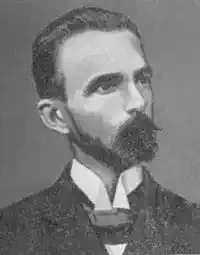
Raimundo Correia
Vésper
Do seu fastígio azul, serena e fria,
Desce a noite outonal, augusta e bela;
Vésper fulgura além... Vésper! Só ela
Todo o céu, doce e pálida, alumia.
De um mosteiro na cúpula irradia
Com frouxa luz... Em sua humilde cela,
Contemplativa e lânguida à janela,
Triste freira, fitando-a, se extasia...
Vésper, envolta em deslumbrante alvura,
Ó nuvens, que ides pelo espaço afora!
A quem tão longo olhar volve da altura?
Que olhar, irmão do seu, procura agora
Na terra o astro do amor? O olhar procura
Da solitária freira que o namora.
Publicado no livro Aleluias (1891).
In: CORREIA, Raimundo. Poesias completas. Org. pref. e notas Múcio Leão. São Paulo: Ed. Nacional, 1948. v.1, p.97
Desce a noite outonal, augusta e bela;
Vésper fulgura além... Vésper! Só ela
Todo o céu, doce e pálida, alumia.
De um mosteiro na cúpula irradia
Com frouxa luz... Em sua humilde cela,
Contemplativa e lânguida à janela,
Triste freira, fitando-a, se extasia...
Vésper, envolta em deslumbrante alvura,
Ó nuvens, que ides pelo espaço afora!
A quem tão longo olhar volve da altura?
Que olhar, irmão do seu, procura agora
Na terra o astro do amor? O olhar procura
Da solitária freira que o namora.
Publicado no livro Aleluias (1891).
In: CORREIA, Raimundo. Poesias completas. Org. pref. e notas Múcio Leão. São Paulo: Ed. Nacional, 1948. v.1, p.97
1 948
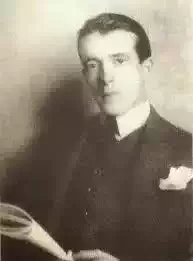
Raul de Leoni
De um Fantasma
Na minha vida fluida de fantasma
Sou tão leve que quase nem me sinto.
Nem há nada mais leve nem tão leve.
Sou mais leve do que a euforia de um anjo,
Mais leve do que a sombra de uma sombra
Refletida no espelho da Ilusão.
Nenhuma brutal lei do Universo sensível
Atua e pesa e nem de longe influi
Sobre o meu ser vago, difuso, esquivo
E no éter sereníssimo flutuo
Com a doce sutileza imponderável
De uma essência ideal que se volatiza...
Passo através das cousas mais sensíveis
E as cousas que atravesso nem se sentem,
Porque na minha plástica sutil
Tenho a delicadeza transcendente
Da luz, que flui través os corpos transparentes.
Sou quase imaterial como uma idéia...
E da matéria cósmica que tem
Tantos e variadíssimos estados
Eu sou o estado-alma, quer dizer
O último estado rarefeito, o estado ideal:
Alma, o estado divino da matéria!...
Publicado no livro Luz Mediterrânea (1928). Poema integrante da série Poemas Inacabados.
In: LEONI, Raul de. Luz mediterrânea. Pref. Rodrigo Mello Franco de Andrade. 10.ed. São Paulo: Liv. Martins, 1959
Sou tão leve que quase nem me sinto.
Nem há nada mais leve nem tão leve.
Sou mais leve do que a euforia de um anjo,
Mais leve do que a sombra de uma sombra
Refletida no espelho da Ilusão.
Nenhuma brutal lei do Universo sensível
Atua e pesa e nem de longe influi
Sobre o meu ser vago, difuso, esquivo
E no éter sereníssimo flutuo
Com a doce sutileza imponderável
De uma essência ideal que se volatiza...
Passo através das cousas mais sensíveis
E as cousas que atravesso nem se sentem,
Porque na minha plástica sutil
Tenho a delicadeza transcendente
Da luz, que flui través os corpos transparentes.
Sou quase imaterial como uma idéia...
E da matéria cósmica que tem
Tantos e variadíssimos estados
Eu sou o estado-alma, quer dizer
O último estado rarefeito, o estado ideal:
Alma, o estado divino da matéria!...
Publicado no livro Luz Mediterrânea (1928). Poema integrante da série Poemas Inacabados.
In: LEONI, Raul de. Luz mediterrânea. Pref. Rodrigo Mello Franco de Andrade. 10.ed. São Paulo: Liv. Martins, 1959
1 887
Raul de Leoni
De um Fantasma
Na minha vida fluida de fantasma
Sou tão leve que quase nem me sinto.
Nem há nada mais leve nem tão leve.
Sou mais leve do que a euforia de um anjo,
Mais leve do que a sombra de uma sombra
Refletida no espelho da Ilusão.
Nenhuma brutal lei do Universo sensível
Atua e pesa e nem de longe influi
Sobre o meu ser vago, difuso, esquivo
E no éter sereníssimo flutuo
Com a doce sutileza imponderável
De uma essência ideal que se volatiza...
Passo através das cousas mais sensíveis
E as cousas que atravesso nem se sentem,
Porque na minha plástica sutil
Tenho a delicadeza transcendente
Da luz, que flui través os corpos transparentes.
Sou quase imaterial como uma idéia...
E da matéria cósmica que tem
Tantos e variadíssimos estados
Eu sou o estado-alma, quer dizer
O último estado rarefeito, o estado ideal:
Alma, o estado divino da matéria!...
Publicado no livro Luz Mediterrânea (1928). Poema integrante da série Poemas Inacabados.
In: LEONI, Raul de. Luz mediterrânea. Pref. Rodrigo Mello Franco de Andrade. 10.ed. São Paulo: Liv. Martins, 1959
Sou tão leve que quase nem me sinto.
Nem há nada mais leve nem tão leve.
Sou mais leve do que a euforia de um anjo,
Mais leve do que a sombra de uma sombra
Refletida no espelho da Ilusão.
Nenhuma brutal lei do Universo sensível
Atua e pesa e nem de longe influi
Sobre o meu ser vago, difuso, esquivo
E no éter sereníssimo flutuo
Com a doce sutileza imponderável
De uma essência ideal que se volatiza...
Passo através das cousas mais sensíveis
E as cousas que atravesso nem se sentem,
Porque na minha plástica sutil
Tenho a delicadeza transcendente
Da luz, que flui través os corpos transparentes.
Sou quase imaterial como uma idéia...
E da matéria cósmica que tem
Tantos e variadíssimos estados
Eu sou o estado-alma, quer dizer
O último estado rarefeito, o estado ideal:
Alma, o estado divino da matéria!...
Publicado no livro Luz Mediterrânea (1928). Poema integrante da série Poemas Inacabados.
In: LEONI, Raul de. Luz mediterrânea. Pref. Rodrigo Mello Franco de Andrade. 10.ed. São Paulo: Liv. Martins, 1959
1 887
Raul de Leoni
De um Fantasma
Na minha vida fluida de fantasma
Sou tão leve que quase nem me sinto.
Nem há nada mais leve nem tão leve.
Sou mais leve do que a euforia de um anjo,
Mais leve do que a sombra de uma sombra
Refletida no espelho da Ilusão.
Nenhuma brutal lei do Universo sensível
Atua e pesa e nem de longe influi
Sobre o meu ser vago, difuso, esquivo
E no éter sereníssimo flutuo
Com a doce sutileza imponderável
De uma essência ideal que se volatiza...
Passo através das cousas mais sensíveis
E as cousas que atravesso nem se sentem,
Porque na minha plástica sutil
Tenho a delicadeza transcendente
Da luz, que flui través os corpos transparentes.
Sou quase imaterial como uma idéia...
E da matéria cósmica que tem
Tantos e variadíssimos estados
Eu sou o estado-alma, quer dizer
O último estado rarefeito, o estado ideal:
Alma, o estado divino da matéria!...
Publicado no livro Luz Mediterrânea (1928). Poema integrante da série Poemas Inacabados.
In: LEONI, Raul de. Luz mediterrânea. Pref. Rodrigo Mello Franco de Andrade. 10.ed. São Paulo: Liv. Martins, 1959
Sou tão leve que quase nem me sinto.
Nem há nada mais leve nem tão leve.
Sou mais leve do que a euforia de um anjo,
Mais leve do que a sombra de uma sombra
Refletida no espelho da Ilusão.
Nenhuma brutal lei do Universo sensível
Atua e pesa e nem de longe influi
Sobre o meu ser vago, difuso, esquivo
E no éter sereníssimo flutuo
Com a doce sutileza imponderável
De uma essência ideal que se volatiza...
Passo através das cousas mais sensíveis
E as cousas que atravesso nem se sentem,
Porque na minha plástica sutil
Tenho a delicadeza transcendente
Da luz, que flui través os corpos transparentes.
Sou quase imaterial como uma idéia...
E da matéria cósmica que tem
Tantos e variadíssimos estados
Eu sou o estado-alma, quer dizer
O último estado rarefeito, o estado ideal:
Alma, o estado divino da matéria!...
Publicado no livro Luz Mediterrânea (1928). Poema integrante da série Poemas Inacabados.
In: LEONI, Raul de. Luz mediterrânea. Pref. Rodrigo Mello Franco de Andrade. 10.ed. São Paulo: Liv. Martins, 1959
1 887