

Poemas neste tema
Vida e Existência
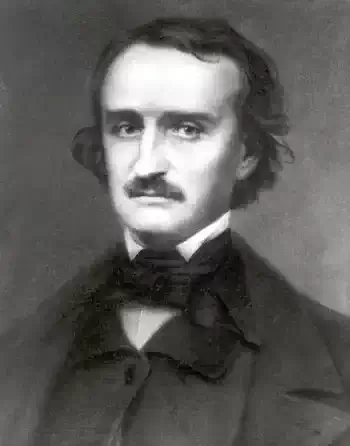
Edgar Allan Poe
Bridal Ballad
The ring is on my hand,
And the wreath is on my brow;
Satin and jewels grand
Are all at my command,
And many a rood of land
And I am happy now.
And my lord he loves me well;
But, when first he breathed his vow,
I felt my bosom swell—
And the voice seemed his who fell
For the words rang as a knell,
In the battle down the dell,
And who is happy now.
But he spoke to re-assure me,
And he kissed my pallid brow,
While a reverie came o'er me,
And to the church-yard bore me,
And I sighed to him before me,
"Oh, I am happy now!"
And thus the words were spoken,
And this the plighted vow,
And, though my faith be broken,
And, though my heart be broken,
Behold the golden token
That proves me happy now!
Would God I could awaken!
For I dream I know not how!
And my soul is sorely shaken
Lest an evil step be taken,—--
Lest the dead who is forsaken
May not be happy now.
1837
And the wreath is on my brow;
Satin and jewels grand
Are all at my command,
And many a rood of land
And I am happy now.
And my lord he loves me well;
But, when first he breathed his vow,
I felt my bosom swell—
And the voice seemed his who fell
For the words rang as a knell,
In the battle down the dell,
And who is happy now.
But he spoke to re-assure me,
And he kissed my pallid brow,
While a reverie came o'er me,
And to the church-yard bore me,
And I sighed to him before me,
"Oh, I am happy now!"
And thus the words were spoken,
And this the plighted vow,
And, though my faith be broken,
And, though my heart be broken,
Behold the golden token
That proves me happy now!
Would God I could awaken!
For I dream I know not how!
And my soul is sorely shaken
Lest an evil step be taken,—--
Lest the dead who is forsaken
May not be happy now.
1837
1 474
Edgar Allan Poe
Bridal Ballad
The ring is on my hand,
And the wreath is on my brow;
Satin and jewels grand
Are all at my command,
And many a rood of land
And I am happy now.
And my lord he loves me well;
But, when first he breathed his vow,
I felt my bosom swell—
And the voice seemed his who fell
For the words rang as a knell,
In the battle down the dell,
And who is happy now.
But he spoke to re-assure me,
And he kissed my pallid brow,
While a reverie came o'er me,
And to the church-yard bore me,
And I sighed to him before me,
"Oh, I am happy now!"
And thus the words were spoken,
And this the plighted vow,
And, though my faith be broken,
And, though my heart be broken,
Behold the golden token
That proves me happy now!
Would God I could awaken!
For I dream I know not how!
And my soul is sorely shaken
Lest an evil step be taken,—--
Lest the dead who is forsaken
May not be happy now.
1837
And the wreath is on my brow;
Satin and jewels grand
Are all at my command,
And many a rood of land
And I am happy now.
And my lord he loves me well;
But, when first he breathed his vow,
I felt my bosom swell—
And the voice seemed his who fell
For the words rang as a knell,
In the battle down the dell,
And who is happy now.
But he spoke to re-assure me,
And he kissed my pallid brow,
While a reverie came o'er me,
And to the church-yard bore me,
And I sighed to him before me,
"Oh, I am happy now!"
And thus the words were spoken,
And this the plighted vow,
And, though my faith be broken,
And, though my heart be broken,
Behold the golden token
That proves me happy now!
Would God I could awaken!
For I dream I know not how!
And my soul is sorely shaken
Lest an evil step be taken,—--
Lest the dead who is forsaken
May not be happy now.
1837
1 474
Edgar Allan Poe
Bridal Ballad
The ring is on my hand,
And the wreath is on my brow;
Satin and jewels grand
Are all at my command,
And many a rood of land
And I am happy now.
And my lord he loves me well;
But, when first he breathed his vow,
I felt my bosom swell—
And the voice seemed his who fell
For the words rang as a knell,
In the battle down the dell,
And who is happy now.
But he spoke to re-assure me,
And he kissed my pallid brow,
While a reverie came o'er me,
And to the church-yard bore me,
And I sighed to him before me,
"Oh, I am happy now!"
And thus the words were spoken,
And this the plighted vow,
And, though my faith be broken,
And, though my heart be broken,
Behold the golden token
That proves me happy now!
Would God I could awaken!
For I dream I know not how!
And my soul is sorely shaken
Lest an evil step be taken,—--
Lest the dead who is forsaken
May not be happy now.
1837
And the wreath is on my brow;
Satin and jewels grand
Are all at my command,
And many a rood of land
And I am happy now.
And my lord he loves me well;
But, when first he breathed his vow,
I felt my bosom swell—
And the voice seemed his who fell
For the words rang as a knell,
In the battle down the dell,
And who is happy now.
But he spoke to re-assure me,
And he kissed my pallid brow,
While a reverie came o'er me,
And to the church-yard bore me,
And I sighed to him before me,
"Oh, I am happy now!"
And thus the words were spoken,
And this the plighted vow,
And, though my faith be broken,
And, though my heart be broken,
Behold the golden token
That proves me happy now!
Would God I could awaken!
For I dream I know not how!
And my soul is sorely shaken
Lest an evil step be taken,—--
Lest the dead who is forsaken
May not be happy now.
1837
1 474
Edgar Allan Poe
Dreams
Oh! that my young life were a lasting dream!
My spirit not awakening, till the beam
Of an Eternity should bring the morrow.
Yes! tho' that long dream were of hopeless sorrow,
'Twere better than the cold reality
Of waking life, to him whose heart must be,
And hath been still, upon the lovely earth,
A chaos of deep passion, from his birth.
But should it be— that dream eternally
Continuing— as dreams have been to me
In my young boyhood— should it thus be given,
'Twere folly still to hope for higher Heaven.
For I have revell'd, when the sun was bright
I' the summer sky, in dreams of living light
And loveliness,— have left my very heart
In climes of my imagining, apart
From mine own home, with beings that have been
Of mine own thought— what more could I have seen?
'Twas once— and only once— and the wild hour
From my remembrance shall not pass— some power
Or spell had bound me— 'twas the chilly wind
Came o'er me in the night, and left behind
Its image on my spirit— or the moon
Shone on my slumbers in her lofty noon
Too coldly— or the stars— howe'er it was
That dream was as that night—wind— let it pass.
I have been happy, tho' in a dream.
I have been happy— and I love the theme:
Dreams! in their vivid coloring of life,
As in that fleeting, shadowy, misty strife
Of semblance with reality, which brings
To the delirious eye, more lovely things
Of Paradise and Love— and all our own!
Than young Hope in his sunniest hour hath known.
1827
My spirit not awakening, till the beam
Of an Eternity should bring the morrow.
Yes! tho' that long dream were of hopeless sorrow,
'Twere better than the cold reality
Of waking life, to him whose heart must be,
And hath been still, upon the lovely earth,
A chaos of deep passion, from his birth.
But should it be— that dream eternally
Continuing— as dreams have been to me
In my young boyhood— should it thus be given,
'Twere folly still to hope for higher Heaven.
For I have revell'd, when the sun was bright
I' the summer sky, in dreams of living light
And loveliness,— have left my very heart
In climes of my imagining, apart
From mine own home, with beings that have been
Of mine own thought— what more could I have seen?
'Twas once— and only once— and the wild hour
From my remembrance shall not pass— some power
Or spell had bound me— 'twas the chilly wind
Came o'er me in the night, and left behind
Its image on my spirit— or the moon
Shone on my slumbers in her lofty noon
Too coldly— or the stars— howe'er it was
That dream was as that night—wind— let it pass.
I have been happy, tho' in a dream.
I have been happy— and I love the theme:
Dreams! in their vivid coloring of life,
As in that fleeting, shadowy, misty strife
Of semblance with reality, which brings
To the delirious eye, more lovely things
Of Paradise and Love— and all our own!
Than young Hope in his sunniest hour hath known.
1827
1 692
Edgar Allan Poe
To Helen [Sarah Helen Whitman
I saw thee once— once only — years ago:
I must not say how many — but not many.
It was a July midnight; and from out
A full-orbed moon, that, like thine own soul, soaring,
Sought a precipitate pathway up through heaven,
There fell a silvery-silken veil of light,
With quietude, and sultriness, and slumber,
Upon the upturned faces of a thousand
Roses that grew in an enchanted garden,
Where no wind dared to stir, unless on tiptoe —
Fell on the upturn'd faces of these roses
That gave out, in return for the love-light,
Their odorous souls in an ecstatic death —
Fell on the upturn'd faces of these roses
That smiled and died in this parterre, enchanted
By thee, and by the poetry of thy presence.
Clad all in white, upon a violet bank
I saw thee half reclining; while the moon
Fell on the upturn'd faces of the roses,
And on thine own, upturn'd— alas, in sorrow!
Was it not Fate, that, on this July midnight—
Was it not Fate, (whose name is also Sorrow,)
That bade me pause before that garden-gate,
To breathe the incense of those slumbering roses?
No footstep stirred: the hated world an slept,
Save only thee and me. (Oh, Heaven!— oh, God!
How my heart beats in coupling those two words!)
Save only thee and me. I paused— I looked—
And in an instant all things disappeared.
(Ah, bear in mind this garden was enchanted!)
The pearly lustre of the moon went out:
The mossy banks and the meandering paths,
The happy flowers and the repining trees,
Were seen no more: the very roses' odors
Died in the arms of the adoring airs.
All— all expired save thee— save less than thou:
Save only the divine light in thine eyes—
Save but the soul in thine uplifted eyes.
I saw but them— they were the world to me!
I saw but them— saw only them for hours,
Saw only them until the moon went down.
What wild heart-histories seemed to he enwritten
Upon those crystalline, celestial spheres!
How dark a woe, yet how sublime a hope!
How silently serene a sea of pride!
How daring an ambition; yet how deep—
How fathomless a capacity for love!
But now, at length, dear Dian sank from sight,
Into a western couch of thunder-cloud;
And thou, a ghost, amid the entombing trees
Didst glide away. Only thine eyes remained;
They would not go— they never yet have gone;
Lighting my lonely pathway home that night,
They have not left me (as my hopes have) since;
They follow me— they lead me through the years.
They are my ministers — yet I their slave.
Their office is to illumine and enkindle —
My duty, to be saved by their bright light,
And purified in their electric fire,
And sanctified in their elysian fire.
They fill my soul with Beauty (which is Hope),
And are far up in Heaven — the stars I kneel to
In the sad, silent watches of my night;
While even in the meridian glare of day
I see them still — two sweetly scintillant
Venuses, unextinguished by the sun!
1850
I must not say how many — but not many.
It was a July midnight; and from out
A full-orbed moon, that, like thine own soul, soaring,
Sought a precipitate pathway up through heaven,
There fell a silvery-silken veil of light,
With quietude, and sultriness, and slumber,
Upon the upturned faces of a thousand
Roses that grew in an enchanted garden,
Where no wind dared to stir, unless on tiptoe —
Fell on the upturn'd faces of these roses
That gave out, in return for the love-light,
Their odorous souls in an ecstatic death —
Fell on the upturn'd faces of these roses
That smiled and died in this parterre, enchanted
By thee, and by the poetry of thy presence.
Clad all in white, upon a violet bank
I saw thee half reclining; while the moon
Fell on the upturn'd faces of the roses,
And on thine own, upturn'd— alas, in sorrow!
Was it not Fate, that, on this July midnight—
Was it not Fate, (whose name is also Sorrow,)
That bade me pause before that garden-gate,
To breathe the incense of those slumbering roses?
No footstep stirred: the hated world an slept,
Save only thee and me. (Oh, Heaven!— oh, God!
How my heart beats in coupling those two words!)
Save only thee and me. I paused— I looked—
And in an instant all things disappeared.
(Ah, bear in mind this garden was enchanted!)
The pearly lustre of the moon went out:
The mossy banks and the meandering paths,
The happy flowers and the repining trees,
Were seen no more: the very roses' odors
Died in the arms of the adoring airs.
All— all expired save thee— save less than thou:
Save only the divine light in thine eyes—
Save but the soul in thine uplifted eyes.
I saw but them— they were the world to me!
I saw but them— saw only them for hours,
Saw only them until the moon went down.
What wild heart-histories seemed to he enwritten
Upon those crystalline, celestial spheres!
How dark a woe, yet how sublime a hope!
How silently serene a sea of pride!
How daring an ambition; yet how deep—
How fathomless a capacity for love!
But now, at length, dear Dian sank from sight,
Into a western couch of thunder-cloud;
And thou, a ghost, amid the entombing trees
Didst glide away. Only thine eyes remained;
They would not go— they never yet have gone;
Lighting my lonely pathway home that night,
They have not left me (as my hopes have) since;
They follow me— they lead me through the years.
They are my ministers — yet I their slave.
Their office is to illumine and enkindle —
My duty, to be saved by their bright light,
And purified in their electric fire,
And sanctified in their elysian fire.
They fill my soul with Beauty (which is Hope),
And are far up in Heaven — the stars I kneel to
In the sad, silent watches of my night;
While even in the meridian glare of day
I see them still — two sweetly scintillant
Venuses, unextinguished by the sun!
1850
1 885
Edgar Allan Poe
To Helen [Sarah Helen Whitman
I saw thee once— once only — years ago:
I must not say how many — but not many.
It was a July midnight; and from out
A full-orbed moon, that, like thine own soul, soaring,
Sought a precipitate pathway up through heaven,
There fell a silvery-silken veil of light,
With quietude, and sultriness, and slumber,
Upon the upturned faces of a thousand
Roses that grew in an enchanted garden,
Where no wind dared to stir, unless on tiptoe —
Fell on the upturn'd faces of these roses
That gave out, in return for the love-light,
Their odorous souls in an ecstatic death —
Fell on the upturn'd faces of these roses
That smiled and died in this parterre, enchanted
By thee, and by the poetry of thy presence.
Clad all in white, upon a violet bank
I saw thee half reclining; while the moon
Fell on the upturn'd faces of the roses,
And on thine own, upturn'd— alas, in sorrow!
Was it not Fate, that, on this July midnight—
Was it not Fate, (whose name is also Sorrow,)
That bade me pause before that garden-gate,
To breathe the incense of those slumbering roses?
No footstep stirred: the hated world an slept,
Save only thee and me. (Oh, Heaven!— oh, God!
How my heart beats in coupling those two words!)
Save only thee and me. I paused— I looked—
And in an instant all things disappeared.
(Ah, bear in mind this garden was enchanted!)
The pearly lustre of the moon went out:
The mossy banks and the meandering paths,
The happy flowers and the repining trees,
Were seen no more: the very roses' odors
Died in the arms of the adoring airs.
All— all expired save thee— save less than thou:
Save only the divine light in thine eyes—
Save but the soul in thine uplifted eyes.
I saw but them— they were the world to me!
I saw but them— saw only them for hours,
Saw only them until the moon went down.
What wild heart-histories seemed to he enwritten
Upon those crystalline, celestial spheres!
How dark a woe, yet how sublime a hope!
How silently serene a sea of pride!
How daring an ambition; yet how deep—
How fathomless a capacity for love!
But now, at length, dear Dian sank from sight,
Into a western couch of thunder-cloud;
And thou, a ghost, amid the entombing trees
Didst glide away. Only thine eyes remained;
They would not go— they never yet have gone;
Lighting my lonely pathway home that night,
They have not left me (as my hopes have) since;
They follow me— they lead me through the years.
They are my ministers — yet I their slave.
Their office is to illumine and enkindle —
My duty, to be saved by their bright light,
And purified in their electric fire,
And sanctified in their elysian fire.
They fill my soul with Beauty (which is Hope),
And are far up in Heaven — the stars I kneel to
In the sad, silent watches of my night;
While even in the meridian glare of day
I see them still — two sweetly scintillant
Venuses, unextinguished by the sun!
1850
I must not say how many — but not many.
It was a July midnight; and from out
A full-orbed moon, that, like thine own soul, soaring,
Sought a precipitate pathway up through heaven,
There fell a silvery-silken veil of light,
With quietude, and sultriness, and slumber,
Upon the upturned faces of a thousand
Roses that grew in an enchanted garden,
Where no wind dared to stir, unless on tiptoe —
Fell on the upturn'd faces of these roses
That gave out, in return for the love-light,
Their odorous souls in an ecstatic death —
Fell on the upturn'd faces of these roses
That smiled and died in this parterre, enchanted
By thee, and by the poetry of thy presence.
Clad all in white, upon a violet bank
I saw thee half reclining; while the moon
Fell on the upturn'd faces of the roses,
And on thine own, upturn'd— alas, in sorrow!
Was it not Fate, that, on this July midnight—
Was it not Fate, (whose name is also Sorrow,)
That bade me pause before that garden-gate,
To breathe the incense of those slumbering roses?
No footstep stirred: the hated world an slept,
Save only thee and me. (Oh, Heaven!— oh, God!
How my heart beats in coupling those two words!)
Save only thee and me. I paused— I looked—
And in an instant all things disappeared.
(Ah, bear in mind this garden was enchanted!)
The pearly lustre of the moon went out:
The mossy banks and the meandering paths,
The happy flowers and the repining trees,
Were seen no more: the very roses' odors
Died in the arms of the adoring airs.
All— all expired save thee— save less than thou:
Save only the divine light in thine eyes—
Save but the soul in thine uplifted eyes.
I saw but them— they were the world to me!
I saw but them— saw only them for hours,
Saw only them until the moon went down.
What wild heart-histories seemed to he enwritten
Upon those crystalline, celestial spheres!
How dark a woe, yet how sublime a hope!
How silently serene a sea of pride!
How daring an ambition; yet how deep—
How fathomless a capacity for love!
But now, at length, dear Dian sank from sight,
Into a western couch of thunder-cloud;
And thou, a ghost, amid the entombing trees
Didst glide away. Only thine eyes remained;
They would not go— they never yet have gone;
Lighting my lonely pathway home that night,
They have not left me (as my hopes have) since;
They follow me— they lead me through the years.
They are my ministers — yet I their slave.
Their office is to illumine and enkindle —
My duty, to be saved by their bright light,
And purified in their electric fire,
And sanctified in their elysian fire.
They fill my soul with Beauty (which is Hope),
And are far up in Heaven — the stars I kneel to
In the sad, silent watches of my night;
While even in the meridian glare of day
I see them still — two sweetly scintillant
Venuses, unextinguished by the sun!
1850
1 885
Edgar Allan Poe
Untitled - The happiest day — the happiest hour
The happiest day — the happiest hour
My sear'd and blighted heart hath known,
The highest hope of pride, and power,
I feel hath flown.
Of power! said I? yes! such I ween
But they have vanish'd long alas!
The visions of my youth have been —
But let them pass.
And, pride, what have I now with thee?
Another brow may ev'n inherit
The venom thou hast pour'd on me —
Be still my spirit.
The happiest day — the happiest hour
Mine eyes shall see — have ever seen
The brightest glance of pride and power
I feel — have been:
But were that hope of pride and power
Now offer'd, with the pain
Ev'n then I felt — that brightest hour
I would not live again:
For on its wing wall dark alloy
And as it flutter'd — fell
An essence — powerful to destroy
A soul that knew it well.
1827
My sear'd and blighted heart hath known,
The highest hope of pride, and power,
I feel hath flown.
Of power! said I? yes! such I ween
But they have vanish'd long alas!
The visions of my youth have been —
But let them pass.
And, pride, what have I now with thee?
Another brow may ev'n inherit
The venom thou hast pour'd on me —
Be still my spirit.
The happiest day — the happiest hour
Mine eyes shall see — have ever seen
The brightest glance of pride and power
I feel — have been:
But were that hope of pride and power
Now offer'd, with the pain
Ev'n then I felt — that brightest hour
I would not live again:
For on its wing wall dark alloy
And as it flutter'd — fell
An essence — powerful to destroy
A soul that knew it well.
1827
1 132
Edgar Allan Poe
Untitled - The happiest day — the happiest hour
The happiest day — the happiest hour
My sear'd and blighted heart hath known,
The highest hope of pride, and power,
I feel hath flown.
Of power! said I? yes! such I ween
But they have vanish'd long alas!
The visions of my youth have been —
But let them pass.
And, pride, what have I now with thee?
Another brow may ev'n inherit
The venom thou hast pour'd on me —
Be still my spirit.
The happiest day — the happiest hour
Mine eyes shall see — have ever seen
The brightest glance of pride and power
I feel — have been:
But were that hope of pride and power
Now offer'd, with the pain
Ev'n then I felt — that brightest hour
I would not live again:
For on its wing wall dark alloy
And as it flutter'd — fell
An essence — powerful to destroy
A soul that knew it well.
1827
My sear'd and blighted heart hath known,
The highest hope of pride, and power,
I feel hath flown.
Of power! said I? yes! such I ween
But they have vanish'd long alas!
The visions of my youth have been —
But let them pass.
And, pride, what have I now with thee?
Another brow may ev'n inherit
The venom thou hast pour'd on me —
Be still my spirit.
The happiest day — the happiest hour
Mine eyes shall see — have ever seen
The brightest glance of pride and power
I feel — have been:
But were that hope of pride and power
Now offer'd, with the pain
Ev'n then I felt — that brightest hour
I would not live again:
For on its wing wall dark alloy
And as it flutter'd — fell
An essence — powerful to destroy
A soul that knew it well.
1827
1 132
Edgar Allan Poe
Spirits of the Dead
Thy soul shall find itself alone
'Mid dark thoughts of the grey tomb-stone;
Not one, of all the crowd, to pry
Into thine hour of secrecy.
Be silent in that solitude,
Which is not loneliness- for then
The spirits of the dead, who stood
In life before thee, are again
In death around thee, and their will
Shall overshadow thee; be still.
The night, though clear, shall frown,
And the stars shall not look down
From their high thrones in the Heaven
With light like hope to mortals given,
But their red orbs, without beam,
To thy weariness shall seem
As a burning and a fever
Which would cling to thee for ever.
Now are thoughts thou shalt not banish,
Now are visions ne'er to vanish;
From thy spirit shall they pass
No more, like dew-drop from the grass.
The breeze, the breath of God, is still,
And the mist upon the hill
Shadowy, shadowy, yet unbroken,
Is a symbol and a token.
How it hangs upon the trees,
A mystery of mysteries!
1827
'Mid dark thoughts of the grey tomb-stone;
Not one, of all the crowd, to pry
Into thine hour of secrecy.
Be silent in that solitude,
Which is not loneliness- for then
The spirits of the dead, who stood
In life before thee, are again
In death around thee, and their will
Shall overshadow thee; be still.
The night, though clear, shall frown,
And the stars shall not look down
From their high thrones in the Heaven
With light like hope to mortals given,
But their red orbs, without beam,
To thy weariness shall seem
As a burning and a fever
Which would cling to thee for ever.
Now are thoughts thou shalt not banish,
Now are visions ne'er to vanish;
From thy spirit shall they pass
No more, like dew-drop from the grass.
The breeze, the breath of God, is still,
And the mist upon the hill
Shadowy, shadowy, yet unbroken,
Is a symbol and a token.
How it hangs upon the trees,
A mystery of mysteries!
1827
1 467
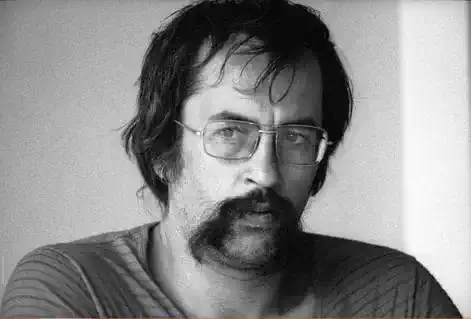
Paulo Leminski
ascenção apogeu e queda da vida paixão
ascenção apogeu e queda da vida paixão
e morte
do poeta enquanto ser que chora enquanto
chove lá fora e alguém canta
a última esperança da luz e pegar o primeiro trem
para muito além das serras que azulam no
horizonte
e o separam da aurora da sua vida
e morte
do poeta enquanto ser que chora enquanto
chove lá fora e alguém canta
a última esperança da luz e pegar o primeiro trem
para muito além das serras que azulam no
horizonte
e o separam da aurora da sua vida
1 781
Edgar Allan Poe
The Valley of Unrest
Once it smiled a silent dell
Where the people did not dwell;
They had gone unto the wars,
Trusting to the mild-eyed stars,
Nightly, from their azure towers,
To keep watch above the flowers,
In the midst of which all day
The red sunlight lazily lay.
Now each visitor shall confess
The sad valley's restlessness.
Nothing there is motionless-
Nothing save the airs that brood
Over the magic solitude.
Ah, by no wind are stirred those trees
That palpitate like the chill seas
Around the misty Hebrides!
Ah, by no wind those clouds are driven
That rustle through the unquiet Heaven
Uneasily, from morn till even,
Over the violets there that lie
In myriad types of the human eye-
Over the lilies there that wave
And weep above a nameless grave!
They wave: — from out their fragrant tops
Eternal dews come down in drops.
They weep: — from off their delicate stems
Perennial tears descend in gems.
1845
Where the people did not dwell;
They had gone unto the wars,
Trusting to the mild-eyed stars,
Nightly, from their azure towers,
To keep watch above the flowers,
In the midst of which all day
The red sunlight lazily lay.
Now each visitor shall confess
The sad valley's restlessness.
Nothing there is motionless-
Nothing save the airs that brood
Over the magic solitude.
Ah, by no wind are stirred those trees
That palpitate like the chill seas
Around the misty Hebrides!
Ah, by no wind those clouds are driven
That rustle through the unquiet Heaven
Uneasily, from morn till even,
Over the violets there that lie
In myriad types of the human eye-
Over the lilies there that wave
And weep above a nameless grave!
They wave: — from out their fragrant tops
Eternal dews come down in drops.
They weep: — from off their delicate stems
Perennial tears descend in gems.
1845
1 274

Mafalda Veiga
Restolho
geme o restolho triste e solitário
a embalar a noite escura e fria
e a perder-se no olhar da ventania
que canta ao tom do velho campanário
geme o restolho preso de saudade
esquecido, enlouquecido, dominado
escondido entre as sombras do montado
sem forças e sem côr e sem vontade
geme o restolho a transpirar de chuva
nos campos que a ceifeira mutilou
dormindo em velhos sonhos que sonhou
na alma a mágoa enorme, intensa, aguda
mas é preciso morrer e nascer de novo
semear no pó e voltar a colher
há que ser trigo, depois ser restolho
há que penar pra aprender a viver
e a vida não é existir sem mais nada
a vida não é dia sim dia não
é feita em cada entrega alucinada
pra receber daquilo que aumenta o coração
geme o restolho a transpirar de chuva
nos campos que a ceifeira mutilou
dormindo em velhos sonhos que sonhou
na alma a mágoa é enorme, intensa, aguda
mas é preciso morrer e nascer de novo
semear no pó e voltar a colher
há que ser trigo, depois ser restolho
há que penar pra aprender a viver
e a vida não é existir sem mais nada
a vida não é dia sim dia não
é feita em cada entrega alucinada
pra receber daquilo que aumenta o coração
a embalar a noite escura e fria
e a perder-se no olhar da ventania
que canta ao tom do velho campanário
geme o restolho preso de saudade
esquecido, enlouquecido, dominado
escondido entre as sombras do montado
sem forças e sem côr e sem vontade
geme o restolho a transpirar de chuva
nos campos que a ceifeira mutilou
dormindo em velhos sonhos que sonhou
na alma a mágoa enorme, intensa, aguda
mas é preciso morrer e nascer de novo
semear no pó e voltar a colher
há que ser trigo, depois ser restolho
há que penar pra aprender a viver
e a vida não é existir sem mais nada
a vida não é dia sim dia não
é feita em cada entrega alucinada
pra receber daquilo que aumenta o coração
geme o restolho a transpirar de chuva
nos campos que a ceifeira mutilou
dormindo em velhos sonhos que sonhou
na alma a mágoa é enorme, intensa, aguda
mas é preciso morrer e nascer de novo
semear no pó e voltar a colher
há que ser trigo, depois ser restolho
há que penar pra aprender a viver
e a vida não é existir sem mais nada
a vida não é dia sim dia não
é feita em cada entrega alucinada
pra receber daquilo que aumenta o coração
2 364
Mafalda Veiga
Restolho
geme o restolho triste e solitário
a embalar a noite escura e fria
e a perder-se no olhar da ventania
que canta ao tom do velho campanário
geme o restolho preso de saudade
esquecido, enlouquecido, dominado
escondido entre as sombras do montado
sem forças e sem côr e sem vontade
geme o restolho a transpirar de chuva
nos campos que a ceifeira mutilou
dormindo em velhos sonhos que sonhou
na alma a mágoa enorme, intensa, aguda
mas é preciso morrer e nascer de novo
semear no pó e voltar a colher
há que ser trigo, depois ser restolho
há que penar pra aprender a viver
e a vida não é existir sem mais nada
a vida não é dia sim dia não
é feita em cada entrega alucinada
pra receber daquilo que aumenta o coração
geme o restolho a transpirar de chuva
nos campos que a ceifeira mutilou
dormindo em velhos sonhos que sonhou
na alma a mágoa é enorme, intensa, aguda
mas é preciso morrer e nascer de novo
semear no pó e voltar a colher
há que ser trigo, depois ser restolho
há que penar pra aprender a viver
e a vida não é existir sem mais nada
a vida não é dia sim dia não
é feita em cada entrega alucinada
pra receber daquilo que aumenta o coração
a embalar a noite escura e fria
e a perder-se no olhar da ventania
que canta ao tom do velho campanário
geme o restolho preso de saudade
esquecido, enlouquecido, dominado
escondido entre as sombras do montado
sem forças e sem côr e sem vontade
geme o restolho a transpirar de chuva
nos campos que a ceifeira mutilou
dormindo em velhos sonhos que sonhou
na alma a mágoa enorme, intensa, aguda
mas é preciso morrer e nascer de novo
semear no pó e voltar a colher
há que ser trigo, depois ser restolho
há que penar pra aprender a viver
e a vida não é existir sem mais nada
a vida não é dia sim dia não
é feita em cada entrega alucinada
pra receber daquilo que aumenta o coração
geme o restolho a transpirar de chuva
nos campos que a ceifeira mutilou
dormindo em velhos sonhos que sonhou
na alma a mágoa é enorme, intensa, aguda
mas é preciso morrer e nascer de novo
semear no pó e voltar a colher
há que ser trigo, depois ser restolho
há que penar pra aprender a viver
e a vida não é existir sem mais nada
a vida não é dia sim dia não
é feita em cada entrega alucinada
pra receber daquilo que aumenta o coração
2 364
Edgar Allan Poe
Song
I saw thee on thy bridal day —
When a burning blush came o'er thee,
Though happiness around thee lay,
The world all love before thee:
And in thine eye a kindling light
(Whatever it might be)
Was all on Earth my aching sight
Of Loveliness could see.
That blush, perhaps, was maiden shame —
As such it well may pass —
Though its glow hath raised a fiercer flame
In the breast of him, alas!
Who saw thee on that bridal day,
When that deep blush would come o'er thee,
Though happiness around thee lay,
The world all love before thee.
1845
When a burning blush came o'er thee,
Though happiness around thee lay,
The world all love before thee:
And in thine eye a kindling light
(Whatever it might be)
Was all on Earth my aching sight
Of Loveliness could see.
That blush, perhaps, was maiden shame —
As such it well may pass —
Though its glow hath raised a fiercer flame
In the breast of him, alas!
Who saw thee on that bridal day,
When that deep blush would come o'er thee,
Though happiness around thee lay,
The world all love before thee.
1845
1 247
Edgar Allan Poe
Eldorado
Gaily bedight,
A gallant knight,
In sunshine and in shadow,
Had journeyed long,
Singing a song,
In search of Eldorado.
But he grew old—
This knight so bold—
And o'er his heart a shadow
Fell as he found
No spot of ground
That looked like Eldorado.
And, as his strength
Failed him at length,
He met a pilgrim shadow—
"Shadow," said he,
"Where can it be—
This land of Eldorado?"
"Over the Mountains
Of the Moon,
Down the Valley of the Shadow,
Ride, boldly ride,"
The shade replied—
"If you seek for Eldorado!"
1849
A gallant knight,
In sunshine and in shadow,
Had journeyed long,
Singing a song,
In search of Eldorado.
But he grew old—
This knight so bold—
And o'er his heart a shadow
Fell as he found
No spot of ground
That looked like Eldorado.
And, as his strength
Failed him at length,
He met a pilgrim shadow—
"Shadow," said he,
"Where can it be—
This land of Eldorado?"
"Over the Mountains
Of the Moon,
Down the Valley of the Shadow,
Ride, boldly ride,"
The shade replied—
"If you seek for Eldorado!"
1849
2 196
Edgar Allan Poe
Eldorado
Gaily bedight,
A gallant knight,
In sunshine and in shadow,
Had journeyed long,
Singing a song,
In search of Eldorado.
But he grew old—
This knight so bold—
And o'er his heart a shadow
Fell as he found
No spot of ground
That looked like Eldorado.
And, as his strength
Failed him at length,
He met a pilgrim shadow—
"Shadow," said he,
"Where can it be—
This land of Eldorado?"
"Over the Mountains
Of the Moon,
Down the Valley of the Shadow,
Ride, boldly ride,"
The shade replied—
"If you seek for Eldorado!"
1849
A gallant knight,
In sunshine and in shadow,
Had journeyed long,
Singing a song,
In search of Eldorado.
But he grew old—
This knight so bold—
And o'er his heart a shadow
Fell as he found
No spot of ground
That looked like Eldorado.
And, as his strength
Failed him at length,
He met a pilgrim shadow—
"Shadow," said he,
"Where can it be—
This land of Eldorado?"
"Over the Mountains
Of the Moon,
Down the Valley of the Shadow,
Ride, boldly ride,"
The shade replied—
"If you seek for Eldorado!"
1849
2 196
Edgar Allan Poe
The Lake
In youth's spring, it was my lot
To haunt of the wide earth a spot
The which I could not love the less;
So lovely was the loneliness
Of a wild lake, with black rock bound.
And the tall pines that tower'd around.
But when the night had thrown her pall
Upon that spot — as upon all,
And the wind would pass me by
In its stilly melody,
My infant spirit would awake
To the terror of the lone lake.
Yet that terror was not fright —
But a tremulous delight,
And a feeling undefin'd,
Springing from a darken'd mind.
Death was in that poison'd wave
And in its gulf a fitting grave
For him who thence could solace bring
To his dark imagining;
Whose wild'ring thought could even make
An Eden of that dim lake.
1827
To haunt of the wide earth a spot
The which I could not love the less;
So lovely was the loneliness
Of a wild lake, with black rock bound.
And the tall pines that tower'd around.
But when the night had thrown her pall
Upon that spot — as upon all,
And the wind would pass me by
In its stilly melody,
My infant spirit would awake
To the terror of the lone lake.
Yet that terror was not fright —
But a tremulous delight,
And a feeling undefin'd,
Springing from a darken'd mind.
Death was in that poison'd wave
And in its gulf a fitting grave
For him who thence could solace bring
To his dark imagining;
Whose wild'ring thought could even make
An Eden of that dim lake.
1827
1 652
Edgar Allan Poe
The Lake
In youth's spring, it was my lot
To haunt of the wide earth a spot
The which I could not love the less;
So lovely was the loneliness
Of a wild lake, with black rock bound.
And the tall pines that tower'd around.
But when the night had thrown her pall
Upon that spot — as upon all,
And the wind would pass me by
In its stilly melody,
My infant spirit would awake
To the terror of the lone lake.
Yet that terror was not fright —
But a tremulous delight,
And a feeling undefin'd,
Springing from a darken'd mind.
Death was in that poison'd wave
And in its gulf a fitting grave
For him who thence could solace bring
To his dark imagining;
Whose wild'ring thought could even make
An Eden of that dim lake.
1827
To haunt of the wide earth a spot
The which I could not love the less;
So lovely was the loneliness
Of a wild lake, with black rock bound.
And the tall pines that tower'd around.
But when the night had thrown her pall
Upon that spot — as upon all,
And the wind would pass me by
In its stilly melody,
My infant spirit would awake
To the terror of the lone lake.
Yet that terror was not fright —
But a tremulous delight,
And a feeling undefin'd,
Springing from a darken'd mind.
Death was in that poison'd wave
And in its gulf a fitting grave
For him who thence could solace bring
To his dark imagining;
Whose wild'ring thought could even make
An Eden of that dim lake.
1827
1 652
Edgar Allan Poe
The Coliseum
Lone ampitheatre ! Grey Coliseum !
Type of the antique Rome ! Rich reliquary
Of lofty contemplation left to Time
By buried centuries of pomp and power !
At length, at length — after so many days
Of weary pilgrimage, and burning thirst,
(Thirst for the springs of love [lore] that in thee lie,)
I kneel, an altered, and an humble man,
Amid thy shadows, and so drink within
My very soul thy grandeur, gloom, and glory.
Vastness ! and Age ! and Memories of Eld !
Silence and Desolation! and dim Night!
Gaunt vestibules! and phantom-peopled aisles !
I feel ye now: I feel ye in your strength!
O spells more sure then [than] e'er Judæan king
Taught in the gardens of Gethsemane !
O charms more potent than the rapt Chaldee
Ever drew down from out the quiet stars !
Here, where a hero fell, a column falls :
Here, where the mimic eagle glared in gold,
A midnight vigil holds the swarthy bat:
Here, where the dames of Rome their yellow hair
Wav'd to the wind, now wave the reed and thistle :
Here, where on ivory couch the Cæsar sate,
On bed of moss lies gloating the foul adder :
Here, where on golden throne the monarch loll'd,
Glides spectre-like unto his marble home,
Lit by the wan light of the horned moon,
The swift and silent lizard of the stones.
These crumbling walls; these tottering arcades ;
These mouldering plinths; these sad, and blacken'd shafts ;
These vague entablatures; this broken frieze ;
These shattered cornices; this wreck; this ruin ;
These stones, alas! — these grey stones — are they all ;
All of the great and the colossal left
By the corrosive hours to Fate and me ?
"Not all," — the echoes answer me; "not all :
Prophetic sounds, and loud, arise forever
From us, and from all ruin, unto the wise,
As in old days from Memnon to the sun.
We rule the hearts of mightiest men: — we rule
With a despotic sway all giant minds.
We are not desolate — we pallid stones ;
Not all our power is gone; not all our Fame ;
Not all the magic of our high renown ;
Not all the wonder that encircles us ;
Not all the mysteries that in us lie;
Not all the memories that hang upon,
And cling around about us now and ever,
And clothe us in a robe of more than glory."
1833
Type of the antique Rome ! Rich reliquary
Of lofty contemplation left to Time
By buried centuries of pomp and power !
At length, at length — after so many days
Of weary pilgrimage, and burning thirst,
(Thirst for the springs of love [lore] that in thee lie,)
I kneel, an altered, and an humble man,
Amid thy shadows, and so drink within
My very soul thy grandeur, gloom, and glory.
Vastness ! and Age ! and Memories of Eld !
Silence and Desolation! and dim Night!
Gaunt vestibules! and phantom-peopled aisles !
I feel ye now: I feel ye in your strength!
O spells more sure then [than] e'er Judæan king
Taught in the gardens of Gethsemane !
O charms more potent than the rapt Chaldee
Ever drew down from out the quiet stars !
Here, where a hero fell, a column falls :
Here, where the mimic eagle glared in gold,
A midnight vigil holds the swarthy bat:
Here, where the dames of Rome their yellow hair
Wav'd to the wind, now wave the reed and thistle :
Here, where on ivory couch the Cæsar sate,
On bed of moss lies gloating the foul adder :
Here, where on golden throne the monarch loll'd,
Glides spectre-like unto his marble home,
Lit by the wan light of the horned moon,
The swift and silent lizard of the stones.
These crumbling walls; these tottering arcades ;
These mouldering plinths; these sad, and blacken'd shafts ;
These vague entablatures; this broken frieze ;
These shattered cornices; this wreck; this ruin ;
These stones, alas! — these grey stones — are they all ;
All of the great and the colossal left
By the corrosive hours to Fate and me ?
"Not all," — the echoes answer me; "not all :
Prophetic sounds, and loud, arise forever
From us, and from all ruin, unto the wise,
As in old days from Memnon to the sun.
We rule the hearts of mightiest men: — we rule
With a despotic sway all giant minds.
We are not desolate — we pallid stones ;
Not all our power is gone; not all our Fame ;
Not all the magic of our high renown ;
Not all the wonder that encircles us ;
Not all the mysteries that in us lie;
Not all the memories that hang upon,
And cling around about us now and ever,
And clothe us in a robe of more than glory."
1833
1 567
Edgar Allan Poe
The Coliseum
Lone ampitheatre ! Grey Coliseum !
Type of the antique Rome ! Rich reliquary
Of lofty contemplation left to Time
By buried centuries of pomp and power !
At length, at length — after so many days
Of weary pilgrimage, and burning thirst,
(Thirst for the springs of love [lore] that in thee lie,)
I kneel, an altered, and an humble man,
Amid thy shadows, and so drink within
My very soul thy grandeur, gloom, and glory.
Vastness ! and Age ! and Memories of Eld !
Silence and Desolation! and dim Night!
Gaunt vestibules! and phantom-peopled aisles !
I feel ye now: I feel ye in your strength!
O spells more sure then [than] e'er Judæan king
Taught in the gardens of Gethsemane !
O charms more potent than the rapt Chaldee
Ever drew down from out the quiet stars !
Here, where a hero fell, a column falls :
Here, where the mimic eagle glared in gold,
A midnight vigil holds the swarthy bat:
Here, where the dames of Rome their yellow hair
Wav'd to the wind, now wave the reed and thistle :
Here, where on ivory couch the Cæsar sate,
On bed of moss lies gloating the foul adder :
Here, where on golden throne the monarch loll'd,
Glides spectre-like unto his marble home,
Lit by the wan light of the horned moon,
The swift and silent lizard of the stones.
These crumbling walls; these tottering arcades ;
These mouldering plinths; these sad, and blacken'd shafts ;
These vague entablatures; this broken frieze ;
These shattered cornices; this wreck; this ruin ;
These stones, alas! — these grey stones — are they all ;
All of the great and the colossal left
By the corrosive hours to Fate and me ?
"Not all," — the echoes answer me; "not all :
Prophetic sounds, and loud, arise forever
From us, and from all ruin, unto the wise,
As in old days from Memnon to the sun.
We rule the hearts of mightiest men: — we rule
With a despotic sway all giant minds.
We are not desolate — we pallid stones ;
Not all our power is gone; not all our Fame ;
Not all the magic of our high renown ;
Not all the wonder that encircles us ;
Not all the mysteries that in us lie;
Not all the memories that hang upon,
And cling around about us now and ever,
And clothe us in a robe of more than glory."
1833
Type of the antique Rome ! Rich reliquary
Of lofty contemplation left to Time
By buried centuries of pomp and power !
At length, at length — after so many days
Of weary pilgrimage, and burning thirst,
(Thirst for the springs of love [lore] that in thee lie,)
I kneel, an altered, and an humble man,
Amid thy shadows, and so drink within
My very soul thy grandeur, gloom, and glory.
Vastness ! and Age ! and Memories of Eld !
Silence and Desolation! and dim Night!
Gaunt vestibules! and phantom-peopled aisles !
I feel ye now: I feel ye in your strength!
O spells more sure then [than] e'er Judæan king
Taught in the gardens of Gethsemane !
O charms more potent than the rapt Chaldee
Ever drew down from out the quiet stars !
Here, where a hero fell, a column falls :
Here, where the mimic eagle glared in gold,
A midnight vigil holds the swarthy bat:
Here, where the dames of Rome their yellow hair
Wav'd to the wind, now wave the reed and thistle :
Here, where on ivory couch the Cæsar sate,
On bed of moss lies gloating the foul adder :
Here, where on golden throne the monarch loll'd,
Glides spectre-like unto his marble home,
Lit by the wan light of the horned moon,
The swift and silent lizard of the stones.
These crumbling walls; these tottering arcades ;
These mouldering plinths; these sad, and blacken'd shafts ;
These vague entablatures; this broken frieze ;
These shattered cornices; this wreck; this ruin ;
These stones, alas! — these grey stones — are they all ;
All of the great and the colossal left
By the corrosive hours to Fate and me ?
"Not all," — the echoes answer me; "not all :
Prophetic sounds, and loud, arise forever
From us, and from all ruin, unto the wise,
As in old days from Memnon to the sun.
We rule the hearts of mightiest men: — we rule
With a despotic sway all giant minds.
We are not desolate — we pallid stones ;
Not all our power is gone; not all our Fame ;
Not all the magic of our high renown ;
Not all the wonder that encircles us ;
Not all the mysteries that in us lie;
Not all the memories that hang upon,
And cling around about us now and ever,
And clothe us in a robe of more than glory."
1833
1 567
Edgar Allan Poe
Imitation
A dark unfathom'd tide
Of interminable pride —
A mystery, and a dream,
Should my early life seem;
I say that dream was fraught
With a wild, and waking thought
Of beings that have been,
Which my spirit hath not seen.
Had I let them pass me by,
With a dreaming eye!
Let none of earth inherit
That vision on [of] my spirit;
Those thoughts I would controul,
As a spell upon his soul:
For that bright hope at last
And that light time have past,
And my worldly rest hath gone
With a sight [sigh] as it pass'd on
I care not tho' it perish
With a thought I then did cherish.
Of interminable pride —
A mystery, and a dream,
Should my early life seem;
I say that dream was fraught
With a wild, and waking thought
Of beings that have been,
Which my spirit hath not seen.
Had I let them pass me by,
With a dreaming eye!
Let none of earth inherit
That vision on [of] my spirit;
Those thoughts I would controul,
As a spell upon his soul:
For that bright hope at last
And that light time have past,
And my worldly rest hath gone
With a sight [sigh] as it pass'd on
I care not tho' it perish
With a thought I then did cherish.
1 515
Edgar Allan Poe
Imitation
A dark unfathom'd tide
Of interminable pride —
A mystery, and a dream,
Should my early life seem;
I say that dream was fraught
With a wild, and waking thought
Of beings that have been,
Which my spirit hath not seen.
Had I let them pass me by,
With a dreaming eye!
Let none of earth inherit
That vision on [of] my spirit;
Those thoughts I would controul,
As a spell upon his soul:
For that bright hope at last
And that light time have past,
And my worldly rest hath gone
With a sight [sigh] as it pass'd on
I care not tho' it perish
With a thought I then did cherish.
Of interminable pride —
A mystery, and a dream,
Should my early life seem;
I say that dream was fraught
With a wild, and waking thought
Of beings that have been,
Which my spirit hath not seen.
Had I let them pass me by,
With a dreaming eye!
Let none of earth inherit
That vision on [of] my spirit;
Those thoughts I would controul,
As a spell upon his soul:
For that bright hope at last
And that light time have past,
And my worldly rest hath gone
With a sight [sigh] as it pass'd on
I care not tho' it perish
With a thought I then did cherish.
1 515
Edgar Allan Poe
To Elizabeth
Would'st thou be loved? — then let thy heart
From its present pathway part not —
Be every thing which now thou art
And nothing which thou art not:
So with the world thy gentle ways,
And unassuming beauty
Shall be a constant theme of praise,
And love — a duty.
From its present pathway part not —
Be every thing which now thou art
And nothing which thou art not:
So with the world thy gentle ways,
And unassuming beauty
Shall be a constant theme of praise,
And love — a duty.
1 244
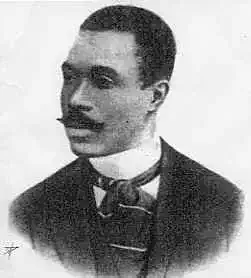
Cruz e Sousa
PRESA DO ÓDIO
Últimos Sonetos
Da tu'alma a funda galeria
descendo às vezes, eu às vezes sinto
que como o mais feroz lobo faminto
teu ódio baixo de alcatéia espia.
Do desespero a noite cava e fria,
de boêmias vis o pérfido absinto
pôs no teu ser um negro labirinto,
desencadeou sinistra ventania.
Desencadeou a ventania rouca,
surda, tremenda, desvairada, louca,
que a tu'alma abalou de lado a lado.
Que te inflamou de cóleras supremas
e deixou-te nas trágicas algemas
do teu ódio sangrento acorrentado!
Da tu'alma a funda galeria
descendo às vezes, eu às vezes sinto
que como o mais feroz lobo faminto
teu ódio baixo de alcatéia espia.
Do desespero a noite cava e fria,
de boêmias vis o pérfido absinto
pôs no teu ser um negro labirinto,
desencadeou sinistra ventania.
Desencadeou a ventania rouca,
surda, tremenda, desvairada, louca,
que a tu'alma abalou de lado a lado.
Que te inflamou de cóleras supremas
e deixou-te nas trágicas algemas
do teu ódio sangrento acorrentado!
2 445