

Poemas neste tema
Vida e Existência
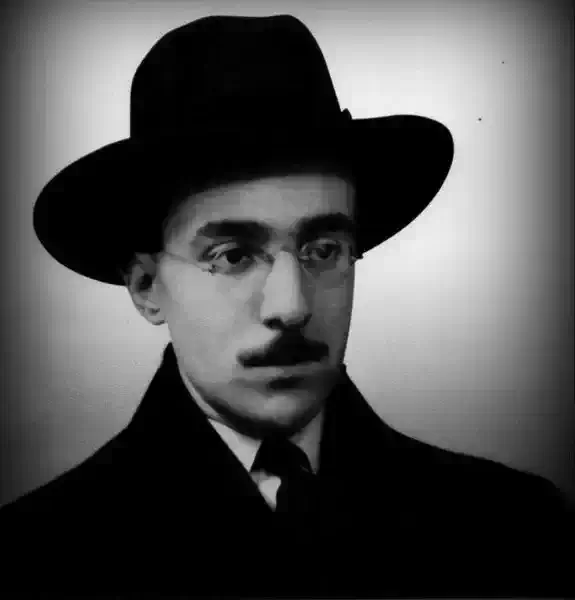
Fernando Pessoa
HEART-MUSIC
HEART-MUSIC
Learning almost upon thy breast
I heard thy heart's life – made unrest...
And thy heart's beating has a sound
that reminds me of aught I heard long ago,
Long before this life, but what
I do not know, I do not know...
'Twas something going round and round
Something of terrible and of strange
That even now doth shake my soul.
I strive to remember – I fail, I fail
The unmemoried memory doth shake my soul.
'Twas something terrible and strange,
Going round and going round,
And it had a sound like thy heart's beat...
The memory hangs on my soul's darkness
But notion from my mind went round and round
And now thy heart – hath such a sound.
Alexander Search
December 1905
Learning almost upon thy breast
I heard thy heart's life – made unrest...
And thy heart's beating has a sound
that reminds me of aught I heard long ago,
Long before this life, but what
I do not know, I do not know...
'Twas something going round and round
Something of terrible and of strange
That even now doth shake my soul.
I strive to remember – I fail, I fail
The unmemoried memory doth shake my soul.
'Twas something terrible and strange,
Going round and going round,
And it had a sound like thy heart's beat...
The memory hangs on my soul's darkness
But notion from my mind went round and round
And now thy heart – hath such a sound.
Alexander Search
December 1905
4 382
Fernando Pessoa
HEART-MUSIC
HEART-MUSIC
Learning almost upon thy breast
I heard thy heart's life – made unrest...
And thy heart's beating has a sound
that reminds me of aught I heard long ago,
Long before this life, but what
I do not know, I do not know...
'Twas something going round and round
Something of terrible and of strange
That even now doth shake my soul.
I strive to remember – I fail, I fail
The unmemoried memory doth shake my soul.
'Twas something terrible and strange,
Going round and going round,
And it had a sound like thy heart's beat...
The memory hangs on my soul's darkness
But notion from my mind went round and round
And now thy heart – hath such a sound.
Alexander Search
December 1905
Learning almost upon thy breast
I heard thy heart's life – made unrest...
And thy heart's beating has a sound
that reminds me of aught I heard long ago,
Long before this life, but what
I do not know, I do not know...
'Twas something going round and round
Something of terrible and of strange
That even now doth shake my soul.
I strive to remember – I fail, I fail
The unmemoried memory doth shake my soul.
'Twas something terrible and strange,
Going round and going round,
And it had a sound like thy heart's beat...
The memory hangs on my soul's darkness
But notion from my mind went round and round
And now thy heart – hath such a sound.
Alexander Search
December 1905
4 382
Gil Vicente
Depois de ida Roma
Depois de ida Roma, entram dous lavradores, um per nome Amâncio Vaz e outro Diniz Lourenço, e diz Amâncio Vaz:
AMÂNCIO VAZ Compadre, vás tu à feira?
DINIZ LOURENÇO À feira, compadre.
AMÂNCIO VAZ Assi,
ora vamos eu e ti
ó longo desta ribeira.
DINIZ LOURENÇO Bofá, vamos.
AMÂNCIO VAZ Folgo bem
de te vir aqui achar.
DINIZ LOURENÇO Vás tu lá buscar alguém,
ou esperas de comprar?
AMÂNCIO VAZ Isso te quero contar,
e iremos patorneando,
e er também aguardando
polas moças do lugar.
Compadre, enha mulher
é muito destemperada,
e agora, se Deus quiser,
faço conta de a vender,
e dá-la-ei por quase nada.
Qu'eu quando casei com ela
diziam-me, «Hétega é».
E eu cuidei pola abofé
que mais cedo morresse ela,
e ela anda inda em pé.
E porque era hétega assim
foi o que m' a mim danou:
avonda qu'ela engordou
e fez-me hétego a mim.
DINIZ LOURENÇO Tens boa mulher de teu:
não sei que tu hás, amigo.
AMÂNCIO VAZ S'ela casara contigo
renegaras tu com' eu
e dixeras o que eu digo.
DINIZ LOURENÇO Pois, compadre, cant'à minha,
é tão mole e desatada,
que nunca dá peneirada
que não derrame a farinha.
E não põe cousa a guardar,
que a tope quanda a cata;
e por mais que homem se mata,
de birra não quer falar.
Trás d' üa pulga andará
três dias, e oito, e dez,
sem lhe lembrar o que fez,
nem tão pouco o que fará.
Pera que t'hei-de falar?
Quando ontem cheguei do mato
pôs üa enguia a assar,
e crua a leixou levar,
por não dizer sape a um gato.
Quant'a mansa, mansa é ela;
dei-m'ê logo conta disso.
AMÂNCIO VAZ Juro-t'eu que mais vale isso
cinquenta vezes qu'ela.
A minha te digo eu
que se a visses assanhada,
parece demoninhada,
ante São#Bertolameu.
DINIZ LOURENÇO Já sequer terá esp'rito:
mas renega da mulher
que ó tempo do mister
não é cabra nem cabrito.
AMÂNCIO VAZ A minha tinh'eu em guarda
pera bem da minha prol,
cuidando que era ourinol,
e tornou-se-me bombarda.
Folga tu que ess'outra tenhas,
porque a minha é tal perigo,
que por nada que lhe digo
logo me salta nas grenhas.
Então tanto punho seco
me chimpa nestes focinhos;
eu chamo polos vizinhos,
e ela nego dar-me em xeco.
DINIZ LOURENÇO Isso é de coraçuda;
não cures de a vender,
que s'alguém te mal fizer,
já sequer tens quem te acuda.
Mas a minha é tão cortês,
que se viesse ora à mão
que m'espancasse um rascão,
não diria, «Mal fazês».
Mas antes s' assentaria
a olhar como eu bradava.
Todavia a mulher brava
é, compadre, a qu'eu queria.
AMÂNCIO VAZ Pardeus! Tanto me farás
que feire a minha contigo.
DINIZ LOURENÇO Se queres feirar comigo,
vejamos que me darás.
AMÂNCIO VAZ Mas antes m' hás-de tornar
pois te dou mulher tão forte,
que te castigue de sorte
que não ouses de falar,
nem no mato nem na corte.
Outro bem terás com ela:
quando vieres da arada,
comerás sardinha assada,
porqu ' ela jenta a panela.
Então geme, pardeus, si,
diz que lhe dói a moleira.
DINIZ LOURENÇO Eu faria per maneira
que esperasse ela por mi.
AMÂNCIO VAZ Que lh'havias de fazer?
DINIZ LOURENÇO Amâncio Vaz, eu o sei bem.
AMÂNCIO VAZ Diniz Lourenço, ei-las cá vêm!
Vamo-nos nós esconder,
vejamos que vêm catar,
qu'elas ambas vêm à feira.
Mete-te nessa silveira,
qu'eu daqui hei-d' espreitar.
Vêm Branca Anes a brava, e Marta Dias a mansa, e vem dizendo a brava:
BRANCA ANES Pois casei má hora, e nela,
e com tal marido, prima,
comprarei cá üa gamela,
para o ter debaixo dela,
e um grão penedo em cima.
Porque vai-se-me às figueiras,
e come verde e maduro;
e quantas uvas penduro
jeita nas gorgomileiras:
parece negro monturo.
Vai-se-m'às ameixieiras
antes que sejam maduras,
ele quebra as cerejeiras,
ele vindima as parreiras,
e não sei que faz das uvas.
Ele não vai à lavrada,
ele todo o dia come,
ele toda a noite dorme,
ele não faz nunca nada,
e sempre me diz que há fome.
Jesu! Jesu! Posso-te dizer
e jurar e tresjurar,
e provar e reprovar,
e andar e revolver,
qu' é melhor pera beber,
que não pera maridar.
O demo que o fez marido,
que assim seco como é
beberá a torre da Sé!
Então arma um arruído
assi debaixo do pé.
MARTA DIAS Pois bom homem parece ele.
DINIZ LOURENÇO Aquela é a minha frouxa.
MARTA DIAS Deu-t'ele a fraldinha roxa?
BRANCA ANES Melhor lh'esfole eu a pele.
Que homem há i da puxa.
Ó diabo que o eu dou,
que o leve em fatiota,
e o ladrão que m'o gabou;
e o frade que me casou
inda o veja na picota.
E rogo à Virgem da Estrela,
e a santa Gerjalém,
e ós choros de Madanela
e à asninha de Belém,
que o veja ir#à#vela
pera donde nunca vem.
DINIZ LOURENÇO Compadre, no mais sofrer:
sai de lá desse silvado.
AMÂNCIO VAZ Pera eu ser arrepelado.
Não havi'eu mais mister.
DINIZ LOURENÇO E não n'hás tu de vender?
AMÂNCIO VAZ Tu dizes que a qués feirar.
DINIZ LOURENÇO Não qu'ela se me tomar
leixar-m'á quando quiser.
Mas demo-las à má estreia;
e voto que nos tornemos,
e er depois tornaremos
com as cachopas d'aldeia:
entonces concertaremos.
AMÂNCIO VAZ Isso me parece a mi
muito melhor que eu ir lá.
Oh, que couces que me dá,
quando me colhe sob si!
DINIZ LOURENÇO Cant' àquela si dará.
DIABO Mulheres, vós que quereis?
Nesta feira que buscais?
MARTA DIAS Queremo-la ver, no mais.
Pera ver em que tratais,
e as cousas que vendeis.
Tendes vós aqui anéis?
DIABO Quejandos? De que feição?
MARTA DIAS D'uns que fazem de latão.
DIABO Pera as mãos, ou pera os pés?
MARTA DIAS Não - Jesu, nome de Jesu,
Deus e homem verdadeiro!
Foge o Diabo e Marta Dias diz:
MARTA DIAS Nunca eu vi bofalinheiro
tão prestes tomar o mu.
Branc'Anes mana, crê tu
que, como Jesu é Jesu,
era este o Diabo inteiro.
BRANCA ANES Não é ele pau de boa lenha,
nem lenha de bom madeiro.
MARTA DIAS Bofá, nunc'ele cá venha.
BRANCA ANES Viagem de Jão Moleiro,
que foi pola cal d'azenha.
MARTA DIAS Pasmada estou eu de Deus
fazer o Demo marchante!
Mana, daqui por diante
não caminhemos nós sós.
BRANCA ANES S'eu soubera quem ele era,
fizera-lhe bom partido:
que me levara o marido,
e quanto tenho lhe dera,
e o touca
AMÂNCIO VAZ Compadre, vás tu à feira?
DINIZ LOURENÇO À feira, compadre.
AMÂNCIO VAZ Assi,
ora vamos eu e ti
ó longo desta ribeira.
DINIZ LOURENÇO Bofá, vamos.
AMÂNCIO VAZ Folgo bem
de te vir aqui achar.
DINIZ LOURENÇO Vás tu lá buscar alguém,
ou esperas de comprar?
AMÂNCIO VAZ Isso te quero contar,
e iremos patorneando,
e er também aguardando
polas moças do lugar.
Compadre, enha mulher
é muito destemperada,
e agora, se Deus quiser,
faço conta de a vender,
e dá-la-ei por quase nada.
Qu'eu quando casei com ela
diziam-me, «Hétega é».
E eu cuidei pola abofé
que mais cedo morresse ela,
e ela anda inda em pé.
E porque era hétega assim
foi o que m' a mim danou:
avonda qu'ela engordou
e fez-me hétego a mim.
DINIZ LOURENÇO Tens boa mulher de teu:
não sei que tu hás, amigo.
AMÂNCIO VAZ S'ela casara contigo
renegaras tu com' eu
e dixeras o que eu digo.
DINIZ LOURENÇO Pois, compadre, cant'à minha,
é tão mole e desatada,
que nunca dá peneirada
que não derrame a farinha.
E não põe cousa a guardar,
que a tope quanda a cata;
e por mais que homem se mata,
de birra não quer falar.
Trás d' üa pulga andará
três dias, e oito, e dez,
sem lhe lembrar o que fez,
nem tão pouco o que fará.
Pera que t'hei-de falar?
Quando ontem cheguei do mato
pôs üa enguia a assar,
e crua a leixou levar,
por não dizer sape a um gato.
Quant'a mansa, mansa é ela;
dei-m'ê logo conta disso.
AMÂNCIO VAZ Juro-t'eu que mais vale isso
cinquenta vezes qu'ela.
A minha te digo eu
que se a visses assanhada,
parece demoninhada,
ante São#Bertolameu.
DINIZ LOURENÇO Já sequer terá esp'rito:
mas renega da mulher
que ó tempo do mister
não é cabra nem cabrito.
AMÂNCIO VAZ A minha tinh'eu em guarda
pera bem da minha prol,
cuidando que era ourinol,
e tornou-se-me bombarda.
Folga tu que ess'outra tenhas,
porque a minha é tal perigo,
que por nada que lhe digo
logo me salta nas grenhas.
Então tanto punho seco
me chimpa nestes focinhos;
eu chamo polos vizinhos,
e ela nego dar-me em xeco.
DINIZ LOURENÇO Isso é de coraçuda;
não cures de a vender,
que s'alguém te mal fizer,
já sequer tens quem te acuda.
Mas a minha é tão cortês,
que se viesse ora à mão
que m'espancasse um rascão,
não diria, «Mal fazês».
Mas antes s' assentaria
a olhar como eu bradava.
Todavia a mulher brava
é, compadre, a qu'eu queria.
AMÂNCIO VAZ Pardeus! Tanto me farás
que feire a minha contigo.
DINIZ LOURENÇO Se queres feirar comigo,
vejamos que me darás.
AMÂNCIO VAZ Mas antes m' hás-de tornar
pois te dou mulher tão forte,
que te castigue de sorte
que não ouses de falar,
nem no mato nem na corte.
Outro bem terás com ela:
quando vieres da arada,
comerás sardinha assada,
porqu ' ela jenta a panela.
Então geme, pardeus, si,
diz que lhe dói a moleira.
DINIZ LOURENÇO Eu faria per maneira
que esperasse ela por mi.
AMÂNCIO VAZ Que lh'havias de fazer?
DINIZ LOURENÇO Amâncio Vaz, eu o sei bem.
AMÂNCIO VAZ Diniz Lourenço, ei-las cá vêm!
Vamo-nos nós esconder,
vejamos que vêm catar,
qu'elas ambas vêm à feira.
Mete-te nessa silveira,
qu'eu daqui hei-d' espreitar.
Vêm Branca Anes a brava, e Marta Dias a mansa, e vem dizendo a brava:
BRANCA ANES Pois casei má hora, e nela,
e com tal marido, prima,
comprarei cá üa gamela,
para o ter debaixo dela,
e um grão penedo em cima.
Porque vai-se-me às figueiras,
e come verde e maduro;
e quantas uvas penduro
jeita nas gorgomileiras:
parece negro monturo.
Vai-se-m'às ameixieiras
antes que sejam maduras,
ele quebra as cerejeiras,
ele vindima as parreiras,
e não sei que faz das uvas.
Ele não vai à lavrada,
ele todo o dia come,
ele toda a noite dorme,
ele não faz nunca nada,
e sempre me diz que há fome.
Jesu! Jesu! Posso-te dizer
e jurar e tresjurar,
e provar e reprovar,
e andar e revolver,
qu' é melhor pera beber,
que não pera maridar.
O demo que o fez marido,
que assim seco como é
beberá a torre da Sé!
Então arma um arruído
assi debaixo do pé.
MARTA DIAS Pois bom homem parece ele.
DINIZ LOURENÇO Aquela é a minha frouxa.
MARTA DIAS Deu-t'ele a fraldinha roxa?
BRANCA ANES Melhor lh'esfole eu a pele.
Que homem há i da puxa.
Ó diabo que o eu dou,
que o leve em fatiota,
e o ladrão que m'o gabou;
e o frade que me casou
inda o veja na picota.
E rogo à Virgem da Estrela,
e a santa Gerjalém,
e ós choros de Madanela
e à asninha de Belém,
que o veja ir#à#vela
pera donde nunca vem.
DINIZ LOURENÇO Compadre, no mais sofrer:
sai de lá desse silvado.
AMÂNCIO VAZ Pera eu ser arrepelado.
Não havi'eu mais mister.
DINIZ LOURENÇO E não n'hás tu de vender?
AMÂNCIO VAZ Tu dizes que a qués feirar.
DINIZ LOURENÇO Não qu'ela se me tomar
leixar-m'á quando quiser.
Mas demo-las à má estreia;
e voto que nos tornemos,
e er depois tornaremos
com as cachopas d'aldeia:
entonces concertaremos.
AMÂNCIO VAZ Isso me parece a mi
muito melhor que eu ir lá.
Oh, que couces que me dá,
quando me colhe sob si!
DINIZ LOURENÇO Cant' àquela si dará.
DIABO Mulheres, vós que quereis?
Nesta feira que buscais?
MARTA DIAS Queremo-la ver, no mais.
Pera ver em que tratais,
e as cousas que vendeis.
Tendes vós aqui anéis?
DIABO Quejandos? De que feição?
MARTA DIAS D'uns que fazem de latão.
DIABO Pera as mãos, ou pera os pés?
MARTA DIAS Não - Jesu, nome de Jesu,
Deus e homem verdadeiro!
Foge o Diabo e Marta Dias diz:
MARTA DIAS Nunca eu vi bofalinheiro
tão prestes tomar o mu.
Branc'Anes mana, crê tu
que, como Jesu é Jesu,
era este o Diabo inteiro.
BRANCA ANES Não é ele pau de boa lenha,
nem lenha de bom madeiro.
MARTA DIAS Bofá, nunc'ele cá venha.
BRANCA ANES Viagem de Jão Moleiro,
que foi pola cal d'azenha.
MARTA DIAS Pasmada estou eu de Deus
fazer o Demo marchante!
Mana, daqui por diante
não caminhemos nós sós.
BRANCA ANES S'eu soubera quem ele era,
fizera-lhe bom partido:
que me levara o marido,
e quanto tenho lhe dera,
e o touca
1 801
Fernando Pessoa
Ship sailing out to sea,
Ship sailing out to sea,
If thou canst not take me,
Take ar least with thy hope
Of other ports my misery
And what in me doth grope.
Ship sailing far away
Let me dream thou canst go
Where I at last may
No longer live with woe
Or with grief stay.
Ship sailing out to Death
Go far, go far
Under the breath
Of the wind, while the star
Of Fate listeneth.
Ship that are not anywhere,
But that I dream,
That is why you art fair.
Sail or sail not... Seem
To sail. That is all. Where?
Ship that I dream and fades
In my dreams distance, go
There are happier glades
Beyond where I know
But this is today and woe.
22/07/1916
If thou canst not take me,
Take ar least with thy hope
Of other ports my misery
And what in me doth grope.
Ship sailing far away
Let me dream thou canst go
Where I at last may
No longer live with woe
Or with grief stay.
Ship sailing out to Death
Go far, go far
Under the breath
Of the wind, while the star
Of Fate listeneth.
Ship that are not anywhere,
But that I dream,
That is why you art fair.
Sail or sail not... Seem
To sail. That is all. Where?
Ship that I dream and fades
In my dreams distance, go
There are happier glades
Beyond where I know
But this is today and woe.
22/07/1916
4 525
Fernando Pessoa
Ship sailing out to sea,
Ship sailing out to sea,
If thou canst not take me,
Take ar least with thy hope
Of other ports my misery
And what in me doth grope.
Ship sailing far away
Let me dream thou canst go
Where I at last may
No longer live with woe
Or with grief stay.
Ship sailing out to Death
Go far, go far
Under the breath
Of the wind, while the star
Of Fate listeneth.
Ship that are not anywhere,
But that I dream,
That is why you art fair.
Sail or sail not... Seem
To sail. That is all. Where?
Ship that I dream and fades
In my dreams distance, go
There are happier glades
Beyond where I know
But this is today and woe.
22/07/1916
If thou canst not take me,
Take ar least with thy hope
Of other ports my misery
And what in me doth grope.
Ship sailing far away
Let me dream thou canst go
Where I at last may
No longer live with woe
Or with grief stay.
Ship sailing out to Death
Go far, go far
Under the breath
Of the wind, while the star
Of Fate listeneth.
Ship that are not anywhere,
But that I dream,
That is why you art fair.
Sail or sail not... Seem
To sail. That is all. Where?
Ship that I dream and fades
In my dreams distance, go
There are happier glades
Beyond where I know
But this is today and woe.
22/07/1916
4 525
Fernando Pessoa
21 - SISTER CECILY
SISTER CECILY
Alas for Sister Cecily!
To whom prayeth she,
Till feet are numb and pained knees torn
And pale lips inward driven,
Eye-lifting orisons at morn,
Low-lidded prayers at even?
She prayeth to Mary Mother and Queen,
Who still hath been
Who keepeth child and maid from harm,
Our Lady with eyes of dole,
With a lily along her conscious arm
And a virgin's aureole.
For of the Virgin it is said
That she hath bled
At seven pains for her sad son
And therefore for us all,
Whose souls by heavenly hands are spun
Out of the same white wool.
So to her prayeth Cecily
That all may be
Washed pure in the perennial fount
Where the saints meet,
And given to reach the Shining Mount
Though with torn feet.
And though she know me not, nor pray
For me, oh! may
Her prayer for man's woe make me part
Of what she says,
So a vague rest fall on my heart
Because she prays.
Alas for Sister Cecily!
To whom prayeth she,
Till feet are numb and pained knees torn
And pale lips inward driven,
Eye-lifting orisons at morn,
Low-lidded prayers at even?
She prayeth to Mary Mother and Queen,
Who still hath been
Who keepeth child and maid from harm,
Our Lady with eyes of dole,
With a lily along her conscious arm
And a virgin's aureole.
For of the Virgin it is said
That she hath bled
At seven pains for her sad son
And therefore for us all,
Whose souls by heavenly hands are spun
Out of the same white wool.
So to her prayeth Cecily
That all may be
Washed pure in the perennial fount
Where the saints meet,
And given to reach the Shining Mount
Though with torn feet.
And though she know me not, nor pray
For me, oh! may
Her prayer for man's woe make me part
Of what she says,
So a vague rest fall on my heart
Because she prays.
4 160
Fernando Pessoa
30 - L'INCONNUE
L'INCONNUE
Let thy hand set
My hair back. Look
Into mine eyes.
There runs a brook
Right through the heat
Of my hushed cries.
Let thy hand rest
Upon my brow.
Let thine eyes smile
Into the unrest
Of mine eyes now
Thine for a while.
Ay, forget not
To let that touch
Be felt by me,
Light like a thought
Of it, and such
As hope can be.
Let thy hand sweep
Over my hair
One little while.
I seem asleep
But cannot bear
To feel me smile.
All things have failed.
All hopes are dead.
All joys are brief.
Ay, let thy hand,
As if it quailed
From feeling sad,
Give me relief!
No matter if
None understand.
Ay, on my brow
Let thy hand be.
What life is now
Is worth so little
That pain seems brittle
And thought a slough.
Put my hair back
From my brow's pain.
There runs a track
Of lightness through
My heavy brain.
What does this mean?
These are words set
To an idle tune.
What I regret
Hath never been.
Lest my rest fret,
True rest, come soon!
Let thy hand set
My hair back. Look
Into mine eyes.
There runs a brook
Right through the heat
Of my hushed cries.
Let thy hand rest
Upon my brow.
Let thine eyes smile
Into the unrest
Of mine eyes now
Thine for a while.
Ay, forget not
To let that touch
Be felt by me,
Light like a thought
Of it, and such
As hope can be.
Let thy hand sweep
Over my hair
One little while.
I seem asleep
But cannot bear
To feel me smile.
All things have failed.
All hopes are dead.
All joys are brief.
Ay, let thy hand,
As if it quailed
From feeling sad,
Give me relief!
No matter if
None understand.
Ay, on my brow
Let thy hand be.
What life is now
Is worth so little
That pain seems brittle
And thought a slough.
Put my hair back
From my brow's pain.
There runs a track
Of lightness through
My heavy brain.
What does this mean?
These are words set
To an idle tune.
What I regret
Hath never been.
Lest my rest fret,
True rest, come soon!
4 435
Fernando Pessoa
Mother of things impossible,
Mother of things impossible,
Sister of what can never be,
Thou whose closed lips will never tell
The words whose lack is misery
Sit by my side while I ignore.
Smile by my ignorance of thee,
And my lost solitude restore.
O life is sad as things unwilled,
Love is the day that never comes
To those blind as my soul, and filled
With that presade of coming drums
When the city shall fall, that haunts
The inner vision whose night hums
In us while death startingly chaunts.
O interpret my soul to me!
Give me no truth, no sight, no road,
But take from me the misery
Of conciousness and the unseen goal
Of seeking ever what doth seem.
Lighten with being-near my load!
O let me hold thy hand and dream!
22/07/1916
Sister of what can never be,
Thou whose closed lips will never tell
The words whose lack is misery
Sit by my side while I ignore.
Smile by my ignorance of thee,
And my lost solitude restore.
O life is sad as things unwilled,
Love is the day that never comes
To those blind as my soul, and filled
With that presade of coming drums
When the city shall fall, that haunts
The inner vision whose night hums
In us while death startingly chaunts.
O interpret my soul to me!
Give me no truth, no sight, no road,
But take from me the misery
Of conciousness and the unseen goal
Of seeking ever what doth seem.
Lighten with being-near my load!
O let me hold thy hand and dream!
22/07/1916
4 459
Fernando Pessoa
Mother of things impossible,
Mother of things impossible,
Sister of what can never be,
Thou whose closed lips will never tell
The words whose lack is misery
Sit by my side while I ignore.
Smile by my ignorance of thee,
And my lost solitude restore.
O life is sad as things unwilled,
Love is the day that never comes
To those blind as my soul, and filled
With that presade of coming drums
When the city shall fall, that haunts
The inner vision whose night hums
In us while death startingly chaunts.
O interpret my soul to me!
Give me no truth, no sight, no road,
But take from me the misery
Of conciousness and the unseen goal
Of seeking ever what doth seem.
Lighten with being-near my load!
O let me hold thy hand and dream!
22/07/1916
Sister of what can never be,
Thou whose closed lips will never tell
The words whose lack is misery
Sit by my side while I ignore.
Smile by my ignorance of thee,
And my lost solitude restore.
O life is sad as things unwilled,
Love is the day that never comes
To those blind as my soul, and filled
With that presade of coming drums
When the city shall fall, that haunts
The inner vision whose night hums
In us while death startingly chaunts.
O interpret my soul to me!
Give me no truth, no sight, no road,
But take from me the misery
Of conciousness and the unseen goal
Of seeking ever what doth seem.
Lighten with being-near my load!
O let me hold thy hand and dream!
22/07/1916
4 459
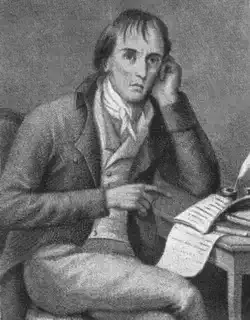
Bocage
A Camões
Camões, grande Camões, quão semelhante
Acho teu fado ao meu quando os cotejo!
Igual causa nos fez perdendo o Tejo
Arrostar co sacrílego gigante:
Como tu, junto ao Ganges sussurrante
Da penúria cruel no horror me vejo;
Como tu, gostos vãos, que em vão desejo,
Também carpindo estou, saudoso amante:
Lubíbrio, como tu, da sorte dura,
Meu fim demando ao Céu, pela certeza
De que só terei paz na sepultura:
Modelo meu tu és... Mas, ó tristeza!...
Se te imito nos transes da ventura,
Não te imito nos dons da natureza.
Acho teu fado ao meu quando os cotejo!
Igual causa nos fez perdendo o Tejo
Arrostar co sacrílego gigante:
Como tu, junto ao Ganges sussurrante
Da penúria cruel no horror me vejo;
Como tu, gostos vãos, que em vão desejo,
Também carpindo estou, saudoso amante:
Lubíbrio, como tu, da sorte dura,
Meu fim demando ao Céu, pela certeza
De que só terei paz na sepultura:
Modelo meu tu és... Mas, ó tristeza!...
Se te imito nos transes da ventura,
Não te imito nos dons da natureza.
2 340
Fernando Pessoa
36 - LA CHERCHEUSE
LA CHERCHEUSE
Pale with the sense of being mortal,
Now dost thou, passing yearning's glades,
Knock with cold hands at the hushed portal
Of the closed palace of the shades.
Thy hands fall and thy wide eyes grope.
Oh, let me kiss thy feet and hope!
Let us not wish to understand,
Bravely despair even of despair,
Cold unfelt hand in cold dead hand,
Let us set out for mere Somewhere,
With bodies by the cold made none,
By nigh to invisibleness done.
Perhaps, thus losing earthly goal,
Our sense of us numbed to innerness,
Sudden we shall find ourselves all Soul,
Hand in hand spirits, waked to bliss,
Having, through some Gate not in space,
Lo! Lapsed to everlasting grace.
Pale with the sense of being mortal,
Now dost thou, passing yearning's glades,
Knock with cold hands at the hushed portal
Of the closed palace of the shades.
Thy hands fall and thy wide eyes grope.
Oh, let me kiss thy feet and hope!
Let us not wish to understand,
Bravely despair even of despair,
Cold unfelt hand in cold dead hand,
Let us set out for mere Somewhere,
With bodies by the cold made none,
By nigh to invisibleness done.
Perhaps, thus losing earthly goal,
Our sense of us numbed to innerness,
Sudden we shall find ourselves all Soul,
Hand in hand spirits, waked to bliss,
Having, through some Gate not in space,
Lo! Lapsed to everlasting grace.
4 139
Fernando Pessoa
36 - LA CHERCHEUSE
LA CHERCHEUSE
Pale with the sense of being mortal,
Now dost thou, passing yearning's glades,
Knock with cold hands at the hushed portal
Of the closed palace of the shades.
Thy hands fall and thy wide eyes grope.
Oh, let me kiss thy feet and hope!
Let us not wish to understand,
Bravely despair even of despair,
Cold unfelt hand in cold dead hand,
Let us set out for mere Somewhere,
With bodies by the cold made none,
By nigh to invisibleness done.
Perhaps, thus losing earthly goal,
Our sense of us numbed to innerness,
Sudden we shall find ourselves all Soul,
Hand in hand spirits, waked to bliss,
Having, through some Gate not in space,
Lo! Lapsed to everlasting grace.
Pale with the sense of being mortal,
Now dost thou, passing yearning's glades,
Knock with cold hands at the hushed portal
Of the closed palace of the shades.
Thy hands fall and thy wide eyes grope.
Oh, let me kiss thy feet and hope!
Let us not wish to understand,
Bravely despair even of despair,
Cold unfelt hand in cold dead hand,
Let us set out for mere Somewhere,
With bodies by the cold made none,
By nigh to invisibleness done.
Perhaps, thus losing earthly goal,
Our sense of us numbed to innerness,
Sudden we shall find ourselves all Soul,
Hand in hand spirits, waked to bliss,
Having, through some Gate not in space,
Lo! Lapsed to everlasting grace.
4 139
Fernando Pessoa
19 - EMPTINESS
EMPTINESS
The day sickens into the lake
The colour that its pallor wears.
A loss of outline overtakes
The landscape, and the horizon bears
Like a defeated flag the dim
Purposelessness of its dead rim.
Let my heart forsake everything.
I shall be richer by all I.
Every breath, each passing wing
Takes me from myself. The whole sky
Eats into my self-consciousness
And detracts from my true distress.
For my true sorrow is not that
The day is sad as I am sad,
But that no moment can abate
The pain that I but pain have had
To take with me and see and feel
While life goes by like a mere wheel.
No: vaguer things than skies and plains
Are dark and lowered o'er in me;
My sorrows are more empty pains
Than of which plains can symbols be;
And my void weight of life and self
Resembles nothing but itself.
The day sickens into the lake
The colour that its pallor wears.
A loss of outline overtakes
The landscape, and the horizon bears
Like a defeated flag the dim
Purposelessness of its dead rim.
Let my heart forsake everything.
I shall be richer by all I.
Every breath, each passing wing
Takes me from myself. The whole sky
Eats into my self-consciousness
And detracts from my true distress.
For my true sorrow is not that
The day is sad as I am sad,
But that no moment can abate
The pain that I but pain have had
To take with me and see and feel
While life goes by like a mere wheel.
No: vaguer things than skies and plains
Are dark and lowered o'er in me;
My sorrows are more empty pains
Than of which plains can symbols be;
And my void weight of life and self
Resembles nothing but itself.
4 538
Fernando Pessoa
When shall we rest?
When shall we rest?
The ceaseless waves
They have no quest.
The trees peace-ripe.
Their lifeless life
From sorrow saves.
When shall we go?
Wither? We care
Nothing to know.
Sorrow is here.
Aught may us cheer
Now of dim there.
What in us shall
Cease and leave peace?
Life holds in thrall
Our joy like pain,
Our loss-like gain,
Our stayed release.
Love cannot bless.
Bliss cannot live.
Joy's short caress
Passes like wind
Suddenly thinned
We dream and grieve.
Outward from us
There lies the land
Less luminous,
Where we may rest,
Leaving all quest,
Wishing no strand.
Ready the bark
For our repose.
Let us embark.
The sea is lone?
We are alone,
Pain but pain shows.
Remember nought.
Cease like a light
Suddenly not.
Merge like a dream
Into the stream
Of its own night.
25/04/1917
The ceaseless waves
They have no quest.
The trees peace-ripe.
Their lifeless life
From sorrow saves.
When shall we go?
Wither? We care
Nothing to know.
Sorrow is here.
Aught may us cheer
Now of dim there.
What in us shall
Cease and leave peace?
Life holds in thrall
Our joy like pain,
Our loss-like gain,
Our stayed release.
Love cannot bless.
Bliss cannot live.
Joy's short caress
Passes like wind
Suddenly thinned
We dream and grieve.
Outward from us
There lies the land
Less luminous,
Where we may rest,
Leaving all quest,
Wishing no strand.
Ready the bark
For our repose.
Let us embark.
The sea is lone?
We are alone,
Pain but pain shows.
Remember nought.
Cease like a light
Suddenly not.
Merge like a dream
Into the stream
Of its own night.
25/04/1917
4 505
Fernando Pessoa
50 - SONNET
God made my shivering nerves His human lyre,
A lyre whose curves in angels' faces end.
When God doth sing the song's invisible fire
And half-visible wings over it bend.
Fountain of incorruptible desire!
Gold-misted green isle where my bark doth tend!
My soul, rich with electedness, doth tire
My sense o) me with aches with God to blend.
But lo! to live is to be blent with God
Already. We need nought but life, all life.
Pain, evil, hale, lust, treachery, the rod
Of custom, the bypath of dreams, the knife
Grief hideth till it cut her, the delight
Of death – all these we God's willed spite.
A lyre whose curves in angels' faces end.
When God doth sing the song's invisible fire
And half-visible wings over it bend.
Fountain of incorruptible desire!
Gold-misted green isle where my bark doth tend!
My soul, rich with electedness, doth tire
My sense o) me with aches with God to blend.
But lo! to live is to be blent with God
Already. We need nought but life, all life.
Pain, evil, hale, lust, treachery, the rod
Of custom, the bypath of dreams, the knife
Grief hideth till it cut her, the delight
Of death – all these we God's willed spite.
4 641
Fernando Pessoa
50 - SONNET
God made my shivering nerves His human lyre,
A lyre whose curves in angels' faces end.
When God doth sing the song's invisible fire
And half-visible wings over it bend.
Fountain of incorruptible desire!
Gold-misted green isle where my bark doth tend!
My soul, rich with electedness, doth tire
My sense o) me with aches with God to blend.
But lo! to live is to be blent with God
Already. We need nought but life, all life.
Pain, evil, hale, lust, treachery, the rod
Of custom, the bypath of dreams, the knife
Grief hideth till it cut her, the delight
Of death – all these we God's willed spite.
A lyre whose curves in angels' faces end.
When God doth sing the song's invisible fire
And half-visible wings over it bend.
Fountain of incorruptible desire!
Gold-misted green isle where my bark doth tend!
My soul, rich with electedness, doth tire
My sense o) me with aches with God to blend.
But lo! to live is to be blent with God
Already. We need nought but life, all life.
Pain, evil, hale, lust, treachery, the rod
Of custom, the bypath of dreams, the knife
Grief hideth till it cut her, the delight
Of death – all these we God's willed spite.
4 641
Fernando Pessoa
TO A HAND
TO A HAND
Give me thy hand. With my wounded eyes
I would see what this hand contains:
Ah, what a world of hopes here lies!
What a world of feelings and doubts and pains!
Oh to thing that this hand in itself contains
The mystery of mysteries.
This hand has a meaning thou dost not know,
A meaning deeper than human fears;
This hand perchance in times long ago
Wiped off strange and unnatural tears;
Perhaps its gesture was full of snears
Perchance its clenching was full of woe.
There is that in thy hand my soul doth dream
And the shades that haunt my mind;
The howl of the wind and the flow of the stream,
The flow of the stream and the howl of the wind,
All that is horrible and undefined
Of the things that are in the things that seem.
As I look at thy hand my mind is rife
Of thoughts and memories deeper than rhyme;
Thy hand is a part af my soul's deep life,
And I knew thy hand ere the birth of time,
And in ages past it led me to crime,
(...)
A world of woes and of fears and sighs
And love that better had been hate,
And crimes and wars and victories,
And the painful fall of many a state –
All these and more that the heart abate
My raving soul in thy hand descries.
No painter mad, not a fetichist
O'er thy hand would be thus held blind.
At mere blank thought of its being kissed
By my lips I thrill with a fear none find
In the waking thoughts-of a human mind
Save when reason by its own self is missed.
Thy hand has a meaning thou dost not know,
A meaning deeper than human fears;
It has aught of the sea and of the sun's glow
And the seasons too and the months and years,
And the colour hidden in human tears
And the form and number in human woe.
Thy hand was a lofty and empty home,
A collar of pearls and a castle keep;
Thy hand knows well all the thoughts that roam,
Thy hand is the music eternal and deep
That long ere birth held my soul asleep
In a palace quaint with a curious dome.
How finely made is this hand of thine
With its fingers tapering and white,
Soft and palely warm and fine;
There is something in it of day and night.
Ah, dearest child, could I read aright
The text before me deep and divine.
There's a kind of Fact that persists and hangs
O'er thy hand, as on a scratched scroll:
Tis as if some thought had buried its fangs
In a unknown part of my soul.
In a land far in me a bell doth toll,
And my heart aches wild as it shrinks or clangs.
There is aught of new and wild and unreal
In thy hand where my look is pained:
Tis as if hand in itself could see all
Horrible thought, where fear is gained
By a drollness mad and dimly sustained
As of some wide hint out of the Ideal.
There is aught of Personal, of It, of Such
In thy hand o'er me there steals
A sense of dread like a murder's clutch;
I know not how, my hand in thine feels
An eternal thing hand my mad brain reels
As if eternity we could touch.
I see that hand not a hand, but whence
This horrible Fact that creeps in me!
Ah, I have of thy hand the seeing intense
But aught more than hand in that place I see
That abrupt elusion did make to be
Between thought of things and what we call sense.
My thought doth look at thy hand direct
Without eyes or sense or aught of this,
And my reason at such a thing is wrecked
Into such a fear that both pain hand bliss
Are plunged in conscious unconsciousness
For that is no hand that my dreams detect.
And I gaze yet more hand I shake from me
The dream of time and the dream of space,
And as a drowner who sinks in the sea
I dream of the wonders of all we trace
In everything and I plunge full-face
In the sense of what more than seems to be.
There is aught of lovely, wild and unbrute
In thy hand, and I love it well;
In fearing more than pain thoughts of hell
By a sudden portal in the Visible
I have a glimpse of the Absolute.
The sight of thy hand of a horrible heaven
The portals mute throws open again
Thy hand is like music, in it I again
Passing a wild fear and a bitter pain
Weird things more weird than the sense of Seven.
All things stare mystery at my mind,
But thy hand most, to oblivion conn'd
Thrilled with a mute life not all defined,
What is thy hand in itself beyond
The scope of sense where the heart is fond,
The realm of thought where the soul is blind?
Where is the soul that thy hand reveals
In its own there-self till its thought affrights?
What bells are those that say HAND in peals
That traverse impossible infinites?
What fills with lightnings of hands the nights
Where the sense of dread into thoughts congeals?
Take thy hand away; for I now shall dream
Of strange and grotesque and unnatural lands
Watered by many a painful stream
Whose waves are hands, whose banks of hands
Of gardens with trees whose leaves are hands
And a white stiff hand covering the sun's gleam.
(...)
Then, oh horror worst, they begin to live
With a vital life, and to grasp and clutch,
And to twitch and squirm till my thoughts unweave,
And like worms and snails that my throat should touch
My soul qualms and retches at horror such
At fear's transcendent superlative.
And what more doth follow I cannot say,
But it seems that madly I traverse, lone,
Tracts of hells where a hand doth stay
In such a manner that if a groan
Of a madman could in its soul be known
It would be to it as to night is day.
And my thoughts drag on in their weary strain;
Wild and grotesque, or quick or slow,
Uncouth and unseemly they reel in my brain,
Startingly mad as they go,
As a sudden laugh in the midst of woe
Or a clown in a funeral train.
Alexander Search
January, 1906
Give me thy hand. With my wounded eyes
I would see what this hand contains:
Ah, what a world of hopes here lies!
What a world of feelings and doubts and pains!
Oh to thing that this hand in itself contains
The mystery of mysteries.
This hand has a meaning thou dost not know,
A meaning deeper than human fears;
This hand perchance in times long ago
Wiped off strange and unnatural tears;
Perhaps its gesture was full of snears
Perchance its clenching was full of woe.
There is that in thy hand my soul doth dream
And the shades that haunt my mind;
The howl of the wind and the flow of the stream,
The flow of the stream and the howl of the wind,
All that is horrible and undefined
Of the things that are in the things that seem.
As I look at thy hand my mind is rife
Of thoughts and memories deeper than rhyme;
Thy hand is a part af my soul's deep life,
And I knew thy hand ere the birth of time,
And in ages past it led me to crime,
(...)
A world of woes and of fears and sighs
And love that better had been hate,
And crimes and wars and victories,
And the painful fall of many a state –
All these and more that the heart abate
My raving soul in thy hand descries.
No painter mad, not a fetichist
O'er thy hand would be thus held blind.
At mere blank thought of its being kissed
By my lips I thrill with a fear none find
In the waking thoughts-of a human mind
Save when reason by its own self is missed.
Thy hand has a meaning thou dost not know,
A meaning deeper than human fears;
It has aught of the sea and of the sun's glow
And the seasons too and the months and years,
And the colour hidden in human tears
And the form and number in human woe.
Thy hand was a lofty and empty home,
A collar of pearls and a castle keep;
Thy hand knows well all the thoughts that roam,
Thy hand is the music eternal and deep
That long ere birth held my soul asleep
In a palace quaint with a curious dome.
How finely made is this hand of thine
With its fingers tapering and white,
Soft and palely warm and fine;
There is something in it of day and night.
Ah, dearest child, could I read aright
The text before me deep and divine.
There's a kind of Fact that persists and hangs
O'er thy hand, as on a scratched scroll:
Tis as if some thought had buried its fangs
In a unknown part of my soul.
In a land far in me a bell doth toll,
And my heart aches wild as it shrinks or clangs.
There is aught of new and wild and unreal
In thy hand where my look is pained:
Tis as if hand in itself could see all
Horrible thought, where fear is gained
By a drollness mad and dimly sustained
As of some wide hint out of the Ideal.
There is aught of Personal, of It, of Such
In thy hand o'er me there steals
A sense of dread like a murder's clutch;
I know not how, my hand in thine feels
An eternal thing hand my mad brain reels
As if eternity we could touch.
I see that hand not a hand, but whence
This horrible Fact that creeps in me!
Ah, I have of thy hand the seeing intense
But aught more than hand in that place I see
That abrupt elusion did make to be
Between thought of things and what we call sense.
My thought doth look at thy hand direct
Without eyes or sense or aught of this,
And my reason at such a thing is wrecked
Into such a fear that both pain hand bliss
Are plunged in conscious unconsciousness
For that is no hand that my dreams detect.
And I gaze yet more hand I shake from me
The dream of time and the dream of space,
And as a drowner who sinks in the sea
I dream of the wonders of all we trace
In everything and I plunge full-face
In the sense of what more than seems to be.
There is aught of lovely, wild and unbrute
In thy hand, and I love it well;
In fearing more than pain thoughts of hell
By a sudden portal in the Visible
I have a glimpse of the Absolute.
The sight of thy hand of a horrible heaven
The portals mute throws open again
Thy hand is like music, in it I again
Passing a wild fear and a bitter pain
Weird things more weird than the sense of Seven.
All things stare mystery at my mind,
But thy hand most, to oblivion conn'd
Thrilled with a mute life not all defined,
What is thy hand in itself beyond
The scope of sense where the heart is fond,
The realm of thought where the soul is blind?
Where is the soul that thy hand reveals
In its own there-self till its thought affrights?
What bells are those that say HAND in peals
That traverse impossible infinites?
What fills with lightnings of hands the nights
Where the sense of dread into thoughts congeals?
Take thy hand away; for I now shall dream
Of strange and grotesque and unnatural lands
Watered by many a painful stream
Whose waves are hands, whose banks of hands
Of gardens with trees whose leaves are hands
And a white stiff hand covering the sun's gleam.
(...)
Then, oh horror worst, they begin to live
With a vital life, and to grasp and clutch,
And to twitch and squirm till my thoughts unweave,
And like worms and snails that my throat should touch
My soul qualms and retches at horror such
At fear's transcendent superlative.
And what more doth follow I cannot say,
But it seems that madly I traverse, lone,
Tracts of hells where a hand doth stay
In such a manner that if a groan
Of a madman could in its soul be known
It would be to it as to night is day.
And my thoughts drag on in their weary strain;
Wild and grotesque, or quick or slow,
Uncouth and unseemly they reel in my brain,
Startingly mad as they go,
As a sudden laugh in the midst of woe
Or a clown in a funeral train.
Alexander Search
January, 1906
4 550
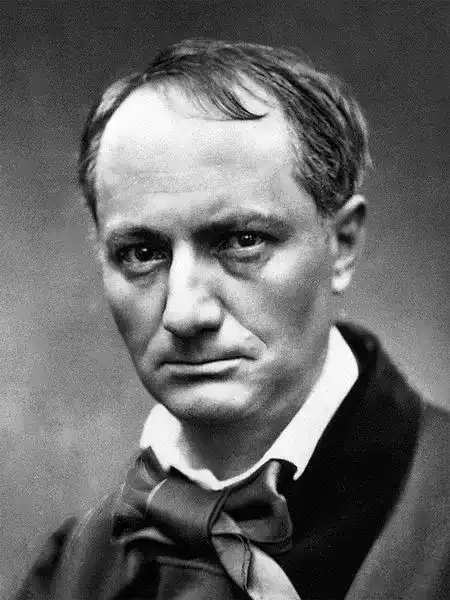
Charles Baudelaire
O fim da jornada
Sob uma luz trêmula e baça,
Se agita, brinca e dança ao léu
A Vida, ululante e devassa.
Assim também, quando no céu
A noite voluptuosa sonha,
Tudo acalmando, mesmo a fome,
Tudo apagando, até a vergonha,
Diz o Poeta que a dor consome:
"Afinal, minha alma e meus ossos
Finalmente imploram por sossego;
O coração feito em destroços,
Procuro em meu leito aconchego
E às vossas cortinas me apego,
Ó treva oferta aos corpos nossos.
Se agita, brinca e dança ao léu
A Vida, ululante e devassa.
Assim também, quando no céu
A noite voluptuosa sonha,
Tudo acalmando, mesmo a fome,
Tudo apagando, até a vergonha,
Diz o Poeta que a dor consome:
"Afinal, minha alma e meus ossos
Finalmente imploram por sossego;
O coração feito em destroços,
Procuro em meu leito aconchego
E às vossas cortinas me apego,
Ó treva oferta aos corpos nossos.
3 538

Luís Represas
Pedra no charco
Caiu uma pedra no charco,
caiu um penedo no rio,
caiu mais um cabo da boa esperança no mar,
prá gente se agarrar.
Deixámos de ver as nuvens
que nos tapavam o céu,
pudemos sentir de perto a meiguice do tempo
onde a gente se escondeu.
É que hoje
nasceu mais um dia.
É que hoje
nasceu mais alguém.
É que hoje
nasceu um poeta na serra com a estrela da manhã.
Foi quando os lobos uivaram,
foi quando o lince miou,
as ovelhas não tinham fome
e a alcateia repousou.
E entre os uivos e os miados
o poeta abriu o choro.
E entre os vales e os cabeços,
cavalgando uma alcateia
o poema deslizou.
caiu um penedo no rio,
caiu mais um cabo da boa esperança no mar,
prá gente se agarrar.
Deixámos de ver as nuvens
que nos tapavam o céu,
pudemos sentir de perto a meiguice do tempo
onde a gente se escondeu.
É que hoje
nasceu mais um dia.
É que hoje
nasceu mais alguém.
É que hoje
nasceu um poeta na serra com a estrela da manhã.
Foi quando os lobos uivaram,
foi quando o lince miou,
as ovelhas não tinham fome
e a alcateia repousou.
E entre os uivos e os miados
o poeta abriu o choro.
E entre os vales e os cabeços,
cavalgando uma alcateia
o poema deslizou.
1 223
Fernando Pessoa
26 - FEVER‑GARDEN
Red living flakes of demon snow
Poison-relate the sinning air
To atom-clear red sick flowers who
Rootless jut out of Night and There
Relation being itself a clutch
Upon the throbbing veins in seeing
So the surviving over-much
Is not contiguous to being
Yet philter-aureole or lay
Sung round the rites of altared vice
The poppies of o'er-memory may
Spin cobweb-circles lusting thrice
Around the phallic selfness stood
Midway from intellect to sense
Round whose void a tongued mist thrust-dense
To the cut lips gives conscious blood
Poison-relate the sinning air
To atom-clear red sick flowers who
Rootless jut out of Night and There
Relation being itself a clutch
Upon the throbbing veins in seeing
So the surviving over-much
Is not contiguous to being
Yet philter-aureole or lay
Sung round the rites of altared vice
The poppies of o'er-memory may
Spin cobweb-circles lusting thrice
Around the phallic selfness stood
Midway from intellect to sense
Round whose void a tongued mist thrust-dense
To the cut lips gives conscious blood
4 186
Fernando Pessoa
26 - FEVER‑GARDEN
Red living flakes of demon snow
Poison-relate the sinning air
To atom-clear red sick flowers who
Rootless jut out of Night and There
Relation being itself a clutch
Upon the throbbing veins in seeing
So the surviving over-much
Is not contiguous to being
Yet philter-aureole or lay
Sung round the rites of altared vice
The poppies of o'er-memory may
Spin cobweb-circles lusting thrice
Around the phallic selfness stood
Midway from intellect to sense
Round whose void a tongued mist thrust-dense
To the cut lips gives conscious blood
Poison-relate the sinning air
To atom-clear red sick flowers who
Rootless jut out of Night and There
Relation being itself a clutch
Upon the throbbing veins in seeing
So the surviving over-much
Is not contiguous to being
Yet philter-aureole or lay
Sung round the rites of altared vice
The poppies of o'er-memory may
Spin cobweb-circles lusting thrice
Around the phallic selfness stood
Midway from intellect to sense
Round whose void a tongued mist thrust-dense
To the cut lips gives conscious blood
4 186

Carlos Tê
Do meu vagar
Já não há mais o vagar
de quando se comia sentado
e devagar se caminhava
até chegar a qualquer lado
agora vai toda a gente
sempre de mão na buzina
sempre na linha da frente
a tremer de adrenalina
Do meu vagar não traço rotas
não tenho trilho que me prenda
não tiro dados nem notas
não encho uma linha de agenda
do meu vagar não chego a Meca
não faço nada num só dia
não corto a fita da meta
não vejo Roma nem Pavia
Do meu vagar
sei que nunca hei-de ir longe
vou aonde for preciso
vou indo do meu vagar
em busca do tempo perdido
e se um dia o encontrar
o longe não faz sentido
Do meu vagar há um nicho
um pico de ilha insubmersa
onde há lugar para o capricho
que dá pelo nome de conversa
do meu vagar a paisagem
ainda tem beleza em bruto
e vale mais uma palavra
que mil imagens por minuto
Do meu vagar
sei que nunca hei-de ir longe
vou aonde for preciso
vou indo do meu vagar
em busca do tempo perdido
e se um dia o encontrar
o longe não faz sentido
de quando se comia sentado
e devagar se caminhava
até chegar a qualquer lado
agora vai toda a gente
sempre de mão na buzina
sempre na linha da frente
a tremer de adrenalina
Do meu vagar não traço rotas
não tenho trilho que me prenda
não tiro dados nem notas
não encho uma linha de agenda
do meu vagar não chego a Meca
não faço nada num só dia
não corto a fita da meta
não vejo Roma nem Pavia
Do meu vagar
sei que nunca hei-de ir longe
vou aonde for preciso
vou indo do meu vagar
em busca do tempo perdido
e se um dia o encontrar
o longe não faz sentido
Do meu vagar há um nicho
um pico de ilha insubmersa
onde há lugar para o capricho
que dá pelo nome de conversa
do meu vagar a paisagem
ainda tem beleza em bruto
e vale mais uma palavra
que mil imagens por minuto
Do meu vagar
sei que nunca hei-de ir longe
vou aonde for preciso
vou indo do meu vagar
em busca do tempo perdido
e se um dia o encontrar
o longe não faz sentido
2 129
Carlos Tê
Do meu vagar
Já não há mais o vagar
de quando se comia sentado
e devagar se caminhava
até chegar a qualquer lado
agora vai toda a gente
sempre de mão na buzina
sempre na linha da frente
a tremer de adrenalina
Do meu vagar não traço rotas
não tenho trilho que me prenda
não tiro dados nem notas
não encho uma linha de agenda
do meu vagar não chego a Meca
não faço nada num só dia
não corto a fita da meta
não vejo Roma nem Pavia
Do meu vagar
sei que nunca hei-de ir longe
vou aonde for preciso
vou indo do meu vagar
em busca do tempo perdido
e se um dia o encontrar
o longe não faz sentido
Do meu vagar há um nicho
um pico de ilha insubmersa
onde há lugar para o capricho
que dá pelo nome de conversa
do meu vagar a paisagem
ainda tem beleza em bruto
e vale mais uma palavra
que mil imagens por minuto
Do meu vagar
sei que nunca hei-de ir longe
vou aonde for preciso
vou indo do meu vagar
em busca do tempo perdido
e se um dia o encontrar
o longe não faz sentido
de quando se comia sentado
e devagar se caminhava
até chegar a qualquer lado
agora vai toda a gente
sempre de mão na buzina
sempre na linha da frente
a tremer de adrenalina
Do meu vagar não traço rotas
não tenho trilho que me prenda
não tiro dados nem notas
não encho uma linha de agenda
do meu vagar não chego a Meca
não faço nada num só dia
não corto a fita da meta
não vejo Roma nem Pavia
Do meu vagar
sei que nunca hei-de ir longe
vou aonde for preciso
vou indo do meu vagar
em busca do tempo perdido
e se um dia o encontrar
o longe não faz sentido
Do meu vagar há um nicho
um pico de ilha insubmersa
onde há lugar para o capricho
que dá pelo nome de conversa
do meu vagar a paisagem
ainda tem beleza em bruto
e vale mais uma palavra
que mil imagens por minuto
Do meu vagar
sei que nunca hei-de ir longe
vou aonde for preciso
vou indo do meu vagar
em busca do tempo perdido
e se um dia o encontrar
o longe não faz sentido
2 129
Fernando Pessoa
EPITAPH - Here lies who thought himself the best
EPITAPH
Here lies who thought himself the best
Of poet’s in the world’s extend;
In life he had not joy nor rest.
He filled with madness many a song,
And at whatever age he died
Thus many days he lived too long.
He lived im powerless egotism,
His soul tumultuous and disordered
By thought and feeling’s endless schism.
In everything he had a foe
And without courage bore his part
In life’s interminable woe.
He was a slave to grief and fear
And incoherent thoughts he had
And wishes unto madness near.
Those whom he loved, by arts of ill
He treated worse than foes; but he
His own worst enemy was still.
He of himself did ever sing,
Incapable of modesty,
Lock’d in his wild imagining.
Useless was all his toiless trouble
Empty of sense his fears and pains
And many of them were ignoble.
Vile thus and worthless his distress;
His words, though bitterer far than hate,
His bitter soul could not express.
.........
Let not a healthy mind pollute
His grave, but fitly there will pass
The traitor and the prostitute;
The drunkard and the wencher there
May pass, but quick, lest they should ponder,
Perchance, that pleasure is but air.
Each weak and execrable mind
Which plagued man with its rotteness
Its conscious master here will find.
Conscious, for in him he could tell
Madness and ill were what they were,
But neither did he will to quell.
Pass by therefore ye who can weep,
Let rotteness work in neglect,
While the rough winds the dead leaves sweep.
His slumbering brother to the sod
Not even in imagining
Disturb not with the name of God.
But let him lie and peace for ever
Far from the eyes and mouth of men
And from what him from them did sever.
He was a thing that God had wrought
And to the sin of having lived
He joined the crime of having thought.
Alexander Search, Julho de 1907
Here lies who thought himself the best
Of poet’s in the world’s extend;
In life he had not joy nor rest.
He filled with madness many a song,
And at whatever age he died
Thus many days he lived too long.
He lived im powerless egotism,
His soul tumultuous and disordered
By thought and feeling’s endless schism.
In everything he had a foe
And without courage bore his part
In life’s interminable woe.
He was a slave to grief and fear
And incoherent thoughts he had
And wishes unto madness near.
Those whom he loved, by arts of ill
He treated worse than foes; but he
His own worst enemy was still.
He of himself did ever sing,
Incapable of modesty,
Lock’d in his wild imagining.
Useless was all his toiless trouble
Empty of sense his fears and pains
And many of them were ignoble.
Vile thus and worthless his distress;
His words, though bitterer far than hate,
His bitter soul could not express.
.........
Let not a healthy mind pollute
His grave, but fitly there will pass
The traitor and the prostitute;
The drunkard and the wencher there
May pass, but quick, lest they should ponder,
Perchance, that pleasure is but air.
Each weak and execrable mind
Which plagued man with its rotteness
Its conscious master here will find.
Conscious, for in him he could tell
Madness and ill were what they were,
But neither did he will to quell.
Pass by therefore ye who can weep,
Let rotteness work in neglect,
While the rough winds the dead leaves sweep.
His slumbering brother to the sod
Not even in imagining
Disturb not with the name of God.
But let him lie and peace for ever
Far from the eyes and mouth of men
And from what him from them did sever.
He was a thing that God had wrought
And to the sin of having lived
He joined the crime of having thought.
Alexander Search, Julho de 1907
5 130