

Poemas neste tema
Sociedade e Mundo

Pedro Ayres de Magalhães
Timor
Andam lá sem descançar
Nas montanhas a lutar
Iluminam todo o mar
De Timor
Nas montanhas sem dormir
Uma luz a resistir
Arde sem se apagar
Em Timor
Andorinha de asa negra
Se o teu voo lá passar
Faz chegar um grande abraço
Dá saudades a Timor
Eles não podem escrever
Porque vão a combater
Vão de manhã defender
A Timor
As crianças a chorar
Não as posso consolar
Que eu nunca cheguei a ver
A Timor
Andorinha de asa negra
Vem ouvir o meu cantar
Ai que dor rasga o meu peito
Sem notícias de Timor
Nunca mais hei-de voltar
Já não posso lá voltar
À idade de lembrar
A Timor
Nas montanhas a lutar
Iluminam todo o mar
De Timor
Nas montanhas sem dormir
Uma luz a resistir
Arde sem se apagar
Em Timor
Andorinha de asa negra
Se o teu voo lá passar
Faz chegar um grande abraço
Dá saudades a Timor
Eles não podem escrever
Porque vão a combater
Vão de manhã defender
A Timor
As crianças a chorar
Não as posso consolar
Que eu nunca cheguei a ver
A Timor
Andorinha de asa negra
Vem ouvir o meu cantar
Ai que dor rasga o meu peito
Sem notícias de Timor
Nunca mais hei-de voltar
Já não posso lá voltar
À idade de lembrar
A Timor
1 043
Pedro Ayres de Magalhães
Timor
Andam lá sem descançar
Nas montanhas a lutar
Iluminam todo o mar
De Timor
Nas montanhas sem dormir
Uma luz a resistir
Arde sem se apagar
Em Timor
Andorinha de asa negra
Se o teu voo lá passar
Faz chegar um grande abraço
Dá saudades a Timor
Eles não podem escrever
Porque vão a combater
Vão de manhã defender
A Timor
As crianças a chorar
Não as posso consolar
Que eu nunca cheguei a ver
A Timor
Andorinha de asa negra
Vem ouvir o meu cantar
Ai que dor rasga o meu peito
Sem notícias de Timor
Nunca mais hei-de voltar
Já não posso lá voltar
À idade de lembrar
A Timor
Nas montanhas a lutar
Iluminam todo o mar
De Timor
Nas montanhas sem dormir
Uma luz a resistir
Arde sem se apagar
Em Timor
Andorinha de asa negra
Se o teu voo lá passar
Faz chegar um grande abraço
Dá saudades a Timor
Eles não podem escrever
Porque vão a combater
Vão de manhã defender
A Timor
As crianças a chorar
Não as posso consolar
Que eu nunca cheguei a ver
A Timor
Andorinha de asa negra
Vem ouvir o meu cantar
Ai que dor rasga o meu peito
Sem notícias de Timor
Nunca mais hei-de voltar
Já não posso lá voltar
À idade de lembrar
A Timor
1 043

Luís Represas
Fizeram os dias assim
Por mais que larguem os braços
Por mais que soltem amarras
E que se tapem as covas
Por mais que rasguem os quadros
Por mais que queimem as leis
E que os costumes esmoreçam
Por mais que arrasem as feras
E que os papões arrefeçam
E que as bruxas se convertam
Por mais que riam as caras
E que ternura se esqueça
Por mais que o amor prevaleça
Vocês
Fizeram os dias assim!
Não nos venham pedir contas
Não venham pôr-nos regras
Sabemos que os nossos dias
Não vão ser gastos assim!
Por mais que soltem amarras
E que se tapem as covas
Por mais que rasguem os quadros
Por mais que queimem as leis
E que os costumes esmoreçam
Por mais que arrasem as feras
E que os papões arrefeçam
E que as bruxas se convertam
Por mais que riam as caras
E que ternura se esqueça
Por mais que o amor prevaleça
Vocês
Fizeram os dias assim!
Não nos venham pedir contas
Não venham pôr-nos regras
Sabemos que os nossos dias
Não vão ser gastos assim!
1 172
Luís Represas
Fizeram os dias assim
Por mais que larguem os braços
Por mais que soltem amarras
E que se tapem as covas
Por mais que rasguem os quadros
Por mais que queimem as leis
E que os costumes esmoreçam
Por mais que arrasem as feras
E que os papões arrefeçam
E que as bruxas se convertam
Por mais que riam as caras
E que ternura se esqueça
Por mais que o amor prevaleça
Vocês
Fizeram os dias assim!
Não nos venham pedir contas
Não venham pôr-nos regras
Sabemos que os nossos dias
Não vão ser gastos assim!
Por mais que soltem amarras
E que se tapem as covas
Por mais que rasguem os quadros
Por mais que queimem as leis
E que os costumes esmoreçam
Por mais que arrasem as feras
E que os papões arrefeçam
E que as bruxas se convertam
Por mais que riam as caras
E que ternura se esqueça
Por mais que o amor prevaleça
Vocês
Fizeram os dias assim!
Não nos venham pedir contas
Não venham pôr-nos regras
Sabemos que os nossos dias
Não vão ser gastos assim!
1 172
Luís Represas
Fizeram os dias assim
Por mais que larguem os braços
Por mais que soltem amarras
E que se tapem as covas
Por mais que rasguem os quadros
Por mais que queimem as leis
E que os costumes esmoreçam
Por mais que arrasem as feras
E que os papões arrefeçam
E que as bruxas se convertam
Por mais que riam as caras
E que ternura se esqueça
Por mais que o amor prevaleça
Vocês
Fizeram os dias assim!
Não nos venham pedir contas
Não venham pôr-nos regras
Sabemos que os nossos dias
Não vão ser gastos assim!
Por mais que soltem amarras
E que se tapem as covas
Por mais que rasguem os quadros
Por mais que queimem as leis
E que os costumes esmoreçam
Por mais que arrasem as feras
E que os papões arrefeçam
E que as bruxas se convertam
Por mais que riam as caras
E que ternura se esqueça
Por mais que o amor prevaleça
Vocês
Fizeram os dias assim!
Não nos venham pedir contas
Não venham pôr-nos regras
Sabemos que os nossos dias
Não vão ser gastos assim!
1 172

Carlos Nogueira Fino
um grito de raiva por timor lorosae
depois de tudo isto é obrigatório que existas
deus
para que sejas tu a julgar os assassinos que vão ficar impunes
envelhecendo anonimamente por toda a indonésia
até cairem podres
e os que dão ao diabo o benefício da dúvida
e tempo adicional à morte
para que o silêncio desça imperturbável sobre os mártires
e os rios de sangue se evaporem
porque os mandantes
esses já os consome apesar da tua contumaz ausência
terem compreendido que não são humanos
e lhes queima as entranhas o veneno de não ter futuro
deus
para que sejas tu a julgar os assassinos que vão ficar impunes
envelhecendo anonimamente por toda a indonésia
até cairem podres
e os que dão ao diabo o benefício da dúvida
e tempo adicional à morte
para que o silêncio desça imperturbável sobre os mártires
e os rios de sangue se evaporem
porque os mandantes
esses já os consome apesar da tua contumaz ausência
terem compreendido que não são humanos
e lhes queima as entranhas o veneno de não ter futuro
930
Carlos Nogueira Fino
um grito de raiva por timor lorosae
depois de tudo isto é obrigatório que existas
deus
para que sejas tu a julgar os assassinos que vão ficar impunes
envelhecendo anonimamente por toda a indonésia
até cairem podres
e os que dão ao diabo o benefício da dúvida
e tempo adicional à morte
para que o silêncio desça imperturbável sobre os mártires
e os rios de sangue se evaporem
porque os mandantes
esses já os consome apesar da tua contumaz ausência
terem compreendido que não são humanos
e lhes queima as entranhas o veneno de não ter futuro
deus
para que sejas tu a julgar os assassinos que vão ficar impunes
envelhecendo anonimamente por toda a indonésia
até cairem podres
e os que dão ao diabo o benefício da dúvida
e tempo adicional à morte
para que o silêncio desça imperturbável sobre os mártires
e os rios de sangue se evaporem
porque os mandantes
esses já os consome apesar da tua contumaz ausência
terem compreendido que não são humanos
e lhes queima as entranhas o veneno de não ter futuro
930

Luís António Cajazeira Ramos
Porto inseguro
A liberdade bate à minha porta,
tão carente de mim, pedindo abrigo.
Quero ampará-la e penso que consigo
detê-la, mas seria tê-la morta.
Livre para pairar num céu sem peias,
na solidão de um vôo sem destino,
por que perder, nos olhos de águia, o tino,
vindo a quem se agrilhoa sem cadeias?
Deusa das asas! Seu vagar escapa
a meus sentidos, seu desejo alcança
tudo que a mim se esconde atrás da capa.
Vá embora daqui! Siga seu rumo!
Sou prisioneiro, um órfão da esperança
e arrasto um vôo cego em chão sem prumo.
tão carente de mim, pedindo abrigo.
Quero ampará-la e penso que consigo
detê-la, mas seria tê-la morta.
Livre para pairar num céu sem peias,
na solidão de um vôo sem destino,
por que perder, nos olhos de águia, o tino,
vindo a quem se agrilhoa sem cadeias?
Deusa das asas! Seu vagar escapa
a meus sentidos, seu desejo alcança
tudo que a mim se esconde atrás da capa.
Vá embora daqui! Siga seu rumo!
Sou prisioneiro, um órfão da esperança
e arrasto um vôo cego em chão sem prumo.
1 028

António Lampreia
Sombras da Madrugada
Vi uma sombra bem unida
a dela e a tua
e a minha sombra já esquecida
surpreendida
parou na rua!
os dois bem juntos, tu e ela
nenhum reparou
que a outra sombra era daquela
que tu não queres
mas já te amou!
É madrugada não importa
neste silêncio há mais verdade
a noite é triste e tão sózinha
parece minha
toda a cidade!
nem um cigarro me conforta
nem o luar hoje me abraça
eu não te encontrarei jamais
e nestas noites sempre iguais
sou mais uma sombra que passa
sombra que passa e nada mais.
Ao longo desta madrugada
a sombra da vida
mora nas pedras da calçada
já não tem nada
anda perdida
quando a manhã, desce enfeitada
no sol, que a procura
nem sabe quanto a madrugada
chora baixinho
tanta amargura!
a dela e a tua
e a minha sombra já esquecida
surpreendida
parou na rua!
os dois bem juntos, tu e ela
nenhum reparou
que a outra sombra era daquela
que tu não queres
mas já te amou!
É madrugada não importa
neste silêncio há mais verdade
a noite é triste e tão sózinha
parece minha
toda a cidade!
nem um cigarro me conforta
nem o luar hoje me abraça
eu não te encontrarei jamais
e nestas noites sempre iguais
sou mais uma sombra que passa
sombra que passa e nada mais.
Ao longo desta madrugada
a sombra da vida
mora nas pedras da calçada
já não tem nada
anda perdida
quando a manhã, desce enfeitada
no sol, que a procura
nem sabe quanto a madrugada
chora baixinho
tanta amargura!
949

Ruy Cinatti
Praia presa
Praia presa, adiantada
no mar, no longe, no círculo
de coral que o mar represa.
Praia futura invocada.
Timor ressurge das águas,
praia futura invocada.
no mar, no longe, no círculo
de coral que o mar represa.
Praia futura invocada.
Timor ressurge das águas,
praia futura invocada.
2 694

Pedro Sena
Life goes on and a new Christmas comes
Life goes on and a new Christmas comes
and we go under the sun, the earth turns
continually, ... praying for his holy birth
forget our own, mother, such rotten girth.
In the eyes of the noblest ones of them all
we wonder,...
will he die for my sins, or his own fall?
The life of a child, the son of holy union
( how about you )
the largest symbol, to many heathens, opinion
( surely you believe )
yet, as we remenber this day of his coming
( as you and I )
many more will surely be coming, atoning
( right )
many silly notions of our lowly, sad, life
when it matters not his real truth or spite
for your day for the deliverance of your heart
will stand one day, look around, also smart
( for real this time )
and wish for things already gone very far
hoping for a new start, everglowing star
of hopes, wishes, dreams, visions and faiths
that have never wanted you around
except when you can justify your being
through a gross process of your mind
where the cynic eyes choose your law
as simple, and above that of the flaw
which we have created for ourselves.
Awake!!! All you noble souls, realize, celebrate
the very birth of your own heart, you ingrate,
into my arms, the ones you have eer hoped
while you prayed, you cried, learnd, invoked
for a freedom on this earth
( your own )
with its carefully crafted dearth
( nature )
where so many can be created
devoid of heart and nurture
ready to fight another war
and die in splendour,
once again,
...
let them be born,
again,
those with the courage,
but never shall you try
to tell them why,
and how,
you just dont know,
you really dont know,
and why should you know...
and we go under the sun, the earth turns
continually, ... praying for his holy birth
forget our own, mother, such rotten girth.
In the eyes of the noblest ones of them all
we wonder,...
will he die for my sins, or his own fall?
The life of a child, the son of holy union
( how about you )
the largest symbol, to many heathens, opinion
( surely you believe )
yet, as we remenber this day of his coming
( as you and I )
many more will surely be coming, atoning
( right )
many silly notions of our lowly, sad, life
when it matters not his real truth or spite
for your day for the deliverance of your heart
will stand one day, look around, also smart
( for real this time )
and wish for things already gone very far
hoping for a new start, everglowing star
of hopes, wishes, dreams, visions and faiths
that have never wanted you around
except when you can justify your being
through a gross process of your mind
where the cynic eyes choose your law
as simple, and above that of the flaw
which we have created for ourselves.
Awake!!! All you noble souls, realize, celebrate
the very birth of your own heart, you ingrate,
into my arms, the ones you have eer hoped
while you prayed, you cried, learnd, invoked
for a freedom on this earth
( your own )
with its carefully crafted dearth
( nature )
where so many can be created
devoid of heart and nurture
ready to fight another war
and die in splendour,
once again,
...
let them be born,
again,
those with the courage,
but never shall you try
to tell them why,
and how,
you just dont know,
you really dont know,
and why should you know...
946
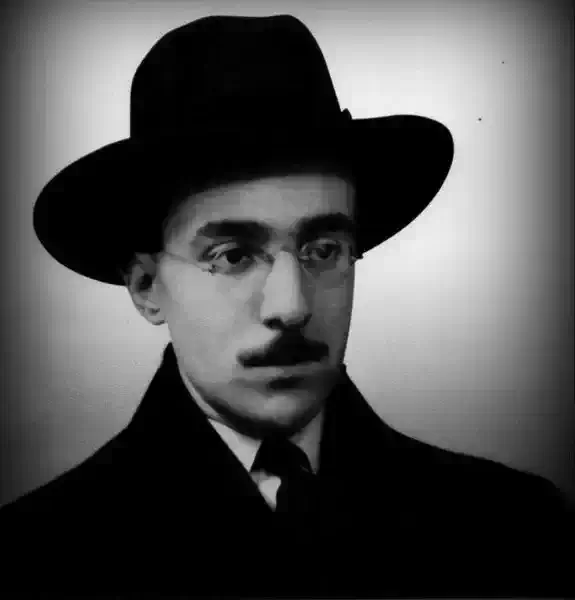
Fernando Pessoa
ON AN ANKLE
ON AN ANKLE
A SONNET BEARING THE IMPRIMATUR
OF THE INQUISITOR-GENERAL
AND OTHER PEOPLE OF DISTINCTION AND DECENCY
I had a revelation not from high,
But from below, when thy skirt awhile lifted
Betrayed such promise that I am not gifted
With words that may that view well signify.
And even if my verse that thing would try,
Hard were it, if that work came to be sifted,
To find a word that rude would not have shifted
There from the cold hand of Morality.
To gaze is nought; mere sight no mind hath wrecked.
But oh! sweet lady, beyond what is seen
What things may guess or hint at Disrespect?!
Sacred is not the beauty of a queen...
I from thine ankle did as much suspect
As you from this may suspect what I mean.
A SONNET BEARING THE IMPRIMATUR
OF THE INQUISITOR-GENERAL
AND OTHER PEOPLE OF DISTINCTION AND DECENCY
I had a revelation not from high,
But from below, when thy skirt awhile lifted
Betrayed such promise that I am not gifted
With words that may that view well signify.
And even if my verse that thing would try,
Hard were it, if that work came to be sifted,
To find a word that rude would not have shifted
There from the cold hand of Morality.
To gaze is nought; mere sight no mind hath wrecked.
But oh! sweet lady, beyond what is seen
What things may guess or hint at Disrespect?!
Sacred is not the beauty of a queen...
I from thine ankle did as much suspect
As you from this may suspect what I mean.
4 599
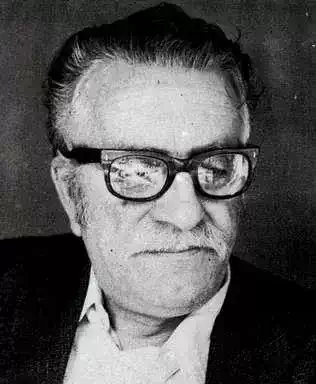
Celso Emilio Ferreiro
Tempo de chorar
Hei de chorar sin bágoas duro pranto
polas pombas de luz aferrolladas,
polo esprito vencido baixo a noite
da libertá prostituída.
As espadas penduran silandeiras
coma unha chuvia fría diante os ollos
e teño que chorar na sombra fuxidía
diste pútrido vento
que arromba a lealtá e pon cadeas
no corazón dos homes xenerosos.
Pois que somente os ollos me deixaron
para chorar por iles longos ríos,
hei navegar periplos, descubertas
por tempos que han de vir cheos de escumas,
por onde o día nasce,
alí onde xermola o mundo novo.
Pois que o que chora vive, iremos indo;
indo, chorando, andando,
salvaxe voz que ha de trocarse en ira,
en coitelo de berros e alboradas
para rubir ao cumio dos aldraxes.
E pois que cada tempo ten seu tempo,
iste é o tempo de chorar.
polas pombas de luz aferrolladas,
polo esprito vencido baixo a noite
da libertá prostituída.
As espadas penduran silandeiras
coma unha chuvia fría diante os ollos
e teño que chorar na sombra fuxidía
diste pútrido vento
que arromba a lealtá e pon cadeas
no corazón dos homes xenerosos.
Pois que somente os ollos me deixaron
para chorar por iles longos ríos,
hei navegar periplos, descubertas
por tempos que han de vir cheos de escumas,
por onde o día nasce,
alí onde xermola o mundo novo.
Pois que o que chora vive, iremos indo;
indo, chorando, andando,
salvaxe voz que ha de trocarse en ira,
en coitelo de berros e alboradas
para rubir ao cumio dos aldraxes.
E pois que cada tempo ten seu tempo,
iste é o tempo de chorar.
2 356
Celso Emilio Ferreiro
Tempo de chorar
Hei de chorar sin bágoas duro pranto
polas pombas de luz aferrolladas,
polo esprito vencido baixo a noite
da libertá prostituída.
As espadas penduran silandeiras
coma unha chuvia fría diante os ollos
e teño que chorar na sombra fuxidía
diste pútrido vento
que arromba a lealtá e pon cadeas
no corazón dos homes xenerosos.
Pois que somente os ollos me deixaron
para chorar por iles longos ríos,
hei navegar periplos, descubertas
por tempos que han de vir cheos de escumas,
por onde o día nasce,
alí onde xermola o mundo novo.
Pois que o que chora vive, iremos indo;
indo, chorando, andando,
salvaxe voz que ha de trocarse en ira,
en coitelo de berros e alboradas
para rubir ao cumio dos aldraxes.
E pois que cada tempo ten seu tempo,
iste é o tempo de chorar.
polas pombas de luz aferrolladas,
polo esprito vencido baixo a noite
da libertá prostituída.
As espadas penduran silandeiras
coma unha chuvia fría diante os ollos
e teño que chorar na sombra fuxidía
diste pútrido vento
que arromba a lealtá e pon cadeas
no corazón dos homes xenerosos.
Pois que somente os ollos me deixaron
para chorar por iles longos ríos,
hei navegar periplos, descubertas
por tempos que han de vir cheos de escumas,
por onde o día nasce,
alí onde xermola o mundo novo.
Pois que o que chora vive, iremos indo;
indo, chorando, andando,
salvaxe voz que ha de trocarse en ira,
en coitelo de berros e alboradas
para rubir ao cumio dos aldraxes.
E pois que cada tempo ten seu tempo,
iste é o tempo de chorar.
2 356
Celso Emilio Ferreiro
Tempo de chorar
Hei de chorar sin bágoas duro pranto
polas pombas de luz aferrolladas,
polo esprito vencido baixo a noite
da libertá prostituída.
As espadas penduran silandeiras
coma unha chuvia fría diante os ollos
e teño que chorar na sombra fuxidía
diste pútrido vento
que arromba a lealtá e pon cadeas
no corazón dos homes xenerosos.
Pois que somente os ollos me deixaron
para chorar por iles longos ríos,
hei navegar periplos, descubertas
por tempos que han de vir cheos de escumas,
por onde o día nasce,
alí onde xermola o mundo novo.
Pois que o que chora vive, iremos indo;
indo, chorando, andando,
salvaxe voz que ha de trocarse en ira,
en coitelo de berros e alboradas
para rubir ao cumio dos aldraxes.
E pois que cada tempo ten seu tempo,
iste é o tempo de chorar.
polas pombas de luz aferrolladas,
polo esprito vencido baixo a noite
da libertá prostituída.
As espadas penduran silandeiras
coma unha chuvia fría diante os ollos
e teño que chorar na sombra fuxidía
diste pútrido vento
que arromba a lealtá e pon cadeas
no corazón dos homes xenerosos.
Pois que somente os ollos me deixaron
para chorar por iles longos ríos,
hei navegar periplos, descubertas
por tempos que han de vir cheos de escumas,
por onde o día nasce,
alí onde xermola o mundo novo.
Pois que o que chora vive, iremos indo;
indo, chorando, andando,
salvaxe voz que ha de trocarse en ira,
en coitelo de berros e alboradas
para rubir ao cumio dos aldraxes.
E pois que cada tempo ten seu tempo,
iste é o tempo de chorar.
2 356
Fernando Pessoa
21 - SISTER CECILY
SISTER CECILY
Alas for Sister Cecily!
To whom prayeth she,
Till feet are numb and pained knees torn
And pale lips inward driven,
Eye-lifting orisons at morn,
Low-lidded prayers at even?
She prayeth to Mary Mother and Queen,
Who still hath been
Who keepeth child and maid from harm,
Our Lady with eyes of dole,
With a lily along her conscious arm
And a virgin's aureole.
For of the Virgin it is said
That she hath bled
At seven pains for her sad son
And therefore for us all,
Whose souls by heavenly hands are spun
Out of the same white wool.
So to her prayeth Cecily
That all may be
Washed pure in the perennial fount
Where the saints meet,
And given to reach the Shining Mount
Though with torn feet.
And though she know me not, nor pray
For me, oh! may
Her prayer for man's woe make me part
Of what she says,
So a vague rest fall on my heart
Because she prays.
Alas for Sister Cecily!
To whom prayeth she,
Till feet are numb and pained knees torn
And pale lips inward driven,
Eye-lifting orisons at morn,
Low-lidded prayers at even?
She prayeth to Mary Mother and Queen,
Who still hath been
Who keepeth child and maid from harm,
Our Lady with eyes of dole,
With a lily along her conscious arm
And a virgin's aureole.
For of the Virgin it is said
That she hath bled
At seven pains for her sad son
And therefore for us all,
Whose souls by heavenly hands are spun
Out of the same white wool.
So to her prayeth Cecily
That all may be
Washed pure in the perennial fount
Where the saints meet,
And given to reach the Shining Mount
Though with torn feet.
And though she know me not, nor pray
For me, oh! may
Her prayer for man's woe make me part
Of what she says,
So a vague rest fall on my heart
Because she prays.
4 160
Fernando Pessoa
ALENTEJO SEEN FROM THE TRAIN
ALENTEJO SEEN FROM THE TRAIN
Nothing with nothing around it
And a few trees in between
None of which very clearly green,
Where no river or flower pays a visit.
If there be a hell, I've found it,
For if ain't here, where the Devil is it?
1907
Nothing with nothing around it
And a few trees in between
None of which very clearly green,
Where no river or flower pays a visit.
If there be a hell, I've found it,
For if ain't here, where the Devil is it?
1907
5 517
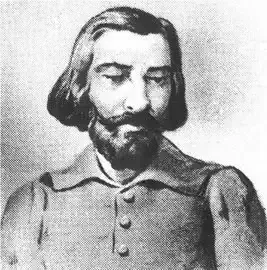
Gil Vicente
Depois de ida Roma
Depois de ida Roma, entram dous lavradores, um per nome Amâncio Vaz e outro Diniz Lourenço, e diz Amâncio Vaz:
AMÂNCIO VAZ Compadre, vás tu à feira?
DINIZ LOURENÇO À feira, compadre.
AMÂNCIO VAZ Assi,
ora vamos eu e ti
ó longo desta ribeira.
DINIZ LOURENÇO Bofá, vamos.
AMÂNCIO VAZ Folgo bem
de te vir aqui achar.
DINIZ LOURENÇO Vás tu lá buscar alguém,
ou esperas de comprar?
AMÂNCIO VAZ Isso te quero contar,
e iremos patorneando,
e er também aguardando
polas moças do lugar.
Compadre, enha mulher
é muito destemperada,
e agora, se Deus quiser,
faço conta de a vender,
e dá-la-ei por quase nada.
Qu'eu quando casei com ela
diziam-me, «Hétega é».
E eu cuidei pola abofé
que mais cedo morresse ela,
e ela anda inda em pé.
E porque era hétega assim
foi o que m' a mim danou:
avonda qu'ela engordou
e fez-me hétego a mim.
DINIZ LOURENÇO Tens boa mulher de teu:
não sei que tu hás, amigo.
AMÂNCIO VAZ S'ela casara contigo
renegaras tu com' eu
e dixeras o que eu digo.
DINIZ LOURENÇO Pois, compadre, cant'à minha,
é tão mole e desatada,
que nunca dá peneirada
que não derrame a farinha.
E não põe cousa a guardar,
que a tope quanda a cata;
e por mais que homem se mata,
de birra não quer falar.
Trás d' üa pulga andará
três dias, e oito, e dez,
sem lhe lembrar o que fez,
nem tão pouco o que fará.
Pera que t'hei-de falar?
Quando ontem cheguei do mato
pôs üa enguia a assar,
e crua a leixou levar,
por não dizer sape a um gato.
Quant'a mansa, mansa é ela;
dei-m'ê logo conta disso.
AMÂNCIO VAZ Juro-t'eu que mais vale isso
cinquenta vezes qu'ela.
A minha te digo eu
que se a visses assanhada,
parece demoninhada,
ante São#Bertolameu.
DINIZ LOURENÇO Já sequer terá esp'rito:
mas renega da mulher
que ó tempo do mister
não é cabra nem cabrito.
AMÂNCIO VAZ A minha tinh'eu em guarda
pera bem da minha prol,
cuidando que era ourinol,
e tornou-se-me bombarda.
Folga tu que ess'outra tenhas,
porque a minha é tal perigo,
que por nada que lhe digo
logo me salta nas grenhas.
Então tanto punho seco
me chimpa nestes focinhos;
eu chamo polos vizinhos,
e ela nego dar-me em xeco.
DINIZ LOURENÇO Isso é de coraçuda;
não cures de a vender,
que s'alguém te mal fizer,
já sequer tens quem te acuda.
Mas a minha é tão cortês,
que se viesse ora à mão
que m'espancasse um rascão,
não diria, «Mal fazês».
Mas antes s' assentaria
a olhar como eu bradava.
Todavia a mulher brava
é, compadre, a qu'eu queria.
AMÂNCIO VAZ Pardeus! Tanto me farás
que feire a minha contigo.
DINIZ LOURENÇO Se queres feirar comigo,
vejamos que me darás.
AMÂNCIO VAZ Mas antes m' hás-de tornar
pois te dou mulher tão forte,
que te castigue de sorte
que não ouses de falar,
nem no mato nem na corte.
Outro bem terás com ela:
quando vieres da arada,
comerás sardinha assada,
porqu ' ela jenta a panela.
Então geme, pardeus, si,
diz que lhe dói a moleira.
DINIZ LOURENÇO Eu faria per maneira
que esperasse ela por mi.
AMÂNCIO VAZ Que lh'havias de fazer?
DINIZ LOURENÇO Amâncio Vaz, eu o sei bem.
AMÂNCIO VAZ Diniz Lourenço, ei-las cá vêm!
Vamo-nos nós esconder,
vejamos que vêm catar,
qu'elas ambas vêm à feira.
Mete-te nessa silveira,
qu'eu daqui hei-d' espreitar.
Vêm Branca Anes a brava, e Marta Dias a mansa, e vem dizendo a brava:
BRANCA ANES Pois casei má hora, e nela,
e com tal marido, prima,
comprarei cá üa gamela,
para o ter debaixo dela,
e um grão penedo em cima.
Porque vai-se-me às figueiras,
e come verde e maduro;
e quantas uvas penduro
jeita nas gorgomileiras:
parece negro monturo.
Vai-se-m'às ameixieiras
antes que sejam maduras,
ele quebra as cerejeiras,
ele vindima as parreiras,
e não sei que faz das uvas.
Ele não vai à lavrada,
ele todo o dia come,
ele toda a noite dorme,
ele não faz nunca nada,
e sempre me diz que há fome.
Jesu! Jesu! Posso-te dizer
e jurar e tresjurar,
e provar e reprovar,
e andar e revolver,
qu' é melhor pera beber,
que não pera maridar.
O demo que o fez marido,
que assim seco como é
beberá a torre da Sé!
Então arma um arruído
assi debaixo do pé.
MARTA DIAS Pois bom homem parece ele.
DINIZ LOURENÇO Aquela é a minha frouxa.
MARTA DIAS Deu-t'ele a fraldinha roxa?
BRANCA ANES Melhor lh'esfole eu a pele.
Que homem há i da puxa.
Ó diabo que o eu dou,
que o leve em fatiota,
e o ladrão que m'o gabou;
e o frade que me casou
inda o veja na picota.
E rogo à Virgem da Estrela,
e a santa Gerjalém,
e ós choros de Madanela
e à asninha de Belém,
que o veja ir#à#vela
pera donde nunca vem.
DINIZ LOURENÇO Compadre, no mais sofrer:
sai de lá desse silvado.
AMÂNCIO VAZ Pera eu ser arrepelado.
Não havi'eu mais mister.
DINIZ LOURENÇO E não n'hás tu de vender?
AMÂNCIO VAZ Tu dizes que a qués feirar.
DINIZ LOURENÇO Não qu'ela se me tomar
leixar-m'á quando quiser.
Mas demo-las à má estreia;
e voto que nos tornemos,
e er depois tornaremos
com as cachopas d'aldeia:
entonces concertaremos.
AMÂNCIO VAZ Isso me parece a mi
muito melhor que eu ir lá.
Oh, que couces que me dá,
quando me colhe sob si!
DINIZ LOURENÇO Cant' àquela si dará.
DIABO Mulheres, vós que quereis?
Nesta feira que buscais?
MARTA DIAS Queremo-la ver, no mais.
Pera ver em que tratais,
e as cousas que vendeis.
Tendes vós aqui anéis?
DIABO Quejandos? De que feição?
MARTA DIAS D'uns que fazem de latão.
DIABO Pera as mãos, ou pera os pés?
MARTA DIAS Não - Jesu, nome de Jesu,
Deus e homem verdadeiro!
Foge o Diabo e Marta Dias diz:
MARTA DIAS Nunca eu vi bofalinheiro
tão prestes tomar o mu.
Branc'Anes mana, crê tu
que, como Jesu é Jesu,
era este o Diabo inteiro.
BRANCA ANES Não é ele pau de boa lenha,
nem lenha de bom madeiro.
MARTA DIAS Bofá, nunc'ele cá venha.
BRANCA ANES Viagem de Jão Moleiro,
que foi pola cal d'azenha.
MARTA DIAS Pasmada estou eu de Deus
fazer o Demo marchante!
Mana, daqui por diante
não caminhemos nós sós.
BRANCA ANES S'eu soubera quem ele era,
fizera-lhe bom partido:
que me levara o marido,
e quanto tenho lhe dera,
e o touca
AMÂNCIO VAZ Compadre, vás tu à feira?
DINIZ LOURENÇO À feira, compadre.
AMÂNCIO VAZ Assi,
ora vamos eu e ti
ó longo desta ribeira.
DINIZ LOURENÇO Bofá, vamos.
AMÂNCIO VAZ Folgo bem
de te vir aqui achar.
DINIZ LOURENÇO Vás tu lá buscar alguém,
ou esperas de comprar?
AMÂNCIO VAZ Isso te quero contar,
e iremos patorneando,
e er também aguardando
polas moças do lugar.
Compadre, enha mulher
é muito destemperada,
e agora, se Deus quiser,
faço conta de a vender,
e dá-la-ei por quase nada.
Qu'eu quando casei com ela
diziam-me, «Hétega é».
E eu cuidei pola abofé
que mais cedo morresse ela,
e ela anda inda em pé.
E porque era hétega assim
foi o que m' a mim danou:
avonda qu'ela engordou
e fez-me hétego a mim.
DINIZ LOURENÇO Tens boa mulher de teu:
não sei que tu hás, amigo.
AMÂNCIO VAZ S'ela casara contigo
renegaras tu com' eu
e dixeras o que eu digo.
DINIZ LOURENÇO Pois, compadre, cant'à minha,
é tão mole e desatada,
que nunca dá peneirada
que não derrame a farinha.
E não põe cousa a guardar,
que a tope quanda a cata;
e por mais que homem se mata,
de birra não quer falar.
Trás d' üa pulga andará
três dias, e oito, e dez,
sem lhe lembrar o que fez,
nem tão pouco o que fará.
Pera que t'hei-de falar?
Quando ontem cheguei do mato
pôs üa enguia a assar,
e crua a leixou levar,
por não dizer sape a um gato.
Quant'a mansa, mansa é ela;
dei-m'ê logo conta disso.
AMÂNCIO VAZ Juro-t'eu que mais vale isso
cinquenta vezes qu'ela.
A minha te digo eu
que se a visses assanhada,
parece demoninhada,
ante São#Bertolameu.
DINIZ LOURENÇO Já sequer terá esp'rito:
mas renega da mulher
que ó tempo do mister
não é cabra nem cabrito.
AMÂNCIO VAZ A minha tinh'eu em guarda
pera bem da minha prol,
cuidando que era ourinol,
e tornou-se-me bombarda.
Folga tu que ess'outra tenhas,
porque a minha é tal perigo,
que por nada que lhe digo
logo me salta nas grenhas.
Então tanto punho seco
me chimpa nestes focinhos;
eu chamo polos vizinhos,
e ela nego dar-me em xeco.
DINIZ LOURENÇO Isso é de coraçuda;
não cures de a vender,
que s'alguém te mal fizer,
já sequer tens quem te acuda.
Mas a minha é tão cortês,
que se viesse ora à mão
que m'espancasse um rascão,
não diria, «Mal fazês».
Mas antes s' assentaria
a olhar como eu bradava.
Todavia a mulher brava
é, compadre, a qu'eu queria.
AMÂNCIO VAZ Pardeus! Tanto me farás
que feire a minha contigo.
DINIZ LOURENÇO Se queres feirar comigo,
vejamos que me darás.
AMÂNCIO VAZ Mas antes m' hás-de tornar
pois te dou mulher tão forte,
que te castigue de sorte
que não ouses de falar,
nem no mato nem na corte.
Outro bem terás com ela:
quando vieres da arada,
comerás sardinha assada,
porqu ' ela jenta a panela.
Então geme, pardeus, si,
diz que lhe dói a moleira.
DINIZ LOURENÇO Eu faria per maneira
que esperasse ela por mi.
AMÂNCIO VAZ Que lh'havias de fazer?
DINIZ LOURENÇO Amâncio Vaz, eu o sei bem.
AMÂNCIO VAZ Diniz Lourenço, ei-las cá vêm!
Vamo-nos nós esconder,
vejamos que vêm catar,
qu'elas ambas vêm à feira.
Mete-te nessa silveira,
qu'eu daqui hei-d' espreitar.
Vêm Branca Anes a brava, e Marta Dias a mansa, e vem dizendo a brava:
BRANCA ANES Pois casei má hora, e nela,
e com tal marido, prima,
comprarei cá üa gamela,
para o ter debaixo dela,
e um grão penedo em cima.
Porque vai-se-me às figueiras,
e come verde e maduro;
e quantas uvas penduro
jeita nas gorgomileiras:
parece negro monturo.
Vai-se-m'às ameixieiras
antes que sejam maduras,
ele quebra as cerejeiras,
ele vindima as parreiras,
e não sei que faz das uvas.
Ele não vai à lavrada,
ele todo o dia come,
ele toda a noite dorme,
ele não faz nunca nada,
e sempre me diz que há fome.
Jesu! Jesu! Posso-te dizer
e jurar e tresjurar,
e provar e reprovar,
e andar e revolver,
qu' é melhor pera beber,
que não pera maridar.
O demo que o fez marido,
que assim seco como é
beberá a torre da Sé!
Então arma um arruído
assi debaixo do pé.
MARTA DIAS Pois bom homem parece ele.
DINIZ LOURENÇO Aquela é a minha frouxa.
MARTA DIAS Deu-t'ele a fraldinha roxa?
BRANCA ANES Melhor lh'esfole eu a pele.
Que homem há i da puxa.
Ó diabo que o eu dou,
que o leve em fatiota,
e o ladrão que m'o gabou;
e o frade que me casou
inda o veja na picota.
E rogo à Virgem da Estrela,
e a santa Gerjalém,
e ós choros de Madanela
e à asninha de Belém,
que o veja ir#à#vela
pera donde nunca vem.
DINIZ LOURENÇO Compadre, no mais sofrer:
sai de lá desse silvado.
AMÂNCIO VAZ Pera eu ser arrepelado.
Não havi'eu mais mister.
DINIZ LOURENÇO E não n'hás tu de vender?
AMÂNCIO VAZ Tu dizes que a qués feirar.
DINIZ LOURENÇO Não qu'ela se me tomar
leixar-m'á quando quiser.
Mas demo-las à má estreia;
e voto que nos tornemos,
e er depois tornaremos
com as cachopas d'aldeia:
entonces concertaremos.
AMÂNCIO VAZ Isso me parece a mi
muito melhor que eu ir lá.
Oh, que couces que me dá,
quando me colhe sob si!
DINIZ LOURENÇO Cant' àquela si dará.
DIABO Mulheres, vós que quereis?
Nesta feira que buscais?
MARTA DIAS Queremo-la ver, no mais.
Pera ver em que tratais,
e as cousas que vendeis.
Tendes vós aqui anéis?
DIABO Quejandos? De que feição?
MARTA DIAS D'uns que fazem de latão.
DIABO Pera as mãos, ou pera os pés?
MARTA DIAS Não - Jesu, nome de Jesu,
Deus e homem verdadeiro!
Foge o Diabo e Marta Dias diz:
MARTA DIAS Nunca eu vi bofalinheiro
tão prestes tomar o mu.
Branc'Anes mana, crê tu
que, como Jesu é Jesu,
era este o Diabo inteiro.
BRANCA ANES Não é ele pau de boa lenha,
nem lenha de bom madeiro.
MARTA DIAS Bofá, nunc'ele cá venha.
BRANCA ANES Viagem de Jão Moleiro,
que foi pola cal d'azenha.
MARTA DIAS Pasmada estou eu de Deus
fazer o Demo marchante!
Mana, daqui por diante
não caminhemos nós sós.
BRANCA ANES S'eu soubera quem ele era,
fizera-lhe bom partido:
que me levara o marido,
e quanto tenho lhe dera,
e o touca
1 800
Ruy Cinatti
De monte a monta
De monte a monta, o meu grito
soa, soa, como voz
de um eco do infinito
ecoando em todos nós.
Timor cresce como um grito
ecoando em todos nós.
soa, soa, como voz
de um eco do infinito
ecoando em todos nós.
Timor cresce como um grito
ecoando em todos nós.
2 391
Ruy Cinatti
De monte a monta
De monte a monta, o meu grito
soa, soa, como voz
de um eco do infinito
ecoando em todos nós.
Timor cresce como um grito
ecoando em todos nós.
soa, soa, como voz
de um eco do infinito
ecoando em todos nós.
Timor cresce como um grito
ecoando em todos nós.
2 391
Ruy Cinatti
De monte a monta
De monte a monta, o meu grito
soa, soa, como voz
de um eco do infinito
ecoando em todos nós.
Timor cresce como um grito
ecoando em todos nós.
soa, soa, como voz
de um eco do infinito
ecoando em todos nós.
Timor cresce como um grito
ecoando em todos nós.
2 391

Carlos Tê
Do meu vagar
Já não há mais o vagar
de quando se comia sentado
e devagar se caminhava
até chegar a qualquer lado
agora vai toda a gente
sempre de mão na buzina
sempre na linha da frente
a tremer de adrenalina
Do meu vagar não traço rotas
não tenho trilho que me prenda
não tiro dados nem notas
não encho uma linha de agenda
do meu vagar não chego a Meca
não faço nada num só dia
não corto a fita da meta
não vejo Roma nem Pavia
Do meu vagar
sei que nunca hei-de ir longe
vou aonde for preciso
vou indo do meu vagar
em busca do tempo perdido
e se um dia o encontrar
o longe não faz sentido
Do meu vagar há um nicho
um pico de ilha insubmersa
onde há lugar para o capricho
que dá pelo nome de conversa
do meu vagar a paisagem
ainda tem beleza em bruto
e vale mais uma palavra
que mil imagens por minuto
Do meu vagar
sei que nunca hei-de ir longe
vou aonde for preciso
vou indo do meu vagar
em busca do tempo perdido
e se um dia o encontrar
o longe não faz sentido
de quando se comia sentado
e devagar se caminhava
até chegar a qualquer lado
agora vai toda a gente
sempre de mão na buzina
sempre na linha da frente
a tremer de adrenalina
Do meu vagar não traço rotas
não tenho trilho que me prenda
não tiro dados nem notas
não encho uma linha de agenda
do meu vagar não chego a Meca
não faço nada num só dia
não corto a fita da meta
não vejo Roma nem Pavia
Do meu vagar
sei que nunca hei-de ir longe
vou aonde for preciso
vou indo do meu vagar
em busca do tempo perdido
e se um dia o encontrar
o longe não faz sentido
Do meu vagar há um nicho
um pico de ilha insubmersa
onde há lugar para o capricho
que dá pelo nome de conversa
do meu vagar a paisagem
ainda tem beleza em bruto
e vale mais uma palavra
que mil imagens por minuto
Do meu vagar
sei que nunca hei-de ir longe
vou aonde for preciso
vou indo do meu vagar
em busca do tempo perdido
e se um dia o encontrar
o longe não faz sentido
2 129
Fernando Pessoa
XXXIV - Happy the maimed, the halt, the mad, the blind —
Happy the maimed, the halt, the mad, the blind –
All who, stamped separate by curtailing birth,
Owe no duty's allegiance to mankind
Nor stand a valuing in their scheme of worth!
But I, whom Fate, not Nature, did curtail,
By no exterior voidness being exempt,
Must bear accusing glances where I fail,
Fixed in the general orbit of contempt.
Fate, less than Nature in being kind to lacking,
Giving the ill, shows not as outer cause,
Making our mock-free will the mirror's backing
Which Fate s own acts as if in itself shows;
And men, like children, seeing the image there,
Take place for cause and make our will Fate bear.
All who, stamped separate by curtailing birth,
Owe no duty's allegiance to mankind
Nor stand a valuing in their scheme of worth!
But I, whom Fate, not Nature, did curtail,
By no exterior voidness being exempt,
Must bear accusing glances where I fail,
Fixed in the general orbit of contempt.
Fate, less than Nature in being kind to lacking,
Giving the ill, shows not as outer cause,
Making our mock-free will the mirror's backing
Which Fate s own acts as if in itself shows;
And men, like children, seeing the image there,
Take place for cause and make our will Fate bear.
4 221
Fernando Pessoa
XXXIII - He that goes back does, since he goes, advance,
He that goes back does, since he goes, advance,
Though he doth not advance who goeth back,
And he that seeks, though he on nothing chance.
May still by words be said to find a lack.
This paradox of having, that is nought
In the world's meaning of the things it screens,
Is yet true of the substance of pure thought
And there means something by the nought it means.
For thinking nought does on nought being confer,
As giving not is acting not to give,
And, to the same unbribed true thought, to err
Is to find truth, though by its negative.
So why call this world false, if false to be
Be to be aught, and being aught Being to be?
Though he doth not advance who goeth back,
And he that seeks, though he on nothing chance.
May still by words be said to find a lack.
This paradox of having, that is nought
In the world's meaning of the things it screens,
Is yet true of the substance of pure thought
And there means something by the nought it means.
For thinking nought does on nought being confer,
As giving not is acting not to give,
And, to the same unbribed true thought, to err
Is to find truth, though by its negative.
So why call this world false, if false to be
Be to be aught, and being aught Being to be?
4 019