

Poemas neste tema
Natureza e Elementos
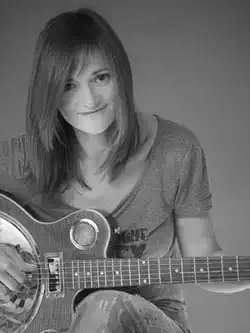
Mafalda Veiga
Ouve-se o mar
Agora
que a chuva cai devagar
lá fora
e a noite vem devorar
o sol
e tudo fica em silêncio
na rua
e ao fundo
ouve-se o mar
ouve-se o mar
agora
talvez te possas perder
devora
o que a saudade te der
a vida
leva pra longe pedaços
do tempo
deixa o sabor de um regaço
e ao fundo
ouve-se o mar
agora
que a água inunda os teus olhos
e o mundo
já não te deixa parar
no escuro
voltam as histórias perdidas
na alma
onde não podes tocar
e ao fundo
ouve-se o mar
que a chuva cai devagar
lá fora
e a noite vem devorar
o sol
e tudo fica em silêncio
na rua
e ao fundo
ouve-se o mar
ouve-se o mar
agora
talvez te possas perder
devora
o que a saudade te der
a vida
leva pra longe pedaços
do tempo
deixa o sabor de um regaço
e ao fundo
ouve-se o mar
agora
que a água inunda os teus olhos
e o mundo
já não te deixa parar
no escuro
voltam as histórias perdidas
na alma
onde não podes tocar
e ao fundo
ouve-se o mar
1 389
Mafalda Veiga
Ouve-se o mar
Agora
que a chuva cai devagar
lá fora
e a noite vem devorar
o sol
e tudo fica em silêncio
na rua
e ao fundo
ouve-se o mar
ouve-se o mar
agora
talvez te possas perder
devora
o que a saudade te der
a vida
leva pra longe pedaços
do tempo
deixa o sabor de um regaço
e ao fundo
ouve-se o mar
agora
que a água inunda os teus olhos
e o mundo
já não te deixa parar
no escuro
voltam as histórias perdidas
na alma
onde não podes tocar
e ao fundo
ouve-se o mar
que a chuva cai devagar
lá fora
e a noite vem devorar
o sol
e tudo fica em silêncio
na rua
e ao fundo
ouve-se o mar
ouve-se o mar
agora
talvez te possas perder
devora
o que a saudade te der
a vida
leva pra longe pedaços
do tempo
deixa o sabor de um regaço
e ao fundo
ouve-se o mar
agora
que a água inunda os teus olhos
e o mundo
já não te deixa parar
no escuro
voltam as histórias perdidas
na alma
onde não podes tocar
e ao fundo
ouve-se o mar
1 389
Mafalda Veiga
No Rasto do Sol
Duas luas no céu e duas canções
Dois olhares que se cruzam a procurar
Um sol um luar
E todos os lugares onde a luz se pode abraçar
Doze luas em ti e sete marés
Sete barcos navegam a procurar
Um porto uma praia
Talvez no fim do mar onde alguém nos venha esperar
Vem comigo no rasto de sol
Eu vou contigo
Vem comigo do outro lado das muralhas
Eu vou contigo
Duas luas no céu na palma da mão
Dois olhares que se entregam até ao fim
Do corpo e da alma
Em todos os lugares onde o mundo me fala de ti
À tua volta há luz de sete luares
Sete barcos navegam para encontrar
Um fogo um calor
Talvez no fim de tudo haja força pra recomeçar
Vem comigo no rasto de sol
Eu vou contigo
Vem comigo do outro lado das muralhas
Eu vou contigo
Duas luas no céu e duas canções
Dois olhares que se cruzam a procurar
Um sol um luar
E todos os lugares onde a luz se pode abraçar
Vem comigo no rasto de sol
Eu vou contigo
Vem comigo do outro lado das muralhas
Eu vou contigo
Dois olhares que se cruzam a procurar
Um sol um luar
E todos os lugares onde a luz se pode abraçar
Doze luas em ti e sete marés
Sete barcos navegam a procurar
Um porto uma praia
Talvez no fim do mar onde alguém nos venha esperar
Vem comigo no rasto de sol
Eu vou contigo
Vem comigo do outro lado das muralhas
Eu vou contigo
Duas luas no céu na palma da mão
Dois olhares que se entregam até ao fim
Do corpo e da alma
Em todos os lugares onde o mundo me fala de ti
À tua volta há luz de sete luares
Sete barcos navegam para encontrar
Um fogo um calor
Talvez no fim de tudo haja força pra recomeçar
Vem comigo no rasto de sol
Eu vou contigo
Vem comigo do outro lado das muralhas
Eu vou contigo
Duas luas no céu e duas canções
Dois olhares que se cruzam a procurar
Um sol um luar
E todos os lugares onde a luz se pode abraçar
Vem comigo no rasto de sol
Eu vou contigo
Vem comigo do outro lado das muralhas
Eu vou contigo
1 321
Mafalda Veiga
No Rasto do Sol
Duas luas no céu e duas canções
Dois olhares que se cruzam a procurar
Um sol um luar
E todos os lugares onde a luz se pode abraçar
Doze luas em ti e sete marés
Sete barcos navegam a procurar
Um porto uma praia
Talvez no fim do mar onde alguém nos venha esperar
Vem comigo no rasto de sol
Eu vou contigo
Vem comigo do outro lado das muralhas
Eu vou contigo
Duas luas no céu na palma da mão
Dois olhares que se entregam até ao fim
Do corpo e da alma
Em todos os lugares onde o mundo me fala de ti
À tua volta há luz de sete luares
Sete barcos navegam para encontrar
Um fogo um calor
Talvez no fim de tudo haja força pra recomeçar
Vem comigo no rasto de sol
Eu vou contigo
Vem comigo do outro lado das muralhas
Eu vou contigo
Duas luas no céu e duas canções
Dois olhares que se cruzam a procurar
Um sol um luar
E todos os lugares onde a luz se pode abraçar
Vem comigo no rasto de sol
Eu vou contigo
Vem comigo do outro lado das muralhas
Eu vou contigo
Dois olhares que se cruzam a procurar
Um sol um luar
E todos os lugares onde a luz se pode abraçar
Doze luas em ti e sete marés
Sete barcos navegam a procurar
Um porto uma praia
Talvez no fim do mar onde alguém nos venha esperar
Vem comigo no rasto de sol
Eu vou contigo
Vem comigo do outro lado das muralhas
Eu vou contigo
Duas luas no céu na palma da mão
Dois olhares que se entregam até ao fim
Do corpo e da alma
Em todos os lugares onde o mundo me fala de ti
À tua volta há luz de sete luares
Sete barcos navegam para encontrar
Um fogo um calor
Talvez no fim de tudo haja força pra recomeçar
Vem comigo no rasto de sol
Eu vou contigo
Vem comigo do outro lado das muralhas
Eu vou contigo
Duas luas no céu e duas canções
Dois olhares que se cruzam a procurar
Um sol um luar
E todos os lugares onde a luz se pode abraçar
Vem comigo no rasto de sol
Eu vou contigo
Vem comigo do outro lado das muralhas
Eu vou contigo
1 321
Mafalda Veiga
O Nome do Sal
Traz-me de novo a memória de outros dias
Ter raiz nas romarias
Nas danças, nas cantorias
Na forma de se espraiar de um sonho errante
Em terra vasta e distante
Procurando o sal
Sinto voltar a saudade na cumprida
De palavras e vontades
De gestos e ansiedades
Das coisas que ainda não há mas que já estão
Na forma da nossa mão
Procurando o sal
Ah que os mares abertos fossem ventos
Fossem caravelas
Novos sonhos conquistando
Ah que o céu descubra rumos nossos
Nossas estrelas
Navegando
Molha-se a alma no suor da descoberta
Na pulsação da terra
De sonho e de pão repleta
A raiz outra vez a rebentar
Nova terra, novo mar
Procurando o sal
Seja de novo o impulso de viver
Para além de ir aguentando
E às cegas ir caminhando
Porque o dia tem cor do que é preciso
E pulsa no chão que eu piso
O sangue de Portugal
Ah que os mares abertos fossem ventos
Fossem caravelas
Novos sonhos conquistando
Ah que o céu descubra rumos nossos
Nossas estrelas
Navegando
Ter raiz nas romarias
Nas danças, nas cantorias
Na forma de se espraiar de um sonho errante
Em terra vasta e distante
Procurando o sal
Sinto voltar a saudade na cumprida
De palavras e vontades
De gestos e ansiedades
Das coisas que ainda não há mas que já estão
Na forma da nossa mão
Procurando o sal
Ah que os mares abertos fossem ventos
Fossem caravelas
Novos sonhos conquistando
Ah que o céu descubra rumos nossos
Nossas estrelas
Navegando
Molha-se a alma no suor da descoberta
Na pulsação da terra
De sonho e de pão repleta
A raiz outra vez a rebentar
Nova terra, novo mar
Procurando o sal
Seja de novo o impulso de viver
Para além de ir aguentando
E às cegas ir caminhando
Porque o dia tem cor do que é preciso
E pulsa no chão que eu piso
O sangue de Portugal
Ah que os mares abertos fossem ventos
Fossem caravelas
Novos sonhos conquistando
Ah que o céu descubra rumos nossos
Nossas estrelas
Navegando
1 051
Mafalda Veiga
A fantasia (tem brilhos como as estrelas)
Vais pela rua
E finges que navegas
Desancorado até à alma
Percorres os mares do mundo
Hoje és um rei
E finges que te entregas
Ao vento e à tempestade
Como se fosses um vagabundo
A aventura, sente
A maresia e a madrugada
Corre, deixa-te levar
Pelo vento quente
Que se cola ao teu corpo
E te embala sempre
Até quereres voltar
A fantasia
Tem brilhos como as estrelas
E morna e doce e apetece
Soltá-la a voar no mundo
Hoje és um rei
Na tua caravela
A navegar
Num sopro de magia
E finges que navegas
Desancorado até à alma
Percorres os mares do mundo
Hoje és um rei
E finges que te entregas
Ao vento e à tempestade
Como se fosses um vagabundo
A aventura, sente
A maresia e a madrugada
Corre, deixa-te levar
Pelo vento quente
Que se cola ao teu corpo
E te embala sempre
Até quereres voltar
A fantasia
Tem brilhos como as estrelas
E morna e doce e apetece
Soltá-la a voar no mundo
Hoje és um rei
Na tua caravela
A navegar
Num sopro de magia
1 213
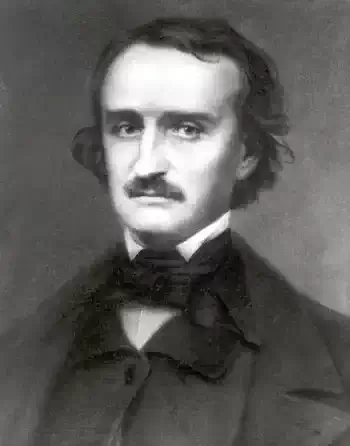
Edgar Allan Poe
To One in Paradise
Thou wast all that to me, love,
For which my soul did pine-
A green isle in the sea, love,
A fountain and a shrine,
All wreathed with fairy fruits and flowers,
And all the flowers were mine.
Ah, dream too bright to last!
Ah, starry Hope! that didst arise
But to be overcast!
A voice from out the Future cries,
"Onward!"- but o'er the Past
(Dim gulf!) my spirit hovering lies
Mute, motionless, aghast!
For, alas! alas! with me
The light of life is o'er!
"No more-- no more-- no more,"
(Such language holds the solemn sea
To the sands upon the shore)
Shall bloom the thunder-blasted tree
Or the stricken eagle soar!
And all my hours are trances,
And all my nightly dreams
Are where thy dark eye glances,
And where thy footstep gleams-
In what ethereal dances,
By what Italian streams.
Alas! for that accursed time
They bore thee o'er the billow,
From Love to titled age and crime,
And an unholy pillow!--
From me, and from our misty clime,
Where weeps the silver willow!
1834
For which my soul did pine-
A green isle in the sea, love,
A fountain and a shrine,
All wreathed with fairy fruits and flowers,
And all the flowers were mine.
Ah, dream too bright to last!
Ah, starry Hope! that didst arise
But to be overcast!
A voice from out the Future cries,
"Onward!"- but o'er the Past
(Dim gulf!) my spirit hovering lies
Mute, motionless, aghast!
For, alas! alas! with me
The light of life is o'er!
"No more-- no more-- no more,"
(Such language holds the solemn sea
To the sands upon the shore)
Shall bloom the thunder-blasted tree
Or the stricken eagle soar!
And all my hours are trances,
And all my nightly dreams
Are where thy dark eye glances,
And where thy footstep gleams-
In what ethereal dances,
By what Italian streams.
Alas! for that accursed time
They bore thee o'er the billow,
From Love to titled age and crime,
And an unholy pillow!--
From me, and from our misty clime,
Where weeps the silver willow!
1834
1 360
Edgar Allan Poe
To One in Paradise
Thou wast all that to me, love,
For which my soul did pine-
A green isle in the sea, love,
A fountain and a shrine,
All wreathed with fairy fruits and flowers,
And all the flowers were mine.
Ah, dream too bright to last!
Ah, starry Hope! that didst arise
But to be overcast!
A voice from out the Future cries,
"Onward!"- but o'er the Past
(Dim gulf!) my spirit hovering lies
Mute, motionless, aghast!
For, alas! alas! with me
The light of life is o'er!
"No more-- no more-- no more,"
(Such language holds the solemn sea
To the sands upon the shore)
Shall bloom the thunder-blasted tree
Or the stricken eagle soar!
And all my hours are trances,
And all my nightly dreams
Are where thy dark eye glances,
And where thy footstep gleams-
In what ethereal dances,
By what Italian streams.
Alas! for that accursed time
They bore thee o'er the billow,
From Love to titled age and crime,
And an unholy pillow!--
From me, and from our misty clime,
Where weeps the silver willow!
1834
For which my soul did pine-
A green isle in the sea, love,
A fountain and a shrine,
All wreathed with fairy fruits and flowers,
And all the flowers were mine.
Ah, dream too bright to last!
Ah, starry Hope! that didst arise
But to be overcast!
A voice from out the Future cries,
"Onward!"- but o'er the Past
(Dim gulf!) my spirit hovering lies
Mute, motionless, aghast!
For, alas! alas! with me
The light of life is o'er!
"No more-- no more-- no more,"
(Such language holds the solemn sea
To the sands upon the shore)
Shall bloom the thunder-blasted tree
Or the stricken eagle soar!
And all my hours are trances,
And all my nightly dreams
Are where thy dark eye glances,
And where thy footstep gleams-
In what ethereal dances,
By what Italian streams.
Alas! for that accursed time
They bore thee o'er the billow,
From Love to titled age and crime,
And an unholy pillow!--
From me, and from our misty clime,
Where weeps the silver willow!
1834
1 360
Edgar Allan Poe
To One in Paradise
Thou wast all that to me, love,
For which my soul did pine-
A green isle in the sea, love,
A fountain and a shrine,
All wreathed with fairy fruits and flowers,
And all the flowers were mine.
Ah, dream too bright to last!
Ah, starry Hope! that didst arise
But to be overcast!
A voice from out the Future cries,
"Onward!"- but o'er the Past
(Dim gulf!) my spirit hovering lies
Mute, motionless, aghast!
For, alas! alas! with me
The light of life is o'er!
"No more-- no more-- no more,"
(Such language holds the solemn sea
To the sands upon the shore)
Shall bloom the thunder-blasted tree
Or the stricken eagle soar!
And all my hours are trances,
And all my nightly dreams
Are where thy dark eye glances,
And where thy footstep gleams-
In what ethereal dances,
By what Italian streams.
Alas! for that accursed time
They bore thee o'er the billow,
From Love to titled age and crime,
And an unholy pillow!--
From me, and from our misty clime,
Where weeps the silver willow!
1834
For which my soul did pine-
A green isle in the sea, love,
A fountain and a shrine,
All wreathed with fairy fruits and flowers,
And all the flowers were mine.
Ah, dream too bright to last!
Ah, starry Hope! that didst arise
But to be overcast!
A voice from out the Future cries,
"Onward!"- but o'er the Past
(Dim gulf!) my spirit hovering lies
Mute, motionless, aghast!
For, alas! alas! with me
The light of life is o'er!
"No more-- no more-- no more,"
(Such language holds the solemn sea
To the sands upon the shore)
Shall bloom the thunder-blasted tree
Or the stricken eagle soar!
And all my hours are trances,
And all my nightly dreams
Are where thy dark eye glances,
And where thy footstep gleams-
In what ethereal dances,
By what Italian streams.
Alas! for that accursed time
They bore thee o'er the billow,
From Love to titled age and crime,
And an unholy pillow!--
From me, and from our misty clime,
Where weeps the silver willow!
1834
1 360
Mafalda Veiga
Cúmplices (para o clube de fãs)
A noite vem às vezes tão perdida
E quase nada parece bater certo
Há qualquer coisa em nós inquieta e ferida
E tudo o que era fundo fica perto
Nem sempre o chão da alma é seguro
Nem sempre o tempo cura qualquer dor
E o sabor a fim do mar que vem do escuro
E tantas vezes o que resta do calor
Se eu fosse a tua pele
Se tu fosses o meu caminho
Se nenhum de nós se sentisse nunca sozinho
Trocamos as palavras mais escondidas
Que só a noite arranca sem doer
Seremos cúmplices o resto da vida
Ou talvez só até amanhecer
Fica tão fácil entregar a alma
A quem nos traga um sopro do deserto
O olhar onde a distância nunca acalma
Esperando o que vier de peito aberto
Se eu fosse a tua pele
Se tu fosses o meu caminho
Se nenhum de nós se sentisse nunca sozinho
E quase nada parece bater certo
Há qualquer coisa em nós inquieta e ferida
E tudo o que era fundo fica perto
Nem sempre o chão da alma é seguro
Nem sempre o tempo cura qualquer dor
E o sabor a fim do mar que vem do escuro
E tantas vezes o que resta do calor
Se eu fosse a tua pele
Se tu fosses o meu caminho
Se nenhum de nós se sentisse nunca sozinho
Trocamos as palavras mais escondidas
Que só a noite arranca sem doer
Seremos cúmplices o resto da vida
Ou talvez só até amanhecer
Fica tão fácil entregar a alma
A quem nos traga um sopro do deserto
O olhar onde a distância nunca acalma
Esperando o que vier de peito aberto
Se eu fosse a tua pele
Se tu fosses o meu caminho
Se nenhum de nós se sentisse nunca sozinho
1 272
Mafalda Veiga
Escuro e Luar
Feitos de chão, de chuva e sonho
Fora do tempo
Despedaçado o que fica de nós
Nas batalhas sentidas cá dentro
Por isso é que eu sigo esse brilho de noite
Que é estrela ou chama
Olhar ou mar
E vou procurar essa luz
Mas só quero lá chegar contigo
Feitos de tempo em mil pedaços
De escuro e luar
Há uma noite que é escolhida pra ser
Essa noite que se há-de guardar
Por isso é que eu sigo esse brilho ou calor
Que é estrela ou chama
Ou tu em mim
E vou pra poder descobrir
Quem é que ainda sou contigo
Dispo o cansaço e recomeço
Mais uma vez
Há um sorriso que nos salva do frio
E recolhe o que a vida desfez
Se me desarmo noutro feitiço
Num outro olhar
Há um abrigo que não deixa morrer
Quem nós somos e o que temos pra dar
Por isso é que eu sigo esse brilho da noite
Que és tu em mim
Ou quem fui
E vou pra poder descobrir
Quem é que ainda sou contigo
Fora do tempo
Despedaçado o que fica de nós
Nas batalhas sentidas cá dentro
Por isso é que eu sigo esse brilho de noite
Que é estrela ou chama
Olhar ou mar
E vou procurar essa luz
Mas só quero lá chegar contigo
Feitos de tempo em mil pedaços
De escuro e luar
Há uma noite que é escolhida pra ser
Essa noite que se há-de guardar
Por isso é que eu sigo esse brilho ou calor
Que é estrela ou chama
Ou tu em mim
E vou pra poder descobrir
Quem é que ainda sou contigo
Dispo o cansaço e recomeço
Mais uma vez
Há um sorriso que nos salva do frio
E recolhe o que a vida desfez
Se me desarmo noutro feitiço
Num outro olhar
Há um abrigo que não deixa morrer
Quem nós somos e o que temos pra dar
Por isso é que eu sigo esse brilho da noite
Que és tu em mim
Ou quem fui
E vou pra poder descobrir
Quem é que ainda sou contigo
1 174
Mafalda Veiga
Nalgum Lugar Perdido
Olhar-te um pouco
Enquanto acaba a noite
Enquanto ainda nenhum gesto te magoa
E o mundo for aquilo que sonhares
Nesse lugar só teu
Olhar-te um pouco
Como se fosse sempre
Até ao fim do tempo, até amanhecer
E a luz deixar entrar o mundo inteiro
E o sonho se esconder
Nalgum lugar perdido
Vou procurar sempre por ti
Há sempre no escuro um brilho
Um luar
Nalgum lugar esquecido
Eu vou esperar sempre por ti
Enquanto dormes
Por um momento à noite
É um tempo ausente que te deixa demorar
Sem guerras nem batalhas pra vencer
Nem dias pra rasgar
Eu fico um pouco
Por dentro dos desejos
Por mil caminhos que são mastros e horizontes
Tão livres como estrelas sobre os mares
E atalhos pelos montes
Nalgum lugar perdido
Vou procurar sempre por ti
Há sempre no escuro um brilho
Um luar
Nalgum lugar esquecido
Eu vou esperar sempre por ti
Enquanto acaba a noite
Enquanto ainda nenhum gesto te magoa
E o mundo for aquilo que sonhares
Nesse lugar só teu
Olhar-te um pouco
Como se fosse sempre
Até ao fim do tempo, até amanhecer
E a luz deixar entrar o mundo inteiro
E o sonho se esconder
Nalgum lugar perdido
Vou procurar sempre por ti
Há sempre no escuro um brilho
Um luar
Nalgum lugar esquecido
Eu vou esperar sempre por ti
Enquanto dormes
Por um momento à noite
É um tempo ausente que te deixa demorar
Sem guerras nem batalhas pra vencer
Nem dias pra rasgar
Eu fico um pouco
Por dentro dos desejos
Por mil caminhos que são mastros e horizontes
Tão livres como estrelas sobre os mares
E atalhos pelos montes
Nalgum lugar perdido
Vou procurar sempre por ti
Há sempre no escuro um brilho
Um luar
Nalgum lugar esquecido
Eu vou esperar sempre por ti
1 050
Mafalda Veiga
Nazaré
Ainda hoje dormi na praia
Na acalmia da maré
E a lua inundou-me os olhos
E o mar despido afundou-me a fé
E hoje de que serve a jura
Se ele à praia não vai voltar
Esperei na noite mais escura
Até ver na água o azul clarear
Ai Nazaré
Deixa-me embalar o mar
Deixa-me embalar o mar
E o sal no brilho dos olhos
Sabe a tristeza sem fim
Que hoje o mar abraça e leva
O que Deus quis e arrancou de mim
Ai Nazaré
Deixa-me embalar o mar
Deixa-me embalar o mar
Ainda hoje acordei na praia
Nada ao longe se avistou
Só mais uma noite escura
Sob o azul e sob a lua
Esconde o que o mar me roubou
Ai Nazaré
Deixa-me embalar o mar
Deixa-me embalar o mar
Ai Nazaré
Deixa-me embalar o mar
Deixa-me embalar o mar
Na acalmia da maré
E a lua inundou-me os olhos
E o mar despido afundou-me a fé
E hoje de que serve a jura
Se ele à praia não vai voltar
Esperei na noite mais escura
Até ver na água o azul clarear
Ai Nazaré
Deixa-me embalar o mar
Deixa-me embalar o mar
E o sal no brilho dos olhos
Sabe a tristeza sem fim
Que hoje o mar abraça e leva
O que Deus quis e arrancou de mim
Ai Nazaré
Deixa-me embalar o mar
Deixa-me embalar o mar
Ainda hoje acordei na praia
Nada ao longe se avistou
Só mais uma noite escura
Sob o azul e sob a lua
Esconde o que o mar me roubou
Ai Nazaré
Deixa-me embalar o mar
Deixa-me embalar o mar
Ai Nazaré
Deixa-me embalar o mar
Deixa-me embalar o mar
2 548
Mafalda Veiga
Nazaré
Ainda hoje dormi na praia
Na acalmia da maré
E a lua inundou-me os olhos
E o mar despido afundou-me a fé
E hoje de que serve a jura
Se ele à praia não vai voltar
Esperei na noite mais escura
Até ver na água o azul clarear
Ai Nazaré
Deixa-me embalar o mar
Deixa-me embalar o mar
E o sal no brilho dos olhos
Sabe a tristeza sem fim
Que hoje o mar abraça e leva
O que Deus quis e arrancou de mim
Ai Nazaré
Deixa-me embalar o mar
Deixa-me embalar o mar
Ainda hoje acordei na praia
Nada ao longe se avistou
Só mais uma noite escura
Sob o azul e sob a lua
Esconde o que o mar me roubou
Ai Nazaré
Deixa-me embalar o mar
Deixa-me embalar o mar
Ai Nazaré
Deixa-me embalar o mar
Deixa-me embalar o mar
Na acalmia da maré
E a lua inundou-me os olhos
E o mar despido afundou-me a fé
E hoje de que serve a jura
Se ele à praia não vai voltar
Esperei na noite mais escura
Até ver na água o azul clarear
Ai Nazaré
Deixa-me embalar o mar
Deixa-me embalar o mar
E o sal no brilho dos olhos
Sabe a tristeza sem fim
Que hoje o mar abraça e leva
O que Deus quis e arrancou de mim
Ai Nazaré
Deixa-me embalar o mar
Deixa-me embalar o mar
Ainda hoje acordei na praia
Nada ao longe se avistou
Só mais uma noite escura
Sob o azul e sob a lua
Esconde o que o mar me roubou
Ai Nazaré
Deixa-me embalar o mar
Deixa-me embalar o mar
Ai Nazaré
Deixa-me embalar o mar
Deixa-me embalar o mar
2 548
Mafalda Veiga
Vertigem
Haverá luz
sugada no escuro?
Será calor
O murmúrio do frio?
Terá amor
O avesso da vida?
Haverá sonhos
no fundo da dor?
Serão gritos
os cais do silêncio?
Será coragem
a tremura do medo?
Haverá chuva
que lave este sangue
e deixe que a terra acalme
devagar
Esquece o medo
sai do escuro
abre comportas
deixa gritar
vai mais fundo
persegue o mar
persegue o mar
Será só
a vertigem do abismo?
Será mordaça
a leveza do pó?
Haverá negro
sugado na luz?
Haverá longe
por dentro de nós?
Ando sobre
uma aresta de gelo
na vertigem
de um trapézio de fogo
mas canta-me um pouco
na tempestade
e deixa que a terra acalme
devagar
Esquece o medo
sai do escuro
abre comportas
deixa gritar
vai mais fundo
persegue o mar
persegue o mar
sugada no escuro?
Será calor
O murmúrio do frio?
Terá amor
O avesso da vida?
Haverá sonhos
no fundo da dor?
Serão gritos
os cais do silêncio?
Será coragem
a tremura do medo?
Haverá chuva
que lave este sangue
e deixe que a terra acalme
devagar
Esquece o medo
sai do escuro
abre comportas
deixa gritar
vai mais fundo
persegue o mar
persegue o mar
Será só
a vertigem do abismo?
Será mordaça
a leveza do pó?
Haverá negro
sugado na luz?
Haverá longe
por dentro de nós?
Ando sobre
uma aresta de gelo
na vertigem
de um trapézio de fogo
mas canta-me um pouco
na tempestade
e deixa que a terra acalme
devagar
Esquece o medo
sai do escuro
abre comportas
deixa gritar
vai mais fundo
persegue o mar
persegue o mar
1 104
Mafalda Veiga
Cidade
À noite
No silêncio da rua
Passavam ciganos cantando
E a cidade chamava
Nas luzes perdidas do rio
No teu carro
Andámos por aí
Bebemos cerveja e falámos
Entre sombras de prédios calados
E sonhos de homens cansados
E algo em mim sobrevive
Desesperadamente
Há escuro
Na inquietação do vento
Nas luzes esquecidas do rio
E tentam roubar-nos os dias
Tentam calar-nos as forças
Mas algo em mim sobrevive
Desesperadamente
Quero que por fim nos traga o sol
Andando pelo rio, perdidos na claridade
Hoje só quero deixar viver este momento
Hoje só quero caminhar pela cidade
No teu carro
Cruzámos as fronteiras
Bebemos cervejas e sonhámos
De tudo o que há sem regresso
Quem guardará o passado?
Entrego-me
Em passos sem destino
Até onde a fúria se acalma
vou procurando a gente
Que à noite na rua cantava
E algo em mim sobrevive
Desesperadamente
Quero que por fim nos traga o sol
Andando pelo rio perdidos na claridade
Hoje só quero deixar viver este momento
Hoje só quero caminhar pela cidade
No silêncio da rua
Passavam ciganos cantando
E a cidade chamava
Nas luzes perdidas do rio
No teu carro
Andámos por aí
Bebemos cerveja e falámos
Entre sombras de prédios calados
E sonhos de homens cansados
E algo em mim sobrevive
Desesperadamente
Há escuro
Na inquietação do vento
Nas luzes esquecidas do rio
E tentam roubar-nos os dias
Tentam calar-nos as forças
Mas algo em mim sobrevive
Desesperadamente
Quero que por fim nos traga o sol
Andando pelo rio, perdidos na claridade
Hoje só quero deixar viver este momento
Hoje só quero caminhar pela cidade
No teu carro
Cruzámos as fronteiras
Bebemos cervejas e sonhámos
De tudo o que há sem regresso
Quem guardará o passado?
Entrego-me
Em passos sem destino
Até onde a fúria se acalma
vou procurando a gente
Que à noite na rua cantava
E algo em mim sobrevive
Desesperadamente
Quero que por fim nos traga o sol
Andando pelo rio perdidos na claridade
Hoje só quero deixar viver este momento
Hoje só quero caminhar pela cidade
1 182
Mafalda Veiga
Cidade
À noite
No silêncio da rua
Passavam ciganos cantando
E a cidade chamava
Nas luzes perdidas do rio
No teu carro
Andámos por aí
Bebemos cerveja e falámos
Entre sombras de prédios calados
E sonhos de homens cansados
E algo em mim sobrevive
Desesperadamente
Há escuro
Na inquietação do vento
Nas luzes esquecidas do rio
E tentam roubar-nos os dias
Tentam calar-nos as forças
Mas algo em mim sobrevive
Desesperadamente
Quero que por fim nos traga o sol
Andando pelo rio, perdidos na claridade
Hoje só quero deixar viver este momento
Hoje só quero caminhar pela cidade
No teu carro
Cruzámos as fronteiras
Bebemos cervejas e sonhámos
De tudo o que há sem regresso
Quem guardará o passado?
Entrego-me
Em passos sem destino
Até onde a fúria se acalma
vou procurando a gente
Que à noite na rua cantava
E algo em mim sobrevive
Desesperadamente
Quero que por fim nos traga o sol
Andando pelo rio perdidos na claridade
Hoje só quero deixar viver este momento
Hoje só quero caminhar pela cidade
No silêncio da rua
Passavam ciganos cantando
E a cidade chamava
Nas luzes perdidas do rio
No teu carro
Andámos por aí
Bebemos cerveja e falámos
Entre sombras de prédios calados
E sonhos de homens cansados
E algo em mim sobrevive
Desesperadamente
Há escuro
Na inquietação do vento
Nas luzes esquecidas do rio
E tentam roubar-nos os dias
Tentam calar-nos as forças
Mas algo em mim sobrevive
Desesperadamente
Quero que por fim nos traga o sol
Andando pelo rio, perdidos na claridade
Hoje só quero deixar viver este momento
Hoje só quero caminhar pela cidade
No teu carro
Cruzámos as fronteiras
Bebemos cervejas e sonhámos
De tudo o que há sem regresso
Quem guardará o passado?
Entrego-me
Em passos sem destino
Até onde a fúria se acalma
vou procurando a gente
Que à noite na rua cantava
E algo em mim sobrevive
Desesperadamente
Quero que por fim nos traga o sol
Andando pelo rio perdidos na claridade
Hoje só quero deixar viver este momento
Hoje só quero caminhar pela cidade
1 182
Mafalda Veiga
Por Te Rever
Quisera roubar-te essas palavras e morrer
Trazer-te assim até ao fim do que eu puder
E começar um dia mais eternamente
Por te rever, só
Pudesse eu guardar-te nos sentidos e na voz
E descobrir o que será de nós
E demorar um dia mais eternamente
Por te rever, só
Quisera a ternura, calmaria azul do mar
O riso o amor o gosto a sal o sol do olhar
E um lugar pra me espraiar eternamente
Por te rever, só
Pudesse eu ser tempo a respirar no teu abraço
Adormecer e abandonar-me de cansaço
Quisera assim perder-me em mim eternamente
Por te rever, só
Trazer-te assim até ao fim do que eu puder
E começar um dia mais eternamente
Por te rever, só
Pudesse eu guardar-te nos sentidos e na voz
E descobrir o que será de nós
E demorar um dia mais eternamente
Por te rever, só
Quisera a ternura, calmaria azul do mar
O riso o amor o gosto a sal o sol do olhar
E um lugar pra me espraiar eternamente
Por te rever, só
Pudesse eu ser tempo a respirar no teu abraço
Adormecer e abandonar-me de cansaço
Quisera assim perder-me em mim eternamente
Por te rever, só
1 280
Mafalda Veiga
Lisboa de mil amores
á um escuro vem no horizonte
Ou a luz se perde do olhar
São os campos perdidos e os montes
Que se estendem pela noite devagar
São tantos os caminhos e os dias
Tantos como a saudade que se tem
Talvez um sabor leve de maresia
Talvez lembrança do sabor de alguém
Ai Lisboa estendida sobre o rio
Ai Lisboa de mil amores perdidos
Só de quem puder sentir
Que há um mar em ti escondido
Será do luar o brilho intenso
Será do olhar de quem eu quero
Que faz ir-se perdendo ao longe o escuro
E faz ir-se calando o desespero
Enquanto o dia vai
Enquanto a noite vem
E um desassossego acorda alguém
Uma canção distante
Lembra o sonho e outro olhar
Ai se toda a saudade
Pudesse enfim acalmar
Ai Lisboa estendida sobre o rio
Ai Lisboa de mil amores perdidos
Só de quem puder sentir
Que há um mar em ti escondido
Ou a luz se perde do olhar
São os campos perdidos e os montes
Que se estendem pela noite devagar
São tantos os caminhos e os dias
Tantos como a saudade que se tem
Talvez um sabor leve de maresia
Talvez lembrança do sabor de alguém
Ai Lisboa estendida sobre o rio
Ai Lisboa de mil amores perdidos
Só de quem puder sentir
Que há um mar em ti escondido
Será do luar o brilho intenso
Será do olhar de quem eu quero
Que faz ir-se perdendo ao longe o escuro
E faz ir-se calando o desespero
Enquanto o dia vai
Enquanto a noite vem
E um desassossego acorda alguém
Uma canção distante
Lembra o sonho e outro olhar
Ai se toda a saudade
Pudesse enfim acalmar
Ai Lisboa estendida sobre o rio
Ai Lisboa de mil amores perdidos
Só de quem puder sentir
Que há um mar em ti escondido
1 066
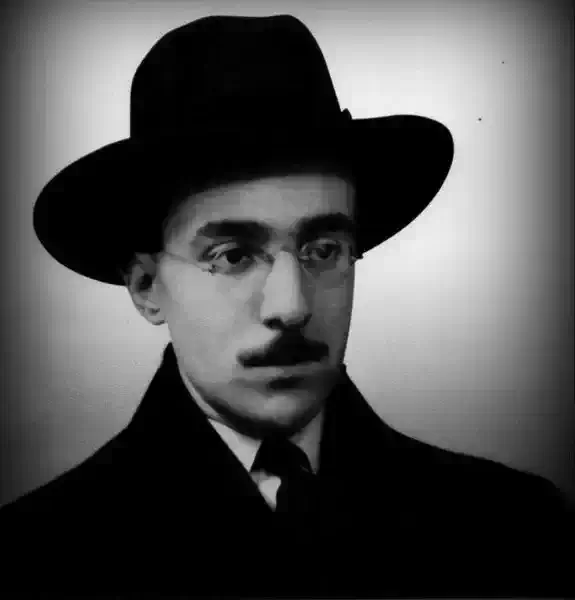
Fernando Pessoa
[1] A Cabeça do Grifo: O INFANTE D. HENRIQUE
Em seu trono entre o brilho das esferas,
Com seu manto de noite e solidão,
Tem aos pés o mar novo e as mortas eras —
O único imperador que tem, deveras,
O globo mundo em sua mão.
Com seu manto de noite e solidão,
Tem aos pés o mar novo e as mortas eras —
O único imperador que tem, deveras,
O globo mundo em sua mão.
7 042
Mafalda Veiga
Ilha
Dancei no fio
de uma espada
num poço aberto
em sol vermelho
há tanto tempo
não sei de ti
toquei na chama
mas era um espelho
Soltei a dor
como um segredo
que se guardou
e não se deu
lambi a ferida
de te esperar
mas este sangue
sabia a mar
Há uma ilha
dentro do deserto
há um caminho
numa vaga
há espaço para correr
sob o sol
há um barco vazio
que me arrasta
Andei num fio
de navalha
fui acrobata
e enlouqueci
abri uma fenda
e foi-se o mar
mas este mar
não chega a ti
Há uma ilha
dentro do deserto
há um caminho
numa vaga
há espaço para correr
sob o sol
há um barco vazio
que me arrasta
És uma ilha
dentro do deserto
és um caminho
numa vaga
És espaço pra correr
sob o sol
és um barco vazio
que me arrasta
és um barco vazio
que me arrasta
de uma espada
num poço aberto
em sol vermelho
há tanto tempo
não sei de ti
toquei na chama
mas era um espelho
Soltei a dor
como um segredo
que se guardou
e não se deu
lambi a ferida
de te esperar
mas este sangue
sabia a mar
Há uma ilha
dentro do deserto
há um caminho
numa vaga
há espaço para correr
sob o sol
há um barco vazio
que me arrasta
Andei num fio
de navalha
fui acrobata
e enlouqueci
abri uma fenda
e foi-se o mar
mas este mar
não chega a ti
Há uma ilha
dentro do deserto
há um caminho
numa vaga
há espaço para correr
sob o sol
há um barco vazio
que me arrasta
És uma ilha
dentro do deserto
és um caminho
numa vaga
És espaço pra correr
sob o sol
és um barco vazio
que me arrasta
és um barco vazio
que me arrasta
1 453
Mafalda Veiga
Dança da terra
Ai esta terra arde
É uma fogueira
Não há quem a salve
De ruir inteira
Ai o sonho morre
Amordaçado
Já nem parece
Ter-se sonhado
Ai esta terra lembra
Cada madrugada
Em que o desalento
Tem sabor a nada
Ai o sonho morre
Desencantado
Já nem parece
Ter-se guardado
Mas no vento morno
Que vem do mar
A lua ainda chama
Prá gente dançar
A lua ainda dança
Prá gente cantar
Ai esta terra queima
É uma ferida aberta
Rasgada no peito
Onde a dor aperta
Ai o meu filho chora
E eu não chego ao mar
Só nos seus olhos
Posso naufragar
Mas no vento morno
Que vem do mar
A lua ainda chama
Prá gente dançar
A lua ainda dança
Prá gente cantar
É uma fogueira
Não há quem a salve
De ruir inteira
Ai o sonho morre
Amordaçado
Já nem parece
Ter-se sonhado
Ai esta terra lembra
Cada madrugada
Em que o desalento
Tem sabor a nada
Ai o sonho morre
Desencantado
Já nem parece
Ter-se guardado
Mas no vento morno
Que vem do mar
A lua ainda chama
Prá gente dançar
A lua ainda dança
Prá gente cantar
Ai esta terra queima
É uma ferida aberta
Rasgada no peito
Onde a dor aperta
Ai o meu filho chora
E eu não chego ao mar
Só nos seus olhos
Posso naufragar
Mas no vento morno
Que vem do mar
A lua ainda chama
Prá gente dançar
A lua ainda dança
Prá gente cantar
1 268
Mafalda Veiga
Fonte dos Deuses
A lua dança na mata
Até despontar o dia
Andam ninfas na cascata
E os deuses em romaria
E os bravos guerreiro mouros
Cravam lanças ao luar
Pra afugentar maus agouros
Como a fonte a transbordar
Rio aberto, quase mar
Acaba todo o sossego
Inundada a pradaria
Se os deuses contam segredos
E água vem que não devi
E os bravos guerreiros
Cravam lanças ao luar
Pra afugentar maus agouros
Como a fonte a transbordar
Rio aberto, quase mar
E estava a princesa moura
A beber água na fonte
Onde a vida é uma espora
Cravada no horizonte
Todo o dia a toda a hora
Sempre vem o trovador
Cantar à princesa moura
E a toda a moirama em flor
Ai toda a moura é uma flor
Cantaria à luz do fogo
Se me fosse perdoado
Pelos deuses todo o sonho
Toda a falta de cuidado
Mas nem sempre acorda a chama
Onde a noite é demorada
Enquanto os deuses recolhem
Água em fonte transbordada
Luz em noite enluarada
E estava a princesa moura
A beber água na fonte
Onde a vida é uma espora
Cravada no horizonte
Todo o dia a toda a hora
Sempre vem o trovador
Cantar à princesa moura
E a toda a moirama em flor
Ai toda a moura é uma flor
Toco na lira dos deuses
Pela margem da ribeira
É esse o riso dos deuses
E das caraças da feira
Dias de amor nunca esquecem
Tirando algum que esqueceu
Quando os deuses enlouquecem
E arrancam estrelas do céu
E deixam noites de breu
E estava a princesa moura
A beber água na fonte
Onde a vida é uma espora
Cravada no horizonte
Todo o dia a toda a hora
Sempre vem o trovador
Cantar à princesa moura
E a toda a moirama em flor
Ai toda a moura é uma flor
Até despontar o dia
Andam ninfas na cascata
E os deuses em romaria
E os bravos guerreiro mouros
Cravam lanças ao luar
Pra afugentar maus agouros
Como a fonte a transbordar
Rio aberto, quase mar
Acaba todo o sossego
Inundada a pradaria
Se os deuses contam segredos
E água vem que não devi
E os bravos guerreiros
Cravam lanças ao luar
Pra afugentar maus agouros
Como a fonte a transbordar
Rio aberto, quase mar
E estava a princesa moura
A beber água na fonte
Onde a vida é uma espora
Cravada no horizonte
Todo o dia a toda a hora
Sempre vem o trovador
Cantar à princesa moura
E a toda a moirama em flor
Ai toda a moura é uma flor
Cantaria à luz do fogo
Se me fosse perdoado
Pelos deuses todo o sonho
Toda a falta de cuidado
Mas nem sempre acorda a chama
Onde a noite é demorada
Enquanto os deuses recolhem
Água em fonte transbordada
Luz em noite enluarada
E estava a princesa moura
A beber água na fonte
Onde a vida é uma espora
Cravada no horizonte
Todo o dia a toda a hora
Sempre vem o trovador
Cantar à princesa moura
E a toda a moirama em flor
Ai toda a moura é uma flor
Toco na lira dos deuses
Pela margem da ribeira
É esse o riso dos deuses
E das caraças da feira
Dias de amor nunca esquecem
Tirando algum que esqueceu
Quando os deuses enlouquecem
E arrancam estrelas do céu
E deixam noites de breu
E estava a princesa moura
A beber água na fonte
Onde a vida é uma espora
Cravada no horizonte
Todo o dia a toda a hora
Sempre vem o trovador
Cantar à princesa moura
E a toda a moirama em flor
Ai toda a moura é uma flor
1 174
Mafalda Veiga
Procura por mim
Quando for já logo à noite na praia
Com o sol a derreter-se enfim
Procura por mim
Com o vento por saia
E em lugar de suor o sargaço.
Eu estarei quieto e assim sozinho
Cheio das dúvidas do universo
À tua espera
A desenhar o caminho
Para te escrever em verso
No meu regaço.
O abraço.
Com o sol a derreter-se enfim
Procura por mim
Com o vento por saia
E em lugar de suor o sargaço.
Eu estarei quieto e assim sozinho
Cheio das dúvidas do universo
À tua espera
A desenhar o caminho
Para te escrever em verso
No meu regaço.
O abraço.
1 349