

Poemas neste tema
Outros

José Tolentino Mendonça
A voz solitária do homem
Há palavras que escrevemos mais depressa
o terror dessas palavras derruba
o passado dos homens
são tão pouco: vestígios, índices, poeira
mas nada lhes é desconhecido
as horas em que vigiamos o escuro
os sítios nenhuns das imagens
a ligeira mudança que resgataria
o abandono, todo o abandono
o terror dessas palavras derruba
o passado dos homens
são tão pouco: vestígios, índices, poeira
mas nada lhes é desconhecido
as horas em que vigiamos o escuro
os sítios nenhuns das imagens
a ligeira mudança que resgataria
o abandono, todo o abandono
2 076
1
José Tolentino Mendonça
A voz solitária do homem
Há palavras que escrevemos mais depressa
o terror dessas palavras derruba
o passado dos homens
são tão pouco: vestígios, índices, poeira
mas nada lhes é desconhecido
as horas em que vigiamos o escuro
os sítios nenhuns das imagens
a ligeira mudança que resgataria
o abandono, todo o abandono
o terror dessas palavras derruba
o passado dos homens
são tão pouco: vestígios, índices, poeira
mas nada lhes é desconhecido
as horas em que vigiamos o escuro
os sítios nenhuns das imagens
a ligeira mudança que resgataria
o abandono, todo o abandono
2 076
1
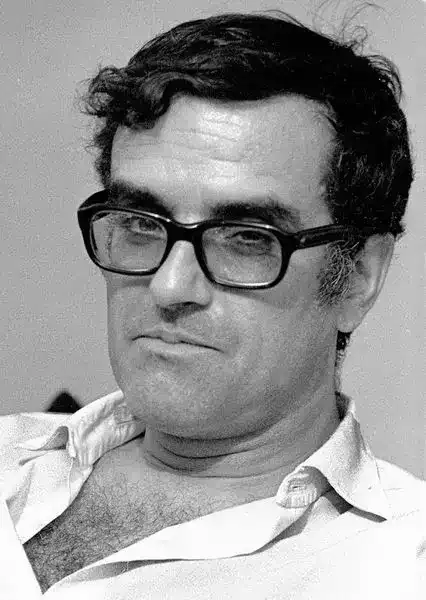
Alexandre O'Neill
Pelo Alto Alentejo-2
Meto butes á inteira planura.
Esboroa-se a terra.Lá pra trás,
sobraram o paleio e a literatura.
Aqui,na aparência,só a paz.
Mas que paz se desdobra a toda a anchura
do horizonte a que o olhar se faz?
Esta página em branco(ou sem leitura)
não terá uma chave por detrás?
Eu sei ler a cidade,mas,aqui,
sou um dedo parado em letra morta.
Uma guerra haverá,como o alibi
da paisagem que a outras me transporta.
Hei-de voltar pra ler e presumir,
quando Alentejo se puser a rir ...
in:Entre a Cortina e a Vidraça(1972)
Esboroa-se a terra.Lá pra trás,
sobraram o paleio e a literatura.
Aqui,na aparência,só a paz.
Mas que paz se desdobra a toda a anchura
do horizonte a que o olhar se faz?
Esta página em branco(ou sem leitura)
não terá uma chave por detrás?
Eu sei ler a cidade,mas,aqui,
sou um dedo parado em letra morta.
Uma guerra haverá,como o alibi
da paisagem que a outras me transporta.
Hei-de voltar pra ler e presumir,
quando Alentejo se puser a rir ...
in:Entre a Cortina e a Vidraça(1972)
4 401
1
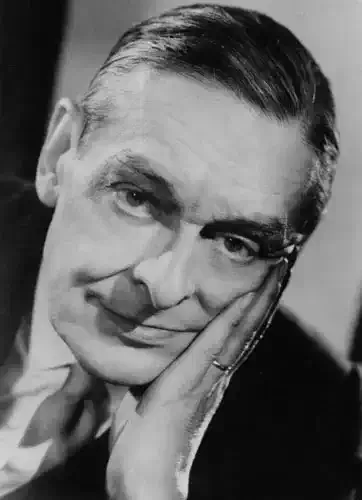
T. S. Eliot
The Love Song of J Alfred Prufrock
The Love Song of J. Alfred Prufrock
Sio credesse che mia risposta fosse
A persona che mai tornasse al mondo,
Questa fiamma staria senza piu scosse.
Ma perciocche giammai di questo fondo
Non torno vivo alcun, siodo il vero,
Senza tema dinfamia ti rispondo.
LET us go then, you and I,
When the evening is spread out against the sky
Like a patient etherised upon a table;
Let us go, through certain half-deserted streets,
The muttering retreats
Of restless nights in one-night cheap hotels
And sawdust restaurants with oyster-shells:
Streets that follow like a tedious argument
Of insidious intent
To lead you to an overwhelming question...
Oh, do not ask, "What is it?"
Let us go and make our visit.
In the room the women come and go
Talking of Michelangelo.
The yellow fog that rubs its back upon the window-panes,
The yellow smoke that rubs its muzzle on the window-panes
Licked its tongue into the corners of the evening,
Lingered upon the pools that stand in drains,
Let fall upon its back the soot that falls from chimneys,
Slipped by the terrace, made a sudden leap,
And seeing that it was a soft October night,
Curled once about the house, and fell asleep.
And indeed there will be time
For the yellow smoke that slides along the street,
Rubbing its back upon the window-panes;
There will be time, there will be time
To prepare a face to meet the faces that you meet;
There will be time to murder and create,
And time for all the works and days of hands
That lift and drop a question on your plate;
Time for you and time for me,
And time yet for a hundred indecisions,
And for a hundred visions and revisions,
Before the taking of a toast and tea.
In the room the women come and go
Talking of Michelangelo.
And indeed there will be time
To wonder, "Do I dare?" and, "Do I dare?"
Time to turn back and descend the stair,
With a bald spot in the middle of my hair—
[They will say: "How his hair is growing thin!"]
My morning coat, my collar mounting firmly to the chin,
My necktie rich and modest, but asserted by a simple pin—
[They will say: "But how his arms and legs are thin!"]
Do I dare
Disturb the universe?
In a minute there is time
For decisions and revisions which a minute will reverse.
For I have known them all already, known them all:—
Have known the evenings, mornings, afternoons,
I have measured out my life with coffee spoons;
I know the voices dying with a dying fall
Beneath the music from a farther room.
So how should I presume?
And I have known the eyes already, known them all—
The eyes that fix you in a formulated phrase,
And when I am formulated, sprawling on a pin,
When I am pinned and wriggling on the wall,
Then how should I begin
To spit out all the butt-ends of my days and ways?
And how should I presume?
And I have known the arms already, known them all—
Arms that are braceleted and white and bare
[But in the lamplight, downed with light brown hair!]
It is perfume from a dress
That makes me so digress?
Arms that lie along a table, or wrap about a shawl.
And should I then presume?
And how should I begin?
. . . . .
Shall I say, I have gone at dusk through narrow streets
And watched the smoke that rises from the pipes
Of lonely men in shirt-sleeves, leaning out of windows?...
I should have been a pair of ragged claws
Scuttling across the floors of silent seas.
. . . . .
And the afternoon, the evening, sleeps so peacefully!
Smoothed by long fingers,
Asleep ... tired ... or it malingers,
Stretched on the floor, here beside you and me.
Should I, after tea and cakes and ices,
Have the strength to force the moment to its crisis?
But though I have wept and fasted, wept and prayed,
Though I have seen my head [grown slightly bald] brought in upon a platter,
I am no prophet—and heres no great matter;
I have seen the moment of my greatness flicker,
And I have seen the eternal Footman hold my coat, and snicker,
And in short, I was afraid.
And would it have been worth it, after all,
After the cups, the marmalade, the tea,
Among the porcelain, among some talk of you and me,
Would it have been worth while,
To have bitten off the matter with a smile,
To have squeezed the universe into a ball
To roll it toward some overwhelming question,
To say: "I am Lazarus, come from the dead,
Come back to tell you all, I shall tell you all"—
If one, settling a pillow by her head,
Should say: "That is not what I meant at all.
That is not it, at all."
And would it have been worth it, after all,
Would it have been worth while,
After the sunsets and the dooryards and the sprinkled streets,
After the novels, after the teacups, after the skirts that trail along the floor—
And this, and so much more?—
It is impossible to say just what I mean!
But as if a magic lantern threw the nerves in patterns on a screen:
Would it have been worth while
If one, settling a pillow or throwing off a shawl,
And turning toward the window, should say:
"That is not it at all,
That is not what I meant, at all."
. . . . .
No! I am not Prince Hamlet, nor was meant to be;
Am an attendant lord, one that will do
To swell a progress, start a scene or two,
Advise the prince; no doubt, an easy tool,
Deferential, glad to be of use,
Politic, cautious, and meticulous;
Full of high sentence, but a bit obtuse;
At times, indeed, almost ridiculous—
Almost, at times, the Fool.
I grow old ... I grow old...
I shall wear the bottoms of my trousers rolled.
Shall I part my hair behind? Do I dare to eat a peach?
I shall wear white flannel trousers, and walk upon the beach.
I have heard the mermaids singing, each to each.
I do not think that they will sing to me.
I have seen them riding seaward on the waves
Combing the white hair of the waves blown back
When the wind blows the water white and black.
We have lingered in the chambers of the sea
By sea-girls wreathed with seaweed red and brown
Till human voices wake us, and we drown.
Sio credesse che mia risposta fosse
A persona che mai tornasse al mondo,
Questa fiamma staria senza piu scosse.
Ma perciocche giammai di questo fondo
Non torno vivo alcun, siodo il vero,
Senza tema dinfamia ti rispondo.
LET us go then, you and I,
When the evening is spread out against the sky
Like a patient etherised upon a table;
Let us go, through certain half-deserted streets,
The muttering retreats
Of restless nights in one-night cheap hotels
And sawdust restaurants with oyster-shells:
Streets that follow like a tedious argument
Of insidious intent
To lead you to an overwhelming question...
Oh, do not ask, "What is it?"
Let us go and make our visit.
In the room the women come and go
Talking of Michelangelo.
The yellow fog that rubs its back upon the window-panes,
The yellow smoke that rubs its muzzle on the window-panes
Licked its tongue into the corners of the evening,
Lingered upon the pools that stand in drains,
Let fall upon its back the soot that falls from chimneys,
Slipped by the terrace, made a sudden leap,
And seeing that it was a soft October night,
Curled once about the house, and fell asleep.
And indeed there will be time
For the yellow smoke that slides along the street,
Rubbing its back upon the window-panes;
There will be time, there will be time
To prepare a face to meet the faces that you meet;
There will be time to murder and create,
And time for all the works and days of hands
That lift and drop a question on your plate;
Time for you and time for me,
And time yet for a hundred indecisions,
And for a hundred visions and revisions,
Before the taking of a toast and tea.
In the room the women come and go
Talking of Michelangelo.
And indeed there will be time
To wonder, "Do I dare?" and, "Do I dare?"
Time to turn back and descend the stair,
With a bald spot in the middle of my hair—
[They will say: "How his hair is growing thin!"]
My morning coat, my collar mounting firmly to the chin,
My necktie rich and modest, but asserted by a simple pin—
[They will say: "But how his arms and legs are thin!"]
Do I dare
Disturb the universe?
In a minute there is time
For decisions and revisions which a minute will reverse.
For I have known them all already, known them all:—
Have known the evenings, mornings, afternoons,
I have measured out my life with coffee spoons;
I know the voices dying with a dying fall
Beneath the music from a farther room.
So how should I presume?
And I have known the eyes already, known them all—
The eyes that fix you in a formulated phrase,
And when I am formulated, sprawling on a pin,
When I am pinned and wriggling on the wall,
Then how should I begin
To spit out all the butt-ends of my days and ways?
And how should I presume?
And I have known the arms already, known them all—
Arms that are braceleted and white and bare
[But in the lamplight, downed with light brown hair!]
It is perfume from a dress
That makes me so digress?
Arms that lie along a table, or wrap about a shawl.
And should I then presume?
And how should I begin?
. . . . .
Shall I say, I have gone at dusk through narrow streets
And watched the smoke that rises from the pipes
Of lonely men in shirt-sleeves, leaning out of windows?...
I should have been a pair of ragged claws
Scuttling across the floors of silent seas.
. . . . .
And the afternoon, the evening, sleeps so peacefully!
Smoothed by long fingers,
Asleep ... tired ... or it malingers,
Stretched on the floor, here beside you and me.
Should I, after tea and cakes and ices,
Have the strength to force the moment to its crisis?
But though I have wept and fasted, wept and prayed,
Though I have seen my head [grown slightly bald] brought in upon a platter,
I am no prophet—and heres no great matter;
I have seen the moment of my greatness flicker,
And I have seen the eternal Footman hold my coat, and snicker,
And in short, I was afraid.
And would it have been worth it, after all,
After the cups, the marmalade, the tea,
Among the porcelain, among some talk of you and me,
Would it have been worth while,
To have bitten off the matter with a smile,
To have squeezed the universe into a ball
To roll it toward some overwhelming question,
To say: "I am Lazarus, come from the dead,
Come back to tell you all, I shall tell you all"—
If one, settling a pillow by her head,
Should say: "That is not what I meant at all.
That is not it, at all."
And would it have been worth it, after all,
Would it have been worth while,
After the sunsets and the dooryards and the sprinkled streets,
After the novels, after the teacups, after the skirts that trail along the floor—
And this, and so much more?—
It is impossible to say just what I mean!
But as if a magic lantern threw the nerves in patterns on a screen:
Would it have been worth while
If one, settling a pillow or throwing off a shawl,
And turning toward the window, should say:
"That is not it at all,
That is not what I meant, at all."
. . . . .
No! I am not Prince Hamlet, nor was meant to be;
Am an attendant lord, one that will do
To swell a progress, start a scene or two,
Advise the prince; no doubt, an easy tool,
Deferential, glad to be of use,
Politic, cautious, and meticulous;
Full of high sentence, but a bit obtuse;
At times, indeed, almost ridiculous—
Almost, at times, the Fool.
I grow old ... I grow old...
I shall wear the bottoms of my trousers rolled.
Shall I part my hair behind? Do I dare to eat a peach?
I shall wear white flannel trousers, and walk upon the beach.
I have heard the mermaids singing, each to each.
I do not think that they will sing to me.
I have seen them riding seaward on the waves
Combing the white hair of the waves blown back
When the wind blows the water white and black.
We have lingered in the chambers of the sea
By sea-girls wreathed with seaweed red and brown
Till human voices wake us, and we drown.
2 481
1
Eugénio de Andrade
Desde a aurora
Como um sol de polpa escura
para levar à boca,
eis as mãos:
procuram-te desde o chão,
entre os veios do sono
e da memória procuram-te:
à vertigem do ar
abrem as portas:
vai entrar o vento ou o violento
aroma de uma candeia,
e subitamente a ferida
recomeça a sangrar:
é tempo de colher: a noite
iluminou-se bago a bago:vais surgir
para beber de um trago
como um grito contra o muro.
Sou eu, desde a aurora,
eu-a terra-que te procuro.
de Obscuro Domínio
para levar à boca,
eis as mãos:
procuram-te desde o chão,
entre os veios do sono
e da memória procuram-te:
à vertigem do ar
abrem as portas:
vai entrar o vento ou o violento
aroma de uma candeia,
e subitamente a ferida
recomeça a sangrar:
é tempo de colher: a noite
iluminou-se bago a bago:vais surgir
para beber de um trago
como um grito contra o muro.
Sou eu, desde a aurora,
eu-a terra-que te procuro.
de Obscuro Domínio
6 728
1
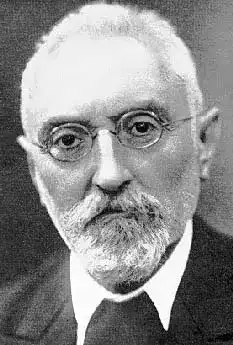
Miguel de Unamuno
El cuerpo canta
El cuerpo canta
El cuerpo canta;
la sangre aúlla;
la tierra charla;
la mar murmura;
el cielo calla
y el hombre escucha.
El cuerpo canta;
la sangre aúlla;
la tierra charla;
la mar murmura;
el cielo calla
y el hombre escucha.
1 430
1
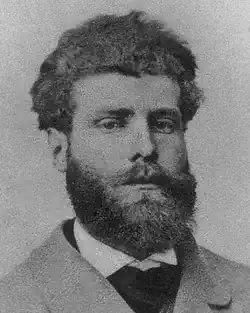
Antero de Quental
Nox
Noite, vão para ti meus pensamentos,
quando olho e vejo, à luz cruel do dia,
tanto estéril lutar, tanta agonia,
E inúteis tantos ásperos tormentos...
Tu, ao menos, abafas os lamentos,
Que se exalam da trágica enxovia...
O eterno mal , que ruge e desvaria,
Em ti descansa e esquece, alguns momentos...
Oh! antes tu também adormecesses
Por uma vez, e eterna, inalterável,
Caindo sobre o mundo, te esquecesses,
E ele, o mundo, sem mais lutar nem ver,
Dormisse no teu seio inviolável,
Noite sem termo, noite do Não-ser!
quando olho e vejo, à luz cruel do dia,
tanto estéril lutar, tanta agonia,
E inúteis tantos ásperos tormentos...
Tu, ao menos, abafas os lamentos,
Que se exalam da trágica enxovia...
O eterno mal , que ruge e desvaria,
Em ti descansa e esquece, alguns momentos...
Oh! antes tu também adormecesses
Por uma vez, e eterna, inalterável,
Caindo sobre o mundo, te esquecesses,
E ele, o mundo, sem mais lutar nem ver,
Dormisse no teu seio inviolável,
Noite sem termo, noite do Não-ser!
2 787
1
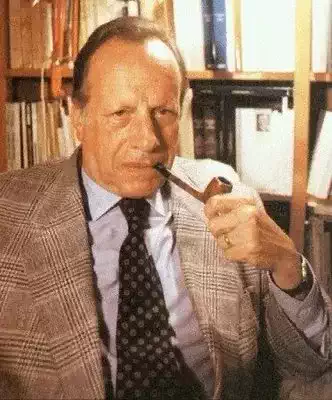
David Mourão-Ferreira
Blocos
É isto vivemos dentro
de grandes blocos de gelo
sem aquecermos ao menos
com os dedos outros dedos
No fundo de nós temendo
que um dia se quebre o gelo
de grandes blocos de gelo
sem aquecermos ao menos
com os dedos outros dedos
No fundo de nós temendo
que um dia se quebre o gelo
3 846
1

Ângelo de Lima
Mia Soave
- Mariposa Azual...- Transe!...
Que d"Alado Lidar, Canse...
- Dorta em Paz...- Transpasse Ideia!...
- Do Ocaso pela Epopeia...
Dorto...Stringe...o Corpo Elance...
Vai à Campa...- Il c"or descanse...
- Mia soave...- Ave!...- Almeia!...
-Não dói Por Ti Meu Peito...
-Não Choro no Orar Cicio...
-Em Profano...-Edd"ora...Eleito!...
-Balsame-a campa-o Rocio
Que Cai sobre o Ultimo Leito!...
-Mi"Soave!...Eddora Addio!...
Que d"Alado Lidar, Canse...
- Dorta em Paz...- Transpasse Ideia!...
- Do Ocaso pela Epopeia...
Dorto...Stringe...o Corpo Elance...
Vai à Campa...- Il c"or descanse...
- Mia soave...- Ave!...- Almeia!...
-Não dói Por Ti Meu Peito...
-Não Choro no Orar Cicio...
-Em Profano...-Edd"ora...Eleito!...
-Balsame-a campa-o Rocio
Que Cai sobre o Ultimo Leito!...
-Mi"Soave!...Eddora Addio!...
1 535
1
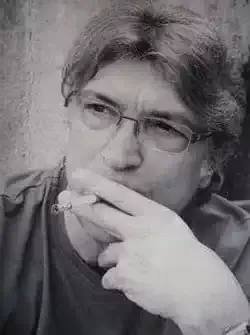
José Agostinho Baptista
Urgência
Levanta-te e deixa-me entrar,
diria se pudesse,
junto a esta cama onde a dor te contempla,
sob este tecto frio que não inventa qualquer
paisagem,
qualquer lembrança de barcos ancorados no
vazio da nossa alma,
diria que lá fora escuto a sirene que se
aproxima
e a chuva que bate com as suas gotas de
angústia na pedras da estrada,
diria que essas quatro rodas vão levar-te,ao
longo do pánico e da noite,
para outras paredes onde nenhum crucifixo
redime a desolação das casas,
diria que se afastaram para sempre os
dias antigos,
as suas laranjas,a sua água,
uma cerejeira breve onde os melros cantavam.
diria se pudesse,
junto a esta cama onde a dor te contempla,
sob este tecto frio que não inventa qualquer
paisagem,
qualquer lembrança de barcos ancorados no
vazio da nossa alma,
diria que lá fora escuto a sirene que se
aproxima
e a chuva que bate com as suas gotas de
angústia na pedras da estrada,
diria que essas quatro rodas vão levar-te,ao
longo do pánico e da noite,
para outras paredes onde nenhum crucifixo
redime a desolação das casas,
diria que se afastaram para sempre os
dias antigos,
as suas laranjas,a sua água,
uma cerejeira breve onde os melros cantavam.
1 940
1
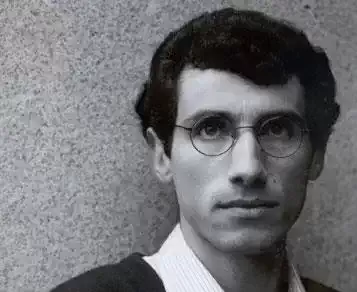
Daniel Faria
Estou a um palmo da parede
Estou a um palmo da parede.Pergunto-se queres saber o que oiço-
O que disseste a Elias:Elias
O que fazes aqui?
Sim,alteio os meus olhos
Conto-te o que nunca escrevo nos muros
Junto-me aos animais com sede
Estou a um palmo do teu palmo e depois
Não estás nas águas nem na sede ou no teu nome
Estou a um palmo do teu silêncio e alteio
O silêncio.A boca mais alta do meu grito
de Dos Líquidos (2000)
O que disseste a Elias:Elias
O que fazes aqui?
Sim,alteio os meus olhos
Conto-te o que nunca escrevo nos muros
Junto-me aos animais com sede
Estou a um palmo do teu palmo e depois
Não estás nas águas nem na sede ou no teu nome
Estou a um palmo do teu silêncio e alteio
O silêncio.A boca mais alta do meu grito
de Dos Líquidos (2000)
1 642
1
Daniel Faria
Estou a um palmo da parede
Estou a um palmo da parede.Pergunto-se queres saber o que oiço-
O que disseste a Elias:Elias
O que fazes aqui?
Sim,alteio os meus olhos
Conto-te o que nunca escrevo nos muros
Junto-me aos animais com sede
Estou a um palmo do teu palmo e depois
Não estás nas águas nem na sede ou no teu nome
Estou a um palmo do teu silêncio e alteio
O silêncio.A boca mais alta do meu grito
de Dos Líquidos (2000)
O que disseste a Elias:Elias
O que fazes aqui?
Sim,alteio os meus olhos
Conto-te o que nunca escrevo nos muros
Junto-me aos animais com sede
Estou a um palmo do teu palmo e depois
Não estás nas águas nem na sede ou no teu nome
Estou a um palmo do teu silêncio e alteio
O silêncio.A boca mais alta do meu grito
de Dos Líquidos (2000)
1 642
1
José Tolentino Mendonça
Calle Principe, 25
Perdemos repentinamente
a profundidade dos campos
os enigmas singulares
a claridade que juramos
a conservar
mas levamos anos
a esquecer alguém
que nos olhou apenas
a profundidade dos campos
os enigmas singulares
a claridade que juramos
a conservar
mas levamos anos
a esquecer alguém
que nos olhou apenas
3 186
1
José Tolentino Mendonça
Os Versos
Os versos assemelham-se a um corpo
quando cai
ao tentar de escuridão a escuridão
a sua sorte
nenhum poder ordena
em papel de prata essa dança inquieta
quando cai
ao tentar de escuridão a escuridão
a sua sorte
nenhum poder ordena
em papel de prata essa dança inquieta
1 964
1
José Tolentino Mendonça
Os Versos
Os versos assemelham-se a um corpo
quando cai
ao tentar de escuridão a escuridão
a sua sorte
nenhum poder ordena
em papel de prata essa dança inquieta
quando cai
ao tentar de escuridão a escuridão
a sua sorte
nenhum poder ordena
em papel de prata essa dança inquieta
1 964
1
José Tolentino Mendonça
Os Versos
Os versos assemelham-se a um corpo
quando cai
ao tentar de escuridão a escuridão
a sua sorte
nenhum poder ordena
em papel de prata essa dança inquieta
quando cai
ao tentar de escuridão a escuridão
a sua sorte
nenhum poder ordena
em papel de prata essa dança inquieta
1 964
1
José Tolentino Mendonça
Os Versos
Os versos assemelham-se a um corpo
quando cai
ao tentar de escuridão a escuridão
a sua sorte
nenhum poder ordena
em papel de prata essa dança inquieta
quando cai
ao tentar de escuridão a escuridão
a sua sorte
nenhum poder ordena
em papel de prata essa dança inquieta
1 964
1
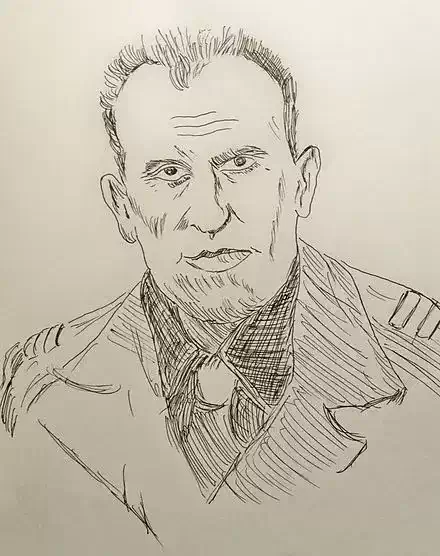
René Char
Commune Presence
Commune Presence
Tu es pressé décrire,
Comme si tu étais en retard sur la vie.
Sil en est ainsi fais cortège à tes sources.
Hâte-toi.
Hâte-toi de transmettre
Ta part de merveilleux de rébellion de bienfaisance.
Effectivement tu es en retard sur la vie,
La vie inexprimable,
La seule en fin de compte à laquelle tu acceptes de tunir,
Celle qui test refusée chaque jour par les êtres et par les choses,
Dont tu obtiens péniblement de-ci de-là quelques fragments décharnés
Au bout de combats sans merci.
Hors delle, tout nest quagonie soumise, fin grossière.
Si tu rencontres la mort durant ton labeur,
Reçois-là comme la nuque en sueur trouve bon le mouchoir aride,
En tinclinant.
Si tu veux rire,
Offre ta soumission,
Jamais tes armes.
Tu as été créé pour des moments peu communs.
Modifie-toi, disparais sans regret
Au gré de la rigueur suave.
Quartier suivant quartier la liquidation du monde se poursuit
Sans interruption,
Sans égarement.
Essaime la poussière
Nul ne décèlera votre union.
Tu es pressé décrire,
Comme si tu étais en retard sur la vie.
Sil en est ainsi fais cortège à tes sources.
Hâte-toi.
Hâte-toi de transmettre
Ta part de merveilleux de rébellion de bienfaisance.
Effectivement tu es en retard sur la vie,
La vie inexprimable,
La seule en fin de compte à laquelle tu acceptes de tunir,
Celle qui test refusée chaque jour par les êtres et par les choses,
Dont tu obtiens péniblement de-ci de-là quelques fragments décharnés
Au bout de combats sans merci.
Hors delle, tout nest quagonie soumise, fin grossière.
Si tu rencontres la mort durant ton labeur,
Reçois-là comme la nuque en sueur trouve bon le mouchoir aride,
En tinclinant.
Si tu veux rire,
Offre ta soumission,
Jamais tes armes.
Tu as été créé pour des moments peu communs.
Modifie-toi, disparais sans regret
Au gré de la rigueur suave.
Quartier suivant quartier la liquidation du monde se poursuit
Sans interruption,
Sans égarement.
Essaime la poussière
Nul ne décèlera votre union.
1 684
1
René Char
Commune Presence
Commune Presence
Tu es pressé décrire,
Comme si tu étais en retard sur la vie.
Sil en est ainsi fais cortège à tes sources.
Hâte-toi.
Hâte-toi de transmettre
Ta part de merveilleux de rébellion de bienfaisance.
Effectivement tu es en retard sur la vie,
La vie inexprimable,
La seule en fin de compte à laquelle tu acceptes de tunir,
Celle qui test refusée chaque jour par les êtres et par les choses,
Dont tu obtiens péniblement de-ci de-là quelques fragments décharnés
Au bout de combats sans merci.
Hors delle, tout nest quagonie soumise, fin grossière.
Si tu rencontres la mort durant ton labeur,
Reçois-là comme la nuque en sueur trouve bon le mouchoir aride,
En tinclinant.
Si tu veux rire,
Offre ta soumission,
Jamais tes armes.
Tu as été créé pour des moments peu communs.
Modifie-toi, disparais sans regret
Au gré de la rigueur suave.
Quartier suivant quartier la liquidation du monde se poursuit
Sans interruption,
Sans égarement.
Essaime la poussière
Nul ne décèlera votre union.
Tu es pressé décrire,
Comme si tu étais en retard sur la vie.
Sil en est ainsi fais cortège à tes sources.
Hâte-toi.
Hâte-toi de transmettre
Ta part de merveilleux de rébellion de bienfaisance.
Effectivement tu es en retard sur la vie,
La vie inexprimable,
La seule en fin de compte à laquelle tu acceptes de tunir,
Celle qui test refusée chaque jour par les êtres et par les choses,
Dont tu obtiens péniblement de-ci de-là quelques fragments décharnés
Au bout de combats sans merci.
Hors delle, tout nest quagonie soumise, fin grossière.
Si tu rencontres la mort durant ton labeur,
Reçois-là comme la nuque en sueur trouve bon le mouchoir aride,
En tinclinant.
Si tu veux rire,
Offre ta soumission,
Jamais tes armes.
Tu as été créé pour des moments peu communs.
Modifie-toi, disparais sans regret
Au gré de la rigueur suave.
Quartier suivant quartier la liquidation du monde se poursuit
Sans interruption,
Sans égarement.
Essaime la poussière
Nul ne décèlera votre union.
1 684
1

Carlos Figueiredo
Jardins Secretos
A Goya
Além do espaço que o corpo esculpe
existem abismos.
São segredos que vão se consumindo
em silêncio como cera
no calor da vida
são silêncios de uma cor tão clara
são como flores.
Como são pássaros
as almas.
Além do espaço que o corpo esculpe
existem abismos.
São segredos que vão se consumindo
em silêncio como cera
no calor da vida
são silêncios de uma cor tão clara
são como flores.
Como são pássaros
as almas.
1 166
1
Carlos Figueiredo
Jardins Secretos
A Goya
Além do espaço que o corpo esculpe
existem abismos.
São segredos que vão se consumindo
em silêncio como cera
no calor da vida
são silêncios de uma cor tão clara
são como flores.
Como são pássaros
as almas.
Além do espaço que o corpo esculpe
existem abismos.
São segredos que vão se consumindo
em silêncio como cera
no calor da vida
são silêncios de uma cor tão clara
são como flores.
Como são pássaros
as almas.
1 166
1

João de Jesus Paes Loureiro
O Poeta
Debruçado no poço
salmodia
e a própria voz escuta.
Osso.
atirado a si mesmo
(espelho)
por um cão faminto.
salmodia
e a própria voz escuta.
Osso.
atirado a si mesmo
(espelho)
por um cão faminto.
1 123
1

Alexandre S. Santos
Ao Léu
Como a escoar silente,
o silêncio, fluía
por sobre ele mesmo
ecoando num vazio,
contente, descia
à procura de um largo
selvagem, intocado
no esmo profundo
cravado, no próprio seio.
Discretamente vibrava
pelos contornos, entornos
esquecidos em sono
difuso, profuso, gozoso;
deixando levar sem norte
a agulha emotiva
da bússola do desejo...
o silêncio, fluía
por sobre ele mesmo
ecoando num vazio,
contente, descia
à procura de um largo
selvagem, intocado
no esmo profundo
cravado, no próprio seio.
Discretamente vibrava
pelos contornos, entornos
esquecidos em sono
difuso, profuso, gozoso;
deixando levar sem norte
a agulha emotiva
da bússola do desejo...
957
1
Alexandre S. Santos
Ao Léu
Como a escoar silente,
o silêncio, fluía
por sobre ele mesmo
ecoando num vazio,
contente, descia
à procura de um largo
selvagem, intocado
no esmo profundo
cravado, no próprio seio.
Discretamente vibrava
pelos contornos, entornos
esquecidos em sono
difuso, profuso, gozoso;
deixando levar sem norte
a agulha emotiva
da bússola do desejo...
o silêncio, fluía
por sobre ele mesmo
ecoando num vazio,
contente, descia
à procura de um largo
selvagem, intocado
no esmo profundo
cravado, no próprio seio.
Discretamente vibrava
pelos contornos, entornos
esquecidos em sono
difuso, profuso, gozoso;
deixando levar sem norte
a agulha emotiva
da bússola do desejo...
957
1