

Poemas neste tema
Outros

Letícia Luccheze
Tulipa vermelha
A livraria, perfumaria, supermercado, floricultura.
O cinema.
A loja de roupas, acessórios, cremes.
Ao cair da tarde.
O decote em meios as pernas e nos seios transpirarem.
No olhar um convite ao deleito do prazer.
Flutuava no caminhar,
levando os homens à perdição.
Pessoas vinham e iam.
O maço de flores.
Desejada!
Chamava atenções.
A negra noite cobriu o gramado umedecido;
juntamente com as estrelas que o céu acolhia.
Do alto da janela a fragrância.
Doce, quente, sagaz, ardente.
Libertava os instintos selvagens.
...sussurros de gemidos...
...gemidos de sussurros...
...sussurros de gemidos...
Flores ao ar foram ao chão.
Suadas, embranquecidas.
846
1
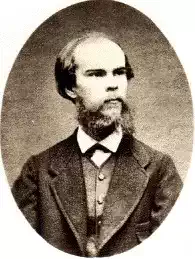
Paul Verlaine
Moral abreviada
Uma nuca de loura e de graça inclinada,
Um colo que arrulha, belos, lascivos seios,
Com medalhões escuros na mama afogueada,
Esse busto se assenta em baixas almofadas
Enquanto entre duas pernas para o ar, vibrantes,
Uma mulher se ajoelha - ocupada com quê?
Amor o sabe - expondo aos deuses a epopéia
Singela de seu cu magnífico, um espelho
Límpido da beleza, que ali quer se ver
Pra crer. Cu feminino, que vence o viril
Serenamente - o de efebo e o infantil.
Ao cu feminino, supremo, culto e glória!
Um colo que arrulha, belos, lascivos seios,
Com medalhões escuros na mama afogueada,
Esse busto se assenta em baixas almofadas
Enquanto entre duas pernas para o ar, vibrantes,
Uma mulher se ajoelha - ocupada com quê?
Amor o sabe - expondo aos deuses a epopéia
Singela de seu cu magnífico, um espelho
Límpido da beleza, que ali quer se ver
Pra crer. Cu feminino, que vence o viril
Serenamente - o de efebo e o infantil.
Ao cu feminino, supremo, culto e glória!
1 294
1
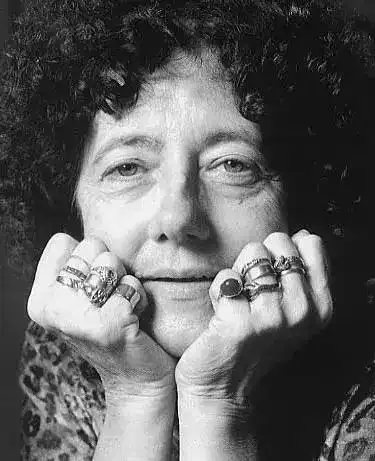
Maria Teresa Horta
Os anjos – I
Eles andam no ar
com as suas vestes
longas
as asas frementes
a baterem no tempo
Vêm
da infância
a rasar a memória
a voarem o vento
Ouvia os insectos,
deitada-rente
sobre a terra
e imaginava os anjos
debruçados no espaço
a beberem o sol
Uma por uma as pétalas
Os gomos
as citilantes escamas
mais pequenas
Uma por uma as penas
a formularem a nossa memória
das asas dos anjos
Tem a força estagnada
das paredes
a respirarem através da cal do útero
num arfar
lento
menstruação contida
Os pés vão nus,
a bordejarem o voo
a controlarem o
espaço
lemes do corpo
a fixarem
as asas:
crespas e acesas
nos ombros dos
anjos
São anjos
apenas
com o corpo dos homens
num corpo de mulher
e um ligeiro crepitar
de asas
na altura dos ombros
Tem uma conotação
sexual
de aventura
com a sua vagina
entreaberta
e o seu clitóris tumefacto
e tenso
à ponta dos dedos
Desviar os lábios
dos anjos
mas entreabrir-lhes também
as coxas
os sonhos – a mente
enquanto eles observam
Quando os anjos
flutuam
sobre as tréguas
naquele segundo
em que se ouve bater
o coração das pedras
Uma flor de
amparo,
o apoio de uma
asa
no voo raso às raízes do tempo
Até ao vácuo?
Os anjos são
os olhos
da cidade
Olhos de mulher,
que voa
Tem asas de cristal
e água
os anjos que à flor-do-dia
entornam a madrugada
cintilantes e volácteis
Eles voam com as suas asas
de prazer:
os anjos da fala
– dormindo na saliva da boca
Substituir os peixes alados
por anjos
Com as suas longínquas asas
a afagar os meus ombros
Queria saber
do destino dos anjos
quando voam
no mar
dos nossos olhos
No céu líquido
dos olhos
das mulheres
Diz-me
da poesia
através da palavra
dos anjos...
Aos olhos do tempo
a transgressão
das horas
pelo dentro das nervuras
das asas
pequenos capilares de vento
onde começa a vontade
de voar
num caminhar
sedento
Têm todos os anjos
o vício:
da queda?
com as suas vestes
longas
as asas frementes
a baterem no tempo
Vêm
da infância
a rasar a memória
a voarem o vento
Ouvia os insectos,
deitada-rente
sobre a terra
e imaginava os anjos
debruçados no espaço
a beberem o sol
Uma por uma as pétalas
Os gomos
as citilantes escamas
mais pequenas
Uma por uma as penas
a formularem a nossa memória
das asas dos anjos
Tem a força estagnada
das paredes
a respirarem através da cal do útero
num arfar
lento
menstruação contida
Os pés vão nus,
a bordejarem o voo
a controlarem o
espaço
lemes do corpo
a fixarem
as asas:
crespas e acesas
nos ombros dos
anjos
São anjos
apenas
com o corpo dos homens
num corpo de mulher
e um ligeiro crepitar
de asas
na altura dos ombros
Tem uma conotação
sexual
de aventura
com a sua vagina
entreaberta
e o seu clitóris tumefacto
e tenso
à ponta dos dedos
Desviar os lábios
dos anjos
mas entreabrir-lhes também
as coxas
os sonhos – a mente
enquanto eles observam
Quando os anjos
flutuam
sobre as tréguas
naquele segundo
em que se ouve bater
o coração das pedras
Uma flor de
amparo,
o apoio de uma
asa
no voo raso às raízes do tempo
Até ao vácuo?
Os anjos são
os olhos
da cidade
Olhos de mulher,
que voa
Tem asas de cristal
e água
os anjos que à flor-do-dia
entornam a madrugada
cintilantes e volácteis
Eles voam com as suas asas
de prazer:
os anjos da fala
– dormindo na saliva da boca
Substituir os peixes alados
por anjos
Com as suas longínquas asas
a afagar os meus ombros
Queria saber
do destino dos anjos
quando voam
no mar
dos nossos olhos
No céu líquido
dos olhos
das mulheres
Diz-me
da poesia
através da palavra
dos anjos...
Aos olhos do tempo
a transgressão
das horas
pelo dentro das nervuras
das asas
pequenos capilares de vento
onde começa a vontade
de voar
num caminhar
sedento
Têm todos os anjos
o vício:
da queda?
4 106
1
Maria Teresa Horta
Os anjos – I
Eles andam no ar
com as suas vestes
longas
as asas frementes
a baterem no tempo
Vêm
da infância
a rasar a memória
a voarem o vento
Ouvia os insectos,
deitada-rente
sobre a terra
e imaginava os anjos
debruçados no espaço
a beberem o sol
Uma por uma as pétalas
Os gomos
as citilantes escamas
mais pequenas
Uma por uma as penas
a formularem a nossa memória
das asas dos anjos
Tem a força estagnada
das paredes
a respirarem através da cal do útero
num arfar
lento
menstruação contida
Os pés vão nus,
a bordejarem o voo
a controlarem o
espaço
lemes do corpo
a fixarem
as asas:
crespas e acesas
nos ombros dos
anjos
São anjos
apenas
com o corpo dos homens
num corpo de mulher
e um ligeiro crepitar
de asas
na altura dos ombros
Tem uma conotação
sexual
de aventura
com a sua vagina
entreaberta
e o seu clitóris tumefacto
e tenso
à ponta dos dedos
Desviar os lábios
dos anjos
mas entreabrir-lhes também
as coxas
os sonhos – a mente
enquanto eles observam
Quando os anjos
flutuam
sobre as tréguas
naquele segundo
em que se ouve bater
o coração das pedras
Uma flor de
amparo,
o apoio de uma
asa
no voo raso às raízes do tempo
Até ao vácuo?
Os anjos são
os olhos
da cidade
Olhos de mulher,
que voa
Tem asas de cristal
e água
os anjos que à flor-do-dia
entornam a madrugada
cintilantes e volácteis
Eles voam com as suas asas
de prazer:
os anjos da fala
– dormindo na saliva da boca
Substituir os peixes alados
por anjos
Com as suas longínquas asas
a afagar os meus ombros
Queria saber
do destino dos anjos
quando voam
no mar
dos nossos olhos
No céu líquido
dos olhos
das mulheres
Diz-me
da poesia
através da palavra
dos anjos...
Aos olhos do tempo
a transgressão
das horas
pelo dentro das nervuras
das asas
pequenos capilares de vento
onde começa a vontade
de voar
num caminhar
sedento
Têm todos os anjos
o vício:
da queda?
com as suas vestes
longas
as asas frementes
a baterem no tempo
Vêm
da infância
a rasar a memória
a voarem o vento
Ouvia os insectos,
deitada-rente
sobre a terra
e imaginava os anjos
debruçados no espaço
a beberem o sol
Uma por uma as pétalas
Os gomos
as citilantes escamas
mais pequenas
Uma por uma as penas
a formularem a nossa memória
das asas dos anjos
Tem a força estagnada
das paredes
a respirarem através da cal do útero
num arfar
lento
menstruação contida
Os pés vão nus,
a bordejarem o voo
a controlarem o
espaço
lemes do corpo
a fixarem
as asas:
crespas e acesas
nos ombros dos
anjos
São anjos
apenas
com o corpo dos homens
num corpo de mulher
e um ligeiro crepitar
de asas
na altura dos ombros
Tem uma conotação
sexual
de aventura
com a sua vagina
entreaberta
e o seu clitóris tumefacto
e tenso
à ponta dos dedos
Desviar os lábios
dos anjos
mas entreabrir-lhes também
as coxas
os sonhos – a mente
enquanto eles observam
Quando os anjos
flutuam
sobre as tréguas
naquele segundo
em que se ouve bater
o coração das pedras
Uma flor de
amparo,
o apoio de uma
asa
no voo raso às raízes do tempo
Até ao vácuo?
Os anjos são
os olhos
da cidade
Olhos de mulher,
que voa
Tem asas de cristal
e água
os anjos que à flor-do-dia
entornam a madrugada
cintilantes e volácteis
Eles voam com as suas asas
de prazer:
os anjos da fala
– dormindo na saliva da boca
Substituir os peixes alados
por anjos
Com as suas longínquas asas
a afagar os meus ombros
Queria saber
do destino dos anjos
quando voam
no mar
dos nossos olhos
No céu líquido
dos olhos
das mulheres
Diz-me
da poesia
através da palavra
dos anjos...
Aos olhos do tempo
a transgressão
das horas
pelo dentro das nervuras
das asas
pequenos capilares de vento
onde começa a vontade
de voar
num caminhar
sedento
Têm todos os anjos
o vício:
da queda?
4 106
1
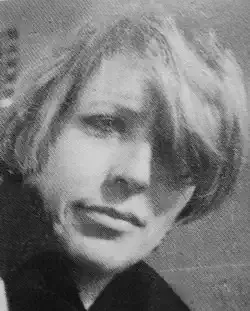
Manuela Amaral
Fatalismo
Amo o que em ti há de trágico. De mau.
De sublime. Amo o crime escondido no teu andar.
A tua forma de olhar. O teu riso fingido
e cristalino.
Amo o veneno dos teus beijos. O teu hálito pagão.
A tua mão insegura
na mentira dos teus gestos.
Amo o teu corpo de maçã madura.
Amo o silêncio perpendicular do teu contacto
A furia incontrolavel da maré
nas ondas vaginais do teu orgasmo.
E esta tua ausência
Este não-ser quem é.
De sublime. Amo o crime escondido no teu andar.
A tua forma de olhar. O teu riso fingido
e cristalino.
Amo o veneno dos teus beijos. O teu hálito pagão.
A tua mão insegura
na mentira dos teus gestos.
Amo o teu corpo de maçã madura.
Amo o silêncio perpendicular do teu contacto
A furia incontrolavel da maré
nas ondas vaginais do teu orgasmo.
E esta tua ausência
Este não-ser quem é.
2 041
1

Douglas Mondo
Mulher das águas
És mulher das águas,
quando recebes em teu corpo a espuma
como bruma e beijas sábia ventura.
Tão doce tua voz como mel,
quando acalentas o rouxinol cansado
e embriagas de amor o querubim no céu.
No campo desabrocha o suave lírio,
quando tuas mãos tocam o vento
e no etéreo molduras um mosaico delírio.
Teus afagos são gemidos como músicas lascivas,
quando entorpecem as almas dos poetas loucos
e calam a noite de inveja das estrelas em orgia.
Cai a última pétala em tua túnica suave graça,
quando brilham os olhos da esmeralda e da pérola
e silencia quem passa e nunca vira mulher tão bela.
És mulher tão linda e sábia,
quando a manhã faz da sabedoria um sorriso dela
e da poesia um desejo lânguido nesse dia.
quando recebes em teu corpo a espuma
como bruma e beijas sábia ventura.
Tão doce tua voz como mel,
quando acalentas o rouxinol cansado
e embriagas de amor o querubim no céu.
No campo desabrocha o suave lírio,
quando tuas mãos tocam o vento
e no etéreo molduras um mosaico delírio.
Teus afagos são gemidos como músicas lascivas,
quando entorpecem as almas dos poetas loucos
e calam a noite de inveja das estrelas em orgia.
Cai a última pétala em tua túnica suave graça,
quando brilham os olhos da esmeralda e da pérola
e silencia quem passa e nunca vira mulher tão bela.
És mulher tão linda e sábia,
quando a manhã faz da sabedoria um sorriso dela
e da poesia um desejo lânguido nesse dia.
1 126
1
Douglas Mondo
Mulher das águas
És mulher das águas,
quando recebes em teu corpo a espuma
como bruma e beijas sábia ventura.
Tão doce tua voz como mel,
quando acalentas o rouxinol cansado
e embriagas de amor o querubim no céu.
No campo desabrocha o suave lírio,
quando tuas mãos tocam o vento
e no etéreo molduras um mosaico delírio.
Teus afagos são gemidos como músicas lascivas,
quando entorpecem as almas dos poetas loucos
e calam a noite de inveja das estrelas em orgia.
Cai a última pétala em tua túnica suave graça,
quando brilham os olhos da esmeralda e da pérola
e silencia quem passa e nunca vira mulher tão bela.
És mulher tão linda e sábia,
quando a manhã faz da sabedoria um sorriso dela
e da poesia um desejo lânguido nesse dia.
quando recebes em teu corpo a espuma
como bruma e beijas sábia ventura.
Tão doce tua voz como mel,
quando acalentas o rouxinol cansado
e embriagas de amor o querubim no céu.
No campo desabrocha o suave lírio,
quando tuas mãos tocam o vento
e no etéreo molduras um mosaico delírio.
Teus afagos são gemidos como músicas lascivas,
quando entorpecem as almas dos poetas loucos
e calam a noite de inveja das estrelas em orgia.
Cai a última pétala em tua túnica suave graça,
quando brilham os olhos da esmeralda e da pérola
e silencia quem passa e nunca vira mulher tão bela.
És mulher tão linda e sábia,
quando a manhã faz da sabedoria um sorriso dela
e da poesia um desejo lânguido nesse dia.
1 126
1
Douglas Mondo
Mulher das águas
És mulher das águas,
quando recebes em teu corpo a espuma
como bruma e beijas sábia ventura.
Tão doce tua voz como mel,
quando acalentas o rouxinol cansado
e embriagas de amor o querubim no céu.
No campo desabrocha o suave lírio,
quando tuas mãos tocam o vento
e no etéreo molduras um mosaico delírio.
Teus afagos são gemidos como músicas lascivas,
quando entorpecem as almas dos poetas loucos
e calam a noite de inveja das estrelas em orgia.
Cai a última pétala em tua túnica suave graça,
quando brilham os olhos da esmeralda e da pérola
e silencia quem passa e nunca vira mulher tão bela.
És mulher tão linda e sábia,
quando a manhã faz da sabedoria um sorriso dela
e da poesia um desejo lânguido nesse dia.
quando recebes em teu corpo a espuma
como bruma e beijas sábia ventura.
Tão doce tua voz como mel,
quando acalentas o rouxinol cansado
e embriagas de amor o querubim no céu.
No campo desabrocha o suave lírio,
quando tuas mãos tocam o vento
e no etéreo molduras um mosaico delírio.
Teus afagos são gemidos como músicas lascivas,
quando entorpecem as almas dos poetas loucos
e calam a noite de inveja das estrelas em orgia.
Cai a última pétala em tua túnica suave graça,
quando brilham os olhos da esmeralda e da pérola
e silencia quem passa e nunca vira mulher tão bela.
És mulher tão linda e sábia,
quando a manhã faz da sabedoria um sorriso dela
e da poesia um desejo lânguido nesse dia.
1 126
1

Rafael do Nascimento Monteiro
Amor proibido
Só quem viveu entende
Amor proibido.
Mexe com a essência da gente,
Com o libido.
Tudo fica mais excitante.
No encontro escondido
O coração bate forte,
O rosto cora.
Num simples toque de mão.
Não há quem suporte
A emoção da primeira vez,
É emoção de mais.
Mistura de medo e paixão
Arrependimento jamais.
Os sentimentos saltam aos olhos,
As palavras saem entrecortadas.
Parece que o mundo inteiro
Vai descobrir esse pecado.
Mas com tanto amor assim,
Com certeza seremos perdoados.
Amor proibido.
Mexe com a essência da gente,
Com o libido.
Tudo fica mais excitante.
No encontro escondido
O coração bate forte,
O rosto cora.
Num simples toque de mão.
Não há quem suporte
A emoção da primeira vez,
É emoção de mais.
Mistura de medo e paixão
Arrependimento jamais.
Os sentimentos saltam aos olhos,
As palavras saem entrecortadas.
Parece que o mundo inteiro
Vai descobrir esse pecado.
Mas com tanto amor assim,
Com certeza seremos perdoados.
2 334
1

Ademir Antônio Bacca
Insensatez
eu navego
em ti
o desejo insano
que persegue
anos a fio.
nas águas perigosas
do teu cio
eu me deixaria afogar
de vez.
em ti
o desejo insano
que persegue
anos a fio.
nas águas perigosas
do teu cio
eu me deixaria afogar
de vez.
1 215
1

Jorge Lúcio de Campos
A grande fachada
(a Wols)
Um passo à frente
algo simples – não
que procure algo –
apenas me esqueço
de que no raso da
nuca a espinha se
eriça – o velcro
do cu se abre no
afã de sempre –
hoje bem cedo
por toda parte
ou apenas isso
Um passo à frente
algo simples – não
que procure algo –
apenas me esqueço
de que no raso da
nuca a espinha se
eriça – o velcro
do cu se abre no
afã de sempre –
hoje bem cedo
por toda parte
ou apenas isso
936
1

Regina Bello
Fêmea
Formas curvas
Carne quente
Sedutora
Misteriosa mulher
Aconchegante
encontra cara a cara
o menino homem
Indefeso
Embriagado
Subjugado
pelos múltiplos lábios
da volúpia
Carne quente
Sedutora
Misteriosa mulher
Aconchegante
encontra cara a cara
o menino homem
Indefeso
Embriagado
Subjugado
pelos múltiplos lábios
da volúpia
910
1

Mario Pirata
Calma e lentamente
Calma e lentamente
Como a morte de uma borboleta
Quero entrar na tua alma
Como a morte de uma borboleta
Quero entrar na tua alma
2 247
1
Manuela Amaral
Posse intemporal
Fazer amor contigo
não é espelhar teu corpo nu
no vítreo do meu espaço
não é sentir-me possuída
ou possuir-te
É ir buscar-te
ao abismo de milénios de existência
e trazer-te livre.
não é espelhar teu corpo nu
no vítreo do meu espaço
não é sentir-me possuída
ou possuir-te
É ir buscar-te
ao abismo de milénios de existência
e trazer-te livre.
1 726
1

Paulo Montalverne
Cartografia
Deixe que meus versos
Acariciem teu pescoço
Para que cada palavra de minha boca
Busque os segredos profundos de tua pele.
Em verbos e adjetivos
Mapearei a geometria de tuas formas
Delirando entre sonhos e verdades
E desejos
E loucuras
E vivências.
Entre o toque da caneta no papel
E o de minha língua em tua língua
Vai uma distância tão curta
Que escala alguma representará.
Derrubando fronteiras
Com rios de prosa e versejar
Traçarei meandros de corpos em corpos
Estremecendo as atmosferas de nossos toques.
E quando o último verso meu
Escorregar de tuas pernas
Eu me afastarei
E contemplarei
Cada linha eterna de tua beleza,
Eternamente gravadas em mim.
E saberei não haver distância
Entre minhas palavras e tua boca.
Acariciem teu pescoço
Para que cada palavra de minha boca
Busque os segredos profundos de tua pele.
Em verbos e adjetivos
Mapearei a geometria de tuas formas
Delirando entre sonhos e verdades
E desejos
E loucuras
E vivências.
Entre o toque da caneta no papel
E o de minha língua em tua língua
Vai uma distância tão curta
Que escala alguma representará.
Derrubando fronteiras
Com rios de prosa e versejar
Traçarei meandros de corpos em corpos
Estremecendo as atmosferas de nossos toques.
E quando o último verso meu
Escorregar de tuas pernas
Eu me afastarei
E contemplarei
Cada linha eterna de tua beleza,
Eternamente gravadas em mim.
E saberei não haver distância
Entre minhas palavras e tua boca.
1 453
1
Paulo Montalverne
Cartografia
Deixe que meus versos
Acariciem teu pescoço
Para que cada palavra de minha boca
Busque os segredos profundos de tua pele.
Em verbos e adjetivos
Mapearei a geometria de tuas formas
Delirando entre sonhos e verdades
E desejos
E loucuras
E vivências.
Entre o toque da caneta no papel
E o de minha língua em tua língua
Vai uma distância tão curta
Que escala alguma representará.
Derrubando fronteiras
Com rios de prosa e versejar
Traçarei meandros de corpos em corpos
Estremecendo as atmosferas de nossos toques.
E quando o último verso meu
Escorregar de tuas pernas
Eu me afastarei
E contemplarei
Cada linha eterna de tua beleza,
Eternamente gravadas em mim.
E saberei não haver distância
Entre minhas palavras e tua boca.
Acariciem teu pescoço
Para que cada palavra de minha boca
Busque os segredos profundos de tua pele.
Em verbos e adjetivos
Mapearei a geometria de tuas formas
Delirando entre sonhos e verdades
E desejos
E loucuras
E vivências.
Entre o toque da caneta no papel
E o de minha língua em tua língua
Vai uma distância tão curta
Que escala alguma representará.
Derrubando fronteiras
Com rios de prosa e versejar
Traçarei meandros de corpos em corpos
Estremecendo as atmosferas de nossos toques.
E quando o último verso meu
Escorregar de tuas pernas
Eu me afastarei
E contemplarei
Cada linha eterna de tua beleza,
Eternamente gravadas em mim.
E saberei não haver distância
Entre minhas palavras e tua boca.
1 453
1
Paulo Montalverne
Cartografia
Deixe que meus versos
Acariciem teu pescoço
Para que cada palavra de minha boca
Busque os segredos profundos de tua pele.
Em verbos e adjetivos
Mapearei a geometria de tuas formas
Delirando entre sonhos e verdades
E desejos
E loucuras
E vivências.
Entre o toque da caneta no papel
E o de minha língua em tua língua
Vai uma distância tão curta
Que escala alguma representará.
Derrubando fronteiras
Com rios de prosa e versejar
Traçarei meandros de corpos em corpos
Estremecendo as atmosferas de nossos toques.
E quando o último verso meu
Escorregar de tuas pernas
Eu me afastarei
E contemplarei
Cada linha eterna de tua beleza,
Eternamente gravadas em mim.
E saberei não haver distância
Entre minhas palavras e tua boca.
Acariciem teu pescoço
Para que cada palavra de minha boca
Busque os segredos profundos de tua pele.
Em verbos e adjetivos
Mapearei a geometria de tuas formas
Delirando entre sonhos e verdades
E desejos
E loucuras
E vivências.
Entre o toque da caneta no papel
E o de minha língua em tua língua
Vai uma distância tão curta
Que escala alguma representará.
Derrubando fronteiras
Com rios de prosa e versejar
Traçarei meandros de corpos em corpos
Estremecendo as atmosferas de nossos toques.
E quando o último verso meu
Escorregar de tuas pernas
Eu me afastarei
E contemplarei
Cada linha eterna de tua beleza,
Eternamente gravadas em mim.
E saberei não haver distância
Entre minhas palavras e tua boca.
1 453
1

Julieta Lima
Ninguém vai saber
Ninguém vai saber
Do meu segredo.
Tenho um amante
Belo como Deus
E todo nu
Aqui deitado ao meu lado!
Seus beijos são azuis
E a sua voz vermelha como o lume!
Tenho um amante só meu
E ninguém vai saber,
Ninguém mo vai roubar,
Porque ele é meu, só meu:
É feito de poemas e de fumo...
Do meu segredo.
Tenho um amante
Belo como Deus
E todo nu
Aqui deitado ao meu lado!
Seus beijos são azuis
E a sua voz vermelha como o lume!
Tenho um amante só meu
E ninguém vai saber,
Ninguém mo vai roubar,
Porque ele é meu, só meu:
É feito de poemas e de fumo...
879
1
Julieta Lima
Ninguém vai saber
Ninguém vai saber
Do meu segredo.
Tenho um amante
Belo como Deus
E todo nu
Aqui deitado ao meu lado!
Seus beijos são azuis
E a sua voz vermelha como o lume!
Tenho um amante só meu
E ninguém vai saber,
Ninguém mo vai roubar,
Porque ele é meu, só meu:
É feito de poemas e de fumo...
Do meu segredo.
Tenho um amante
Belo como Deus
E todo nu
Aqui deitado ao meu lado!
Seus beijos são azuis
E a sua voz vermelha como o lume!
Tenho um amante só meu
E ninguém vai saber,
Ninguém mo vai roubar,
Porque ele é meu, só meu:
É feito de poemas e de fumo...
879
1
Julieta Lima
Ninguém vai saber
Ninguém vai saber
Do meu segredo.
Tenho um amante
Belo como Deus
E todo nu
Aqui deitado ao meu lado!
Seus beijos são azuis
E a sua voz vermelha como o lume!
Tenho um amante só meu
E ninguém vai saber,
Ninguém mo vai roubar,
Porque ele é meu, só meu:
É feito de poemas e de fumo...
Do meu segredo.
Tenho um amante
Belo como Deus
E todo nu
Aqui deitado ao meu lado!
Seus beijos são azuis
E a sua voz vermelha como o lume!
Tenho um amante só meu
E ninguém vai saber,
Ninguém mo vai roubar,
Porque ele é meu, só meu:
É feito de poemas e de fumo...
879
1

Liz Christine
Paixão
O que é a paixão?
Você consegue definir
O imenso
Tesão
Você é capaz de sentir?
O choque intenso
A me confundir
Mergulhar
Ou fugir?
Aproveitar
Ou amargar?
Prazer ou decepção?
Amada
Ou usada?
Paixão...
Te amo, te uso
Escrevo, abuso
Porque você me fudeu
E foi o melhor que me aconteceu
Em toda a minha vida...
Te amo, fudida...
Você me corrompeu
Me conduziu à fidelidade
E te amo de verdade
Você consegue definir
O imenso
Tesão
Você é capaz de sentir?
O choque intenso
A me confundir
Mergulhar
Ou fugir?
Aproveitar
Ou amargar?
Prazer ou decepção?
Amada
Ou usada?
Paixão...
Te amo, te uso
Escrevo, abuso
Porque você me fudeu
E foi o melhor que me aconteceu
Em toda a minha vida...
Te amo, fudida...
Você me corrompeu
Me conduziu à fidelidade
E te amo de verdade
939
1
Maria Teresa Horta
Gozo V
Vigilante a crueldade
no meu ventre
A fenda atenta
e voraz
que devora o que é
dormente
a febre que a boca
empresta
a vela que empurra o vento
a vara que fende
a carne
a crueldade que entende
o grito sobre o orgasmo
que me prende e me desprende
no meu ventre
A fenda atenta
e voraz
que devora o que é
dormente
a febre que a boca
empresta
a vela que empurra o vento
a vara que fende
a carne
a crueldade que entende
o grito sobre o orgasmo
que me prende e me desprende
3 622
1

Luís Caeiro
Escondido entre o arvoredo
Vejo escondido entre o arvoredo,
Mulheres banhando-se no rio.
Vestidas de nada, nuas, sem medo,
Aquece-as o sol, esquece-lhes o frio.
Invejo o rio que numa carícia,
Afaga todos os seus recantos.
Cresce em mim uma malícia,
Perco-me a fitar os seus encantos.
Banham-se, brincam e gracejam,
Cantam melodias de encantar.
Ainda sinto que ali estejam,
Mesmo depois de acordar.
Mulheres banhando-se no rio.
Vestidas de nada, nuas, sem medo,
Aquece-as o sol, esquece-lhes o frio.
Invejo o rio que numa carícia,
Afaga todos os seus recantos.
Cresce em mim uma malícia,
Perco-me a fitar os seus encantos.
Banham-se, brincam e gracejam,
Cantam melodias de encantar.
Ainda sinto que ali estejam,
Mesmo depois de acordar.
979
1

Anjo Hazel
Soneto à musa materializada
Ah, menina de sorriso meigo...
Ah, mulher de mil véus !
De beijos infinitos como os céus
e luxúria ao me recostar em teu seio...
Ah, teus olhos castanhos...
Ah, teus castanhos cabelos...
Suaves abraços, enlevos,
amor rebelde e estranho.
Toco tua silhueta diáfana
reconfortante como edredon
e percorro cauteloso tuas curvas...
Imagem nada sagrada,
tua íris como néon
ardendo nas noites de chuva.
Ah, mulher de mil véus !
De beijos infinitos como os céus
e luxúria ao me recostar em teu seio...
Ah, teus olhos castanhos...
Ah, teus castanhos cabelos...
Suaves abraços, enlevos,
amor rebelde e estranho.
Toco tua silhueta diáfana
reconfortante como edredon
e percorro cauteloso tuas curvas...
Imagem nada sagrada,
tua íris como néon
ardendo nas noites de chuva.
1 123
1