

Poemas neste tema
Alma
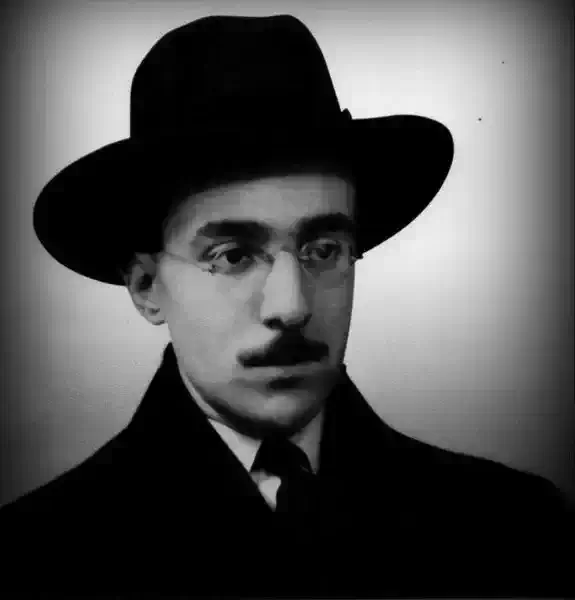
Fernando Pessoa
Para quê te falar? Ninguém me irmana
Para quê te falar? Ninguém me irmana
Os pensamentos na compreensão.
Sou só por ser supremo, e tudo em mim
É maior.
Os pensamentos na compreensão.
Sou só por ser supremo, e tudo em mim
É maior.
1 289
Fernando Pessoa
Exígua lâmpada tranquila,
Exígua lâmpada tranquila,
Quem te alumia e me dá luz,
Entre quem és e eu sou oscila.
Quem te alumia e me dá luz,
Entre quem és e eu sou oscila.
1 491
Fernando Pessoa
Última estrela a desaparecer antes do dia,
Última estrela a desaparecer antes do dia,
Pouso no teu trémulo azular branco os meus olhos calmos,
E vejo-te independentemente de mim,
Alegre pela vitória que tenho em poder ver-te,
Sem «estado de alma» nenhum, senão ver-te.
A tua beleza para mim está em existires.
A tua grandeza está em existires inteiramente fora de mim.
Pouso no teu trémulo azular branco os meus olhos calmos,
E vejo-te independentemente de mim,
Alegre pela vitória que tenho em poder ver-te,
Sem «estado de alma» nenhum, senão ver-te.
A tua beleza para mim está em existires.
A tua grandeza está em existires inteiramente fora de mim.
1 365
Fernando Pessoa
Talvez quem vê bem não sirva para sentir
Talvez quem vê bem não sirva para sentir
E não agrada por estar muito antes das maneiras.
É preciso ter modos para todas as coisas,
E cada coisa tem o seu modo, e o amor também.
Quem tem o modo de ver os campos pelas ervas
Não deve ter a cegueira que faz fazer sentir.
Amei, e não fui amado, o que só vi no fim,
Porque não se é amado como se nasce mas como acontece.
Ela continua tão bonita de cabelo e boca como dantes,
E eu continuo como era dantes, sozinho no campo.
Como se tivesse estado de cabeça baixa,
Penso isto, e fico de cabeça alta
E o dourado sol seca a vontade de lágrimas que não posso deixar de ter.
Como o campo é vasto e o amor interior...!
Olho, e esqueço, como seca onde foi água e nas árvores desfolha.
Eu não sei falar porque estou a sentir.
Estou a escutar a minha voz como se fosse de outra pessoa,
E a minha voz fala dela como se ela é que falasse.
Tem o cabelo de um louro amarelo de trigo ao sol claro,
E a boca quando fala diz coisas que não só as palavras.
Sorri, e os dentes são limpos como pedras do rio.
E não agrada por estar muito antes das maneiras.
É preciso ter modos para todas as coisas,
E cada coisa tem o seu modo, e o amor também.
Quem tem o modo de ver os campos pelas ervas
Não deve ter a cegueira que faz fazer sentir.
Amei, e não fui amado, o que só vi no fim,
Porque não se é amado como se nasce mas como acontece.
Ela continua tão bonita de cabelo e boca como dantes,
E eu continuo como era dantes, sozinho no campo.
Como se tivesse estado de cabeça baixa,
Penso isto, e fico de cabeça alta
E o dourado sol seca a vontade de lágrimas que não posso deixar de ter.
Como o campo é vasto e o amor interior...!
Olho, e esqueço, como seca onde foi água e nas árvores desfolha.
Eu não sei falar porque estou a sentir.
Estou a escutar a minha voz como se fosse de outra pessoa,
E a minha voz fala dela como se ela é que falasse.
Tem o cabelo de um louro amarelo de trigo ao sol claro,
E a boca quando fala diz coisas que não só as palavras.
Sorri, e os dentes são limpos como pedras do rio.
1 700
Fernando Pessoa
EXISTÊNCIA: Vaga noção abstracta,
Vaga noção abstracta,
Inda sou mais que tu!
Em mim é visto nu
(E compreende-o ninguém)
O Mistério (...) cru
Que mundo e vida têm.
Sou nome vago e simples
Mas menor verdade sou
Ninguém já me abraçou
(Compreendeu-me ninguém)
Meu nome quem achou
Não pôde ir mais além.
Inda sou mais que tu!
Em mim é visto nu
(E compreende-o ninguém)
O Mistério (...) cru
Que mundo e vida têm.
Sou nome vago e simples
Mas menor verdade sou
Ninguém já me abraçou
(Compreendeu-me ninguém)
Meu nome quem achou
Não pôde ir mais além.
1 329
Fernando Pessoa
SUSPIRO DO MUNDO: Tremo de medo:
Tremo de medo:
Eis o segredo aberto.
Além de ti
Nada há, decerto
Nem pode haver:
Além de ti
Que não tens essência
Nem tens existência
E te chamas só SER.
Oh
Nada pode haver!
Eis o segredo aberto.
Além de ti
Nada há, decerto
Nem pode haver:
Além de ti
Que não tens essência
Nem tens existência
E te chamas só SER.
Oh
Nada pode haver!
1 624
Fernando Pessoa
Ah qualquer cousa,
(after useless discussion)
Ah qualquer cousa,
Ou sono ou sonho, sem doer isole
O meu já isolado coração!
Se as palavras que eu diga nunca podem
Levar aos outros mais do que o sentido
Que essas palavras neles têm, e [existo]
[Por] fora do que digo, oculto nele
Como o esqueleto nesta carne minha,
Invisível estrutura do visível,
Diferente e essencial...
Cai sobre mim, apagamento meu!
Querer querer, inútil pedra ao mar!
Saco p'ra colher vento, cesto de água,
Caçador só do uivar dos lobos longe...
Ah qualquer cousa,
Ou sono ou sonho, sem doer isole
O meu já isolado coração!
Se as palavras que eu diga nunca podem
Levar aos outros mais do que o sentido
Que essas palavras neles têm, e [existo]
[Por] fora do que digo, oculto nele
Como o esqueleto nesta carne minha,
Invisível estrutura do visível,
Diferente e essencial...
Cai sobre mim, apagamento meu!
Querer querer, inútil pedra ao mar!
Saco p'ra colher vento, cesto de água,
Caçador só do uivar dos lobos longe...
1 224
Fernando Pessoa
O BIBLIÓFILO
Ó ambições!... Como eu quisera ser
Um pobre bibliófilo parado
Sobre o eterno fólio desdobrado
E sem mais na consciência de viver.
Podia a primavera enverdecer
E eu sempre sobre o livro recurvado
Sorriria a um arcaico pecado
A uma medieval moça e qualquer.
A vida não perdia nem ganhava
Nada por mim, nenhum gesto meu dava
Um gesto mais ao seu profundo
E eu lia, a testa contra a luz acesa.
Sem nada querer ser como a beleza
E sem nada ter sido como o mundo
Um pobre bibliófilo parado
Sobre o eterno fólio desdobrado
E sem mais na consciência de viver.
Podia a primavera enverdecer
E eu sempre sobre o livro recurvado
Sorriria a um arcaico pecado
A uma medieval moça e qualquer.
A vida não perdia nem ganhava
Nada por mim, nenhum gesto meu dava
Um gesto mais ao seu profundo
E eu lia, a testa contra a luz acesa.
Sem nada querer ser como a beleza
E sem nada ter sido como o mundo
1 461
Fernando Pessoa
Monólogo nas Trevas
A qualquer modo todo escuridão
Eu sou supremo. Sou o Cristo negro.
O que não crê, nem ama — o que só sabe
O mistério tornado carne —.
Há um orgulho atro que me diz
Que sou Deus inconscienciando-se
Para humano; sou mais real que o mundo.
Por isso odeio-lhe a existência enorme,
O seu amontoar de coisas vistas.
Como um santo devoto
Odeio o mundo, porque o que eu sou
E que não sei sentir que sou, conhece-o
Por não real e não ali.
Por isso odeio-o —
Seja eu o destruidor! Seja eu Deus ira!
Eu sou supremo. Sou o Cristo negro.
O que não crê, nem ama — o que só sabe
O mistério tornado carne —.
Há um orgulho atro que me diz
Que sou Deus inconscienciando-se
Para humano; sou mais real que o mundo.
Por isso odeio-lhe a existência enorme,
O seu amontoar de coisas vistas.
Como um santo devoto
Odeio o mundo, porque o que eu sou
E que não sei sentir que sou, conhece-o
Por não real e não ali.
Por isso odeio-o —
Seja eu o destruidor! Seja eu Deus ira!
1 697
Fernando Pessoa
O som contínuo da chuva
O som contínuo da chuva
A se ouvir lá fora bem
Deixa-nos a alma viúva
Daquilo que já não tem.
[...]
A se ouvir lá fora bem
Deixa-nos a alma viúva
Daquilo que já não tem.
[...]
1 569
Fernando Pessoa
IX - Meu coração é um pórtico partido
IX
Meu coração é um pórtico partido
Dando excessivamente sobre o mar
Vejo em minha alma as velas vãs passar
E cada vela passa num sentido.
Um soslaio de sombras e ruído
Na transparente solidão do ar
Evoca estrelas sobre a noite estar
Em afastados céus o pórtico ido...
E em palmares de Antilhas entrevistas
Através de, com mãos eis apartados
Os sonhos, cortinados de ametistas,
Imperfeito o sabor de compensando
O grande espaço entre os troféus alçados
Ao centro do triunfo em ruído e bando...
Meu coração é um pórtico partido
Dando excessivamente sobre o mar
Vejo em minha alma as velas vãs passar
E cada vela passa num sentido.
Um soslaio de sombras e ruído
Na transparente solidão do ar
Evoca estrelas sobre a noite estar
Em afastados céus o pórtico ido...
E em palmares de Antilhas entrevistas
Através de, com mãos eis apartados
Os sonhos, cortinados de ametistas,
Imperfeito o sabor de compensando
O grande espaço entre os troféus alçados
Ao centro do triunfo em ruído e bando...
1 687
Fernando Pessoa
Ah que nunca a verdade definida
Ah que nunca a verdade definida
Mate a alma, que vive de não tê-la!
Talvez que nunca, ó negra sperança linda!,
A alma encontre o horror definitivo
Da verdade absoluta, onde se acabe
Que ser, que ter, que procurar.
Cada Deus seja falso e, onde é, supremo;
Sol centro dum sistema de verdades
E sistemas solares de ilusão
No espaço da verdade sem limite
E sem definição — inexistente
Para quanto é o sujeito.
Mate a alma, que vive de não tê-la!
Talvez que nunca, ó negra sperança linda!,
A alma encontre o horror definitivo
Da verdade absoluta, onde se acabe
Que ser, que ter, que procurar.
Cada Deus seja falso e, onde é, supremo;
Sol centro dum sistema de verdades
E sistemas solares de ilusão
No espaço da verdade sem limite
E sem definição — inexistente
Para quanto é o sujeito.
844
Fernando Pessoa
Sim, talvez tenham razão.
Sim, talvez tenham razão.
Talvez em cada coisa uma coisa oculta more,
Mas essa coisa oculta é a mesma
Que a coisa sem ser oculta.
Na planta, na árvore, na flor
(Em tudo que vive sem fala
E é uma consciência e não o com que se faz uma consciência),
No bosque que não é árvores mas bosque,
Total das árvores sem soma,
Mora uma ninfa, a vida exterior por dentro
Que lhes dá a vida;
Que floresce com o florescer deles
E é verde no seu verdor.
No animal e no homem entra.
Vive por fora por dentro
É um já dentro por fora,
Dizem os filósofos que isto é a alma
Mas não é a alma: é o próprio animal ou homem
Da maneira como existe.
E penso que talvez haja entes
Em que as duas coisas coincidam
E tenham o mesmo tamanho.
E que estes entes serão os deuses,
Que existem porque assim é que completamente se existe,
Que não morrem porque são iguais a si mesmos,
Que podem mentir porque não têm divisão [?]
Entre quem são e quem são,
E talvez não nos amem, nem nos queiram, nem nos apareçam
Porque o que é perfeito não precisa de nada.
Talvez em cada coisa uma coisa oculta more,
Mas essa coisa oculta é a mesma
Que a coisa sem ser oculta.
Na planta, na árvore, na flor
(Em tudo que vive sem fala
E é uma consciência e não o com que se faz uma consciência),
No bosque que não é árvores mas bosque,
Total das árvores sem soma,
Mora uma ninfa, a vida exterior por dentro
Que lhes dá a vida;
Que floresce com o florescer deles
E é verde no seu verdor.
No animal e no homem entra.
Vive por fora por dentro
É um já dentro por fora,
Dizem os filósofos que isto é a alma
Mas não é a alma: é o próprio animal ou homem
Da maneira como existe.
E penso que talvez haja entes
Em que as duas coisas coincidam
E tenham o mesmo tamanho.
E que estes entes serão os deuses,
Que existem porque assim é que completamente se existe,
Que não morrem porque são iguais a si mesmos,
Que podem mentir porque não têm divisão [?]
Entre quem são e quem são,
E talvez não nos amem, nem nos queiram, nem nos apareçam
Porque o que é perfeito não precisa de nada.
1 635
Fernando Pessoa
O manjerico comprado
O manjerico comprado
Não é melhor que o que dão.
Põe o manjerico ao lado
E dá-me o teu coração.
Não é melhor que o que dão.
Põe o manjerico ao lado
E dá-me o teu coração.
1 635
Fernando Pessoa
V - Ténue, roçando sedas pelas horas,
V
Ténue, roçando sedas pelas horas,
Teu vulto ciciante passa e esquece,
E dia a dia adias para prece
O rito cujo ritmo só decoras...
Um mar longínquo e próximo humedece
Teus lábios onde, mais que em ti, descoras...
E, alada, leve, sobre a dor que choras,
Sem querer saber de ti a tarde desce...
Erra no anteluar a voz dos tanques...
Na quinta imensa gorgolejam águas,
Na treva vaga ao meu ter dor estanques...
Meu império é das horas desiguais,
E dei meu gesto lasso às algas mágoas
Que há para além de sermos outonais...
Ténue, roçando sedas pelas horas,
Teu vulto ciciante passa e esquece,
E dia a dia adias para prece
O rito cujo ritmo só decoras...
Um mar longínquo e próximo humedece
Teus lábios onde, mais que em ti, descoras...
E, alada, leve, sobre a dor que choras,
Sem querer saber de ti a tarde desce...
Erra no anteluar a voz dos tanques...
Na quinta imensa gorgolejam águas,
Na treva vaga ao meu ter dor estanques...
Meu império é das horas desiguais,
E dei meu gesto lasso às algas mágoas
Que há para além de sermos outonais...
1 378
Fernando Pessoa
IV - Ó tocadora de harpa, se eu beijasse
IV
Ó tocadora de harpa, se eu beijasse
Teu gesto, sem beijar as tuas mãos!,
E, beijando-o, descesse pelos desvãos
Do sonho, até que enfim eu o encontrasse
Tornado Puro Gesto, gesto-face
Da medalha sinistra — reis cristãos
Ajoelhando, inimigos e irmãos,
Quando processional o andor passasse!...
Teu gesto que arrepanha e se extasia...
O teu gesto completo, lua fria
Subindo, e em baixo, negros, os juncais...
Caverna em estalactites o teu gesto...
Não poder eu prendê-lo, fazer mais
Que vê-lo e que perdê-lo!... E o sonho é o resto...
Ó tocadora de harpa, se eu beijasse
Teu gesto, sem beijar as tuas mãos!,
E, beijando-o, descesse pelos desvãos
Do sonho, até que enfim eu o encontrasse
Tornado Puro Gesto, gesto-face
Da medalha sinistra — reis cristãos
Ajoelhando, inimigos e irmãos,
Quando processional o andor passasse!...
Teu gesto que arrepanha e se extasia...
O teu gesto completo, lua fria
Subindo, e em baixo, negros, os juncais...
Caverna em estalactites o teu gesto...
Não poder eu prendê-lo, fazer mais
Que vê-lo e que perdê-lo!... E o sonho é o resto...
1 519
Fernando Pessoa
Não como ante donzela ou mulher viva
Não como ante donzela ou mulher viva
Com calor na beleza humana delas
Devemos dar os olhos
À beleza imortal.
Eternamente longe ela se mostra
E calma e para os calmos adorarem
Não de outro modo é ela
Imortal como os deuses.
Que nunca a alegria transitória
Nem a paixão que busca — porque exige
Devemos olhar de néscios
Olhos para a beleza.
Como quem vê um Deus e nunca ousa
Amá-lo mais que como a um Deus se ama
Diante da beleza
Façamo-nos sóbrios.
Para outra cousa não a dão os deuses
À nossa febre humana e vil da vida,
Por isso a contemplemos
Num claro esquecimento.
E de tudo tiremos a beleza
Como a presença altiva e encoberta
E o longínquo sorriso
De quem assiste à vida.
Com calor na beleza humana delas
Devemos dar os olhos
À beleza imortal.
Eternamente longe ela se mostra
E calma e para os calmos adorarem
Não de outro modo é ela
Imortal como os deuses.
Que nunca a alegria transitória
Nem a paixão que busca — porque exige
Devemos olhar de néscios
Olhos para a beleza.
Como quem vê um Deus e nunca ousa
Amá-lo mais que como a um Deus se ama
Diante da beleza
Façamo-nos sóbrios.
Para outra cousa não a dão os deuses
À nossa febre humana e vil da vida,
Por isso a contemplemos
Num claro esquecimento.
E de tudo tiremos a beleza
Como a presença altiva e encoberta
E o longínquo sorriso
De quem assiste à vida.
1 369
Fernando Pessoa
Amei-te e por te amar
Amei-te e por te amar
Só a ti eu não via...
Eras o céu e o mar,
Eras a noite e o dia...
Só quando te perdi
É que eu te conheci...
Quando te tinha diante
Do meu olhar submerso
Não eras minha amante...
Eras o Universo...
Agora que te não tenho,
És só do teu tamanho.
Estavas-me longe na alma,
Por isso eu não te via...
Presença em mim tão calma,
Que eu a não sentia.
Só quando meu ser te perdeu
Vi que não eras eu.
Não sei o que eras. Creio
Que o meu modo de olhar,
Meu sentir meu anseio
Meu jeito de pensar...
Eras minha alma, fora
Do Lugar e da Hora...
Hoje eu busco-te e choro
Por te poder achar
Não sequer te memoro
Como te tive a amar...
Nem foste um sonho meu...
Porque te choro eu?
Não sei... Perdi-te, e és hoje
Real no [...] real...
Como a hora que foge,
Foges e tudo é igual
A si-próprio e é tão triste
O que vejo que existe.
Em que és [...J fictício,
Em que tempo parado
Foste o (...) cilício
Que quando em fé fechado
Não sentia e hoje sinto
Que acordo e não me minto...
[...] tuas mãos, contudo,
Sinto nas minhas mãos,
Nosso olhar fixo e mudo
Quantos momentos vãos
Pra além de nós viveu
Nem nosso, teu ou meu...
Quantas vezes sentimos
Alma nosso contacto
Quantas vezes seguimos
Pelo caminho abstracto
Que vai entre alma e alma…
Horas de inquieta calma!
E hoje pergunto em mim
Quem foi que amei, beijei
Com quem perdi o fim
Aos sonhos que sonhei…
Procuro-te e nem vejo
O meu próprio desejo…
Que foi real em nós?
Que houve em nós de sonho?
De que Nós fomos de que voz
O duplo eco risonho
Que unidade tivemos?
O que foi que perdemos?
Nós não sonhámos. Eras
Real e eu era real.
Tuas mãos — tão sinceras…
Meu gesto — tão leal...
Tu e eu lado a lado...
Isto... e isto acabado...
Como houve em nós amor
E deixou de o haver?
Sei que hoje é vaga dor
O que era então prazer...
Mas não sei que passou
Por nós e acordou...
Amámo-nos deveras?
Amamo-nos ainda?
Se penso vejo que eras
A mesma que és... E finda
Tudo o que foi o amor;
Assim quase sem dor.
Sem dor... Um pasmo vago
De ter havido amar...
Quase que me embriago
De mal poder pensar...
O que mudou e onde?
O que é que em nós se esconde?
Talvez sintas como eu
E não saibas sentil-o...
Ser é ser nosso véu
Amar é encobril-o,
Hoje que te deixei
É que sei que te amei...
Somos a nossa bruma…
É pra dentro que vemos...
Caem-nos uma a uma
As compreensões que temos
E ficamos no frio
Do Universo vazio...
Que importa? Se o que foi
Entre nós foi amor,
Se por te amar me dói
Já não te amar, e a dor
Tem um íntimo sentido,
Nada será perdido...
E além de nós, no Agora
Que não nos tem por véus
Viveremos a Hora
Virados para Deus
E n'um (...) mudo
Compreenderemos tudo.
Só a ti eu não via...
Eras o céu e o mar,
Eras a noite e o dia...
Só quando te perdi
É que eu te conheci...
Quando te tinha diante
Do meu olhar submerso
Não eras minha amante...
Eras o Universo...
Agora que te não tenho,
És só do teu tamanho.
Estavas-me longe na alma,
Por isso eu não te via...
Presença em mim tão calma,
Que eu a não sentia.
Só quando meu ser te perdeu
Vi que não eras eu.
Não sei o que eras. Creio
Que o meu modo de olhar,
Meu sentir meu anseio
Meu jeito de pensar...
Eras minha alma, fora
Do Lugar e da Hora...
Hoje eu busco-te e choro
Por te poder achar
Não sequer te memoro
Como te tive a amar...
Nem foste um sonho meu...
Porque te choro eu?
Não sei... Perdi-te, e és hoje
Real no [...] real...
Como a hora que foge,
Foges e tudo é igual
A si-próprio e é tão triste
O que vejo que existe.
Em que és [...J fictício,
Em que tempo parado
Foste o (...) cilício
Que quando em fé fechado
Não sentia e hoje sinto
Que acordo e não me minto...
[...] tuas mãos, contudo,
Sinto nas minhas mãos,
Nosso olhar fixo e mudo
Quantos momentos vãos
Pra além de nós viveu
Nem nosso, teu ou meu...
Quantas vezes sentimos
Alma nosso contacto
Quantas vezes seguimos
Pelo caminho abstracto
Que vai entre alma e alma…
Horas de inquieta calma!
E hoje pergunto em mim
Quem foi que amei, beijei
Com quem perdi o fim
Aos sonhos que sonhei…
Procuro-te e nem vejo
O meu próprio desejo…
Que foi real em nós?
Que houve em nós de sonho?
De que Nós fomos de que voz
O duplo eco risonho
Que unidade tivemos?
O que foi que perdemos?
Nós não sonhámos. Eras
Real e eu era real.
Tuas mãos — tão sinceras…
Meu gesto — tão leal...
Tu e eu lado a lado...
Isto... e isto acabado...
Como houve em nós amor
E deixou de o haver?
Sei que hoje é vaga dor
O que era então prazer...
Mas não sei que passou
Por nós e acordou...
Amámo-nos deveras?
Amamo-nos ainda?
Se penso vejo que eras
A mesma que és... E finda
Tudo o que foi o amor;
Assim quase sem dor.
Sem dor... Um pasmo vago
De ter havido amar...
Quase que me embriago
De mal poder pensar...
O que mudou e onde?
O que é que em nós se esconde?
Talvez sintas como eu
E não saibas sentil-o...
Ser é ser nosso véu
Amar é encobril-o,
Hoje que te deixei
É que sei que te amei...
Somos a nossa bruma…
É pra dentro que vemos...
Caem-nos uma a uma
As compreensões que temos
E ficamos no frio
Do Universo vazio...
Que importa? Se o que foi
Entre nós foi amor,
Se por te amar me dói
Já não te amar, e a dor
Tem um íntimo sentido,
Nada será perdido...
E além de nós, no Agora
Que não nos tem por véus
Viveremos a Hora
Virados para Deus
E n'um (...) mudo
Compreenderemos tudo.
1 748
Fernando Pessoa
II - Deuses, forças, almas de ciência ou fé,
II
Deuses, forças, almas de ciência ou fé,
Eh! Tanta explicação que nada explica!
Estou sentado no cais, numa barrica,
E não compreendo mais do que de pé.
Porque o havia de compreender?
Pois sim, mas também porque o não havia?
Água do rio, correndo suja e fria,
Eu passo como tu, sem mais valer...
Ó universo, novelo emaranhado,
Que paciência de dedos de quem pensa
Em outra coisa te põe separado?
Deixa de ser novelo o que nos fica...
A que brincar? Ao amor?, à indiferença?
Por mim, só me levanto da barrica.
Deuses, forças, almas de ciência ou fé,
Eh! Tanta explicação que nada explica!
Estou sentado no cais, numa barrica,
E não compreendo mais do que de pé.
Porque o havia de compreender?
Pois sim, mas também porque o não havia?
Água do rio, correndo suja e fria,
Eu passo como tu, sem mais valer...
Ó universo, novelo emaranhado,
Que paciência de dedos de quem pensa
Em outra coisa te põe separado?
Deixa de ser novelo o que nos fica...
A que brincar? Ao amor?, à indiferença?
Por mim, só me levanto da barrica.
1 356
Fernando Pessoa
Olho os campos, Neera [4]
Olho os campos, Neera
Verdes campos, e sinto
Como virá um dia
Em que não mais os veja.
Par de árvores cobre
O céu aqui sem nuvens
E faz correr mais triste
A viva e alegre linfa.
Mas por um só momento
Fugaz e passageiro
Esta ideia eu emprego
Para o seu uso triste.
Cedo me volve a calma
Com que me faço o espelho
Do céu imperturbado
E da fonte insciente.
Deixa o futuro, — porque
Não está aqui, não é nada;
Só o fugaz presente
Enquanto dura existe.
Vive a imperfeita hora
Sem olhar além dela
E sem nada esperares
Dos homens, nem dos deuses.
Verdes campos, e sinto
Como virá um dia
Em que não mais os veja.
Par de árvores cobre
O céu aqui sem nuvens
E faz correr mais triste
A viva e alegre linfa.
Mas por um só momento
Fugaz e passageiro
Esta ideia eu emprego
Para o seu uso triste.
Cedo me volve a calma
Com que me faço o espelho
Do céu imperturbado
E da fonte insciente.
Deixa o futuro, — porque
Não está aqui, não é nada;
Só o fugaz presente
Enquanto dura existe.
Vive a imperfeita hora
Sem olhar além dela
E sem nada esperares
Dos homens, nem dos deuses.
1 465
Fernando Pessoa
Que linda é quem não és!
Que linda é quem não és!
Teu anonimato vivo
Dorme, da cabeça aos pés,
Teu corpo, de ti cativo.
Teu corpo é teu prisioneiro.
Vive na cela de ti,
Íntegro, móbil, inteiro,
Ébrio de ti e de si.
És uma frase perfeita
De um livro escrito na vida.
E as vozes com que és eleita
Deixam-te falsa e esquecida.
Entre ti e o que és de bela
Grandes paisagens estão.
(…)
Não existes como estás.
Existe-te uma intenção
Que teu lindo corpo traz
À tona da sensação.
És uma alma em cuja vida
Puseram teu corpo a ser.
Essa beleza vivida
És tu, sem te pertencer.
Qualquer espírito alto
Serviu-se de haveres tu
Para esculpir no basalto
Do abismo teu corpo nu.
E assim olhas-me distante,
Mas não te olho. Vejo em ti
Não a alma flutuante
Que usas, mas teu corpo em si.
Bem podes usar em gozo
Do corpo que deram teu.
Fica sempre misterioso,
Filho da terra e do céu.
Não te pertence. Passou
Na terra como o que tem
Mais que tua alma sonhou.
Não vives, e ele é alguém.
Teu anonimato vivo
Dorme, da cabeça aos pés,
Teu corpo, de ti cativo.
Teu corpo é teu prisioneiro.
Vive na cela de ti,
Íntegro, móbil, inteiro,
Ébrio de ti e de si.
És uma frase perfeita
De um livro escrito na vida.
E as vozes com que és eleita
Deixam-te falsa e esquecida.
Entre ti e o que és de bela
Grandes paisagens estão.
(…)
Não existes como estás.
Existe-te uma intenção
Que teu lindo corpo traz
À tona da sensação.
És uma alma em cuja vida
Puseram teu corpo a ser.
Essa beleza vivida
És tu, sem te pertencer.
Qualquer espírito alto
Serviu-se de haveres tu
Para esculpir no basalto
Do abismo teu corpo nu.
E assim olhas-me distante,
Mas não te olho. Vejo em ti
Não a alma flutuante
Que usas, mas teu corpo em si.
Bem podes usar em gozo
Do corpo que deram teu.
Fica sempre misterioso,
Filho da terra e do céu.
Não te pertence. Passou
Na terra como o que tem
Mais que tua alma sonhou.
Não vives, e ele é alguém.
1 399
Fernando Pessoa
Neera, passeemos juntos
Neera, passeemos juntos
Só para nos lembrarmos disto...
Depois quando envelhecermos
E nem os Deuses puderem
Dar cor às nossas faces
E mocidade aos nossos colos,
Lembremo-nos, à lareira,
Cheiinhos de pesar
O ter quebrado o fio,
Lembremo-nos, Neera,
De um dia ter passado
Sem nos termos amado…
Só para nos lembrarmos disto...
Depois quando envelhecermos
E nem os Deuses puderem
Dar cor às nossas faces
E mocidade aos nossos colos,
Lembremo-nos, à lareira,
Cheiinhos de pesar
O ter quebrado o fio,
Lembremo-nos, Neera,
De um dia ter passado
Sem nos termos amado…
1 134
Fernando Pessoa
Teu xaile de seda escura
Teu xaile de seda escura
É posto de tal feição
Que alegre se dependura
Dentro do meu coração.
É posto de tal feição
Que alegre se dependura
Dentro do meu coração.
1 404
Fernando Pessoa
III - Corre, raio de rio, e leva ao mar
III
Corre, raio de rio, e leva ao mar
A minha indiferença subjectiva!
Qual «leva ao mar»! Tua presença esquiva
Que tem comigo e com o meu pensar?
Lesma de sorte! Vivo a cavalgar
A sombra de um jumento. A vida viva
Vive a dar nomes ao que não se activa,
Morre a pôr etiquetas ao grande ar...
Escancarado Furness, mais três dias
Te aturarei, pobre engenheiro preso
A sucessibilíssimas vistorias...
Depois, ir-me-ei embora, eu e o desprezo
(E tu irás do mesmo modo que ias),
Qualquer, na gare, de cigarro aceso...
Corre, raio de rio, e leva ao mar
A minha indiferença subjectiva!
Qual «leva ao mar»! Tua presença esquiva
Que tem comigo e com o meu pensar?
Lesma de sorte! Vivo a cavalgar
A sombra de um jumento. A vida viva
Vive a dar nomes ao que não se activa,
Morre a pôr etiquetas ao grande ar...
Escancarado Furness, mais três dias
Te aturarei, pobre engenheiro preso
A sucessibilíssimas vistorias...
Depois, ir-me-ei embora, eu e o desprezo
(E tu irás do mesmo modo que ias),
Qualquer, na gare, de cigarro aceso...
1 104