

Poemas neste tema
Alma
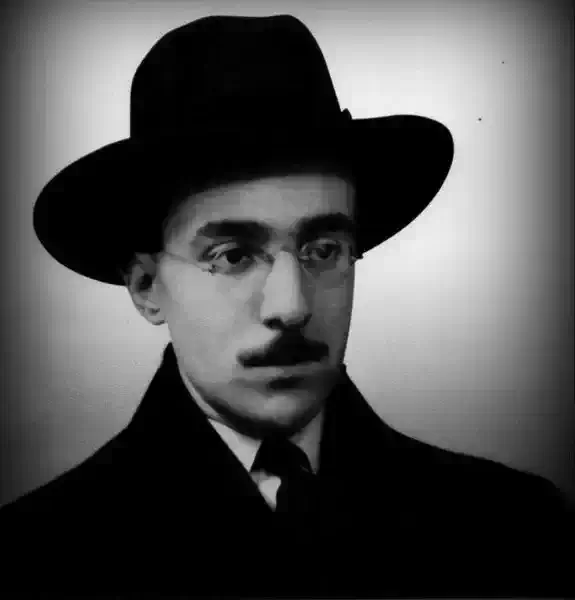
Fernando Pessoa
VIII - Ignorado ficasse o meu destino
VIII
Ignorado ficasse o meu destino
Entre pálios (e a ponte sempre à vista),
E anel concluso a chispas de ametista
A frase falha do meu póstumo hino...
Florescesse em meu glabro desatino
O himeneu das escadas da conquista
Cuja preguiça, arrecadada, dista
Almas do meu impulso cristalino...
Meus ócios ricos assim fossem, vilas
Pelo campo romano, e a toga traça
No meu soslaio anónimas (desgraça
A vida) curvas sob mãos intranquilas...
E tudo sem Cleópatra teria
Findado perto de onde raia o dia...
Ignorado ficasse o meu destino
Entre pálios (e a ponte sempre à vista),
E anel concluso a chispas de ametista
A frase falha do meu póstumo hino...
Florescesse em meu glabro desatino
O himeneu das escadas da conquista
Cuja preguiça, arrecadada, dista
Almas do meu impulso cristalino...
Meus ócios ricos assim fossem, vilas
Pelo campo romano, e a toga traça
No meu soslaio anónimas (desgraça
A vida) curvas sob mãos intranquilas...
E tudo sem Cleópatra teria
Findado perto de onde raia o dia...
1 301
Fernando Pessoa
Sempre que penso uma coisa, traio-a.
Sempre que penso uma coisa, traio-a.
Só tendo-a diante de mim devo pensar nela.
Não pensando, mas vendo,
Não com o pensamento, mas com os olhos.
Uma coisa que é visível existe para se ver,
E o que existe para os olhos não tem que existir para o pensamento;
Só existe verdadeiramente para o pensamento e não para os olhos.
Olho, e as coisas existem.
Penso e existo só eu.
Só tendo-a diante de mim devo pensar nela.
Não pensando, mas vendo,
Não com o pensamento, mas com os olhos.
Uma coisa que é visível existe para se ver,
E o que existe para os olhos não tem que existir para o pensamento;
Só existe verdadeiramente para o pensamento e não para os olhos.
Olho, e as coisas existem.
Penso e existo só eu.
1 005
Fernando Pessoa
Todos os mistérios do universo
Todos os mistérios do universo
São um só: o mistério do universo.
Um dia — nunca o sol me-lo trouxera! (
Vi-o esse mistério — claramente
Com completa visão e compreendendo
Em todo o mistério do mistério
Na sua infinidade e concisão!
E desde então nunca mais livre fui
Mas no horror vivo e (...)
Recordando em cada momento essa visão,
Desse horror ocupado eternamente
Como da vida o calor do sangue
Intimamente anseia.
São um só: o mistério do universo.
Um dia — nunca o sol me-lo trouxera! (
Vi-o esse mistério — claramente
Com completa visão e compreendendo
Em todo o mistério do mistério
Na sua infinidade e concisão!
E desde então nunca mais livre fui
Mas no horror vivo e (...)
Recordando em cada momento essa visão,
Desse horror ocupado eternamente
Como da vida o calor do sangue
Intimamente anseia.
1 222
Fernando Pessoa
VII - Fosse eu apenas, não sei onde ou como,
VII
Fosse eu apenas, não sei onde ou como,
Uma coisa existente sem viver,
Noite de Vida sem amanhecer
Entre as sirtes do meu doirado assomo...
Fada maliciosa ou incerto gnomo
Fadado houvesse de não pertencer
Meu intuito gloriola com ter
A árvore do meu uso o único pomo...
Fosse eu uma metáfora somente
Escrita nalgum livro insubsistente
Dum poeta antigo, de alma em outras gamas,
Mas doente, e, num crepúsculo de espadas,
Morrendo entre bandeiras desfraldadas
Na última tarde de um império em chamas...
Fosse eu apenas, não sei onde ou como,
Uma coisa existente sem viver,
Noite de Vida sem amanhecer
Entre as sirtes do meu doirado assomo...
Fada maliciosa ou incerto gnomo
Fadado houvesse de não pertencer
Meu intuito gloriola com ter
A árvore do meu uso o único pomo...
Fosse eu uma metáfora somente
Escrita nalgum livro insubsistente
Dum poeta antigo, de alma em outras gamas,
Mas doente, e, num crepúsculo de espadas,
Morrendo entre bandeiras desfraldadas
Na última tarde de um império em chamas...
1 340
Fernando Pessoa
Sim: existo dentro do meu corpo.
Sim: existo dentro do meu corpo.
Não trago o sol nem a lua na algibeira.
Não quero conquistar mundos porque dormi mal,
Nem almoçar a terra por causa do estômago.
Indiferente?
Não: natural da terra, que se der um salto, está em falso,
Um momento no ar que não é para nós,
E só contente quando os pés lhe batem outra vez na terra,
Traz! na realidade que não falta!
Não trago o sol nem a lua na algibeira.
Não quero conquistar mundos porque dormi mal,
Nem almoçar a terra por causa do estômago.
Indiferente?
Não: natural da terra, que se der um salto, está em falso,
Um momento no ar que não é para nós,
E só contente quando os pés lhe batem outra vez na terra,
Traz! na realidade que não falta!
1 454
Fernando Pessoa
O segredo da Busca é que não se acha.
O segredo da Busca é que não se acha.
Eternos mundos infinitamente,
Uns dentro de outros, sem cessar decorrem
Inúteis; Sóis, Deuses, Deus dos Deuses,
Neles intercalados e perdidos
Nem a nós encontramos no infinito.
Tudo é sempre diverso, e sempre adiante
De [Deus] e deuses vai a luz incerta
Da suprema verdade.
Eternos mundos infinitamente,
Uns dentro de outros, sem cessar decorrem
Inúteis; Sóis, Deuses, Deus dos Deuses,
Neles intercalados e perdidos
Nem a nós encontramos no infinito.
Tudo é sempre diverso, e sempre adiante
De [Deus] e deuses vai a luz incerta
Da suprema verdade.
1 492
Fernando Pessoa
Eu sou como um que entre o mar que lhe avança
Eu sou como um que entre o mar que lhe avança
Se vê e entre um rochedo alto e (...)
Mas com maior horror — ah, quão maior!
Perante a morte — aquilo que eu temo
Com horror que transcende todo o horror
Que os homens hão sentido — lhe aproxima...
Coroai-me de espinhos — sou aquele
Que mais no mundo tem sofrido.
P'ra resignar-se à morte é necessário
Não lhe compreender todo o horror,
Não lho medir. Perdi
A última ilusão que até agora
Ninguém perdera, nem o mais audaz
Cogitador metafísico — essa que faz
Com que o pavor não desça às nossas veias
Tornando-se um com a nossa vida.
Se vê e entre um rochedo alto e (...)
Mas com maior horror — ah, quão maior!
Perante a morte — aquilo que eu temo
Com horror que transcende todo o horror
Que os homens hão sentido — lhe aproxima...
Coroai-me de espinhos — sou aquele
Que mais no mundo tem sofrido.
P'ra resignar-se à morte é necessário
Não lhe compreender todo o horror,
Não lho medir. Perdi
A última ilusão que até agora
Ninguém perdera, nem o mais audaz
Cogitador metafísico — essa que faz
Com que o pavor não desça às nossas veias
Tornando-se um com a nossa vida.
1 266
Fernando Pessoa
Mas ah! se a morte, sem ser nada ou noite,
Mas ah! se a morte, sem ser nada ou noite,
Não explicasse nada, e eternamente
Vagabundos conscientes do erro eterno,
Nossas presenças pávidas girassem
Na eterna circunferência do mistério
Exuis do abstracto centro! Ah! Quem nos diz
Que aquele horror, que toda a vida fita
E não quer ver, nos não conduz a outra
Espécie de vida, sem ser esta salvo
Em não saber mais nada da verdade?
Quem diz que quando a vida cessa acaba
A ilusão, ou que a morte, libertando
Da limitada personalidade,
Em outra nos lança, sempre longe
Do ignoto ponto onde já nada é falso?
Ah! quão melhor não fora, como as aves
Ou animais dos montes e das selvas
Não conhecer de longe cousa alguma!
Porque mistério é que as estrelas fixas
Nos ergueram do chão, e a pé puseram,
Instável, o seguro animal certo
Na sua marcha olhando para o chão?
Passam os Deuses, e o próprio uno Deus
Não dura. As crenças como nuvens deixam
Os homens, e o mistério permanece.
Será porém melhor que encontrássemos
A verdade, ou que não a achemos nunca?
Quem caberá melhor ou a (...)
Ou à felicidade?
Canto das aves, som dos rios, som
Das árvores movendo-se na calma,
Quando distais do que eu mal sei que sou!
Qual é diferença entre nós que eu
(...)
Não explicasse nada, e eternamente
Vagabundos conscientes do erro eterno,
Nossas presenças pávidas girassem
Na eterna circunferência do mistério
Exuis do abstracto centro! Ah! Quem nos diz
Que aquele horror, que toda a vida fita
E não quer ver, nos não conduz a outra
Espécie de vida, sem ser esta salvo
Em não saber mais nada da verdade?
Quem diz que quando a vida cessa acaba
A ilusão, ou que a morte, libertando
Da limitada personalidade,
Em outra nos lança, sempre longe
Do ignoto ponto onde já nada é falso?
Ah! quão melhor não fora, como as aves
Ou animais dos montes e das selvas
Não conhecer de longe cousa alguma!
Porque mistério é que as estrelas fixas
Nos ergueram do chão, e a pé puseram,
Instável, o seguro animal certo
Na sua marcha olhando para o chão?
Passam os Deuses, e o próprio uno Deus
Não dura. As crenças como nuvens deixam
Os homens, e o mistério permanece.
Será porém melhor que encontrássemos
A verdade, ou que não a achemos nunca?
Quem caberá melhor ou a (...)
Ou à felicidade?
Canto das aves, som dos rios, som
Das árvores movendo-se na calma,
Quando distais do que eu mal sei que sou!
Qual é diferença entre nós que eu
(...)
1 132
Fernando Pessoa
Com teu gesto pintado e exagerado
Com teu gesto pintado e exagerado
E o teu prolixo modo de sorrir
E o teu olhar, sob o torpor copado
Da expressão, veludineo em dirigir
Tu nada sabes do essencial pecado
E uma inocência (...) vem luzir
Como uma luz de azeite em descampado
No teu gesto ensinado a conseguir.
Porque a análise é a vera perversão...
O único vício é rebuscar a alma,
Dor a dor, sensação a sensação...
Tu, a exterior, que mal tens na alma oca?
Nada... Ai de nós de quem a vida é calma.
E quem é que fica dentro ... (Abre a tua boca!)
E o teu prolixo modo de sorrir
E o teu olhar, sob o torpor copado
Da expressão, veludineo em dirigir
Tu nada sabes do essencial pecado
E uma inocência (...) vem luzir
Como uma luz de azeite em descampado
No teu gesto ensinado a conseguir.
Porque a análise é a vera perversão...
O único vício é rebuscar a alma,
Dor a dor, sensação a sensação...
Tu, a exterior, que mal tens na alma oca?
Nada... Ai de nós de quem a vida é calma.
E quem é que fica dentro ... (Abre a tua boca!)
1 073
Fernando Pessoa
XII - Ela ia, tranquila pastorinha,
XII
Ela ia, tranquila pastorinha,
Pela estrada da minha imperfeição.
Seguia-a, como um gesto de perdão,
O seu rebanho, a saudade minha...
«Em longes terras hás-de ser rainha»
Um dia lhe disseram, mas em vão...
Seu vulto perde-se na escuridão...
Só sua sombra ante meus pés caminha...
Deus te dê lírios em vez desta hora,
E em terras longe do que eu hoje sinto
Serás, rainha não, mas só pastora —
Só sempre a mesma pastorinha a ir,
E eu serei teu regresso, esse indistinto
Abismo entre o meu sonho e o meu porvir...
Ela ia, tranquila pastorinha,
Pela estrada da minha imperfeição.
Seguia-a, como um gesto de perdão,
O seu rebanho, a saudade minha...
«Em longes terras hás-de ser rainha»
Um dia lhe disseram, mas em vão...
Seu vulto perde-se na escuridão...
Só sua sombra ante meus pés caminha...
Deus te dê lírios em vez desta hora,
E em terras longe do que eu hoje sinto
Serás, rainha não, mas só pastora —
Só sempre a mesma pastorinha a ir,
E eu serei teu regresso, esse indistinto
Abismo entre o meu sonho e o meu porvir...
1 609
Fernando Pessoa
Crucificado, / Não como Cristo numa mera cruz,
Crucificado,
Não como Cristo numa mera cruz,
Mas no mistério do universo. (Sempre
Me foi a alma, ao ver a exterior
Vaidade monótona do mundo
Para ver em cada cousa e abstracto objecto
No seu misterioso ali-local de ser,
Sempre os meus pensamentos supervistos
Como coisas alheias me eram pontes
Donde eu partia para perguntar-me
Generalidades.)
Não como Cristo numa mera cruz,
Mas no mistério do universo. (Sempre
Me foi a alma, ao ver a exterior
Vaidade monótona do mundo
Para ver em cada cousa e abstracto objecto
No seu misterioso ali-local de ser,
Sempre os meus pensamentos supervistos
Como coisas alheias me eram pontes
Donde eu partia para perguntar-me
Generalidades.)
1 256
Fernando Pessoa
ANTÍNOO - T
Era em Adriano fria a chuva fora.
Jaz morto o jovem
No raso leito, e sobre o seu desnudo todo,
Aos olhos rasos de Adriano, cuja dor é medo,
A umbrosa luz do eclipse-morte era difusa.
Jaz morto o jovem, e o dia semelhava noite
Lá fora. A chuva cai como um exausto alarme
Da Natureza em acto de matá-lo.
Memória de que el' foi não dava já deleite,
Deleite no que el' foi era morto e indistinto.
Ó mãos que já apertaram as de Adriano quentes,
Cuja frieza agora as sente frias!
Ó cabelo antes preso p'lo penteado justo!
Ó olhos algo inquietantemente ousados!
Ó simples macho corpo feminino qual
O aparentar-se um deus à humanidade!
Os lábios cujo abrir vermelho titilava
Os sítios da luxúria com tanta arte viva!
Ó dedos que hábeis eram no de não ser dito!
Ó língua que na língua o sangue audaz tornava!
[...]
Jaz morto o jovem
No raso leito, e sobre o seu desnudo todo,
Aos olhos rasos de Adriano, cuja dor é medo,
A umbrosa luz do eclipse-morte era difusa.
Jaz morto o jovem, e o dia semelhava noite
Lá fora. A chuva cai como um exausto alarme
Da Natureza em acto de matá-lo.
Memória de que el' foi não dava já deleite,
Deleite no que el' foi era morto e indistinto.
Ó mãos que já apertaram as de Adriano quentes,
Cuja frieza agora as sente frias!
Ó cabelo antes preso p'lo penteado justo!
Ó olhos algo inquietantemente ousados!
Ó simples macho corpo feminino qual
O aparentar-se um deus à humanidade!
Os lábios cujo abrir vermelho titilava
Os sítios da luxúria com tanta arte viva!
Ó dedos que hábeis eram no de não ser dito!
Ó língua que na língua o sangue audaz tornava!
[...]
1 526
Fernando Pessoa
Sinto horror
Sinto horror
À significação que olhos humanos
Contêm;
À prescrutação que dum ser fazem
Revelado de gestos e palavras
As almas.
Não quero entregar-lhes, pois,
Em desmando ou abertura do meu ser
O que em mim me faz meu. Sinto preciso
Ocultar o meu íntimo aos olhares
E aos prescrutamentos que olhares mostram;
Não quero que ninguém saiba o que sinto,
Além de que o não posso a alguém dizer,
Mais há que aquilo que dizer não se pode.
Não se pode dizer porque não se pode.
À significação que olhos humanos
Contêm;
À prescrutação que dum ser fazem
Revelado de gestos e palavras
As almas.
Não quero entregar-lhes, pois,
Em desmando ou abertura do meu ser
O que em mim me faz meu. Sinto preciso
Ocultar o meu íntimo aos olhares
E aos prescrutamentos que olhares mostram;
Não quero que ninguém saiba o que sinto,
Além de que o não posso a alguém dizer,
Mais há que aquilo que dizer não se pode.
Não se pode dizer porque não se pode.
1 429
Fernando Pessoa
O que ouviu os meus versos disse-me: Que tem isso de novo?
O que ouviu os meus versos disse-me: Que tem isso de novo?
Todos sabem que uma flor é uma flor e uma árvore é uma árvore.
Mas eu respondi, nem todos, ninguém.
Porque todos amam as flores por serem belas, e eu sou diferente.
E todos amam as árvores por serem verdes e darem sombra, mas eu não.
Eu amo as flores por serem flores, directamente.
Eu amo as árvores por serem árvores, sem o meu pensamento.
Todos sabem que uma flor é uma flor e uma árvore é uma árvore.
Mas eu respondi, nem todos, ninguém.
Porque todos amam as flores por serem belas, e eu sou diferente.
E todos amam as árvores por serem verdes e darem sombra, mas eu não.
Eu amo as flores por serem flores, directamente.
Eu amo as árvores por serem árvores, sem o meu pensamento.
1 599
Fernando Pessoa
Ah, não poder dormir (eu não sei como,
Ah, não poder dormir (eu não sei como,
Não na verdade o quero) eternamente,
Acabar não comigo, nem com isto,
Mas com tudo, causa, efeito, ser...
Ideias vãs que a imaginação
Vazia dum momento em quietude
Gera sem ilusão, como criança
Embriagando-se indolentemente
Do cheiro transitório duma flor.
Não na verdade o quero) eternamente,
Acabar não comigo, nem com isto,
Mas com tudo, causa, efeito, ser...
Ideias vãs que a imaginação
Vazia dum momento em quietude
Gera sem ilusão, como criança
Embriagando-se indolentemente
Do cheiro transitório duma flor.
1 441
Fernando Pessoa
Mas o horror supremo do mistério
Mas o horror supremo do mistério
É que veja a Verdade, e o que temo
Com o que mais em mim pode temer,
É encontrar a Verdade face a face
E ter em mim o horror de saber Tudo;
Porque o horror de saber tudo é o extremo
(...)
O que ainda (...)
À nossa vida é o não se saber
É que veja a Verdade, e o que temo
Com o que mais em mim pode temer,
É encontrar a Verdade face a face
E ter em mim o horror de saber Tudo;
Porque o horror de saber tudo é o extremo
(...)
O que ainda (...)
À nossa vida é o não se saber
1 249
Fernando Pessoa
SER: Sou assim a íntima essência
Sou assim a íntima essência
Do suspiro, do lamento
Do profundo pensamento
Que há por nome «Existência».
Mais vago e maior eu sou,
E quem melhor pensa bem;
Eu assim tremendo encontro
O ponto final do Além.
Nada digo e digo tudo
Com meu nome mudo frio;
Causa à alma um arrepio
Meu simbolizar de tudo;
E o pensamento estremece
Dum íntimo horror ingente
Por que além de mim conhece
Que nada há e nada sente.
Do suspiro, do lamento
Do profundo pensamento
Que há por nome «Existência».
Mais vago e maior eu sou,
E quem melhor pensa bem;
Eu assim tremendo encontro
O ponto final do Além.
Nada digo e digo tudo
Com meu nome mudo frio;
Causa à alma um arrepio
Meu simbolizar de tudo;
E o pensamento estremece
Dum íntimo horror ingente
Por que além de mim conhece
Que nada há e nada sente.
2 510
Fernando Pessoa
A água chia no púcaro que elevo à boca.
A água chia no púcaro que elevo à boca.
«É um som fresco» diz-me quem me dá a bebê-la.
Sorrio. O som é só um som de chiar.
Bebo a água sem ouvir nada com a minha garganta.
«É um som fresco» diz-me quem me dá a bebê-la.
Sorrio. O som é só um som de chiar.
Bebo a água sem ouvir nada com a minha garganta.
1 510
Fernando Pessoa
Olho os campos, Neera, [2]
Olho os campos, Neera,
Verdes campos, e sinto
Que um dia virá a hora
Em que não mais os olhe.
Tranquilo, apenas gozo,
Como brincando, o orgulho
Da serena tristeza
Filha da clara visão.
Verdes campos, e sinto
Que um dia virá a hora
Em que não mais os olhe.
Tranquilo, apenas gozo,
Como brincando, o orgulho
Da serena tristeza
Filha da clara visão.
1 404
Fernando Pessoa
Dizem que em cada coisa uma coisa oculta mora.
Dizem que em cada coisa uma coisa oculta mora.
Sim, é ela própria, a coisa sem ser oculta,
Que mora nela.
Mas eu, com consciência e sensações e pensamento,
Serei como uma coisa?
Que há a mais ou a menos em mim?
Seria bom e feliz se eu fosse só o meu corpo —
Mas sou também outra coisa, mais ou menos que só isso.
Que coisa a mais ou a menos é que eu sou?
O vento sopra sem saber.
A planta vive sem saber.
Eu também vivo sem saber, mas sei que vivo.
Mas saberei que vivo, ou só saberei que o sei?
Nasço, vivo, morro por um destino em que não mando,
Sinto, penso, movo-me por uma força exterior a mim.
Então quem sou eu?
Sou, corpo e alma, o exterior de um interior qualquer?
Ou a minha alma é a consciência que a força universal
Tem do meu corpo por dentro, ser diferente dos outros?
No meio de tudo onde estou eu?
Morto o meu corpo,
Desfeito o meu cérebro,
Em coisa abstracta, impessoal, sem forma,
Já não sente o eu que eu tenho,
Já não pensa com o meu cérebro os pensamentos que eu sinto meus,
Já não move pela minha vontade as minhas mãos que eu movo.
Cessarei assim? Não sei.
Se tiver de cessar assim, ter pena de assim cessar,
Não me tomará imortal.
Sim, é ela própria, a coisa sem ser oculta,
Que mora nela.
Mas eu, com consciência e sensações e pensamento,
Serei como uma coisa?
Que há a mais ou a menos em mim?
Seria bom e feliz se eu fosse só o meu corpo —
Mas sou também outra coisa, mais ou menos que só isso.
Que coisa a mais ou a menos é que eu sou?
O vento sopra sem saber.
A planta vive sem saber.
Eu também vivo sem saber, mas sei que vivo.
Mas saberei que vivo, ou só saberei que o sei?
Nasço, vivo, morro por um destino em que não mando,
Sinto, penso, movo-me por uma força exterior a mim.
Então quem sou eu?
Sou, corpo e alma, o exterior de um interior qualquer?
Ou a minha alma é a consciência que a força universal
Tem do meu corpo por dentro, ser diferente dos outros?
No meio de tudo onde estou eu?
Morto o meu corpo,
Desfeito o meu cérebro,
Em coisa abstracta, impessoal, sem forma,
Já não sente o eu que eu tenho,
Já não pensa com o meu cérebro os pensamentos que eu sinto meus,
Já não move pela minha vontade as minhas mãos que eu movo.
Cessarei assim? Não sei.
Se tiver de cessar assim, ter pena de assim cessar,
Não me tomará imortal.
1 404
Fernando Pessoa
Eu queria ter o tempo e o sossego suficientes
Eu queria ter o tempo e o sossego suficientes
Para não pensar em coisa nenhuma,
Para nem me sentir viver,
Para só saber de mim nos olhos dos outros, reflectido.
Para não pensar em coisa nenhuma,
Para nem me sentir viver,
Para só saber de mim nos olhos dos outros, reflectido.
1 319
Fernando Pessoa
XI - Não sou eu quem descrevo. Eu sou a tela
XI
Não sou eu quem descrevo. Eu sou a tela
E oculta mão colora alguém em mim.
Pus a alma no nexo de perdê-la
E o meu princípio floresceu em Fim.
Que importa o tédio que dentro em mim gela,
E o leve Outono, e as galas, e o marfim,
E a congruência da alma que se vela
Com os sonhados pálios de cetim?
Disperso... E a hora como um leque fecha-se...
Minha alma é um arco tendo ao fundo o mar...
O tédio? A mágoa? A vida? O sonho? Deixa-se...
E, abrindo as asas sobre Renovar,
A erma sombra do voo começado
Pestaneja no campo abandonado...
Não sou eu quem descrevo. Eu sou a tela
E oculta mão colora alguém em mim.
Pus a alma no nexo de perdê-la
E o meu princípio floresceu em Fim.
Que importa o tédio que dentro em mim gela,
E o leve Outono, e as galas, e o marfim,
E a congruência da alma que se vela
Com os sonhados pálios de cetim?
Disperso... E a hora como um leque fecha-se...
Minha alma é um arco tendo ao fundo o mar...
O tédio? A mágoa? A vida? O sonho? Deixa-se...
E, abrindo as asas sobre Renovar,
A erma sombra do voo começado
Pestaneja no campo abandonado...
1 698
Fernando Pessoa
a morte, a incompreendida
a morte, a incompreendida
Revelação do mais que incompreendido
Revelação do mais que incompreendido
1 229
Fernando Pessoa
X - Aconteceu-me do alto do infinito
X
Aconteceu-me do alto do infinito
Esta vida. Através de nevoeiros,
Do meu próprio ermo ser fumos primeiros,
Vim ganhando, e através estranhos ritos
De sombra e luz ocasional, e gritos
Vagos ao longe, e assomos passageiros
De saudade incógnita, luzeiros
De divino, este ser fosco e proscrito...
Caiu chuva em passados que fui eu.
Houve planícies de céu baixo e neve
Nalguma coisa de alma do que é meu.
Narrei-me a sombra e não me achei sentido
Hoje sei-me o deserto onde Deus teve
Outrora a sua capital de olvido...
Aconteceu-me do alto do infinito
Esta vida. Através de nevoeiros,
Do meu próprio ermo ser fumos primeiros,
Vim ganhando, e através estranhos ritos
De sombra e luz ocasional, e gritos
Vagos ao longe, e assomos passageiros
De saudade incógnita, luzeiros
De divino, este ser fosco e proscrito...
Caiu chuva em passados que fui eu.
Houve planícies de céu baixo e neve
Nalguma coisa de alma do que é meu.
Narrei-me a sombra e não me achei sentido
Hoje sei-me o deserto onde Deus teve
Outrora a sua capital de olvido...
839