

Poemas neste tema
Consciência e autoconhecimento
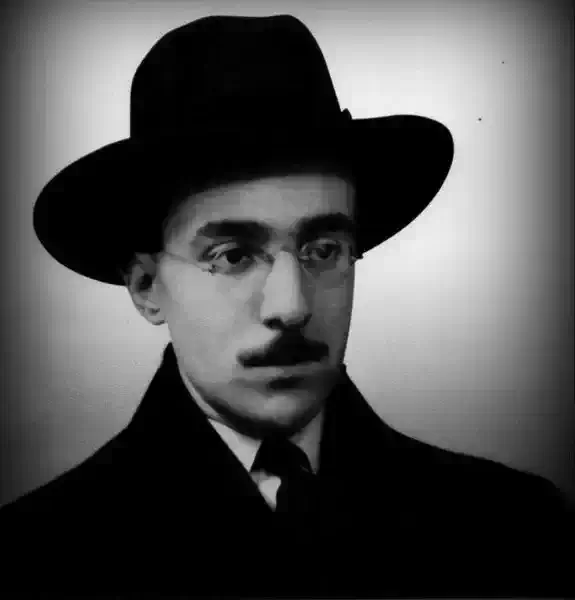
Fernando Pessoa
EPITAPH - Here lies who thought himself the best
EPITAPH
Here lies who thought himself the best
Of poet’s in the world’s extend;
In life he had not joy nor rest.
He filled with madness many a song,
And at whatever age he died
Thus many days he lived too long.
He lived im powerless egotism,
His soul tumultuous and disordered
By thought and feeling’s endless schism.
In everything he had a foe
And without courage bore his part
In life’s interminable woe.
He was a slave to grief and fear
And incoherent thoughts he had
And wishes unto madness near.
Those whom he loved, by arts of ill
He treated worse than foes; but he
His own worst enemy was still.
He of himself did ever sing,
Incapable of modesty,
Lock’d in his wild imagining.
Useless was all his toiless trouble
Empty of sense his fears and pains
And many of them were ignoble.
Vile thus and worthless his distress;
His words, though bitterer far than hate,
His bitter soul could not express.
.........
Let not a healthy mind pollute
His grave, but fitly there will pass
The traitor and the prostitute;
The drunkard and the wencher there
May pass, but quick, lest they should ponder,
Perchance, that pleasure is but air.
Each weak and execrable mind
Which plagued man with its rotteness
Its conscious master here will find.
Conscious, for in him he could tell
Madness and ill were what they were,
But neither did he will to quell.
Pass by therefore ye who can weep,
Let rotteness work in neglect,
While the rough winds the dead leaves sweep.
His slumbering brother to the sod
Not even in imagining
Disturb not with the name of God.
But let him lie and peace for ever
Far from the eyes and mouth of men
And from what him from them did sever.
He was a thing that God had wrought
And to the sin of having lived
He joined the crime of having thought.
Alexander Search, Julho de 1907
Here lies who thought himself the best
Of poet’s in the world’s extend;
In life he had not joy nor rest.
He filled with madness many a song,
And at whatever age he died
Thus many days he lived too long.
He lived im powerless egotism,
His soul tumultuous and disordered
By thought and feeling’s endless schism.
In everything he had a foe
And without courage bore his part
In life’s interminable woe.
He was a slave to grief and fear
And incoherent thoughts he had
And wishes unto madness near.
Those whom he loved, by arts of ill
He treated worse than foes; but he
His own worst enemy was still.
He of himself did ever sing,
Incapable of modesty,
Lock’d in his wild imagining.
Useless was all his toiless trouble
Empty of sense his fears and pains
And many of them were ignoble.
Vile thus and worthless his distress;
His words, though bitterer far than hate,
His bitter soul could not express.
.........
Let not a healthy mind pollute
His grave, but fitly there will pass
The traitor and the prostitute;
The drunkard and the wencher there
May pass, but quick, lest they should ponder,
Perchance, that pleasure is but air.
Each weak and execrable mind
Which plagued man with its rotteness
Its conscious master here will find.
Conscious, for in him he could tell
Madness and ill were what they were,
But neither did he will to quell.
Pass by therefore ye who can weep,
Let rotteness work in neglect,
While the rough winds the dead leaves sweep.
His slumbering brother to the sod
Not even in imagining
Disturb not with the name of God.
But let him lie and peace for ever
Far from the eyes and mouth of men
And from what him from them did sever.
He was a thing that God had wrought
And to the sin of having lived
He joined the crime of having thought.
Alexander Search, Julho de 1907
5 130
Fernando Pessoa
Mother of things impossible,
Mother of things impossible,
Sister of what can never be,
Thou whose closed lips will never tell
The words whose lack is misery
Sit by my side while I ignore.
Smile by my ignorance of thee,
And my lost solitude restore.
O life is sad as things unwilled,
Love is the day that never comes
To those blind as my soul, and filled
With that presade of coming drums
When the city shall fall, that haunts
The inner vision whose night hums
In us while death startingly chaunts.
O interpret my soul to me!
Give me no truth, no sight, no road,
But take from me the misery
Of conciousness and the unseen goal
Of seeking ever what doth seem.
Lighten with being-near my load!
O let me hold thy hand and dream!
22/07/1916
Sister of what can never be,
Thou whose closed lips will never tell
The words whose lack is misery
Sit by my side while I ignore.
Smile by my ignorance of thee,
And my lost solitude restore.
O life is sad as things unwilled,
Love is the day that never comes
To those blind as my soul, and filled
With that presade of coming drums
When the city shall fall, that haunts
The inner vision whose night hums
In us while death startingly chaunts.
O interpret my soul to me!
Give me no truth, no sight, no road,
But take from me the misery
Of conciousness and the unseen goal
Of seeking ever what doth seem.
Lighten with being-near my load!
O let me hold thy hand and dream!
22/07/1916
4 459
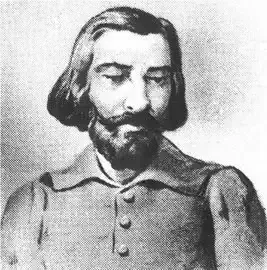
Gil Vicente
Assi como foi cousa
Assi como foi cousa muito necessária haver nos caminhos estalagens, pera repouso e refeição dos cansados caminhantes, assi foi cousa conveniente que nesta caminhante vida houvesse uma estalajadeira, pera refeição e descanso das almas que vão caminhantes pera a eternal morada de Deus. Esta estalajadeira das almas é a Madre Santa Igreja, a mesa é o altar, os manjares as insígnias da Paixão. E desta perfiguração trata a obra seguinte.
Figuras: Alma, Anjo Custódio, Igreja, Santo Agostinho, Santo Ambrósio, S. Jerónimo, S. Tomás, Dous Diabos.
Este Auto presente foi feito à muito devota Rainha D.#Leonor e representado ao mui poderoso e nobre Rei Dom#Emanuel, seu irmão, por seu mandado, na cidade de Lisboa, nos Paços da Ribeira, em a noite de Endoenças. Era do Senhor de 1518.
Está posta uma mesa com uma cadeira. Vem a Madre Santa Igreja com seus quatro doutores: S.#Tomás, S.#Jerónimo, Santo#Ambrósio e Santo#Agostinho. E diz Agostinho:
AGOSTINHO Necessário foi, amigos,
que nesta triste carreira
desta vida,
pera os mui p'rigosos p'rigos
dos imigos,
houvesse alguma maneira
de guarida.
Porque a humana transitória
natureza vai cansada
em várias calmas;
nesta carreira da glória
meritória,
foi necessário pousada
pera as almas.
Pousada com mantimentos,
mesa posta em clara luz,
sempre esperando
com dobrados mantimentos
dos tormentos
que o Filho de Deus, na Cruz,
comprou, penando.
Sua morte foi avença,
dando, por dar-nos paraíso,
a sua vida
apreçada, sem detença,
por sentença,
julgada a paga em proviso,
e recebida.
A Sua mortal empresa
foi santa estalajadeira
Igreja Madre:
consolar à sua despesa,
nesta mesa,
qualquer alma caminheira,
com o Padre
e o Anjo Custódio aio.
Alma que lhe é encomendada,
se enfraquece
e lhe vai tomando raio
de desmaio,
se chegando a esta pousada,
se guarece.
Vem o Anjo Custódio, com a Alma, e diz:
ANJO Alma humana, formada
de nenhüa cousa feita,
mui preciosa,
de corrupção separada,
e esmaltada
naquela frágoa perfeita,
gloriosa!
Planta neste vale posta
pera dar celestes flores
olorosas,
e pera serdes tresposta
em a alta costa,
onde se criam primores
mais que rosas!
Planta sois e caminheira,
que ainda que estais, vos is
donde viestes.
Vossa pátria verdadeira
é ser herdei
da glória que conseguis:
andai prestes.
Alma bem-aventurada,
dos anjos tanto querida,
não durmais!
Um ponto não esteis parada,
que a jornada
muito em breve é fenecida,
se atentais.
ALMA Anjo que sois minha guarda,
olhai por minha fraqueza
terreal!
de toda a parte haja resguarda,
que não arda
a minha preciosa riqueza
principal.
Cercai-me sempre ò redor
porque vou mui temerosa
de contenda.
Ó precioso defensor
meu favor!
Vossa espada lumiosa
me defenda!
Tende sempre mão em mim,
porque hei medo de empeçar,
e de cair
ANJO Pera isso sam e a isso vim;
mas enfim,
cumpre-vos de me ajudar
a resistir
Não vos ocupem vaidades,
riquezas, nem seus debates.
Olhai por vós;
que pompas, honras, herdades
e vaidades,
são embates e combates
pera vós.
Vosso livre alvedrio,
isento, forro, poderoso
vos é dado
polo divinal poderio
e senhorio,
que possais fazer glorioso
vosso estado.
Deu-vos livre entendimento,
e vontade libertada
e a memória,
que tenhais em vosso tento
fundamento,
que sois por Ele criada
pera a glória.
E vendo Deus que o metal
em que vos pôs a estilar,
pera merecer,
que era muito fraco e mortal,
e, por tal,
me manda a vos ajudar
e defender.
Andemos a estrada nossa;
olhai: não torneis atrás,
que o imigo
à vossa vida gloriosa
porá grosa,
Não creiais a Satanás,
vosso perigo!
Continuai ter o cuidado
no fim de vossa jornada,
e a memória,
que o espírito atalaiado
do pecado
caminha sem temer nada
pera a Glória.
E nos laços infernais,
e nas redes de tristura
tenebrosas
da carreira, que passais,
não caiais:
siga vossa fermosura
as gloriosas.
Adianta-se o Anjo, e vem o Diabo a ela e diz:
DIABO Tão depressa, ó delicada,
alva pomba, pera onde isso?
Quem vos engana,
e vos leva tão cansada
por estrada,
que somente não sentis
se sois humana?
Não cureis de vos matar
que ainda estais em idade
de crecer
Tempo há i pera folgar
e caminhar
Vivei à vossa vontade
e havei prazer.
Gozai, gozai dos bens da terra,
Procurai por senhorios
e haveres.
Quem da vida vos desterra
à triste serra?
Quem vos fala em desvarios
por prazeres?
Esta vida é descanso,
doce e manso,
não cureis doutro paraíso.
Quem vos põe em vosso siso
outro remanso?
ALMA Não me detenhais aqui,
leixai-me ir que em al me fundo.
DIABO Oh! Descansai neste mundo
que todos fazem assi:
Não são em#balde os haveres.
não são em balde os deleites,
e fortunas;
não são debalde os prazeres
e comeres:
tudo são puros afeites
das criaturas:
Pera os homens se criaram.
Dai folga à vossa passagem
d'hoje a mais:
descansai, pois descansaram
os que passaram
por esta mesma romagem
que levais.
O que a vontade quiser
quanto o corpo desejar,
tudo se faça.
Zombai de quem vos quiser
reprender
querendo-vos marteirar
tão de graça.
Tornara-me, se a vós fora.
Is tão triste, atribulada,
que é tormenta.
Senhora, vós sois senhora
emperadora,
não deveis a ninguém nada.
Sede isenta.
ANJO Oh! andai; quem vos detém?
Como vindes pera a Glória
devagar!
Ó meu Deus! Ó sumo bem!
Já ninguém
não se preza da vitória
em se salvar!
Já cansais, alma preciosa?
Tão asinha desmaiais?
Sede esforçada!
Oh! Como viríeis trigosa
e desejosa,
se vísseis quanto ganhais
nesta jornada!
Caminhemos, caminhemos.
Esforçai ora, Alma santa,
esclarecida!
Adianta-se o Anjo, e torna Satanás:
DIABO Que vaidades e que extremos
tão supremos!
Pera que é essa pressa tanta?
tende vida.
Is muito desautorizada,
descalça, pobre, perdida,
de remate:
Figuras: Alma, Anjo Custódio, Igreja, Santo Agostinho, Santo Ambrósio, S. Jerónimo, S. Tomás, Dous Diabos.
Este Auto presente foi feito à muito devota Rainha D.#Leonor e representado ao mui poderoso e nobre Rei Dom#Emanuel, seu irmão, por seu mandado, na cidade de Lisboa, nos Paços da Ribeira, em a noite de Endoenças. Era do Senhor de 1518.
Está posta uma mesa com uma cadeira. Vem a Madre Santa Igreja com seus quatro doutores: S.#Tomás, S.#Jerónimo, Santo#Ambrósio e Santo#Agostinho. E diz Agostinho:
AGOSTINHO Necessário foi, amigos,
que nesta triste carreira
desta vida,
pera os mui p'rigosos p'rigos
dos imigos,
houvesse alguma maneira
de guarida.
Porque a humana transitória
natureza vai cansada
em várias calmas;
nesta carreira da glória
meritória,
foi necessário pousada
pera as almas.
Pousada com mantimentos,
mesa posta em clara luz,
sempre esperando
com dobrados mantimentos
dos tormentos
que o Filho de Deus, na Cruz,
comprou, penando.
Sua morte foi avença,
dando, por dar-nos paraíso,
a sua vida
apreçada, sem detença,
por sentença,
julgada a paga em proviso,
e recebida.
A Sua mortal empresa
foi santa estalajadeira
Igreja Madre:
consolar à sua despesa,
nesta mesa,
qualquer alma caminheira,
com o Padre
e o Anjo Custódio aio.
Alma que lhe é encomendada,
se enfraquece
e lhe vai tomando raio
de desmaio,
se chegando a esta pousada,
se guarece.
Vem o Anjo Custódio, com a Alma, e diz:
ANJO Alma humana, formada
de nenhüa cousa feita,
mui preciosa,
de corrupção separada,
e esmaltada
naquela frágoa perfeita,
gloriosa!
Planta neste vale posta
pera dar celestes flores
olorosas,
e pera serdes tresposta
em a alta costa,
onde se criam primores
mais que rosas!
Planta sois e caminheira,
que ainda que estais, vos is
donde viestes.
Vossa pátria verdadeira
é ser herdei
da glória que conseguis:
andai prestes.
Alma bem-aventurada,
dos anjos tanto querida,
não durmais!
Um ponto não esteis parada,
que a jornada
muito em breve é fenecida,
se atentais.
ALMA Anjo que sois minha guarda,
olhai por minha fraqueza
terreal!
de toda a parte haja resguarda,
que não arda
a minha preciosa riqueza
principal.
Cercai-me sempre ò redor
porque vou mui temerosa
de contenda.
Ó precioso defensor
meu favor!
Vossa espada lumiosa
me defenda!
Tende sempre mão em mim,
porque hei medo de empeçar,
e de cair
ANJO Pera isso sam e a isso vim;
mas enfim,
cumpre-vos de me ajudar
a resistir
Não vos ocupem vaidades,
riquezas, nem seus debates.
Olhai por vós;
que pompas, honras, herdades
e vaidades,
são embates e combates
pera vós.
Vosso livre alvedrio,
isento, forro, poderoso
vos é dado
polo divinal poderio
e senhorio,
que possais fazer glorioso
vosso estado.
Deu-vos livre entendimento,
e vontade libertada
e a memória,
que tenhais em vosso tento
fundamento,
que sois por Ele criada
pera a glória.
E vendo Deus que o metal
em que vos pôs a estilar,
pera merecer,
que era muito fraco e mortal,
e, por tal,
me manda a vos ajudar
e defender.
Andemos a estrada nossa;
olhai: não torneis atrás,
que o imigo
à vossa vida gloriosa
porá grosa,
Não creiais a Satanás,
vosso perigo!
Continuai ter o cuidado
no fim de vossa jornada,
e a memória,
que o espírito atalaiado
do pecado
caminha sem temer nada
pera a Glória.
E nos laços infernais,
e nas redes de tristura
tenebrosas
da carreira, que passais,
não caiais:
siga vossa fermosura
as gloriosas.
Adianta-se o Anjo, e vem o Diabo a ela e diz:
DIABO Tão depressa, ó delicada,
alva pomba, pera onde isso?
Quem vos engana,
e vos leva tão cansada
por estrada,
que somente não sentis
se sois humana?
Não cureis de vos matar
que ainda estais em idade
de crecer
Tempo há i pera folgar
e caminhar
Vivei à vossa vontade
e havei prazer.
Gozai, gozai dos bens da terra,
Procurai por senhorios
e haveres.
Quem da vida vos desterra
à triste serra?
Quem vos fala em desvarios
por prazeres?
Esta vida é descanso,
doce e manso,
não cureis doutro paraíso.
Quem vos põe em vosso siso
outro remanso?
ALMA Não me detenhais aqui,
leixai-me ir que em al me fundo.
DIABO Oh! Descansai neste mundo
que todos fazem assi:
Não são em#balde os haveres.
não são em balde os deleites,
e fortunas;
não são debalde os prazeres
e comeres:
tudo são puros afeites
das criaturas:
Pera os homens se criaram.
Dai folga à vossa passagem
d'hoje a mais:
descansai, pois descansaram
os que passaram
por esta mesma romagem
que levais.
O que a vontade quiser
quanto o corpo desejar,
tudo se faça.
Zombai de quem vos quiser
reprender
querendo-vos marteirar
tão de graça.
Tornara-me, se a vós fora.
Is tão triste, atribulada,
que é tormenta.
Senhora, vós sois senhora
emperadora,
não deveis a ninguém nada.
Sede isenta.
ANJO Oh! andai; quem vos detém?
Como vindes pera a Glória
devagar!
Ó meu Deus! Ó sumo bem!
Já ninguém
não se preza da vitória
em se salvar!
Já cansais, alma preciosa?
Tão asinha desmaiais?
Sede esforçada!
Oh! Como viríeis trigosa
e desejosa,
se vísseis quanto ganhais
nesta jornada!
Caminhemos, caminhemos.
Esforçai ora, Alma santa,
esclarecida!
Adianta-se o Anjo, e torna Satanás:
DIABO Que vaidades e que extremos
tão supremos!
Pera que é essa pressa tanta?
tende vida.
Is muito desautorizada,
descalça, pobre, perdida,
de remate:
1 676
Fernando Pessoa
IX - Oh to be idle loving idleness!
Oh to be idle loving idleness!
But I am idle all in hate of me;
Ever in action's dream, in the false stress
Of purposed action never act to be.
Like a fierce beast self-penned in a bait-lair,
My will to act binds with excess my action,
Not-acting coils the thought with raged despair,
And acting rage doth paint despair distraction.
Like someone sinking in a treacherous sand,
Each gesture to deliver sinks the more;
The struggle avails not, and to raise no hand,
Though but more slowly useless, we've no power.
Hence live I the dead life each day doth bring,
Repurposed for next day's repurposing.
But I am idle all in hate of me;
Ever in action's dream, in the false stress
Of purposed action never act to be.
Like a fierce beast self-penned in a bait-lair,
My will to act binds with excess my action,
Not-acting coils the thought with raged despair,
And acting rage doth paint despair distraction.
Like someone sinking in a treacherous sand,
Each gesture to deliver sinks the more;
The struggle avails not, and to raise no hand,
Though but more slowly useless, we've no power.
Hence live I the dead life each day doth bring,
Repurposed for next day's repurposing.
4 153
Fernando Pessoa
11 - LOOKING AT THE TAGUS
LOOKING AT THE TAGUS
She led her flocks beyond the hills,
Her voice backs to me in the wind,
And a thirst for her sorrow fills
All that in me is undefined.
Spiritual lakes walled round with crags
Sleep in the hollows of her song.
There her unbathing nudeness lags
And looks on its pooled shadow long.
But what is real in all this is
Only my soul, the eve, the quay
And, shadow of my dream of this,
An ache for a new ache in me.
She led her flocks beyond the hills,
Her voice backs to me in the wind,
And a thirst for her sorrow fills
All that in me is undefined.
Spiritual lakes walled round with crags
Sleep in the hollows of her song.
There her unbathing nudeness lags
And looks on its pooled shadow long.
But what is real in all this is
Only my soul, the eve, the quay
And, shadow of my dream of this,
An ache for a new ache in me.
4 250
Fernando Pessoa
XXV - We are in Fate and Fate's and do but lack
We are in Fate and Fate's and do but lack
Outness from soul to know ourselves its dwelling,
And do but compel Fate aside or back
By Fate's own immanence in the compelling.
We are too far in us from outward truth
To know how much we are not what we are,
And live but in the heat of error's youth,
Yet young enough its acting youth to ignore.
The doubleness of mind fails us, to glance
At our exterior presence amid things,
Sizing from otherness our countenance
And seeing our puppet will's act-acting strings.
An unknown language speaks in us, which we
Are at the words of, fronted from reality.
Outness from soul to know ourselves its dwelling,
And do but compel Fate aside or back
By Fate's own immanence in the compelling.
We are too far in us from outward truth
To know how much we are not what we are,
And live but in the heat of error's youth,
Yet young enough its acting youth to ignore.
The doubleness of mind fails us, to glance
At our exterior presence amid things,
Sizing from otherness our countenance
And seeing our puppet will's act-acting strings.
An unknown language speaks in us, which we
Are at the words of, fronted from reality.
4 225
Fernando Pessoa
XXXIII - He that goes back does, since he goes, advance,
He that goes back does, since he goes, advance,
Though he doth not advance who goeth back,
And he that seeks, though he on nothing chance.
May still by words be said to find a lack.
This paradox of having, that is nought
In the world's meaning of the things it screens,
Is yet true of the substance of pure thought
And there means something by the nought it means.
For thinking nought does on nought being confer,
As giving not is acting not to give,
And, to the same unbribed true thought, to err
Is to find truth, though by its negative.
So why call this world false, if false to be
Be to be aught, and being aught Being to be?
Though he doth not advance who goeth back,
And he that seeks, though he on nothing chance.
May still by words be said to find a lack.
This paradox of having, that is nought
In the world's meaning of the things it screens,
Is yet true of the substance of pure thought
And there means something by the nought it means.
For thinking nought does on nought being confer,
As giving not is acting not to give,
And, to the same unbribed true thought, to err
Is to find truth, though by its negative.
So why call this world false, if false to be
Be to be aught, and being aught Being to be?
4 020
Fernando Pessoa
XXII - My soul is a stiff pageant, man by man,
My soul is a stiff pageant, man by man,
Of some Egyptian art than Egypt older,
Found in some tomb whose rite no guess can scan,
Where all things else to coloured dust did moulder.
Whate'er its sense may mean, its age is twin
To that of priesthoods whose feet stood near God,
When knowledge was so great that 'twas a sin
And man's mere soul too man for its abode.
But when I ask what means that pageant I
And would look at it suddenly, I lose
The sense I had of seeing it, nor can try
Again to look, nor hath my memory a use
That seems recalling, save that it recalls
An emptiness of having seen those walls.
Of some Egyptian art than Egypt older,
Found in some tomb whose rite no guess can scan,
Where all things else to coloured dust did moulder.
Whate'er its sense may mean, its age is twin
To that of priesthoods whose feet stood near God,
When knowledge was so great that 'twas a sin
And man's mere soul too man for its abode.
But when I ask what means that pageant I
And would look at it suddenly, I lose
The sense I had of seeing it, nor can try
Again to look, nor hath my memory a use
That seems recalling, save that it recalls
An emptiness of having seen those walls.
4 261
Fernando Pessoa
X - As to a child, I talked my heart asleep
As to a child, I talked my heart asleep
With empty promise of the coming day,
And it slept rather for my words made sleep
Than from a thought of what their sense did say.
For did it care for sense, would it not wake
And question closer to the morrow's pleasure?
Would it not edge nearer my words, to take
The promise in the meting of its measure?
So, if it slept, 'twas that it cared but for
The present sleepy use of promised joy,
Thanking the fruit but for the forecome flower
Which the less active senses best enjoy.
Thus with deceit do I detain the heart
Of which deceit's self knows itself a part.
With empty promise of the coming day,
And it slept rather for my words made sleep
Than from a thought of what their sense did say.
For did it care for sense, would it not wake
And question closer to the morrow's pleasure?
Would it not edge nearer my words, to take
The promise in the meting of its measure?
So, if it slept, 'twas that it cared but for
The present sleepy use of promised joy,
Thanking the fruit but for the forecome flower
Which the less active senses best enjoy.
Thus with deceit do I detain the heart
Of which deceit's self knows itself a part.
4 224
Fernando Pessoa
XXIV - Something in me was born before the stars
Something in me was born before the stars
And saw the sun begin from far away.
Our yellow, local day on its wont jars,
For it hath communed with an absolute day.
Through my Thought's night, as a worn robe's heard trail
That I have never seen, I drag this past
That saw the Possible like a dawn grow pale
On the lost night before it, mute and vast.
It dates remoter than God's birth can reach,
That had no birth but the world's coming after.
So the world's to me as, after whispered speech,
The cause-ignored sudden echoing of laughter.
That 't has a meaning my conjecture knows,
But that 't has meaning's all its meaning shows.
And saw the sun begin from far away.
Our yellow, local day on its wont jars,
For it hath communed with an absolute day.
Through my Thought's night, as a worn robe's heard trail
That I have never seen, I drag this past
That saw the Possible like a dawn grow pale
On the lost night before it, mute and vast.
It dates remoter than God's birth can reach,
That had no birth but the world's coming after.
So the world's to me as, after whispered speech,
The cause-ignored sudden echoing of laughter.
That 't has a meaning my conjecture knows,
But that 't has meaning's all its meaning shows.
4 491
Fernando Pessoa
XXVIII - The edge of the green wave whitely doth hiss
The edge of the green wave whitely doth hiss
Upon the wetted sand. I look, yet dream.
Surely reality cannot be this!
Somehow, somewhere this surely doth but seem!
The sky, the sea, this great extent disclosed
Of outward joy, this bulk of life we feel,
Is not something, but something interposed.
Only what in this is not this is real.
If this be to have sense, if to be awake
Be but to see this bright, great sleep of things,
For the rarer potion mine own dreams I'll take
And for truth commune with imaginings,
Holding a dream too bitter, a too fair curse,
This common sleep of men, the universe.
Upon the wetted sand. I look, yet dream.
Surely reality cannot be this!
Somehow, somewhere this surely doth but seem!
The sky, the sea, this great extent disclosed
Of outward joy, this bulk of life we feel,
Is not something, but something interposed.
Only what in this is not this is real.
If this be to have sense, if to be awake
Be but to see this bright, great sleep of things,
For the rarer potion mine own dreams I'll take
And for truth commune with imaginings,
Holding a dream too bitter, a too fair curse,
This common sleep of men, the universe.
4 334
Fernando Pessoa
XXXII - When I have sense of what to sense appears,
When I have sense of what to sense appears,
Sense is sense ere 'tis mine or mine in me is.
When I hear, Hearing, ere I do hear, hears.
When I see, before me abstract Seeing sees.
I am part Soul part I in all I touch –
Soul by that part I hold in common with all,
And I the spoiled part, that doth make sense such
As I can err by it and my sense mine call.
The rest is wondering what these thoughts may mean,
That come to explain and suddenly are gone,
Like messengers that mock the message' mien,
Explaining all but the explanation;
As if we a ciphered letter's cipher hit
And find it in an unknown language writ.
Sense is sense ere 'tis mine or mine in me is.
When I hear, Hearing, ere I do hear, hears.
When I see, before me abstract Seeing sees.
I am part Soul part I in all I touch –
Soul by that part I hold in common with all,
And I the spoiled part, that doth make sense such
As I can err by it and my sense mine call.
The rest is wondering what these thoughts may mean,
That come to explain and suddenly are gone,
Like messengers that mock the message' mien,
Explaining all but the explanation;
As if we a ciphered letter's cipher hit
And find it in an unknown language writ.
4 299
Fernando Pessoa
XXVI - The world is woven all of dream and error
The world is woven all of dream and error
And but one sureness in our truth may lie –
That when we hold to aught our thinking's mirror
We know it not by knowing it thereby.
For but one side of things the mirror knows,
And knows it colded from its solidness.
A double lie its truth is; what it shows
By true show's false and nowhere by true place.
Thought clouds our life's day-sense with strangeness, yet
Never from strangeness more than that it's strange
Doth buy our perplexed thinking, for we get
But the words sense from words – knowledge, truth, change.
We know the world is false, not what is true.
Yet we think on, knowing we ne'er shall know.
And but one sureness in our truth may lie –
That when we hold to aught our thinking's mirror
We know it not by knowing it thereby.
For but one side of things the mirror knows,
And knows it colded from its solidness.
A double lie its truth is; what it shows
By true show's false and nowhere by true place.
Thought clouds our life's day-sense with strangeness, yet
Never from strangeness more than that it's strange
Doth buy our perplexed thinking, for we get
But the words sense from words – knowledge, truth, change.
We know the world is false, not what is true.
Yet we think on, knowing we ne'er shall know.
4 362
Fernando Pessoa
XXXI - I am older than Nature and her Time
I am older than Nature and her Time
By all the timeless age of Consciousness,
And my adult oblivion of the clime
Where I was born makes me not countryless.
Ay, and dim through my daylight thoughts escape
Yearnings for that land where my childhood dreamed,
Which I cannot recall in colour or shape
But haunts my hours like something that hath gleamed
And yet is not as light remembered,
Nor to the left or to the right conceived;
And all round me tastes as if life were dead
And the world made but to be disbelieved.
Thus I my hope on unknown truth lay; yet
How but by hope do I the unknown truth get?
By all the timeless age of Consciousness,
And my adult oblivion of the clime
Where I was born makes me not countryless.
Ay, and dim through my daylight thoughts escape
Yearnings for that land where my childhood dreamed,
Which I cannot recall in colour or shape
But haunts my hours like something that hath gleamed
And yet is not as light remembered,
Nor to the left or to the right conceived;
And all round me tastes as if life were dead
And the world made but to be disbelieved.
Thus I my hope on unknown truth lay; yet
How but by hope do I the unknown truth get?
4 328
Fernando Pessoa
I - Whether we write or speak or do but look
35 SONETS
I
Whether we write or speak or do but look
We are ever unapparent. What we are
Cannot be transfused into word or book.
Our soul from us is infinitely far.
However much we give our thoughts the will
To be our soul and gesture it abroad,
Our hearts are incommunicable still.
In what we show ourselves we are ignored.
The abyss from soul to soul cannot be bridged
By any skill of thought or trick of seeming.
Unto our very selves we are abridged
When we would utter to our thought our being.
We are our dreams of ourselves, souls by gleams,
And each to each other dreams of others' dreams.
I
Whether we write or speak or do but look
We are ever unapparent. What we are
Cannot be transfused into word or book.
Our soul from us is infinitely far.
However much we give our thoughts the will
To be our soul and gesture it abroad,
Our hearts are incommunicable still.
In what we show ourselves we are ignored.
The abyss from soul to soul cannot be bridged
By any skill of thought or trick of seeming.
Unto our very selves we are abridged
When we would utter to our thought our being.
We are our dreams of ourselves, souls by gleams,
And each to each other dreams of others' dreams.
4 747
Fernando Pessoa
XVI - We never joy enjoy to that full point
We never joy enjoy to that full point
Regret doth wish joy had enjoyed been,
Nor have the strength regret to disappoint
Recalling not past joy's thought, but its mien.
Yet joy was joy when it enjoyed was
And after-enjoyed when as joy recalled,
It must have been joy ere its joy did pass
And, recalled, joy still, since its being-past galled.
Alas! All this is useless, for joy's in
Enjoying, not in thinking of enjoying.
Its mere thougth-mirroring gainst itself doth sin.
By mere reflecting solid life destroying.
Yet the more thought we take to thought to prove
It must not think, doth further from joy move.
Regret doth wish joy had enjoyed been,
Nor have the strength regret to disappoint
Recalling not past joy's thought, but its mien.
Yet joy was joy when it enjoyed was
And after-enjoyed when as joy recalled,
It must have been joy ere its joy did pass
And, recalled, joy still, since its being-past galled.
Alas! All this is useless, for joy's in
Enjoying, not in thinking of enjoying.
Its mere thougth-mirroring gainst itself doth sin.
By mere reflecting solid life destroying.
Yet the more thought we take to thought to prove
It must not think, doth further from joy move.
4 212
Fernando Pessoa
XVII - My love, and not I, is the egoist.
My love, and not I, is the egoist.
My love for thee loves itself more than thee;
Ay, more than me, in whom it doth exist,
And makes me live that it may feed on me.
In the country of bridges the bridge is
More real than the shores it doth unsever;
So in our world, all of Relation, this
Is true – that truer is Love than either lover.
This thought therefore comes lightly to Doubt's door –
If we, seeing substance of this world, are not
Mere Intervals, God's Absence and no more,
Hollow, in real Consciousness and Thought.
And if 'tis possible to Thought to bear this fruit,
Why should it not be possible to Truth?
My love for thee loves itself more than thee;
Ay, more than me, in whom it doth exist,
And makes me live that it may feed on me.
In the country of bridges the bridge is
More real than the shores it doth unsever;
So in our world, all of Relation, this
Is true – that truer is Love than either lover.
This thought therefore comes lightly to Doubt's door –
If we, seeing substance of this world, are not
Mere Intervals, God's Absence and no more,
Hollow, in real Consciousness and Thought.
And if 'tis possible to Thought to bear this fruit,
Why should it not be possible to Truth?
4 250
Fernando Pessoa
XIII - When I should be asleep to mine own voice
When I should be asleep to mine own voice
In telling thee how much thy love's my dream,
I find me listening to myself, the noise
Of my words othered in my hearing them.
Yet wonder not: this is the poet's soul.
I could not tell thee well of how I love,
Loved I not less by knowing it, were all
My self my love and no thought love to prove.
What consciousness makes more by consciousness,
It makes less, for it makes it less itself.
My sense of love could not my love rich-dress
Did it not for it spend love's own love-pelf.
Poet's love's this (as in these words I prove thee):
I love my love for thee more than I love thee.
In telling thee how much thy love's my dream,
I find me listening to myself, the noise
Of my words othered in my hearing them.
Yet wonder not: this is the poet's soul.
I could not tell thee well of how I love,
Loved I not less by knowing it, were all
My self my love and no thought love to prove.
What consciousness makes more by consciousness,
It makes less, for it makes it less itself.
My sense of love could not my love rich-dress
Did it not for it spend love's own love-pelf.
Poet's love's this (as in these words I prove thee):
I love my love for thee more than I love thee.
4 348
Fernando Pessoa
VI - As a bad orator, badly o'er-book-skilled,
As a bad orator, badly o'er-book-skilled,
Doth overflow his purpose with made heat,
And, like a clock, winds with withoutness willed
What should have been an inner instinct's feat;
Or as a prose-wit, harshly poet turned,
Lacking the subtler music in his measure,
With useless are labours but to be spurned,
Courting in alien speech the Muse's pleasure;
I study how to love or how to hate,
Estranged by consciousness from sentiment,
With a thought feeling forced to be sedate
Even when the feeling's nature is violent;
As who would learn to swim without the river,
When nearest to the trick, as far as ever.
Doth overflow his purpose with made heat,
And, like a clock, winds with withoutness willed
What should have been an inner instinct's feat;
Or as a prose-wit, harshly poet turned,
Lacking the subtler music in his measure,
With useless are labours but to be spurned,
Courting in alien speech the Muse's pleasure;
I study how to love or how to hate,
Estranged by consciousness from sentiment,
With a thought feeling forced to be sedate
Even when the feeling's nature is violent;
As who would learn to swim without the river,
When nearest to the trick, as far as ever.
4 200
Fernando Pessoa
II - If that apparent part of life's delight
If that apparent part of life's delight
Our tingled flesh-sense circumscribes were seen
By aught save reflex and co-carnal sight,
Joy, flesh and life might prove but a gross screen.
Haply Truth's body is no eyable being,
Appearance even as appearance lies,
Haply our close, dark, vague, warm sense of seeing
Is the choked vision of blindfolded eyes.
Where from what comes to thought's sense of life? Nought.
All is either the irrational world we see
Or some aught-else whose being-unknown doth rot
Its use for our thought's use. Whence taketh me
A qualm-like ache of life, a body-deep
Soul-hate of what we seek and what we, weep.
Our tingled flesh-sense circumscribes were seen
By aught save reflex and co-carnal sight,
Joy, flesh and life might prove but a gross screen.
Haply Truth's body is no eyable being,
Appearance even as appearance lies,
Haply our close, dark, vague, warm sense of seeing
Is the choked vision of blindfolded eyes.
Where from what comes to thought's sense of life? Nought.
All is either the irrational world we see
Or some aught-else whose being-unknown doth rot
Its use for our thought's use. Whence taketh me
A qualm-like ache of life, a body-deep
Soul-hate of what we seek and what we, weep.
4 189
Fernando Pessoa
XXI - Thought was born blind
Thought was born blind, but Thought knows what is seeing.
Its careful touch, deciphering forms from shapes,
Still suggests form as aught whose proper being
Mere finding touch with erring darkness drapes.
Yet whence, except from guessed sight, does touch teach
That touch is but a close and empty sense?
How does more touch, self-uncontented, reach
For some truer sense's whole intelligence?
The thing once touched, if touch be now omitted,
Stands yet in memory real and outward known,
So the untouching memory of touch is fitted
With sense of a sense whereby far things are shown
So, by touch of untouching, wrongly aright,
Touch' thought of seeing sees not things but Sight.
Its careful touch, deciphering forms from shapes,
Still suggests form as aught whose proper being
Mere finding touch with erring darkness drapes.
Yet whence, except from guessed sight, does touch teach
That touch is but a close and empty sense?
How does more touch, self-uncontented, reach
For some truer sense's whole intelligence?
The thing once touched, if touch be now omitted,
Stands yet in memory real and outward known,
So the untouching memory of touch is fitted
With sense of a sense whereby far things are shown
So, by touch of untouching, wrongly aright,
Touch' thought of seeing sees not things but Sight.
4 291
Fernando Pessoa
VIII - How many masks wear we, and undermasks,
How many masks wear we, and undermasks,
Upon our countenance of soul, and when,
If for self-sport the soul itself unmasks,
Knows it the last mask off and the face plain?
The true mask feels no inside to the mask
But looks out of the mask by co-masked eyes.
Whatever consciousness begins the task
The task's accepted use to sleepness ties.
Like a child frighted by its mirrored faces,
Our souls, that children are, being thought-losing,
Foist otherness upon their seen grimaces
And get a whole world on their forgot causing:
And, when a thought would unmask our soul's masking,
Itself goes not unmasked to the unmasking.
Upon our countenance of soul, and when,
If for self-sport the soul itself unmasks,
Knows it the last mask off and the face plain?
The true mask feels no inside to the mask
But looks out of the mask by co-masked eyes.
Whatever consciousness begins the task
The task's accepted use to sleepness ties.
Like a child frighted by its mirrored faces,
Our souls, that children are, being thought-losing,
Foist otherness upon their seen grimaces
And get a whole world on their forgot causing:
And, when a thought would unmask our soul's masking,
Itself goes not unmasked to the unmasking.
4 531
Fernando Pessoa
XVIII - Indefinite space, which, by co-substance night,
Indefinite space, which, by co-substance night,
In one black mystery two void mysteries blends;
The stray stars, whose innumerable light
Repeats one mystery till conjecture ends;
The stream of time, known by birth-bursting bubbles;
The gulf of silence, empty even of nought;
Thought's high-walled maze, which the outed owner troubles
Because the string's lost and the plan forgot:
When I think on this and that here I stand,
The thinker of these thoughts, emptily wise,
Holding up to my thinking my thing-hand
And looking at it with thought-alien eyes,
The prayer of my wonder looketh past
The universal darkness lone and vast.
In one black mystery two void mysteries blends;
The stray stars, whose innumerable light
Repeats one mystery till conjecture ends;
The stream of time, known by birth-bursting bubbles;
The gulf of silence, empty even of nought;
Thought's high-walled maze, which the outed owner troubles
Because the string's lost and the plan forgot:
When I think on this and that here I stand,
The thinker of these thoughts, emptily wise,
Holding up to my thinking my thing-hand
And looking at it with thought-alien eyes,
The prayer of my wonder looketh past
The universal darkness lone and vast.
4 278
Fernando Pessoa
Meu pensamento, dito, já não é
Meu pensamento, dito, já não é
Meu pensamento.
Flor morta, bóia no meu sonho, até
Que a leve o vento,
Que a desvie a corrente, a externa sorte.
Se falo, sinto
Que a palavras esculpo a minha morte,
Que com toda a alma minto.
Assim, quanto mais digo, mais me engano,
Mais faço eu
Um novo ser postiço, que engalano
De ser o meu.
Já só pensando escuto-me e resido.
Já falo assim.
Meu próprio diálogo interior divide
Meu ser de mim.
Mas é quando dou forma e voz do spaço
Ao que medito
Que abro entre mim e mim, quebrado um laço,
Um abismo infinito.
Ah, quem dera a perfeita concordância
De mim comigo,
O silêncio interior sem a distância
Entre mim e o que eu digo!
Meu pensamento.
Flor morta, bóia no meu sonho, até
Que a leve o vento,
Que a desvie a corrente, a externa sorte.
Se falo, sinto
Que a palavras esculpo a minha morte,
Que com toda a alma minto.
Assim, quanto mais digo, mais me engano,
Mais faço eu
Um novo ser postiço, que engalano
De ser o meu.
Já só pensando escuto-me e resido.
Já falo assim.
Meu próprio diálogo interior divide
Meu ser de mim.
Mas é quando dou forma e voz do spaço
Ao que medito
Que abro entre mim e mim, quebrado um laço,
Um abismo infinito.
Ah, quem dera a perfeita concordância
De mim comigo,
O silêncio interior sem a distância
Entre mim e o que eu digo!
4 950