

Poemas neste tema
Solidão
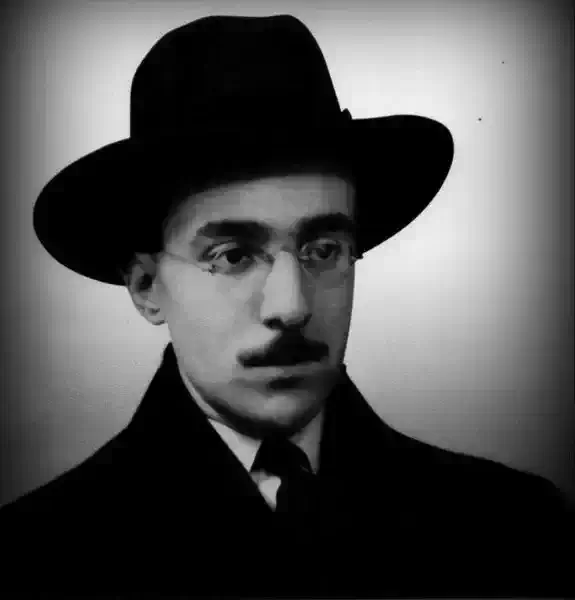
Fernando Pessoa
Ah qualquer cousa,
(after useless discussion)
Ah qualquer cousa,
Ou sono ou sonho, sem doer isole
O meu já isolado coração!
Se as palavras que eu diga nunca podem
Levar aos outros mais do que o sentido
Que essas palavras neles têm, e [existo]
[Por] fora do que digo, oculto nele
Como o esqueleto nesta carne minha,
Invisível estrutura do visível,
Diferente e essencial...
Cai sobre mim, apagamento meu!
Querer querer, inútil pedra ao mar!
Saco p'ra colher vento, cesto de água,
Caçador só do uivar dos lobos longe...
Ah qualquer cousa,
Ou sono ou sonho, sem doer isole
O meu já isolado coração!
Se as palavras que eu diga nunca podem
Levar aos outros mais do que o sentido
Que essas palavras neles têm, e [existo]
[Por] fora do que digo, oculto nele
Como o esqueleto nesta carne minha,
Invisível estrutura do visível,
Diferente e essencial...
Cai sobre mim, apagamento meu!
Querer querer, inútil pedra ao mar!
Saco p'ra colher vento, cesto de água,
Caçador só do uivar dos lobos longe...
1 222
Fernando Pessoa
O BIBLIÓFILO
Ó ambições!... Como eu quisera ser
Um pobre bibliófilo parado
Sobre o eterno fólio desdobrado
E sem mais na consciência de viver.
Podia a primavera enverdecer
E eu sempre sobre o livro recurvado
Sorriria a um arcaico pecado
A uma medieval moça e qualquer.
A vida não perdia nem ganhava
Nada por mim, nenhum gesto meu dava
Um gesto mais ao seu profundo
E eu lia, a testa contra a luz acesa.
Sem nada querer ser como a beleza
E sem nada ter sido como o mundo
Um pobre bibliófilo parado
Sobre o eterno fólio desdobrado
E sem mais na consciência de viver.
Podia a primavera enverdecer
E eu sempre sobre o livro recurvado
Sorriria a um arcaico pecado
A uma medieval moça e qualquer.
A vida não perdia nem ganhava
Nada por mim, nenhum gesto meu dava
Um gesto mais ao seu profundo
E eu lia, a testa contra a luz acesa.
Sem nada querer ser como a beleza
E sem nada ter sido como o mundo
1 460
Fernando Pessoa
Quem me dera, quando fores
Quem me dera, quando fores
Pela rua sem me ver,
Supor que há coisas melhores
E que eu as pudera ter.
Pela rua sem me ver,
Supor que há coisas melhores
E que eu as pudera ter.
1 581
Fernando Pessoa
Quantas vezes a memória
Quantas vezes a memória
Para fingir que inda é gente,
Nos conta uma grande história
Em que ninguém está presente.
Para fingir que inda é gente,
Nos conta uma grande história
Em que ninguém está presente.
1 308
Fernando Pessoa
Baila em teu pulso delgado
Baila em teu pulso delgado
Uma pulseira que herdaste...
Se amar alguém é pecado,
És santa, nunca pecaste.
Uma pulseira que herdaste...
Se amar alguém é pecado,
És santa, nunca pecaste.
1 356
Fernando Pessoa
Eu vi ao longe um navio
Eu vi ao longe um navio
Que tinha uma vela só,
Ia sozinho no mar...
Mas não me fazia dó.
Que tinha uma vela só,
Ia sozinho no mar...
Mas não me fazia dó.
1 257
Fernando Pessoa
NAVAL ODE
Alone, on the deserted quay, this summer morning,
I look towards the bar, I look towards the Indefinite,
I look and find pleasure in seeing,
Little, black and clear, a steamer coming in.
It is very far yet, distinct and classic after its own fashion.
It leaves on the distant air behind it the vain curls of its smoke.
It is coming in, and morn comes in with it, and on the river
Here, there, naval life awakes,
Sails arise, tugs advance,
Small boats jut out from behind the ships in the port.
There is a vague breeze.
But my soul is with the things that I see least,
With the in-coming steamer,
Because it is with Distance, with Morn,
With the naval meaning of this Hour,
With the painful softness that rises in me like a qualm,
Like a beginning of sea-sickness, but in my soul.
I look from afar at the steamer, with a great independence of mind
And a whell begins to spin in me, very slowly.
The steamers that enter the bar in the morning,
Bring to my eyes with their coming
The glad and sad mystery of all who arrive and depart.
They bring memories of distant quays, and of other moments
Of another kind of the same mankind in other ports.
Every (...), every departure of a ship,
Is — I feel it in me like my blood —
Unconsciously symbolic, terribly
Threatening metaphysical meanings
That startle in me the being I once …
Ah, every quay is a regret made of stone!
And when the ship leaves the quay
And we note suddenly that a space is widening
Between the quay and the ship,
There comes to me, I know not why, a recent anguish,
A mist of feelings of sadness
That shines in the sun of my mosy anguishes
Like the first window the morning strikes on,
And clings round me like some one else's remembrance
Which is somehow mysteriously mine.
Ah, who knows, who knows,
If I did not leave long ago, before Myself,
A quay; if I did not depart, a ship in
The oblique sun of morning,
From another kind of port?
Who knows if I did not leave, before the hour
Of the exterior world as I see it
Dawned for me,
A large quay full of few people,
Of a great half-awakened city,
Of a great city commercial, overgrown, apopletical,
As much as that can be outside Time and Space?
Ay, from a quay, from a quay somehow material,
Real, visible as a quay, really a quay,
The Absolute Quay on whose type, unconsciously imitated,
Insensibly evoked,
We men have built
Our quays in our harbours,
Our quays, of actual stone overlooking true water,
Which, once built, suddenly show themselves to be
Real-Things, Things-Spirits, Entities in Stone-Souls,
At certain moments of ours of root-sentiments
When it seems that a door is opened in the outer world
And, without anything changing
Everything reveals itself to be different.
Ah, the Great Quay whence we embarked in Ship-Nations!
The Great Earlier Quay, eternal and divine!
Of what port? Over what waters? And why do I think of this?
A Great Quay like all other quays, but the Only One.
Full, as they are, of murmurous silences in the fore-dawns
And budding with the dawns in a noise of cranes
And arrivals of goods-trains
And under the black, occasional and light cloud
Of the smoke of the chimneys of the near factories
Which clouds its ground, black with small shining coal,
As if it were the shadow of a cloud passing over dark water.
Ah, what essentiality of mystery and arrested senses
In a divine revealing ecstasy
At the hours coloured like silences and anguishes
Is the bridge between any quay and THE QUAY!
Quay blackly reflected in the still waters,
Suddle [?] on board the ships,
Oh wandering and unstable soul of the people who live in ships,
Of the symbolic people who pass and for whom, nothing lasts
For when the vessel returns to the port,
There is always some change on board!
On continual flights, goings, drunknness of the Different!
Eternal soul of navigators and navigations!
Hulls slowly reflected in the waters
When the ship leaves the port!
To float as soul of life, to depart as voice,
To live the moment tremulously on eternal waters!
To wake to more direct days than the days of Europe,
To see mysterious ports over the loneliness of the sea,
To double distant capes and see sudden great landscapes
Of unnumbred astonished alones!
Ah, the distant beaches, the quays seen from afar,
And then the near beaches and the quays seen from near.
The mystery of each departure and of each arrival,
The painful instability and incomprehensibility
Of this impossible universe
At each naval hour ever more deeply felt right in my skin.
The absurd sob that our souls spill
Over the ever-different tracts of seas with islands afar,
Over the distant lines of the coasts we merely pass by,
Over the clear growing-clear of ports, with their houses and their people,
When the ship nears the land.
Ah, the freshness of morns when we arrive,
And the paleness of the morns when we depart,
When our entrails are gripped up
And a vague sensation resembling a fear
— The ancestral fear of going away and leaving,
The mysterious ancestral terror of Arrivals and New Things —
Grips up our skin and gives us qualms
And all our anguished body feels,
As if it were our soul,
An unexplained desire to feel this in some other way:
A regret at something,
A perturbation of tendernesses towards what vague fatherland?
What coast? what ship? what quay?
That thought sickens within us
And only a great vaccum remains in us,
A hollow satiety of naval minutes,
And a vague anxiety that would be weariness or pain
If it knew how to be that…
The summer morning is, nevertheless, slightly cool,
A slight night-dullness lies yet on the shaken air.
The wheel within me quickens its motion slightly.
And the steamer keeps on coming in, because surely it must coming in,
And not because I see it moving in its excessive distance.
In my imagination it is already near and visible
In all the extent of the lines of its portholes,
And everything trembles in me, all my flesh and all my skin,
On account of that creature that never arrives in any ship
And whom I have come to await to-day on this quay, through an oblique command.
I look towards the bar, I look towards the Indefinite,
I look and find pleasure in seeing,
Little, black and clear, a steamer coming in.
It is very far yet, distinct and classic after its own fashion.
It leaves on the distant air behind it the vain curls of its smoke.
It is coming in, and morn comes in with it, and on the river
Here, there, naval life awakes,
Sails arise, tugs advance,
Small boats jut out from behind the ships in the port.
There is a vague breeze.
But my soul is with the things that I see least,
With the in-coming steamer,
Because it is with Distance, with Morn,
With the naval meaning of this Hour,
With the painful softness that rises in me like a qualm,
Like a beginning of sea-sickness, but in my soul.
I look from afar at the steamer, with a great independence of mind
And a whell begins to spin in me, very slowly.
The steamers that enter the bar in the morning,
Bring to my eyes with their coming
The glad and sad mystery of all who arrive and depart.
They bring memories of distant quays, and of other moments
Of another kind of the same mankind in other ports.
Every (...), every departure of a ship,
Is — I feel it in me like my blood —
Unconsciously symbolic, terribly
Threatening metaphysical meanings
That startle in me the being I once …
Ah, every quay is a regret made of stone!
And when the ship leaves the quay
And we note suddenly that a space is widening
Between the quay and the ship,
There comes to me, I know not why, a recent anguish,
A mist of feelings of sadness
That shines in the sun of my mosy anguishes
Like the first window the morning strikes on,
And clings round me like some one else's remembrance
Which is somehow mysteriously mine.
Ah, who knows, who knows,
If I did not leave long ago, before Myself,
A quay; if I did not depart, a ship in
The oblique sun of morning,
From another kind of port?
Who knows if I did not leave, before the hour
Of the exterior world as I see it
Dawned for me,
A large quay full of few people,
Of a great half-awakened city,
Of a great city commercial, overgrown, apopletical,
As much as that can be outside Time and Space?
Ay, from a quay, from a quay somehow material,
Real, visible as a quay, really a quay,
The Absolute Quay on whose type, unconsciously imitated,
Insensibly evoked,
We men have built
Our quays in our harbours,
Our quays, of actual stone overlooking true water,
Which, once built, suddenly show themselves to be
Real-Things, Things-Spirits, Entities in Stone-Souls,
At certain moments of ours of root-sentiments
When it seems that a door is opened in the outer world
And, without anything changing
Everything reveals itself to be different.
Ah, the Great Quay whence we embarked in Ship-Nations!
The Great Earlier Quay, eternal and divine!
Of what port? Over what waters? And why do I think of this?
A Great Quay like all other quays, but the Only One.
Full, as they are, of murmurous silences in the fore-dawns
And budding with the dawns in a noise of cranes
And arrivals of goods-trains
And under the black, occasional and light cloud
Of the smoke of the chimneys of the near factories
Which clouds its ground, black with small shining coal,
As if it were the shadow of a cloud passing over dark water.
Ah, what essentiality of mystery and arrested senses
In a divine revealing ecstasy
At the hours coloured like silences and anguishes
Is the bridge between any quay and THE QUAY!
Quay blackly reflected in the still waters,
Suddle [?] on board the ships,
Oh wandering and unstable soul of the people who live in ships,
Of the symbolic people who pass and for whom, nothing lasts
For when the vessel returns to the port,
There is always some change on board!
On continual flights, goings, drunknness of the Different!
Eternal soul of navigators and navigations!
Hulls slowly reflected in the waters
When the ship leaves the port!
To float as soul of life, to depart as voice,
To live the moment tremulously on eternal waters!
To wake to more direct days than the days of Europe,
To see mysterious ports over the loneliness of the sea,
To double distant capes and see sudden great landscapes
Of unnumbred astonished alones!
Ah, the distant beaches, the quays seen from afar,
And then the near beaches and the quays seen from near.
The mystery of each departure and of each arrival,
The painful instability and incomprehensibility
Of this impossible universe
At each naval hour ever more deeply felt right in my skin.
The absurd sob that our souls spill
Over the ever-different tracts of seas with islands afar,
Over the distant lines of the coasts we merely pass by,
Over the clear growing-clear of ports, with their houses and their people,
When the ship nears the land.
Ah, the freshness of morns when we arrive,
And the paleness of the morns when we depart,
When our entrails are gripped up
And a vague sensation resembling a fear
— The ancestral fear of going away and leaving,
The mysterious ancestral terror of Arrivals and New Things —
Grips up our skin and gives us qualms
And all our anguished body feels,
As if it were our soul,
An unexplained desire to feel this in some other way:
A regret at something,
A perturbation of tendernesses towards what vague fatherland?
What coast? what ship? what quay?
That thought sickens within us
And only a great vaccum remains in us,
A hollow satiety of naval minutes,
And a vague anxiety that would be weariness or pain
If it knew how to be that…
The summer morning is, nevertheless, slightly cool,
A slight night-dullness lies yet on the shaken air.
The wheel within me quickens its motion slightly.
And the steamer keeps on coming in, because surely it must coming in,
And not because I see it moving in its excessive distance.
In my imagination it is already near and visible
In all the extent of the lines of its portholes,
And everything trembles in me, all my flesh and all my skin,
On account of that creature that never arrives in any ship
And whom I have come to await to-day on this quay, through an oblique command.
1 717
Fernando Pessoa
Deram-me, para se rirem,
Deram-me, para se rirem,
Uma corneta de barro,
Para eu tocar à entrada
Do Castelo do Diabo.
Uma corneta de barro,
Para eu tocar à entrada
Do Castelo do Diabo.
1 304
Fernando Pessoa
A WINTER DAY
I
'Tis a void winter day, sad as a moan.
A sense of loneliness, as of a stone
Upon a grave, or of a rock in sea
Rests like a mighty shadow over me.
I am unnerved, unminded by the pall
Of solemn clouds that, weighty over all,
Curtail the vision; and upon mine ear
The City's rumble brings despair and fear
To crush my spirit free and wild.
The rain,
Reiterated horribly, again
Beast with its drops at my cold window‑pane
With such a sound as makes us know it cold.
The world is ghostly, undaylike and old,
And weary passengers, with cautious tread,
Yet hurried, walk within the streets soul‑dead
In the unkindness of their hue of lead.
The streets are streamlets, and perpetual
A sound of little waters, on roof, on wall,
Down in the streets, in pipes, in window‑glass
And into rooms doth wetly come and pass.
All is the rain's.
All is pale wetness, darkness inly cold,
A sentiment of waste things and of old
Making all things exterior sorrows, pains;
And all we hear and feel and know and see
Is wrapt around as with a masking cloak
In inconceivable monotony.
All in the houses and up from the street
Is a long watery shuffle of heavy feet,
A sound of drenched garments, and a sense
Of a sad chillness, latently intense.
Through cracks in doors and windows a gust cold
Of wind penetrates like a memory of old
Times to make freeze my body, ill reclined
Upon a couch, a sufferer with my mind.
Life in the streets is sad, a monotone
More dull than usual ordinariness:
Business and work have lost their usual stress,
The vender's cries are each of them a moan
Grotesque, desolate, as forlorn and half‑dead
Hearts might produce which make a war (?) attempt
At talking normally, as if they not bled.
Half‑childish urchins, gloriously unkempt
Laugh at the water that cart‑wheels upshed.
The muddy urchins in the streets that play
Make shades of envy in my soul to stay.
Couples, some newly‑married, others not,
Who in the commonness of their no‑thought
Have a deep happiness I would not have,
A joy to which I would prefer the grave,
Pass in the street. some gay and some sedate.
I feel me no like men in any way.
I envy those - I speak true - without hate
And without admiration, isolate (?).
I would that l were happy as they are
But not with that their happiness. Thus far
Such living as theirs is were unto me
Misery, penury, monotony.
Alas for all who dream! Alas for us,
Poor poets, more or less mad, more or less
Foolish! In this consists true happiness!
In knowing how to be monotonous.
Happy are they who can see without sorrow
To‑day yield us to‑morrow
And yet to‑morrow and to‑day to them
Different days because different days,
Which are to me (save that they pass) the same.
II
The view I have of this cold winter day,
The deep depression that makes my thoughts stray
Is but a symbol and a synthesis
Of what my life perpetually is.
How deep my thoughts in pain and sadness are!
How wreck'd my soul in its intense despair!
How desolate, disconsolately mute
My heart is of the words that like scents shoot
From the full flower of true youthfulness!
How locked am I within my own distress!
How in the tragic circle soul‑confined
Of my abhorred self!
Not one ambition leads me - power nor pelf,
No wish for fame, no love of poor mankind.
But I am weary, desolate and cold
E'vn as this winter day. I have grown old
In watching dreams go by and pass away
Leaving a memory pure and bright
Of aught that was and died as light
Without the living horror of decay.
Is this thy life, irresolute soul of mine?
How pale the sun of thy sad morn doth shine!
How it forebodes the cloudiness that comes
Outstretched wings of the storm whose muffled drums
Of warning in the paling day are heard
Deep in the distance lesseningly blurred.
Thou look'st not death nor evil in the face
Poor soul despairing in life's troubled race!
All forms of life, all things have been to thee
Mutations of eternal misery.
All years, all homes to thee have been
In the same drama many a change of scene.
Thou hast not learned to live, but thou dost cling
Madly to life (dreading Death's night severe),
As if life or the world were anything!
'Tis a void winter day, sad as a moan.
A sense of loneliness, as of a stone
Upon a grave, or of a rock in sea
Rests like a mighty shadow over me.
I am unnerved, unminded by the pall
Of solemn clouds that, weighty over all,
Curtail the vision; and upon mine ear
The City's rumble brings despair and fear
To crush my spirit free and wild.
The rain,
Reiterated horribly, again
Beast with its drops at my cold window‑pane
With such a sound as makes us know it cold.
The world is ghostly, undaylike and old,
And weary passengers, with cautious tread,
Yet hurried, walk within the streets soul‑dead
In the unkindness of their hue of lead.
The streets are streamlets, and perpetual
A sound of little waters, on roof, on wall,
Down in the streets, in pipes, in window‑glass
And into rooms doth wetly come and pass.
All is the rain's.
All is pale wetness, darkness inly cold,
A sentiment of waste things and of old
Making all things exterior sorrows, pains;
And all we hear and feel and know and see
Is wrapt around as with a masking cloak
In inconceivable monotony.
All in the houses and up from the street
Is a long watery shuffle of heavy feet,
A sound of drenched garments, and a sense
Of a sad chillness, latently intense.
Through cracks in doors and windows a gust cold
Of wind penetrates like a memory of old
Times to make freeze my body, ill reclined
Upon a couch, a sufferer with my mind.
Life in the streets is sad, a monotone
More dull than usual ordinariness:
Business and work have lost their usual stress,
The vender's cries are each of them a moan
Grotesque, desolate, as forlorn and half‑dead
Hearts might produce which make a war (?) attempt
At talking normally, as if they not bled.
Half‑childish urchins, gloriously unkempt
Laugh at the water that cart‑wheels upshed.
The muddy urchins in the streets that play
Make shades of envy in my soul to stay.
Couples, some newly‑married, others not,
Who in the commonness of their no‑thought
Have a deep happiness I would not have,
A joy to which I would prefer the grave,
Pass in the street. some gay and some sedate.
I feel me no like men in any way.
I envy those - I speak true - without hate
And without admiration, isolate (?).
I would that l were happy as they are
But not with that their happiness. Thus far
Such living as theirs is were unto me
Misery, penury, monotony.
Alas for all who dream! Alas for us,
Poor poets, more or less mad, more or less
Foolish! In this consists true happiness!
In knowing how to be monotonous.
Happy are they who can see without sorrow
To‑day yield us to‑morrow
And yet to‑morrow and to‑day to them
Different days because different days,
Which are to me (save that they pass) the same.
II
The view I have of this cold winter day,
The deep depression that makes my thoughts stray
Is but a symbol and a synthesis
Of what my life perpetually is.
How deep my thoughts in pain and sadness are!
How wreck'd my soul in its intense despair!
How desolate, disconsolately mute
My heart is of the words that like scents shoot
From the full flower of true youthfulness!
How locked am I within my own distress!
How in the tragic circle soul‑confined
Of my abhorred self!
Not one ambition leads me - power nor pelf,
No wish for fame, no love of poor mankind.
But I am weary, desolate and cold
E'vn as this winter day. I have grown old
In watching dreams go by and pass away
Leaving a memory pure and bright
Of aught that was and died as light
Without the living horror of decay.
Is this thy life, irresolute soul of mine?
How pale the sun of thy sad morn doth shine!
How it forebodes the cloudiness that comes
Outstretched wings of the storm whose muffled drums
Of warning in the paling day are heard
Deep in the distance lesseningly blurred.
Thou look'st not death nor evil in the face
Poor soul despairing in life's troubled race!
All forms of life, all things have been to thee
Mutations of eternal misery.
All years, all homes to thee have been
In the same drama many a change of scene.
Thou hast not learned to live, but thou dost cling
Madly to life (dreading Death's night severe),
As if life or the world were anything!
1 752
Fernando Pessoa
«Ribeirinho, ribeirinho,/Que vais a correr ao léu
«Ribeirinho, ribeirinho,
Que vais a correr ao léu
Tu vais a correr sozinho,
Ribeirinho, como eu.»
Que vais a correr ao léu
Tu vais a correr sozinho,
Ribeirinho, como eu.»
1 680
Fernando Pessoa
«Vesti-me toda de novo
«Vesti-me toda de novo
E calcei sapato baixo
Para passar entre o povo
E procurar quem não acho.»
E calcei sapato baixo
Para passar entre o povo
E procurar quem não acho.»
1 362
Fernando Pessoa
There is no peace save where I am not,
There is no peace save where I am not,
The woods are gay where I never pass,
Nothing but shadows are where my thought
Plunges its feet in the moist dead grass.
Nothing save shadows and day elsewhere
Waiting for those that await and hope.
A horror lays its wind on my hair,
And a cold hand does for my cold hand grope.
Yet nothing in me save pain merits this,
Nothing in me save this merits pain.
Oh, Mother of Shadows, whose ice-dead kiss
Is madness, hasten towards my brain!
The woods are gay where I never pass,
Nothing but shadows are where my thought
Plunges its feet in the moist dead grass.
Nothing save shadows and day elsewhere
Waiting for those that await and hope.
A horror lays its wind on my hair,
And a cold hand does for my cold hand grope.
Yet nothing in me save pain merits this,
Nothing in me save this merits pain.
Oh, Mother of Shadows, whose ice-dead kiss
Is madness, hasten towards my brain!
1 068
Fernando Pessoa
Não leio já; queria abrir um livro
Não leio já; queria abrir um livro
E ver, de chofre, ali, a ciência toda...
Queria ao menos poder crer que, lendo,
E em prolongadas horas lendo e lendo,
No fim alguma cousa me ficava
Do essencial do mundo, que eu subia
Até ao menos cada vez mais perto
Do mistério... Que ele, inda que inatingido,
Ao menos dele que eu [me] aproximava...
Não fosse tudo um (...)
Como uma criança que a fingir sobe
Uns degraus que pintou no chão...
Não leio. Horas intérminas, perdido
De tudo, salvo de uma dolorosa
Consciência vazia de mim próprio,
Como um frio numa noite intensa,
Em frente ao livro aberto vivo e morro...
Nada... E a impaciência fria e dolorosa
De ler p'ra não sonhar e ter perdido
O sonho! Assim como um (...) engenho
Que, abandonado, em vão trabalha ainda,
Sem nexo, sem propósito, eu môo
E remôo a ilusão do pensamento...
E hora a hora na minha estéril alma
Mais fundo o abismo entre meu ser e mim
Se abre, e nesse (...) abismo não há nada...
Ditoso o tempo em que eu sonhava, e às vezes
Eu parava de ler para seguir
Os cortejos em mim... Amor, orgulho,
— Crenças inda! — pintavam os meus sonhos...
E com muita insistência[?], eu era (...)
O amante de belezas (...)
E o rei de povos vagos e submissos;
E quer em braços que eu sonhava, ou entre
As filas (...) prostradas, eu vivia
Sublimes nadas, alegrias sem cor.
Mas
Hoje nenhuma imagem, nenhum vulto
Evoco em mim... Só um deserto aonde
Não a cor dum areal, nem um ar morto
Posso sonhar... Mas tendo só a ideia,
Tendo da cor o pensamento apenas,
Vazio, oco, sem calor nem frio,
Sem posição, nem direcção, nem (...)
Só o vazio lugar do pensamento...
E ver, de chofre, ali, a ciência toda...
Queria ao menos poder crer que, lendo,
E em prolongadas horas lendo e lendo,
No fim alguma cousa me ficava
Do essencial do mundo, que eu subia
Até ao menos cada vez mais perto
Do mistério... Que ele, inda que inatingido,
Ao menos dele que eu [me] aproximava...
Não fosse tudo um (...)
Como uma criança que a fingir sobe
Uns degraus que pintou no chão...
Não leio. Horas intérminas, perdido
De tudo, salvo de uma dolorosa
Consciência vazia de mim próprio,
Como um frio numa noite intensa,
Em frente ao livro aberto vivo e morro...
Nada... E a impaciência fria e dolorosa
De ler p'ra não sonhar e ter perdido
O sonho! Assim como um (...) engenho
Que, abandonado, em vão trabalha ainda,
Sem nexo, sem propósito, eu môo
E remôo a ilusão do pensamento...
E hora a hora na minha estéril alma
Mais fundo o abismo entre meu ser e mim
Se abre, e nesse (...) abismo não há nada...
Ditoso o tempo em que eu sonhava, e às vezes
Eu parava de ler para seguir
Os cortejos em mim... Amor, orgulho,
— Crenças inda! — pintavam os meus sonhos...
E com muita insistência[?], eu era (...)
O amante de belezas (...)
E o rei de povos vagos e submissos;
E quer em braços que eu sonhava, ou entre
As filas (...) prostradas, eu vivia
Sublimes nadas, alegrias sem cor.
Mas
Hoje nenhuma imagem, nenhum vulto
Evoco em mim... Só um deserto aonde
Não a cor dum areal, nem um ar morto
Posso sonhar... Mas tendo só a ideia,
Tendo da cor o pensamento apenas,
Vazio, oco, sem calor nem frio,
Sem posição, nem direcção, nem (...)
Só o vazio lugar do pensamento...
779
Fernando Pessoa
Todas as horas faço gaffes de civilidade e etiqueta,
Todas as horas faço gaffes de civilidade e etiqueta
(A vida social é complexa para a minha fraqueza de nervos)
Mas nunca existiu quem só tivesse vivido em alma
Numa eterna luta de Janus.
Arre, a humanidade é uma coisa muito complexa...
Tenho-a observado com os olhos e os
nervos, e ainda não percebi.
(Compreender é um navio ao longe)
Toda a gente que tenho conhecido
Estou farto de semi-deuses!
Onde é que há gente no mundo?
Não tenho um amigo, um conhecido, em quem batessem
Ninguém que eu conheça perdeu o amor de uma mulher.
Tenho feito muitas coisas más, muitas coisas reles, muitas infâmias.
Tenho sido cobarde, revoltante, sujo.
Não encontro ninguém assim.
Todos têm sido príncipes, os que têm andado comigo
(A vida social é complexa para a minha fraqueza de nervos)
Mas nunca existiu quem só tivesse vivido em alma
Numa eterna luta de Janus.
Arre, a humanidade é uma coisa muito complexa...
Tenho-a observado com os olhos e os
nervos, e ainda não percebi.
(Compreender é um navio ao longe)
Toda a gente que tenho conhecido
Estou farto de semi-deuses!
Onde é que há gente no mundo?
Não tenho um amigo, um conhecido, em quem batessem
Ninguém que eu conheça perdeu o amor de uma mulher.
Tenho feito muitas coisas más, muitas coisas reles, muitas infâmias.
Tenho sido cobarde, revoltante, sujo.
Não encontro ninguém assim.
Todos têm sido príncipes, os que têm andado comigo
1 271
Fernando Pessoa
Todos lá vão para a festa
Todos lá vão para a festa
Com um grande azul de céu.
Nada resta, nada resta...
Resta sim, que resta eu.
Com um grande azul de céu.
Nada resta, nada resta...
Resta sim, que resta eu.
1 629
Fernando Pessoa
I have outwatched the Lesser Wain, and seen
I have outwatched the Lesser Wain, and seen
The remnant stars grow pale; but the used night
Has to the thought that used it sterile been,
Nor lost that use by pressure of delight.
My fixed, impatient thought no reason read;
What I scarce read my unthought thought made stray;
My soul between the living and the dead
Was a blown vapour, without place or way.
What the morn brought or took I cannot tell,
That had no use to bring or use to find.
All night I lay under the barren spell.
The day cannot dispel what the void wind
Ruinous built in the shorn night: its glow
Can but the night's made desert brightly show.
The remnant stars grow pale; but the used night
Has to the thought that used it sterile been,
Nor lost that use by pressure of delight.
My fixed, impatient thought no reason read;
What I scarce read my unthought thought made stray;
My soul between the living and the dead
Was a blown vapour, without place or way.
What the morn brought or took I cannot tell,
That had no use to bring or use to find.
All night I lay under the barren spell.
The day cannot dispel what the void wind
Ruinous built in the shorn night: its glow
Can but the night's made desert brightly show.
1 419
Fernando Pessoa
Meu coração, mistério batido pelas lonas dos ventos...
Meu coração, mistério batido pelas lonas dos ventos...
Bandeira a estralejar desfraldadamente ao alto,
Árvore misturada, curvada, sacudida pelo vendaval,
Agitada como uma espuma verde pegada a si mesma,
(...)
Para sempre condenada à raiz de não se poder exprimir!
Queria gritar alto com uma voz que dissesse!
Queria levar ao menos a um outro coração a consciência do meu!
Queria ser lá fora...
Mas o que Sou? O trapo que foi bandeira,
As folhas varridas para o canto que foram ramos,
As palavras socialmente desentendidas, até por quem as aprecia,
Eu que quis fora a minha alma inteira,
E ficou só a chapéu do mendigo debaixo do automóvel,
Estragado estragado,
E o riso dos rápidos Soou para trás na estrada dos felizes...
Bandeira a estralejar desfraldadamente ao alto,
Árvore misturada, curvada, sacudida pelo vendaval,
Agitada como uma espuma verde pegada a si mesma,
(...)
Para sempre condenada à raiz de não se poder exprimir!
Queria gritar alto com uma voz que dissesse!
Queria levar ao menos a um outro coração a consciência do meu!
Queria ser lá fora...
Mas o que Sou? O trapo que foi bandeira,
As folhas varridas para o canto que foram ramos,
As palavras socialmente desentendidas, até por quem as aprecia,
Eu que quis fora a minha alma inteira,
E ficou só a chapéu do mendigo debaixo do automóvel,
Estragado estragado,
E o riso dos rápidos Soou para trás na estrada dos felizes...
1 196
Fernando Pessoa
O abismo é o muro que tenho
O abismo é o muro que tenho
Ser eu não tem um tamanho.
Ser eu não tem um tamanho.
1 825
Fernando Pessoa
All my heart weeps for
All my heart weeps for
Is a cottage left
By some one before
Time into space crept,
A small cottage left
Near a silent shore.
There the constant waves
Murmur like vain rest.
There the soft raves
Like a soul possessed
Of rest that not saves.
There the shore‑winds breathe
Possibilities
Of less cares than wreathe
Round our lives their cries
From up and beneath.
Where that cottage is
Rests with wishing it.
Is therewhere is bliss?
No, nor does bliss fit
Into that strange place.
Why desire it then?
Ah, it's different
From the homes of men.
There perhaps are blent
Dreams and what we ken.
There at least alone,
Alone by the sea,
We shall cease to moan...
To moan need not be
Where we are alone...
These are words. Let sleep
Close our eyes to find
That small cottage, deep
In Farness. We are blind
And life is to weep.
Is a cottage left
By some one before
Time into space crept,
A small cottage left
Near a silent shore.
There the constant waves
Murmur like vain rest.
There the soft raves
Like a soul possessed
Of rest that not saves.
There the shore‑winds breathe
Possibilities
Of less cares than wreathe
Round our lives their cries
From up and beneath.
Where that cottage is
Rests with wishing it.
Is therewhere is bliss?
No, nor does bliss fit
Into that strange place.
Why desire it then?
Ah, it's different
From the homes of men.
There perhaps are blent
Dreams and what we ken.
There at least alone,
Alone by the sea,
We shall cease to moan...
To moan need not be
Where we are alone...
These are words. Let sleep
Close our eyes to find
That small cottage, deep
In Farness. We are blind
And life is to weep.
1 546
Fernando Pessoa
A quem a Natureza não fez belo
A quem a Natureza não fez belo
Com seu corpo lhe disse: Tu não ames!
A fealdade é o destinado selo
Com que uma alma é votada à solidão.
Com seu corpo lhe disse: Tu não ames!
A fealdade é o destinado selo
Com que uma alma é votada à solidão.
1 429
Fernando Pessoa
CORPOS
O meu corpo é o abismo entre eu e eu.
Se tudo é um sonho sob o sonho aberto
Do céu irreal, sonhar-te é possuir-te,
E possuir-te é sonhar-te de mais perto
As almas sempre separadas,
Os corpos são o sonho de uma ponte
Sobre um abismo que nem margens tem
Eu porque me conheço, me separo
De mim, e penso, e o pensamento é avaro
A hora passa. Mas meu sonho é meu.
Se tudo é um sonho sob o sonho aberto
Do céu irreal, sonhar-te é possuir-te,
E possuir-te é sonhar-te de mais perto
As almas sempre separadas,
Os corpos são o sonho de uma ponte
Sobre um abismo que nem margens tem
Eu porque me conheço, me separo
De mim, e penso, e o pensamento é avaro
A hora passa. Mas meu sonho é meu.
2 236
Fernando Pessoa
Há entre mim e a humanidade um golfo,
Há entre mim e a humanidade um golfo,
E esse golfo está dentro do meu ser.
Quer solitário, quer com outros, eu
Estou sempre só, nem a mim mesmo faço
A companhia de sentir. Navego,
Desabitada nau no mar da vida,
Mais só que a solidão. Sou um estranho
Ao que em mim pensa. Sou de qualquer modo
Dois, para que, quando passageira
Alegria do esforço de pensar (
A única alegria que me resta (
Me (...), eu tenha a consciência dela
Como vazia, como o prazer todo.
E esse golfo está dentro do meu ser.
Quer solitário, quer com outros, eu
Estou sempre só, nem a mim mesmo faço
A companhia de sentir. Navego,
Desabitada nau no mar da vida,
Mais só que a solidão. Sou um estranho
Ao que em mim pensa. Sou de qualquer modo
Dois, para que, quando passageira
Alegria do esforço de pensar (
A única alegria que me resta (
Me (...), eu tenha a consciência dela
Como vazia, como o prazer todo.
1 319
Fernando Pessoa
Desperto de sonhar-te
Desperto de sonhar-te
Quando inda a noite é funda,
E um céu estelar faz parte
Do silêncio que inunda.
Perdi poder amar-te
E a treva me circunda.
Talvez que relembrasse,
Sonhando-te, outro ser,
E aquilo que sonhasse
Fosse tornar a ter.
Mas despertei, e faz-se
Claro em meu quarto a ver.
Insónia de perder-te!
Quem foste já não sei.
Pela janela verte
Cada astro a sua lei.
Como, sem sonhar ter-te?...
Porque não dormirei?
Quando inda a noite é funda,
E um céu estelar faz parte
Do silêncio que inunda.
Perdi poder amar-te
E a treva me circunda.
Talvez que relembrasse,
Sonhando-te, outro ser,
E aquilo que sonhasse
Fosse tornar a ter.
Mas despertei, e faz-se
Claro em meu quarto a ver.
Insónia de perder-te!
Quem foste já não sei.
Pela janela verte
Cada astro a sua lei.
Como, sem sonhar ter-te?...
Porque não dormirei?
1 407
Fernando Pessoa
INSOMNIA
Last night I had not the blessing
Of a deep or a quiet slumber,
For thoughts most wild and distressing
Every woe and fear expressing
My drowsy sense did encumber.
And the clock, with its curst possession
Of night with its monotone,
Is a madman mad with a word-obsession,
Sorrowfully lone.
A thousand times a reeling
Of reason around my world,
And around reason feeling
The very darkness wheeling
In a blacker darkness hurled.
And the clock! Ah, its curst possession
Of night with its monotone!
How it treasured well its word-obsession
Dolorously lone!
If I slept awhile, without number
Came the dreams, and I had not the grace
Of the shade of a shadow of slumber.
I fell in descent from reason steep,
In consciousness pale disgrace;
There was a fall half-senseless and deep
And I woke with a start from sleep
For I struck the bottom of space.
And I woke to the clocks's possession
Of night with its monotone,
Chuckling a meaning past its obsession,
Maniacally lone.
Of a deep or a quiet slumber,
For thoughts most wild and distressing
Every woe and fear expressing
My drowsy sense did encumber.
And the clock, with its curst possession
Of night with its monotone,
Is a madman mad with a word-obsession,
Sorrowfully lone.
A thousand times a reeling
Of reason around my world,
And around reason feeling
The very darkness wheeling
In a blacker darkness hurled.
And the clock! Ah, its curst possession
Of night with its monotone!
How it treasured well its word-obsession
Dolorously lone!
If I slept awhile, without number
Came the dreams, and I had not the grace
Of the shade of a shadow of slumber.
I fell in descent from reason steep,
In consciousness pale disgrace;
There was a fall half-senseless and deep
And I woke with a start from sleep
For I struck the bottom of space.
And I woke to the clocks's possession
Of night with its monotone,
Chuckling a meaning past its obsession,
Maniacally lone.
1 887