

Poemas neste tema
Dor e Desespero
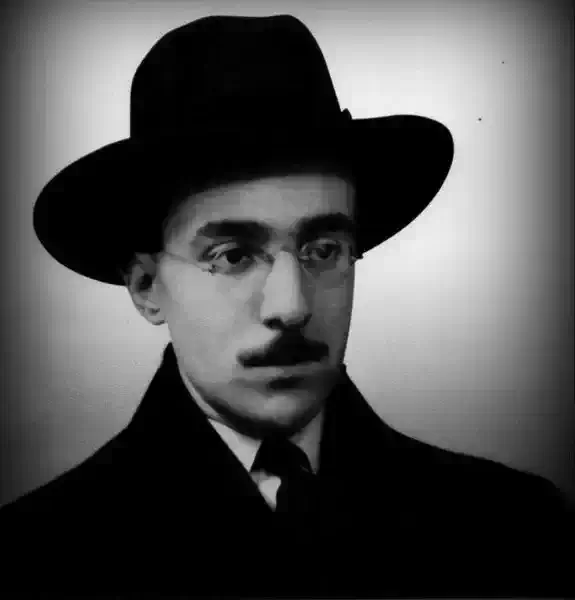
Fernando Pessoa
Ah, não poder dormir (eu não sei como,
Ah, não poder dormir (eu não sei como,
Não na verdade o quero) eternamente,
Acabar não comigo, nem com isto,
Mas com tudo, causa, efeito, ser...
Ideias vãs que a imaginação
Vazia dum momento em quietude
Gera sem ilusão, como criança
Embriagando-se indolentemente
Do cheiro transitório duma flor.
Não na verdade o quero) eternamente,
Acabar não comigo, nem com isto,
Mas com tudo, causa, efeito, ser...
Ideias vãs que a imaginação
Vazia dum momento em quietude
Gera sem ilusão, como criança
Embriagando-se indolentemente
Do cheiro transitório duma flor.
1 426
Fernando Pessoa
Eu sou como um que entre o mar que lhe avança
Eu sou como um que entre o mar que lhe avança
Se vê e entre um rochedo alto e (...)
Mas com maior horror — ah, quão maior!
Perante a morte — aquilo que eu temo
Com horror que transcende todo o horror
Que os homens hão sentido — lhe aproxima...
Coroai-me de espinhos — sou aquele
Que mais no mundo tem sofrido.
P'ra resignar-se à morte é necessário
Não lhe compreender todo o horror,
Não lho medir. Perdi
A última ilusão que até agora
Ninguém perdera, nem o mais audaz
Cogitador metafísico — essa que faz
Com que o pavor não desça às nossas veias
Tornando-se um com a nossa vida.
Se vê e entre um rochedo alto e (...)
Mas com maior horror — ah, quão maior!
Perante a morte — aquilo que eu temo
Com horror que transcende todo o horror
Que os homens hão sentido — lhe aproxima...
Coroai-me de espinhos — sou aquele
Que mais no mundo tem sofrido.
P'ra resignar-se à morte é necessário
Não lhe compreender todo o horror,
Não lho medir. Perdi
A última ilusão que até agora
Ninguém perdera, nem o mais audaz
Cogitador metafísico — essa que faz
Com que o pavor não desça às nossas veias
Tornando-se um com a nossa vida.
1 250
Fernando Pessoa
O coração é pequeno,
O coração é pequeno,
Coitado, e trabalha tanto!
De dia a ter que chorar,
De noite a fazer o pranto...
Coitado, e trabalha tanto!
De dia a ter que chorar,
De noite a fazer o pranto...
1 458
Fernando Pessoa
Fiz estoirar um cartucho
Fiz estoirar um cartucho
Contra a parede do lado.
Assim farei eu à vida,
Que o sonhar fez-me assoprado.
Contra a parede do lado.
Assim farei eu à vida,
Que o sonhar fez-me assoprado.
1 440
Fernando Pessoa
FLASHES OF MADNESS — IV
IV.
1.
When thou didst speak but now I felt
A terror mad and strange.
Conceive it thou. I could have knelt
To thy lips, to their curve, to its change.
The talking curve of thy lips
And thy teeth but slightly shown
Were my delirium's waking whips.
I felt my reason overthrown.
A super-sensual fetichism
Haunts my deep-raving brain.
Greater than ever grows the abysm
Of my reason's and feeling's schism,
Cut with the pickaxe of pain.
More than they show all things contain.
2.
Something not of this world doth lie
In thy smile, in thy lips live turn;
A figure, a form I know not why
That wakes in me — without a sigh
But with terror I cannot spurn
With terror wild and mute —
Is it remembrances, is it
Desires so vague half-known they flit
And not in thought nor sentiment take root?
My mind grows madder and more fit
In everything to catch and find
Meanings, resemblances defined
By not a form that thought can hit.
Smile not. Thou canst not comprehend!
What is this? What truth doth sleep
In these ravings without end
And beyond notion deep?
Laugh not. Know'st thou what madness is?
Wonder not. All is mysteries.
Ask not. For who can reply?
Weep for me, child, but do not love me
Who have in me too much that is above me,
Too much I cannot call «I».
Weep for the ruin of my mind
Weep rather, child, that things so deep should move me
To lose the clear thoughts that could prove me
One worthy of mankind.
1.
When thou didst speak but now I felt
A terror mad and strange.
Conceive it thou. I could have knelt
To thy lips, to their curve, to its change.
The talking curve of thy lips
And thy teeth but slightly shown
Were my delirium's waking whips.
I felt my reason overthrown.
A super-sensual fetichism
Haunts my deep-raving brain.
Greater than ever grows the abysm
Of my reason's and feeling's schism,
Cut with the pickaxe of pain.
More than they show all things contain.
2.
Something not of this world doth lie
In thy smile, in thy lips live turn;
A figure, a form I know not why
That wakes in me — without a sigh
But with terror I cannot spurn
With terror wild and mute —
Is it remembrances, is it
Desires so vague half-known they flit
And not in thought nor sentiment take root?
My mind grows madder and more fit
In everything to catch and find
Meanings, resemblances defined
By not a form that thought can hit.
Smile not. Thou canst not comprehend!
What is this? What truth doth sleep
In these ravings without end
And beyond notion deep?
Laugh not. Know'st thou what madness is?
Wonder not. All is mysteries.
Ask not. For who can reply?
Weep for me, child, but do not love me
Who have in me too much that is above me,
Too much I cannot call «I».
Weep for the ruin of my mind
Weep rather, child, that things so deep should move me
To lose the clear thoughts that could prove me
One worthy of mankind.
1 447
Fernando Pessoa
APOLLO UNTO NEPTUNE
Apollo unto Neptune said:
«Come, I shall drink the sea!»
But Neptune laughed out like a lad
In his boyish jollity,
And cried: «You would drink the earth, if you could,
And infinity.»
And the poet the symbol who understood
Felt his misery.
«Come, I shall drink the sea!»
But Neptune laughed out like a lad
In his boyish jollity,
And cried: «You would drink the earth, if you could,
And infinity.»
And the poet the symbol who understood
Felt his misery.
1 453
Fernando Pessoa
Nem vã esperança vem, não anos vão,
Nem vã esperança vem, não anos vão,
Desesperança, Lídia, nos governa
A consumanda vida.
Só espera ou desespera quem conhece
Que há que esperar. Nós, no labento curso
Do ser, só ignoramos.
Breves no triste gozo desfolhamos
Rosas. Mais breves que nós fingem legar
A comparada vida.
Desesperança, Lídia, nos governa
A consumanda vida.
Só espera ou desespera quem conhece
Que há que esperar. Nós, no labento curso
Do ser, só ignoramos.
Breves no triste gozo desfolhamos
Rosas. Mais breves que nós fingem legar
A comparada vida.
1 450
Fernando Pessoa
THE WOMAN IN BLACK
I
My tale is simple, sad and brief -
As simple as all tales of grief,
As brief as all that is ours, though
It seem eternal to its woe;
No tale of glorious deeds or fair,
But one short poem of despair;
Dark as all things where man is caught
In the fine‑poisoned nets of thought.
Here is no flame of love's old fire,
Nor song of pent or free desire,
No thousand herses [?] fill its plan,
But it is centred round one man.
A man? A boy, if boyhood be
That where is sober misery.
About a boy all moves, an elf
Careless of happiness or pelf,
But fated to sing but himself.
I was not born to joy nor love.
The earth below, the sky above
Compel a sense within my soul
That deeply, heavily doth roll,
Like a tremendous, mystic sea
In lands where dreams alone can be;
A feeling that a sadness is,
Weeping in broken‑hearted bliss;
A sense that is a deep despair -
I know not why I should feel this
Before the things that are most fair.
Beauty is more than pleasure's joy:
That which must please is made to cloy,
And Nature cloys not with distaste
But gives a sorrow [?], as of past
Things whence the Present does inherit
Something where [...] is and deep
Beauty delicious in a sleep
That is half‑sadness to the spirit.
For Pleasure is not Joy - we know
Joy lives as sorrow in the heart;
One or the other lives; the dart
That Sorrow kills comes from Joy's bow.
Pleasure and distaste are not so.
Sorrow and Joy are as the strange
And unknown forms of life and change
That are ignored in depths of ocean:
Pure is the depth of their emotion.
Pleasure and Pain are not like these,
But as on surfaces of seas
The alternation of their motion
And shows of shifting without end.
Joy may like the sun's light transcend
The clouds of Pain; Pleasure may be
The face and look of Misery.
III
Ay, Nature chills me with deep fear,
For Nature, to my seeing, spent
With looking on my woes too near,
It is but Mystery eloquent.
The plainest stone, the simplest flower -
All have a meaning deep and vast,
Mocking their living of an hour.
But this significance, that hath past
So oft to poet’s song and word,
Makes them but madmen, even as I,
Speaking in outline [?] sense absurd
Strange thoughts for beings that must die.
But Man to me is dreader still,
The thing of thought, feeling and will,
Which is so dark unto mine eyes
That of the sense he calls his soul
- Let not of seeing speak the mole [?] -
I cannot dream to theorize.
For men, who have wrought creeds and codes
And guided nations by the roads
Of feeling and of speculation,
Have seen as much - nothing - as I
Into the world. All could perceive
That Nature aught doth signify:
Beyond this they could stop or rave.
Most raved and therefore could believe.
Yet I, naturally wrapt about,
Normally, as in feathers the bird,
With hesitation and with doubt,
Find all the world a thing absurd.
Because myself, a part of it,
Am an absurdity unfit.
Too young I learnt to reason coldly
And draw conclusions firmly, boldly,
From thoughts and facts to shatter creeds,
Careless of man's mendacious needs.
Preciseness cast in me the seeds
Of madness, and the soil was good
For that abnormal growth of pain
Whose flowers are red, colour of blood.
Too soon I learned to see too clear,
And therefore nothing now can capture
My heart, to which reasoning is rapture,
That sees night where most poets say
«'Tis day - I see it all - 'tis day.ª
They sing of joy, T sing of fear.
Alas! Why should I stop thus long
Over the illness of my life,
That has Insanity for wife?
Turn I back with an impulse strong.
Leave I this shallowness and sing.
The deeper sorrow of my song.
My tale is simple, sad and brief -
As simple as all tales of grief,
As brief as all that is ours, though
It seem eternal to its woe;
No tale of glorious deeds or fair,
But one short poem of despair;
Dark as all things where man is caught
In the fine‑poisoned nets of thought.
Here is no flame of love's old fire,
Nor song of pent or free desire,
No thousand herses [?] fill its plan,
But it is centred round one man.
A man? A boy, if boyhood be
That where is sober misery.
About a boy all moves, an elf
Careless of happiness or pelf,
But fated to sing but himself.
I was not born to joy nor love.
The earth below, the sky above
Compel a sense within my soul
That deeply, heavily doth roll,
Like a tremendous, mystic sea
In lands where dreams alone can be;
A feeling that a sadness is,
Weeping in broken‑hearted bliss;
A sense that is a deep despair -
I know not why I should feel this
Before the things that are most fair.
Beauty is more than pleasure's joy:
That which must please is made to cloy,
And Nature cloys not with distaste
But gives a sorrow [?], as of past
Things whence the Present does inherit
Something where [...] is and deep
Beauty delicious in a sleep
That is half‑sadness to the spirit.
For Pleasure is not Joy - we know
Joy lives as sorrow in the heart;
One or the other lives; the dart
That Sorrow kills comes from Joy's bow.
Pleasure and distaste are not so.
Sorrow and Joy are as the strange
And unknown forms of life and change
That are ignored in depths of ocean:
Pure is the depth of their emotion.
Pleasure and Pain are not like these,
But as on surfaces of seas
The alternation of their motion
And shows of shifting without end.
Joy may like the sun's light transcend
The clouds of Pain; Pleasure may be
The face and look of Misery.
III
Ay, Nature chills me with deep fear,
For Nature, to my seeing, spent
With looking on my woes too near,
It is but Mystery eloquent.
The plainest stone, the simplest flower -
All have a meaning deep and vast,
Mocking their living of an hour.
But this significance, that hath past
So oft to poet’s song and word,
Makes them but madmen, even as I,
Speaking in outline [?] sense absurd
Strange thoughts for beings that must die.
But Man to me is dreader still,
The thing of thought, feeling and will,
Which is so dark unto mine eyes
That of the sense he calls his soul
- Let not of seeing speak the mole [?] -
I cannot dream to theorize.
For men, who have wrought creeds and codes
And guided nations by the roads
Of feeling and of speculation,
Have seen as much - nothing - as I
Into the world. All could perceive
That Nature aught doth signify:
Beyond this they could stop or rave.
Most raved and therefore could believe.
Yet I, naturally wrapt about,
Normally, as in feathers the bird,
With hesitation and with doubt,
Find all the world a thing absurd.
Because myself, a part of it,
Am an absurdity unfit.
Too young I learnt to reason coldly
And draw conclusions firmly, boldly,
From thoughts and facts to shatter creeds,
Careless of man's mendacious needs.
Preciseness cast in me the seeds
Of madness, and the soil was good
For that abnormal growth of pain
Whose flowers are red, colour of blood.
Too soon I learned to see too clear,
And therefore nothing now can capture
My heart, to which reasoning is rapture,
That sees night where most poets say
«'Tis day - I see it all - 'tis day.ª
They sing of joy, T sing of fear.
Alas! Why should I stop thus long
Over the illness of my life,
That has Insanity for wife?
Turn I back with an impulse strong.
Leave I this shallowness and sing.
The deeper sorrow of my song.
1 649
Fernando Pessoa
There is no peace save where I am not,
There is no peace save where I am not,
The woods are gay where I never pass,
Nothing but shadows are where my thought
Plunges its feet in the moist dead grass.
Nothing save shadows and day elsewhere
Waiting for those that await and hope.
A horror lays its wind on my hair,
And a cold hand does for my cold hand grope.
Yet nothing in me save pain merits this,
Nothing in me save this merits pain.
Oh, Mother of Shadows, whose ice-dead kiss
Is madness, hasten towards my brain!
The woods are gay where I never pass,
Nothing but shadows are where my thought
Plunges its feet in the moist dead grass.
Nothing save shadows and day elsewhere
Waiting for those that await and hope.
A horror lays its wind on my hair,
And a cold hand does for my cold hand grope.
Yet nothing in me save pain merits this,
Nothing in me save this merits pain.
Oh, Mother of Shadows, whose ice-dead kiss
Is madness, hasten towards my brain!
1 053
Fernando Pessoa
O mistério dos olhos e do olhar
O mistério dos olhos e do olhar
Do sujeito e do objecto, transparente
Ao horror que além dele está; o mudo
Sentimento de se desconhecer,
E a confrangida comoção que nasce
De sentir a loucura do vazio;
O horror duma existência incompreendida
Quando à alma se chega desse horror
Faz toda a dor humana uma ilusão.
Essa é a suprema dor, a vera cruz.
Querem desdenhar o teu sentir orgulho
Oh, Cristo!
Então eu vejo — horror — a íntima alma,
O perene mistério que atravessa
Como um suspiro céus e corações.
Do sujeito e do objecto, transparente
Ao horror que além dele está; o mudo
Sentimento de se desconhecer,
E a confrangida comoção que nasce
De sentir a loucura do vazio;
O horror duma existência incompreendida
Quando à alma se chega desse horror
Faz toda a dor humana uma ilusão.
Essa é a suprema dor, a vera cruz.
Querem desdenhar o teu sentir orgulho
Oh, Cristo!
Então eu vejo — horror — a íntima alma,
O perene mistério que atravessa
Como um suspiro céus e corações.
1 197
Fernando Pessoa
O Suspiro do mundo: - Vida, morte,
Vida, morte,
Riso, pranto
É o manto
Que me cobre.
Natureza,
Amor, beleza,
Tudo quanto
A alma descobre.
O Mistério
Deste mundo
Teu profundo
Olhar leu;
D'além dele —
Cerra a alma
De pavor! —
Venho eu.
Nada, nada
Já acalma
Tua dor.
Tu bem sabes
Ser minha voz
Mais atroz
De mudo horror
No que não diz,
E só tu sentes
E compreendes.
Cerra, infeliz
Cerra a (tua) alma
Ao meu pavor!
(Fausto, com os olhos fechados, encolhido na cadeira, treme como que dum grande frio.)
Riso, pranto
É o manto
Que me cobre.
Natureza,
Amor, beleza,
Tudo quanto
A alma descobre.
O Mistério
Deste mundo
Teu profundo
Olhar leu;
D'além dele —
Cerra a alma
De pavor! —
Venho eu.
Nada, nada
Já acalma
Tua dor.
Tu bem sabes
Ser minha voz
Mais atroz
De mudo horror
No que não diz,
E só tu sentes
E compreendes.
Cerra, infeliz
Cerra a (tua) alma
Ao meu pavor!
(Fausto, com os olhos fechados, encolhido na cadeira, treme como que dum grande frio.)
1 536
Fernando Pessoa
Sorrow came and wept
Sorrow came and wept
By my side.
Slow and light she stept
As I walked towards God
By my side.
But I can never find that Great Abode,
And there is darkness in Descried.
By my side.
Slow and light she stept
As I walked towards God
By my side.
But I can never find that Great Abode,
And there is darkness in Descried.
1 261
Fernando Pessoa
O meu coração quebrou-se
O meu coração quebrou-se
Como um bocado de vidro
Quis viver e enganou-se...
Como um bocado de vidro
Quis viver e enganou-se...
1 538
Fernando Pessoa
Uma boneca de trapos
Uma boneca de trapos
Não se parte se cair.
Fizeste-me a alma em farrapos...
Bem: não se pode partir.
Não se parte se cair.
Fizeste-me a alma em farrapos...
Bem: não se pode partir.
1 641
Fernando Pessoa
Filho das trevas,
Filho das trevas,
Não fites a luz
Ai de ti, se te elevas,
Tu apenas te elevas
Aos braços de uma cruz.
Filho das trevas!
Filho da noite,
A manhã não se afoite
Nunca, nunca se afoite.
Toda a esperança é vã,
Filho da noite!
Não fites a luz
Ai de ti, se te elevas,
Tu apenas te elevas
Aos braços de uma cruz.
Filho das trevas!
Filho da noite,
A manhã não se afoite
Nunca, nunca se afoite.
Toda a esperança é vã,
Filho da noite!
1 550
Fernando Pessoa
Montanhas, solidões, objectos todos,
Montanhas, solidões, objectos todos,
Ainda que assim eu tenha de morrer,
Revelai-me a vossa alma, isso que faz
Que se me gele a mente ao perceber
Que realmente existis e em verdade,
Que sois facto, existência, cousas, ser.
Quantos o sentem, quantos, ao ouvir-me
«Estou aqui» compreenderão
Íntima e inteiramente, ouvindo n'alma
A alma da minha voz?
A expressão
Fez-se para o vulgar, para o banal.
A poesia torce-a e dilacera-a;
Mas isto que eu em vão impor-lhe quero
Transcende-lhe o poder e a sugestão.
Metáfora nem símbolo o exprime;
Desespero ao ouvir-me assim dizer
Isso que n'alma tenho. Sinto-o, sinto-o
E só falando não me compreendo.
No mais simples dos factos é que existe
O horror maior: nisto: que há existência.
Sentir isto, eis o horror que não tem nome!
Mas senti-lo a sentir, intimamente,
Não com anseios ou suspiros d'alma,
Mas com pavor supremo, com gelado
Inerte horror de desesperação.
Ainda que assim eu tenha de morrer,
Revelai-me a vossa alma, isso que faz
Que se me gele a mente ao perceber
Que realmente existis e em verdade,
Que sois facto, existência, cousas, ser.
Quantos o sentem, quantos, ao ouvir-me
«Estou aqui» compreenderão
Íntima e inteiramente, ouvindo n'alma
A alma da minha voz?
A expressão
Fez-se para o vulgar, para o banal.
A poesia torce-a e dilacera-a;
Mas isto que eu em vão impor-lhe quero
Transcende-lhe o poder e a sugestão.
Metáfora nem símbolo o exprime;
Desespero ao ouvir-me assim dizer
Isso que n'alma tenho. Sinto-o, sinto-o
E só falando não me compreendo.
No mais simples dos factos é que existe
O horror maior: nisto: que há existência.
Sentir isto, eis o horror que não tem nome!
Mas senti-lo a sentir, intimamente,
Não com anseios ou suspiros d'alma,
Mas com pavor supremo, com gelado
Inerte horror de desesperação.
1 333
Fernando Pessoa
SOUL-SYMBOLS
My soul ‑ what is my soul? But symbols mute
Its horror and confusion can give out:
A desert out of space where absolute
Reigns expectation full of horrid doubt.
It gives the sense that giveth, strange and dark,
Some unknown river weird, hauntingly lone,
In some old picture storiless, sole work
Of some great painter horribly unknown.
It is an island out of human track,
Mysterious, old within the sea and full
Of caves and grottoes unexplored and black,
Pregnant with many horrors possible.
It is an olden inn with corridors
Woven in a labyrinth and scarce of light,
Where through the night the sound of shutting doors,
Vague in its cause and place, fills us with fright.
It is a mountain region wild and free,
Precipiced, hid and silent, never seen,
Where we dare not think of what might have been
Nor wish idea of what things may be.
If ever mystery, romance and fear
Have shown their heart on canvas and on scroll,
It must assuredly to men appear
As to mine inner sense appears my soul.
It is a vision-desert full of rocks
Where all than reason is both more and less,
'Tis a lone coast where the sea's endless shocks
Fill with an empty sound its lifelessness.
Something of lost, forgotten, vague and dead,
Yet waking, as a slumberer mystical
Seems to perceive, for who looks knows with dread
That something he doth see to make appal.
All this my soul is in its weak despair,
Full of sense unto pain, of thought to tears,
Having for meed of reason a mute care,
For company to feeling - woes and fears.
So to my glance, as if with opium wide,
My very self is grown a mystery;
In inexstatic fear Life doth abide
And madness like my breath is within me.
Its horror and confusion can give out:
A desert out of space where absolute
Reigns expectation full of horrid doubt.
It gives the sense that giveth, strange and dark,
Some unknown river weird, hauntingly lone,
In some old picture storiless, sole work
Of some great painter horribly unknown.
It is an island out of human track,
Mysterious, old within the sea and full
Of caves and grottoes unexplored and black,
Pregnant with many horrors possible.
It is an olden inn with corridors
Woven in a labyrinth and scarce of light,
Where through the night the sound of shutting doors,
Vague in its cause and place, fills us with fright.
It is a mountain region wild and free,
Precipiced, hid and silent, never seen,
Where we dare not think of what might have been
Nor wish idea of what things may be.
If ever mystery, romance and fear
Have shown their heart on canvas and on scroll,
It must assuredly to men appear
As to mine inner sense appears my soul.
It is a vision-desert full of rocks
Where all than reason is both more and less,
'Tis a lone coast where the sea's endless shocks
Fill with an empty sound its lifelessness.
Something of lost, forgotten, vague and dead,
Yet waking, as a slumberer mystical
Seems to perceive, for who looks knows with dread
That something he doth see to make appal.
All this my soul is in its weak despair,
Full of sense unto pain, of thought to tears,
Having for meed of reason a mute care,
For company to feeling - woes and fears.
So to my glance, as if with opium wide,
My very self is grown a mystery;
In inexstatic fear Life doth abide
And madness like my breath is within me.
1 402
Fernando Pessoa
GOD’S WORK
«God's work ‑ how great his power!» said he
As we gazed out upon the sea
Beating the beach tumultuously
Round the land-head.
The vessel then strikes with a crash,
Over her deck the waters rash
Make horror deep in rent and gash.
«God's work» , I said.
As we gazed out upon the sea
Beating the beach tumultuously
Round the land-head.
The vessel then strikes with a crash,
Over her deck the waters rash
Make horror deep in rent and gash.
«God's work» , I said.
1 311
Fernando Pessoa
Ânsia infinda
Ânsia infinda
De reaver o direito à sensação,
Que é humano em mim e que esquecido tinha;
Ânsia de vã paixão que muito parte
Do (...) desesperado sofrimento;
Ânsia de sentir e (...)
E antes de ser amado que de amar.
Mas ah, não sei se já — estranho ser (
Volver eu posso à vida, pois me sinto
Estranho ao mundo, à vida e aos olhares,
Um Incapaz de ser irmão. Dum salto
Queria reaver meu natural
Como homem. E depois? Depois não sei.
Ah, nem no sonho, forte pensamento,
Me deixas, seco e argumentador.
É necessário pois não pensar mais.
Mas não; não pode ser, a abdicação.
Mas o quê — abdicar do pensamento
Em proveito da mera sensação?
De reaver o direito à sensação,
Que é humano em mim e que esquecido tinha;
Ânsia de vã paixão que muito parte
Do (...) desesperado sofrimento;
Ânsia de sentir e (...)
E antes de ser amado que de amar.
Mas ah, não sei se já — estranho ser (
Volver eu posso à vida, pois me sinto
Estranho ao mundo, à vida e aos olhares,
Um Incapaz de ser irmão. Dum salto
Queria reaver meu natural
Como homem. E depois? Depois não sei.
Ah, nem no sonho, forte pensamento,
Me deixas, seco e argumentador.
É necessário pois não pensar mais.
Mas não; não pode ser, a abdicação.
Mas o quê — abdicar do pensamento
Em proveito da mera sensação?
1 601
Fernando Pessoa
FAUSTO: Reza por mim Maria
FAUSTO:
Reza por mim Maria
MARIA:
(Rezo por ti? Sim rezarei. Mas o que tens?)
FAUSTO:
Reza por mim e diz a Deus (...)
Reza por mim, Maria, e eu sentirei
Uma calma d'amor sobre o meu ser,
Como o luar sobre um lago estagnado,
A fazê-lo um milagre de beleza.
Reza por mim e diz: Oh Deus, meu Deus,
Fazei-o inda feliz esse a quem amo
(Se é que me amas...).
MARIA:
Inda duvidas, meu amor?
FAUSTO:
Dize: Fazei feliz esse a quem amo
E que, qual condenado pela vida,
Arrasta a grilheta da dor,
Cujos olhos não choram por não ter
Na alma já lágrimas p'ra chorar,
Que, tendo erguido o seu pensar ao cume
Do humano pensar... Não, não importa,
Não digas nada, reza e que a tua alma,
Compadecendo-se de mim encontre
Os termos, as palavras que na prece
Murmurará... Choras? Fiz-te chorar?
MARIA:
Sim... Não... Eu choro apenas de te ver
Triste e (...) sem que eu compreenda
Tua tristeza, meu amor. Vem ela
De alguma dor — oh dize-me, partilha
Comigo a tua dor que eu te darei
O meu carinho, porque te amo tanto...
FAUSTO:
Tu amas-me, tu amas-me, Maria?
MARIA:
Ah, tu duvidas? Meu amor, duvidas?
Temes talvez que o meu acanhamento,
Que vem d'amor, eu não sei como, seja
Indiferença... Não... ah não o creias!
Eu não tenho a viveza, nem a ardência
Que algumas têm, tremo de mim mesma
Do meu amor, mas eu não sei por quê...
Mas amo-te... Se te amo, porque hás-de
Tu duvidar de mim?
Ah, se palavras
Podem levar a alma nelas, Fausto,
Se o amor, este amor como eu sinto,
Pode dizer-se sem o duvidar
Se o que eu sinto em minha alma quando te vejo
Quando sinto o teu passo, quando penso
Em ti, amor, em ti, se olhares, beijos
Podem mostrar o amor, todo o amor —
Crê que as minhas palavras, os meus beijos,
O meu olhar têm esse amor.
Se eu não posso
Gritar:amor, amor, ardentemente
E desmedidamente, e a voz em fogo,
É que em mim mesmo, nasce-me um pudor
De o dizer muito alto (mas não creias
Que é por amar-te pouco, que só é
De amar-te muito e amar-te como te amo)
Se isto não faço, não duvides, não...
Eu não sei dizer mais; não aprendi
Como o amor fala não, não aprendi,
Porque o amor não fala, não pode
Dizer-se todo, senão não seria
Amor, ao menos este amor que eu sinto.
Não sei, não sei dizer-te... Não duvides!
Eu pareço talvez fria aos teus olhos;
Não duvides que eu sofra muito, muito
Por duvidares
E eu amo-te... Meu Deus, como eu te amo!
FAUSTO (aparte):
Como eu sinto de ouvi-la e de sentir
(Sentir pelo meu pensamento) quanto
É aquele amor e como ele é amor,
Minha alma fria, meu coração frio!
Aquilo é amor... Eu, pois, nunca amarei...
Que ela fala e eu compreendo (se compreendo!
Quanto ela ama, como ela fala amor).
Nada sinto em mim que nasça, surja
E vá de encontro ao seu amor. Não posso
Fazer erguer em mim um sentimento
Que dê as mãos àquele. E, de o não poder,
Eu mais frio me sinto, mais pesado
N'alma, na minha desconsolação.
Como me sinto falso, falso a mim mesmo,
Falso à existência, falso à vida, ao amor!
(alto)
Perdoa, amor
(aparte)
Amor! Como me amarga
De vazia em meu ser esta palavra!
Como de isso assim ser me encolerizo!
(alto)
Perdoa, meu amor!
Cedo aprendi a duvidar de tudo
Por duvidar de mim, sem o querer,
Sem razão de o querer ou de o pensar
Durante em honras, amor, felicidade...
Em tudo... Mas eu creio em ti, Maria,
Eu creio em ti... Como és bela! Não, não chores,
Quero falar ternura e não o sei;
Tenho a alma fria — oh raiva! é impossível.
Reza por mim Maria
MARIA:
(Rezo por ti? Sim rezarei. Mas o que tens?)
FAUSTO:
Reza por mim e diz a Deus (...)
Reza por mim, Maria, e eu sentirei
Uma calma d'amor sobre o meu ser,
Como o luar sobre um lago estagnado,
A fazê-lo um milagre de beleza.
Reza por mim e diz: Oh Deus, meu Deus,
Fazei-o inda feliz esse a quem amo
(Se é que me amas...).
MARIA:
Inda duvidas, meu amor?
FAUSTO:
Dize: Fazei feliz esse a quem amo
E que, qual condenado pela vida,
Arrasta a grilheta da dor,
Cujos olhos não choram por não ter
Na alma já lágrimas p'ra chorar,
Que, tendo erguido o seu pensar ao cume
Do humano pensar... Não, não importa,
Não digas nada, reza e que a tua alma,
Compadecendo-se de mim encontre
Os termos, as palavras que na prece
Murmurará... Choras? Fiz-te chorar?
MARIA:
Sim... Não... Eu choro apenas de te ver
Triste e (...) sem que eu compreenda
Tua tristeza, meu amor. Vem ela
De alguma dor — oh dize-me, partilha
Comigo a tua dor que eu te darei
O meu carinho, porque te amo tanto...
FAUSTO:
Tu amas-me, tu amas-me, Maria?
MARIA:
Ah, tu duvidas? Meu amor, duvidas?
Temes talvez que o meu acanhamento,
Que vem d'amor, eu não sei como, seja
Indiferença... Não... ah não o creias!
Eu não tenho a viveza, nem a ardência
Que algumas têm, tremo de mim mesma
Do meu amor, mas eu não sei por quê...
Mas amo-te... Se te amo, porque hás-de
Tu duvidar de mim?
Ah, se palavras
Podem levar a alma nelas, Fausto,
Se o amor, este amor como eu sinto,
Pode dizer-se sem o duvidar
Se o que eu sinto em minha alma quando te vejo
Quando sinto o teu passo, quando penso
Em ti, amor, em ti, se olhares, beijos
Podem mostrar o amor, todo o amor —
Crê que as minhas palavras, os meus beijos,
O meu olhar têm esse amor.
Se eu não posso
Gritar:amor, amor, ardentemente
E desmedidamente, e a voz em fogo,
É que em mim mesmo, nasce-me um pudor
De o dizer muito alto (mas não creias
Que é por amar-te pouco, que só é
De amar-te muito e amar-te como te amo)
Se isto não faço, não duvides, não...
Eu não sei dizer mais; não aprendi
Como o amor fala não, não aprendi,
Porque o amor não fala, não pode
Dizer-se todo, senão não seria
Amor, ao menos este amor que eu sinto.
Não sei, não sei dizer-te... Não duvides!
Eu pareço talvez fria aos teus olhos;
Não duvides que eu sofra muito, muito
Por duvidares
E eu amo-te... Meu Deus, como eu te amo!
FAUSTO (aparte):
Como eu sinto de ouvi-la e de sentir
(Sentir pelo meu pensamento) quanto
É aquele amor e como ele é amor,
Minha alma fria, meu coração frio!
Aquilo é amor... Eu, pois, nunca amarei...
Que ela fala e eu compreendo (se compreendo!
Quanto ela ama, como ela fala amor).
Nada sinto em mim que nasça, surja
E vá de encontro ao seu amor. Não posso
Fazer erguer em mim um sentimento
Que dê as mãos àquele. E, de o não poder,
Eu mais frio me sinto, mais pesado
N'alma, na minha desconsolação.
Como me sinto falso, falso a mim mesmo,
Falso à existência, falso à vida, ao amor!
(alto)
Perdoa, amor
(aparte)
Amor! Como me amarga
De vazia em meu ser esta palavra!
Como de isso assim ser me encolerizo!
(alto)
Perdoa, meu amor!
Cedo aprendi a duvidar de tudo
Por duvidar de mim, sem o querer,
Sem razão de o querer ou de o pensar
Durante em honras, amor, felicidade...
Em tudo... Mas eu creio em ti, Maria,
Eu creio em ti... Como és bela! Não, não chores,
Quero falar ternura e não o sei;
Tenho a alma fria — oh raiva! é impossível.
1 435
Fernando Pessoa
Uma voz como um suspiro:
Quem sabe se ainda
Não é mais profundo
Do que o pensamento
O enigma do mundo!
Quem sabe, quem sabe!
Horror, ai horror!
Se também ser basta,
Voraz pensador!
Mais frio, mais doido
O mistério será
Do que tu achaste!
Se ainda haverá,
Além do Além,
Horror mais horror!
Também deliraste,
Oh monstro de Dor!
Depressa, depressa,
Lembremos enfim:
Pensar é viver,
Mistérios e dor,
Sonhar e descrer
Horror, tudo horror!
Numa noite sem fim.
Não é mais profundo
Do que o pensamento
O enigma do mundo!
Quem sabe, quem sabe!
Horror, ai horror!
Se também ser basta,
Voraz pensador!
Mais frio, mais doido
O mistério será
Do que tu achaste!
Se ainda haverá,
Além do Além,
Horror mais horror!
Também deliraste,
Oh monstro de Dor!
Depressa, depressa,
Lembremos enfim:
Pensar é viver,
Mistérios e dor,
Sonhar e descrer
Horror, tudo horror!
Numa noite sem fim.
1 317
Fernando Pessoa
Num atordoamento e confusão
Num atordoamento e confusão
Arde-me a alma, sinto nos meus olhos
Um fogo estranho, de compreensão
E incompreensão urdido, enorme
Agonia e anseio de existência
Horror e dor, [agonia] sem fim!
Arde-me a alma, sinto nos meus olhos
Um fogo estranho, de compreensão
E incompreensão urdido, enorme
Agonia e anseio de existência
Horror e dor, [agonia] sem fim!
1 716
Fernando Pessoa
Oh o maior horror de terem cessado os clarins
Oh o maior horror de terem cessado os clarins
Que sons indecisos nos traz o que substitui o vento
Nesta profunda palidez [...] dos que mataram?
Quem é que vem? O que nos vai dar
Que criança a soluçar em calma noite intranquila,
Meu irmão? A irmã de quem? Ó anos de infância
Em que eu olhava da janela os soldados e via os uniformes
E a sangrenta e carnal realidade das coisas não existia para mim!...
Choque de cavaleiros onde?
Artilharia, onde, onde, onde?
Ó dor da [indecisão?] com agitações inexplicáveis à superfície de águas estagnadas...
Ó murmúrio incompreensível da morte como que vento nas folhagens...
Ó pavor certo de uma realidade desenhada pelos espelhos indecisos...
(Lágrimas nas tuas mãos
E plácido o teu olhar...
E tu, amor, és uma realidade também...
Ah, não ser tudo senão um quadro, um quadro qualquer...
E quem sabe se tudo não será um quadro e a dor e a alegria
E a incerteza e o terror
Coisas, meras coisas, [...]
Lágrimas nas tuas mãos, no terraço sobre o lago azul da montanha
E lento o crepúsculo sobre os cumes altos das nossas duas almas
E uma vontade de chorar a apertar-nos aos dois ao seu peito...)
A guerra. a guerra, a guerra realmente.
Excessivamente aqui, horror, a guerra real...
Com a sua realidade de gente que vive realmente,
Com a sua estratégia realmente aplicada a exércitos reais compostos de gente real
E as suas consequências, não coisas contadas em livros
Mas frias verdades, de estragos realmente humanos, mortes de quem morreu, na verdade,
E o sol também real sobre a terra também real
Reais em acto e a mesma merda no meio disto tudo!
Verdade do perigo, dos mortos, dos doentes e das violações,
E os sons florescem nos gritos misteriosamente...
A gaiola do canário à tua janela, Maria,
E o sussurro suave da água que gorgoleja no tanque...
O corpo... E os outros corpos não muito diferentes deste,
A morte... E o contrário disto tudo é a vida...
Dói-me a alma e não compreendo...
Custa-me a acreditar no que existe...
Pálido e perturbado. não me mexo e sofro.
Que sons indecisos nos traz o que substitui o vento
Nesta profunda palidez [...] dos que mataram?
Quem é que vem? O que nos vai dar
Que criança a soluçar em calma noite intranquila,
Meu irmão? A irmã de quem? Ó anos de infância
Em que eu olhava da janela os soldados e via os uniformes
E a sangrenta e carnal realidade das coisas não existia para mim!...
Choque de cavaleiros onde?
Artilharia, onde, onde, onde?
Ó dor da [indecisão?] com agitações inexplicáveis à superfície de águas estagnadas...
Ó murmúrio incompreensível da morte como que vento nas folhagens...
Ó pavor certo de uma realidade desenhada pelos espelhos indecisos...
(Lágrimas nas tuas mãos
E plácido o teu olhar...
E tu, amor, és uma realidade também...
Ah, não ser tudo senão um quadro, um quadro qualquer...
E quem sabe se tudo não será um quadro e a dor e a alegria
E a incerteza e o terror
Coisas, meras coisas, [...]
Lágrimas nas tuas mãos, no terraço sobre o lago azul da montanha
E lento o crepúsculo sobre os cumes altos das nossas duas almas
E uma vontade de chorar a apertar-nos aos dois ao seu peito...)
A guerra. a guerra, a guerra realmente.
Excessivamente aqui, horror, a guerra real...
Com a sua realidade de gente que vive realmente,
Com a sua estratégia realmente aplicada a exércitos reais compostos de gente real
E as suas consequências, não coisas contadas em livros
Mas frias verdades, de estragos realmente humanos, mortes de quem morreu, na verdade,
E o sol também real sobre a terra também real
Reais em acto e a mesma merda no meio disto tudo!
Verdade do perigo, dos mortos, dos doentes e das violações,
E os sons florescem nos gritos misteriosamente...
A gaiola do canário à tua janela, Maria,
E o sussurro suave da água que gorgoleja no tanque...
O corpo... E os outros corpos não muito diferentes deste,
A morte... E o contrário disto tudo é a vida...
Dói-me a alma e não compreendo...
Custa-me a acreditar no que existe...
Pálido e perturbado. não me mexo e sofro.
1 344