

Poemas neste tema
Fé, Espiritualidade e Religião

Pedro Sena
Life goes on and a new Christmas comes
Life goes on and a new Christmas comes
and we go under the sun, the earth turns
continually, ... praying for his holy birth
forget our own, mother, such rotten girth.
In the eyes of the noblest ones of them all
we wonder,...
will he die for my sins, or his own fall?
The life of a child, the son of holy union
( how about you )
the largest symbol, to many heathens, opinion
( surely you believe )
yet, as we remenber this day of his coming
( as you and I )
many more will surely be coming, atoning
( right )
many silly notions of our lowly, sad, life
when it matters not his real truth or spite
for your day for the deliverance of your heart
will stand one day, look around, also smart
( for real this time )
and wish for things already gone very far
hoping for a new start, everglowing star
of hopes, wishes, dreams, visions and faiths
that have never wanted you around
except when you can justify your being
through a gross process of your mind
where the cynic eyes choose your law
as simple, and above that of the flaw
which we have created for ourselves.
Awake!!! All you noble souls, realize, celebrate
the very birth of your own heart, you ingrate,
into my arms, the ones you have eer hoped
while you prayed, you cried, learnd, invoked
for a freedom on this earth
( your own )
with its carefully crafted dearth
( nature )
where so many can be created
devoid of heart and nurture
ready to fight another war
and die in splendour,
once again,
...
let them be born,
again,
those with the courage,
but never shall you try
to tell them why,
and how,
you just dont know,
you really dont know,
and why should you know...
and we go under the sun, the earth turns
continually, ... praying for his holy birth
forget our own, mother, such rotten girth.
In the eyes of the noblest ones of them all
we wonder,...
will he die for my sins, or his own fall?
The life of a child, the son of holy union
( how about you )
the largest symbol, to many heathens, opinion
( surely you believe )
yet, as we remenber this day of his coming
( as you and I )
many more will surely be coming, atoning
( right )
many silly notions of our lowly, sad, life
when it matters not his real truth or spite
for your day for the deliverance of your heart
will stand one day, look around, also smart
( for real this time )
and wish for things already gone very far
hoping for a new start, everglowing star
of hopes, wishes, dreams, visions and faiths
that have never wanted you around
except when you can justify your being
through a gross process of your mind
where the cynic eyes choose your law
as simple, and above that of the flaw
which we have created for ourselves.
Awake!!! All you noble souls, realize, celebrate
the very birth of your own heart, you ingrate,
into my arms, the ones you have eer hoped
while you prayed, you cried, learnd, invoked
for a freedom on this earth
( your own )
with its carefully crafted dearth
( nature )
where so many can be created
devoid of heart and nurture
ready to fight another war
and die in splendour,
once again,
...
let them be born,
again,
those with the courage,
but never shall you try
to tell them why,
and how,
you just dont know,
you really dont know,
and why should you know...
937

Carlos Nogueira Fino
um grito de raiva por timor lorosae
depois de tudo isto é obrigatório que existas
deus
para que sejas tu a julgar os assassinos que vão ficar impunes
envelhecendo anonimamente por toda a indonésia
até cairem podres
e os que dão ao diabo o benefício da dúvida
e tempo adicional à morte
para que o silêncio desça imperturbável sobre os mártires
e os rios de sangue se evaporem
porque os mandantes
esses já os consome apesar da tua contumaz ausência
terem compreendido que não são humanos
e lhes queima as entranhas o veneno de não ter futuro
deus
para que sejas tu a julgar os assassinos que vão ficar impunes
envelhecendo anonimamente por toda a indonésia
até cairem podres
e os que dão ao diabo o benefício da dúvida
e tempo adicional à morte
para que o silêncio desça imperturbável sobre os mártires
e os rios de sangue se evaporem
porque os mandantes
esses já os consome apesar da tua contumaz ausência
terem compreendido que não são humanos
e lhes queima as entranhas o veneno de não ter futuro
920
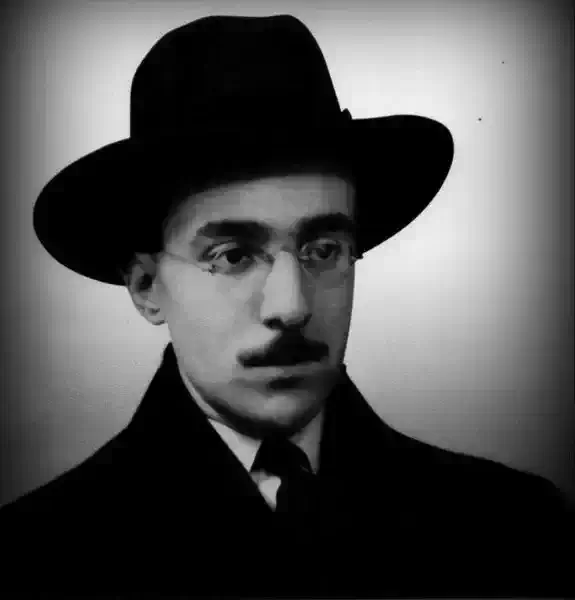
Fernando Pessoa
PRAYER
PRAYER
Our lady of Useless Tears,
Thine is my heart's best shrine.
I am sick with the gorging years,
I am drunk with the bitter wine
Of having but cares and fears,
Of knowing but how to pine.
It is useless to pray to thee,
But my heart is full of pain.
Thy glance would be charity,
Even if the look were disdain.
Give me that I may be
A child like thine again.
My sense of me is all tears.
I pity my heart too much.
O a cradle for my fears
And the hem of thy garment to clutch!
O wert thou alive and near us,
And thy hand a hand that could touch!
I do not know how to pray.
My heart is a torn pall.
See how my hair grows gray.
O teach my lips to call
On thy name night and day
As if that name were all.
My fathers' faith doth rise
To my lips this sick hour.
I pray to thee with mine eyes
Rosaries of anguish. O dower
My soul with a least sweet lies
Of thy suffering son's power!
I have forgotten the taste
Of faith, and ache for prayer.
My heart is a garden laid waste.
O thy hand on my hair
Like a mother's hand let rest
And let me die with it there!
Our lady of Useless Tears,
Thine is my heart's best shrine.
I am sick with the gorging years,
I am drunk with the bitter wine
Of having but cares and fears,
Of knowing but how to pine.
It is useless to pray to thee,
But my heart is full of pain.
Thy glance would be charity,
Even if the look were disdain.
Give me that I may be
A child like thine again.
My sense of me is all tears.
I pity my heart too much.
O a cradle for my fears
And the hem of thy garment to clutch!
O wert thou alive and near us,
And thy hand a hand that could touch!
I do not know how to pray.
My heart is a torn pall.
See how my hair grows gray.
O teach my lips to call
On thy name night and day
As if that name were all.
My fathers' faith doth rise
To my lips this sick hour.
I pray to thee with mine eyes
Rosaries of anguish. O dower
My soul with a least sweet lies
Of thy suffering son's power!
I have forgotten the taste
Of faith, and ache for prayer.
My heart is a garden laid waste.
O thy hand on my hair
Like a mother's hand let rest
And let me die with it there!
4 653
Fernando Pessoa
25 - NOTHING
NOTHING
The angels came and sought her.
They found her by my side.
There where her wings had brought her.
The angels took her away.
She had left their home, their God-bright day
And come by me to abide.
She loved me because love
Loves but imperfect things.
The angels came from above
And bore her away from me.
They bore her away for ever
Between their luminous wings.
'Tis true she was their sister
And near to God as they.
But she loved me because
My heart had not a sister.
They have taken her away
And this is all there was.
The angels came and sought her.
They found her by my side.
There where her wings had brought her.
The angels took her away.
She had left their home, their God-bright day
And come by me to abide.
She loved me because love
Loves but imperfect things.
The angels came from above
And bore her away from me.
They bore her away for ever
Between their luminous wings.
'Tis true she was their sister
And near to God as they.
But she loved me because
My heart had not a sister.
They have taken her away
And this is all there was.
4 359
Fernando Pessoa
21 - SISTER CECILY
SISTER CECILY
Alas for Sister Cecily!
To whom prayeth she,
Till feet are numb and pained knees torn
And pale lips inward driven,
Eye-lifting orisons at morn,
Low-lidded prayers at even?
She prayeth to Mary Mother and Queen,
Who still hath been
Who keepeth child and maid from harm,
Our Lady with eyes of dole,
With a lily along her conscious arm
And a virgin's aureole.
For of the Virgin it is said
That she hath bled
At seven pains for her sad son
And therefore for us all,
Whose souls by heavenly hands are spun
Out of the same white wool.
So to her prayeth Cecily
That all may be
Washed pure in the perennial fount
Where the saints meet,
And given to reach the Shining Mount
Though with torn feet.
And though she know me not, nor pray
For me, oh! may
Her prayer for man's woe make me part
Of what she says,
So a vague rest fall on my heart
Because she prays.
Alas for Sister Cecily!
To whom prayeth she,
Till feet are numb and pained knees torn
And pale lips inward driven,
Eye-lifting orisons at morn,
Low-lidded prayers at even?
She prayeth to Mary Mother and Queen,
Who still hath been
Who keepeth child and maid from harm,
Our Lady with eyes of dole,
With a lily along her conscious arm
And a virgin's aureole.
For of the Virgin it is said
That she hath bled
At seven pains for her sad son
And therefore for us all,
Whose souls by heavenly hands are spun
Out of the same white wool.
So to her prayeth Cecily
That all may be
Washed pure in the perennial fount
Where the saints meet,
And given to reach the Shining Mount
Though with torn feet.
And though she know me not, nor pray
For me, oh! may
Her prayer for man's woe make me part
Of what she says,
So a vague rest fall on my heart
Because she prays.
4 147
Fernando Pessoa
36 - LA CHERCHEUSE
LA CHERCHEUSE
Pale with the sense of being mortal,
Now dost thou, passing yearning's glades,
Knock with cold hands at the hushed portal
Of the closed palace of the shades.
Thy hands fall and thy wide eyes grope.
Oh, let me kiss thy feet and hope!
Let us not wish to understand,
Bravely despair even of despair,
Cold unfelt hand in cold dead hand,
Let us set out for mere Somewhere,
With bodies by the cold made none,
By nigh to invisibleness done.
Perhaps, thus losing earthly goal,
Our sense of us numbed to innerness,
Sudden we shall find ourselves all Soul,
Hand in hand spirits, waked to bliss,
Having, through some Gate not in space,
Lo! Lapsed to everlasting grace.
Pale with the sense of being mortal,
Now dost thou, passing yearning's glades,
Knock with cold hands at the hushed portal
Of the closed palace of the shades.
Thy hands fall and thy wide eyes grope.
Oh, let me kiss thy feet and hope!
Let us not wish to understand,
Bravely despair even of despair,
Cold unfelt hand in cold dead hand,
Let us set out for mere Somewhere,
With bodies by the cold made none,
By nigh to invisibleness done.
Perhaps, thus losing earthly goal,
Our sense of us numbed to innerness,
Sudden we shall find ourselves all Soul,
Hand in hand spirits, waked to bliss,
Having, through some Gate not in space,
Lo! Lapsed to everlasting grace.
4 124
Fernando Pessoa
24 - EPISODE
EPISODE
No matter what we dream,
What we dream is true.
No matter what doth seem,
God doth it view
And therefore it is
Real as all this.
No matter what we wish,
We have it elsewhere,
Now, e'er now and rich
Are we here of there.
Inside our felt I
God we self-descry.
Sometimes I think hope
May make this come true,
But I stop, I grope,
And life, fear and woe
Is all that remains.
Wherefore then these pains,
This unrest that thrills
With a possible joy,
All the pain that fills
Our hope till it cloy?
Wherefore this, wherefore
If all is unsure?
O give me a breeze
On a meadow land,
And let that breeze please
Nor I understand.
For all anguish is
A vague wish for bliss.
No matter what we dream,
What we dream is true.
No matter what doth seem,
God doth it view
And therefore it is
Real as all this.
No matter what we wish,
We have it elsewhere,
Now, e'er now and rich
Are we here of there.
Inside our felt I
God we self-descry.
Sometimes I think hope
May make this come true,
But I stop, I grope,
And life, fear and woe
Is all that remains.
Wherefore then these pains,
This unrest that thrills
With a possible joy,
All the pain that fills
Our hope till it cloy?
Wherefore this, wherefore
If all is unsure?
O give me a breeze
On a meadow land,
And let that breeze please
Nor I understand.
For all anguish is
A vague wish for bliss.
4 066
Fernando Pessoa
50 - SONNET
God made my shivering nerves His human lyre,
A lyre whose curves in angels' faces end.
When God doth sing the song's invisible fire
And half-visible wings over it bend.
Fountain of incorruptible desire!
Gold-misted green isle where my bark doth tend!
My soul, rich with electedness, doth tire
My sense o) me with aches with God to blend.
But lo! to live is to be blent with God
Already. We need nought but life, all life.
Pain, evil, hale, lust, treachery, the rod
Of custom, the bypath of dreams, the knife
Grief hideth till it cut her, the delight
Of death – all these we God's willed spite.
A lyre whose curves in angels' faces end.
When God doth sing the song's invisible fire
And half-visible wings over it bend.
Fountain of incorruptible desire!
Gold-misted green isle where my bark doth tend!
My soul, rich with electedness, doth tire
My sense o) me with aches with God to blend.
But lo! to live is to be blent with God
Already. We need nought but life, all life.
Pain, evil, hale, lust, treachery, the rod
Of custom, the bypath of dreams, the knife
Grief hideth till it cut her, the delight
Of death – all these we God's willed spite.
4 622
Fernando Pessoa
XXIV - Something in me was born before the stars
Something in me was born before the stars
And saw the sun begin from far away.
Our yellow, local day on its wont jars,
For it hath communed with an absolute day.
Through my Thought's night, as a worn robe's heard trail
That I have never seen, I drag this past
That saw the Possible like a dawn grow pale
On the lost night before it, mute and vast.
It dates remoter than God's birth can reach,
That had no birth but the world's coming after.
So the world's to me as, after whispered speech,
The cause-ignored sudden echoing of laughter.
That 't has a meaning my conjecture knows,
But that 't has meaning's all its meaning shows.
And saw the sun begin from far away.
Our yellow, local day on its wont jars,
For it hath communed with an absolute day.
Through my Thought's night, as a worn robe's heard trail
That I have never seen, I drag this past
That saw the Possible like a dawn grow pale
On the lost night before it, mute and vast.
It dates remoter than God's birth can reach,
That had no birth but the world's coming after.
So the world's to me as, after whispered speech,
The cause-ignored sudden echoing of laughter.
That 't has a meaning my conjecture knows,
But that 't has meaning's all its meaning shows.
4 476
Fernando Pessoa
XII - This is the month and this the day.
This is the month and this the day.
Ye must not stay.
Sally ye out and in warm clusters move
To where beyond the trees the belfry's height
Does in the blue wide heaven a message prove,
Somewhat calm, of delight.
Now flushed and whispering loud sally ye out
To church! The sun pours on the ordered rout,
And all their following eyes clasp round the bride:
They feel like hands her bosom and her side;
Like the inside of the vestment next her skin,
They round her round and fold each crevice in;
They lift her skirts up, as to tease or woo
The cleft hid thing below;
And this they think at her peeps in their ways
And in their glances plays.
Ye must not stay.
Sally ye out and in warm clusters move
To where beyond the trees the belfry's height
Does in the blue wide heaven a message prove,
Somewhat calm, of delight.
Now flushed and whispering loud sally ye out
To church! The sun pours on the ordered rout,
And all their following eyes clasp round the bride:
They feel like hands her bosom and her side;
Like the inside of the vestment next her skin,
They round her round and fold each crevice in;
They lift her skirts up, as to tease or woo
The cleft hid thing below;
And this they think at her peeps in their ways
And in their glances plays.
4 263
Fernando Pessoa
XVII - My love, and not I, is the egoist.
My love, and not I, is the egoist.
My love for thee loves itself more than thee;
Ay, more than me, in whom it doth exist,
And makes me live that it may feed on me.
In the country of bridges the bridge is
More real than the shores it doth unsever;
So in our world, all of Relation, this
Is true – that truer is Love than either lover.
This thought therefore comes lightly to Doubt's door –
If we, seeing substance of this world, are not
Mere Intervals, God's Absence and no more,
Hollow, in real Consciousness and Thought.
And if 'tis possible to Thought to bear this fruit,
Why should it not be possible to Truth?
My love for thee loves itself more than thee;
Ay, more than me, in whom it doth exist,
And makes me live that it may feed on me.
In the country of bridges the bridge is
More real than the shores it doth unsever;
So in our world, all of Relation, this
Is true – that truer is Love than either lover.
This thought therefore comes lightly to Doubt's door –
If we, seeing substance of this world, are not
Mere Intervals, God's Absence and no more,
Hollow, in real Consciousness and Thought.
And if 'tis possible to Thought to bear this fruit,
Why should it not be possible to Truth?
4 240
Fernando Pessoa
VII - I put by pleasure Iike an alien bowl.
I put by pleasure like an alien bowl.
Stern, separate, mine, I looked towards where gods seem.
From behind me the common shadow stole.
Dreaming that I slept not, I slept my dream.
Stern, separate, mine, I looked towards where gods seem.
From behind me the common shadow stole.
Dreaming that I slept not, I slept my dream.
4 207
Fernando Pessoa
Terceiro: Escrevo meu livro à beira-mágoa.
TERCEIRO
Screvo meu livro à beira-mágoa.
Meu coração não tem que ter.
Tenho meus olhos quentes de água.
Só tu, Senhor, me dás viver.
Só te sentir e te pensar
Meus dias vácuos enche e doura.
Mas quando quererás voltar?
Quando é o Rei? Quando é a Hora?
Quando virás a ser o Cristo
De a quem morreu o falso Deus,
E a despertar do mal que existo
A Nova Terra e os Novos Céus?
Quando virás, ó Encoberto,
Sonho das eras português,
Tornar-me mais que o sopro incerto
De um grande anseio que Deus fez?
Ah, quando quererás, voltando,
Fazer minha esperança amor?
Da névoa e da saudade quando?
Quando, meu Sonho e meu Senhor?
10/12/1928
Screvo meu livro à beira-mágoa.
Meu coração não tem que ter.
Tenho meus olhos quentes de água.
Só tu, Senhor, me dás viver.
Só te sentir e te pensar
Meus dias vácuos enche e doura.
Mas quando quererás voltar?
Quando é o Rei? Quando é a Hora?
Quando virás a ser o Cristo
De a quem morreu o falso Deus,
E a despertar do mal que existo
A Nova Terra e os Novos Céus?
Quando virás, ó Encoberto,
Sonho das eras português,
Tornar-me mais que o sopro incerto
De um grande anseio que Deus fez?
Ah, quando quererás, voltando,
Fazer minha esperança amor?
Da névoa e da saudade quando?
Quando, meu Sonho e meu Senhor?
10/12/1928
4 995
Fernando Pessoa
Quinto: O ENCOBERTO
QUINTO
O ENCOBERTO
Que símbolo fecundo
Vem na aurora ansiosa?
Na Cruz Morta do Mundo
A Vida, que é a Rosa.
Que símbolo divino
Traz o dia já visto?
Na Cruz, que é o Destino,
A Rosa, que é o Cristo.
Que símbolo final
Mostra o sol já desperto?
Na Cruz morta e fatal
A Rosa do Encoberto.
21/02/1933 - 11/02/1934
O ENCOBERTO
Que símbolo fecundo
Vem na aurora ansiosa?
Na Cruz Morta do Mundo
A Vida, que é a Rosa.
Que símbolo divino
Traz o dia já visto?
Na Cruz, que é o Destino,
A Rosa, que é o Cristo.
Que símbolo final
Mostra o sol já desperto?
Na Cruz morta e fatal
A Rosa do Encoberto.
21/02/1933 - 11/02/1934
4 967
Fernando Pessoa
Sétimo (I): D. JOÃO O PRIMEIRO
SÉTIMO (I)
D. JOÃO O PRIMEIRO
O homem e a hora são um só
Quando Deus faz e a história é feita.
O mais é carne, cujo pó
A terra espreita.
Mestre, sem o saber, do Templo
Que Portugal foi feito ser,
Que houveste a glória e deste o exemplo
De o defender,
Teu nome, eleito em sua fama,
É, na ara da nossa alma interna,
A que repele, eterna chama,
A sombra eterna.
12/02/1934
D. JOÃO O PRIMEIRO
O homem e a hora são um só
Quando Deus faz e a história é feita.
O mais é carne, cujo pó
A terra espreita.
Mestre, sem o saber, do Templo
Que Portugal foi feito ser,
Que houveste a glória e deste o exemplo
De o defender,
Teu nome, eleito em sua fama,
É, na ara da nossa alma interna,
A que repele, eterna chama,
A sombra eterna.
12/02/1934
5 459
Fernando Pessoa
SÃO PEDRO
S. PEDRO
Tu, que Diabo?, és velho.
És o único dos três que traz velhice
Às festas. Tuas barbas brancas
Têm contudo um ar terno
A que o teu duro olhar não dá razão.
Parece que com essas barbas brancas
Por um fenómeno de imitação
Pretendes ter um ar de Padre Eterno.
Carcereiro do céu, isso é o que és.
Basta ver o tamanho dessas chaves –
As que Roma cruzou no seu brasão.
Segundo aquele passo do Evangelho
Do «Tu és Pedro» etcetera (tu sabes),
Que é, afinal uma fraude
Meu velho, uma interpolação.
Carcereiro do céu, que chaves essas!
Nem dão vontade de ser bom na terra,
Se, segundo evangélicas promessas
Vamos parar, ao fim, a um céu claustral.
Isso – fecharem-me – não quero eu,
Nem com Deus e o que é seu
Que o estar fechado faz-me mal
Até na beatitude do teu céu,
Entre os santos do paraíso,
(A liberdade – Deus dá a Deus –
Um Deus que não sei se é o teu),
O estar fechado, aqui ou ali, dizia eu
Faz-me terríveis cócegas no juízo.
Enfim, que direi eu de ti, amigo,
Que não seja uma coisa morta,
Anti-popular, gongórica,
Por fruste deselegante,
Como de quem, sem saber nada, exausto,
Começo por duvidar bastante,
Desculpa-me chaveiro antigo,
De que tivesses existência histórica.
Mas isso, é claro, não importa
Se nos trazes
A alegria da singeleza
Ou a bondade que não sabe ter tristeza.
O pior é que nada disso fazes.
O teu semblante é duro e cru
E as barbas que roubaste ao Deus que tens
Só arrancam aos dandies teus loquazes
Ditos de dandies cínicos desdéns.
Que diabo, és uma série de ninguéns.
O Santo são as chaves, e não tu.
Para uns és S. Pedro, o grão porteiro,
Para outros as barbas já citadas,
Para uns o tal fatídico chaveiro
Que fecha à chave as almas sublimadas.
Para uns tu fundaste a Roma do Papado
(Andavas bêbado ou enganado
Ou esqueceste
O teu posto quando o fizeste)
E para outros enfim, como é o povo
E segundo as ideias que ele faz,
És quem lhe não vem dar nada de novo –
Umas barbas com S. Pedro lá por trás.
É difícil tratar-te em verso ou prosa,
Tudo em ti, salvo as barbas, é incerto,
Tudo teu, salvo as chaves, não tem ser
E a alma mais humilde é clamorosa
De qualquer coisa que se possa ver,
Em sonho até, qual se estivesse perto.
Olha, eu confesso
Que nunca escreveria
Este vago poema, em que me apresso
Só para me ver livre do teu nada,
Se não fosse para dar um cunho
A este livro da trilogia
(Santo António, S. João, S. Pedro –
De popular, que bem que soa!)
Mas porque diabo de intuição errada
É que vieste parar a Junho
E a Lisboa?
Isto aqui ainda tem
Um sorriso que lhe fica bem,
Que até, até
No teu dia,
(Ó estupor velho
Como um chavelho,)
Nas ruas
O povo anda com alegria,
É fé,
Não em ti nem nas barbas tuas
Mas no que a alegria é.
Olha, acabei.
Que mais dizer-te, não sei.
Espera lá, olha
Roma, fingindo que viceja,
Lentamente se desfolha.
Teu último gesto seja,
Um gesto volvente e mudo.
Se tens poder milagroso,
Se essas chaves abrem tudo
Deixa esse céu lastimoso.
Deixa de vez esse céu,
Desce até à humanidade
E abre-lhe, enfim no mudo gesto teu,
As portas do Inferno, e da Verdade.
9.6.1935.
(Esp. 63-17/63-17-27)
Tu, que Diabo?, és velho.
És o único dos três que traz velhice
Às festas. Tuas barbas brancas
Têm contudo um ar terno
A que o teu duro olhar não dá razão.
Parece que com essas barbas brancas
Por um fenómeno de imitação
Pretendes ter um ar de Padre Eterno.
Carcereiro do céu, isso é o que és.
Basta ver o tamanho dessas chaves –
As que Roma cruzou no seu brasão.
Segundo aquele passo do Evangelho
Do «Tu és Pedro» etcetera (tu sabes),
Que é, afinal uma fraude
Meu velho, uma interpolação.
Carcereiro do céu, que chaves essas!
Nem dão vontade de ser bom na terra,
Se, segundo evangélicas promessas
Vamos parar, ao fim, a um céu claustral.
Isso – fecharem-me – não quero eu,
Nem com Deus e o que é seu
Que o estar fechado faz-me mal
Até na beatitude do teu céu,
Entre os santos do paraíso,
(A liberdade – Deus dá a Deus –
Um Deus que não sei se é o teu),
O estar fechado, aqui ou ali, dizia eu
Faz-me terríveis cócegas no juízo.
Enfim, que direi eu de ti, amigo,
Que não seja uma coisa morta,
Anti-popular, gongórica,
Por fruste deselegante,
Como de quem, sem saber nada, exausto,
Começo por duvidar bastante,
Desculpa-me chaveiro antigo,
De que tivesses existência histórica.
Mas isso, é claro, não importa
Se nos trazes
A alegria da singeleza
Ou a bondade que não sabe ter tristeza.
O pior é que nada disso fazes.
O teu semblante é duro e cru
E as barbas que roubaste ao Deus que tens
Só arrancam aos dandies teus loquazes
Ditos de dandies cínicos desdéns.
Que diabo, és uma série de ninguéns.
O Santo são as chaves, e não tu.
Para uns és S. Pedro, o grão porteiro,
Para outros as barbas já citadas,
Para uns o tal fatídico chaveiro
Que fecha à chave as almas sublimadas.
Para uns tu fundaste a Roma do Papado
(Andavas bêbado ou enganado
Ou esqueceste
O teu posto quando o fizeste)
E para outros enfim, como é o povo
E segundo as ideias que ele faz,
És quem lhe não vem dar nada de novo –
Umas barbas com S. Pedro lá por trás.
É difícil tratar-te em verso ou prosa,
Tudo em ti, salvo as barbas, é incerto,
Tudo teu, salvo as chaves, não tem ser
E a alma mais humilde é clamorosa
De qualquer coisa que se possa ver,
Em sonho até, qual se estivesse perto.
Olha, eu confesso
Que nunca escreveria
Este vago poema, em que me apresso
Só para me ver livre do teu nada,
Se não fosse para dar um cunho
A este livro da trilogia
(Santo António, S. João, S. Pedro –
De popular, que bem que soa!)
Mas porque diabo de intuição errada
É que vieste parar a Junho
E a Lisboa?
Isto aqui ainda tem
Um sorriso que lhe fica bem,
Que até, até
No teu dia,
(Ó estupor velho
Como um chavelho,)
Nas ruas
O povo anda com alegria,
É fé,
Não em ti nem nas barbas tuas
Mas no que a alegria é.
Olha, acabei.
Que mais dizer-te, não sei.
Espera lá, olha
Roma, fingindo que viceja,
Lentamente se desfolha.
Teu último gesto seja,
Um gesto volvente e mudo.
Se tens poder milagroso,
Se essas chaves abrem tudo
Deixa esse céu lastimoso.
Deixa de vez esse céu,
Desce até à humanidade
E abre-lhe, enfim no mudo gesto teu,
As portas do Inferno, e da Verdade.
9.6.1935.
(Esp. 63-17/63-17-27)
5 841
Fernando Pessoa
SÃO JOÃO
S. JOÃO
Ó Precursor, fizeste-a bonita!
Não que teu Cristo, encarnação do Bem –
Não seja quem seja o teu Divino Anunciado.
O mal são os que após, sem mística divina
Nem ternura cristã, ou só humana,
Meteram a Jesus na cela da doutrina
Com as algemas do ódio manietado
Para depois manchar de falsa fé
O pobre homem que todo homem é
A cruel multidão negramente infinita
Que tem sido o algoz ou o ladrão
Da ingénua humanidade aflita –
Esses que, aqui mesmo, pelos modos,
Dão ao inferno realização...
Ah, não podiam ser piores, nem
Que a mulher do Diabo, se ele a tem,
Os tivesse parido a todos.
Eu bem sei que houve muito santo e crente,
Muito puro, bondoso e inocente.
Bem sei, bem sei:
Sei-o eu e sabe-o toda a gente.
Mas esses, cuja alma está em Cristo
São só isto –
Qualquer remédio que se dissolvesse
No chá que para isso há,
E cujo gosto nele se perdesse;
O chá fica sabendo só a chá.
Se o remédio faz bem,
Não o sabe ninguém.
Que o chá não presta, não duvida alguém.
Sabemos isso, e sabê-lo-ia antes
De todos nós teu Mestre que viria,
Profeta, Deus e guia dos errantes,
Quão dolorosamente o saberia?
Sei que houve astros no céu da fé vazia.
Sei, mas repara que falso isso soa!
Por mais astros que a noite use brilhantes,
Que Diabo!, a noite não se chama dia.
Ó Precursor! Fizeste-a boa!
Daí, para nós, és de Lisboa,
Não és o precursor de nada.
És um rapaz ainda menino
Que tem por missão boa,
Por missão sorridente e sossegada
Ter ao colo um cordeiro pequenino.
Lá o que esse cordeiro significa
Não tem cheiro
Para o povo, que tem a alma rica
Da emoção que não conhece.
Para ele o cordeiro é um cordeiro,
E o menino sorri e a vida esquece.
O resto são fogueiras
E os saltos dados a gritar
Com um medo exagerado
Feito tudo de maneira
A mostrar
O riso, as pernas e o agrado.
É quente e anónima a aragem,
Tudo é juventude e viço
Num arraial multicolor e vasto.
Bonito serviço
Como homenagem
A quem, ainda com cabeça, foi um casto!
Mas é assim que és
E é assim que serás,
Até que pisem esta terra os pés
Do último fado que o Destino traz.
Então, esperamos, eu e todos,
Ver-te «surgir no céu», como quem vence
Tudo que é realidade ou ilusão
Por o menino ser que lhe pertence,
E os seus bons e santos modos
«Com o cordeirinho na mão»,
Como te viu Catulo Cearense.
Mas, desçamos à terra,
Que, por enquanto, o céu aterra,
Porque antes disso mete a morte.
Há muita coisa desconhecida
Na tua vida.
Tens muita sorte
Em ninguém saber da partida
Que em mil setecentos e dezassete
Tu fizeste à Igreja constituída.
Estás, eu bem sei, cansado
Com o que a Igreja se intromete
Com tua vida e o teu divino fado.
(E) foi então que, para te vingar
E à maneira de santo, os arreliar
Desceste mansamente à terra
Perfeitamente disfarçado
E fizeste entre os homens da razão
Um milagre assinado,
Mas cuja assinatura se erra
Quando em teu dia, S. João do Verão,
Fundaste a Grande Loja de Inglaterra.
Isto agora é que é bom,
Se bem que vagamente rocambólico.
Eu a julgar-te até católico,
E tu sais-me mação.
Bem, aí é que há espaço para tudo,
Para o bem temporal do mundo vário.
Que o teu sorriso doure quanto estudo
E o teu Cordeiro
Me faça sempre justo e verdadeiro,
Pronto a fazer falar o coração
Alto e bom som
Contra todas as fórmulas do mal,
Contra tudo que torna o homem precário.
Se és mação,
Sou mais do que mação – eu sou templário.
Esqueço-te santo
Deslembro o teu indefinido encanto.
Meu Irmão, dou-te o abraço fraternal.
Ó Precursor, fizeste-a bonita!
Não que teu Cristo, encarnação do Bem –
Não seja quem seja o teu Divino Anunciado.
O mal são os que após, sem mística divina
Nem ternura cristã, ou só humana,
Meteram a Jesus na cela da doutrina
Com as algemas do ódio manietado
Para depois manchar de falsa fé
O pobre homem que todo homem é
A cruel multidão negramente infinita
Que tem sido o algoz ou o ladrão
Da ingénua humanidade aflita –
Esses que, aqui mesmo, pelos modos,
Dão ao inferno realização...
Ah, não podiam ser piores, nem
Que a mulher do Diabo, se ele a tem,
Os tivesse parido a todos.
Eu bem sei que houve muito santo e crente,
Muito puro, bondoso e inocente.
Bem sei, bem sei:
Sei-o eu e sabe-o toda a gente.
Mas esses, cuja alma está em Cristo
São só isto –
Qualquer remédio que se dissolvesse
No chá que para isso há,
E cujo gosto nele se perdesse;
O chá fica sabendo só a chá.
Se o remédio faz bem,
Não o sabe ninguém.
Que o chá não presta, não duvida alguém.
Sabemos isso, e sabê-lo-ia antes
De todos nós teu Mestre que viria,
Profeta, Deus e guia dos errantes,
Quão dolorosamente o saberia?
Sei que houve astros no céu da fé vazia.
Sei, mas repara que falso isso soa!
Por mais astros que a noite use brilhantes,
Que Diabo!, a noite não se chama dia.
Ó Precursor! Fizeste-a boa!
Daí, para nós, és de Lisboa,
Não és o precursor de nada.
És um rapaz ainda menino
Que tem por missão boa,
Por missão sorridente e sossegada
Ter ao colo um cordeiro pequenino.
Lá o que esse cordeiro significa
Não tem cheiro
Para o povo, que tem a alma rica
Da emoção que não conhece.
Para ele o cordeiro é um cordeiro,
E o menino sorri e a vida esquece.
O resto são fogueiras
E os saltos dados a gritar
Com um medo exagerado
Feito tudo de maneira
A mostrar
O riso, as pernas e o agrado.
É quente e anónima a aragem,
Tudo é juventude e viço
Num arraial multicolor e vasto.
Bonito serviço
Como homenagem
A quem, ainda com cabeça, foi um casto!
Mas é assim que és
E é assim que serás,
Até que pisem esta terra os pés
Do último fado que o Destino traz.
Então, esperamos, eu e todos,
Ver-te «surgir no céu», como quem vence
Tudo que é realidade ou ilusão
Por o menino ser que lhe pertence,
E os seus bons e santos modos
«Com o cordeirinho na mão»,
Como te viu Catulo Cearense.
Mas, desçamos à terra,
Que, por enquanto, o céu aterra,
Porque antes disso mete a morte.
Há muita coisa desconhecida
Na tua vida.
Tens muita sorte
Em ninguém saber da partida
Que em mil setecentos e dezassete
Tu fizeste à Igreja constituída.
Estás, eu bem sei, cansado
Com o que a Igreja se intromete
Com tua vida e o teu divino fado.
(E) foi então que, para te vingar
E à maneira de santo, os arreliar
Desceste mansamente à terra
Perfeitamente disfarçado
E fizeste entre os homens da razão
Um milagre assinado,
Mas cuja assinatura se erra
Quando em teu dia, S. João do Verão,
Fundaste a Grande Loja de Inglaterra.
Isto agora é que é bom,
Se bem que vagamente rocambólico.
Eu a julgar-te até católico,
E tu sais-me mação.
Bem, aí é que há espaço para tudo,
Para o bem temporal do mundo vário.
Que o teu sorriso doure quanto estudo
E o teu Cordeiro
Me faça sempre justo e verdadeiro,
Pronto a fazer falar o coração
Alto e bom som
Contra todas as fórmulas do mal,
Contra tudo que torna o homem precário.
Se és mação,
Sou mais do que mação – eu sou templário.
Esqueço-te santo
Deslembro o teu indefinido encanto.
Meu Irmão, dou-te o abraço fraternal.
4 460
Fernando Pessoa
IX. ASCENSÃO DE VASCO DA GAMA
ASCENSÃO DE VASCO DA GAMA
Os Deuses da tormenta e os gigantes da terra
Suspendem de repente o ódio da sua guerra
E pasmam. Pelo vale onde se ascende aos céus
Surge um silêncio, e vai, da névoa ondeando os véus,
Primeiro um movimento e depois um assombro.
Ladeiam-no, ao durar, os medos, ombro a ombro,
E ao longe o rastro ruge em nuvens e clarões.
Em baixo, onde a terra é, o pastor gela, e a flauta
Cai-lhe, e em êxtase vê, à luz de mil trovões,
O céu abrir o abismo à alma do Argonauta.
10/01/1922
Os Deuses da tormenta e os gigantes da terra
Suspendem de repente o ódio da sua guerra
E pasmam. Pelo vale onde se ascende aos céus
Surge um silêncio, e vai, da névoa ondeando os véus,
Primeiro um movimento e depois um assombro.
Ladeiam-no, ao durar, os medos, ombro a ombro,
E ao longe o rastro ruge em nuvens e clarões.
Em baixo, onde a terra é, o pastor gela, e a flauta
Cai-lhe, e em êxtase vê, à luz de mil trovões,
O céu abrir o abismo à alma do Argonauta.
10/01/1922
5 097
Fernando Pessoa
Quarto: D. TAREJA
QUARTO
D. TAREJA
As nações todas são mistérios.
Cada uma é todo o mundo a sós.
Ó mãe de reis e avó de impérios,
Vela por nós!
Teu seio augusto amamentou
Com bruta e natural certeza
O que, imprevisto, Deus fadou.
Por ele reza!
Dê tua prece outro destino
A quem fadou o instinto teu!
O homem que foi o teu menino
Envelheceu.
Mas todo vivo é eterno infante
Onde estás e não há o dia.
No antigo seio, vigilante,
De novo o cria.
24/09/1928
D. TAREJA
As nações todas são mistérios.
Cada uma é todo o mundo a sós.
Ó mãe de reis e avó de impérios,
Vela por nós!
Teu seio augusto amamentou
Com bruta e natural certeza
O que, imprevisto, Deus fadou.
Por ele reza!
Dê tua prece outro destino
A quem fadou o instinto teu!
O homem que foi o teu menino
Envelheceu.
Mas todo vivo é eterno infante
Onde estás e não há o dia.
No antigo seio, vigilante,
De novo o cria.
24/09/1928
4 983
Fernando Pessoa
Primeiro: ULISSES
OS CASTELOS
PRIMEIRO
ULISSES
O mito é o nada que é tudo.
O mesmo sol que abre os céus
É um mito brilhante e mudo –
O corpo morto de Deus,
Vivo e desnudo.
Este, que aqui aportou,
Foi por não ser existindo.
Sem existir nos bastou.
Por não ter vindo foi vindo
E nos criou.
Assim a lenda se escorre
A entrar na realidade,
E a fecundá-la decorre.
Em baixo, a vida, metade
De nada, morre.
PRIMEIRO
ULISSES
O mito é o nada que é tudo.
O mesmo sol que abre os céus
É um mito brilhante e mudo –
O corpo morto de Deus,
Vivo e desnudo.
Este, que aqui aportou,
Foi por não ser existindo.
Sem existir nos bastou.
Por não ter vindo foi vindo
E nos criou.
Assim a lenda se escorre
A entrar na realidade,
E a fecundá-la decorre.
Em baixo, a vida, metade
De nada, morre.
4 350
Fernando Pessoa
Sonho sem fim nem fundo.
Sonho sem fim nem fundo.
Durmo, fruste e infecundo.
Deus dorme, e é isso o mundo.
Mas se eu dormir também
Um sono qual Deus tem
Talvez eu sonhe o Bem –
O Bem do Mal que existo.
Esse sonho, que avisto,
Em mim chamo-lhe o Cristo.
II
Agora o seu ser ausente,
Surge o que há de presente
Na ausência, eternamente.
Não foi em cruz erguida
Num calvário da vida,
Mas numa cruz vivida
Que foi crucificado
O que foi, em seu lado,
Por lança golpeado.
III
E desse coração
Água e sangue virão,
Mas a verdade não...
Só quando já, descido
De aonde foi subido
Para ser escarnecido,
Seu corpo for baixar
Onde se há-de enterrar,
O haverei de encontrar.
IV
Desde que o mundo foi
No mundo à alma dói
O que ao mundo destrói.
Desde que a vida dura
Tem a vida a amargura
De ser mortal e impura.
E assim na Cruz se fez
A vida, para que a nós
Veja o melhor de nós.
V
O túmulo fechado
Aberto foi achado
E vazio encontrado.
Meu coração também
É o túmulo do Bem,
Que a vida bem não tem.
Mas há um anjo a me ver
E a meu lado a dizer
Que tudo é outro ser.
02/07/1934
Durmo, fruste e infecundo.
Deus dorme, e é isso o mundo.
Mas se eu dormir também
Um sono qual Deus tem
Talvez eu sonhe o Bem –
O Bem do Mal que existo.
Esse sonho, que avisto,
Em mim chamo-lhe o Cristo.
II
Agora o seu ser ausente,
Surge o que há de presente
Na ausência, eternamente.
Não foi em cruz erguida
Num calvário da vida,
Mas numa cruz vivida
Que foi crucificado
O que foi, em seu lado,
Por lança golpeado.
III
E desse coração
Água e sangue virão,
Mas a verdade não...
Só quando já, descido
De aonde foi subido
Para ser escarnecido,
Seu corpo for baixar
Onde se há-de enterrar,
O haverei de encontrar.
IV
Desde que o mundo foi
No mundo à alma dói
O que ao mundo destrói.
Desde que a vida dura
Tem a vida a amargura
De ser mortal e impura.
E assim na Cruz se fez
A vida, para que a nós
Veja o melhor de nós.
V
O túmulo fechado
Aberto foi achado
E vazio encontrado.
Meu coração também
É o túmulo do Bem,
Que a vida bem não tem.
Mas há um anjo a me ver
E a meu lado a dizer
Que tudo é outro ser.
02/07/1934
4 465
Fernando Pessoa
Nesta grande oscilação
Nesta grande oscilação
Entre crer e mal descrer
Transtorna-se o coração
Cheio de nada saber;
E, alheado do que sabe
Por não saber o que é,
Só um instante lhe cabe,
Que é o conhecer a fé –
A fé, que os astros conhecem
Porque é a aranha que está
Na teia, que todos tecem,
E é a vida que antes há.
05/05/1934
Entre crer e mal descrer
Transtorna-se o coração
Cheio de nada saber;
E, alheado do que sabe
Por não saber o que é,
Só um instante lhe cabe,
Que é o conhecer a fé –
A fé, que os astros conhecem
Porque é a aranha que está
Na teia, que todos tecem,
E é a vida que antes há.
05/05/1934
4 383
Fernando Pessoa
Já me não pesa tanto o vir da morte.
Já me não pesa tanto o vir da morte.
Sei já que é nada, que é ficção e sonho,
E que, na roda universal da Sorte,
Não sou aquilo que me aqui suponho.
Sei que há mais mundos que este pouco mundo
Onde parece a nós haver morrer –
Dura terra e fragosa, que há no fundo
Do oceano imenso de viver.
Sei que a morte, que é tudo, não é nada,
E que, de morte em morte, a alma que há
Não cai num poço: vai por uma estrada.
Em Sua hora e a nossa, Deus dirá.
06/07/1934
Sei já que é nada, que é ficção e sonho,
E que, na roda universal da Sorte,
Não sou aquilo que me aqui suponho.
Sei que há mais mundos que este pouco mundo
Onde parece a nós haver morrer –
Dura terra e fragosa, que há no fundo
Do oceano imenso de viver.
Sei que a morte, que é tudo, não é nada,
E que, de morte em morte, a alma que há
Não cai num poço: vai por uma estrada.
Em Sua hora e a nossa, Deus dirá.
06/07/1934
4 236