

Poemas neste tema
Mar, Rios e Oceanos
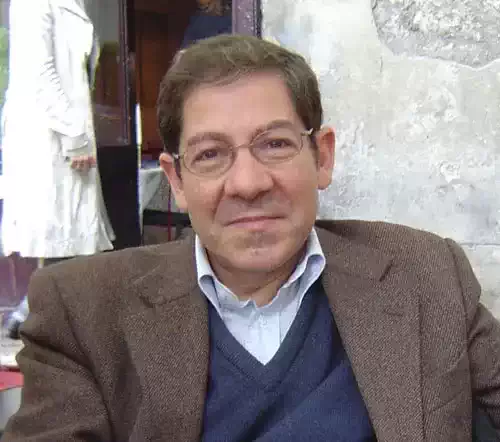
Nuno Júdice
Visão
Nas correntes frias onde morre a luz dos astros,
e entre os gritos rápidos dos condenados, encontrei o reflexo
de um amor antigo. Deixou-me um gosto de sangue nos dentes,
os lábios gretados num roxo de ânsia. Rasgou-me a alma
num seco crepitar de papel. Estava imóvel, encostado aos ventos
e às marés, e o seu corpo exalava o cheiro húmido dos litorais. Falava
baixo, num segredo de sombra, num horizonte de bocas sem alegria,
arrastando a voz num sussurro de litania. Fiquei de longe,
a olhar, enquanto o sol nascia.
Nuno Júdice | "A partilha dos mitos", pág. 23 | Na Regra do Jogo, 1982
e entre os gritos rápidos dos condenados, encontrei o reflexo
de um amor antigo. Deixou-me um gosto de sangue nos dentes,
os lábios gretados num roxo de ânsia. Rasgou-me a alma
num seco crepitar de papel. Estava imóvel, encostado aos ventos
e às marés, e o seu corpo exalava o cheiro húmido dos litorais. Falava
baixo, num segredo de sombra, num horizonte de bocas sem alegria,
arrastando a voz num sussurro de litania. Fiquei de longe,
a olhar, enquanto o sol nascia.
Nuno Júdice | "A partilha dos mitos", pág. 23 | Na Regra do Jogo, 1982
1 542
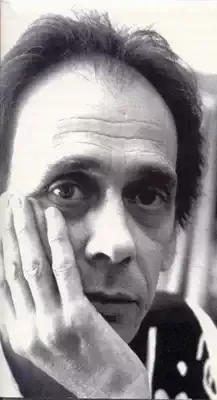
Al Berto
Os dias sem ninguém
os dias sem ninguém
pequeníssimos recados escritos à pressa
amachucados nos dedos
foi bela a madressilva
subindo pela noite da morada esquecida
pedras exactas poeiras perfumadas
bichos de lume dormitando na flexibilidade da argila
areias cobertas de insectos ossos dentes
e o rio por onde partem as noites de cansaço
luminosa floração luas ácidas despenhando-se
fendas de terra cidades costeiras pássaros
frágeis caminhos em pleno voo
durante a lucidez tremenda do sonho
restam-me os corredores de vidro
onde posso afagar os restos carbonizados do corpo
abro a porta que dava acesso ao rosto
desço os degraus musgosos do pátio
atravesso o jardim de alvenaria onde vivi
todo este tempo antes de me precipitar
pequeníssimos recados escritos à pressa
amachucados nos dedos
foi bela a madressilva
subindo pela noite da morada esquecida
pedras exactas poeiras perfumadas
bichos de lume dormitando na flexibilidade da argila
areias cobertas de insectos ossos dentes
e o rio por onde partem as noites de cansaço
luminosa floração luas ácidas despenhando-se
fendas de terra cidades costeiras pássaros
frágeis caminhos em pleno voo
durante a lucidez tremenda do sonho
restam-me os corredores de vidro
onde posso afagar os restos carbonizados do corpo
abro a porta que dava acesso ao rosto
desço os degraus musgosos do pátio
atravesso o jardim de alvenaria onde vivi
todo este tempo antes de me precipitar
1 784
Nuno Júdice
Crença Outonal
No entanto, caídas as colunas de setembro com os
ventos que arrastam as insónias do levante e incendeiam
as planícies, erguem-se nas mãos de um deus morto
os mastros de mármore de um navio antigo. A que porto
se dirigia a sua viagem? Em que recifes projectou o seu
naufrágio? Nos seus lábios, que os vermes do absoluto
devoram, leio as contas do tempo que ele imaginou
para o seu percurso clandestino, como se um deus
coubesse no porão. «Dizei-me», murmurou no instante
da agonia, «que ave seguirá o rasto do barco até
onde irei chegar?» Mas os homens confundiram
a sua voz com um distante anúncio de tempestade,
e abrigaram-se do céu, fugindo ao seu grito.
De manhã, recolhi os vestígios da noite
nesse cais abandonado: tábuas apodrecidas
pelo sal, as mantas que enrolaram os moribundos
antes que a morte os recolhesse, gemidos
apanhados nos rochedos do molhe, no instante
em que a onda se retira. Mas que fazer
com os despojos do sagrado? Por vezes, era
como se o corpo divino aparecesse à minha frente;
de outras vezes, entoava o louvor do nada, e cada sílaba
me arranhava a boca na dicção ácida de um fardo
de maldições. E o mar crescia na minha memória,
corria pela minha pele como os insectos dos trópicos,
e devorava cada imagem como se, no seu furor,
quisesse apagar o passado e restituir aos olhos
o horizonte branco da origem.
Porém, também as fontes secaram no limite do estio,
e os peixes sufocaram sobre o lodo do fundo. Apanhei-os
no meu saco, para os distribuir pelos bairros do norte,
pelos pórticos de onde espreitam as mulheres pálidas
e os homens de cabelo húmido pela maresia, e
assisti à sua refeição de carne doce, enquanto os pedintes
se juntavam atrás de mim para recolher os restos, sem
que eu tivesse alguma coisa para lhes dar a não ser essa
palavra que deus me ensinara ao dizer-me: «Dá aos que
nada têm o Ser que eu inventei.» E eles respondiam: «De
que nos serve o Ser? Que faremos com ele, nós, os que nada
temos?» E empurrei-os para os armazéns vazios, onde
as suas palavras ecoariam de encontro à cúpula
metálica que as chuvas enferrujaram num inverno
da infância. Mas eles recusavam, e insultavam-me,
como se a dádiva de um deus fosse uma ofensa.
Então, disse-lhes, juntemo-nos na grande mesa da comunhão;
partilhemos o ódio, como se parte o pão; e bebamos
o vinho da ira, já azedo, ficando com a garganta
amarga para que os gritos se tornem roucos; e deixemos
de nos ouvir uns aos outros. Como cegos, partiremos,
um em cada direcção, levando como único troféu
o desespero. E quando chegarmos ao limite da praia,
ao oceano em que deveríamos embarcar, perguntaremos
onde está esse navio prometido, esse mapa que nos daria
a resposta, e o azul do céu que nos abriria o desejo
de beleza, e nos faria ver o corpo anunciado de deus sobre
as águas. Mas ficámos sem ter aonde regressar, e só
nos alimenta um pedaço do pão da desventura,
ressequido do sol, com a consistência da pedra,
doendo na boca como as palavras do poema.
Por fim, sem mais nada, resta-nos deus. Está morto
dentro de nós. Mas ainda o podemos tirar da cabeça
e estendê-lo na areia, como o corpo de uma baleia
que tivesse dado à costa. «Não lhe toquem com os pés»,
diz o guardião da costa. «Se estiver podre, a sua podridão
pega-se à nossa pele. «Mas já andei com ele dentro de mim»,
respondi ao homem. «Já me pegou a doença do sagrado,
a lepra de uma crença infinita, o desejo de um além
que nunca verei.» O guardião da costa riu-se. «Sei
muito bem onde vêm dar estas baleias. Os seus ossos
estendem-se ao longo do litoral, e ao seu lado sentam-se
os inúteis, repetindo com as suas bocas mórbidas
as frases que aprenderam no contacto com a sua carne
putrefacta. Alguns, abriram-lhes os ventres e entraram
neles, como se ainda os pudessem fecundar. E o seu
esperma foi devorado pelos caranguejos da ria.»
Deixei-o a falar sozinho, como se faz a todos os que
perderam a fé. E subi pelo dorso da baleia, até onde
acreditei que poderia tocar o céu, enterrando-me
na sua carne movediça até me confundir com
o corpo de deus.
in, "A Convergência dos Ventos" | Nuno Júdice | Publicações Dom Quixote, 1ª. Edição, pág. 14, 15 e 16 - Lisboa, Outubro 2015
ventos que arrastam as insónias do levante e incendeiam
as planícies, erguem-se nas mãos de um deus morto
os mastros de mármore de um navio antigo. A que porto
se dirigia a sua viagem? Em que recifes projectou o seu
naufrágio? Nos seus lábios, que os vermes do absoluto
devoram, leio as contas do tempo que ele imaginou
para o seu percurso clandestino, como se um deus
coubesse no porão. «Dizei-me», murmurou no instante
da agonia, «que ave seguirá o rasto do barco até
onde irei chegar?» Mas os homens confundiram
a sua voz com um distante anúncio de tempestade,
e abrigaram-se do céu, fugindo ao seu grito.
De manhã, recolhi os vestígios da noite
nesse cais abandonado: tábuas apodrecidas
pelo sal, as mantas que enrolaram os moribundos
antes que a morte os recolhesse, gemidos
apanhados nos rochedos do molhe, no instante
em que a onda se retira. Mas que fazer
com os despojos do sagrado? Por vezes, era
como se o corpo divino aparecesse à minha frente;
de outras vezes, entoava o louvor do nada, e cada sílaba
me arranhava a boca na dicção ácida de um fardo
de maldições. E o mar crescia na minha memória,
corria pela minha pele como os insectos dos trópicos,
e devorava cada imagem como se, no seu furor,
quisesse apagar o passado e restituir aos olhos
o horizonte branco da origem.
Porém, também as fontes secaram no limite do estio,
e os peixes sufocaram sobre o lodo do fundo. Apanhei-os
no meu saco, para os distribuir pelos bairros do norte,
pelos pórticos de onde espreitam as mulheres pálidas
e os homens de cabelo húmido pela maresia, e
assisti à sua refeição de carne doce, enquanto os pedintes
se juntavam atrás de mim para recolher os restos, sem
que eu tivesse alguma coisa para lhes dar a não ser essa
palavra que deus me ensinara ao dizer-me: «Dá aos que
nada têm o Ser que eu inventei.» E eles respondiam: «De
que nos serve o Ser? Que faremos com ele, nós, os que nada
temos?» E empurrei-os para os armazéns vazios, onde
as suas palavras ecoariam de encontro à cúpula
metálica que as chuvas enferrujaram num inverno
da infância. Mas eles recusavam, e insultavam-me,
como se a dádiva de um deus fosse uma ofensa.
Então, disse-lhes, juntemo-nos na grande mesa da comunhão;
partilhemos o ódio, como se parte o pão; e bebamos
o vinho da ira, já azedo, ficando com a garganta
amarga para que os gritos se tornem roucos; e deixemos
de nos ouvir uns aos outros. Como cegos, partiremos,
um em cada direcção, levando como único troféu
o desespero. E quando chegarmos ao limite da praia,
ao oceano em que deveríamos embarcar, perguntaremos
onde está esse navio prometido, esse mapa que nos daria
a resposta, e o azul do céu que nos abriria o desejo
de beleza, e nos faria ver o corpo anunciado de deus sobre
as águas. Mas ficámos sem ter aonde regressar, e só
nos alimenta um pedaço do pão da desventura,
ressequido do sol, com a consistência da pedra,
doendo na boca como as palavras do poema.
Por fim, sem mais nada, resta-nos deus. Está morto
dentro de nós. Mas ainda o podemos tirar da cabeça
e estendê-lo na areia, como o corpo de uma baleia
que tivesse dado à costa. «Não lhe toquem com os pés»,
diz o guardião da costa. «Se estiver podre, a sua podridão
pega-se à nossa pele. «Mas já andei com ele dentro de mim»,
respondi ao homem. «Já me pegou a doença do sagrado,
a lepra de uma crença infinita, o desejo de um além
que nunca verei.» O guardião da costa riu-se. «Sei
muito bem onde vêm dar estas baleias. Os seus ossos
estendem-se ao longo do litoral, e ao seu lado sentam-se
os inúteis, repetindo com as suas bocas mórbidas
as frases que aprenderam no contacto com a sua carne
putrefacta. Alguns, abriram-lhes os ventres e entraram
neles, como se ainda os pudessem fecundar. E o seu
esperma foi devorado pelos caranguejos da ria.»
Deixei-o a falar sozinho, como se faz a todos os que
perderam a fé. E subi pelo dorso da baleia, até onde
acreditei que poderia tocar o céu, enterrando-me
na sua carne movediça até me confundir com
o corpo de deus.
in, "A Convergência dos Ventos" | Nuno Júdice | Publicações Dom Quixote, 1ª. Edição, pág. 14, 15 e 16 - Lisboa, Outubro 2015
1 774
Al Berto
7 a noite chega-me
a noite chega-me irrequieta de cíclicos ventos, cintilam peixes pelas
paredes do quarto
durmo sobre as águas e tenho medo
encolho-me no leito estreito, no fundo dele, onde o linho já não fulgura
queda a queda, voo
não consigo dormir com esta ferida
as máquinas sussurram, trepam pelas paredes, escancaram portas, invadem a casa, ocupam os sonhos
sirenes, alarmes lancinantes, cremalheiras da noite ressoando no limite do corpo
levanto-me e saio para a rua
caminho na chuva adocicada da manhã, as pedras acendem-se por dentro, reconhecem-me
uma voz líquida arrasta-se no interior dos meus passos, ecoa pelos recantos ainda vivos do teu corpo
em ti acostam os barcos e a sombra dos grandes navios do mundo
vive o peixe, agitam-se algas e medusas de mil desejos
em ti descansam os pássaros chegados doutras rotas
secam as redes, põe-se o sol
em ti se abandona a ressaca das ondas e o sal dos meus olhos
as árvores inclinadas, os frutos e as dunas
em ti pernoita a seiva cansada de palavras, o suco das ervas e o açúcar transparente das camarinhas
em ti cresce o precioso silêncio, as ostras doentes e as pérolas dos mares sem rumo
em ti se perdem os ventos, a solidão do mar e este demorado lamento.
paredes do quarto
durmo sobre as águas e tenho medo
encolho-me no leito estreito, no fundo dele, onde o linho já não fulgura
queda a queda, voo
não consigo dormir com esta ferida
as máquinas sussurram, trepam pelas paredes, escancaram portas, invadem a casa, ocupam os sonhos
sirenes, alarmes lancinantes, cremalheiras da noite ressoando no limite do corpo
levanto-me e saio para a rua
caminho na chuva adocicada da manhã, as pedras acendem-se por dentro, reconhecem-me
uma voz líquida arrasta-se no interior dos meus passos, ecoa pelos recantos ainda vivos do teu corpo
em ti acostam os barcos e a sombra dos grandes navios do mundo
vive o peixe, agitam-se algas e medusas de mil desejos
em ti descansam os pássaros chegados doutras rotas
secam as redes, põe-se o sol
em ti se abandona a ressaca das ondas e o sal dos meus olhos
as árvores inclinadas, os frutos e as dunas
em ti pernoita a seiva cansada de palavras, o suco das ervas e o açúcar transparente das camarinhas
em ti cresce o precioso silêncio, as ostras doentes e as pérolas dos mares sem rumo
em ti se perdem os ventos, a solidão do mar e este demorado lamento.
1 600
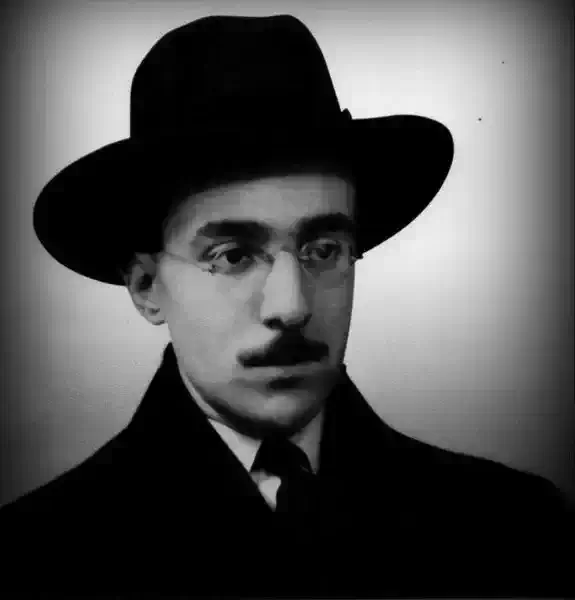
Fernando Pessoa
Serena voz imperfeita, eleita
Serena voz imperfeita, eleita
Para falar aos deuses mortos —
A janela que falta ao teu palácio deita
Para o Porto todos os portos.
Faísca da ideia de uma voz soando
Lírios nas mãos das princesas sonhadas
Eu sou a maré de pensar-te, orlando
A Enseada todas as enseadas.
Brumas marinhas esquinas de sonho...
Janelas dando para Tédio os charcos
E eu fito o meu Fim que me olha, tristonho,
Do convés do Barco todos os barcos...
Para falar aos deuses mortos —
A janela que falta ao teu palácio deita
Para o Porto todos os portos.
Faísca da ideia de uma voz soando
Lírios nas mãos das princesas sonhadas
Eu sou a maré de pensar-te, orlando
A Enseada todas as enseadas.
Brumas marinhas esquinas de sonho...
Janelas dando para Tédio os charcos
E eu fito o meu Fim que me olha, tristonho,
Do convés do Barco todos os barcos...
1 341
Fernando Pessoa
VI - O ritmo antigo que há em pés descalços, [1]
O ritmo antigo que há em pés descalços,
Esse ritmo das ninfas repetido,
Quando sob o arvoredo
Batem o som da dança,
Vós na alva praia relembrai, fazendo,
Que escura a espuma deixa; vós, infantes,
Que inda não tendes cura
De ter cura, reponde
Ruidosa a roda, enquanto arqueia Apolo,
Como um ramo alto, a curva azul que doura,
E a perene maré
Flui, enchente ou vazante.
Esse ritmo das ninfas repetido,
Quando sob o arvoredo
Batem o som da dança,
Vós na alva praia relembrai, fazendo,
Que escura a espuma deixa; vós, infantes,
Que inda não tendes cura
De ter cura, reponde
Ruidosa a roda, enquanto arqueia Apolo,
Como um ramo alto, a curva azul que doura,
E a perene maré
Flui, enchente ou vazante.
1 122
Fernando Pessoa
Lentidão dos vapores pelo mar...
Lentidão dos vapores pelo mar...
Tanto que ver, tanto que abarcar.
No eterno presente da pupila
Ilhas ao longe, costas a despontar
Na imensidão oceânica e tranquila.
Mais depressa... Sigamos... Hoje é o real...
O momento embriaga... A alma esquece
Que existe no mover-se... Cais, carnal...
Para os botes no cais quem é que desce?
Que importa? Vamos! Tudo é tão real!
Quantas vidas que ignoro que me ignoram!
Passo por casas, fumo em chaminés
Interiores que adivinho! Choram
Em mim desejos lívidos resvés
Do tédio de ser isto aqui, e ali
Outro não-eu... Sigamos... Outras terras!
Quantas paisagens vivi!
Planícies! mares! serras
Ao longe! Pareceis com tanta curva,
Pinheirais! Igualdade das culturas!
Dias monótonos de chuva...
Noites de lua nova — canto de ruelas escuras
Antros... Dias de sol — de agasalho
De que o olhar abrasa e amodorrado
Mal tem espaço para desejar...
Campos cheios de vultos em trabalho
À sombra de um carvalho ali isolado
— Ah e eu passo! — um mendigo a descansar.
O longe! O além! O outro! A rota! Ir!
Ir absolutamente! ir entregadamente
Ir sem mais consciência de sentir
Que tem um suicida na corrente
Que passa a dor da morte na água a rir.
Sonho-desolação!
Ó meu desejo e tédio das viagens,
Cansado anseio do meu coração —
Cidades, brumas, margens
De rios desejadas para olhar...
Costa triste, ermo mar
Barulhando segredos,
Negrume cortiçado dos rochedos
D'onde pulsa chiando a espuma na água —
— Frio pela consciência dos meus nervos —
De não estar eu a ver-vos, ódio-mágoa!
Ó Tédio! só pensar estar a ver-vos...
Gozo gloriosamente estéril e oco
De encher de memórias de cidades,
De campos fugitivos, feitos pouco
Na fuga do comboio — sociedades
Só pensadas de velha bancarrota
Surpresas no olhar sobre colinas,
Rios sob pontes, águas instantâneas
Grandes cidades através neblinas
Fábricas — fumo e fragor — sonhos insónias...
Mares súbitos, através carruagens
Vistos por meu olhar sempre cansado
Tudo isto cansa, só de imaginado
Tenho em minha alma o tédio das viagens
Que quero eu ser? Eu que desejo querer?
Feche eu os olhos, e o comboio seja
Apenas um estremecimento a [encher?]
Meu corpo inerte, meu cérebro que nada deseja
E já não quer saber o que é viver...
Minuto exterior pulsando em mim
Minuciosamente, entreondulando
Numa oscilada indecisão sem fim
Meu corpo inerte... Sigo, recostando
Minha cabeça no vidro que me treme
De encontro à consciência o meu ser todo;
Para quê viajar? O tédio vai ao leme
De cada meu angustiado modo.
Por entre árvores — fumo...
Ó domésticos (...) escondidos!
Ó tédio... Ó dor... O vago é o meu rumo.
Viajo só pelos meus sentidos
Dói-me a monotonia dessa viagem...
Peso-me... Entreolho sem me levantar
Estações (...) ... [Campolides?]... Reagem
Inutilmente em mim desejos de gozar...
Tanto que ver, tanto que abarcar.
No eterno presente da pupila
Ilhas ao longe, costas a despontar
Na imensidão oceânica e tranquila.
Mais depressa... Sigamos... Hoje é o real...
O momento embriaga... A alma esquece
Que existe no mover-se... Cais, carnal...
Para os botes no cais quem é que desce?
Que importa? Vamos! Tudo é tão real!
Quantas vidas que ignoro que me ignoram!
Passo por casas, fumo em chaminés
Interiores que adivinho! Choram
Em mim desejos lívidos resvés
Do tédio de ser isto aqui, e ali
Outro não-eu... Sigamos... Outras terras!
Quantas paisagens vivi!
Planícies! mares! serras
Ao longe! Pareceis com tanta curva,
Pinheirais! Igualdade das culturas!
Dias monótonos de chuva...
Noites de lua nova — canto de ruelas escuras
Antros... Dias de sol — de agasalho
De que o olhar abrasa e amodorrado
Mal tem espaço para desejar...
Campos cheios de vultos em trabalho
À sombra de um carvalho ali isolado
— Ah e eu passo! — um mendigo a descansar.
O longe! O além! O outro! A rota! Ir!
Ir absolutamente! ir entregadamente
Ir sem mais consciência de sentir
Que tem um suicida na corrente
Que passa a dor da morte na água a rir.
Sonho-desolação!
Ó meu desejo e tédio das viagens,
Cansado anseio do meu coração —
Cidades, brumas, margens
De rios desejadas para olhar...
Costa triste, ermo mar
Barulhando segredos,
Negrume cortiçado dos rochedos
D'onde pulsa chiando a espuma na água —
— Frio pela consciência dos meus nervos —
De não estar eu a ver-vos, ódio-mágoa!
Ó Tédio! só pensar estar a ver-vos...
Gozo gloriosamente estéril e oco
De encher de memórias de cidades,
De campos fugitivos, feitos pouco
Na fuga do comboio — sociedades
Só pensadas de velha bancarrota
Surpresas no olhar sobre colinas,
Rios sob pontes, águas instantâneas
Grandes cidades através neblinas
Fábricas — fumo e fragor — sonhos insónias...
Mares súbitos, através carruagens
Vistos por meu olhar sempre cansado
Tudo isto cansa, só de imaginado
Tenho em minha alma o tédio das viagens
Que quero eu ser? Eu que desejo querer?
Feche eu os olhos, e o comboio seja
Apenas um estremecimento a [encher?]
Meu corpo inerte, meu cérebro que nada deseja
E já não quer saber o que é viver...
Minuto exterior pulsando em mim
Minuciosamente, entreondulando
Numa oscilada indecisão sem fim
Meu corpo inerte... Sigo, recostando
Minha cabeça no vidro que me treme
De encontro à consciência o meu ser todo;
Para quê viajar? O tédio vai ao leme
De cada meu angustiado modo.
Por entre árvores — fumo...
Ó domésticos (...) escondidos!
Ó tédio... Ó dor... O vago é o meu rumo.
Viajo só pelos meus sentidos
Dói-me a monotonia dessa viagem...
Peso-me... Entreolho sem me levantar
Estações (...) ... [Campolides?]... Reagem
Inutilmente em mim desejos de gozar...
1 397
Fernando Pessoa
SONG OF THE DREAM‑SPIRITS TO FANNY
From the beach and from the billow
Rapturously loud,
From the zephyr that doth pillow
All his softness on a cloud;
From the murmur of the river,
From the leaves that rustle ever,
Joyously we come.
We are bright and we are many
As the early drops of dew,
And we come to little Fanny
As the day to you;
From the keenness of the mountain,
From the sparkle of the fountain,
Joyously we come.
From the hill and from the valley,
From the mountain and the vale;
From the evening melancholy
Where all hath a tale;
From the sweetness of the meadow,
From the coolness of the shadow,
Joyously we come.
ln the sadness of the willow,
In the homely nest
We have dwelt and had a pillow
In the poet's breast;
And from all things dimly moving
Human souls to bliss and loving
Joyously we come.
Rapturously loud,
From the zephyr that doth pillow
All his softness on a cloud;
From the murmur of the river,
From the leaves that rustle ever,
Joyously we come.
We are bright and we are many
As the early drops of dew,
And we come to little Fanny
As the day to you;
From the keenness of the mountain,
From the sparkle of the fountain,
Joyously we come.
From the hill and from the valley,
From the mountain and the vale;
From the evening melancholy
Where all hath a tale;
From the sweetness of the meadow,
From the coolness of the shadow,
Joyously we come.
ln the sadness of the willow,
In the homely nest
We have dwelt and had a pillow
In the poet's breast;
And from all things dimly moving
Human souls to bliss and loving
Joyously we come.
1 484
Fernando Pessoa
Oh for a less meaningless horizon than the land and the sea!
Oh for a less meaningless horizon than the land and the sea!
Oh for a rest from places and a lapse from the sense of times!
Waves, ever waves, to and fro … Ever waves roll, and we
What do we wait, what do we seek, what do we pause for and flee?
What in us lusts for more round us than the strech of minutes and climes?
Ah, and no bark to bear us towards Impossible, and that a real place,
An attainable place, full of the depths and rests of the Unattainable!
But ever the sea, the sea, like the passing of many a face...
Ever the sea, and the sea runs a restless and half-hearted race
Towards not the shore, nor the land, but what? Who can measure or tell?
No ship to bear us homeward, past earth and sea and the sky!
None to spread sails to a breeze blowing but not with a whither!
And ever, like a lost meaning, the sea never passing by,
Ever the measurable sea, sad as a formless cry,
And the most hearts can be is (to) be two and sorrow together!
To-morrow will tire us of all! But we lack heart to be tired indeed
The purpose our souls came for is lost and never stared at...
Let us at least by the shore construe our aches for a deed
Into a meaningless ache and a desolate and purposeless greed...
Become we one with the sea's lost purpose and dream and wish nothing
but that...
Oh for a rest from places and a lapse from the sense of times!
Waves, ever waves, to and fro … Ever waves roll, and we
What do we wait, what do we seek, what do we pause for and flee?
What in us lusts for more round us than the strech of minutes and climes?
Ah, and no bark to bear us towards Impossible, and that a real place,
An attainable place, full of the depths and rests of the Unattainable!
But ever the sea, the sea, like the passing of many a face...
Ever the sea, and the sea runs a restless and half-hearted race
Towards not the shore, nor the land, but what? Who can measure or tell?
No ship to bear us homeward, past earth and sea and the sky!
None to spread sails to a breeze blowing but not with a whither!
And ever, like a lost meaning, the sea never passing by,
Ever the measurable sea, sad as a formless cry,
And the most hearts can be is (to) be two and sorrow together!
To-morrow will tire us of all! But we lack heart to be tired indeed
The purpose our souls came for is lost and never stared at...
Let us at least by the shore construe our aches for a deed
Into a meaningless ache and a desolate and purposeless greed...
Become we one with the sea's lost purpose and dream and wish nothing
but that...
1 596
Fernando Pessoa
Leve vem a onda leve
Leve vem a onda leve
Que se estende a adormecer,
Breve vem a onda breve
Que nos ensina a esquecer.
Que se estende a adormecer,
Breve vem a onda breve
Que nos ensina a esquecer.
1 685
Fernando Pessoa
Ribeirinho, ribeirinho,/Que falas tão devagar,
Ribeirinho, ribeirinho,
Que falas tão devagar,
Ensina-me o teu caminho
De passar sem desejar amar.
Que falas tão devagar,
Ensina-me o teu caminho
De passar sem desejar amar.
1 752
Fernando Pessoa
Ininterrupto e unido guia o teu curso
Ininterrupto e unido guia o teu curso
Lídia, e sereno para o mar distante.
Teus manes não to param.
Interrompem-to apenas.
Mas conta tu as tuas próprias horas,
À tua espera dá-te incerta Naiade
Que a porta te não está
Tua segunda vida...
Condescendente p'ra contigo própria,
Deixa aos certos Letes de fugir
Vive com a verdade
No instante dos demónios
Que alhures a saber preso com deles
O céu do Fado, gozam a delícia
Altiva de viverem
Onde guardam suas vidas.
Lídia, e sereno para o mar distante.
Teus manes não to param.
Interrompem-to apenas.
Mas conta tu as tuas próprias horas,
À tua espera dá-te incerta Naiade
Que a porta te não está
Tua segunda vida...
Condescendente p'ra contigo própria,
Deixa aos certos Letes de fugir
Vive com a verdade
No instante dos demónios
Que alhures a saber preso com deles
O céu do Fado, gozam a delícia
Altiva de viverem
Onde guardam suas vidas.
1 194
Fernando Pessoa
7 - I feel pale and I shiver
I feel pale and I shiver.
What power of the moonlight
Tremulous under the river
Thus pains me with delight?
What spell told by the moon
Unlooses all my soul?
O speak to me! I swoon!
I fade from life's control!
I am a far spirit, e'en
In the felt place of me.
O river too serene
For my tranquillity!
O ache somehow of living!
O sorrow for something!
O moon‑pain the sense‑giving
That I am vainly king
In some spell‑bound realm mute,
In a lunar land lone!
O ache as of a dying flute
When we would have't play on!
What power of the moonlight
Tremulous under the river
Thus pains me with delight?
What spell told by the moon
Unlooses all my soul?
O speak to me! I swoon!
I fade from life's control!
I am a far spirit, e'en
In the felt place of me.
O river too serene
For my tranquillity!
O ache somehow of living!
O sorrow for something!
O moon‑pain the sense‑giving
That I am vainly king
In some spell‑bound realm mute,
In a lunar land lone!
O ache as of a dying flute
When we would have't play on!
1 078
Fernando Pessoa
The day is glad and golden.
The day is glad and golden.
Over the sunhit beach
The waves do gladly embolden
Their crisp and clinging reach.
Would I were one as they
With the natural hour,
With the wide sunlit day
And the ancient sea's power.
I would not be here weeping
That I am not aught else,
My waking would be a sleeping
Like this of the sea swells
Not like an outcast from
A home I never knew
Would I be pining for home,
……
Not like a tossed sea‑weed
Between the wave and the wave,
And restless with a mute greed
For something I cannot have.
Something I cannot een dream,
Some spent life I know not...
Oh how fair would nature seem
Were it not for thought!
Dark is the golden day
Unto mine eyes that stare
Brightness and joy away
From sky and shore and here.
Dead is the changing sea,
The wind a monotone,
Oh ever to be he
That never is but alone,
I cannot dream of heaven,
Nor create one in the hour...
Pass, day, and ask not even
For my grateful eyes' dower...
Over the sunhit beach
The waves do gladly embolden
Their crisp and clinging reach.
Would I were one as they
With the natural hour,
With the wide sunlit day
And the ancient sea's power.
I would not be here weeping
That I am not aught else,
My waking would be a sleeping
Like this of the sea swells
Not like an outcast from
A home I never knew
Would I be pining for home,
……
Not like a tossed sea‑weed
Between the wave and the wave,
And restless with a mute greed
For something I cannot have.
Something I cannot een dream,
Some spent life I know not...
Oh how fair would nature seem
Were it not for thought!
Dark is the golden day
Unto mine eyes that stare
Brightness and joy away
From sky and shore and here.
Dead is the changing sea,
The wind a monotone,
Oh ever to be he
That never is but alone,
I cannot dream of heaven,
Nor create one in the hour...
Pass, day, and ask not even
For my grateful eyes' dower...
1 492
Fernando Pessoa
ADORNED
Great Venus' statue, as men do conceive,
Wore it a jewel would all spoiled be;
Yet beauty's not alone simplicity.
Thus men with thoughts the eyes of sense deceive.
Oh, on a lake did they never perceive
A perfect boat, or a sail in the sea
At night that passes, far, mysteriously,
And in the heart a pining strange doth leave?
Ah, me! Upon a young and virgin breast
When it a jewel richly doth adorn,
Each to the other lends beauty and splendour,
As o'er the tremulous sea the stars at rest,
As flow'r and dew - but more; my heart is torn
That neither words nor thoughts that spell can render.
Wore it a jewel would all spoiled be;
Yet beauty's not alone simplicity.
Thus men with thoughts the eyes of sense deceive.
Oh, on a lake did they never perceive
A perfect boat, or a sail in the sea
At night that passes, far, mysteriously,
And in the heart a pining strange doth leave?
Ah, me! Upon a young and virgin breast
When it a jewel richly doth adorn,
Each to the other lends beauty and splendour,
As o'er the tremulous sea the stars at rest,
As flow'r and dew - but more; my heart is torn
That neither words nor thoughts that spell can render.
1 441
Fernando Pessoa
II - Deixo, deuses, atrás a dama antiga
II
Deixo, deuses, atrás a dama antiga
(Com uma letra diferente fixo
O absurdo, e rio, porque sofro). Digo:
Deixo atrás quem amei, como um prefixo...
Outrora eu, que era anónimo e prolixo
(Dois adjectivos que de há muito sigo)
Amei por ter um coração amigo.
Amo hoje o que amo só porque o persigo.
Dêem-me vinho que um Horácio cante!
Quero esquecer o que de meu é meu...
Quero, sem que me mexa, ir indo adiante.
Estou no Estoril e olho para o céu...
Ah que ainda é certo aquele azul ovante
Que esplendeu astros sobre o mar egeu.
Deixo, deuses, atrás a dama antiga
(Com uma letra diferente fixo
O absurdo, e rio, porque sofro). Digo:
Deixo atrás quem amei, como um prefixo...
Outrora eu, que era anónimo e prolixo
(Dois adjectivos que de há muito sigo)
Amei por ter um coração amigo.
Amo hoje o que amo só porque o persigo.
Dêem-me vinho que um Horácio cante!
Quero esquecer o que de meu é meu...
Quero, sem que me mexa, ir indo adiante.
Estou no Estoril e olho para o céu...
Ah que ainda é certo aquele azul ovante
Que esplendeu astros sobre o mar egeu.
1 233
Fernando Pessoa
III - Somos meninos de uma primavera
IIISomos meninos de uma primavera
De que alguém fez tijolos. Quando cismo
Tiro da cigarreira um misticismo
Que acendo e fumo como se o esquecera.
No teu ar de dormir nessa cadeira,
(Reparo agora, feito o exorcismo,
Que o terceiro soneto ergue do abismo)
És sempre a mesma, anónima — terceira...
Ó grande mar atlântico, desculpa!
Cuspi à tua beira três sonetos.
Sim, mas cuspi-os sobre a minha culpa.
Mulher, amor, [alcova?] — sois tercetos!.
Só vós ó mar e céu nos libertais,
Que qualquer trapo incógnito franjais
Sossego? Outrora? Ora adeus! Foi feita
No cárcere a Marília de Dirceu.
De realmente meu só tenho eu.
Pudesse eu pôr um dique ao que em mim espreita,
(No seu perfil de pálida imperfeita,
Recorte morto contra um vivo céu,
De que alguém fez tijolos. Quando cismo
Tiro da cigarreira um misticismo
Que acendo e fumo como se o esquecera.
No teu ar de dormir nessa cadeira,
(Reparo agora, feito o exorcismo,
Que o terceiro soneto ergue do abismo)
És sempre a mesma, anónima — terceira...
Ó grande mar atlântico, desculpa!
Cuspi à tua beira três sonetos.
Sim, mas cuspi-os sobre a minha culpa.
Mulher, amor, [alcova?] — sois tercetos!.
Só vós ó mar e céu nos libertais,
Que qualquer trapo incógnito franjais
Sossego? Outrora? Ora adeus! Foi feita
No cárcere a Marília de Dirceu.
De realmente meu só tenho eu.
Pudesse eu pôr um dique ao que em mim espreita,
(No seu perfil de pálida imperfeita,
Recorte morto contra um vivo céu,
1 110
Fernando Pessoa
III - O mar jaz; gemem em segredo os ventos [1]
O mar jaz; gemem em segredo os ventos
Em Éolo cativos;
Só com as pontas do tridente as vastas
Águas franze Neptuno;
E a praia é alva e cheia de pequenos
Brilhos sob o sol claro.
Inutilmente parecemos grandes.
Nada, no alheio mundo,
Nossa vista grandeza reconhece
Ou com razão nos serve.
Se aqui de um manso mar meu fundo indício
Três ondas o apagam,
Que me fará o mar que na atra praia
Ecoa de Saturno?
Em Éolo cativos;
Só com as pontas do tridente as vastas
Águas franze Neptuno;
E a praia é alva e cheia de pequenos
Brilhos sob o sol claro.
Inutilmente parecemos grandes.
Nada, no alheio mundo,
Nossa vista grandeza reconhece
Ou com razão nos serve.
Se aqui de um manso mar meu fundo indício
Três ondas o apagam,
Que me fará o mar que na atra praia
Ecoa de Saturno?
994
Fernando Pessoa
IX - Meu coração é um pórtico partido
IX
Meu coração é um pórtico partido
Dando excessivamente sobre o mar
Vejo em minha alma as velas vãs passar
E cada vela passa num sentido.
Um soslaio de sombras e ruído
Na transparente solidão do ar
Evoca estrelas sobre a noite estar
Em afastados céus o pórtico ido...
E em palmares de Antilhas entrevistas
Através de, com mãos eis apartados
Os sonhos, cortinados de ametistas,
Imperfeito o sabor de compensando
O grande espaço entre os troféus alçados
Ao centro do triunfo em ruído e bando...
Meu coração é um pórtico partido
Dando excessivamente sobre o mar
Vejo em minha alma as velas vãs passar
E cada vela passa num sentido.
Um soslaio de sombras e ruído
Na transparente solidão do ar
Evoca estrelas sobre a noite estar
Em afastados céus o pórtico ido...
E em palmares de Antilhas entrevistas
Através de, com mãos eis apartados
Os sonhos, cortinados de ametistas,
Imperfeito o sabor de compensando
O grande espaço entre os troféus alçados
Ao centro do triunfo em ruído e bando...
1 659
Fernando Pessoa
II - Deuses, forças, almas de ciência ou fé,
II
Deuses, forças, almas de ciência ou fé,
Eh! Tanta explicação que nada explica!
Estou sentado no cais, numa barrica,
E não compreendo mais do que de pé.
Porque o havia de compreender?
Pois sim, mas também porque o não havia?
Água do rio, correndo suja e fria,
Eu passo como tu, sem mais valer...
Ó universo, novelo emaranhado,
Que paciência de dedos de quem pensa
Em outra coisa te põe separado?
Deixa de ser novelo o que nos fica...
A que brincar? Ao amor?, à indiferença?
Por mim, só me levanto da barrica.
Deuses, forças, almas de ciência ou fé,
Eh! Tanta explicação que nada explica!
Estou sentado no cais, numa barrica,
E não compreendo mais do que de pé.
Porque o havia de compreender?
Pois sim, mas também porque o não havia?
Água do rio, correndo suja e fria,
Eu passo como tu, sem mais valer...
Ó universo, novelo emaranhado,
Que paciência de dedos de quem pensa
Em outra coisa te põe separado?
Deixa de ser novelo o que nos fica...
A que brincar? Ao amor?, à indiferença?
Por mim, só me levanto da barrica.
1 338
Fernando Pessoa
Manhã que raias sem olhar a mim,
Manhã que raias sem olhar a mim,
Sol que luzes sem querer saber de eu ver-te,
É para mim que sois
Reais e verdadeiros;
Porque é na oposição ao que eu desejo
Que sinto real a natureza e a vida.
No que me nega sinto
Que existe e eu sou pequeno.
E nesta consciência torno a grande
Como a onda, que as tormentas atiraram
Ao alto ar, regressa
Pesada a um mar mais fundo.
Sol que luzes sem querer saber de eu ver-te,
É para mim que sois
Reais e verdadeiros;
Porque é na oposição ao que eu desejo
Que sinto real a natureza e a vida.
No que me nega sinto
Que existe e eu sou pequeno.
E nesta consciência torno a grande
Como a onda, que as tormentas atiraram
Ao alto ar, regressa
Pesada a um mar mais fundo.
801
Fernando Pessoa
III - Corre, raio de rio, e leva ao mar
III
Corre, raio de rio, e leva ao mar
A minha indiferença subjectiva!
Qual «leva ao mar»! Tua presença esquiva
Que tem comigo e com o meu pensar?
Lesma de sorte! Vivo a cavalgar
A sombra de um jumento. A vida viva
Vive a dar nomes ao que não se activa,
Morre a pôr etiquetas ao grande ar...
Escancarado Furness, mais três dias
Te aturarei, pobre engenheiro preso
A sucessibilíssimas vistorias...
Depois, ir-me-ei embora, eu e o desprezo
(E tu irás do mesmo modo que ias),
Qualquer, na gare, de cigarro aceso...
Corre, raio de rio, e leva ao mar
A minha indiferença subjectiva!
Qual «leva ao mar»! Tua presença esquiva
Que tem comigo e com o meu pensar?
Lesma de sorte! Vivo a cavalgar
A sombra de um jumento. A vida viva
Vive a dar nomes ao que não se activa,
Morre a pôr etiquetas ao grande ar...
Escancarado Furness, mais três dias
Te aturarei, pobre engenheiro preso
A sucessibilíssimas vistorias...
Depois, ir-me-ei embora, eu e o desprezo
(E tu irás do mesmo modo que ias),
Qualquer, na gare, de cigarro aceso...
1 096
Fernando Pessoa
NAVAL ODE
Alone, on the deserted quay, this summer morning,
I look towards the bar, I look towards the Indefinite,
I look and find pleasure in seeing,
Little, black and clear, a steamer coming in.
It is very far yet, distinct and classic after its own fashion.
It leaves on the distant air behind it the vain curls of its smoke.
It is coming in, and morn comes in with it, and on the river
Here, there, naval life awakes,
Sails arise, tugs advance,
Small boats jut out from behind the ships in the port.
There is a vague breeze.
But my soul is with the things that I see least,
With the in-coming steamer,
Because it is with Distance, with Morn,
With the naval meaning of this Hour,
With the painful softness that rises in me like a qualm,
Like a beginning of sea-sickness, but in my soul.
I look from afar at the steamer, with a great independence of mind
And a whell begins to spin in me, very slowly.
The steamers that enter the bar in the morning,
Bring to my eyes with their coming
The glad and sad mystery of all who arrive and depart.
They bring memories of distant quays, and of other moments
Of another kind of the same mankind in other ports.
Every (...), every departure of a ship,
Is — I feel it in me like my blood —
Unconsciously symbolic, terribly
Threatening metaphysical meanings
That startle in me the being I once …
Ah, every quay is a regret made of stone!
And when the ship leaves the quay
And we note suddenly that a space is widening
Between the quay and the ship,
There comes to me, I know not why, a recent anguish,
A mist of feelings of sadness
That shines in the sun of my mosy anguishes
Like the first window the morning strikes on,
And clings round me like some one else's remembrance
Which is somehow mysteriously mine.
Ah, who knows, who knows,
If I did not leave long ago, before Myself,
A quay; if I did not depart, a ship in
The oblique sun of morning,
From another kind of port?
Who knows if I did not leave, before the hour
Of the exterior world as I see it
Dawned for me,
A large quay full of few people,
Of a great half-awakened city,
Of a great city commercial, overgrown, apopletical,
As much as that can be outside Time and Space?
Ay, from a quay, from a quay somehow material,
Real, visible as a quay, really a quay,
The Absolute Quay on whose type, unconsciously imitated,
Insensibly evoked,
We men have built
Our quays in our harbours,
Our quays, of actual stone overlooking true water,
Which, once built, suddenly show themselves to be
Real-Things, Things-Spirits, Entities in Stone-Souls,
At certain moments of ours of root-sentiments
When it seems that a door is opened in the outer world
And, without anything changing
Everything reveals itself to be different.
Ah, the Great Quay whence we embarked in Ship-Nations!
The Great Earlier Quay, eternal and divine!
Of what port? Over what waters? And why do I think of this?
A Great Quay like all other quays, but the Only One.
Full, as they are, of murmurous silences in the fore-dawns
And budding with the dawns in a noise of cranes
And arrivals of goods-trains
And under the black, occasional and light cloud
Of the smoke of the chimneys of the near factories
Which clouds its ground, black with small shining coal,
As if it were the shadow of a cloud passing over dark water.
Ah, what essentiality of mystery and arrested senses
In a divine revealing ecstasy
At the hours coloured like silences and anguishes
Is the bridge between any quay and THE QUAY!
Quay blackly reflected in the still waters,
Suddle [?] on board the ships,
Oh wandering and unstable soul of the people who live in ships,
Of the symbolic people who pass and for whom, nothing lasts
For when the vessel returns to the port,
There is always some change on board!
On continual flights, goings, drunknness of the Different!
Eternal soul of navigators and navigations!
Hulls slowly reflected in the waters
When the ship leaves the port!
To float as soul of life, to depart as voice,
To live the moment tremulously on eternal waters!
To wake to more direct days than the days of Europe,
To see mysterious ports over the loneliness of the sea,
To double distant capes and see sudden great landscapes
Of unnumbred astonished alones!
Ah, the distant beaches, the quays seen from afar,
And then the near beaches and the quays seen from near.
The mystery of each departure and of each arrival,
The painful instability and incomprehensibility
Of this impossible universe
At each naval hour ever more deeply felt right in my skin.
The absurd sob that our souls spill
Over the ever-different tracts of seas with islands afar,
Over the distant lines of the coasts we merely pass by,
Over the clear growing-clear of ports, with their houses and their people,
When the ship nears the land.
Ah, the freshness of morns when we arrive,
And the paleness of the morns when we depart,
When our entrails are gripped up
And a vague sensation resembling a fear
— The ancestral fear of going away and leaving,
The mysterious ancestral terror of Arrivals and New Things —
Grips up our skin and gives us qualms
And all our anguished body feels,
As if it were our soul,
An unexplained desire to feel this in some other way:
A regret at something,
A perturbation of tendernesses towards what vague fatherland?
What coast? what ship? what quay?
That thought sickens within us
And only a great vaccum remains in us,
A hollow satiety of naval minutes,
And a vague anxiety that would be weariness or pain
If it knew how to be that…
The summer morning is, nevertheless, slightly cool,
A slight night-dullness lies yet on the shaken air.
The wheel within me quickens its motion slightly.
And the steamer keeps on coming in, because surely it must coming in,
And not because I see it moving in its excessive distance.
In my imagination it is already near and visible
In all the extent of the lines of its portholes,
And everything trembles in me, all my flesh and all my skin,
On account of that creature that never arrives in any ship
And whom I have come to await to-day on this quay, through an oblique command.
I look towards the bar, I look towards the Indefinite,
I look and find pleasure in seeing,
Little, black and clear, a steamer coming in.
It is very far yet, distinct and classic after its own fashion.
It leaves on the distant air behind it the vain curls of its smoke.
It is coming in, and morn comes in with it, and on the river
Here, there, naval life awakes,
Sails arise, tugs advance,
Small boats jut out from behind the ships in the port.
There is a vague breeze.
But my soul is with the things that I see least,
With the in-coming steamer,
Because it is with Distance, with Morn,
With the naval meaning of this Hour,
With the painful softness that rises in me like a qualm,
Like a beginning of sea-sickness, but in my soul.
I look from afar at the steamer, with a great independence of mind
And a whell begins to spin in me, very slowly.
The steamers that enter the bar in the morning,
Bring to my eyes with their coming
The glad and sad mystery of all who arrive and depart.
They bring memories of distant quays, and of other moments
Of another kind of the same mankind in other ports.
Every (...), every departure of a ship,
Is — I feel it in me like my blood —
Unconsciously symbolic, terribly
Threatening metaphysical meanings
That startle in me the being I once …
Ah, every quay is a regret made of stone!
And when the ship leaves the quay
And we note suddenly that a space is widening
Between the quay and the ship,
There comes to me, I know not why, a recent anguish,
A mist of feelings of sadness
That shines in the sun of my mosy anguishes
Like the first window the morning strikes on,
And clings round me like some one else's remembrance
Which is somehow mysteriously mine.
Ah, who knows, who knows,
If I did not leave long ago, before Myself,
A quay; if I did not depart, a ship in
The oblique sun of morning,
From another kind of port?
Who knows if I did not leave, before the hour
Of the exterior world as I see it
Dawned for me,
A large quay full of few people,
Of a great half-awakened city,
Of a great city commercial, overgrown, apopletical,
As much as that can be outside Time and Space?
Ay, from a quay, from a quay somehow material,
Real, visible as a quay, really a quay,
The Absolute Quay on whose type, unconsciously imitated,
Insensibly evoked,
We men have built
Our quays in our harbours,
Our quays, of actual stone overlooking true water,
Which, once built, suddenly show themselves to be
Real-Things, Things-Spirits, Entities in Stone-Souls,
At certain moments of ours of root-sentiments
When it seems that a door is opened in the outer world
And, without anything changing
Everything reveals itself to be different.
Ah, the Great Quay whence we embarked in Ship-Nations!
The Great Earlier Quay, eternal and divine!
Of what port? Over what waters? And why do I think of this?
A Great Quay like all other quays, but the Only One.
Full, as they are, of murmurous silences in the fore-dawns
And budding with the dawns in a noise of cranes
And arrivals of goods-trains
And under the black, occasional and light cloud
Of the smoke of the chimneys of the near factories
Which clouds its ground, black with small shining coal,
As if it were the shadow of a cloud passing over dark water.
Ah, what essentiality of mystery and arrested senses
In a divine revealing ecstasy
At the hours coloured like silences and anguishes
Is the bridge between any quay and THE QUAY!
Quay blackly reflected in the still waters,
Suddle [?] on board the ships,
Oh wandering and unstable soul of the people who live in ships,
Of the symbolic people who pass and for whom, nothing lasts
For when the vessel returns to the port,
There is always some change on board!
On continual flights, goings, drunknness of the Different!
Eternal soul of navigators and navigations!
Hulls slowly reflected in the waters
When the ship leaves the port!
To float as soul of life, to depart as voice,
To live the moment tremulously on eternal waters!
To wake to more direct days than the days of Europe,
To see mysterious ports over the loneliness of the sea,
To double distant capes and see sudden great landscapes
Of unnumbred astonished alones!
Ah, the distant beaches, the quays seen from afar,
And then the near beaches and the quays seen from near.
The mystery of each departure and of each arrival,
The painful instability and incomprehensibility
Of this impossible universe
At each naval hour ever more deeply felt right in my skin.
The absurd sob that our souls spill
Over the ever-different tracts of seas with islands afar,
Over the distant lines of the coasts we merely pass by,
Over the clear growing-clear of ports, with their houses and their people,
When the ship nears the land.
Ah, the freshness of morns when we arrive,
And the paleness of the morns when we depart,
When our entrails are gripped up
And a vague sensation resembling a fear
— The ancestral fear of going away and leaving,
The mysterious ancestral terror of Arrivals and New Things —
Grips up our skin and gives us qualms
And all our anguished body feels,
As if it were our soul,
An unexplained desire to feel this in some other way:
A regret at something,
A perturbation of tendernesses towards what vague fatherland?
What coast? what ship? what quay?
That thought sickens within us
And only a great vaccum remains in us,
A hollow satiety of naval minutes,
And a vague anxiety that would be weariness or pain
If it knew how to be that…
The summer morning is, nevertheless, slightly cool,
A slight night-dullness lies yet on the shaken air.
The wheel within me quickens its motion slightly.
And the steamer keeps on coming in, because surely it must coming in,
And not because I see it moving in its excessive distance.
In my imagination it is already near and visible
In all the extent of the lines of its portholes,
And everything trembles in me, all my flesh and all my skin,
On account of that creature that never arrives in any ship
And whom I have come to await to-day on this quay, through an oblique command.
1 686