

Poemas neste tema
Solidão
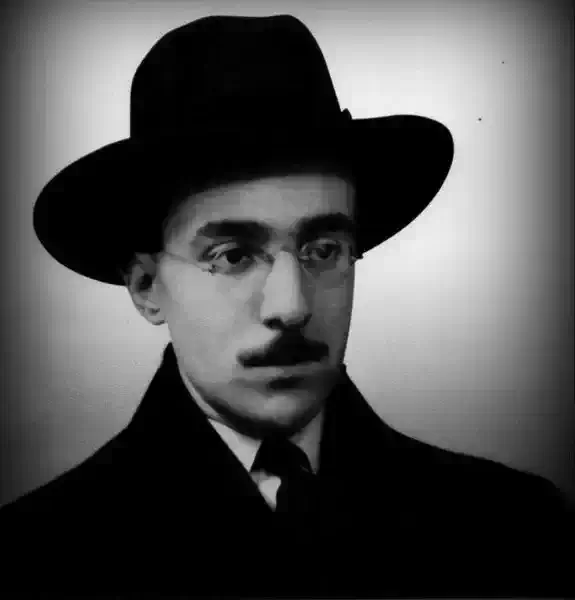
Fernando Pessoa
Never have I so deeply felt my exclusion from mankind.
Never have I so deeply felt my exclusion from mankind.
To one side the sane, to the other side the lame and the halt and the blind;
To one side the healthy, the good, the strong, those in life's prime,
To the other side the slaves of genius, of madness, of crime.
Build prisons and hospitals and Bedlams. To one side the glad,
To the other side the sickly, the stupid, the ill and the mad.
At no time have I felt so deep the gulf between me and men.
Is it idiocy, madness or crime, or genius - or what is this pain?
I have felt it to-day with full truth and have felt to remember it well:
I am one thrown aside ‑ a torturer and tortured in my being's hell;
Yet I asked not to live, nor had choice of my living's rotten worth,
I had no power on my life, nor am I guilty of my birth.
So I shall sing my song without hope, cheerless and forlorn,
That men may learn - at least they may laugh - to what some hearts are born;
Song all mystery, all symbols, contradictions in ignoble dance,
But that this is madness complete not the smallest ignorance;
Song all of tortures of soul, of a being's human abysm
And never a doubt but this is but raving egotism;
Song of evil, song of hate, song of revolt, song of love
Of Nature, of Mother Nature, the earth at my feet and the sky above;
Song of the hatred of customs, of creeds, of conventions, of institutions
Song of madness unpondering to human prostitutions;
Song of one that better were dead, song of one set aside,
Song of one that hell and earth conspired and combined to deride.
Peace! let the sane be set on that side and the mad on this side.
To one side the sane, to the other side the lame and the halt and the blind;
To one side the healthy, the good, the strong, those in life's prime,
To the other side the slaves of genius, of madness, of crime.
Build prisons and hospitals and Bedlams. To one side the glad,
To the other side the sickly, the stupid, the ill and the mad.
At no time have I felt so deep the gulf between me and men.
Is it idiocy, madness or crime, or genius - or what is this pain?
I have felt it to-day with full truth and have felt to remember it well:
I am one thrown aside ‑ a torturer and tortured in my being's hell;
Yet I asked not to live, nor had choice of my living's rotten worth,
I had no power on my life, nor am I guilty of my birth.
So I shall sing my song without hope, cheerless and forlorn,
That men may learn - at least they may laugh - to what some hearts are born;
Song all mystery, all symbols, contradictions in ignoble dance,
But that this is madness complete not the smallest ignorance;
Song all of tortures of soul, of a being's human abysm
And never a doubt but this is but raving egotism;
Song of evil, song of hate, song of revolt, song of love
Of Nature, of Mother Nature, the earth at my feet and the sky above;
Song of the hatred of customs, of creeds, of conventions, of institutions
Song of madness unpondering to human prostitutions;
Song of one that better were dead, song of one set aside,
Song of one that hell and earth conspired and combined to deride.
Peace! let the sane be set on that side and the mad on this side.
1 498
Fernando Pessoa
(Depois do amor — na treva)
Eis-me enfim só, oh desejado horror
Eis-me enfim ante ti, oh Universo!
Eis-me aqui, lama e (...) mistério,
Excluído de ti, o eterno expulso
Que não pedia a vida. Eis-me aqui.
Pudesse eu pôr no seu desmedimento
O ódio (...) e afrontar-vos
Com a expressão desse ódio, oh silêncios,
Oh noites ao pensar! eu morreria
De haver interpretado em tanto horror
Um mor horror que interpretar não pode
O que há-de ser palavra ou pensamento.
Eis-me aqui, oh abismo explicado!
Eis-me aqui o maior dos seres todos,
Quebrando aos pés do pensamento forte
A cruz de Cristo e as fórmulas mortais
[...]
Eis-me aqui!
O que há para mim senão vacuidade
No mundo (...), o que me destinastes?
O vazio? O silêncio? A escuridão?
Desses-me o instinto deles, não a plena
Torturação da luz.
Eis-me enfim ante ti, oh Universo!
Eis-me aqui, lama e (...) mistério,
Excluído de ti, o eterno expulso
Que não pedia a vida. Eis-me aqui.
Pudesse eu pôr no seu desmedimento
O ódio (...) e afrontar-vos
Com a expressão desse ódio, oh silêncios,
Oh noites ao pensar! eu morreria
De haver interpretado em tanto horror
Um mor horror que interpretar não pode
O que há-de ser palavra ou pensamento.
Eis-me aqui, oh abismo explicado!
Eis-me aqui o maior dos seres todos,
Quebrando aos pés do pensamento forte
A cruz de Cristo e as fórmulas mortais
[...]
Eis-me aqui!
O que há para mim senão vacuidade
No mundo (...), o que me destinastes?
O vazio? O silêncio? A escuridão?
Desses-me o instinto deles, não a plena
Torturação da luz.
1 323
Fernando Pessoa
Nos dias de grandes acontecimentos
... Como, nos dias de grandes acontecimentos no centro da cidade,
Nos bairros quase-excêntricos as conversas em silêncio às portas
A expectativa em grupos...
Ninguém sabe nada.
Leve rastro de brisa
Coisa nenhuma que é real
E que, com um afago ou um sopro
Toca o que há até que seja...
Magnificência da naturalidade.
Coração.
Que Áricas inéditas em cada desejo!
Que melhores coisas que tudo lá longe!
Meu cotovelo toca no da vizinha do eléctrico
Com uma involuntariedade fruste
Curto-circuito da proximidade...
Ideias ao acaso
Como um balde que se entornou —
Fito-o é um balde entornado...
Jaz: jazo...
Nos bairros quase-excêntricos as conversas em silêncio às portas
A expectativa em grupos...
Ninguém sabe nada.
Leve rastro de brisa
Coisa nenhuma que é real
E que, com um afago ou um sopro
Toca o que há até que seja...
Magnificência da naturalidade.
Coração.
Que Áricas inéditas em cada desejo!
Que melhores coisas que tudo lá longe!
Meu cotovelo toca no da vizinha do eléctrico
Com uma involuntariedade fruste
Curto-circuito da proximidade...
Ideias ao acaso
Como um balde que se entornou —
Fito-o é um balde entornado...
Jaz: jazo...
1 249
Fernando Pessoa
EXISTÊNCIA: Vaga noção abstracta,
Vaga noção abstracta,
Inda sou mais que tu!
Em mim é visto nu
(E compreende-o ninguém)
O Mistério (...) cru
Que mundo e vida têm.
Sou nome vago e simples
Mas menor verdade sou
Ninguém já me abraçou
(Compreendeu-me ninguém)
Meu nome quem achou
Não pôde ir mais além.
Inda sou mais que tu!
Em mim é visto nu
(E compreende-o ninguém)
O Mistério (...) cru
Que mundo e vida têm.
Sou nome vago e simples
Mas menor verdade sou
Ninguém já me abraçou
(Compreendeu-me ninguém)
Meu nome quem achou
Não pôde ir mais além.
1 320
Fernando Pessoa
UMA VOZ: Quando a noite suave! desce
Quando a noite suave! desce
— Sombra de mãos em perdão —
Ó mão da Tristeza tece,
O Manto da Solidão.
Tece-o qual uma mentira,
Que o meu triste coração
Quer vesti-lo p'ra cobrir
O nu da desilusão.
OUTRA VOZ:
Enche a taça da minha alma
Da bebida do sofrer
Que transborde fria e calma
Sobre a mão do esquecer;
Do que dá o amargor
Às lágrimas ... Quero ver
Se encontro aí mais amor
Para a bebê-lo morrer.
TERCEIRA VOZ:
Cava-me a cova profunda,
Quero em sossego dormir;
Não na terra — é pouco funda;
Vai a minha cova abrir
Do sonho na solidão
E põe ao meu
Por laje o meu coração
Que inda não soube sorrir.
UMA VOZ TRISTE:
Um canto e outros, mas tudo triste,
Soluços qu'rendo-se a si esquecer;
A lira velha disso que existe
Tem sons que fazem estremecer.
Um canto e outros, mas tudo vago
Como a íntima alma do soluçar
Que monstro mira (...) lago
Que faz as águas leve vibrar?
Um canto e outros, mas tudo inútil
As mãos descola vai a lira ao chão;
O canto é meio febril e fútil
De fingir vida na solidão.
— Sombra de mãos em perdão —
Ó mão da Tristeza tece,
O Manto da Solidão.
Tece-o qual uma mentira,
Que o meu triste coração
Quer vesti-lo p'ra cobrir
O nu da desilusão.
OUTRA VOZ:
Enche a taça da minha alma
Da bebida do sofrer
Que transborde fria e calma
Sobre a mão do esquecer;
Do que dá o amargor
Às lágrimas ... Quero ver
Se encontro aí mais amor
Para a bebê-lo morrer.
TERCEIRA VOZ:
Cava-me a cova profunda,
Quero em sossego dormir;
Não na terra — é pouco funda;
Vai a minha cova abrir
Do sonho na solidão
E põe ao meu
Por laje o meu coração
Que inda não soube sorrir.
UMA VOZ TRISTE:
Um canto e outros, mas tudo triste,
Soluços qu'rendo-se a si esquecer;
A lira velha disso que existe
Tem sons que fazem estremecer.
Um canto e outros, mas tudo vago
Como a íntima alma do soluçar
Que monstro mira (...) lago
Que faz as águas leve vibrar?
Um canto e outros, mas tudo inútil
As mãos descola vai a lira ao chão;
O canto é meio febril e fútil
De fingir vida na solidão.
1 376
Fernando Pessoa
OS EMIGRADOS
OS EMIGRADOS
Sós nas grandes cidades desamigas,
Sem falar a língua que se fala nem a que se pensa
Mutilados da relação com os outros
Que depois contado na pátria os triunfos da sua estada.
Coitados dos que conquistam Londres e Paris!
Voltam ao lar sem melhores maneiras nem melhores caras
Apenas sonharam de perto o que viram —
Permanentemente estrangeiros.
Mas não rio deles. Tenho eu feito outra coisa com o ideal?
E o propósito que uma vez formei num hotel planeando a legenda?
É um dos pontos negros da biografia que não tive.
Sós nas grandes cidades desamigas,
Sem falar a língua que se fala nem a que se pensa
Mutilados da relação com os outros
Que depois contado na pátria os triunfos da sua estada.
Coitados dos que conquistam Londres e Paris!
Voltam ao lar sem melhores maneiras nem melhores caras
Apenas sonharam de perto o que viram —
Permanentemente estrangeiros.
Mas não rio deles. Tenho eu feito outra coisa com o ideal?
E o propósito que uma vez formei num hotel planeando a legenda?
É um dos pontos negros da biografia que não tive.
980
Fernando Pessoa
DOBRE
Peguei no meu coração
E pu‑lo na minha mão,
Olhei‑o como quem olha
Grãos de areia ou uma folha.
Olhei‑o pávido e absorto
Como quem sabe estar morto;
Com a alma só comovida
Do sonho e pouco da vida.
E pu‑lo na minha mão,
Olhei‑o como quem olha
Grãos de areia ou uma folha.
Olhei‑o pávido e absorto
Como quem sabe estar morto;
Com a alma só comovida
Do sonho e pouco da vida.
2 167
Fernando Pessoa
Ah, sempre me contentou que a plebe se divertisse.
Ah, sempre me contentou que a plebe se divertisse.
Sou-lhe alheio à alegria, mas não alheio a que a tenha
Quero que sejam alegres à maneira deles.
Se o fossem à minha seriam tristes.
Não pretendo ser como eles, nem que eles sejam como eu.
Cada um no seu lugar e com a alegria dele
Cada um no seu ponto de espírito e faltando a língua dele.
Ouço a sua alegria, amo-a, não participo não a posso ter.
Sou-lhe alheio à alegria, mas não alheio a que a tenha
Quero que sejam alegres à maneira deles.
Se o fossem à minha seriam tristes.
Não pretendo ser como eles, nem que eles sejam como eu.
Cada um no seu lugar e com a alegria dele
Cada um no seu ponto de espírito e faltando a língua dele.
Ouço a sua alegria, amo-a, não participo não a posso ter.
1 151
Fernando Pessoa
Ah as horas indecisas
Ah as horas indecisas em que a minha vida parece de um outro...
As horas do crepúsculo no terraço dos cafés cosmopolitas!
Na hora de olhos húmidos em que se acendem as luzes
E o cansaço sabe vagamente a uma febre passada.
As horas do crepúsculo no terraço dos cafés cosmopolitas!
Na hora de olhos húmidos em que se acendem as luzes
E o cansaço sabe vagamente a uma febre passada.
1 385
Fernando Pessoa
Ah qualquer cousa,
(after useless discussion)
Ah qualquer cousa,
Ou sono ou sonho, sem doer isole
O meu já isolado coração!
Se as palavras que eu diga nunca podem
Levar aos outros mais do que o sentido
Que essas palavras neles têm, e [existo]
[Por] fora do que digo, oculto nele
Como o esqueleto nesta carne minha,
Invisível estrutura do visível,
Diferente e essencial...
Cai sobre mim, apagamento meu!
Querer querer, inútil pedra ao mar!
Saco p'ra colher vento, cesto de água,
Caçador só do uivar dos lobos longe...
Ah qualquer cousa,
Ou sono ou sonho, sem doer isole
O meu já isolado coração!
Se as palavras que eu diga nunca podem
Levar aos outros mais do que o sentido
Que essas palavras neles têm, e [existo]
[Por] fora do que digo, oculto nele
Como o esqueleto nesta carne minha,
Invisível estrutura do visível,
Diferente e essencial...
Cai sobre mim, apagamento meu!
Querer querer, inútil pedra ao mar!
Saco p'ra colher vento, cesto de água,
Caçador só do uivar dos lobos longe...
1 211
Fernando Pessoa
Talvez quem vê bem não sirva para sentir
Talvez quem vê bem não sirva para sentir
E não agrada por estar muito antes das maneiras.
É preciso ter modos para todas as coisas,
E cada coisa tem o seu modo, e o amor também.
Quem tem o modo de ver os campos pelas ervas
Não deve ter a cegueira que faz fazer sentir.
Amei, e não fui amado, o que só vi no fim,
Porque não se é amado como se nasce mas como acontece.
Ela continua tão bonita de cabelo e boca como dantes,
E eu continuo como era dantes, sozinho no campo.
Como se tivesse estado de cabeça baixa,
Penso isto, e fico de cabeça alta
E o dourado sol seca a vontade de lágrimas que não posso deixar de ter.
Como o campo é vasto e o amor interior...!
Olho, e esqueço, como seca onde foi água e nas árvores desfolha.
Eu não sei falar porque estou a sentir.
Estou a escutar a minha voz como se fosse de outra pessoa,
E a minha voz fala dela como se ela é que falasse.
Tem o cabelo de um louro amarelo de trigo ao sol claro,
E a boca quando fala diz coisas que não só as palavras.
Sorri, e os dentes são limpos como pedras do rio.
E não agrada por estar muito antes das maneiras.
É preciso ter modos para todas as coisas,
E cada coisa tem o seu modo, e o amor também.
Quem tem o modo de ver os campos pelas ervas
Não deve ter a cegueira que faz fazer sentir.
Amei, e não fui amado, o que só vi no fim,
Porque não se é amado como se nasce mas como acontece.
Ela continua tão bonita de cabelo e boca como dantes,
E eu continuo como era dantes, sozinho no campo.
Como se tivesse estado de cabeça baixa,
Penso isto, e fico de cabeça alta
E o dourado sol seca a vontade de lágrimas que não posso deixar de ter.
Como o campo é vasto e o amor interior...!
Olho, e esqueço, como seca onde foi água e nas árvores desfolha.
Eu não sei falar porque estou a sentir.
Estou a escutar a minha voz como se fosse de outra pessoa,
E a minha voz fala dela como se ela é que falasse.
Tem o cabelo de um louro amarelo de trigo ao sol claro,
E a boca quando fala diz coisas que não só as palavras.
Sorri, e os dentes são limpos como pedras do rio.
1 644
Fernando Pessoa
X - Aconteceu-me do alto do infinito
X
Aconteceu-me do alto do infinito
Esta vida. Através de nevoeiros,
Do meu próprio ermo ser fumos primeiros,
Vim ganhando, e através estranhos ritos
De sombra e luz ocasional, e gritos
Vagos ao longe, e assomos passageiros
De saudade incógnita, luzeiros
De divino, este ser fosco e proscrito...
Caiu chuva em passados que fui eu.
Houve planícies de céu baixo e neve
Nalguma coisa de alma do que é meu.
Narrei-me a sombra e não me achei sentido
Hoje sei-me o deserto onde Deus teve
Outrora a sua capital de olvido...
Aconteceu-me do alto do infinito
Esta vida. Através de nevoeiros,
Do meu próprio ermo ser fumos primeiros,
Vim ganhando, e através estranhos ritos
De sombra e luz ocasional, e gritos
Vagos ao longe, e assomos passageiros
De saudade incógnita, luzeiros
De divino, este ser fosco e proscrito...
Caiu chuva em passados que fui eu.
Houve planícies de céu baixo e neve
Nalguma coisa de alma do que é meu.
Narrei-me a sombra e não me achei sentido
Hoje sei-me o deserto onde Deus teve
Outrora a sua capital de olvido...
818
Fernando Pessoa
Para quê te falar? Ninguém me irmana
Para quê te falar? Ninguém me irmana
Os pensamentos na compreensão.
Sou só por ser supremo, e tudo em mim
É maior.
Os pensamentos na compreensão.
Sou só por ser supremo, e tudo em mim
É maior.
1 273
Fernando Pessoa
O BIBLIÓFILO
Ó ambições!... Como eu quisera ser
Um pobre bibliófilo parado
Sobre o eterno fólio desdobrado
E sem mais na consciência de viver.
Podia a primavera enverdecer
E eu sempre sobre o livro recurvado
Sorriria a um arcaico pecado
A uma medieval moça e qualquer.
A vida não perdia nem ganhava
Nada por mim, nenhum gesto meu dava
Um gesto mais ao seu profundo
E eu lia, a testa contra a luz acesa.
Sem nada querer ser como a beleza
E sem nada ter sido como o mundo
Um pobre bibliófilo parado
Sobre o eterno fólio desdobrado
E sem mais na consciência de viver.
Podia a primavera enverdecer
E eu sempre sobre o livro recurvado
Sorriria a um arcaico pecado
A uma medieval moça e qualquer.
A vida não perdia nem ganhava
Nada por mim, nenhum gesto meu dava
Um gesto mais ao seu profundo
E eu lia, a testa contra a luz acesa.
Sem nada querer ser como a beleza
E sem nada ter sido como o mundo
1 439
Fernando Pessoa
IX - Meu coração é um pórtico partido
IX
Meu coração é um pórtico partido
Dando excessivamente sobre o mar
Vejo em minha alma as velas vãs passar
E cada vela passa num sentido.
Um soslaio de sombras e ruído
Na transparente solidão do ar
Evoca estrelas sobre a noite estar
Em afastados céus o pórtico ido...
E em palmares de Antilhas entrevistas
Através de, com mãos eis apartados
Os sonhos, cortinados de ametistas,
Imperfeito o sabor de compensando
O grande espaço entre os troféus alçados
Ao centro do triunfo em ruído e bando...
Meu coração é um pórtico partido
Dando excessivamente sobre o mar
Vejo em minha alma as velas vãs passar
E cada vela passa num sentido.
Um soslaio de sombras e ruído
Na transparente solidão do ar
Evoca estrelas sobre a noite estar
Em afastados céus o pórtico ido...
E em palmares de Antilhas entrevistas
Através de, com mãos eis apartados
Os sonhos, cortinados de ametistas,
Imperfeito o sabor de compensando
O grande espaço entre os troféus alçados
Ao centro do triunfo em ruído e bando...
1 659
Fernando Pessoa
Pouco a pouco o campo se alarga e se doura.
Pouco a pouco o campo se alarga e se doura.
A manhã extravia-se pelos irregulares da planície.
Sou alheio ao espectáculo que vejo: vejo-o.
E exterior a mim. Nenhum sentimento me liga a ele,
E é esse o sentimento que me liga à manhã que aparece.
A manhã extravia-se pelos irregulares da planície.
Sou alheio ao espectáculo que vejo: vejo-o.
E exterior a mim. Nenhum sentimento me liga a ele,
E é esse o sentimento que me liga à manhã que aparece.
1 436
Fernando Pessoa
Quem me dera, quando fores
Quem me dera, quando fores
Pela rua sem me ver,
Supor que há coisas melhores
E que eu as pudera ter.
Pela rua sem me ver,
Supor que há coisas melhores
E que eu as pudera ter.
1 563
Fernando Pessoa
Quantas vezes a memória
Quantas vezes a memória
Para fingir que inda é gente,
Nos conta uma grande história
Em que ninguém está presente.
Para fingir que inda é gente,
Nos conta uma grande história
Em que ninguém está presente.
1 282
Fernando Pessoa
Eu vi ao longe um navio
Eu vi ao longe um navio
Que tinha uma vela só,
Ia sozinho no mar...
Mas não me fazia dó.
Que tinha uma vela só,
Ia sozinho no mar...
Mas não me fazia dó.
1 246
Fernando Pessoa
Baila em teu pulso delgado
Baila em teu pulso delgado
Uma pulseira que herdaste...
Se amar alguém é pecado,
És santa, nunca pecaste.
Uma pulseira que herdaste...
Se amar alguém é pecado,
És santa, nunca pecaste.
1 344
Fernando Pessoa
A WINTER DAY
I
'Tis a void winter day, sad as a moan.
A sense of loneliness, as of a stone
Upon a grave, or of a rock in sea
Rests like a mighty shadow over me.
I am unnerved, unminded by the pall
Of solemn clouds that, weighty over all,
Curtail the vision; and upon mine ear
The City's rumble brings despair and fear
To crush my spirit free and wild.
The rain,
Reiterated horribly, again
Beast with its drops at my cold window‑pane
With such a sound as makes us know it cold.
The world is ghostly, undaylike and old,
And weary passengers, with cautious tread,
Yet hurried, walk within the streets soul‑dead
In the unkindness of their hue of lead.
The streets are streamlets, and perpetual
A sound of little waters, on roof, on wall,
Down in the streets, in pipes, in window‑glass
And into rooms doth wetly come and pass.
All is the rain's.
All is pale wetness, darkness inly cold,
A sentiment of waste things and of old
Making all things exterior sorrows, pains;
And all we hear and feel and know and see
Is wrapt around as with a masking cloak
In inconceivable monotony.
All in the houses and up from the street
Is a long watery shuffle of heavy feet,
A sound of drenched garments, and a sense
Of a sad chillness, latently intense.
Through cracks in doors and windows a gust cold
Of wind penetrates like a memory of old
Times to make freeze my body, ill reclined
Upon a couch, a sufferer with my mind.
Life in the streets is sad, a monotone
More dull than usual ordinariness:
Business and work have lost their usual stress,
The vender's cries are each of them a moan
Grotesque, desolate, as forlorn and half‑dead
Hearts might produce which make a war (?) attempt
At talking normally, as if they not bled.
Half‑childish urchins, gloriously unkempt
Laugh at the water that cart‑wheels upshed.
The muddy urchins in the streets that play
Make shades of envy in my soul to stay.
Couples, some newly‑married, others not,
Who in the commonness of their no‑thought
Have a deep happiness I would not have,
A joy to which I would prefer the grave,
Pass in the street. some gay and some sedate.
I feel me no like men in any way.
I envy those - I speak true - without hate
And without admiration, isolate (?).
I would that l were happy as they are
But not with that their happiness. Thus far
Such living as theirs is were unto me
Misery, penury, monotony.
Alas for all who dream! Alas for us,
Poor poets, more or less mad, more or less
Foolish! In this consists true happiness!
In knowing how to be monotonous.
Happy are they who can see without sorrow
To‑day yield us to‑morrow
And yet to‑morrow and to‑day to them
Different days because different days,
Which are to me (save that they pass) the same.
II
The view I have of this cold winter day,
The deep depression that makes my thoughts stray
Is but a symbol and a synthesis
Of what my life perpetually is.
How deep my thoughts in pain and sadness are!
How wreck'd my soul in its intense despair!
How desolate, disconsolately mute
My heart is of the words that like scents shoot
From the full flower of true youthfulness!
How locked am I within my own distress!
How in the tragic circle soul‑confined
Of my abhorred self!
Not one ambition leads me - power nor pelf,
No wish for fame, no love of poor mankind.
But I am weary, desolate and cold
E'vn as this winter day. I have grown old
In watching dreams go by and pass away
Leaving a memory pure and bright
Of aught that was and died as light
Without the living horror of decay.
Is this thy life, irresolute soul of mine?
How pale the sun of thy sad morn doth shine!
How it forebodes the cloudiness that comes
Outstretched wings of the storm whose muffled drums
Of warning in the paling day are heard
Deep in the distance lesseningly blurred.
Thou look'st not death nor evil in the face
Poor soul despairing in life's troubled race!
All forms of life, all things have been to thee
Mutations of eternal misery.
All years, all homes to thee have been
In the same drama many a change of scene.
Thou hast not learned to live, but thou dost cling
Madly to life (dreading Death's night severe),
As if life or the world were anything!
'Tis a void winter day, sad as a moan.
A sense of loneliness, as of a stone
Upon a grave, or of a rock in sea
Rests like a mighty shadow over me.
I am unnerved, unminded by the pall
Of solemn clouds that, weighty over all,
Curtail the vision; and upon mine ear
The City's rumble brings despair and fear
To crush my spirit free and wild.
The rain,
Reiterated horribly, again
Beast with its drops at my cold window‑pane
With such a sound as makes us know it cold.
The world is ghostly, undaylike and old,
And weary passengers, with cautious tread,
Yet hurried, walk within the streets soul‑dead
In the unkindness of their hue of lead.
The streets are streamlets, and perpetual
A sound of little waters, on roof, on wall,
Down in the streets, in pipes, in window‑glass
And into rooms doth wetly come and pass.
All is the rain's.
All is pale wetness, darkness inly cold,
A sentiment of waste things and of old
Making all things exterior sorrows, pains;
And all we hear and feel and know and see
Is wrapt around as with a masking cloak
In inconceivable monotony.
All in the houses and up from the street
Is a long watery shuffle of heavy feet,
A sound of drenched garments, and a sense
Of a sad chillness, latently intense.
Through cracks in doors and windows a gust cold
Of wind penetrates like a memory of old
Times to make freeze my body, ill reclined
Upon a couch, a sufferer with my mind.
Life in the streets is sad, a monotone
More dull than usual ordinariness:
Business and work have lost their usual stress,
The vender's cries are each of them a moan
Grotesque, desolate, as forlorn and half‑dead
Hearts might produce which make a war (?) attempt
At talking normally, as if they not bled.
Half‑childish urchins, gloriously unkempt
Laugh at the water that cart‑wheels upshed.
The muddy urchins in the streets that play
Make shades of envy in my soul to stay.
Couples, some newly‑married, others not,
Who in the commonness of their no‑thought
Have a deep happiness I would not have,
A joy to which I would prefer the grave,
Pass in the street. some gay and some sedate.
I feel me no like men in any way.
I envy those - I speak true - without hate
And without admiration, isolate (?).
I would that l were happy as they are
But not with that their happiness. Thus far
Such living as theirs is were unto me
Misery, penury, monotony.
Alas for all who dream! Alas for us,
Poor poets, more or less mad, more or less
Foolish! In this consists true happiness!
In knowing how to be monotonous.
Happy are they who can see without sorrow
To‑day yield us to‑morrow
And yet to‑morrow and to‑day to them
Different days because different days,
Which are to me (save that they pass) the same.
II
The view I have of this cold winter day,
The deep depression that makes my thoughts stray
Is but a symbol and a synthesis
Of what my life perpetually is.
How deep my thoughts in pain and sadness are!
How wreck'd my soul in its intense despair!
How desolate, disconsolately mute
My heart is of the words that like scents shoot
From the full flower of true youthfulness!
How locked am I within my own distress!
How in the tragic circle soul‑confined
Of my abhorred self!
Not one ambition leads me - power nor pelf,
No wish for fame, no love of poor mankind.
But I am weary, desolate and cold
E'vn as this winter day. I have grown old
In watching dreams go by and pass away
Leaving a memory pure and bright
Of aught that was and died as light
Without the living horror of decay.
Is this thy life, irresolute soul of mine?
How pale the sun of thy sad morn doth shine!
How it forebodes the cloudiness that comes
Outstretched wings of the storm whose muffled drums
Of warning in the paling day are heard
Deep in the distance lesseningly blurred.
Thou look'st not death nor evil in the face
Poor soul despairing in life's troubled race!
All forms of life, all things have been to thee
Mutations of eternal misery.
All years, all homes to thee have been
In the same drama many a change of scene.
Thou hast not learned to live, but thou dost cling
Madly to life (dreading Death's night severe),
As if life or the world were anything!
1 734
Fernando Pessoa
Deram-me, para se rirem,
Deram-me, para se rirem,
Uma corneta de barro,
Para eu tocar à entrada
Do Castelo do Diabo.
Uma corneta de barro,
Para eu tocar à entrada
Do Castelo do Diabo.
1 292
Fernando Pessoa
«Ribeirinho, ribeirinho,/Que vais a correr ao léu
«Ribeirinho, ribeirinho,
Que vais a correr ao léu
Tu vais a correr sozinho,
Ribeirinho, como eu.»
Que vais a correr ao léu
Tu vais a correr sozinho,
Ribeirinho, como eu.»
1 659
Fernando Pessoa
NAVAL ODE
Alone, on the deserted quay, this summer morning,
I look towards the bar, I look towards the Indefinite,
I look and find pleasure in seeing,
Little, black and clear, a steamer coming in.
It is very far yet, distinct and classic after its own fashion.
It leaves on the distant air behind it the vain curls of its smoke.
It is coming in, and morn comes in with it, and on the river
Here, there, naval life awakes,
Sails arise, tugs advance,
Small boats jut out from behind the ships in the port.
There is a vague breeze.
But my soul is with the things that I see least,
With the in-coming steamer,
Because it is with Distance, with Morn,
With the naval meaning of this Hour,
With the painful softness that rises in me like a qualm,
Like a beginning of sea-sickness, but in my soul.
I look from afar at the steamer, with a great independence of mind
And a whell begins to spin in me, very slowly.
The steamers that enter the bar in the morning,
Bring to my eyes with their coming
The glad and sad mystery of all who arrive and depart.
They bring memories of distant quays, and of other moments
Of another kind of the same mankind in other ports.
Every (...), every departure of a ship,
Is — I feel it in me like my blood —
Unconsciously symbolic, terribly
Threatening metaphysical meanings
That startle in me the being I once …
Ah, every quay is a regret made of stone!
And when the ship leaves the quay
And we note suddenly that a space is widening
Between the quay and the ship,
There comes to me, I know not why, a recent anguish,
A mist of feelings of sadness
That shines in the sun of my mosy anguishes
Like the first window the morning strikes on,
And clings round me like some one else's remembrance
Which is somehow mysteriously mine.
Ah, who knows, who knows,
If I did not leave long ago, before Myself,
A quay; if I did not depart, a ship in
The oblique sun of morning,
From another kind of port?
Who knows if I did not leave, before the hour
Of the exterior world as I see it
Dawned for me,
A large quay full of few people,
Of a great half-awakened city,
Of a great city commercial, overgrown, apopletical,
As much as that can be outside Time and Space?
Ay, from a quay, from a quay somehow material,
Real, visible as a quay, really a quay,
The Absolute Quay on whose type, unconsciously imitated,
Insensibly evoked,
We men have built
Our quays in our harbours,
Our quays, of actual stone overlooking true water,
Which, once built, suddenly show themselves to be
Real-Things, Things-Spirits, Entities in Stone-Souls,
At certain moments of ours of root-sentiments
When it seems that a door is opened in the outer world
And, without anything changing
Everything reveals itself to be different.
Ah, the Great Quay whence we embarked in Ship-Nations!
The Great Earlier Quay, eternal and divine!
Of what port? Over what waters? And why do I think of this?
A Great Quay like all other quays, but the Only One.
Full, as they are, of murmurous silences in the fore-dawns
And budding with the dawns in a noise of cranes
And arrivals of goods-trains
And under the black, occasional and light cloud
Of the smoke of the chimneys of the near factories
Which clouds its ground, black with small shining coal,
As if it were the shadow of a cloud passing over dark water.
Ah, what essentiality of mystery and arrested senses
In a divine revealing ecstasy
At the hours coloured like silences and anguishes
Is the bridge between any quay and THE QUAY!
Quay blackly reflected in the still waters,
Suddle [?] on board the ships,
Oh wandering and unstable soul of the people who live in ships,
Of the symbolic people who pass and for whom, nothing lasts
For when the vessel returns to the port,
There is always some change on board!
On continual flights, goings, drunknness of the Different!
Eternal soul of navigators and navigations!
Hulls slowly reflected in the waters
When the ship leaves the port!
To float as soul of life, to depart as voice,
To live the moment tremulously on eternal waters!
To wake to more direct days than the days of Europe,
To see mysterious ports over the loneliness of the sea,
To double distant capes and see sudden great landscapes
Of unnumbred astonished alones!
Ah, the distant beaches, the quays seen from afar,
And then the near beaches and the quays seen from near.
The mystery of each departure and of each arrival,
The painful instability and incomprehensibility
Of this impossible universe
At each naval hour ever more deeply felt right in my skin.
The absurd sob that our souls spill
Over the ever-different tracts of seas with islands afar,
Over the distant lines of the coasts we merely pass by,
Over the clear growing-clear of ports, with their houses and their people,
When the ship nears the land.
Ah, the freshness of morns when we arrive,
And the paleness of the morns when we depart,
When our entrails are gripped up
And a vague sensation resembling a fear
— The ancestral fear of going away and leaving,
The mysterious ancestral terror of Arrivals and New Things —
Grips up our skin and gives us qualms
And all our anguished body feels,
As if it were our soul,
An unexplained desire to feel this in some other way:
A regret at something,
A perturbation of tendernesses towards what vague fatherland?
What coast? what ship? what quay?
That thought sickens within us
And only a great vaccum remains in us,
A hollow satiety of naval minutes,
And a vague anxiety that would be weariness or pain
If it knew how to be that…
The summer morning is, nevertheless, slightly cool,
A slight night-dullness lies yet on the shaken air.
The wheel within me quickens its motion slightly.
And the steamer keeps on coming in, because surely it must coming in,
And not because I see it moving in its excessive distance.
In my imagination it is already near and visible
In all the extent of the lines of its portholes,
And everything trembles in me, all my flesh and all my skin,
On account of that creature that never arrives in any ship
And whom I have come to await to-day on this quay, through an oblique command.
I look towards the bar, I look towards the Indefinite,
I look and find pleasure in seeing,
Little, black and clear, a steamer coming in.
It is very far yet, distinct and classic after its own fashion.
It leaves on the distant air behind it the vain curls of its smoke.
It is coming in, and morn comes in with it, and on the river
Here, there, naval life awakes,
Sails arise, tugs advance,
Small boats jut out from behind the ships in the port.
There is a vague breeze.
But my soul is with the things that I see least,
With the in-coming steamer,
Because it is with Distance, with Morn,
With the naval meaning of this Hour,
With the painful softness that rises in me like a qualm,
Like a beginning of sea-sickness, but in my soul.
I look from afar at the steamer, with a great independence of mind
And a whell begins to spin in me, very slowly.
The steamers that enter the bar in the morning,
Bring to my eyes with their coming
The glad and sad mystery of all who arrive and depart.
They bring memories of distant quays, and of other moments
Of another kind of the same mankind in other ports.
Every (...), every departure of a ship,
Is — I feel it in me like my blood —
Unconsciously symbolic, terribly
Threatening metaphysical meanings
That startle in me the being I once …
Ah, every quay is a regret made of stone!
And when the ship leaves the quay
And we note suddenly that a space is widening
Between the quay and the ship,
There comes to me, I know not why, a recent anguish,
A mist of feelings of sadness
That shines in the sun of my mosy anguishes
Like the first window the morning strikes on,
And clings round me like some one else's remembrance
Which is somehow mysteriously mine.
Ah, who knows, who knows,
If I did not leave long ago, before Myself,
A quay; if I did not depart, a ship in
The oblique sun of morning,
From another kind of port?
Who knows if I did not leave, before the hour
Of the exterior world as I see it
Dawned for me,
A large quay full of few people,
Of a great half-awakened city,
Of a great city commercial, overgrown, apopletical,
As much as that can be outside Time and Space?
Ay, from a quay, from a quay somehow material,
Real, visible as a quay, really a quay,
The Absolute Quay on whose type, unconsciously imitated,
Insensibly evoked,
We men have built
Our quays in our harbours,
Our quays, of actual stone overlooking true water,
Which, once built, suddenly show themselves to be
Real-Things, Things-Spirits, Entities in Stone-Souls,
At certain moments of ours of root-sentiments
When it seems that a door is opened in the outer world
And, without anything changing
Everything reveals itself to be different.
Ah, the Great Quay whence we embarked in Ship-Nations!
The Great Earlier Quay, eternal and divine!
Of what port? Over what waters? And why do I think of this?
A Great Quay like all other quays, but the Only One.
Full, as they are, of murmurous silences in the fore-dawns
And budding with the dawns in a noise of cranes
And arrivals of goods-trains
And under the black, occasional and light cloud
Of the smoke of the chimneys of the near factories
Which clouds its ground, black with small shining coal,
As if it were the shadow of a cloud passing over dark water.
Ah, what essentiality of mystery and arrested senses
In a divine revealing ecstasy
At the hours coloured like silences and anguishes
Is the bridge between any quay and THE QUAY!
Quay blackly reflected in the still waters,
Suddle [?] on board the ships,
Oh wandering and unstable soul of the people who live in ships,
Of the symbolic people who pass and for whom, nothing lasts
For when the vessel returns to the port,
There is always some change on board!
On continual flights, goings, drunknness of the Different!
Eternal soul of navigators and navigations!
Hulls slowly reflected in the waters
When the ship leaves the port!
To float as soul of life, to depart as voice,
To live the moment tremulously on eternal waters!
To wake to more direct days than the days of Europe,
To see mysterious ports over the loneliness of the sea,
To double distant capes and see sudden great landscapes
Of unnumbred astonished alones!
Ah, the distant beaches, the quays seen from afar,
And then the near beaches and the quays seen from near.
The mystery of each departure and of each arrival,
The painful instability and incomprehensibility
Of this impossible universe
At each naval hour ever more deeply felt right in my skin.
The absurd sob that our souls spill
Over the ever-different tracts of seas with islands afar,
Over the distant lines of the coasts we merely pass by,
Over the clear growing-clear of ports, with their houses and their people,
When the ship nears the land.
Ah, the freshness of morns when we arrive,
And the paleness of the morns when we depart,
When our entrails are gripped up
And a vague sensation resembling a fear
— The ancestral fear of going away and leaving,
The mysterious ancestral terror of Arrivals and New Things —
Grips up our skin and gives us qualms
And all our anguished body feels,
As if it were our soul,
An unexplained desire to feel this in some other way:
A regret at something,
A perturbation of tendernesses towards what vague fatherland?
What coast? what ship? what quay?
That thought sickens within us
And only a great vaccum remains in us,
A hollow satiety of naval minutes,
And a vague anxiety that would be weariness or pain
If it knew how to be that…
The summer morning is, nevertheless, slightly cool,
A slight night-dullness lies yet on the shaken air.
The wheel within me quickens its motion slightly.
And the steamer keeps on coming in, because surely it must coming in,
And not because I see it moving in its excessive distance.
In my imagination it is already near and visible
In all the extent of the lines of its portholes,
And everything trembles in me, all my flesh and all my skin,
On account of that creature that never arrives in any ship
And whom I have come to await to-day on this quay, through an oblique command.
1 686