

Authors List
Browse our collection of authors
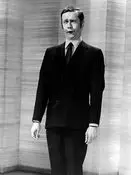
George Carlin
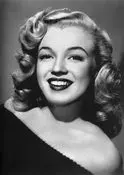
Marilyn Monroe
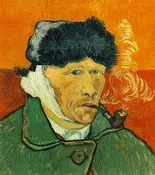
Vincent Van Gogh
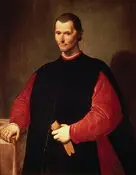
Niccolò Machiavelli
1469-05-03 – 1527-06-21
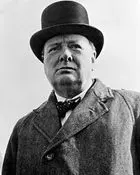
Winston Churchill
1874-11-30 – 1965-01-24
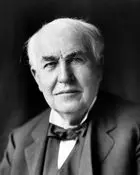
Thomas Edison
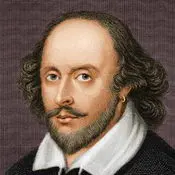
William Shakespeare

1564-04-23 – 1616-04-23
William Shakespeare is widely regarded as the greatest writer in the English language and the world's pre-eminent dramatist. His vast body of work, including tragedies, comedies, histories, and sonnets, explores the complexities of human nature with unparalleled depth and linguistic richness. His plays continue to be performed and studied globally, making him a timeless figure in literature and theatre.
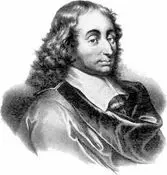
Blaise Pascal
1623-06-19 – 1662-08-19
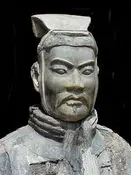
Sun Tzu
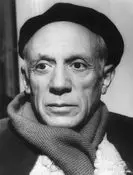
Pablo Picasso
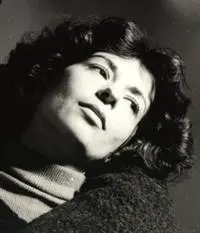
Alice Ruiz

1946-01-22
Alice Ruiz is a Brazilian poet and translator, recognized for her concise poetic work, marked by formal experimentation and reflection on the everyday, memory, and human relationships. Her poetry, often presented in brief formats, such as haiku and short poems, reveals a remarkable capacity for synthesis and a unique sensitivity for capturing the essence of moments. She is also an important figure in literary translation, with significant contributions to the dissemination of foreign poetry in Brazil.
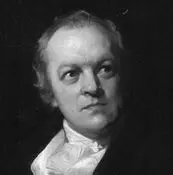
William Blake
1757-11-28 – 1827-08-12
William Blake was an English poet, painter, and printmaker whose visionary works explored profound spiritual and philosophical themes. He is renowned for his prophetic books, which combine his unique mythology with his distinct artistic style, often characterized by intense symbolism and imaginative power. Blake's work defied easy categorization, blending elements of Romanticism with his own highly personal brand of mysticism. His poetry, such as "Songs of Innocence and of Experience," continues to captivate readers with its exploration of dualities like innocence and corruption, joy and sorrow, and the spiritual and the material.
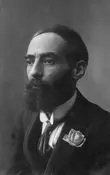
Camilo Pessanha

1867-09-07 – 1926-03-01
Camilo Pessanha was a poet and Portuguese teacher, noted for his poetic work that marked the transition from Symbolism to Modernism in Portugal. His poetry, characterized by melancholy, exoticism, and unparalleled musicality, explores themes such as the ephemerality of time, saudade, love, and death, often through vivid and sensory images. Although his poetic output in volume is reduced, his influence on the Portuguese literary landscape is profound, being considered one of the most important poets in the Portuguese language.

Abel Neves
1956
Abel Neves was a Portuguese poet whose work stood out for its uniqueness and the exploration of an innovative language. Marked by a deep sensitivity and a particular worldview, his poetry addresses existential themes with unusual intensity, reflecting on the human condition, the passage of time, and the search for meaning. His literary career, though sometimes discreet in terms of widespread recognition during his lifetime, left a legacy of an authentic and challenging poetic voice.
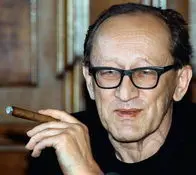
Heiner Müller

1929-01-09 – 1995-12-30
Heiner Müller was a prominent German playwright, theater director, and writer, a central figure of post-war theater, known for his radical and experimental approach. His work is characterized by the deconstruction of language, the exploration of myths, and the confrontation with history and identity, especially in the context of divided and reunified Germany. Müller challenged theatrical conventions, creating fragmented and visual texts that provoke and question the spectator about the human condition, violence, and collective memory.

A. Garibaldi
1821-08-30 – 1849-08-04
A. Garibaldi was a poet whose work explored the complexities of human existence with language rich in imagery and symbolism. His poetic compositions often address themes such as love, the ephemerality of time, and the search for meaning in a constantly changing world. His writing is characterized by deep introspection and a keen sensitivity to the nuances of human emotions, leaving a poetic legacy that continues to resonate with readers and critics.
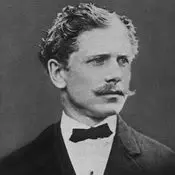
Ambrose Bierce

1842-06-24 – 1914
Ambrose Bierce was an American writer, journalist, poet, and satirist. Known for his dark and biting humor, Bierce served in the American Civil War, where he was wounded multiple times. His combat experience profoundly influenced his work, especially his tales of war and the macabre.
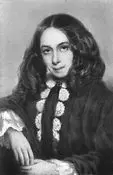
Elizabeth Barrett Browning
1806-03-06 – 1861-06-29
Elizabeth Barrett Browning was a highly regarded English poet of the Victorian era. Known for her passionate love sonnets and her socially conscious verses, she developed a significant literary reputation despite physical ailments and family opposition. Her marriage to fellow poet Robert Browning was a celebrated literary romance.

Abus Novas
1982-10-29
Abus Novas is a poet whose work is distinguished by a deep exploration of the human condition, addressing themes such as the ephemerality of time, the search for meaning, and the complexity of interpersonal relationships. His writing is marked by evocative language and a unique sensitivity in the construction of poetic images that resonate with the reader. His literary career demonstrates growing maturity, with a notable evolution in the form and content of his compositions. Abus Novas has consolidated himself as a relevant voice in the contemporary poetic landscape, with a style that combines introspection and keen observation of the world, creating poems that invite reflection and dialogue with existence.
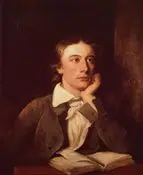
John Keats
1795-10-31 – 1821-02-23
John Keats was a leading figure of the second generation of English Romantic poets. Despite a short life, his prolific output of some of the most celebrated odes and sonnets in the English language profoundly impacted literature. His poetry is renowned for its sensory richness, exploration of beauty, and philosophical depth, often delving into themes of love, mortality, and the transient nature of existence. Keats's work, though not widely appreciated during his lifetime, is now considered a cornerstone of Romantic literature, celebrated for its exquisite craftsmanship and emotional intensity.

Letícia Luccheze
Letícia Luccheze is a contemporary Brazilian writer, with a production that spans poetry and prose. Her poetic work is marked by the exploration of intimate and existential themes, often with a confessional tone and a language that blends the colloquial and the lyrical. Her writing invites reflection on identity, relationships, and the complexities of feeling, in an approach that seeks authenticity and depth. Her prose, when present, reflects the same sensitivity, weaving narratives that explore subjectivity and the nuances of human experience, in a style that captivates the reader with its honesty and observational skill.
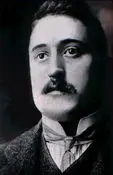
Guillaume Apollinaire

1880-08-26 – 1918-11-09
Guillaume Apollinaire was a highly influential French poet, playwright, short story writer, novelist, and art critic. He is considered one of the most important figures of early 20th-century European literature, particularly associated with the Symbolist movement and the development of Surrealism. Apollinaire is credited with coining the term 'Surrealism' and is renowned for his innovative use of language, experimental typography, and exploration of modern themes. His poetry often blends lyricism with everyday experiences, reflecting the vibrant, often chaotic, spirit of his time.
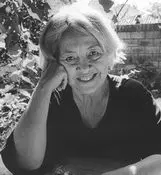
Adélia Prado
1935-12-13
Adélia Prado is a contemporary Brazilian poet, known for her poetry that intertwines the everyday with the sacred, the profane with the spiritual, and the trivial with the transcendent. Her work, marked by direct, colloquial, and sometimes unexpectedly lyrical language, reflects a profound contemplation of the female condition, faith, the body, death, and the search for meaning in a reality often devoid of transcendence. Prado offers a unique vision of urban life and human relationships, where poetry emerges from the simplest gestures and most common moments, revealing the beauty and mystery hidden in everyday experience.
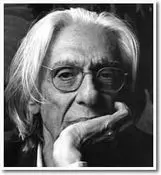
Ferreira Gullar
1930-09-10 – 2016-12-04
José Ribamar Ferreira de Araújo da Costa, known as Ferreira Gullar, was one of the most influential Brazilian poets and intellectuals. His work spans various phases, from concrete poetry to more existential and reflective poetry, always marked by a deep engagement with social and human reality. Gullar also stood out as a columnist, art critic, and essayist, leaving a multifaceted legacy in Brazilian culture.