

Authors List
Browse our collection of authors
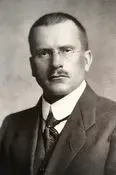
Carl Jung
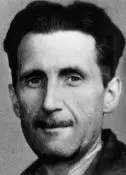
George Orwell

1903-06-25 – 1950-01-21
George Orwell, pseudonym of Eric Arthur Blair, was an English novelist, essayist, and journalist. He is widely known for his works of dystopian fiction, with strong social and political criticism. His most famous works, "Animal Farm" and "1984", explore themes of totalitarianism, surveillance, and the manipulation of truth, becoming references in world literature. Orwell also stood out for his investigative journalism and his engagement in social causes.
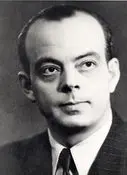
Antoine de Saint-Exupéry
1900-06-29 – 1944-07-31

Epicteto
0050-01-01
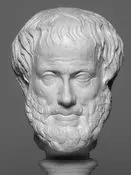
Aristóteles
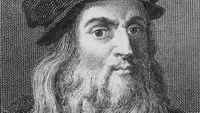
Leonardo da Vinci
1452-04-15 – 1519-05-02
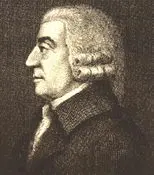
Adam Smith
1723-06-05 – 1790-07-17
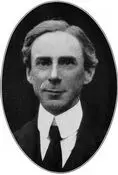
Bertrand Russell
1872-05-18 – 1970-02-02
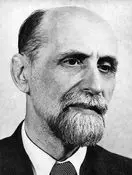
Juan Ramón Jiménez

1881-12-23 – 1958-05-29
Juan Ramón Jiménez was a Spanish poet, awarded the Nobel Prize in Literature in 1956. His work, profoundly marked by symbolism and the desire for "pure poetry," evolved towards an incessant search for beauty and transcendence. His poetry explores themes such as nature, spirituality, love, and the very essence of poetry, with a refined, musical, and visionary style. He is considered one of the great renovators of 20th-century Spanish poetry.
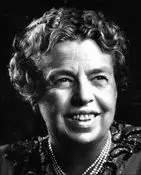
Eleanor Roosevelt
1884-10-11 – 1962-11-07
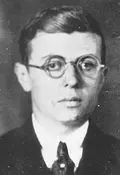
Jean-Paul Sartre

1905-06-21 – 1980-04-15
Jean-Paul Sartre was a French philosopher, writer, playwright, and literary critic, a central figure of atheistic existentialism. His vast and multifaceted work explores human freedom, individual responsibility, bad faith, and social commitment. Sartre rejected the Nobel Prize in Literature, advocating for a stance of refusal of bourgeois institutions. His thought profoundly influenced 20th-century philosophy, literature, and political debate, marking a generation with his emphasis on autonomy and the need for intervention in the world.
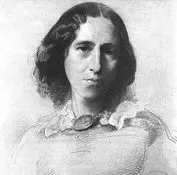
George Eliot
1819-11-22 – 1880-12-22
George Eliot is the pseudonym of Mary Ann Evans, a prominent English novelist of the Victorian era. Eliot is celebrated for her profound psychological insight, moral complexity, and realistic portrayal of English provincial life. Her works often explore themes of morality, religion, determinism, and the position of women in society.
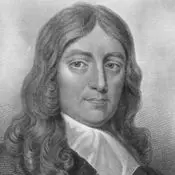
John Milton
1608-12-09 – 1674-11-08
John Milton was an English poet, polemicist, and civil servant for the Commonwealth of England under Oliver Cromwell. He is best known for his epic poem "Paradise Lost," one of the greatest works of English literature. Milton's work is characterized by its grand scope, theological depth, and masterful use of blank verse. His life and work were deeply intertwined with the political and religious turmoil of 17th-century England. Despite facing significant personal challenges, including blindness, Milton produced a body of work that continues to be studied and admired for its intellectual rigor and poetic artistry.
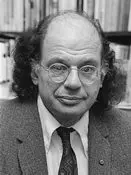
Allen Ginsberg

1926-06-03 – 1997-04-05
Allen Ginsberg was a pioneering American poet and a central figure of the Beat Generation. His work is characterized by its raw, confessional style, prophetic voice, and exploration of themes such as spirituality, sexuality, political dissent, and the critique of American materialism. He was a prominent activist, advocating for civil rights, environmental protection, and nuclear disarmament. His most famous poem, "Howl," became a symbol of countercultural rebellion and freedom of expression.

A. Lopes Cardoso

1881-01-17 – 1968-05-20
A. Lopes Cardoso is a poet whose work is distinguished by its lyrical depth and exploration of themes that resonate with the human condition, nature, and the passage of time. His writing is marked by careful language and unique sensitivity, giving him a prominent place in contemporary poetry. He has been consolidating a literary career marked by reflection and formal beauty.
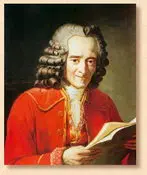
Voltaire
1694-11-21 – 1778-05-30
Voltaire was a prolific French writer, historian, and philosopher, a central figure of the Enlightenment. Known for his sharp intellect, sense of humor, and advocacy for freedom of speech, he vehemently criticized religious intolerance and the tyranny of the aristocracy and clergy of his time. His vast work spans poetry, essays, plays, correspondence, and philosophical texts, exerting a profound influence on Western thought.

Mahatma Gandhi

1869-10-02 – 1948-01-30
Mahatma Gandhi was one of the most prominent leaders of India's independence movement against British rule. He was a tireless advocate of nonviolent resistance (Satyagraha) and civil disobedience, principles he successfully applied to achieve his country's freedom. His legacy transcends politics, inspiring civil rights and freedom movements worldwide.
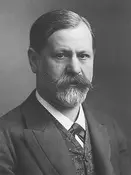
Sigmund Freud

Warren Buffett
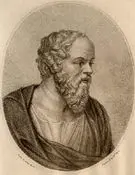
Sócrates
– 0399-02-15
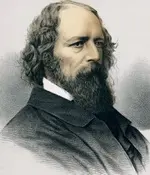
Alfred Lord Tennyson
1809-08-06 – 1892-10-06
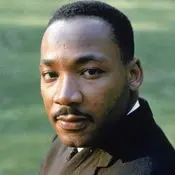
Martin Luther King Jr.
1929-01-15 – 1968-04-04
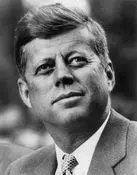
John F. Kennedy
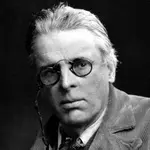
William Butler Yeats

1865-06-13 – 1939-01-28
William Butler Yeats was a prominent Irish poet, playwright, and mystic, widely regarded as one of the greatest poets of the 20th century. His early work was deeply influenced by Irish mythology and folklore, and he was a key figure in the Irish Literary Revival. Over his career, his style evolved, becoming more personal, symbolic, and philosophical, grappling with themes of love, aging, politics, and the spiritual life. Yeats's poetry is characterized by its rich imagery, musicality, and intellectual depth. He explored the complexities of the human condition, the nature of art, and the turbulent history of Ireland. His later works, in particular, are known for their aphoristic power and profound meditations on life and mortality. He received the Nobel Prize in Literature in 1923, solidifying his international literary stature.