

Authors List
Browse our collection of authors

Antonio Colinas

1946-01-30
Spanish poet whose work is distinguished by a deep spirituality, a constant reflection on time, memory, and the search for transcendence. His poetry, characterized by careful musicality and evocative imagery, explores the beauty of the natural world, the mystery of existence, and the intimate connection between human beings and the cosmos. Colinas has managed to bridge lyrical tradition and modernity, creating a unique poetic universe of great philosophical depth.

Baldomero Fernández Moreno
1886-09-15 – 1950-06-07
Argentine poet known for his lyrical and costumbrista work. His poetry is characterized by simplicity, musicality, and the evocation of daily life, especially that of Buenos Aires. He addressed themes such as love, nature, and the city with an accessible and emotional language.

Alí Chumacero
1917-07-09 – 2010-10-22
Alí Chumacero was a distinguished Mexican poet, essayist, and literary critic, whose work is characterized by a deep reflection on the human condition, the passage of time, and the beauty of language. His poetry, often marked by a melancholic and contemplative tone, explores universal themes with great formal mastery and a particular lyrical sensibility. He was an influential figure in 20th-century Mexican literature, not only for his poetic work but also for his role as a cultural promoter and editor, leaving a significant legacy in Hispanic letters.

Álvaro Mutis
1923-08-25 – 2013-09-22
Álvaro Mutis was a Colombian poet and novelist, a central figure in 20th-century Latin American literature. His work, marked by a profound melancholy, the exploration of identity, and reflection on time and memory, is characterized by a refined language and great musicality. He is especially known for his character Maqroll el Gaviero, a globetrotter who embodies the figure of the exile and the eternal traveler, a symbol of the human condition in modernity. Mutis left a literary legacy of great value, internationally recognized for his stylistic mastery and his profound vision of the world.

Siegfried Sassoon
1886-09-08 – 1967-09-01
Siegfried Sassoon was an English poet and soldier, renowned for his raw and often brutal war poetry written during World War I. His work vividly depicted the horrors of trench warfare, starkly contrasting with the patriotic fervor of the time. Sassoon's poems are characterized by their directness, anger, and profound sense of disillusionment, making him a prominent voice against the romanticization of conflict. He later explored themes of loss, faith, and the complexities of human relationships in his post-war writings.

Sara Teasdale
1884-08-08 – 1933-01-29
Sara Teasdale was an influential American lyric poet celebrated for her emotionally resonant and accessible verse. Her work often explores themes of love, nature, loss, and the inner life of women with a delicate yet powerful voice. Teasdale's poems, characterized by their musicality and lyrical beauty, garnered significant popularity during her lifetime and continue to be cherished for their timeless exploration of the human heart.
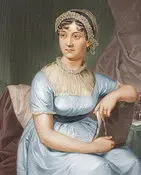
Jane Austen

1775-12-16 – 1817-07-18
Jane Austen was an English novelist whose works brilliantly satirize the British landed gentry at the turn of the 19th century. Her novels, set in the world of country estates and drawing-rooms, are celebrated for their wit, keen social observation, and nuanced exploration of marriage, class, and morality. Through memorable characters and elegant prose, Austen deftly examines the limited options available to women of her time, while championing intelligence, integrity, and genuine affection. Her enduring appeal lies in her timeless insights into human nature and social dynamics.

Roger Mcgough
1937-11-09
Roger McGough is a prominent English poet, known for his accessible and often humorous verse. He gained popularity in the 1960s as part of the "Mersey Beat" movement, associated with the vibrant Liverpool scene. His poetry frequently engages with everyday life, using wit, wordplay, and a conversational tone that appeals to a broad audience, including children and adults. He has also been a popular broadcaster and performer.
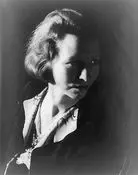
Edna St. Vincent Millay
1892-02-22 – 1950-10-19
Edna St. Vincent Millay was a prominent American poet and playwright, celebrated for her lyrical verse and her passionate, often rebellious, spirit. A leading voice of the "Lost Generation," her work captured the zeitgeist of the Jazz Age with its themes of love, freedom, social injustice, and the complexities of modern life. Millay's skillful use of traditional forms, such as the sonnet, combined with her bold modern sensibilities, earned her widespread acclaim and a devoted readership.

Claude Mckay
1889-09-15 – 1948-05-22
Claude McKay was a Jamaican-American writer and poet, who was a central figure of the Harlem Renaissance. His work often explored themes of racial identity, injustice, and the search for dignity. McKay's powerful verses, characterized by their lyrical quality and bold social commentary, challenged prevailing notions of race and belonging, leaving a significant mark on African American literature and diasporic thought.
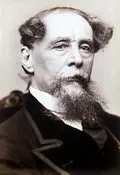
Charles Dickens
1812-02-07 – 1870-06-09
Charles Dickens was a towering figure of Victorian literature, renowned for his vivid portrayals of London life, unforgettable characters, and social commentary. His novels, such as 'Oliver Twist' and 'Great Expectations,' skillfully blended humor, pathos, and melodrama to expose the injustices and inequalities of his era. Dickens was a prolific writer, a keen observer of society, and a masterful storyteller whose works continue to be widely read and adapted.
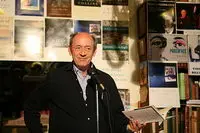
Billy Collins
1941-03-22
Billy Collins is a highly acclaimed contemporary American poet, celebrated for his accessible, witty, and often lyrical verse. His work frequently explores the ordinary experiences of everyday life, imbuing them with a sense of wonder, humor, and gentle philosophical insight. Collins served as the Poet Laureate of the United States, bringing poetry to a wider audience through his engaging and relatable style.

Robert W. Service
1874-01-16 – 1958-09-11
Robert W. Service was a poet and writer celebrated for his vivid and often humorous verses depicting life in the Yukon during the Klondike Gold Rush. His work captured the spirit of adventure, hardship, and camaraderie of the era, making him immensely popular. He is best known for narrative poems that tell compelling stories with a strong rhythm and memorable characters.

Anaïs Nin
1903-02-21 – 1977-01-14
Anaïs Nin was a prolific writer known for her deeply personal diaries, sensual and psychological novels, and exploration of female sexuality and consciousness. Her work often blurred the lines between fiction and autobiography, delving into the complexities of human relationships, desire, and the search for identity. Nin's bold approach to writing about the inner lives of women challenged literary conventions and established her as a significant voice in 20th-century literature.

Wilfred Owen
1893-03-18 – 1918-11-04
Wilfred Owen was a prominent English poet, best known for his powerful and unflinching poems about the realities of trench warfare during World War I. He is considered one of the leading poets of the war, whose work vividly depicted the suffering, horror, and futility of combat. His poems were largely published posthumously but have since become seminal texts in understanding the experience of soldiers in the Great War.

William Ernest Henley
1849-08-23 – 1903-07-11
William Ernest Henley was a Scottish poet, critic, and editor whose work is often associated with the late Victorian era. Despite enduring significant personal hardship, including a lifelong battle with tuberculosis that led to the amputation of one leg and threatened the other, Henley produced poetry characterized by its strength, defiance, and patriotic fervor. His most famous poem, 'Invictus,' has become an anthem of resilience and willpower.
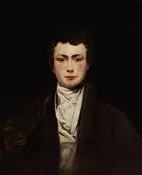
Thomas Moore
1779-05-28 – 1852-02-25
Thomas Moore was an Irish poet, singer, and songwriter, best known for his lyrical work, particularly the "Irish Melodies." His poetry often romanticized Ireland, exploring themes of patriotism, love, and melancholy, set to traditional Irish tunes. Moore was a prominent literary figure of his time, enjoying considerable popularity for his sentimental and accessible verse, which played a significant role in shaping Irish national consciousness through song.
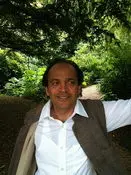
Vikram Seth
1952-06-20
Vikram Seth is a critically acclaimed Indian novelist and poet, celebrated for his masterful storytelling and lyrical prose. His work often explores themes of family, identity, and cultural transition, drawing from his own rich experiences. Seth's distinctive voice blends wit, compassion, and keen observation, earning him a significant place in contemporary literature.

Spike Milligan
1918-04-16 – 2002-02-27
Spike Milligan was a prolific and celebrated comedian, musician, writer, and actor, best known as one of the most influential figures of the British comedy scene. He was a principal writer and performer of the iconic radio comedy series 'The Goon Show', which revolutionized British broadcasting with its surreal humor and anarchic style. Milligan's work often blended absurdity, wordplay, and satire, reflecting his unique and often melancholic worldview. His contributions extended beyond comedy to poetry and prose, where he explored themes of war, love, and everyday life with a distinctively quirky and poignant touch.

Sheldon Allan Silverstein
1930-09-25 – 1999-05-10
Shel Silverstein was an American poet, illustrator, cartoonist, songwriter, and author. He is best known for his whimsical and often profound children's books and poems, which frequently explore themes of childhood, imagination, and the human condition with a unique blend of humor and gentle wisdom. His work resonates with readers of all ages for its simplicity, sincerity, and underlying philosophical insights.
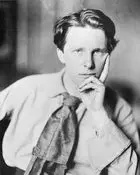
Rupert Brooke
1887-08-03 – 1915-04-23
Rupert Brooke was an English poet known for his idealistic and patriotic war sonnets written at the outset of World War I. His early death from sepsis during the war cemented his image as a heroic figure. Brooke's poetry is characterized by its lyrical beauty, traditional form, and exploration of themes such as love, beauty, and patriotism, often tinged with a sense of youthful idealism.
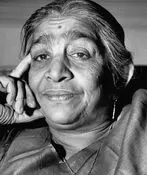
Sarojini Naidu
1879-02-13 – 1949-03-02
Sarojini Naidu was a prominent Indian poet and a key figure in the Indian independence movement. Known as the "Nightingale of India," her poetry often celebrated Indian culture, love, and patriotism, earning her acclaim in both India and abroad. Beyond her literary contributions, Naidu was a fervent nationalist, a suffragist, and a powerful orator who played a crucial role in India's struggle for freedom from British rule. She served as the first Indian woman to hold the office of Governor of a state in India.
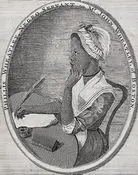
Phillis Wheatley
1753-05-08 – 1784-12-05
Phillis Wheatley was an enslaved African woman who became the first African American author of a published book of poetry in the United States. Despite the immense limitations imposed by slavery and societal prejudice, her work demonstrated remarkable literary skill and intellectual depth. Her poems, often neoclassical in style, explored themes of freedom, religion, and the African experience, challenging prevailing racist notions of the time and paving the way for future Black writers.
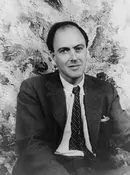
Roald Dahl
1916-09-13 – 1990-11-23
Roald Dahl was a globally celebrated author, renowned for his imaginative and often darkly humorous children's books. His stories, characterized by unique characters, unexpected plot twists, and a distinct narrative voice, have captivated generations of young readers. Beyond his iconic children's literature, Dahl also penned successful adult fiction and screenplays, showcasing his versatility as a storyteller.