

Authors List
Browse our collection of authors

Óscar Hahn

1831-11-28 – 1898-05-06
Óscar Hahn is a Chilean poet, literary critic, and academic, recognized for his existentialist poetry and his exploration of the human condition, death, love, and identity. His work is characterized by deep philosophical reflection and formal mastery, often tinged with irony and a lucid tone. With a consolidated career, Hahn has been an influential voice in Chilean and Latin American poetry, exploring the tensions between life and death, transcendence and immanence, and the search for meaning in an often chaotic world. His poetry invites deep meditation on existence.

Miguel Florián
1839-04-30 – 1895-07-29
Miguel Florián is a contemporary poet whose work is characterized by deep sensitivity, careful language, and a constant exploration of the human condition. Through verses that move between the intimate and the universal, he addresses themes such as love, solitude, the passage of time, and the search for meaning in an often uncertain world. His poetry invites reflection and contemplation of the ephemeral beauty of life.

Luis Alberto de Cuenca
1950-12-29
Spanish poet, literary critic, and translator, Luis Alberto de Cuenca is a prominent figure in the poetry of the second half of the 20th century and the early 21st century. His work is characterized by profound erudition, a conversational tone, and constant intertextuality with popular culture and literary tradition. Through poetry that is accessible yet rich in nuance, he explored universal themes such as love, death, and the passage of time, often with an undertone of melancholy and existential reflection.

Luis Rosales
1910-05-31 – 1992-10-24
Luis Rosales was a Spanish poet whose work is associated with the Generation of '27, although his style developed its own voice and a profound reflection on the human condition and beauty. His poetry is characterized by a refined lyricism, precise language, and a constant search for harmony and transcendence. Rosales explored themes such as love, death, time, nature, and memory, often with an existential and metaphysical perspective. He is recognized for his formal mastery, his balance between tradition and modernity, and his ability to evoke deep emotions through suggestive images and a musical rhythm. His work represents a valuable legacy in 20th-century Spanish poetry, marked by lyrical intensity and the nobility of his expression.

Juan Luis Panero
1942-09-09 – 2013-09-16
Juan Luis Panero was a Spanish poet whose work is part of the generation of the 60s, also known as the Generation of the 50 or 'poetry of experience'. His poetry is characterized by deep introspection, the use of colloquial yet careful language, and the exploration of themes such as memory, the passage of time, solitude, and the human condition. Despite not having an extensive output, his lyrical voice possesses great intensity and authenticity.

Leopoldo Panero
1909-10-17 – 1962-08-27
Spanish poet, member of the Generation of '50, known for his rooted and existential poetry. His work is characterized by introspection, the exploration of vital anguish, death, and the search for meaning in an often desolate world. His language is direct and his tone, often somber.
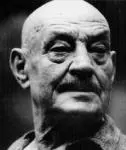
José Hierro
1922-04-03 – 2002-12-20
José Hierro was a Spanish poet, one of the central figures of post-war social poetry and one of the innovators of poetic language in Spain. His work is characterized by a profound humanism, a concern for social and existential reality, and constant formal and thematic experimentation. His poetry is distinguished by its reflective tone, its commitment to the human condition, and its search for a language that can name the complexity of the world and of being. Hierro is considered a poet of doubt, of constant questioning, and his work is a testament to the search for meaning in an often turbulent and contradictory world.

José García Nieto
1914-07-06 – 2001-02-27
Spanish poet whose work is part of the Generation of '50. His poetry is characterized by a deep reflection on the human being, time, and the existential condition, often tinged with melancholy and a search for transcendence. García Nieto explored both traditional form and free verse, imbuing his verses with great musicality and emotional depth.

Jorge Guillén
1893-01-18 – 1984-02-06
Spanish poet, one of the central figures of the Generation of '27 and one of the most important representatives of pure poetry in the Spanish language. His work is characterized by a celebration of existence, light, and formal perfection, seeking a poetry stripped of anecdotes and excessive sentimentality. Throughout his extensive production, Guillén explored the beauty of the world and the fullness of being through a refined language and constant aesthetic rigor.

José Agustín Goytisolo
1928-04-13 – 1999-03-19
José Agustín Goytisolo was a Spanish poet and translator, recognized for his socially and existentially oriented poetry. His work, marked by a deep commitment to reality and a lucid, often critical poetic voice, addresses themes such as injustice, memory, identity, and the human condition. In addition to his literary work, Goytisolo was an intellectual committed to the social and political causes of his time, which was reflected in his writing and activism.

Jaime Sabines
1920-03-25 – 1999-03-19
Jaime Sabines was a Mexican poet whose work is distinguished by its direct, colloquial, and passionate language. Through his verses, he addressed universal themes such as love, death, solitude, and social injustice with moving intensity. His poetry, far from avant-garde currents and academic rhetoric, connected deeply with popular sentiment, making him one of the most widely read and beloved poets in Mexico. Sabines explored the human condition from an intimate yet socially committed perspective, leaving a legacy of poems that resonate powerfully in the reader's soul.

Jesús Hilario Tundidor
1935-06-22 – 2021-05-02
Spanish poet, Jesús Hilario Tundidor is known for a lyrical work of great intensity and human commitment. His poetry is characterized by the exploration of the human condition, the denunciation of injustices, and the search for hope amidst adversity. His style, direct and at the same time deeply emotional, connects with the reader through powerful imagery and language loaded with meaning. Awarded various prizes throughout his career, Tundidor has left an important mark on contemporary Spanish poetry. His work is a testament to the ability of verse to reflect the complexities of life and to challenge the reader on issues of social and existential significance.

Gerardo Diego
1896-10-03 – 1987-07-08
Gerardo Diego was a Spanish poet, a prominent member of the Generation of '27, known for his versatility and mastery of various poetic forms. His work ranges from traditional poetry to avant-garde movements, demonstrating a remarkable capacity for formal and thematic experimentation. Throughout his extensive career, he explored the musicality of language, surprising imagery, and reflections on art, faith, and life. Diego is remembered for his creative vitality and his contribution to the enrichment of 20th-century Spanish poetry, serving as a bridge between the literary past and future.

Gaspar Melchor de Jovellanos

1744-01-05 – 1811-11-27
Gaspar Melchor de Jovellanos was a towering figure of the Spanish Enlightenment, excelling as a jurist, writer, politician, and reformer. His thought, deeply rooted in the principles of reason and progress, encompassed a wide range of interests, from education and economics to politics and social criticism. He was a tireless promoter of Enlightenment ideas in Spain, seeking to modernize the country and improve the living conditions of his fellow citizens. His literary work, though not as extensive as his essayistic and political output, reveals a profound knowledge of the language and a notable sensitivity, especially in his poetic and theatrical compositions. Jovellanos is remembered as one of the great intellectuals of his time, a statesman committed to the welfare of his nation, and a staunch advocate for reform and progress.

Enrique Lihn
1983-03-15
Enrique Lihn was a Chilean poet, essayist, and critic, a central figure in 20th-century Latin American literature. His work is characterized by a profound reflection on the human condition, history, memory, and identity, often tinged with irony, skepticism, and sharp lucidity. He addressed universal themes with complex and experimental language, exploring the possibilities of language and poetic form. His poetry is a constant dialogue with literary tradition and the social and political reality of his time, marked by dictatorship and disillusionment. Lihn is remembered as one of Chile's most important and influential poets, whose work continues to challenge the contemporary reader with its depth and relevance.

Ezequiel Martínez Estrada
1895-09-14 – 1964-11-04
Ezequiel Martínez Estrada was an Argentine essayist, poet, literary critic, and diplomat, whose work was characterized by a deep reflection on Argentine and Latin American reality. His critical thinking addressed themes such as national identity, history, literature, and the human condition, often with a pessimistic but lucid vision. Considered a central figure in 20th-century Argentine thought, Martínez Estrada was a tireless polemicist and a keen observer of the social and political complexities of his time. His legacy lies in his vast essayistic and poetic production, which continues to be an unavoidable reference for understanding the culture and history of Latin America.

Emilio Prados
1899-03-04 – 1962-04-24
Emilio Prados was a Spanish poet belonging to the Generation of '27. His work is characterized by a deep lyrical sensibility, marked by themes such as love, nature, solitude, and spiritual quest. His poetry, often intimate and reflective, evolved from the influences of modernism towards a more personal and profound expression. After exile, his work acquired an additional dimension of longing and melancholy, consolidating him as an essential voice of 20th-century Spanish lyricism.
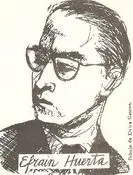
Efraín Huerta
1914-06-18 – 1982-02-03
Efraín Huerta was a Mexican poet, journalist, and communist militant, known for his social poetry and political commitment. His work is characterized by a passionate and combative voice, portraying the reality of the marginalized, the workers, and the struggle for justice. Nicknamed "El Ciano", his direct style and colloquial language connected deeply with the popular classes. He was a chronicler of his time, addressing themes such as social inequality, oppression, and the hope for a better world.

Dionisio Ridruejo
1912-10-12 – 1975-06-29
Dionisio Ridruejo was a Spanish poet, essayist, and literary critic, a prominent figure of the Generation of '50. His poetic work is characterized by a deep reflection on the human experience, identity, memory, and the passage of time, often rooted in the landscape and culture of Castile. His style is refined, precise, and emotional, seeking the sincere expression of feelings and formal beauty. Ridruejo was also an important intellectual and public figure, known for his civic commitment and his defense of democratic values. He is considered one of the most representative poets of Spanish poetry in the second half of the 20th century.
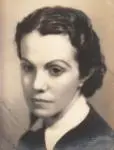
Dulce María Loynaz
1902-12-10 – 1997-04-27
Dulce María Loynaz was a Cuban poet and novelist, a key figure in the literature of the 20th century in her country. Her work, marked by deep introspection, exquisite sensitivity, and a refined style, explores themes such as solitude, love, death, and the fleetingness of time. Despite later recognition, her legacy is fundamental to understanding the evolution of modern Cuban poetry, standing out for its originality and mastery of language.

Claudio Rodríguez
1933-08-31 – 2019-12-04
Claudio Rodríguez was a Spanish poet whose work is characterized by his profound reflection on existence, nature, and transcendence. His poetry, rooted in Spanish tradition but open to contemporary currents, stands out for its vigorous language and its ability to find the extraordinary in the everyday. Throughout his career, he explored universal themes with a hopeful and vitalistic perspective, becoming a key figure in Spanish poetry of the second half of the 20th century.

Carmen Conde
1907-08-15 – 1996-01-08
Carmen Conde was a Spanish poet, narrator, and professor, one of the most relevant figures of the Generation of 1927, although often marginalized by traditional anthologies. Her poetic work is characterized by a deep connection with nature, the sea, the earth, and the human condition, expressed with language of great sensitivity and plasticity. She was a pioneer in the field of literary criticism and cultural promotion, as well as a tireless advocate for education and culture for all. Her life and literary trajectory is a testament to perseverance and commitment to the arts and ideas.
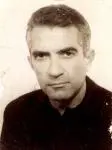
Blas de Otero
1916-03-15 – 1979-06-29
Blas de Otero was one of the most relevant Spanish poets of the second half of the 20th century, a key figure of the so-called "social poetry." His work is characterized by a deep human and ethical commitment, addressing themes such as injustice, solidarity, hope, and the search for freedom. With a direct and emotional language, Otero managed to connect with a wide audience, becoming the voice of many who longed for a more just world. His poetry, marked by formal simplicity and expressive force, remains a reference for committed poetry in Spanish.

Carlos Bousoño
1923-05-09 – 2015-10-24
Carlos Bousoño was a distinguished Spanish poet and literary critic, a central figure in post-war Spanish poetry and one of the foremost experts on the work of Juan Ramón Jiménez. His poetic work, marked by a profound reflection on being, time, and reality, is characterized by its formal rigor, careful language, and constant search for truth and beauty. As a critic, his analysis of contemporary poetry and his erudition established him as an undisputed authority in the Spanish literary sphere.