

Authors List
Browse our collection of authors

Paul Laurence Dunbar

1872-06-27 – 1906-02-09
Paul Laurence Dunbar was a pioneering African American poet, novelist, and playwright, celebrated for his skillful use of dialect and standard English in his verse. His work often explored the experiences of Black Americans, touching on themes of racial prejudice, everyday life, and the enduring spirit of his community. Dunbar's lyrical talent and his ability to capture the nuances of Black American vernacular earned him widespread recognition during his lifetime.

Nazim Hikmet
1902-01-15 – 1963-06-03
Nazim Hikmet was a revolutionary Turkish poet, playwright, novelist, and memoirist. A prominent figure in 20th-century Turkish literature, his work is characterized by its lyrical beauty, political engagement, and innovative use of language. He is celebrated for his ability to blend traditional Turkish poetic forms with modern sensibilities and socialist themes, making his poetry accessible and powerful. His life was marked by activism, imprisonment, and exile, which deeply influenced his writing, imbuing it with a profound sense of humanism and a passionate call for justice and freedom. He remains an internationally recognized voice for his commitment to social change and his enduring literary contributions.
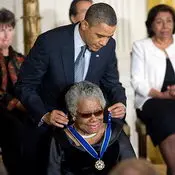
Maya Angelou
1928-04-04 – 2014-05-28
Maya Angelou was a celebrated American poet, memoirist, and civil rights activist. Her work is renowned for its profound exploration of identity, racism, family, and the resilience of the human spirit. Through powerful autobiographical narratives and evocative poetry, she gave voice to the experiences of Black Americans, particularly women, offering messages of hope, dignity, and self-acceptance. Her impactful writing and unwavering advocacy for social justice made her a global icon.

Mirza Ghalib
1797-12-27 – 1869-02-15
Mirza Ghalib was a preeminent Urdu and Persian poet of the 19th century, renowned for his profound ghazals and his sophisticated literary style. He is widely considered one of the greatest poets in the Hindustani language, whose work bridged classical traditions with emerging modern sensibilities. Ghalib's poetry is celebrated for its intellectual depth, philosophical insights, wit, and its exploration of complex human emotions, including love, loss, and the existential condition. His mastery of language and his unique perspective continue to resonate with readers and scholars alike, making him a towering figure in South Asian literature.

Kazi Nazrul Islam
1899-05-24 – 1976-08-29
Kazi Nazrul Islam was a Bengali poet, writer, musician and the national poet of Bangladesh. He was known for his prolific output and his revolutionary spirit, often writing about intense emotional states and socio-political issues. His work championed freedom, equality, and the struggle against oppression, making him a significant voice for the Bengali people during a tumultuous period. Islam's poetry and music continue to inspire and resonate, reflecting a deep connection to his cultural heritage and a universal message of humanism.

Joyce Kilmer
1886-12-06 – 1918-07-30
Joyce Kilmer was an American poet, journalist, and literary critic. He is best known for his patriotic poem "Trees," which captured the popular imagination for its vivid imagery and straightforward sentiment. His work often reflects a deep appreciation for nature, faith, and the values of his time, though he is also remembered for his untimely death during World War I.
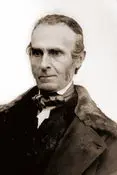
John Greenleaf Whittier
1807-12-17 – 1892-09-07
John Greenleaf Whittier was an American poet and abolitionist, celebrated for his lyrical verse that often depicted rural New England life and championed social reform. His poetry evoked strong imagery of nature, home, and the changing seasons, resonating deeply with readers. A staunch advocate against slavery, Whittier used his literary platform to promote abolitionist ideals, making his work a significant voice in the moral and political landscape of 19th-century America. His legacy endures through his evocative poems and his commitment to justice.
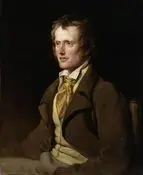
John Clare
1793-07-13 – 1864-05-20
John Clare was an English poet celebrated for his vivid and unsentimental depictions of the English countryside and rural life. Despite a challenging life marked by poverty, social isolation, and eventual mental breakdown, Clare produced a vast body of work filled with lyrical beauty and keen observation. His poetry stands out for its authentic voice, detailed imagery of nature, and its poignant reflection on the loss of traditional rural ways of life due to industrialization and enclosure. Clare's work has gained increasing recognition for its originality, its profound connection to the natural world, and its empathetic portrayal of ordinary lives.

Jack Prelutsky
1940-09-08
Jack Prelutsky was a prolific American children's poet, known for his whimsical and often humorous verse that captured the imagination of young readers. His poems frequently explored the absurdities of childhood, the joys of animals, and the simple wonders of everyday life. With a playful use of language and a keen understanding of children's perspectives, Prelutsky became one of the most beloved and successful poets for children in recent times.
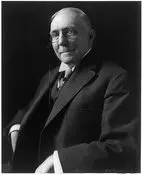
James Whitcomb Riley
1849-10-07 – 1916-07-22
James Whitcomb Riley was an American poet and author, best known for his dialect verse that celebrated rural life in Indiana. His poems often captured the nostalgia and simplicity of childhood, small-town America, and the common folk. Riley's warm, humorous, and often sentimental style made him immensely popular in his time, earning him the nickname "The Hoosier Poet." His works, such as "Little Orphant Annie" and "The Raggedy Man," remain beloved for their accessible language and evocative portrayals of American folklore and rural experiences.

Henry Lawson
1867-06-17 – 1922-09-02
Henry Lawson was an Australian writer and poet, celebrated for his vivid portrayals of Australian bush life, identity, and the struggles of ordinary people. He is considered one of Australia's greatest literary figures, known for his realistic and often melancholic depiction of the Australian landscape and its inhabitants. His work frequently captures the hardship, mateship, and resilience of the Australian spirit.
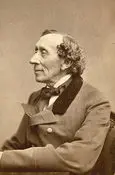
Hans Christian Andersen
1805-04-02 – 1875-08-04
Hans Christian Andersen was a Danish author celebrated for his timeless fairy tales that have captivated generations of readers worldwide. His stories, often infused with a blend of whimsy, pathos, and profound moral lessons, explore universal themes of identity, social class, and the human condition. Despite a challenging early life, Andersen's imagination and keen observation of the world around him led him to create a literary legacy that transcends cultural boundaries. His works, including "The Little Mermaid," "The Ugly Duckling," and "The Snow Queen," continue to be cherished for their enduring charm, emotional depth, and insightful commentary on life.

Emily Jane Brontë
1818-07-30 – 1848-12-19
Emily Brontë was an English novelist and poet, best known for her only novel, Wuthering Heights. She was part of the Brontë family, renowned for their literary contributions. Her work is characterized by its passionate intensity, exploration of complex human emotions, and a unique blend of realism and Gothic elements. Brontë's poetry, though less famous than her novel, is also notable for its stark beauty, powerful imagery, and exploration of themes such as love, loss, and the natural world.

Edward Lear
1812-05-12 – 1888-01-29
Edward Lear was an English artist, illustrator, musician, author, and poet, celebrated primarily for his nonsense poetry. His distinctive style, characterized by limericks and whimsical illustrations, brought him widespread fame. Lear's work often featured eccentric characters, fantastical landscapes, and playful rhymes, offering a unique blend of humor and imagination. He is considered a pioneer of the nonsense genre, influencing generations of writers and artists with his creative spirit.

Charlotte Brontë
1816-04-21 – 1855-03-31
Charlotte Brontë was an English novelist and poet, best known for her masterpiece *Jane Eyre*. Her work is characterized by its passionate intensity, psychological depth, and exploration of social and moral issues, particularly concerning women's roles in Victorian society. Brontë's novels often feature strong, independent female protagonists who navigate complex personal and societal challenges, offering enduring insights into themes of love, class, religion, and selfhood.
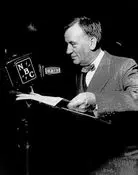
Edgar Albert Guest
1881-08-20 – 1959-08-05
Edgar Albert Guest was a prolific and widely read poet whose work captured the sentiments and experiences of everyday life for a broad audience. Often referred to as "America's People's Poet," his verses focused on themes of home, family, friendship, and the simple virtues that resonated with the common person. His accessible style and optimistic outlook made his poetry a staple in newspapers and popular publications, earning him immense popularity during his lifetime.

Anne Brontë
1820-01-17 – 1849-05-28
Anne Brontë was an English novelist and poet, the youngest of the three Brontë sisters. Her works often explored themes of social injustice, the constraints placed upon women, and the search for personal and spiritual freedom. She is known for her honest and often unflinching portrayal of characters and their struggles within the societal norms of her time.

Anonymous
The author is anonymous, meaning their identity is unknown or deliberately concealed. This can apply to various forms of writing, from ancient texts to contemporary works, where the creator's name is not attached to the piece. Anonymity can be chosen for various reasons, including political dissent, religious conviction, or a desire for the work to stand on its own without the author's personal reputation influencing its reception. The focus then shifts entirely to the content and artistry of the text itself, inviting readers to engage with it on its own terms.
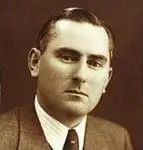
José Pedroni
1899-09-21 – 1968-01-04
José Pedroni was a prominent Brazilian poet, recognized for his deep lyricism and his connection to the land and everyday life. His work is characterized by a special sensitivity to rural themes, love, and the human condition, expressed through simple yet emotionally charged language. He was an important figure in 20th-century Brazilian poetry, leaving a legacy of verses that evoke the beauty of the simple and the strength of feelings.
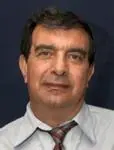
Eduardo Mitre
1943
Eduardo Mitre is a Bolivian poet and essayist recognized for his profound reflection on the human condition, time, and memory. His work is characterized by a refined language and evocative imagery that oscillates between the lyrical and the philosophical. Mitre has explored various facets of existence, addressing themes such as the transience of life, the transcendence of art, and the search for meaning in a constantly changing world. His poetry invites contemplation and questioning, offering the reader an enriching aesthetic and spiritual experience.
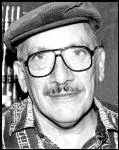
Ramón de Almagro
1934-04-10
Ramón de Almagro was a poet whose work is inscribed in the Spanish lyric tradition, exploring the depths of human sentiment and the beauty of language. His poetry is characterized by careful meter and a particular sensitivity for capturing emotions and reflections on existence. Although his figure may be less known compared to other great names in poetry, Almagro represents an authentic voice within his time, contributing his talent to the richness of the poetic heritage.

Marcelo Ferrer
Marcelo Ferrer is a Spanish poet, essayist, and translator whose work is characterized by a deep reflection on language, memory, and the human condition. His poetry explores the complexity of existence through a refined style and great musicality, addressing themes such as the passage of time, the transience of life, and the search for meaning in an often uncertain world. Ferrer has cultivated poetic creation as well as essay writing and translation, demonstrating a versatility that positions him as a relevant figure in contemporary literature.
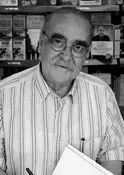
José Antonio Labordeta
1935-03-10 – 2010-09-19
José Antonio Labordeta was a Spanish poet, singer-songwriter, politician, and professor, an emblematic figure of Aragonese culture and singer-songwriter tradition in Spain. His poetic and musical work is characterized by deep social and political commitment, a strong connection to his native land, Aragon, and an authentic, combative voice. Labordeta is remembered for his defense of freedoms, his criticism of power, and his ability to express the concerns of his people.

Thomas Gray
1716-12-26 – 1771-07-30
Thomas Gray was an English poet, primarily recognized for his "Elegy Written in a Country Churchyard". His work, though scarce, is characterized by melancholy, reflection on mortality and the beauty of the ephemeral, and a profound landscape sensitivity. Despite a quiet life dedicated to study, his poetry explored universal themes with a formal mastery that significantly influenced early Romanticism.