
Browse our collection of authors
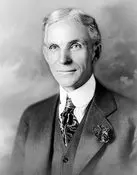
Henry Ford

Adlai Stevenson
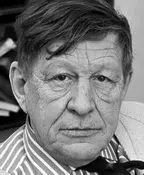
W. H. Auden

1907-02-21 – 1973-09-29
W. H. Auden was a British poet, naturalized American, widely considered one of the greatest poets of the 20th century. His work is characterized by thematic and stylistic diversity, addressing issues from social and political matters to intimate reflections on love, death, and faith. Auden stood out for his sharp intellect, mastery of language, and ability to move between the colloquial and the elevated.
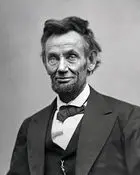
Abraham Lincoln
1809-02-12 – 1865-04-15
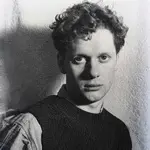
Dylan Thomas
1914-10-27 – 1953-11-09
Dylan Thomas was a celebrated Welsh poet whose vivid imagery, lyrical intensity, and unique use of language captivated readers worldwide. His work, often characterized by its passionate exploration of life, death, love, and nature, combined a deep connection to his Welsh heritage with a modernist sensibility. Despite a tragically short and often tumultuous life, his poems possess an enduring power and musicality that have secured his place as one of the 20th century's most important poets.
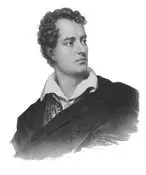
Lord Byron
1788-01-22 – 1824-04-19
George Gordon Byron, famously known as Lord Byron, was a leading figure of the Romantic movement in English literature. His life and works were marked by passionate idealism, flamboyant rebellion against social conventions, and intense personal experiences. Byron's poetry often explored themes of love, freedom, and the sublime, characterized by its lyrical power, dramatic intensity, and engagement with classical and contemporary concerns. His adventurous life, including his involvement in the Greek War of Independence, contributed significantly to his enduring image as a heroic and Byronic figure.
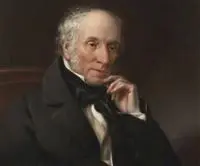
William Wordsworth
1770-04-07 – 1850-04-23
William Wordsworth was a pivotal English poet who, along with Samuel Taylor Coleridge, helped launch the Romantic Age in English literature. His poetry is deeply rooted in the natural world, often exploring themes of memory, imagination, and the spiritual connection between humanity and nature. He is celebrated for his lyrical intensity, his profound empathy, and his ability to find extraordinary beauty and meaning in the ordinary experiences of life.
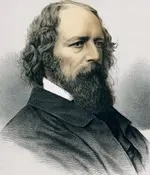
Alfred Lord Tennyson
1809-08-06 – 1892-10-06
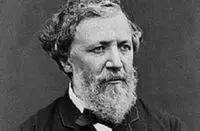
Robert Browning
1812-05-07 – 1889-12-12
Robert Browning was a prominent English poet and playwright whose mastery of the dramatic monologue and keen psychological insight made him one of the most influential figures of the Victorian era. His work often delves into complex characters and moral dilemmas, exploring the depths of human nature with a distinctive, vigorous style. Browning's expansive vocabulary, intricate plotting, and philosophical bent continue to fascinate readers and scholars alike.
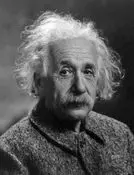
Albert Einstein

Walt Whitman

1819-05-31 – 1892-03-26
Walt Whitman was an American poet, essayist, journalist, and a deliberate humanist who became one of the most influential figures in American poetry. He is often called the "father of free verse." His seminal work, "Leaves of Grass," was a radical departure from the conventional poetry of its time, celebrating the individual, democracy, the body, and the spirit in expansive, cataloging lines. Whitman's poetry embraced a wide range of subjects, from the natural world and urban life to the experiences of laborers and soldiers. His work is characterized by its inclusive spirit, its celebration of the sensual and the spiritual, and its democratic vision. He sought to capture the diverse American experience in all its complexity and vitality, making him a truly unique voice in literature.

H. L. Mencken
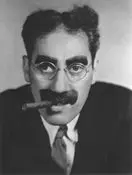
Groucho Marx
1890-10-02 – 1977-08-19
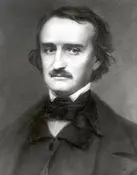
Edgar Allan Poe
1809-01-19 – 1849-10-07
Edgar Allan Poe was an American writer, poet, editor, and literary critic, best known for his poetry and short stories, particularly his tales of mystery and the macabre. He is widely regarded as a central figure of Romanticism in the United States and American literature as a whole. Poe is credited with inventing the detective fiction genre and was one of the earliest American writers of short stories, as well as the originator of the "cosmic horror" subgenre. His work is characterized by its exploration of dark themes, psychological depth, and often melancholic or terrifying atmosphere.
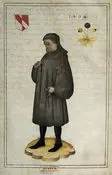
Geoffrey Chaucer
1400-10-25
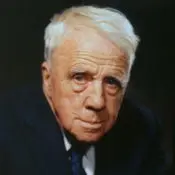
Robert Frost
1874-03-26 – 1963-01-29
Robert Frost was an American poet whose work is often associated with the rural life of New England. His poetry is characterized by its accessible language, conversational tone, and exploration of profound themes about nature, human existence, and the choices people make. Despite often being perceived as a simple observer of country life, Frost's poems delve into complex psychological states and philosophical questions, making him one of America's most celebrated and enduring literary figures.
Eleanor Roosevelt
1884-10-11 – 1962-11-07
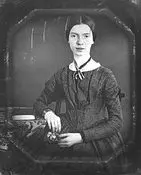
Emily Dickinson
1830-12-10 – 1886-05-15
Emily Dickinson was a prolific American poet whose work was largely unknown during her lifetime. Her poems are characterized by their unconventional style, exploring themes of nature, death, immortality, and faith with unique imagery and introspective depth. She is now recognized as one of the most important figures in American poetry, known for her distinct voice and innovative approach to form and language.
Benjamin Disraeli
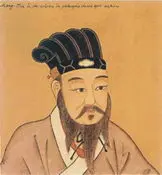
Confúcio
0552-10-09 – 0479-03-09
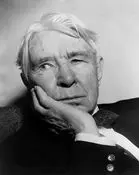
Carl Sandburg
1878-01-06 – 1967-07-22
Carl Sandburg was an American poet, historian, novelist, and lexicographer. He is considered one of the most important American poets of the 20th century, known for his free verse and his focus on the American working class and the landscapes of the American Midwest. His poetry often celebrated the common man and the industrial might of America, earning him a reputation as the "poet of the people." Beyond his poetry, Sandburg was also a prolific biographer, most notably of Abraham Lincoln, and a collector of folklore and songs.
Harry S. Truman
Carl Jung
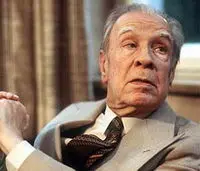
Jorge Luis Borges

1899-08-24 – 1986-06-14
Jorge Luis Borges was an Argentine writer, poet, essayist, and translator. His work is characterized by its philosophical depth, intricate plots, and exploration of themes such as time, infinity, identity, and the nature of reality. Borges is considered one of the most significant literary figures of the 20th century, renowned for his innovative use of literary devices and his profound influence on postmodern literature.