Juan Ramón Jiménez
Author of the day

Juan Ramón Jiménez

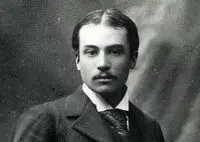
Juan Ramón Jiménez was a Spanish poet, awarded the Nobel Prize in Literature in 1956. His work, profoundly marked by symbolism and the desire for "pure poetry," evolved towards an incessant search for beauty and transcendence. His poetry explores themes such as nature, spirituality, love, and the very essence of poetry, with a refined, musical, and visionary style. He is considered one of the great renovators of 20th-century Spanish poetry.

Poem of the day

Grass

Carl Sandburg
Pile the bodies high at Austerlitz and Waterloo.
Shovel them under and let me work
-I am the grass; I cover all.

And pile them high at Gettysburg
And pile them high at Ypres and Verdun.
Shovel them under and let me work.
Two years, ten years, and the passengers ask the conductor:

What place is this?
Where are we now?

I am the grass.
Let me work.
Read full poem

Born on this day

13
Tomáz Kim

Tomáz Kim is a poet who stands out for his contemporary approach to lyricism, exploring the complexity of the human condition, memory, and identity. His work is marked by incisive language and an unparalleled ability to move between the personal and the universal, reflecting on the fragilities and quests of the individual in the modern world. Kim's poetry invites introspection and questioning, using stylistic resources that give his compositions a unique depth.

Rui Nogar

Rui Nogar was a Portuguese poet, a prominent figure in 20th-century poetry, known for his intense writing and exploration of themes such as the human condition, existential anguish, and the search for meaning. His work is marked by a strong lyrical charge and a refined language, reflecting a deep questioning of life and the universe. The poet developed a unique style, with poems that evoke powerful imagery and a singular musicality. His poetry, though sometimes somber, is also a hymn to the resilience and persistence of the human spirit in the face of adversity, leaving a significant legacy in Portuguese literature.

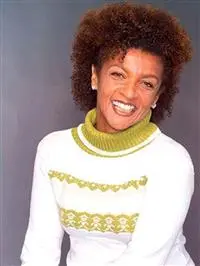
Elisa Lucinda

Elisa Lucinda is a multifaceted figure in the arts, with a career spanning poetry, writing, acting, and music. She stands out for her expressive power and the way she addresses social and existential themes through poetic language. Her work is characterized by accessible yet profound language, capable of touching audiences with its authenticity and sensitivity.

Bandeira Tribuzi

Bandeira Tribuzi was a Brazilian poet, essayist, and professor, a prominent figure in contemporary poetry. His work is characterized by the exploration of existential themes, the relationship of man with the city and nature, and reflection on language and art. With dense poetry, which transitions between lyricism and philosophical reflection, Tribuzi addresses the complexity of the human experience in a constantly changing world. He also stood out for his academic activity and critical intervention.

J. Veiga

J. Veiga is a poet whose work is part of a context of exploration of language and the human condition. His poetry is characterized by deep introspection, addressing themes such as memory, time, and the ephemerality of existence. The exploration of innovative poetic forms and the musicality of verse mark his writing, inviting reflection on subjectivity and the complexity of being.

Paula Nei

Paula Nei was a Brazilian poet, short-story writer, and columnist, known for her writing that straddles lyricism and social criticism. Her work explores the complexities of human relationships, the ephemeral beauty of life, and existential questions, often with a keen sensitivity to the pains and joys of everyday life. Her literary production, though not as extensive as that of other figures of her time, left important marks on Brazilian literature, standing out for the originality and depth of her poetic voice.

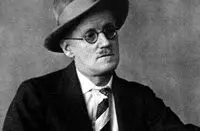
James Joyce

James Joyce was a pioneering Irish novelist and poet, widely celebrated for his experimental use of language and exploration of new literary forms. He is regarded as one of the most influential writers of the 20th century, known for his deep engagement with the human consciousness and the complexities of urban life. His works often delve into the intricacies of Dublin and its inhabitants, portraying them with a blend of realism, satire, and profound psychological insight.

His soul swooned slowly as he heard the snow falli
Ivan Andreievitch Krylov

Ivan Andreyevich Krylov (1769-1844) was a Russian fabulist, widely regarded as the greatest Russian fabulist poet. His works, often based on fables by Aesop and La Fontaine, are known for their humor, satire, and wisdom. Krylov keenly portrayed Russian society of his time, criticizing bureaucracy, hypocrisy, and stupidity.

Lino de Abreu

Lino de Abreu was a poet whose work was characterized by the exploration of introspective and existential themes, combined with a refined style and profound musicality. His poetic compositions frequently addressed the ephemerality of time, the nature of human relationships, and the search for meaning in a constantly changing world. With careful language and keen sensitivity, Abreu wove verses that invite reflection and contemplation, revealing a singular poetic voice that resonates for its honesty and the beauty of its imagery. His poetry is an invitation to delve into the depths of the human soul and find beauty in melancholy and hope.

Miguel Ángel Flores

Miguel Ángel Flores is a contemporary poet whose work is distinguished by introspection and the exploration of the human condition. With a language rich in imagery and sensitivity, his verses address universal themes such as love, loss, the passage of time, and the search for meaning. His poetry invites reflection on the ephemerality of life and the strength of feelings, establishing an intimate dialogue with the reader.

João César Monteiro

João César Monteiro was a Portuguese filmmaker, writer, and professor, an unavoidable figure in Portuguese culture. His work, multifaceted and provocative, spans cinema, literature, and visual arts, frequently exploring the boundaries of artistic expression and the human condition. He is known for his creative daring, black humor, and uncompromising approach to complex themes, leaving a legacy of experimentation and reflection.

John Pook

John Pook is a name that can refer to different individuals. Without further context or specifications, it is challenging to precisely identify the literary figure you are referring to, especially if the focus is on poetry or writing. It is important to note that the absence of detailed information for a specific name may indicate that the individual does not have widely published or recognized work in literary circles, or that their work is more niche or recent. For a more precise search, additional information would be necessary.

Died on this day

11
João Cardoso de Meneses e Silva

João Cardoso de Meneses e Silva, known as the "poet of love", was a Portuguese poet whose works explore the depths of amorous feeling, saudade (longing), and the ephemeral nature of life. His poetry is characterized by a lyrical and melodic language, evoking the tradition of troubadour poetry and popular songbooks, but with a modern sensibility. Through his verses, he addresses passion, the pain of absence, and the incessant search for ideal union. His work, although sometimes associated with a more traditional lyricism, reveals a depth of feeling and a formal mastery that distinguish him. His legacy lies in his ability to sing of love in all its facets, touching readers' souls with his sincerity and poetic beauty.

Francisco Tribuzi

Francisco Tribuzi was a Brazilian poet whose work is notable for its lyrical depth and reflection on the human condition. His poetry, marked by an elaborate language and profound lyricism, explores themes such as love, the ephemerality of time, and the search for meaning. Throughout his career, Tribuzi established himself as an important voice in Brazilian poetry, leaving a legacy of verses that continue to resonate for their sensitivity and their ability to express the complexities of the soul.

Hélio Simões

Hélio Simões was a poet who dedicated his work to the exploration of the human condition, the ephemerality of time, and the search for meaning in a constantly changing world. His poetry is characterized by careful language, an introspective tone, and a deep sensitivity to the beauties and anguishes of existence. Through verses that evoke the inner and outer landscape, Simões built a poetic universe where melancholy, hope, and a lucid contemplation of life intersect. His work invites reflection on the fragility of relationships, the inexorable passage of days, and the incessant search for a place in the world.

Rosa Lobato de Faria

Rosa Lobato de Faria was a multifaceted figure in Portuguese culture, distinguishing herself as a writer, actress, and fado singer. Her literary work, particularly her poetry, is marked by a strong lyrical vein, exploring themes such as love, solitude, the passage of time, and the female condition, with a language that is simultaneously accessible and profound. Recognized for her sensitivity and her ability to express universal emotions, Rosa Lobato de Faria left an artistic legacy that spans different cultural domains, admired for her authenticity and her unique voice.

Natalie Clifford Barney

Natalie Clifford Barney was an American writer and socialite who spent much of her life in Paris. Known for her literary salon, which attracted prominent figures of the time, Barney was a champion of female independence and freedom of expression. Her literary work explored themes of lesbian love and autonomy.

Valéry Larbaud

Valéry Larbaud was a French writer, poet, and translator, known for his lyrical and reflective prose. His work explores themes such as the search for identity, travel, and the very nature of writing, often with an autobiographical and introspective tone. Larbaud cultivated a scholarly and refined style, demonstrating great command of language and literary form, which earned him a distinguished place in 20th-century French literature.

Reynaldo Jardim

Reynaldo Jardim is a Brazilian poet, essayist, and translator, known for his work that bridges philosophical reflection and formal experimentation. His poetry is characterized by intellectual density and the exploration of universal themes such as time, memory, and the human condition, often through language that challenges conventions. Jardim also stands out for his work as a literary critic and for his translations of foreign authors. His work represents an important contribution to contemporary Portuguese-language poetry, marked by erudition and the incessant search for new forms of expression.