Poem of the day

Grass

Carl Sandburg
Pile the bodies high at Austerlitz and Waterloo.
Shovel them under and let me work
-I am the grass; I cover all.

And pile them high at Gettysburg
And pile them high at Ypres and Verdun.
Shovel them under and let me work.
Two years, ten years, and the passengers ask the conductor:

What place is this?
Where are we now?

I am the grass.
Let me work.
Read full poem

Born on this day

6
Hermilo Borba Filho

Hermilo Borba Filho was a multifaceted Brazilian artist, known for his work as a writer, playwright, director, actor, and professor. His literary work, especially poetry and theater, is marked by a strong connection to the popular culture of the Northeast, the playful universe, and social criticism. Borba Filho explored themes such as childhood, death, religiosity, and life's contradictions, using a rich and inventive language that reflects his deep immersion in the popular imagination of the Brazilian Northeast.

Laurindo Rabelo

Laurindo Rabelo was a Brazilian poet, considered one of the exponents of Parnasian and Symbolist poetry in Brazil. His work is marked by erudition, formal rigor, and the exploration of classical and mythological themes, with a cultured language and accentuated musicality. Rabelo moved between different aesthetic currents, demonstrating versatility and a profound mastery of poetic form.

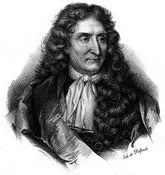
Jean de La Fontaine

Jean de La Fontaine was a French poet and fabulist, widely regarded as one of the greatest masters of universal literature. He is best known for his Fables, collections of short stories, often featuring animals, that convey moral lessons with wit and humor. His work reflects a deep observation of human nature and society, expressed in elegant and musical language. La Fontaine developed a unique style, combining the apparent simplicity of narratives with a subtle complexity of meanings, exploring themes such as justice, cunning, weakness, and strength. His fables continue to be read and appreciated for their universality and their ability to entertain and educate readers of all ages.

Veikko Koskenniemi

Veikko Emil Koskenniemi was a Finnish poet, considered one of the most important representatives of the national romantic movement in Finland. His poetry is characterized by strong lyricism, themes related to Finnish nature, love, and homeland, with a style that evokes epic tradition and popular ballads.

Branca de Gonta Colaço

Branca de Gonta Colaço was a Portuguese writer and journalist of the 20th century, known for her literary work that addresses themes such as the female condition, rural life, and the Lisbon bourgeoisie. Through novels, short stories, and chronicles, she portrayed the society of her time with a critical and sensitive eye. Her literary production, although less known to the contemporary public, reflects an interest in social observation and the psychological exploration of her characters, consolidating her as a unique voice in Portuguese literature of her time.

Diego Dublé Urrutia

Diego Dublé Urrutia was a notable Chilean poet, known for his lyricism and for exploring profound themes in his work. His poetry stands out for its musicality and expressive force, earning a prominent place in the literature of his country.

Died on this day

11
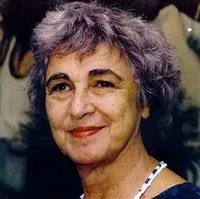
Renata Pallottini

Renata Pallottini was a Brazilian poet, playwright, short story writer, and translator, one of the most significant voices in contemporary poetry. Her work is marked by lyrical intensity, reflection on the human condition, love, death, and the passage of time, with a language that is sometimes colloquial, sometimes erudite, but always engaging. She explored various poetic forms, from free verse to more rigid structures, and her writing often moves between the personal and the universal, the intimate and the social. Pallottini also worked as a translator of important literary works, enriching the Brazilian cultural landscape with her talent and sensitivity.

José Eustáquio da Silva

José Eustáquio da Silva is a name associated with Brazilian literature, whose poetic work is notable for its depth and exploration of universal themes. His poetry, while potentially varying in style, frequently delves into existential and social issues, utilizing a language that seeks to connect the reader with reflections on life and the human condition.

Lucy Teixeira

Lucy Teixeira is a contemporary poet whose work is characterized by the exploration of intimate and universal themes, such as identity, memory, and human relationships. Her poetry is marked by lyrical language and keen sensitivity, capable of capturing the nuances of everyday experience and elevating them to a deeper, more reflective dimension. Her writing invites introspection and the sharing of emotions.

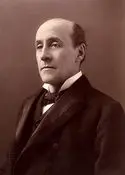
Anthony Hope

Sir Anthony Hope Hawkins, known as Anthony Hope, was a popular English novelist of the late 19th and early 20th centuries. He is best known for his adventure novels, particularly 'The Prisoner of Zenda' and its sequel 'Rupert of Hentzau', which helped define the 'Ruritanian romance' genre.

Percy Bysshe Shelley

Percy Bysshe Shelley was a prominent English Romantic poet, known for his lyrical, passionate, and often radical verse. Alongside contemporaries like Lord Byron and John Keats, he is considered one of the most influential poets of the second generation of English Romanticism. His poetry frequently explores themes of political liberty, social justice, nature, and the ephemeral nature of beauty and life, often infused with a revolutionary spirit and a yearning for an idealized world.

“N EVER READ a book, Johnnie, and you will be a ri
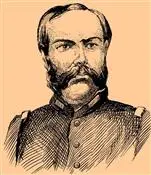
Gavrila Romanovich Derzhavin

Gavrila Romanovich Derzhavin was a Russian poet and a prominent public figure of the Russian Enlightenment. He is considered one of the greatest poets in the Russian language, known for his eloquence and originality.

Osman Lins

Osman Lins was a renowned Brazilian writer whose work stood out for its originality and technical sophistication. With a literary production that includes novels and short stories, he explored the complexities of the human condition, interpersonal relationships, and existential anxieties. His writing is marked by the psychological depth of his characters, formal experimentation, and precise, evocative language. Lins is recognized for his significant contribution to the renewal of Brazilian prose in the second half of the 20th century.

Mário Simões Dias

Mário Simões Dias was a Portuguese poet, whose work is part of the literary landscape of the first half of the 20th century. His poetry is marked by intense lyricism, exploring themes such as love, death, and the ephemerality of life, often with a melancholic and reflective tone. His style, while possibly engaging with tradition, also reveals a modern sensibility, with an expressive use of language and poetic imagery.

Gerardo Diego

Gerardo Diego was a Spanish poet, a prominent member of the Generation of '27, known for his versatility and mastery of various poetic forms. His work ranges from traditional poetry to avant-garde movements, demonstrating a remarkable capacity for formal and thematic experimentation. Throughout his extensive career, he explored the musicality of language, surprising imagery, and reflections on art, faith, and life. Diego is remembered for his creative vitality and his contribution to the enrichment of 20th-century Spanish poetry, serving as a bridge between the literary past and future.