Poem of the day

Do Not Go Gentle Into That Good Night

Dylan Thomas
Do not go gentle into that good night, 
Old age should burn and rave at close of day; 
Rage, rage against the dying of the light. 

Though wise men at their end know dark is right, 
Because their words had forked no lightning they 
Do not go gentle into that good night. 

Good men, the last wave by, crying how bright 
Their frail deeds might have danced in a green bay, 
Rage, rage against the dying of the light. 

Wild men who caught and sang the sun in flight, 
And learn, too late, they grieved it on its way, 
Do not go gentle into that good night. 

Grave men, near death, who see with blinding sight 
Blind eyes could blaze like meteors and be gay, 
Rage, rage against the dying of the light. 

And you, my father, there on that sad height, 
Curse, bless, me now with your fierce tears, I pray. 
Do not go gentle into that good night. 
Rage, rage against the dying of the light.
Read full poem

Born on this day

10
Jorge Gonzalez

Jorge Gonzalez is a Spanish writer, illustrator, and comic book author, known for his extensive work and striking visual style. Born in Alicante, he developed much of his career in France, where he became a prominent figure in the Franco-Belgian comic scene. Gonzalez is recognized for his versatility, addressing themes ranging from science fiction and fantasy to social realism and biographical chronicles. His ability to create complex worlds and multifaceted characters, combined with a distinctive graphic style, has earned him international acclaim and numerous awards.

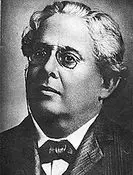
Artur de Azevedo

Considered one of the greatest figures of Portuguese theater, Artur de Azevedo stood out as a playwright, director, and impresario. His vast work, which includes comedies, farces, and dramas, sagaciously and humorously portrays the Lisbon society of his time, exploring the customs, intrigues, and idiosyncrasies of the bourgeoisie. He was a pioneer in the modernization of theater in Portugal, introducing new staging techniques and promoting the renewal of the repertoire.

Francisco Bernardino Ribeiro

Francisco Bernardino Ribeiro was a poet whose work was part of a transitional literary context, marked by the search for new forms of poetic expression. His poetry explores the human being's inner landscape, the dilemmas of existence, and the relationship with the surrounding world, using a language that seeks precision and sensitivity. He is recognized for a singular lyrical voice, distinguished by its ability to evoke states of mind and deep reflections on life.

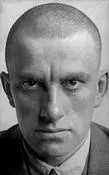
Vladimir Maiakovski

Vladimir Mayakovsky was a Russian poet, playwright, and artist, a prominent figure of Russian Futurism. His work, marked by vigorous language, formal experimentation, and strong political engagement, expressed the turbulence and aspirations of pre- and post-revolutionary Russia. He was one of the most important Soviet poets, although his relationship with the regime became complex.

Francisco Luís Amaro

Francisco Luís Amaro is a Portuguese poet whose work stands out for its lyrical force and exploration of themes such as identity, memory, and the individual's relationship with time and space. His poetry is often marked by dense and imagistic language, reflecting a deep sensitivity to the nuances of human experience and the world around him. Amaro has established himself as a unique voice in contemporary Portuguese-language poetry.

Manuel de Seabra

Manuel de Seabra was a Portuguese poet, novelist, short story writer, literary critic, and university professor. Known for his extensive essayistic work and his poetry that explores the human condition, time, and memory, Seabra was a prominent intellectual figure in Portuguese-language literature. His poetic work is characterized by reflection, precise language, and the exploration of existential themes, often in dialogue with philosophy and history.

Rosa Teixeira Bastos

Rosa Teixeira Bastos was a Brazilian writer and poet, whose work is notable for its lyrical sensitivity and exploration of themes such as love, nature, and saudade. Active in the second half of the 19th century, her poetry reflects a delicate lyricism and careful language, aligned with the literary trends of the time. An important figure in the women's literature of her time, Rosa Teixeira Bastos contributed to the diversification of voices in Brazilian poetry, addressing the emotions and landscapes that inspired her in a personal and touching way.

Manuel Álvarez Torneiro

Manuel Álvarez Torneiro was a Spanish poet known for his lyrical and introspective work. His poetry explores the human relationship with nature, the passage of time, and the search for meaning. He is appreciated for his sensitive language and the images he evokes, often linked to the Galician universe.

José María Eguren

Peruvian poet, precursor of modernism and avant-garde in his country. His work is characterized by introspection, melancholy, and the exploration of themes such as time, death, and identity. Eguren is known for his lyrical and musical style, which often evokes dreamlike and mysterious atmospheres. Considered one of the great renovators of Hispanic American poetry, his influence extended to subsequent generations of poets, consolidating him as a fundamental figure of Peruvian and universal literature.

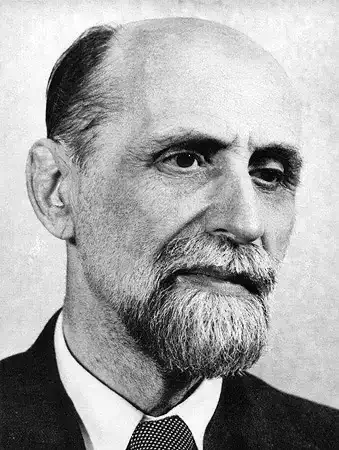
Juan Liscano

Juan Liscano was a prominent Venezuelan poet, literary critic, and essayist. His poetic work is characterized by a profound reflection on existence, identity, and the human condition, often tinged with melancholy and a sharp perception of reality. Liscano explored diverse poetic forms, from free verse to more classical structures, always maintaining a singular voice and refined language. He was an influential figure in Venezuelan culture, not only for his literary production but also for his work as a cultural manager and critic, leaving an important legacy in 20th-century Hispanic American literature.

Died on this day

11
Guerra Junqueiro

Abílio Manuel Guerra Junqueiro was a Portuguese poet, a prominent figure of the Parnassian and Symbolist movements. Known for his satirical vein and social criticism, his work addresses themes such as religion, politics, and the customs of the time, often with an ironic and biting tone. Despite his critical bent, he also explored amorous lyricism and religiosity with sensitivity.

Gottfried Benn

Gottfried Benn was a German physician and poet, a prominent figure of German Expressionism. His poetic work, marked by a strong existential charge and the exploration of the body, illness, and death, often challenged the aesthetic and moral conventions of his time. Benn went through various stylistic phases, from the dark and fragmented lyricism of his early poems to a more philosophical and hermetic poetry. His literary career was interrupted and reoriented several times due to political and personal upheavals, but his legacy as one of the most important and controversial poets of the 20th century in Germany is undeniable.

Frei Antônio de Santa Maria Jaboatão

Frei Antônio de Santa Maria Jaboatão was a friar and chronicler of the Brazilian colonial period. He is the author of an important historical work that documents the religious life, colonization, and customs of Brazil in the 18th century. His writing is characterized by a detailed style and the compilation of valuable information about the society of the time, making it an essential source for the study of colonial Brazil.

Ronaldo Cunha Lima

Ronaldo Cunha Lima was a prominent Brazilian poet, known for his lyrical and reflective work. His poetry explores themes such as nature, time, the human condition, and spirituality, with an accessible language and unique musicality. Throughout his career, he established himself as an important voice in contemporary Brazilian literature, leaving a legacy of verses that touch the sensitivity of diverse readers.

Paulo Bomfim

Paulo Bomfim was a Brazilian poet known for his introspective and reflective lyricism. His work often explores themes such as the passage of time, memory, and the human condition, with careful language and musical rhythm. Throughout his career, he established himself as an important voice in contemporary Brazilian poetry, recognized for the depth of his verses and the sensitivity with which he addresses the complexities of life. His poetic style is marked by concision, the use of suggestive imagery, and intrinsic musicality, inviting contemplation. Bomfim dedicated himself to poetry with a passion that shines through in every verse, leaving a legacy of works that continue to resonate with readers and critics for their relevance and beauty.

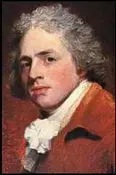
Richard Brinsley Sheridan

Richard Brinsley Sheridan was an Irish playwright, politician, and theatre owner, known for his witty and satirical comedies that critiqued the customs of Georgian society. His most famous plays, such as "The Rivals" and "The School for Scandal", continue to be staged and appreciated for their intelligence, sharp dialogue, and memorable characters.

Steal! And egad, serve your best thoughts as gypsi
Frei Eusébio de Matos

Friar Eusébio de Matos, OFM, was a Portuguese Franciscan friar, theologian, and Baroque poet, known for his religious work and his poetic production in Portuguese and Latin. His poetry, marked by religiosity and the Baroque style, explores themes such as faith, penance, and devotion, expressed with the rhetoric and ornamentation typical of the period. His life, dedicated to religious life and theological study, is reflected in his verses, which seek divine glory and the edification of the faithful. Friar Eusébio de Matos is an important representative of Baroque religious poetry in the Portuguese language.

Manuel António Ferreira

Manuel António Ferreira was a Portuguese poet whose work is part of the literary landscape of the 20th century. His poetry is characterized by a lyrical and, at times, melancholic approach, exploring themes such as love, nature, and the ephemerality of life. With a style marked by musicality and sensitivity, Ferreira left a poetic legacy that reflects the concerns and aesthetics of his time.

Manuela Porto

Manuela Porto was a notable Portuguese writer, whose work stood out for its psychological depth and for how she explored the complexities of the human condition. With a solid literary career, she left a legacy of novels and short stories that continue to be read and analyzed for their literary quality and their capacity for introspection, addressing universal themes sensitively and intelligently.

José María Álvarez

José María Álvarez is a Spanish poet and literary critic, known for his poetic work characterized by an elaborate language, a reflective tone, and the exploration of themes such as memory, time, and the human condition. His poetry is marked by deep sensitivity. He is also recognized for his work as a literary critic, analyzing contemporary poetry with insight.