Poem of the day

Grass

Carl Sandburg
Pile the bodies high at Austerlitz and Waterloo.
Shovel them under and let me work
-I am the grass; I cover all.

And pile them high at Gettysburg
And pile them high at Ypres and Verdun.
Shovel them under and let me work.
Two years, ten years, and the passengers ask the conductor:

What place is this?
Where are we now?

I am the grass.
Let me work.
Read full poem

Born on this day

7
Salomão Jorge

Salomão Jorge was an Angolan poet, known for his work that explores the complexities of identity, land, and the human condition. His poetry is marked by a rich and imagistic language, evoking deep landscapes and feelings. With a style that transitions between the lyrical and the reflective, Jorge addressed universal themes with a particular sensitivity to African realities. His contribution to Angolan literature is notable, solidifying his place as an important voice in contemporary poetry.

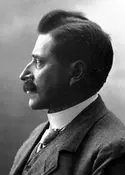
Verner von Heidenstam

Carl Gustaf Verner von Heidenstam was a Swedish poet and writer, awarded the Nobel Prize in Literature in 1916. He is considered one of the main representatives of the neo-romantic movement in Swedish literature. His work is marked by strong nationalism, a celebration of Swedish history and culture, and a lyrical and evocative language. He sought to invigorate Swedish national identity through literature.

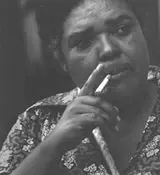
Bessie Head

Bessie Head was a Motswana writer of South African origin, known for her works that deeply explore identity, exile, the female condition, and the social and political complexities of Southern Africa. Through engaging narrative and memorable characters, Head portrayed the struggles and resilience of marginalized individuals, especially women, in societies marked by colonialism, apartheid, and the search for a place in the world. Her writing, often autobiographical in tone and inspiration, is characterized by brutal honesty, genuine compassion, and profound reflection on human nature. Bessie Head left a significant literary legacy, becoming an essential voice in African literature and an inspiration for generations of writers who address the same universal themes.

Victor Manuel Ganda Evaristo

Victor Manuel Ganda Evaristo was a poet whose work is distinguished by its thematic depth and exploration of existential and social issues. With rich language and particular sensitivity, his poems address the human condition, love, death, and the search for meaning. His contribution to modern poetry is recognized for its originality and ability to evoke deep emotions and reflections in readers. His literary legacy lies in his expressive strength and the universality of his concerns.

Tomás de Figueiredo

Tomás de Figueiredo was a Portuguese poet whose work is part of the more traditional and lyrical poetry. Characterized by a careful style and the exploration of themes such as nature, love, and melancholy, his poetry reflects a refined sensibility and deep lyricism. Although he was not a central figure in the avant-garde movements, his contribution to Portuguese poetry lies in maintaining a lyrical line of great quality, with verses that evoke an atmosphere of contemplation and formal beauty. His work is a testament to the expressive power of more classical poetry.

Estíbaliz Espinosa

Estíbaliz Espinosa is a Galician writer and illustrator with a vast body of work aimed at children and young adults. Her work is recognized for its originality, creativity, and the way she addresses complex themes in a sensitive and accessible manner for the young. With a career dedicated to art and literature, Espinosa has been creating visual and narrative universes that stimulate children's imagination, curiosity, and critical thinking, establishing herself as an important voice in contemporary children's literature.

José García Nieto

Spanish poet whose work is part of the Generation of '50. His poetry is characterized by a deep reflection on the human being, time, and the existential condition, often tinged with melancholy and a search for transcendence. García Nieto explored both traditional form and free verse, imbuing his verses with great musicality and emotional depth.

Died on this day

12
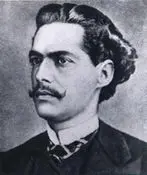
Castro Alves

Antônio Frederico de Castro Alves was one of the greatest poets in Brazilian literature, known as the "Poet of the Slaves". His work is marked by strong lyricism and social and political engagement, with emphasis on the defense of the abolition of slavery. His poetry, vigorous and passionate, thrilled crowds and served as an instrument of struggle against injustice, becoming a symbol of abolitionist romanticism and resistance against oppression.

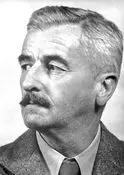
William Faulkner

William Faulkner (1897-1962) was an American novelist and short-story writer, awarded the Nobel Prize in Literature in 1949. He is widely recognized for his works that explore the complex history and society of the American South, often set in his fictional Yoknapatawpha County. His writing is known for its stylistic complexity, including the use of stream of consciousness, multiple perspectives, and non-linear timelines.

The artists who want to be writers, read the revie
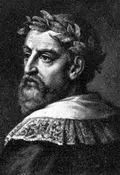
Ludovico Ariosto

Ludovico Ariosto was an Italian Renaissance poet and playwright. He is most famous for his epic poem "Orlando Furioso", a chivalric romance that became one of the most influential works in Italian literature. His work is known for its complexity, humor, and imagination.

Natura il fece, e poi roppe la stampa. Nature made
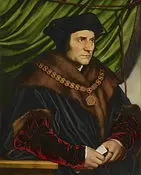
Thomas More

Sir Thomas More was a prominent English statesman, jurist, writer, and humanist. Born in London, he is best known for his work 'Utopia', a political novel describing an ideal fictional society, and for his opposition to Henry VIII's divorce, which led to his execution.

See, the conquering hero comes! Sound the trumpet,
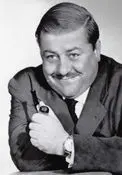
Francis Blanche

Francis Blanche was a French actor and comedian. He is known for his participation in numerous French films, often playing eccentric and comedic characters. Blanche left an indelible mark on French cinema through his peculiar humor and his ability to create memorable characters. His career spanned several decades, during which he collaborated with some of France's most important directors and actors.

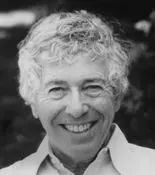
Kenneth Koch

Kenneth Koch was an American poet celebrated for his experimental, humorous, and playful poetry. His work frequently challenged literary conventions, incorporating elements of surrealism, pop art, and everyday life into poems that celebrated creativity and imagination. Koch also distinguished himself as an educator, inspiring generations of writers to explore new forms of expression. His poetry is characterized by an irreverent and accessible tone, often engaging with music, visual arts, and popular culture. He sought to democratize poetry, making it an accessible and enjoyable activity for everyone, as evidenced by his innovative arts education programs. Kenneth Koch left a legacy of joy and innovation in the landscape of modern poetry.

Matilde Rosa Araújo

Matilde Rosa Araújo was a Portuguese writer, journalist, and teacher, known for her diverse work that spanned poetry, short stories, and children's literature. Her writing, often with a lyrical and reflective touch, explored themes such as nature, the human condition, and the importance of imagination. As an educator and journalist, she played an active role in promoting culture and reading.

Maria Teresa Galveias

Maria Teresa Galveias is a Portuguese poet whose work is distinguished by its lyrical sensitivity and exploration of universal themes such as love, loss, and the passage of time. Her poetry is characterized by accessible language, yet imbued with emotional depth, capable of evoking images and feelings that resonate with the reader. Her work contributes to the diversity of contemporary Portuguese-language poetry, consolidating her presence in the literary landscape with verses that reflect a particular vision of the world and human experience.

Delmira Agustini

Delmira Agustini was an Uruguayan poet, a prominent figure of literary modernism in Hispanic America. Her work is characterized by a profound exploration of sensuality, eroticism, and feminine subjectivity, often framed within a context of social and moral repression for women of her time. Agustini is recognized for her thematic audacity and innovative language, which challenged the literary and social conventions of the early 20th century. Despite her short life, her poetry left an indelible mark on the literature of her country and the continent, being considered a precursor to literary feminism.

Julia de Burgos

Julia de Burgos was a Puerto Rican poet whose work is characterized by its lyrical intensity, social commitment, and profound exploration of identity, love, and freedom. Her poetry, marked by a powerful and often rebellious female voice, addresses themes such as social injustice, the condition of women, and the longing for self-determination. Considered one of the most important voices in 20th-century Hispano-American poetry, her legacy transcends borders, inspiring generations of readers and writers through her courage, passion, and unwavering pursuit of truth and beauty.