Poem of the day

Do Not Go Gentle Into That Good Night

Dylan Thomas
Do not go gentle into that good night, 
Old age should burn and rave at close of day; 
Rage, rage against the dying of the light. 

Though wise men at their end know dark is right, 
Because their words had forked no lightning they 
Do not go gentle into that good night. 

Good men, the last wave by, crying how bright 
Their frail deeds might have danced in a green bay, 
Rage, rage against the dying of the light. 

Wild men who caught and sang the sun in flight, 
And learn, too late, they grieved it on its way, 
Do not go gentle into that good night. 

Grave men, near death, who see with blinding sight 
Blind eyes could blaze like meteors and be gay, 
Rage, rage against the dying of the light. 

And you, my father, there on that sad height, 
Curse, bless, me now with your fierce tears, I pray. 
Do not go gentle into that good night. 
Rage, rage against the dying of the light.
Read full poem

Born on this day

14
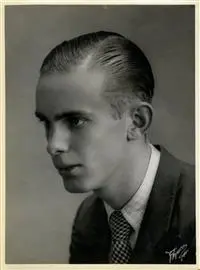
Álvaro Feijó

Álvaro Feijó was a Portuguese poet whose work is part of the Neorealism context. His poetry is marked by strong social commitment and denunciation of injustices, reflecting the concerns of a time of profound political and social transformations in Portugal. With direct language and an interventionist tone, Feijó sought to give voice to the oppressed and exiled, exploring themes such as freedom, hope, and resistance. His literary production, although sometimes marked by censorship and publication difficulties, left an important testimony of poetic strength in times of adversity, consolidating him as a relevant figure in 20th-century Portuguese social poetry.

Afonso Félix de Sousa

Afonso Félix de Sousa was a poet whose work is distinguished by its strong connection to the land and traditions. His poetry, rooted in the landscape and culture of the interior, celebrates simple life, ancestral crafts, and the strength of the people who inhabit it. Through a language that evokes the rural and the popular, Félix de Sousa builds a poetic universe where nature is a confidante and stage for the deepest human emotions. His style, marked by an apparent simplicity that hides profound wisdom, reflects an attentive and tender gaze on existence. His work is an invitation to rediscover the roots and essential values of life, in a continuous dialogue between man and his environment. Afonso Félix de Sousa left a legacy of poetry that honors collective identity and memory.

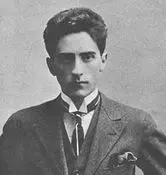
Jean Cocteau

Jean Cocteau was a multifaceted French artist, known as a poet, novelist, playwright, designer, and filmmaker. His work, imbued with an unmistakable style, explores themes such as youth, love, art, death, and the supernatural, often with touches of surrealism and symbolism. Cocteau moved between different artistic movements but maintained a unique authorial voice, marked by elegance, imagination, and experimentation. His influence extends across various areas of culture, solidifying him as a central figure of the 20th century.

Marly Vasconcelos

Marly Vasconcelos is a Brazilian writer whose work stands out for the sensitivity and depth with which she addresses the female condition, human relationships, and the complexities of everyday life. Her poetry and prose explore the intimacy of feelings, the joys and sorrows of life, with a language that seeks authenticity and emotional connection with the reader. Her writing reflects an attentive gaze on the nuances of the human soul, social dynamics, and the search for meaning. Marly Vasconcelos has been building a body of work that positions her as an important voice in contemporary literature, especially for the way she manages to translate life's deepest and most universal experiences into words.

Hardi Filho

Hardi Filho is a poet whose work stands out for its lyrical depth and exploration of universal themes. His writing is marked by careful language and a unique sensibility in approaching feelings and reflections on human existence. His poetic compositions frequently invite introspection, exploring the beauty and complexity of the inner world.

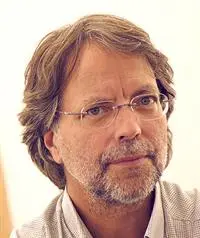
Mia Couto

Mia Couto is a Mozambican writer, whose works explore the complex reality of post-independence Mozambique, blending the real with the fantastic, myth, and African orality. His poetic prose and engaging narratives address themes such as war, reconciliation, cultural identity, and ancestral wisdom, making him one of the most important authors of contemporary Lusophone literature. Internationally recognized, Mia Couto plays a crucial role in the literary representation of Mozambique.

Osman Lins

Osman Lins was a renowned Brazilian writer whose work stood out for its originality and technical sophistication. With a literary production that includes novels and short stories, he explored the complexities of the human condition, interpersonal relationships, and existential anxieties. His writing is marked by the psychological depth of his characters, formal experimentation, and precise, evocative language. Lins is recognized for his significant contribution to the renewal of Brazilian prose in the second half of the 20th century.

Henrique de Sá

Henrique de Sá was a Portuguese poet whose work is part of the contemporary literary landscape. Characterized by a writing that explores the depths of the human condition, his verses address universal themes such as love, the passage of time, and the search for meaning. His poetry is distinguished by its musicality and its exploration of evocative imagery, inviting the reader to an intimate reflection on existence.

Fernando de Macedo Lopes

Fernando de Macedo Lopes was a Portuguese poet whose works explore the depth of human experience, with a particular focus on inner landscapes and introspection. His writing is marked by carefully crafted language and a keen sensitivity to the nuances of emotion and perception. Through rich metaphors and intrinsic musicality, Lopes manages to evoke a universe of feelings and reflections, inviting the reader on a journey of self-discovery and contemplation.

Kimiko Hahn

Kimiko Hahn is an American poet known for her work exploring themes of Japanese-American identity, feminism, motherhood, and the complexity of family relationships. Her poetry is marked by a lyrical and introspective voice, often weaving personal experiences with social and cultural issues. With an established career, Hahn has been recognized for her ability to weave poetic narratives that resonate with emotional and intellectual depth. She has also dedicated herself to teaching and promoting literature, inspiring other writers.

Ondjaki

Ondjaki is a contemporary Angolan writer, whose work stands out for its originality, lyricism, and the way it portrays the reality and culture of Angola. He is known for his vibrant prose and his ability to create rich and engaging fictional universes, addressing themes such as childhood, memory, and social transition.

Died on this day

5
Régis Bonvicino

Régis Bonvicino is a Brazilian poet and translator, known for his work that bridges poetic experimentation with strong social criticism. His poetry is marked by formal boldness, language exploration, and the approach of contemporary themes, often with an ironic and incisive tone. Bonvicino is a relevant figure in contemporary Brazilian poetry, distinguished by his capacity for innovation and for challenging the reader.

Gerrit Komrij

Gerrit Komrij was a renowned Dutch poet, writer, literary critic, and translator. His work spans a wide range of genres, including poetry, fiction, essays, and criticism. Known for his sharp intellect, caustic wit, and profound erudition, Komrij left an indelible mark on Dutch literature. He was a prominent figure in his country's cultural landscape, distinguished by his versatility and his ability to tackle complex themes with accessible and provocative language.

António de Lacerda Bulcão

António de Lacerda Bulcão was a poet whose work is distinguished by his intimate lyricism and reflection on nature, the passage of time, and the search for beauty in simple things. His writing, often rooted in landscapes and sensations, invites the reader to a serene and melancholic contemplation. The musicality of his verses and the delicacy of his poetic images mark his contribution to Portuguese poetry.

Maria Anna Acciaioli Tamagnini

Maria Anna Acciaioli Tamagnini was a literary figure whose work explored the depths of the human condition, using rich and evocative language. Her poetry is marked by a keen sensibility and a profound reflection on themes such as love, longing, and the passage of time, often imbued with a subtle melancholy and a wistful beauty. Her writing reflects a constant dialogue between the inner and the outer, the personal and the universal, making her a unique voice in the literary landscape. With an unparalleled ability to capture the ephemerality of life and the complexity of emotions, Tamagnini wove verses that resonate with touching authenticity. Her work, though it may not have achieved the massive notoriety of other contemporaries, holds intrinsic value for its lyrical depth and expressive honesty, inviting the reader to an introspection on the beauty and pain of existence.