Poem of the day

Grass

Carl Sandburg
Pile the bodies high at Austerlitz and Waterloo.
Shovel them under and let me work
-I am the grass; I cover all.

And pile them high at Gettysburg
And pile them high at Ypres and Verdun.
Shovel them under and let me work.
Two years, ten years, and the passengers ask the conductor:

What place is this?
Where are we now?

I am the grass.
Let me work.
Read full poem

Born on this day

13
Adolfo Casais Monteiro

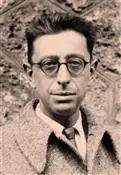
Adolfo Casais Monteiro was a Portuguese poet, essayist, and literary critic. He stood out for his poetry, marked by a deep reflection on the human condition, time, and memory, often expressed in restrained lyricism and great formal rigor. His essayistic work addressed crucial themes of Portuguese literature and culture in general, with remarkable analytical insight. He also served as a university professor and an active figure in the cultural landscape, leaving a significant intellectual legacy.

Robert Desnos

Robert Desnos was a French surrealist poet, a central figure of the movement, known for his exploration of the unconscious, dreams, and psychic automatism in writing. His poetry is marked by formal freedom, prodigious imagination, and a frequently dreamlike and visionary tone. Desnos also distinguished himself through his active participation in the French Resistance during World War II, which cost him his life. He is remembered as one of the great French poets of the 20th century, whose work continues to fascinate with its originality and depth.

Fernando Tanajura Menezes

Fernando Tanajura Menezes is a Brazilian poet and essayist, whose work is characterized by lyrical depth and reflection on universal themes such as existence, memory, and identity. With careful language and keen sensitivity, Menezes establishes a dialogue with the literary tradition, while also addressing the complexities of the contemporary world. His literary production, which encompasses both poetry and essays, demonstrates a particular interest in exploring the human condition and the nuances of interpersonal relationships. His work invites introspection and contemplation, solidifying his place in Brazilian literature.

Emílio de Menezes

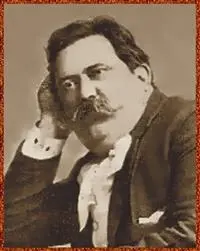
Emílio de Menezes was a Brazilian poet, journalist, and politician, primarily known for his participation in the Symbolist movement. His poetic work is marked by an atmosphere of mystery, musicality, and exploration of the unconscious and the irrational. Besides being a poet, he was an intellectual active on various fronts, contributing to the press and the political debate of his time.

Christine Lavant

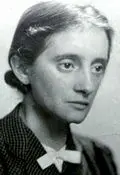
Christine Lavant was an Austrian poet whose work is distinguished by its lyrical intensity and raw exploration of human fragility, suffering, and the search for transcendence. Marked by a life of hardship and isolation, her poetry emerged as a powerful cry against pain, but also as a testament to the resilience of the spirit and the search for meaning amidst adversity. Her writing, often associated with existentialism and deep spirituality, captivates with its brutal honesty and the painful beauty of its imagery. Lavant addressed themes such as loneliness, death, faith, and despair with a unique voice, establishing herself as one of the most significant figures in 20th-century Austrian poetry, whose work continues to resonate for its universality and emotional power.

Benjamin Péret

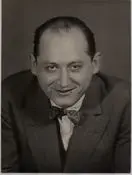
Benjamin Péret was a French surrealist poet, known for his work that challenged conventions and explored the irrational, the dreamlike, and the erotic with transgressive freedom. His poetry is marked by an exuberant imagination, black humor, and fierce criticism of social and religious institutions. Péret was a central figure in the surrealist movement, actively participating in its demonstrations and publications, leaving a legacy of verses that celebrate revolt, love, and the beauty of the absurd.

António Diniz da Cruz e Silva

António Diniz da Cruz e Silva was a prominent literary figure, whose work is notable for its versatility and formal mastery. A poet, playwright, and prose writer, he shrewdly explored themes such as social satire, love, and reflection on the human condition. His literary career, marked by elegant writing and profound intelligence, contributed significantly to Portuguese literature, leaving a legacy that continues to be studied and appreciated.

João Lúcio

João Lúcio was a poet whose work was predominantly part of the Portuguese literary landscape. His poetry is marked by a profound reflection on the human condition, exploring themes such as the fleetingness of time, the search for meaning, and the complexity of interpersonal relationships. His compositions are characterized by careful language and a sensitivity that seeks beauty in melancholy and introspection.

Luiz Beira

Luiz Beira is a Portuguese poet whose work manifests through lyrical and introspective language, exploring the beauty and fragility of existence. His poetry is often marked by the contemplation of nature and reflection on the passage of time and human emotions. With careful and sensitive writing, Beira constructs a poetic universe that resonates with the reader's soul, inviting meditation on the mysteries of life.

Reina María Rodríguez​

Reina María Rodríguez is a Cuban poet, essayist, and editor, a prominent figure in her country's literary scene. Her poetic work is known for its sensitivity, expressive force, and exploration of themes such as identity, femininity, the city, and the very condition of poetry.

Camilo de Ory

Camilo de Ory is a contemporary Spanish poet and writer. His poetic work is known for its lyrical depth and exploration of universal themes, with a language that oscillates between the classic and the modern. He stands out for his ability to evoke sensory and emotional images, creating a unique universe in his verses. His contribution to Spanish poetry lies in the renewal of forms and the approach to existential and social issues, always with a sensitive and critical eye. Ory is recognized for his consistent output and the literary quality of his poems, which resonate with readers seeking reflection and beauty in words.

Died on this day

13
Celina Holanda

Celina Holanda is a poet whose work is characterized by an intense exploration of subjectivity and the feminine condition, deeply addressing themes such as identity, memory, the body, and complex human relationships. Her poetry is marked by a careful language and a confessional tone, inviting the reader to deep introspection and empathy. Her writing reveals a keen sensitivity to the nuances of feeling and existence, using metaphors and poetic images that resonate with strength and delicacy. Celina Holanda constructs a unique poetic universe, where fragility intertwines with strength, and the search for meaning is manifested through an authentic and striking voice, consolidating her place in contemporary literature.

Cláudio Manuel da Costa

Cláudio Manuel da Costa was a Brazilian poet of the Arcadian period, known for his contribution to the development of poetry in Minas Gerais. His work, marked by serenity, the pursuit of classical harmony, and bucolic themes, reflects the aesthetic ideals of Arcadianism, while also anticipating elements that would come to define Brazilian literary identity.

Firmino Rodrigues da Silva

Firmino Rodrigues da Silva was a Portuguese poet whose works explore the depths of the human soul, with particular emphasis on the human condition and transcendence. His poetry is often marked by profound reflection on love, faith, and the search for meaning, using elaborate language and a careful formal structure. His work, although perhaps less known to the general public, constitutes a valuable testimony to Portuguese poetry of his time, revealing a lyrical and thoughtful spirit.

Georges Emmanuel Clancier

Georges Emmanuel Clancier was a French poet, novelist, and essayist, whose work is characterized by a profound reflection on the human condition, nature, memory, and the passage of time. His poetry, often marked by a serene melancholy and great musicality, explores the tensions between being and becoming, the visible and the invisible. Clancier is recognized for his lyrical and philosophical writing, which dialogues with literary tradition and offers a unique vision of existence.

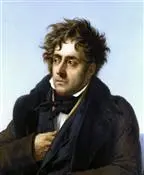
François-René de Chateaubriand

François-René de Chateaubriand was an influential French writer, politician, and diplomat. He is considered one of the founders of Romanticism in French literature, with works that explore themes such as nature, melancholy, exile, and the search for identity. His eventful life, marked by travels and political involvement, inspired much of his writing.

Jean-Baptiste Tati Loutard

Jean-Baptiste Tati Loutard was a Congolese poet and politician, whose literary work is a vibrant testament to African identity and the complexity of the post-colonial experience. His poetry, written in French, explores themes such as homeland, ancestry, the struggle for freedom, and the search for a place in the modern world. With a language rich in imagery and symbols, Tati Loutard evokes the beauty and resilience of African culture, while reflecting on the challenges of identity and modernization. His writing is a link between oral tradition and contemporary literary expression.

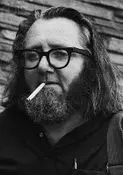
Ted Berrigan

Ted Berrigan was an American poet associated with the Second Generation of the New York School. His work is known for its colloquial, humorous, and often irreverent approach to language and everyday life. He experimented with poetic forms, integrating elements of popular culture and direct conversation into his poems, which gave him a distinctive and influential style in American experimental poetry.

Alfredo Alves

Alfredo Alves was a Portuguese poet known for his lyrical and introspective work. His poetry often explores themes such as the ephemerality of time, the fleeting beauty of nature, and the complexities of human relationships. His language, while accessible, is marked by a unique delicacy and musicality that have captivated readers over time. Alves left a poetic legacy that continues to be appreciated for its emotional depth and its ability to capture the essence of the human experience in carefully crafted verses.

Frei Bernardo de Vasconcelos

Friar Bernardo de Vasconcelos was a Portuguese poet and friar, a notable figure of Romanticism in Portugal. His poetic work, with a strong religious and sentimental character, explores themes such as faith, spirituality, divine love, and the ephemerality of life, in a style that combines popular simplicity with lyrical elevation. His religious dedication and poetic expression marked an important facet of 19th-century Portuguese religious literature.

Giacomo Noventa

Giacomo Noventa was an Italian poet and writer, whose work stands out for its sensitive lyricism and musical language, often exploring man's relationship with nature and the depths of the human soul. His poetry is marked by a search for beauty and harmony, with a style that combines classicism and a restrained modernity. Noventa is remembered for his ability to evoke vivid images and deep feelings, using carefully crafted language. His contribution to Italian poetry lies in the delicacy of his expression and the universality of his themes, which resonate with the human experience in its search for meaning and beauty.

Juan Gil Albert

Juan Gil-Albert was a Spanish poet, essayist, and literary critic, a key figure of the Generation of '27 and '36. His poetic work, characterized by profound existential reflection and refined language, explores themes such as time, memory, and the human condition. He carried out important work as an essayist and critic, analyzing Spanish literature and reflecting on the culture and society of his time. His legacy encompasses both his literary creation and his intellectual facet, being considered one of the benchmarks of 20th-century Spanish poetry and thought.