Poem of the day

Do Not Go Gentle Into That Good Night

Dylan Thomas
Do not go gentle into that good night, 
Old age should burn and rave at close of day; 
Rage, rage against the dying of the light. 

Though wise men at their end know dark is right, 
Because their words had forked no lightning they 
Do not go gentle into that good night. 

Good men, the last wave by, crying how bright 
Their frail deeds might have danced in a green bay, 
Rage, rage against the dying of the light. 

Wild men who caught and sang the sun in flight, 
And learn, too late, they grieved it on its way, 
Do not go gentle into that good night. 

Grave men, near death, who see with blinding sight 
Blind eyes could blaze like meteors and be gay, 
Rage, rage against the dying of the light. 

And you, my father, there on that sad height, 
Curse, bless, me now with your fierce tears, I pray. 
Do not go gentle into that good night. 
Rage, rage against the dying of the light.
Read full poem
Quote of the day
We cannot change anything unless we accept it. Condemnation does not liberate, it oppresses.
— Carl Jung
See quote

Born on this day

10
Oswaldo Martins

Oswaldo Martins was a Portuguese poet and educator, whose poetic work is marked by strong lyricism and the exploration of themes such as identity, memory, and the individual's relationship with their time and space. His poetry, often enveloped in a reflective and melancholic tone, seeks to deepen the understanding of the human experience through carefully crafted language. Martins played an important role in disseminating culture and literature through his work as an educator.

Gustavo Luz

Gustavo Luz is a contemporary poet whose work is characterized by lyrical depth and the exploration of existential themes. His verses, marked by careful language and refined sensitivity, address the complexities of human relationships, the passage of time, and the search for meaning in a constantly changing world. His poetry invites reflection and introspection.

J.Cardia

J. Cardia is a literary name that stands out for its poetry, exploring universal themes with a unique sensibility. His work reflects a deep look at the human condition, the ephemeral beauty of life, and the mysteries of existence. Through careful language and striking poetic imagery, J. Cardia invites the reader on a journey of introspection and contemplation. His writing, while rooted in literary traditions, presents a modernity that resonates with contemporary challenges and aspirations. The ability to evoke strong emotions and create unique atmospheres gives his poetry a distinctive and memorable character, solidifying his place in the literary landscape.

Rodrigo Otávio

Rodrigo Otávio was a notable Brazilian intellectual, whose work spanned poetry, prose, and literary criticism. His work is marked by profound lyricism, reflection on national identity, and exploration of the nuances of the human soul. With an elaborate language and distinctive style, Otávio contributed significantly to the enrichment of Brazilian literature, addressing universal themes with a perspective deeply rooted in his country's culture and history. His legacy lies in the artistic quality and depth of his reflections.

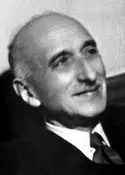
François Mauriac

François Mauriac was a French novelist, playwright, essayist, and journalist, awarded the Nobel Prize in Literature in 1952. His work is known for portraying life in Gascony, his homeland, exploring themes such as sin, faith, guilt, and redemption. He is often associated with Christian existentialism, and his writing is marked by deep psychological analysis and lyrical, poignant prose.

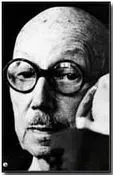
Pierre Jean Jouve

Pierre Jean Jouve was a French poet, novelist, and literary critic, born in Arras in 1887. His poetic work, often marked by the exploration of suffering, sensuality, and spirituality, is considered one of the most important in 20th-century French poetry.

Fausto Guedes Teixeira

Fausto Guedes Teixeira was a Portuguese poet known for his lyrical work and his connection to the neorealist movement. His poetry explored themes such as the land, work, the human condition, and the search for a deeper meaning of existence. With careful language and an often melancholic and reflective tone, Guedes Teixeira left a poetic legacy that resonates with its authenticity and sensitivity.

Manuel José Ferreira Dias

Manuel José Ferreira Dias was a Portuguese poet known for his lyrical and reflective work. His poetry explores themes such as nature, time, and the human condition, with careful language and a frequently melancholic tone. He stood out in Portuguese literature for the depth of his reflections and the musicality of his verses, earning a prominent place among the poets of his generation.

Balam Rodrigo

Balam Rodrigo is a Mexican writer with a diverse body of work that includes poetry, prose, and essays. His writing is often marked by a reflective approach to culture, identity, and the human condition, with a language that transitions between the erudite and the colloquial. He plays an important role in the dissemination of literature and literary criticism in his country.

Died on this day

9
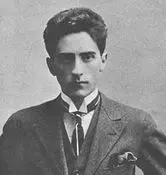
Jean Cocteau

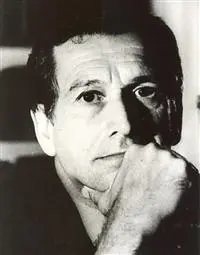
Jean Cocteau was a multifaceted French artist, known as a poet, novelist, playwright, designer, and filmmaker. His work, imbued with an unmistakable style, explores themes such as youth, love, art, death, and the supernatural, often with touches of surrealism and symbolism. Cocteau moved between different artistic movements but maintained a unique authorial voice, marked by elegance, imagination, and experimentation. His influence extends across various areas of culture, solidifying him as a central figure of the 20th century.

Renato Russo

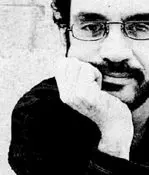
Renato Russo was a Brazilian singer, songwriter, and multi-instrumentalist, primarily known as the vocalist and leader of the band Legião Urbana. He is considered one of the greatest icons of Brazilian pop/rock music, with lyrics that addressed themes such as love, politics, youth, existentialism, and social criticism. His unmistakable voice and urban poetry marked a generation and continue to influence contemporary Brazilian music.

Marquesa de Alorna

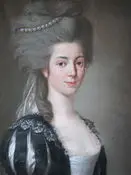
The Marquise of Alorna was a prominent figure in Portuguese literature, known for her erudite and reflective poetry. Her work addresses themes such as spirituality, the ephemerality of life, and the pursuit of wisdom, in a style marked by clarity and philosophical depth. As one of the first female voices to stand out in Portuguese literature, she left a significant intellectual and literary legacy, influencing later generations.

Fernando Sabino

Fernando Sabino was a prominent Brazilian writer and journalist, known for his work that spans chronicles, novels, and fiction. His writing is marked by keen observation of daily life, subtle humor, and profound humanity, addressing themes such as human relationships, the passage of time, and childhood memories.

Mário Elias

Mário Elias was a Portuguese poet whose work is part of the context of contemporary poetry, marked by a reflective and introspective approach. His writing often explores themes such as memory, time, landscape, and the fragility of human existence, with careful language and an at times melancholic tone. Through poetry that combines lyricism with attentive observation of daily life and the world around him, Elias left a unique contribution to poetry in Portugal. He is recognized for his sensitivity and his ability to evoke deep emotions.

Rosa Maria Martelo

Rosa Maria Martelo is a poet whose work is distinguished by its lyrical depth and exploration of existential themes. Her poetic compositions often address introspection, the passage of time, and the complexity of human relationships, all in a refined and evocative language. Her literary career has been consolidated through publications that reflect an authentic voice and a keen sensitivity to the nuances of human experience. Her poetry invites reflection and dialogue with the reader, establishing a bridge between the intimate and the universal.

Jean Lebrau

Jean Lebrau was a French writer and critic whose work is situated within the literary context of the 20th century. His literary production, although perhaps not widely known internationally, contributed to the discussion of relevant themes for the society and culture of his time. As a critic, Lebrau dedicated himself to analyzing and commenting on literary works, offering perspectives on French literature and its trends. His involvement in the intellectual sphere demonstrates an interest in deepening the debate on art and human expression, consolidating himself as an active participant in the cultural life of his nation.

Àngels Marzo

Àngels Marzo is a Spanish writer and poet, whose work is predominantly in the Catalan language. Her writing is marked by sensitivity and the exploration of themes such as memory, the passage of time, and the complexities of human relationships. With lyrical and evocative language, she has established herself as an important voice in contemporary literature. Her poetry tends to be introspective, inviting reflection on existence and emotions. Marzo has also actively participated in literary and cultural events, contributing to the vitality of the literary scene in her region.

Ángelo Néstore

Ángelo Néstore is a Spanish poet and essayist, known for his lyrical and philosophical writing. His work explores the relationship between being, time, and nature, with a language that blends the delicacy of verse with the depth of thought. With keen sensitivity, Néstore builds bridges between the inner and outer world, inviting the reader on a journey of self-knowledge and contemplation. His poetry is marked by the search for authentic expression and reflection on the mysteries of existence.