Poem of the day

Grass

Carl Sandburg
Pile the bodies high at Austerlitz and Waterloo.
Shovel them under and let me work
-I am the grass; I cover all.

And pile them high at Gettysburg
And pile them high at Ypres and Verdun.
Shovel them under and let me work.
Two years, ten years, and the passengers ask the conductor:

What place is this?
Where are we now?

I am the grass.
Let me work.
Read full poem

Born on this day

9
Djalma Filho

Djalma Filho was an Angolan poet known for his work exploring the complexities of identity, land, and the human condition in Africa. His poetry is marked by a deep connection to his homeland and an evocative language, often using strong imagery and a rhythmic cadence that reflects African sounds. He explored themes such as saudade, hope, and the struggle for freedom, becoming an important voice in Angolan literature. His work continues to resonate for its authenticity and its ability to capture the essence of the African experience with sensitivity and vigor.

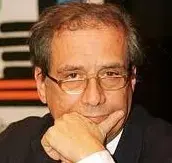
Bento Prado Júnior

Bento Prado Júnior was a Brazilian philosopher, literary critic, and university professor, renowned for his studies on phenomenology, existentialism, and literature. His work is notable for its analytical depth and its ability to connect philosophy with literary and cultural experience. He was an important figure in the intellectual formation of several generations of students and researchers.

Cláudio Murilo

Cláudio Murilo is a poet whose works explore the depths of the human condition, the ephemerality of time, and the incessant search for meaning. His poetry is marked by rich and evocative language, which oscillates between introspective lyricism and existential reflection. Through powerful poetic imagery and intrinsic musicality, Murilo constructs a literary universe that invites contemplation and questioning. His work reflects a keen sensitivity to the nuances of life, addressing universal themes with a unique and deeply personal perspective, solidifying his presence in the contemporary poetic landscape.

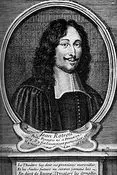
Jean Rotrou

Jean Rotrou was a 17th-century French playwright, known for his tragedies and comedies. He is considered one of the successors of Pierre Corneille in French theater. His work is marked by classical themes and the exploration of human passions.

Palma Rodrigues

Palma Rodrigues is an emerging figure in contemporary Portuguese poetry, distinguished by a lyrical and introspective writing style. Her work explores the complexities of the human soul, interpersonal relationships, and the search for meaning, with a refined language and a keen sensitivity to the melancholy and beauty of everyday life.

Gennadij Ajgi

Gennadij Ajgi (also known as Gely Aygi) was a Chuvash and Russian poet and translator. His work is deeply marked by Chuvash culture and language, seeking to preserve and revitalize this heritage in his poetry. He is known for an original poetic language that blends elements of Chuvash oral tradition with influences from modern Russian and European poetry. Ajgi addressed themes such as cultural identity, spirituality, the relationship with the land, and the search for authentic expression in his verses. His poetry is characterized by a unique sonority, evocative imagery, and a reflection on the human condition in a context of multiculturalism and social change. He also worked as a translator, bringing foreign poetry works into Russian, and fought for the preservation of linguistic and cultural minorities.

Died on this day

14
Alexandre O'Neill

Alexandre O'Neill was a Portuguese poet, a prominent figure of surrealist poetry in Portugal. His work, often irreverent and critical, moves between lyricism and humor, exploring language in an inventive and surprising way. He is known for his ability to subvert the common meaning of words, creating dreamlike and critical images of society. His poetry is an invitation to deconstruct apparent reality, revealing the absurd and the marvelous hidden in everyday life. O'Neill is one of the most original and influential names in 20th-century Portuguese poetry.

Irineu Filho

Irineu Filho is a Brazilian poet, whose work stands out for its strong lyrical vein and exploration of themes such as nature, love, and subjectivity. His poetry is characterized by accessible, yet profound language, which captivates the reader with its sensitivity and originality.

Gustavo de Matos Sequeira

Gustavo de Matos Sequeira was a Portuguese poet, professor, and diplomat. He stood out for his lyrical and social poetry, exploring themes such as love, homeland, and the human condition. His work reflects a deep knowledge of Portuguese literary tradition, while also engaging with the concerns of his time. With a multifaceted career, Sequeira combined literary activity with teaching and diplomacy, which allowed him privileged contact with different cultures and realities. His poetry is marked by careful language and refined sensibility, earning him a prominent place in 20th-century Portuguese literature.

Lucília Cândida Sobrinho

Lucília Cândida Sobrinho is a less known figure in the literary landscape, but whose poetic production, although discreet, reveals a particular sensitivity for the expression of feelings and observations of everyday life. Her work, when accessible, demonstrates an effort to capture the essence of moments and emotions in a delicate and personal way, fitting into the context of more intimate and reflective poetry.

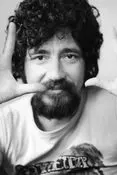
Raul Seixas

Raul Seixas was an iconic Brazilian singer, songwriter, and multi-instrumentalist, known as the "Father of Brazilian Rock." His musical work is marked by a fusion of genres, such as rock, baião, forró, and MPB, with irreverent, philosophical, and often critical lyrics towards the status quo. Raul Seixas left a lasting legacy in Brazilian popular music, influencing generations with his originality and rebellious spirit.

Francisco Vieira Goulart

Francisco Vieira Goulart was a Portuguese poet and politician of the 19th century. His poetic work is recognized for its lyrical depth and for addressing themes such as faith, nature, and human feelings. Beyond his literary career, he played an active role in the political and religious life of his time, being a multifaceted figure.

António Telmo

António Telmo was a Portuguese poet, essayist, and literary critic, a prominent figure in 20th-century poetry. His work is marked by a profound reflection on themes such as identity, memory, history, and the human condition, with an erudite style and an elaborate language. He explored the relationship between poetry and philosophy, leaving a legacy of essays and poems that invite meditation on existence and the meaning of life.

Manuel da Costa e Melo

Manuel da Costa e Melo was a Portuguese poet known for his lyrical and reflective work. His poetry often explores themes such as the ephemerality of time, nature, and the search for a deeper meaning of existence. With careful language and keen sensitivity, he contributed to the renewal of Portuguese-language poetry.

Joaquim de Barros Ferreira

Portuguese poet and essayist, Joaquim de Barros Ferreira is a prominent figure in contemporary literature, known for his work that combines critical reflection and lyrical sensibility. With a vigorous style and precise language, he addresses themes such as memory, history, identity, and the human condition in times of change. His poetic and essayistic compositions are marked by intellectual depth and a unique ability to question the world and the act of writing itself. Ferreira stands out for his cultural intervention and his contribution to literary and philosophical debate.

Henrik Pontoppidan

Henrik Pontoppidan was a Danish writer, awarded the Nobel Prize in Literature in 1917, along with Karl Gjellerup. He is known for his novels and short stories that portray rural life in Denmark, focusing on themes such as the conflict between traditional peasantry and modernity, and the struggle for meaning in a changing world. His works often feature penetrating social realism and a deep psychological interest in his characters. Pontoppidan passed away in 1943.

Arturo Corcuera

Arturo Corcuera was a Spanish poet known for his playful and innovative approach to language. His work stands out for its formal experimentation and exploration of themes such as memory, identity, and the relationship between man and nature. Corcuera is recognized for his contribution to contemporary poetry, with a style that shifts between the colloquial and the erudite.

Juan de Tassis y Peralta

Juan de Tassis y Peralta, count of Villamediana, was a prominent Spanish poet and playwright of the Golden Age. Known for his wit and his satirical and burlesque style, his work is part of the conceptist current, with an acute use of metaphor and wordplay. Despite a life marked by courtly intrigue and a tragic death, his poetry left a significant mark for its audacity and originality, exploring themes such as love, social criticism, and the fleeting nature of time with an unmistakably modern voice for his time.

Rodolfo Enrique Fogwill

Rodolfo Enrique Fogwill was a prominent Argentine writer and literary critic, known for his provocative prose and his sharp observation of social and political reality. His work, which spans narrative and poetry, is characterized by direct, often raw language, and a deep irony that exposes the hypocrisies of his time. Fogwill explored themes such as marginality, violence, and the complexities of Argentine identity, leaving an indelible mark on his country's contemporary literature.