Poem of the day

Grass

Carl Sandburg
Pile the bodies high at Austerlitz and Waterloo.
Shovel them under and let me work
-I am the grass; I cover all.

And pile them high at Gettysburg
And pile them high at Ypres and Verdun.
Shovel them under and let me work.
Two years, ten years, and the passengers ask the conductor:

What place is this?
Where are we now?

I am the grass.
Let me work.
Read full poem

Born on this day

13
Ildásio Tavares

Ildásio Tavares was a Brazilian poet, journalist, and politician, whose work is part of the modernist movement in Pernambuco. His poetry is characterized by a strong connection to the land, popular Northeastern culture, and a tone of social and political intervention. He was one of the founders of the magazine 'Presença', an important vehicle for disseminating modernist ideas in the state. His life and work reflect a deep commitment to the social and cultural issues of Brazil.

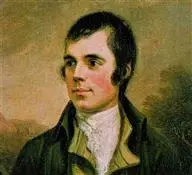
Robert Burns

Robert Burns was a Scottish poet and lyricist, widely regarded as the national poet of Scotland and celebrated as the cultural icon of its people. His work often captured the spirit of rural Scottish life, using vernacular Scots and exploring themes of love, nature, social justice, and national identity. Burns's poetry and songs have had a lasting impact on Scottish culture and continue to be cherished worldwide.

A Bard's Epitaph
Fernandes Soares

Fernandes Soares was a poet whose work is distinguished by its lyrical depth and exploration of universal themes such as love, death, and the passage of time. His writing, marked by careful language and intrinsic musicality, invites reflection on the human condition. His contribution to poetry lies in his ability to translate complex feelings into accessible verses, yet laden with meaning. Although less prominent in the mainstream literary canon, Fernandes Soares' poetry is being rediscovered by admirers of more introspective and philosophical lyricism. His work represents a testament to the beauty and melancholy inherent in the experience of life.

Rodrigo Carvalho

Rodrigo Carvalho is a contemporary Portuguese poet, known for his work that explores the urban landscape, memory, and identity in the context of modernity. His poetry is distinguished by its careful language, its ability to evoke atmospheres, and its reflection on the human condition in cities. He has established himself as a relevant voice in current Portuguese poetry, with a body of work that dialogues with tradition while opening up to new sensibilities and forms of expression. His poetry invites the reader to revisit the everyday with a renewed perspective.

Thereza Magalhães Pinto

Thereza Magalhães Pinto is a writer whose work stands out for its sensitivity and exploration of themes that touch the human soul. With an engaging prose, the author weaves narratives that explore interpersonal relationships, emotions, and the complexities of everyday life. Her writing invites introspection and contemplation, offering a keen look at the corners of existence.

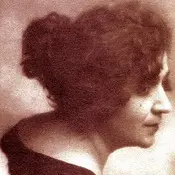
Judith Teixeira

Judith Teixeira was a singular figure in Portuguese poetry, standing out for her avant-garde audacity and the expressionist force of her work. Born in 1880, she was a pioneer in exploring themes such as urban modernity, psychoanalysis, and the female condition, topics little addressed in her time. With intense language and a sometimes shocking style, she addressed the complexity of the human soul, drives, and desires, on a journey marked by innovation and the attempt to break with established literary conventions, leaving a legacy of visceral and visionary poetry.

Manuel Caetano de Sousa

Manuel Caetano de Sousa was a Portuguese poet, a prominent figure in 18th-century literature, a period marked by the influence of Arcadianism. His poetic work, although not extensive, demonstrates a strong inclination towards courtly lyrics and bucolic themes, characteristic of the Arcadian movement. His style is characterized by the pursuit of clarity, formal symmetry, and the evocation of pastoral and idyllic settings, reflecting the aesthetic ideals of his time.

Paula Assunção

Paula Assunção is a singular figure in contemporary poetry, marked by a writing that explores the intimacy and complexity of human emotions. Her poetic work is distinguished by its lyrical depth and its ability to evoke existential sensations and reflections in a delicate and penetrating way. With a careful language and an attentive eye on the nuances of feeling, Assunção builds a poetic universe where words become a vehicle for introspection and self-discovery. Her poetry invites the reader to immerse themselves in inner landscapes, exploring themes such as memory, love, loss, and the search for meaning.

Carlos Eduardo Turón

Carlos Eduardo Turón is a Mexican writer and professor. His literary work spans poetry and prose, exploring themes such as identity, memory, and the complexities of human experience. He is also dedicated to research and teaching, contributing to the academic and literary scene.

Jacobo Fijman

Jacobo Fijman was a poet and thinker of Jewish-Romanian origin who developed a large part of his work in Argentina. His poetry, deeply spiritual and mystical, is characterized by an incessant search for the transcendent and a reflection on the human condition, time, and divinity. His work, although not very extensive, is of great intensity and originality, exploring the depths of the soul and the relationship of human beings with the cosmos. Fijman is considered a unique figure in 20th-century Spanish poetry, a poet who delved into the mysteries of existence with a unique and moving voice.

Died on this day

5
Manuel Lopes

Manuel Lopes was a prominent Cape Verdean writer, known for his deep connection with the land and sea of Cape Verde, central themes in his work. His writing, marked by a vigorous style and a language rich in creolisms, authentically portrays the life, customs, and aspirations of the Cape Verdean people. He is considered one of the pillars of Cape Verdean literature.

Dámaso Alonso

Dámaso Alonso y Perales was a Spanish poet, philologist, and literary critic. He is considered a central figure in the Generation of '27, a literary movement that marked 20th-century Spanish poetry. His poetic work is known for its introspection and reflection on the human condition, while his work as a philologist and critic left a lasting legacy in the study of the Spanish language and literature.

Afonso Lopes Vieira

Afonso Lopes Vieira was a prominent Portuguese poet, a leading figure of his literary generation. His work, rich in themes such as homeland, nature, and love, is characterized by deep lyricism and strong musicality, often inspired by popular tradition. He stood out for his ability to vividly evoke landscapes and feelings, contributing significantly to Portuguese poetry of his time. His writing reflects a deep love for Portugal and a reflection on the human condition.

Claribel Alegría

Claribel Alegría was a Nicaraguan poet, essayist, and novelist whose work is characterized by its profound lyricism and social commitment. Throughout her life, she explored universal themes such as love, death, memory, and identity, often intertwining them with the history and politics of Latin America. Her poetry is distinguished by an intimate yet collective voice, capable of evoking intense emotions and deep reflections. Her literary legacy is vast and internationally recognized, having received numerous awards and distinctions. Alegría established herself as one of the most important poetic voices in 20th and 21st-century Spanish-language literature, leaving an indelible mark on the culture and memory of the region.