Poem of the day

Do Not Go Gentle Into That Good Night

Dylan Thomas
Do not go gentle into that good night, 
Old age should burn and rave at close of day; 
Rage, rage against the dying of the light. 

Though wise men at their end know dark is right, 
Because their words had forked no lightning they 
Do not go gentle into that good night. 

Good men, the last wave by, crying how bright 
Their frail deeds might have danced in a green bay, 
Rage, rage against the dying of the light. 

Wild men who caught and sang the sun in flight, 
And learn, too late, they grieved it on its way, 
Do not go gentle into that good night. 

Grave men, near death, who see with blinding sight 
Blind eyes could blaze like meteors and be gay, 
Rage, rage against the dying of the light. 

And you, my father, there on that sad height, 
Curse, bless, me now with your fierce tears, I pray. 
Do not go gentle into that good night. 
Rage, rage against the dying of the light.
Read full poem

Born on this day

5
Théophile Gautier

Théophile Gautier was a French poet, writer, critic, and journalist, a prominent figure of Romanticism and one of the proponents of the doctrine of "art for art's sake." His work encompasses poetry, prose, and literary and artistic criticism, distinguished by his elegant prose and vivid descriptions. Known for his passion for art, beauty, and the exotic, Gautier left a significant legacy in French literature, influencing generations of writers with his formal rigor and his incessant pursuit of aesthetic perfection.

Pereira da Silva

Pereira da Silva was a 19th-century Portuguese poet and playwright, associated with Romanticism. His work encompasses lyric poetry, with amorous and patriotic themes, and theater, where he explored historical and social dramas. He is notable for his expressive language and the passion he imbues in his verses and plays.

Manuel Pimentel

Manuel Pimentel was a Portuguese writer, whose work is distinguished by his participation in the 20th-century literary movement. His literary production, which can encompass different genres, reflects an engagement with social realities and a unique style that characterizes him. Although his figure may not be as prominent as that of other contemporary authors, his contribution to Portuguese literature is recognized.

A. Garibaldi

A. Garibaldi was a poet whose work explored the complexities of human existence with language rich in imagery and symbolism. His poetic compositions often address themes such as love, the ephemerality of time, and the search for meaning in a constantly changing world. His writing is characterized by deep introspection and a keen sensitivity to the nuances of human emotions, leaving a poetic legacy that continues to resonate with readers and critics.

Hugo Mujica

Hugo Mujica is a renowned Argentine poet, essayist, and professor. His poetic work is marked by a profound philosophical and existential reflection, exploring themes such as time, memory, silence, and the search for transcendence. He also dedicates himself to teaching and disseminating philosophy, with an accessible and captivating language.

Died on this day

5
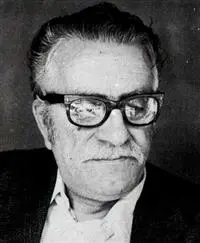
Celso Emilio Ferreiro

Celso Emilio Ferreiro was a Galician poet, journalist, and political activist, considered one of the central figures of contemporary Galician poetry. His work is marked by strong social and political engagement, the exploration of Galician identity, and direct, vigorous language. He was a tireless defender of Galician culture and language in times of repression.

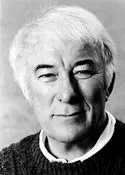
Seamus Heaney

Seamus Heaney was an Irish poet, writer, and translator, awarded the Nobel Prize in Literature in 1995. His poetry is known for its deep connection to the Irish rural landscape, its reflections on identity, memory, and violence, and its use of rich, sensory language. Heaney explored the human experience through imagery drawn from rural life, history, and mythology, creating a body of work that resonates with universal themes of belonging, loss, and transcendence. His poetic voice is simultaneously personal and collective, offering a unique perspective on the human condition.

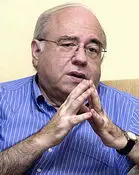
Luis Fernando Verissimo

Luís Fernando Verissimo is a Brazilian writer, journalist, cartoonist, and advertiser, known for his intelligent humor, insightful chronicles, and iconic characters. His work spans various genres, from children's and young adult literature to adult fiction, always with a sharp eye on Brazilian customs, politics, and daily life. Verissimo stands out for his accessible language, agile rhythm, and ability to transform banal situations into comical and profound reflections.

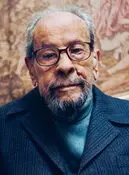
Bernardo Santareno

Bernardo Santareno was a prominent Portuguese playwright, poet, director, and novelist, a central figure in contemporary theater in Portugal. His work, marked by a deep reflection on the human condition, identity, and the history of Portugal, is distinguished by the poetic strength of its language and its thematic boldness. He frequently explored social and existential conflicts, using a rich and expressive language that earned him national and international recognition. Santareno left a significant legacy in the Portuguese cultural landscape, being remembered for his vast contribution to theater and literature.