
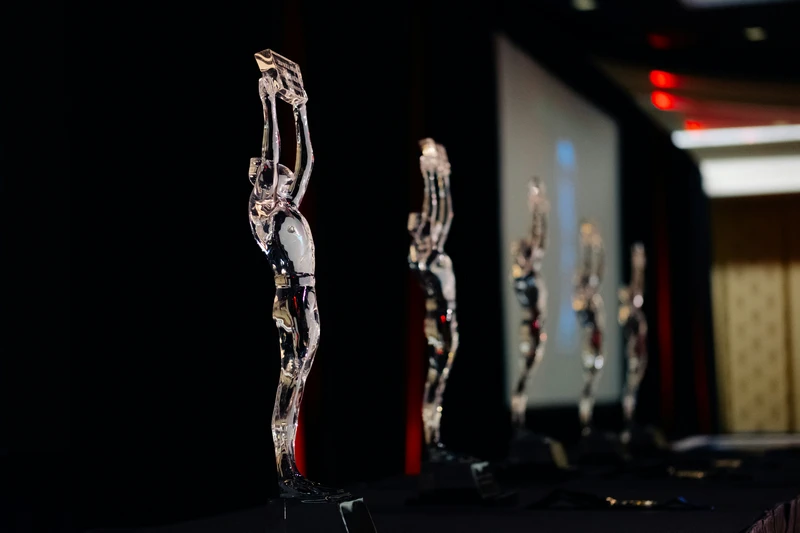
Awards
Los Angeles Times Book Prize for Poetry
LA Times Book Prize - Poetry
Description
History and Purpose
The Los Angeles Times Book Prize for Poetry is a highly significant distinction in the American literary landscape, awarded annually by the newspaper Los Angeles Times. Established in 1980, the prize aims to celebrate and promote high-quality poetry, recognizing works that demonstrate originality, thematic depth, technical mastery, and cultural impact. The Poetry category is one of the oldest and most respected within the Los Angeles Times' literary awards, which also cover other areas such as fiction, non-fiction, biography, history, and children's literature.
Selection Criteria
The selection criteria for the award are rigorous. A panel of judges, composed of poets, literary critics, and academics, evaluates the submitted works. Eligibility generally falls upon poetry books published in English in the United States during the calendar year preceding the award. There are no restrictions on the author's nationality, but the main focus is on literary production that circulates and is published in the American market. The award is not limited to a single style or poetic approach, valuing diversity of voices and forms, from traditional lyric poetry to more avant-garde experiments.
Cultural Significance
The importance of the Los Angeles Times Book Prize for Poetry lies not only in the prestige it confers upon the winners but also in its ability to highlight emerging and established authors, boosting their careers and increasing the visibility of their works. The award ceremony, often held in conjunction with other categories, attracts the attention of the literary community, the press, and the general public, serving as an important cultural event in the city of Los Angeles and beyond.
Notable Winners and Legacy
Over the years, the award has been given to some of the most influential poets in contemporary American literature, including figures such as Louise Glück (a Nobel Prize in Literature winner), Philip Levine, Rita Dove, Natasha Trethewey, and Claudia Rankine, among many others. The list of winners reflects a commitment to excellence and a comprehensive vision of what constitutes the highest merit in poetry. The award serves as a barometer of the health and vitality of poetry in the United States, encouraging the production of significant works and promoting dialogue around poetic art. Its longevity and the caliber of its laureates solidify its place as one of the pillars of American literary awards.
Winners

Airea D. Matthews

Airea D. Matthews is a contemporary American poet, recognized for her vibrant poetry focused on the urban Black experience, exploring themes of faith, family, community, and the pursuit of dignity amidst challenges.

Dionne Brand


Diane Seuss

Victoria Chang

Ilya Kaminsky

Ilya Kaminsky is a Ukrainian-born poet, critic, and translator, known for his poetry that explores language, memory, history, and the immigrant experience. His work is marked by a profound musicality and a keen eye for the complexities of the human condition.

Carl Phillips

Patricia Smith

Rosmarie Waldrop

Jorie Graham
Jorie Graham is a contemporary American poet, known for her philosophical and experimental poetry that investigates themes such as nature, consciousness, time, and the human relationship with the world. Her work is marked by an intense and reflective approach, exploring language as a means to apprehend reality and human experience. Graham is also an important figure in creative writing education.

Claudia Rankine

Ron Padgett
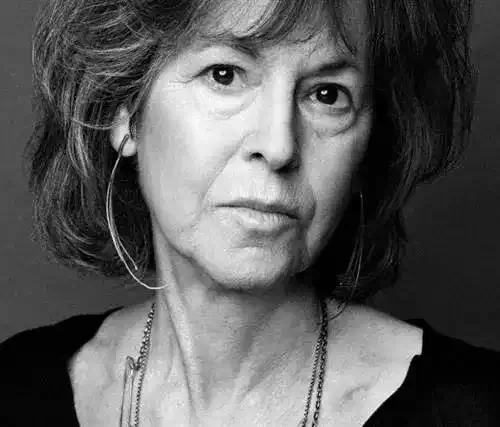
Louise Glück
Louise Glück was an American poet known for her lyrical and introspective writing, which frequently explored themes of loss, desire, family, and nature. Her work is marked by raw emotional intensity, direct language, and careful structure, often revisiting classical myths and fairy tales to explore the human psyche. Throughout her career, Glück received widespread acclaim, culminating in the Nobel Prize in Literature in 2020, solidifying her place as one of the most significant voices in contemporary American poetry.
Carl Phillips

Maxine Kumin

Brenda Hillman

Frank Bidart

Stanley Plumly

Frederick Seidel

Jack Gilbert

Richard Howard

Anthony Hecht

Cynthia Zarin
Cynthia Zarin was an American writer and poet known for her lyrical prose and sharp observations on everyday life and nature. Her work often explored themes of memory, family, and the passage of time, with a sensitivity that resonated with many readers.

Anne Carson
Anne Carson is a Canadian poet, essayist, and novelist known for her scholarly and interdisciplinary approach to literature. Her works often blend genres, exploring themes such as classical mythology, philosophy, history, and literary criticism.

Gjertrud Schnackenberg
Gjertrud Schnackenberg is an American poet whose works are known for their formal precision, lyrical intelligence, and exploration of themes such as memory, identity, and human experience. Her poetry is often marked by deep contemplation and carefully crafted language.

C. K. Williams
C. K. Williams was an acclaimed American poet, known for his visceral and often dark approach to modern life. His work frequently explored themes of poverty, crime, sexuality, and the complexities of the human psyche, using direct and unadorned language that resonated with the raw reality of his subjects. He was a master at capturing moments of intensity and vulnerability, painting a poignant portrait of urban experiences and individual struggles.

Alice Notley

Charles Wright

Alan Shapiro

Robert Pinsky
Robert Pinsky is a contemporary American poet and essayist, known for his poetry that combines technical rigor with a vivid exploration of everyday life, history, and language. His work is marked by a distinctive musicality and a reflective approach to the human experience, having served as the Poet Laureate of the United States.

Carolyn Forché

Mark Doty
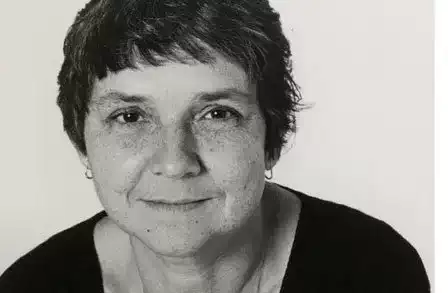
Adrienne Rich
Adrienne Rich was an American poet, essayist, and feminist activist, recognized for her politically engaged poetry and her exploration of identity, sexuality, and social oppression. Throughout her career, her work evolved to address themes of radical feminism, lesbianism, pacifism, and social justice, becoming an influential voice in counterculture movements and gender studies.

Philip Levine

John Caddy

John Caddy is an Australian poet and writer known for his lyrical and contemplative poetry, often inspired by the landscape and nature. His work explores themes of identity, memory, and the connection between humans and the natural environment.

Donald Hall

Richard Wilbur

William Meredith
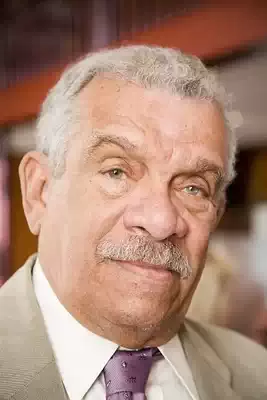
Derek Walcott

Derek Walcott was a Saint Lucian poet and playwright, celebrated for his sweeping epics and lyrical meditations on Caribbean identity, history, and the enduring power of the natural world. His work often explored the complex legacy of colonialism, the interplay of different cultures, and the search for selfhood in a postcolonial landscape. Educated in the British tradition yet deeply rooted in the Caribbean, Walcott's poetry is characterized by its rich imagery, classical allusions, and masterful use of language, often blending European literary forms with the rhythms and spirit of his native islands. He received numerous accolades for his contributions to literature, including the Nobel Prize in Literature.

X.J. Kennedy
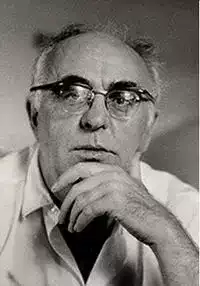
Charles Olson
Charles Olson was an American poet, essayist, and academic, a central figure in post-World War II poetry. His work is marked by an intense exploration of individual experience and history, integrating philosophy and anthropology into verses that seek to capture the totality of being. Olson is often associated with Black Mountain College, where he taught and developed many of his theories on poetry, proposition, and perception. His legacy lies in redefining poetic practice, encouraging a more direct and visceral approach to language and reality, profoundly influencing generations of experimental poets.

James Merrill
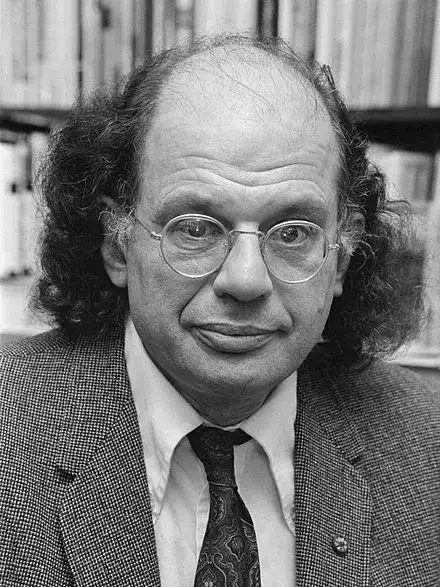
Allen Ginsberg
Allen Ginsberg was a pioneering American poet and a central figure of the Beat Generation. His work is characterized by its raw, confessional style, prophetic voice, and exploration of themes such as spirituality, sexuality, political dissent, and the critique of American materialism. He was a prominent activist, advocating for civil rights, environmental protection, and nuclear disarmament. His most famous poem, "Howl," became a symbol of countercultural rebellion and freedom of expression.

Ntozake Shange
