

Awards
Premio Bagutta
Description
History and Origins
The Premio Bagutta is one of the oldest and most prestigious Italian literary prizes, with a rich history and a strong connection to the world of art and culture. It was founded in 1927 by a group of intellectuals and artists who used to meet at the "Caffè Bagutta" in Milan, hence the name of the prize. Initially, the prize was awarded to works of prose, but over time it expanded its categories to include poetry and essays, reflecting the diversity of literary production.
The Jury and its Composition
One of the distinctive features of the Premio Bagutta is its jury. Traditionally, the jury is composed of prominent figures from the world of art, culture, and journalism, and not exclusively by literary critics. This approach gives the prize a unique and sometimes unexpected perspective on the selected works, valuing their originality and cultural impact. The composition of the jury changes regularly, ensuring a renewal of perspectives and continuous dialogue with contemporary trends.
Selection Criteria
The selection criteria for the Premio Bagutta are not rigidly defined in terms of genre or style, which allows for great freedom in choosing the winners. The focus is often on literary quality, originality of writing, thematic depth, and the work's ability to provoke reflection and debate. The prize has a reputation for discovering and promoting new talents, but also for recognizing established authors who present innovative works.
Cultural Impact and Categories
The Premio Bagutta not only celebrates literature but also promotes broader cultural exchange, often organizing events and meetings that bring together writers, artists, and the public.
The prize categories typically include the "Sezione Narrativa" (for novels and short stories), the "Sezione Poesia" (for poetry), and, in some editions, the "Sezione Saggistica" (for essays). The award ceremony is an important cultural event in Italy, attracting the attention of the press and the public interested in literature and the arts. Its longevity and its ability to adapt to changes in the literary and cultural landscape ensure its continued relevance in the Italian and international literary scene. The prize is seen as an indicator of quality and a seal of approval for works that stand out for their excellence and originality.
Winners

Domenico Starnone


Vittorio Lingiardi

Gianni Biondillo

Marco Missiroli

Benedetta Craveri

Giorgio Fontana

Enrico Deaglio

Marco Balzano

Helena Janeczek

Vivian Lamarque

Paolo Di Stefano

Paolo Maurensig

Sandro Veronesi
Sandro Veronesi is a renowned Italian writer, known for his engaging prose and ability to explore the complexity of human relationships. His work often moves between personal drama and broader social issues, winning over both the public and literary critics. He is an author of great sensitivity, whose stories resonate with the authenticity and psychological depth of his characters.

Maurizio Cucchi

Valerio Magrelli

Antonella Tarpino

Gianfranco Calligarich

Giovanni Mariotti

Andrea Bajani

Corrado Stajano

Melania Mazzucco

Andrej Longo

Alessandro Spina

Eugenio Borgna

Filippo Tuena
Filippo Tuena is a contemporary Italian writer, whose works are characterized by the exploration of themes such as identity, memory, and the search for meaning in a complex world. His prose is marked by erudition and an often dreamlike and reflective atmosphere. Tuena approaches literature as a means of investigating the depths of human experience, using rich and elaborate language to construct narratives that challenge the reader to question their own perceptions and the reality around them.

Rosetta Loy

Franco Cordero

Edoardo Sanguineti
Edoardo Sanguineti was an Italian poet, literary critic, and academic, a prominent figure in experimental and neo-avant-garde Italian poetry. His work is marked by a profound interrogation of language, reality, and the human condition, exploring the tensions between the individual and society, the personal and the political. With an innovative and challenging style, Sanguineti left a significant legacy in contemporary poetry.

Eva Cantarella

Michele Mari

Giorgio Orelli

Roberto Calasso

Serena Vitale

Andrea Zanzotto

Fabio Carpi

Giovanni Raboni

Sergio Ferrero

Raffaello Baldini
Raffaello Baldini was an Italian poet and writer, known for his poetry that delves into the landscapes and culture of Romagna, his native land. His work stands out for its colloquial language, musicality, and ability to evoke daily life with simplicity and depth. Baldini moved between the Romagnol dialect and standard Italian, exploring the nuances of regional identity. His poetry is often marked by a melancholic and ironic tone, addressing themes such as memory, time, the passage of life, and human relationships. Baldini is recognized for giving voice to common experiences, transforming the particular into the universal through his lyrical sensibility and his keen eye for detail.

Daniele Del Giudice

Alberto Arbasino

Giovanni Giudici

Giorgio Bocca

Livio Garzanti

Fleur Jaeggy


Luigi Meneghello

Luciano Erba

Claudio Magris

Leonardo Sciascia

Francesca Duranti

Natalia Ginzburg
Natalia Ginzburg was a renowned Italian writer, playwright, and journalist. Her work, characterized by a direct and intimate style, explores the complexities of family relationships, memory, and social transformations in 20th-century Italy. Ginzburg is admired for her ability to capture the essence of everyday life and human emotions with profound empathy and clarity.

Giorgio Bassani

Vittorio Sereni

Pietro Citati

Giovanni Macchia

Mario Rigoni Stern

Carlo Cassola
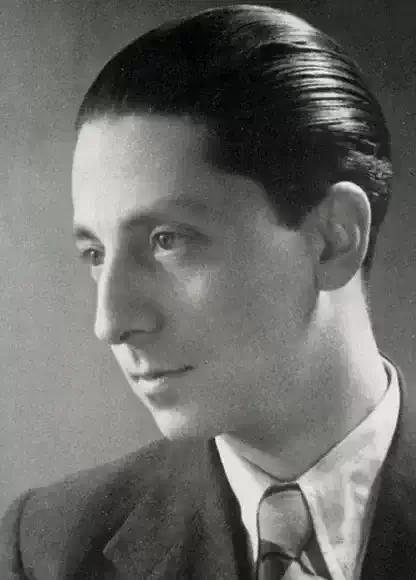
Sandro Penna
Sandro Penna was an Italian poet, known for his lyrical and intimate poetry, which frequently explores themes such as youth, beauty, desire, and melancholy. His work, marked by clear and musical language, and by an apparent formal simplicity, reveals a profound sensibility and a unique vision of the world. Penna maintained a discreet stance throughout his life, dedicating himself entirely to his art.

Mario Soldati

Enzo Forcella

Gianni Celati

Sergio Solmi

Anna Banti

Piero Gadda Conti

Alberto Vigevani

Niccolò Tucci
Niccolò Tucci was an Italian writer known for his narratives that explore the complexity of family relationships and the search for identity. His work is marked by an ironic and introspective style, delving into the depths of the human psyche.

Piero Chiara
Piero Chiara was a renowned Italian writer, known for his narratives that frequently portray the life and customs of Lombardy, his homeland. His work is marked by a lyrical style and a deep attention to detail, exploring human relationships with sensitivity and humor.
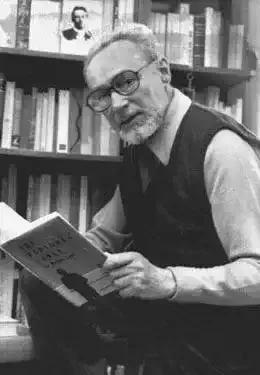
Primo Levi
Primo Levi was an Italian writer, chemist, and Holocaust survivor. He is best known for his detailed account of his experience in Auschwitz, "Is This a Man".

Manlio Cancogni

Biagio Marin
Biagio Marin was an Italian poet and linguist, known for his poetic work that celebrates the culture and landscape of the Istrian region, combining elements of the lyrical tradition with an innovative language deeply connected to the land and its cultural roots. His poetry is a testament to his identity and his deep love for his territory.

Tommaso Landolfi

Ottiero Ottieri

Giuseppe Dessì

Giorgio Vigolo

Antonio Barolini
Antonio Barolini was a prominent Italian writer, poet, and translator. His work is recognized for its stylistic sophistication and the depth with which he addressed the human experience, with a focus often turned to the complexities of life and art. Barolini stood out for his versatility, moving with mastery between prose and poetry. His writing is marked by sharp sensitivity and the ability to evoke deep emotions and reflections, consolidating him as an important figure in 20th-century Italian literature.

Enrico Emanuelli
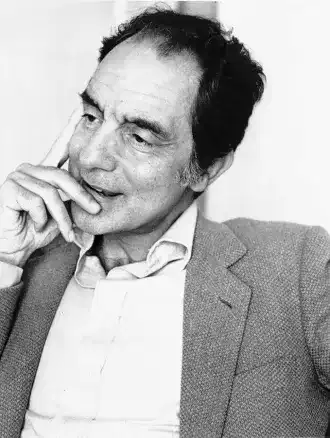
Italo Calvino

Lorenzo Montano
Lorenzo Montano is a contemporary Italian writer. His literary work is recognized for experimentation and the exploration of new narrative forms. He is dedicated to investigating the frontiers of language and representation, seeking to break with established conventions. With a career focused on innovation, Montano addresses themes that frequently question the perception of reality and the subjectivity of the individual. His writing is marked by stylistic boldness and a constant search for renewal.

Pier Angelo Soldini

Giuseppe Lanza

Alfonso Gatto

Giuseppe Marotta

Leonardo Borgese

Francesco Serantini

Indro Montanelli

Vitaliano Brancati
Vitaliano Brancati was a prominent Italian novelist and playwright, known for his works exploring life in Sicily and the complexities of the human condition. His writing is characterized by sharp wit, deep empathy for his characters, and a subtle critique of social conventions and hypocrisy. He is particularly famous for novels such as "Il bell'Antonio" and "Donati e compagni". Brancati masterfully captured the nuances of Sicilian culture while addressing universal themes like love, frustration, and the search for identity.

Giulio Confalonieri

Pier Antonio Quarantotti
Pier Antonio Quarantotti was an Italian writer and journalist, whose work focused on social, historical, and cultural themes. A journalist by training, he transferred a keen observational ability and precise language to his literary writing. His writings frequently explored the life and customs of his native land, the Veneto region, offering a vivid portrait of its people and history.

Dario Ortolani

Silvio Negro

Enrico Sacchetti

Carlo Emilio Gadda

Raul Radice

Leonida Répaci
Leonida Répaci was an Italian writer, journalist, and anti-fascist, known for his work that frequently portrays life in Calabria and the experiences of humble people. His writing is marked by a strong sense of realism, attention to social details, and direct, expressive language. Répaci was also politically engaged, using his writing as a tool for denunciation and social reflection.

Giovanni Titta Rosa

Gino Rocca

Vincenzo Cardarelli
Vincenzo Cardarelli was an Italian poet and journalist, considered one of the most important voices of lyrical poetry of the 20th century in Italy. His work is characterized by a deep meditation on time, memory, solitude, and the fleeting beauty of life. Cardarelli developed a refined and musical poetic style, focused on expressing universal feelings with precise and evocative language.

Giovanni Comisso
